Hugene
vsTyee
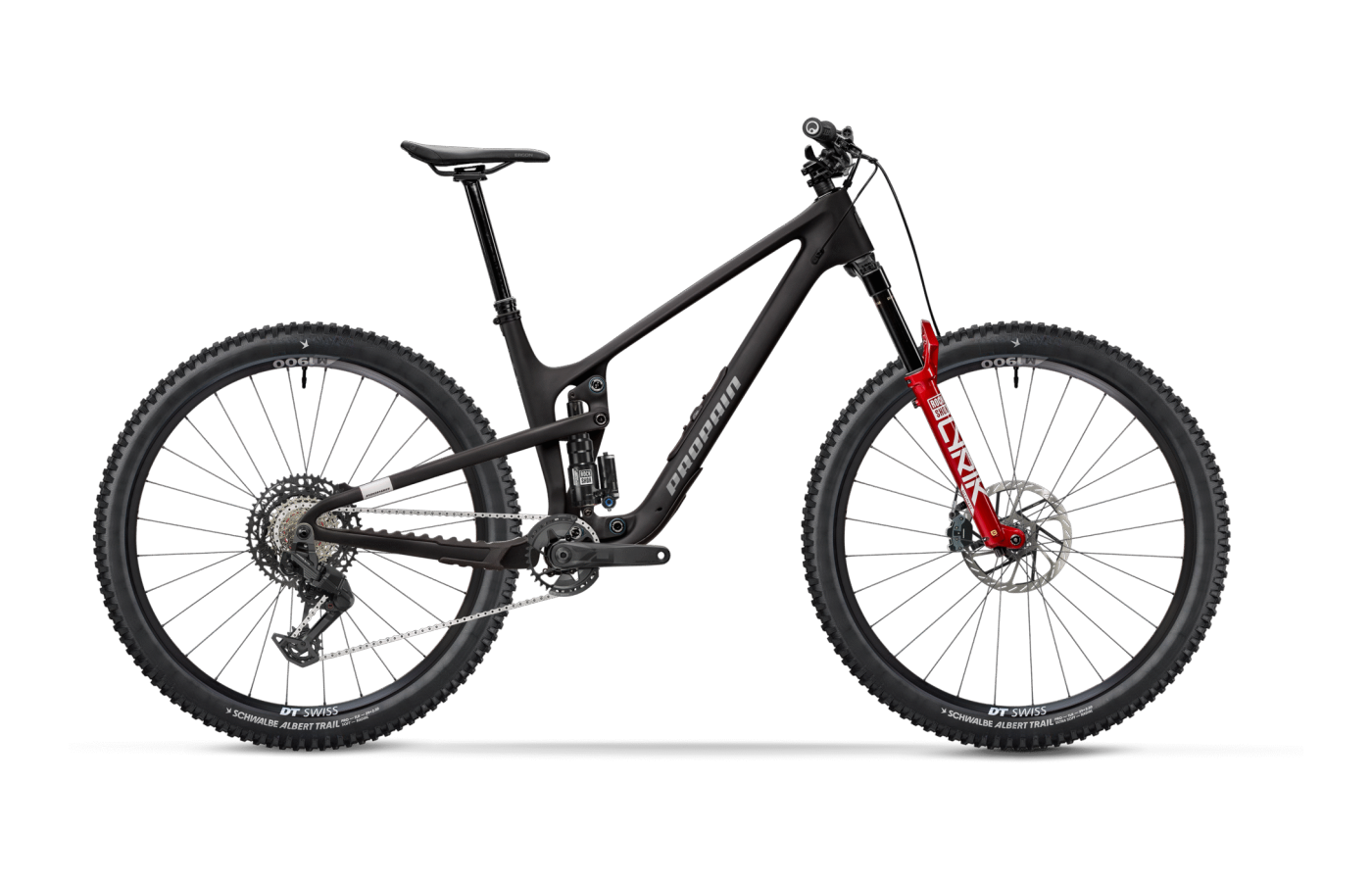
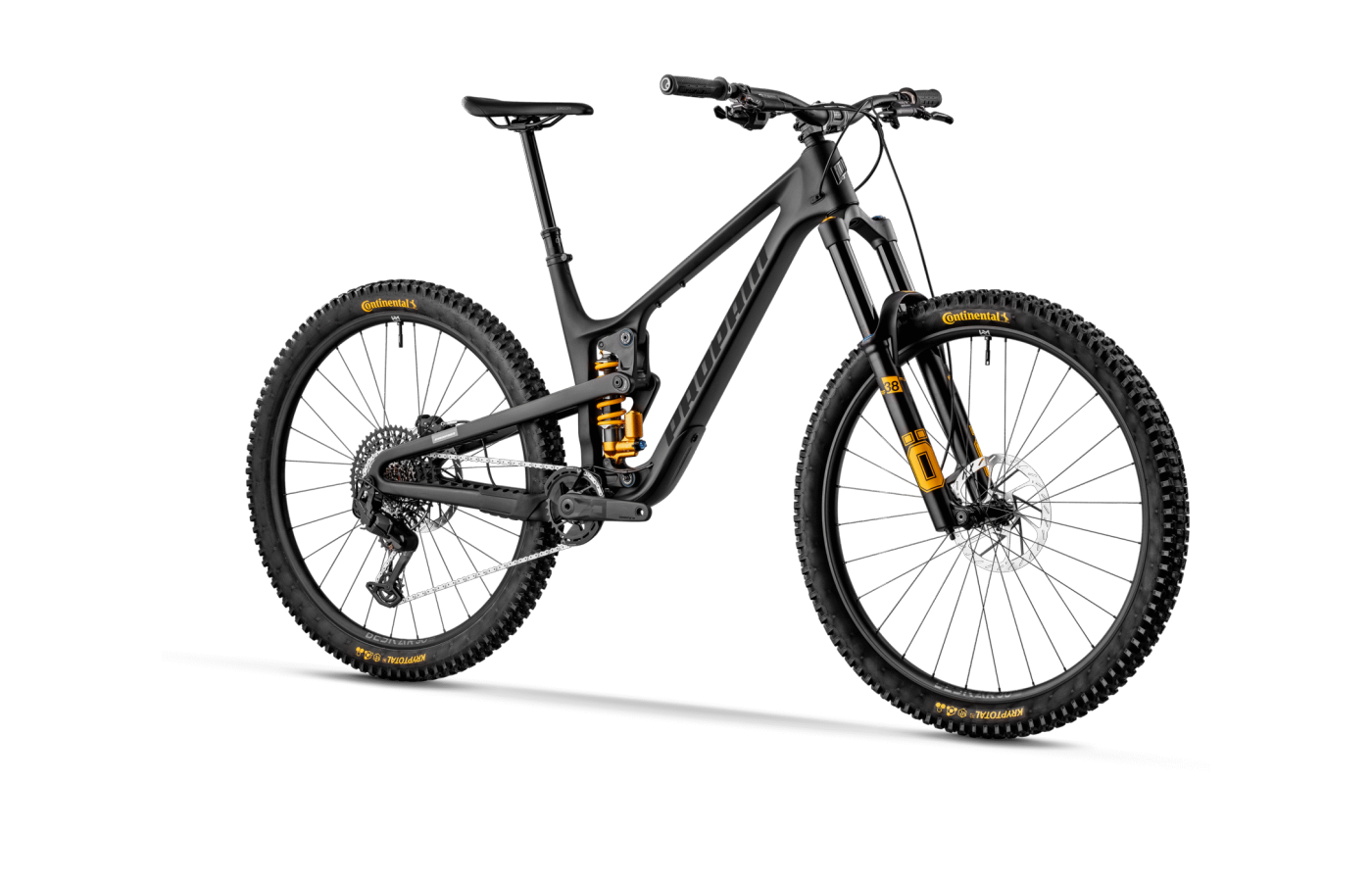
Two Propains, two completely different jobs.
The Hugene is the playful 130/140 mm trail bike. The Tyee is the 160/170 mm enduro rig built to flatten the descent.
Hugene
- Lively, poppy character — progressive PRO10 kinematics make 130 mm feel substantially bigger on flow trails.
- Carbon frame from $3,999 with the Signature Spec 1 — premium chassis at hardtail-ish money.
- Climbs without a lockout — high anti-squat keeps it firm under power, even on long fire-road grinds.
- Front end runs low (140 mm fork, 621 mm stack at M) — sustained steep descents pressure the hands.
- Stock Marzocchi Bomber Air shock is rampy; reviewers preferred the RockShox Super Deluxe upgrade.
Tyee
- Bike-park certified — Category 5 frame rating for unrestricted park and shuttle abuse.
- Geometry-flip frame — two head-angle settings (62.8 / 63.9 deg) and adjustable BB to tune the bike to the terrain.
- Climbs surprisingly well for 160 mm — the 77.1 deg seat tube and high anti-squat let it pedal up without a climb switch.
- Long wheelbase (1,247 mm at M) is less agile in tight, janky low-speed terrain.
- Sig Spec 1's Marzocchi Bomber suspension is a notable step down from the Sig Spec 2's RockShox kit.
Editor’s analysis
Propain runs the same PRO10 suspension on both — but tunes it for two completely different conversations with the trail.
The Hugene 3 is a deliberate counter-move against the trend of bigger and bigger trail bikes. The previous Hugene ran 140/150 mm; the new one drops to 130 mm rear and 140 mm front, with a steeper 77.5 deg seat tube and a slacker 64.8 deg head angle than before. Reviewers across NSMB, Enduro MTB, and Mtb-news converge on the same word: playful. It punches above its travel on flowy, bermed terrain and makes ordinary singletrack feel dynamic.
The Tyee 5 is the other end of the same brand's thinking. 160 mm rear, 170 mm fork, a 62.8 deg head angle on the slack setting, and a 1,247 mm wheelbase in size M — 21 mm longer than the Hugene. It's enduro-race geometry with bike-park certification, and reviewers consistently describe it as a 'plow machine' or 'aggressive rocket ship' once you hang a coil shock off the back. The PRO10 system runs north of 100% anti-squat on both bikes, which is why even the long-travel Tyee climbs without a lockout.
The trade-off is exactly what the geometry suggests. The Hugene rewards an active rider — pumping, jumping, picking lines — and gets fatigued on sustained chunder. PinkBike and Mtb-news both flagged the front end as feeling 'a bit too low' on steep, gnarly descents. The Tyee swallows that same terrain with composure but gives up some low-speed agility; the long wheelbase needs more body English in tight, janky corners.
Put plainly: the Propain Hugene is the bike for riders whose home trails reward finesse. The Propain Tyee is the bike for riders whose home trails punish anything that isn't planted. Same configurator, same warranty, same direct-to-consumer pricing — completely different missions.
Where the builds differ.
Comparing our editor's-pick builds side-by-side. Winners highlighted row-by-row — lower price and weight, and the better-spec component, each mark a point.
Build variants & pricing
Both are configurator-only — these are the pre-set Signature Spec packages. The Hugene tops out where the Tyee starts.
Editor's pick on each side is the Signature Spec 2 build, which on both bikes ships top-tier RockShox suspension (Lyrik Ultimate + Super Deluxe Ultimate on Hugene; ZEB Ultimate + Vivid Ultimate on Tyee). The drivetrain isn't a perfect match — Hugene caps at SRAM Eagle 70 Transmission while the Tyee Sig Spec 2 steps up to GX Transmission — but Propain's online configurator lets you upgrade or downgrade either side.
How they fit, how they steer.
Both at size M. The Tyee sits 12 mm taller in stack (633 vs 621), 19 mm shorter in reach (439 vs 458), and a full 2 deg slacker at the head tube (62.8 vs 64.8) — the geometry of a bike built to point downhill. Chainstays match at 445 mm.
Which size should I buy?
The Tyee's geometry-flip frame means each size shows two rows — one per head-angle setting. Use the figures that match your preferred chip position.
→These are starting points. Flexibility, riding style, and preferred position all shift the answer — if you’re between sizes, a professional fit beats a chart.
What the magazines said.
Published reviews from trusted cycling outlets. Click through for the full write-up.
Which one should you buy?
If your trails reward finesse, get the Hugene. If they reward composure, get the Tyee.
Hugene
Buy the Propain Hugene if your home trails are flowy singletrack, machine-built berms, or anything you'd rather pump than plow. It rewards body English, eats up roll-overs at speed, and climbs well enough to earn its descents without complaint.
Tyee
Buy the Propain Tyee if you race enduro, session bike parks, or live somewhere the descents are steep, rocky, and long. It's stable at speed, certified for park abuse, and — uniquely for a 160 mm bike — climbs without needing a switch flipped.
Questions buyers actually ask.
Short answers to the things we get emailed about most often.
01Which one should I buy if I only own one mountain bike?
For most riders, the Propain Hugene. The 130/140 mm travel is a sweet spot for varied trail riding — it's efficient enough for big days, capable enough for the occasional rough descent, and significantly less of a handful in tight, low-speed terrain than the Tyee.
The Tyee makes sense as a one-bike quiver only if your local riding is genuinely steep and rough — sustained chunder, chairlifts, or actual enduro stages. Otherwise its 1,247 mm wheelbase and 62.8 deg head angle become more bike than the trail asks for.
02How different is the climbing between the two?
Closer than you'd think. Both run Propain's PRO10 suspension with anti-squat values above 100% across the travel, which is why neither bike really needs a lockout. Both have steep seat tubes (77.5 deg on the Hugene, 77.1 deg on the Tyee) that put you in a good seated climbing position.
The Hugene is lighter and snappier under power — it accelerates more eagerly out of corners. The Tyee climbs with surprising composure for a 160 mm bike, but its weight and burlier tires mean each pedal stroke is doing more work. On a sustained climb, the Hugene is the noticeably faster bike up.
03Is the Hugene fast enough on real descents?
On flow, berms, and rolling singletrack — absolutely. NSMB's long-term tester said it 'swallows high speed chunder as well as many bikes with 10-15 mm more travel.'
But multiple reviewers — Mtb-news, PinkBike, NSMB — flagged the same limit: when the descent gets sustained and rough, the 140 mm fork and low-ish 621 mm stack (size M) put pressure on the hands and the rear suspension can feel 'kicky' under braking. It's a trail bike that ventures into enduro territory, not an enduro bike.
04Why is the Tyee's geometry chart showing two rows per size?
The Tyee 5 has a flip-chip that adjusts the head angle between 62.8 deg (low/slack) and 63.9 deg (high/steep) and the bottom-bracket height by a few millimetres. Reach and stack shift slightly as a result.
Low setting is the choice for steep, rough terrain — more stable, lower BB. High setting is friendlier on flatter, more pedally trails. Propain ships the bike in low by default.
05Do I need a coil shock on the Tyee?
No, but reviewers consistently said it transforms the bike. With the stock air shock, the Tyee is described as 'playful' but 'not the most supple,' with 'more feedback' on rapid hits. With a coil — Propain offers it via the configurator, sometimes at no upcharge — it becomes an 'aggressive rocket ship' that 'gobbles up chunky rocks and roots' (TheLoamWolf).
If you're buying the Tyee primarily for steep, rough descents and bike-park days, the coil is the choice. For a more all-round enduro bike that needs to pump and pop occasionally, the air shock keeps things livelier.
06Both ship with SRAM Transmission — is the Eagle 70 on the Hugene a meaningful step down from the GX on the Tyee Sig Spec 2?
Functionally, no — both are full T-Type direct-mount drivetrains and shift the same way under load. The differences are weight, finish, and shifter feel.
NSMB called the cable-actuated Eagle 70 shifter 'dependably underwhelming,' with a plasticky, click-at-a-time feel compared to the more refined GX Transmission. For most riders this is a quality-of-life delta, not a performance one. The configurator lets you upgrade the Hugene to GX or X0 Transmission if it bothers you.
07Are these direct-to-consumer bikes worth the hassle versus buying from a local shop?
Propain's value proposition is consistently strong — Enduro MTB awarded the Tyee a 'Best Buy,' and NSMB has called the Hugene's pricing 'insanely low for the spec.' You're getting a full carbon frame, configurable suspension and drivetrain, and a Category 5 frame rating (Tyee) at prices that undercut most major brands' alloy builds.
The trade-off is no demos, no in-person fit advice, and a longer turnaround on warranty work or service. If you know your fit and you're comfortable doing your own assembly and basic suspension setup, the math is hard to argue with.
08What's the warranty and crash-replacement situation?
Propain offers a standard frame warranty against manufacturing defects to the original owner. Specific coverage details and crash-replacement pricing vary by region — the German and US sites publish slightly different terms — so check Propain's policy page for your country before ordering.
Reviewers from Enduro MTB and NSMB noted that long-term reliability of the frame, bearings (stainless with secondary 'Dirtshield' seals), and threaded bottom bracket has been excellent across multiple test seasons.
Similar bikes
If your priorities don’t map cleanly onto either of these, one of these adjacent bikes probably fits better.
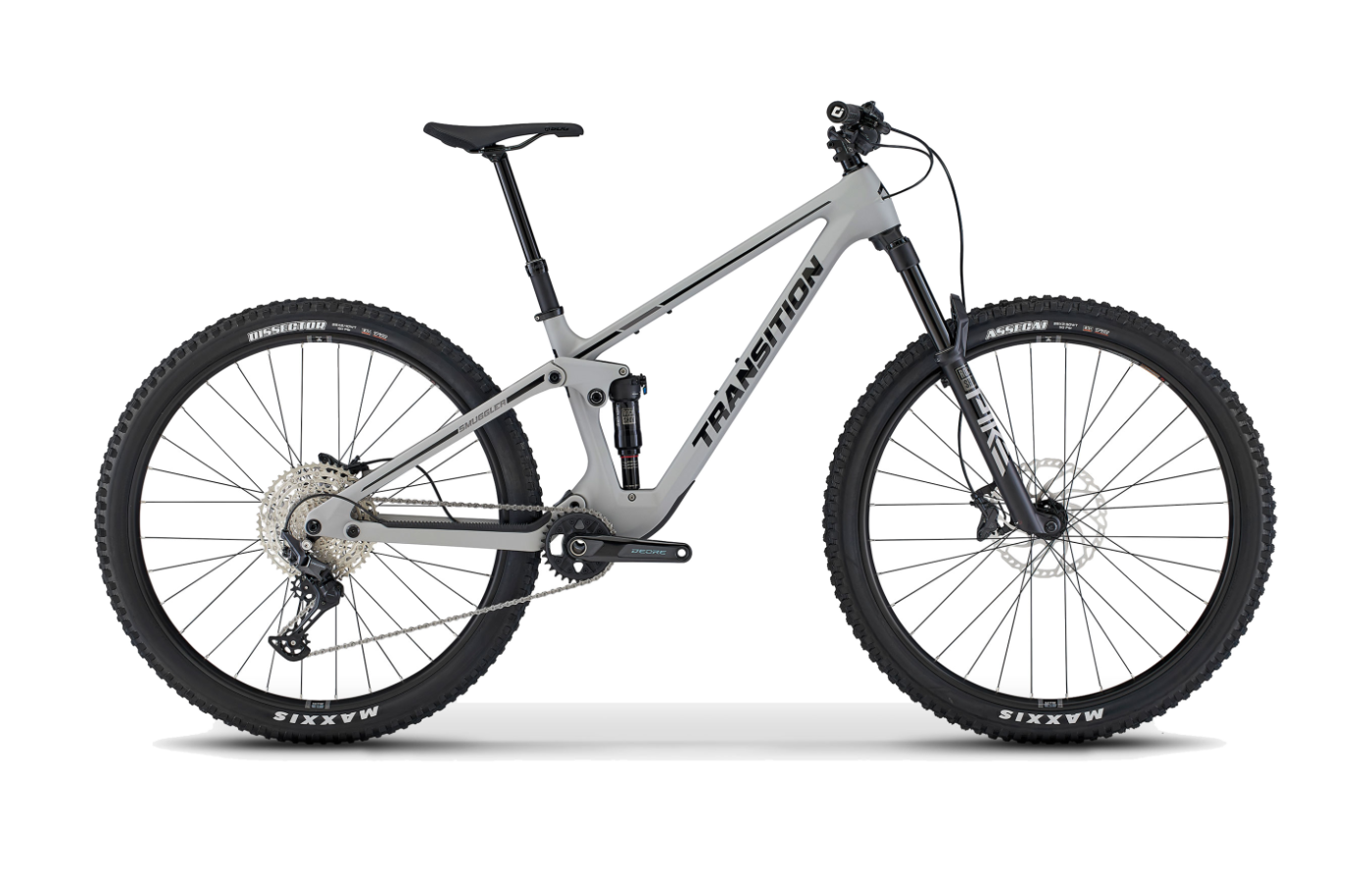
Smuggler
Directly name-checked in NSMB's Hugene review as the benchmark for 'punch-above-its-weight' short-travel trail bikes. A touch more composed than the Hugene, a touch less snappy.
Compare →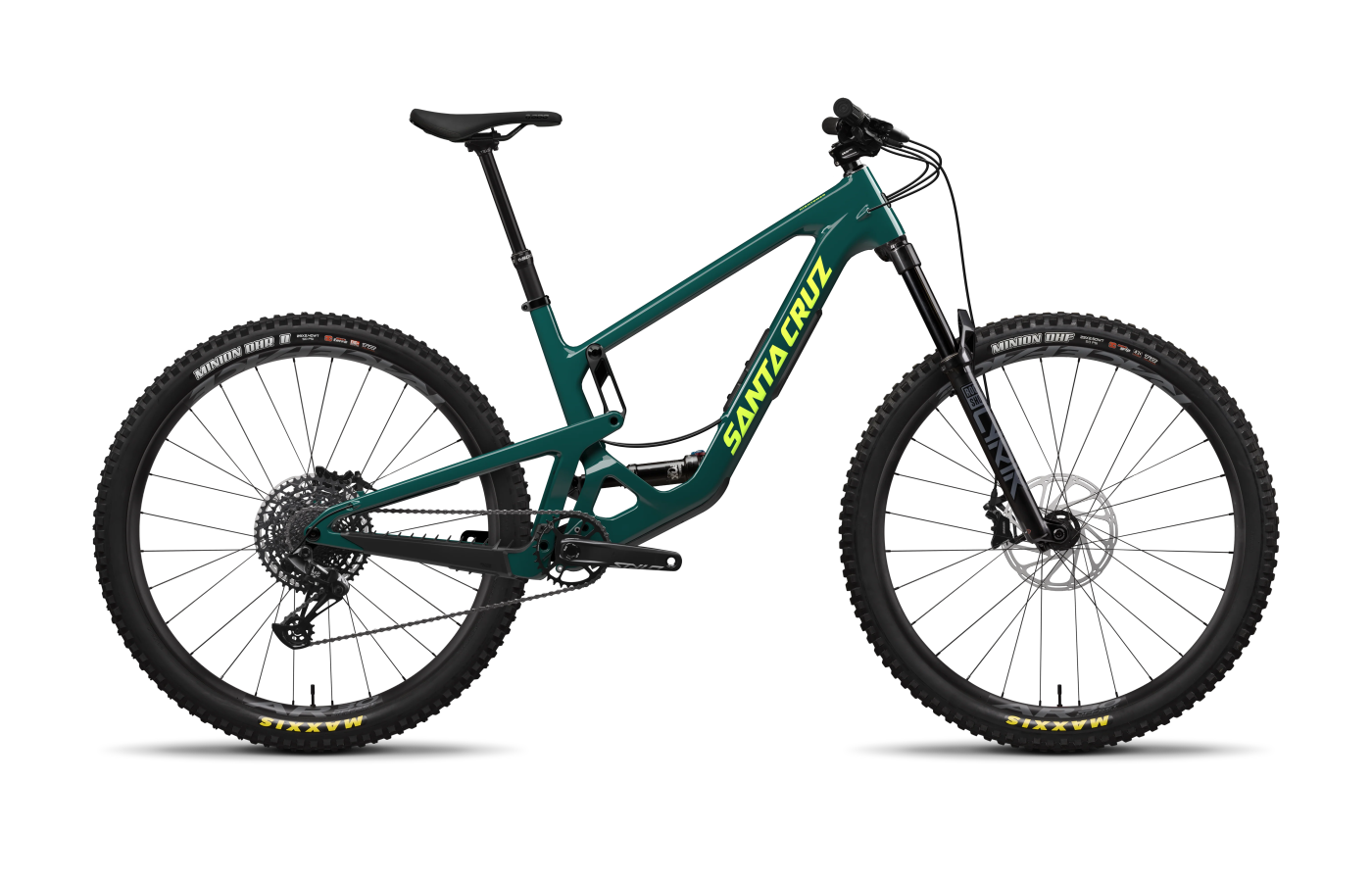
Hightower
Splits the difference — 145 mm rear travel, more capable on rough descents than the Hugene without going full enduro. The conservative middle pick if you can't commit to either Propain.
Compare →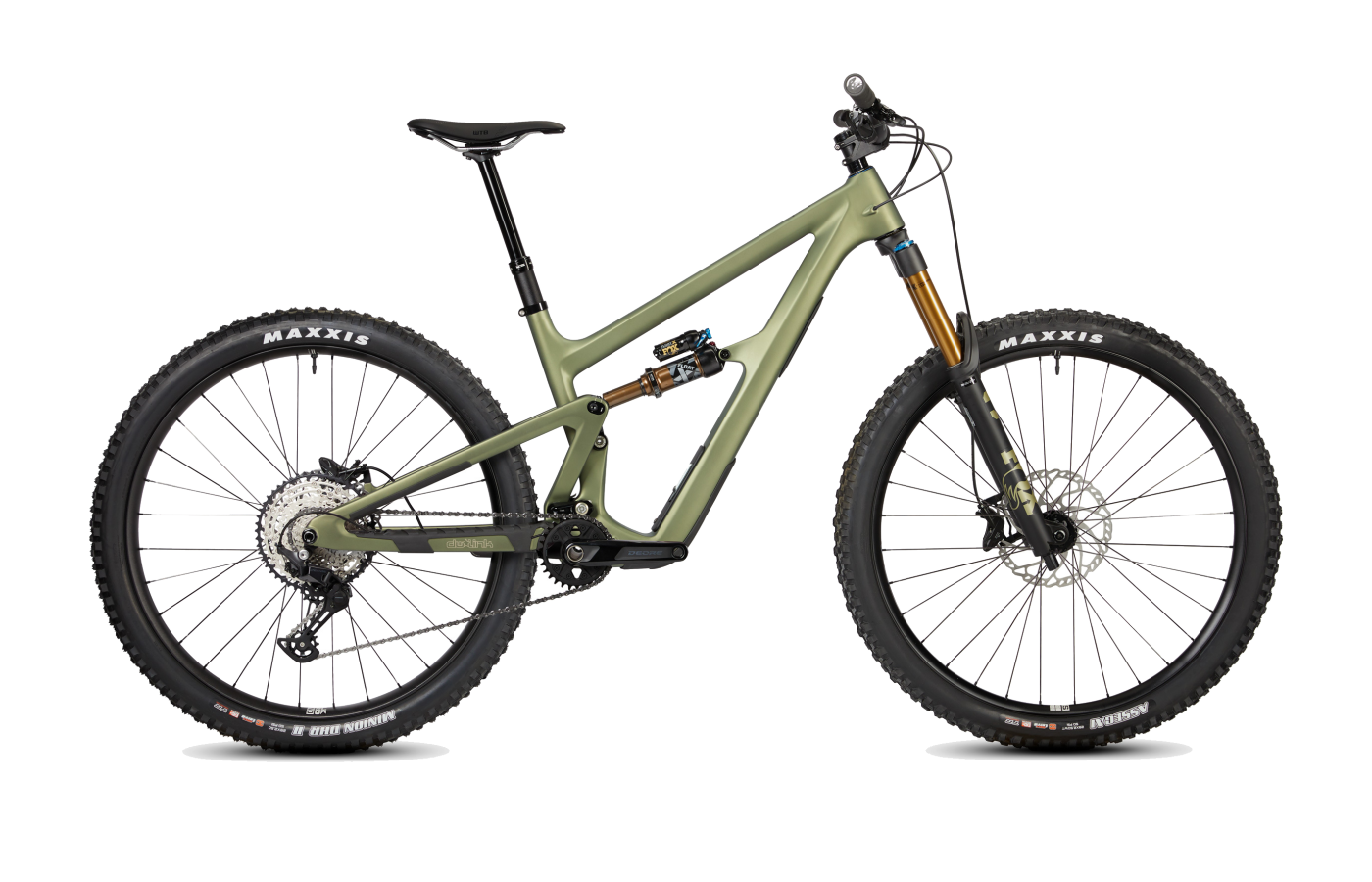
Ripmo
The other go-to enduro all-rounder if the Tyee's wheelbase feels like too much bike. Slightly less aggressive geometry, equally capable suspension, and a reputation for climbing as well as it descends.
Compare →