Hugene
vsIzzo
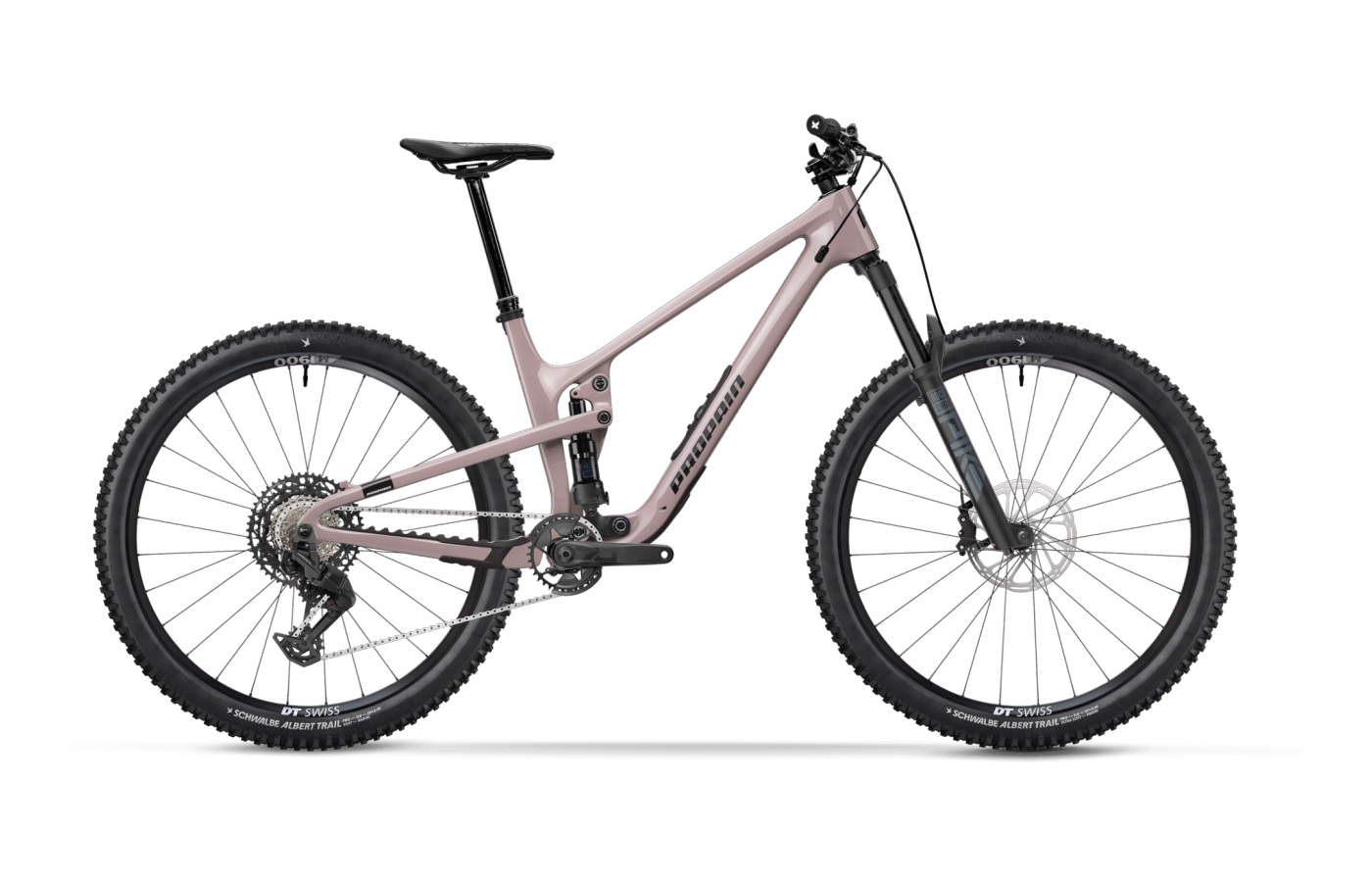
Two short-travel trail bikes, two takes on fun.
Both run 130 mm rear / 140 mm front from a carbon frame and a direct-to-consumer price tag — but the Hugene is the slacker, planted ripper and the Izzo is the steeper, snappier sprinter.
Hugene
- Slacker, more composed — a 64.8° head angle and 445 mm chainstays let it hold a line at speed beautifully for a 130 mm bike.
- Endless configurator — Propain lets you tune fork, shock, brakes, drivetrain and wheels per build, so the spec actually matches your terrain.
- Carbon downtube storage with a robust latch and updated chain/seatstay protection — quiet, tidy, modern.
- PRO10's high anti-squat fights you on bumpy seated climbs — multiple reviewers called it "juddery" or "less than ideally planted" on techy ascents.
- Stock builds frequently land near 15 kg with gravity-leaning rubber, blunting the "lightweight" pitch unless you spec it lighter.
Izzo
- Climbs like "a rat up a drainpipe" — PinkBike's words. ~100% anti-squat and a 77° STA make seated efforts feel race-bike efficient.
- Dramatically low center of gravity — the inverted shock and dropped top tube put mass near the BB; the bike whips and flicks better than its travel suggests.
- Short 432 mm chainstays — on sizes S–L they translate to surgical handling in tight singletrack and rapid direction changes.
- Stiff carbon chassis plus 37% suspension progression means the rear end feels "taut" or "firm" over high-frequency hits like root mats.
- Lower-spec builds ship with light Maxxis Forekaster tires that nearly every reviewer flagged as the bike's weakest link in real trail conditions.
Editor’s analysis
On paper they look like twins. On trail, the Hugene wants to plow and the Izzo wants to dart — and the geometry tells you exactly why.
Both the Propain Hugene and YT Izzo land in the same shrinking corner of the market: 130 mm of rear travel, 140 mm fork (the Izzo started at 130 mm but shipped with 140 mm forks across the current Core lineup), full carbon front triangle, sold direct without a dealer. They're priced within shouting distance — the Izzo opens at $2,499 and tops out at $4,499, while the Hugene starts at $3,999 and tops at $5,299. Both pitch themselves as efficient trail bikes that can punch above their travel.
The geometry is where they part ways. At a size M, the Propain Hugene runs a 64.8° head angle, 445 mm chainstays, and a 77.5° effective seat tube — a slacker, longer-rear-end stance that reviewers consistently call "planted" and willing to swallow chunder above its travel rating. The YT Izzo at the same size sits 0.9° steeper up front (65.7°), runs 13 mm shorter chainstays (432 mm), and a degree slacker out back (76.5° STA). It's the more compact, more agile bike — a "29er slalom bike" in Revolution MTB's words.
Suspension philosophy reinforces the divide. The Hugene's PRO10 dual-link runs high anti-squat with a progressive ramp that rewards an active rider but feeds back through the pedals on bumpy seated climbs. The Izzo's four-bar with the inverted shock is even more progressive — PinkBike measured ~37% — giving it a J-curve feel that's supple off the top, firm in the middle, and bottomless on hucks-to-flat. Both are efficient pedalers; the Izzo just feels more urgent doing it.
Put another way: the Propain Hugene is the bike you reach for when your local trails have steep, rough sections and you want one short-travel bike that won't get scared. The YT Izzo is the bike you reach for when your loops are long, twisty, and pedal-heavy and you want a 29er that feels like a hardtail with safety margin.
Where the builds differ.
Comparing our editor's-pick builds side-by-side. Winners highlighted row-by-row — lower price and weight, and the better-spec component, each mark a point.
Build variants & pricing
The Izzo lineup spans $2,499 to $4,499 across four builds; the Hugene is shorter at two builds, $3,999 to $5,299. Both sell direct.
Prices are current US MSRP. The Hugene Signature Spec 1 ($3,999) and Izzo 29 Core 2 CF ($3,299) are tier- and price-matched here — both run mechanical 1x12, RockShox Pike Select(+) forks, and aluminum DT Swiss / Crankbrothers wheels. Propain's configurator can move the Hugene's spec around significantly inside that price; YT's builds are fixed.
How they fit, how they steer.
Both at size M for our 5'8" reference rider. The Hugene M is 13 mm longer in the rear (445 vs 432 mm chainstays), 0.9° slacker up front (64.8° vs 65.7° HTA), and a degree steeper at the seat (77.5° vs 76.5° STA) — the more downhill-leaning of the two.
Which size should I buy?
Size recommendations based on stack, reach, and effective top tube. The Izzo extends one size further up (XXL); the Hugene caps at XL.
→These are starting points. Flexibility, riding style, and preferred position all shift the answer — if you’re between sizes, a professional fit beats a chart.
What the magazines said.
Published reviews from trusted cycling outlets. Click through for the full write-up.
Which one should you buy?
If your trails get steep and rough and you want one bike that doesn't get scared, get the Hugene. If your trails are long and twisty and you want to climb like an XC bike, get the Izzo.
Hugene
If your home trails blend flow with rocky chunder and the occasional steep, fast section, the Hugene's slacker front and longer rear let you hold lines and stay composed where shorter-travel bikes get nervous. Add Propain's configurator and you can tune the build directly to your terrain.
Izzo
If most of your riding is climbing, twisty singletrack, and ground-covering missions where you want a bike that pedals like a race rig but descends like a trail bike, the Izzo is the sharper tool. Plan to upgrade the front tire and you've unlocked it.
Questions buyers actually ask.
Short answers to the things we get emailed about most often.
01Which climbs better?
The YT Izzo, comfortably. Reviewers consistently rate it among the best climbers in the short-travel trail category — PinkBike compared it to a "rat up a drainpipe" and one head-to-head test put it only eight seconds behind a dedicated 100 mm XC race bike on a nine-minute technical climb. Its ~100% anti-squat, low weight (down to 12.1 kg / 26.7 lb on the top builds, low-30s lb on the entry builds), and 77° effective seat tube angle all point in the same direction.
The Propain Hugene also climbs efficiently — high anti-squat, 77.5° STA — but multiple reviewers (NSMB, PinkBike) noted it can feel "juddery" or pedal-feedback-heavy on bumpy seated technical climbs. On smooth fire-road grinds, the difference shrinks.
02Which is more capable on rough descents?
The Propain Hugene, by a meaningful margin for two 130 mm bikes. It runs a 0.9° slacker head angle (64.8° vs 65.7°) and 13 mm longer chainstays (445 vs 432 mm) at size M, which reviewers consistently translate to a more planted, composed feel at speed. NSMB's long-term reviewer noted it can "swallow high speed chunder as well as many bikes with 10–15 mm more travel."
The YT Izzo has a stiffer chassis and more aggressive 37% suspension progression, which means it feels firm over repeated high-frequency hits and lacks the "plowed-in" feel of a longer-travel bike. Both are explicitly not mini-enduro bikes — but the Hugene gets closer.
03How do the suspension platforms differ?
The Hugene uses Propain's PRO10 — a dual short-link layout with high anti-squat (well above 100% across most of the travel) and a solidly progressive leverage curve. It feels firm under power but ramps hard at the end of stroke; NSMB's tester required 230–250 psi in a Marzocchi Bomber to set sag at his weight and ultimately preferred the optional RockShox Super Deluxe Ultimate.
The Izzo runs a four-bar with an inverted, vertically-mounted shock — placing damper mass low for a noticeably low center of gravity. Suspension progression measures around 37% (PinkBike), giving a J-curve: supple off the top, firm in the middle, bottomless at the end. Both reward an active rider; both can feel harsh on root carpets if you don't get sag right.
04What about tire clearance?
Neither brand publishes a generous official figure for these bikes, but the Izzo measures around 61 mm of rear-tire clearance in the database, comfortably accommodating a 2.4" trail tire — which is what every published Izzo build ships with (Maxxis Minion DHR II 29x2.4 WT or Forekaster 29x2.35 on older builds).
The Hugene's published clearance isn't listed, but ships with similar 2.4–2.5" gravity-casing rubber across its configurator (Schwalbe Magic Mary, Albert Gravity, or Continental Kryptotal options). Treat both as conventional 2.4–2.5" 29er trail bikes — neither is a candidate for plus tires.
05How do the editor's-pick builds compare in components?
The Hugene Signature Spec 1 ($3,999) ships with a RockShox Pike Select fork, RockShox Deluxe Select rear shock, and a SRAM Eagle 70 Transmission mechanical 1x12 drivetrain on DT Swiss M 1900 wheels with Schwalbe Radial tires.
The YT Izzo 29 Core 2 CF ($3,299) ships with a RockShox Pike Select+ fork, Deluxe Select+ shock, and a Shimano XT shifter / SLX rear-derailleur 1x12 mix on Crankbrothers Synthesis XCT 2 Alloy wheels with Maxxis Minion DHR II tires.
They're tier-equivalent: same fork family, both mechanical 1x12, both alloy wheels. The Hugene gets the newer SRAM Transmission interface and SRAM Maven brakes on most configurator builds; the Izzo gets the more refined Shimano shift feel and a Maxxis tire spec out of the box.
06Which has more configurability?
The Propain Hugene, by a wide margin. Propain's online configurator lets you swap fork, shock, drivetrain tier, brake brand, wheels, dropper, bar/stem, and even decals on top of the two pre-configured Signature Spec builds. NSMB praised the ability to upgrade to a RockShox Super Deluxe Ultimate for a $125 upcharge as "worth every penny."
The YT Izzo is sold as four fixed builds (Core 1 through Core 4 CF) with no per-component configurator — what you order is what arrives. You upgrade later, after the bike's in your garage.
07Which is the better value?
It depends on where in the lineup you shop. At the entry, the YT Izzo wins outright — the Core 1 CF starts at $2,499 with a carbon front triangle, beating the Hugene's $3,999 entry. At the mid-tier, both hover in the $3,300–$4,000 range with comparable mechanical 1x12 specs, and the Hugene's configurability becomes a tiebreaker. At the top, the Hugene Signature Spec 2 ($5,299) is more expensive than the Izzo Core 4 CF ($3,320), but the Hugene includes premium RockShox Ultimate-level suspension while the Izzo Core 4 leans on Fox Factory and XT Di2 — different value philosophies, both strong.
Both undercut traditional brick-and-mortar brands by a meaningful margin thanks to the direct-to-consumer model.
08What about long-term durability and service?
Both use carbon front triangles, double-sealed pivot bearings, and threaded bottom brackets. The Hugene adds Propain's "Dirtshield" secondary bearing seals, downtube storage with a metal latch, and full molded chain/seatstay protection — reviewers consistently called it well-protected and quiet.
The Izzo has a known quirk: the inverted rear shock places the air valve so close to the frame that many shock pumps don't fit (YT includes a slim pump in the box). Several reviewers also flagged the lower shock area as a mud trap. Both brands run direct support; YT in particular gets praise for fast technical-inquiry response, with the caveat that proprietary small parts (like derailleur hangers) can have multi-week wait times if out of stock.
Similar bikes
If your priorities don’t map cleanly onto either of these, one of these adjacent bikes probably fits better.
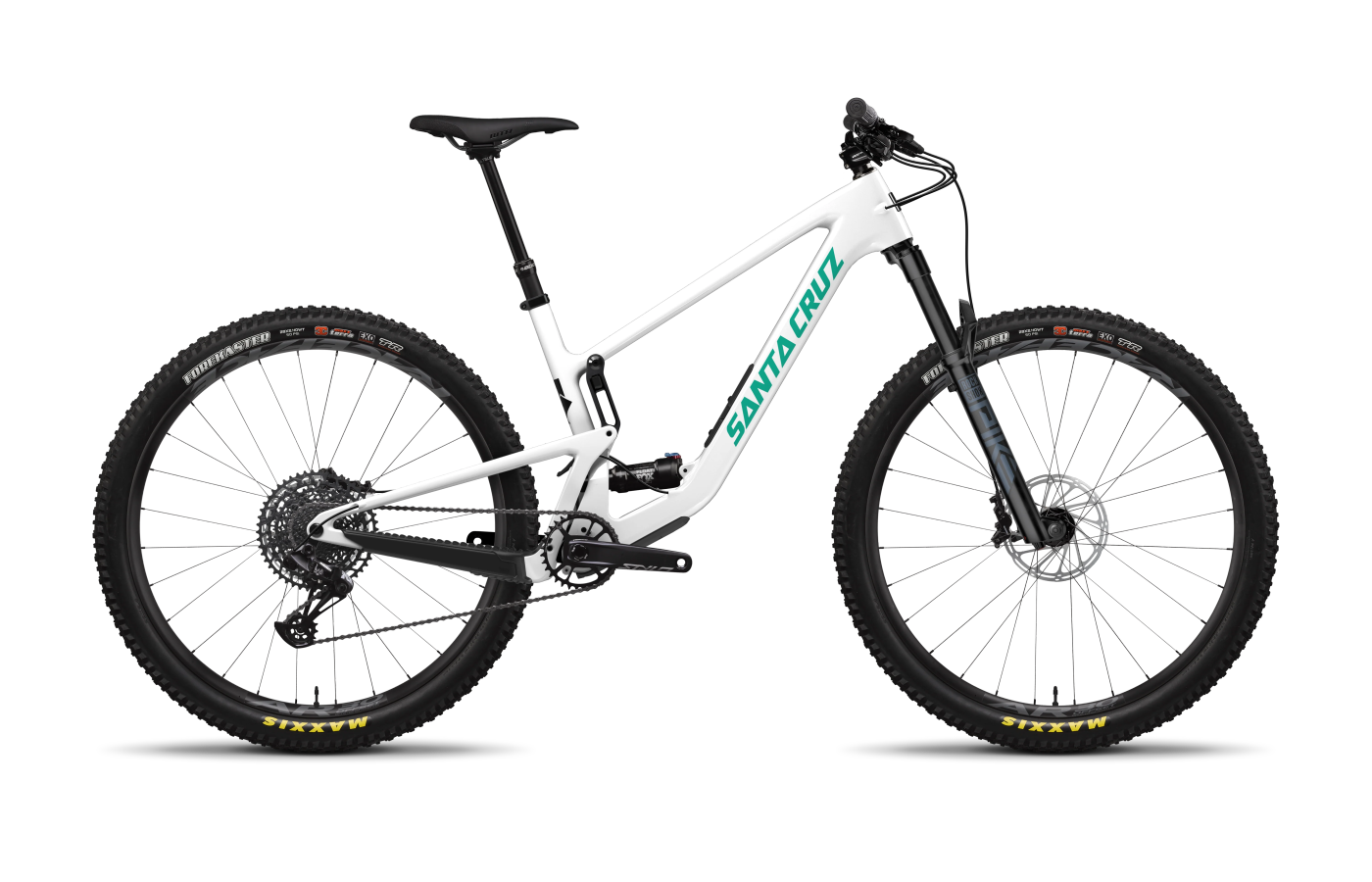
Tallboy
The benchmark short-travel ripper from a brand with a dealer network — slightly more travel (120 mm rear / 130 mm front on current gen) and a more refined VPP suspension feel, at a steeper price than either of these direct-to-consumer options.
Compare →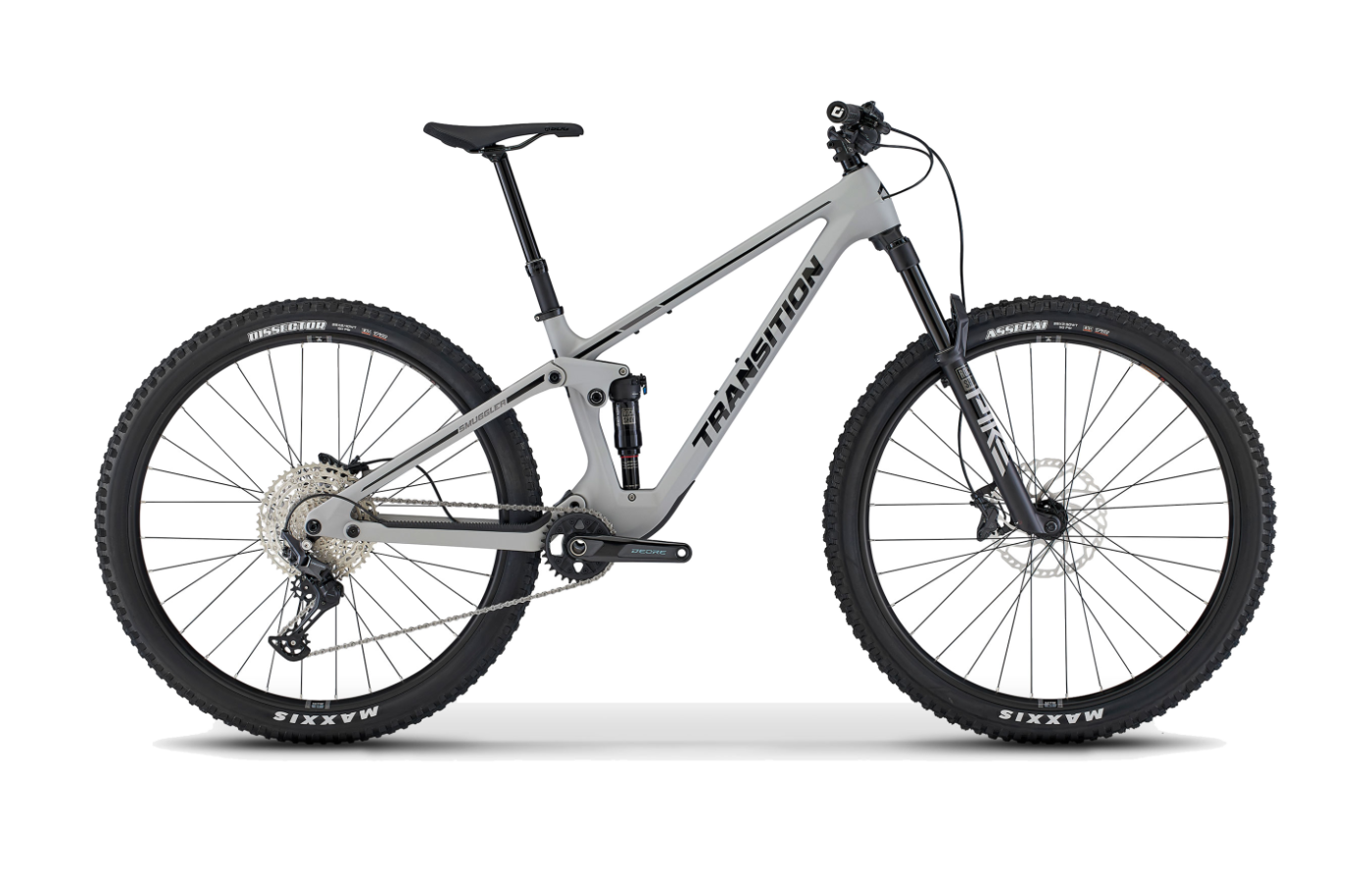
Smuggler
Directly name-checked in NSMB's Hugene long-term as the all-time short-travel "punch above its weight" bike. If the Hugene's slacker stance appeals but you want a US dealer, this is the closest match.
Compare →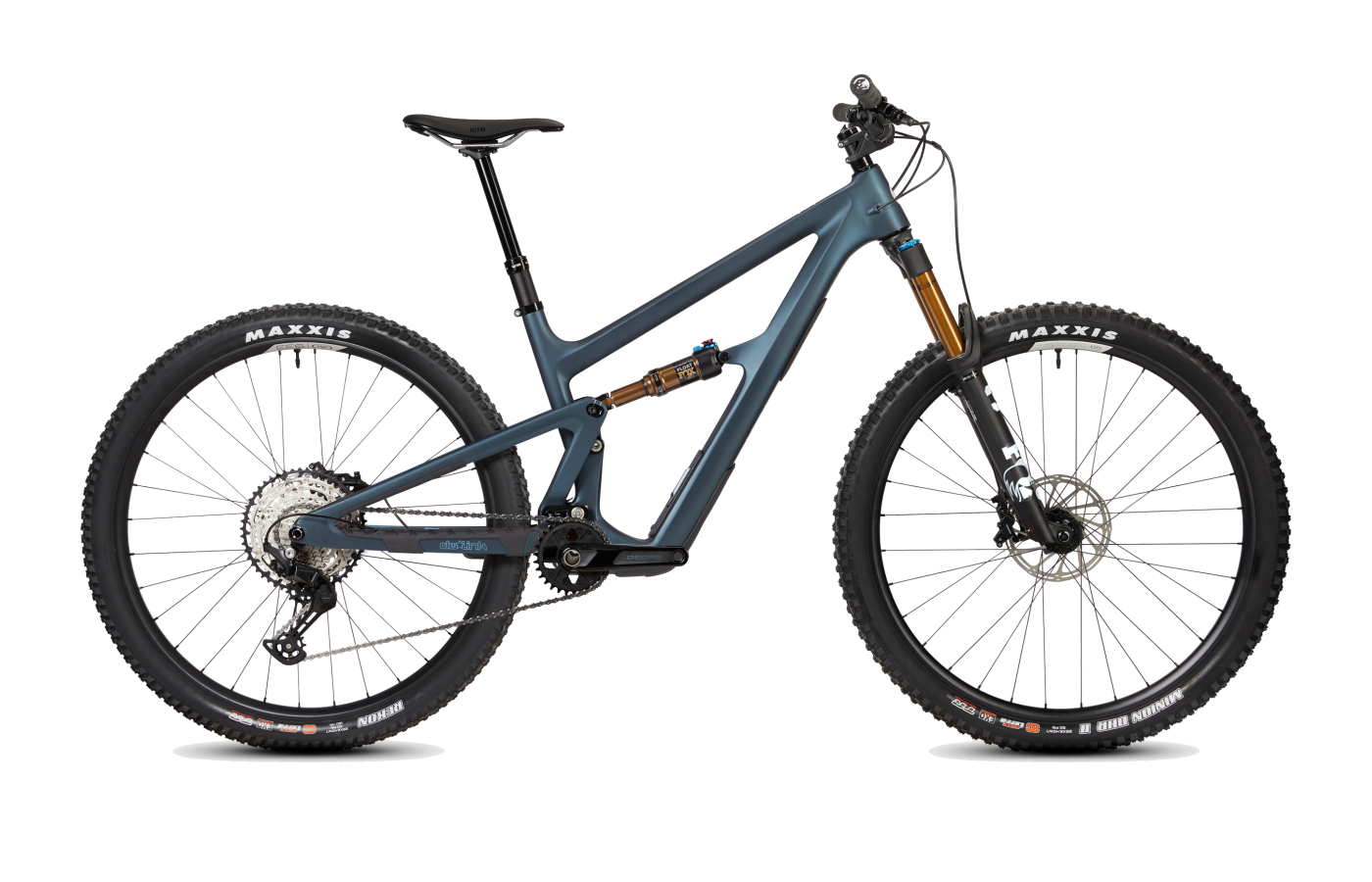
Ripley
Ibis's lightweight 120 mm trail bike — cited as a direct Izzo competitor for its efficient pedaling and playful character, with the dw-link suspension feel that buyers either love or feel ambivalent about.
Compare →