Ranger
vsBlur
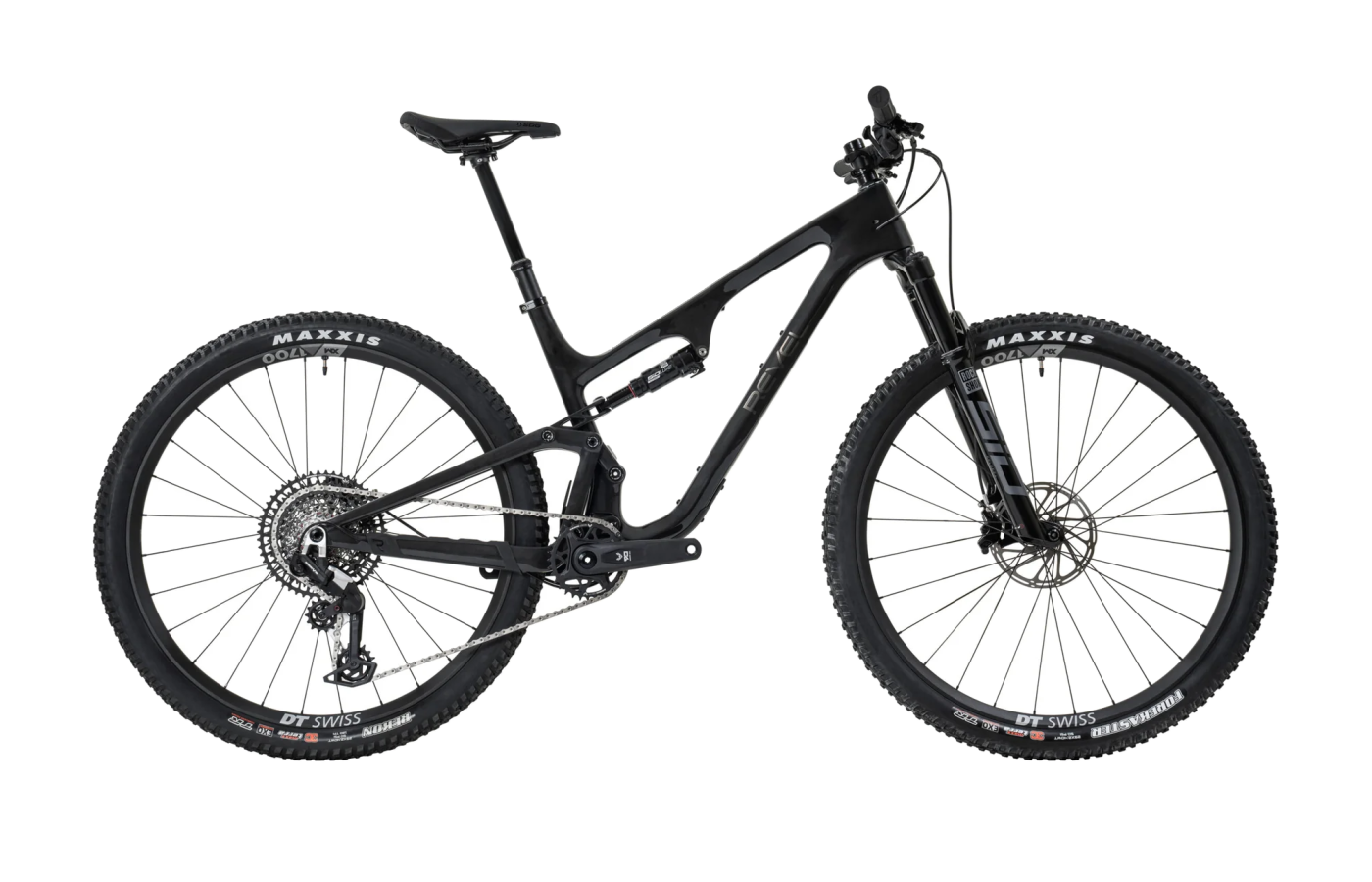
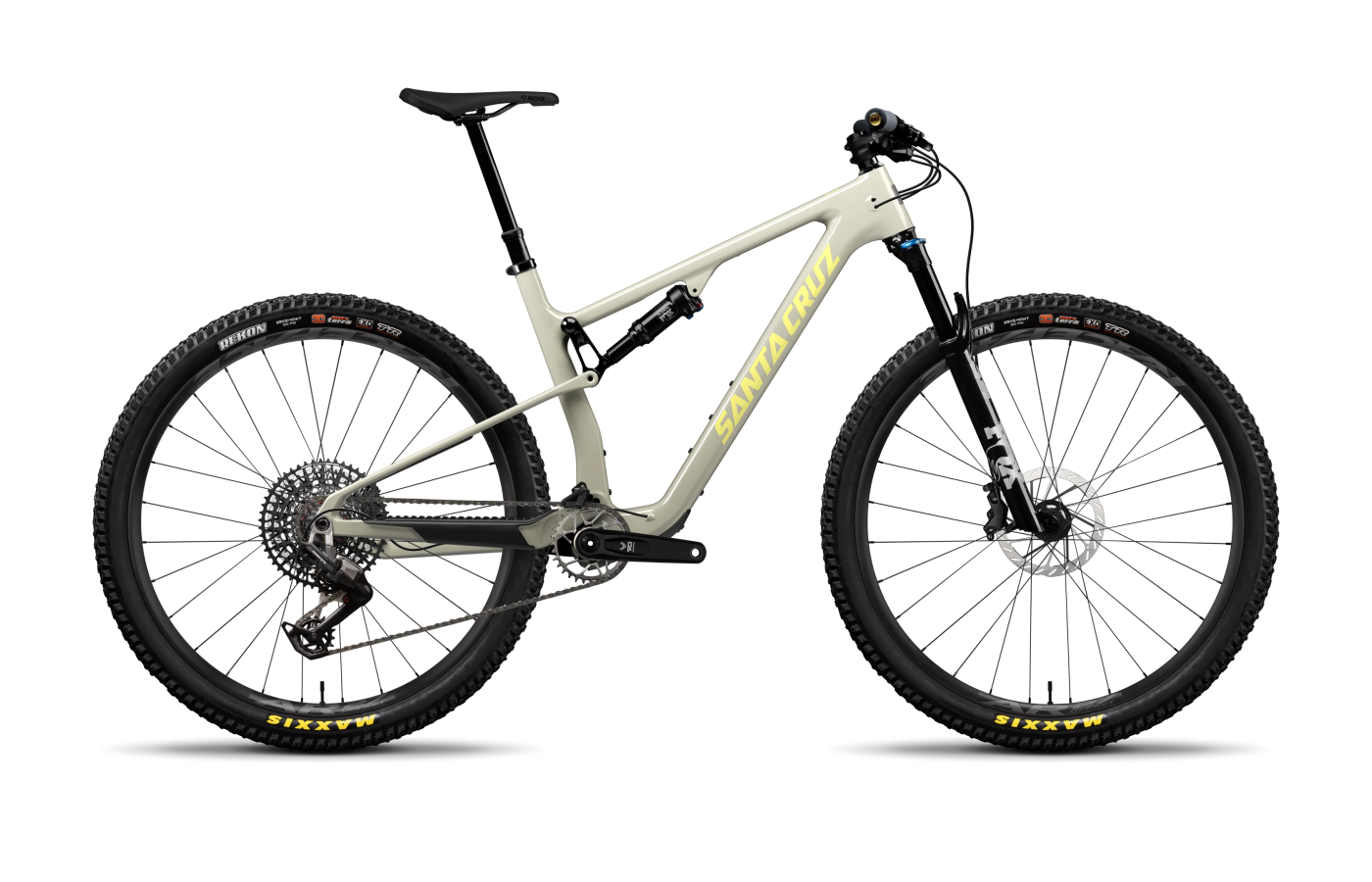
Two downcountry bikes, two suspension philosophies.
The Ranger uses a dual-link CBF platform built around momentum. The Blur runs a single-pivot flex-stay tuned for traction. Same travel, different feel.
Ranger
- Momentum machine — the CBF suspension sustains speed over chunder better than most short-travel bikes.
- Flat price range — every complete is $4,499, with no feature-gated mid-tier gap.
- Trail-bike composure on descents that push its 115 mm of travel further than the number suggests.
- Only two builds and no factory flagship — riders wanting X0 or XX Transmission need to spec up from a frame kit.
- Composed, firm character that reviewers found lacking pop and liveliness compared to the Blur.
Blur
- Traction-first climbing — the Superlight flex-stay lets the rear tire track rooty technical ascents like a longer-travel bike.
- Lightest frame in class — 1,933 g for the CC frame with shock, 289 g under the outgoing Blur.
- Playful, light feel on descents — reviewers consistently call it 'jibby' and easy to unweight.
- Active suspension bobs on smooth climbs unless you remember to lock out the shock.
- Short reach on the TR build — the longer 120 mm fork actually shortens reach compared to an XC-only frame.
Editor’s analysis
Both bikes have 115 mm out back and 120 mm up front. That's where the similarity ends — one wants to keep speed, the other wants to find it.
On the spec sheet the Revel Ranger and Santa Cruz Blur look like twins. Carbon 29ers, 115/120 mm travel, 67-ish degree head angles, 436 mm chainstays, SRAM Eagle T-Type drivetrains as a shared theme. Both claim the downcountry label. Both are aimed at the rider who wants a fast bike that can handle more than fast terrain.
Dig into the suspension and the daylight opens. The Revel Ranger runs Canfield Balance Formula — a dual-link design that reviewers describe as 'bottomless' and uninterrupted under pedaling. The rear wheel tracks, the bike refuses to hang up on chunder, and momentum stays momentum. The trade-off is a firm, composed character that Escape Collective called a 'stoic instrument of speed' rather than 'an eager puppy.'
The Santa Cruz Blur takes the opposite tack. Its Superlight single-pivot flex-stay design deliberately runs lower anti-squat — Santa Cruz would rather have the suspension active than the pedaling stiff. The result is traction everywhere: reviewers describe the rear tire 'sucking itself to the ground' on rooty technical climbs. The cost is obvious pedal bob on smooth surfaces unless you reach for the remote lockout. If the Revel Ranger is the diesel, the Santa Cruz Blur is the turbo with an active launch control.
Geometry reinforces the split. At the fit-picked sizes, the Revel Ranger Medium sits 15 mm longer in reach than the Santa Cruz Blur M (453 vs 438 mm) and 13 mm longer in wheelbase, with a 0.4-degree steeper head angle. The Revel Ranger is the more stretched, slightly quicker-steering bike; the Santa Cruz Blur is shorter, taller in the cockpit, and noticeably more playful at low speeds. Reviewers called the Blur 'jibby and jumpy' and the Ranger 'predictably, almost too predictably.' Neither is wrong — they're built for different riders.
Where the builds differ.
Comparing our editor's-pick builds side-by-side. Winners highlighted row-by-row — lower price and weight, and the better-spec component, each mark a point.
Build variants & pricing
The Revel Ranger keeps it simple — two builds, same price. The Santa Cruz Blur spans eight builds from $4,649 to $13,449 across two carbon grades.
Prices are current US MSRP. The Ranger's price floor is below the Blur's, but the Blur offers a much wider upgrade path — including Flight Attendant electronic suspension and the lighter CC carbon frame.
How they fit, how they steer.
Compared at the fit-picked sizes for a 173 cm (5'8") rider. The Ranger Medium sits 15 mm longer in reach (453 vs 438 mm) and 13 mm longer in wheelbase, with a 0.4-degree steeper head angle and seat tube angle. The Blur M is the shorter, more upright bike.
Which size should I buy?
Size recommendations use stack, reach, and effective top tube. The Blur's size labels (S/M/L/XL) and the Ranger's (Small/Medium/Large/XL) map closely in the middle of the range.
→These are starting points. Flexibility, riding style, and preferred position all shift the answer — if you’re between sizes, a professional fit beats a chart.
What the magazines said.
Published reviews from trusted cycling outlets. Click through for the full write-up.
Which one should you buy?
If you want a composed, efficient bike for long days and varied terrain, get the Revel Ranger. If you want a featherweight race tool with bottomless traction on technical climbs, get the Santa Cruz Blur.
Ranger
If your riding is long, sustained, and varied — bikepacking, marathon rides, mixed-surface days where you want one bike for everything from fire roads to technical singletrack — the Revel Ranger's momentum-preserving CBF suspension and lower $4,499 price floor make it the sharper tool. Composed, quiet, and happy to cover ground all day.
Blur
If you race XC or marathon events where technical climbs decide the race, the Santa Cruz Blur's traction-first suspension and lighter frame tip the scales. Carbon CC builds weigh as little as 25 lb, the rear end hunts grip on roots and rocks, and the lifetime frame-and-bearing warranty matters across hard race seasons.
Questions buyers actually ask.
Short answers to the things we get emailed about most often.
01Which climbs better on technical terrain?
The Santa Cruz Blur. Santa Cruz intentionally runs lower anti-squat than the Ranger, which lets the rear wheel stay active and track over roots and steps rather than chattering off the ground. PinkBike timed it as the fastest singletrack climber in field testing, with Henry Quinney noting that the rear 'sucks itself to the ground' on stepped roots.
The Revel Ranger's CBF platform is firmer and more efficient on smooth or rolling climbs — it maintains a consistent pedaling feel the Blur can't match without a lockout. Which wins depends on how rough the climb is.
02Which is faster on smooth fire-road climbs or pavement?
The Revel Ranger. The CBF suspension minimizes bob under pedaling, and reviewers across the board noted that with the shock locked out, the Ranger feels 'impressively rigid' — close to a hardtail on smooth surfaces. The Santa Cruz Blur, with its deliberately active suspension, bobs noticeably on smooth climbs and needs the remote lockout engaged to match the Ranger's efficiency.
On rolling or flat singletrack, the gap narrows significantly — both bikes are efficient when the terrain isn't perfectly smooth.
03Which descends better?
Close — and it depends on style. The Revel Ranger is the more composed bike at speed. Reviewers repeatedly said it 'wants to go fast' and feels 'much more like a trail bike' than its 115 mm of travel suggests, tracking steadily through chunder and chattery descents.
The Santa Cruz Blur is the more playful of the two. Reviewers called it 'jibby and jumpy,' easy to unweight and bunnyhop, more engaging on flow trails. But riders coming from enduro bikes found it 'flighty' at high speeds, noting it rewards an active pilot rather than letting you plow through.
Neither is a smash-through-features bike. Both have 120 mm forks.
04How does the build range compare?
The Revel Ranger is the simplest lineup in the category: two builds, both $4,499 — a Shimano Deore build and a SRAM Eagle 90 Transmission build. If you want a higher-end Ranger, you buy a frame kit ($3,599 with shock) and spec it yourself.
The Santa Cruz Blur is the opposite — eight complete builds from $4,649 (70 Trail) to $13,449 (XX AXS FA RSV with Flight Attendant electronic suspension), split across C and CC carbon grades. If you want a factory-built flagship, only Santa Cruz offers it.
05What's the weight difference?
The Santa Cruz Blur is meaningfully lighter, especially in CC carbon. The flagship XX AXS FA RSV comes in at 25.1 lb (11.38 kg), and the CC frame alone weighs 1,933 g with shock — Santa Cruz shaved 289 g versus the previous Blur.
Revel doesn't publish a frame weight for the Ranger V2, but Escape Collective measured the Ranger frame at roughly 2,470 g — about 537 g heavier than the Blur CC frame. At matched tiers, the equivalent SRAM 90 builds land within a pound of each other (Ranger in the 26–28 lb range, Blur 90 Trail at 28.1 lb).
06What about warranty?
Both brands offer strong coverage but Santa Cruz is famously broader. The Santa Cruz Blur comes with a lifetime frame warranty, lifetime bearing replacement, and (on RSV builds) a lifetime wheel warranty on the Reserve carbon rims.
The Revel Ranger comes with a lifetime frame warranty to the original owner. Revel's bearing and wheel coverage isn't lifetime; it's a standard limited warranty through the dealer network. For riders racking up hard miles in wet conditions, the Blur's lifetime bearing program is a real value difference.
07Which is more bikepacking-friendly?
The Revel Ranger. Reviewers consistently praised it for bikepacking — the CBF suspension's momentum-preserving character shines under load, and the frame has three bottle/accessory mounts (sizes M and up). Bikepacking.com specifically called it a standout for multi-day routes.
The Santa Cruz Blur has dual water-bottle mounts inside the front triangle but is tuned more narrowly for racing. You can load it up, but nothing about its design speaks to long-haul adventure the way the Ranger does.
08How do the cockpits and dropper posts compare?
The Revel Ranger uses conventional 35 mm clamp RaceFace bars and stems — standard, no integration headaches. Revel specs the Crankbrothers Highline 7 dropper on most builds, which reviewers praised for smooth action and long-term reliability.
The Santa Cruz Blur uses SRAM Atmos stems and Santa Cruz carbon flat bars — clean, functional, and reviewer-approved. The dropper is the weak point: Fox Transfer SL on higher builds drew persistent criticism for its binary two-position operation, lateral play, and spotty long-term reliability.
Similar bikes
If your priorities don’t map cleanly onto either of these, one of these adjacent bikes probably fits better.
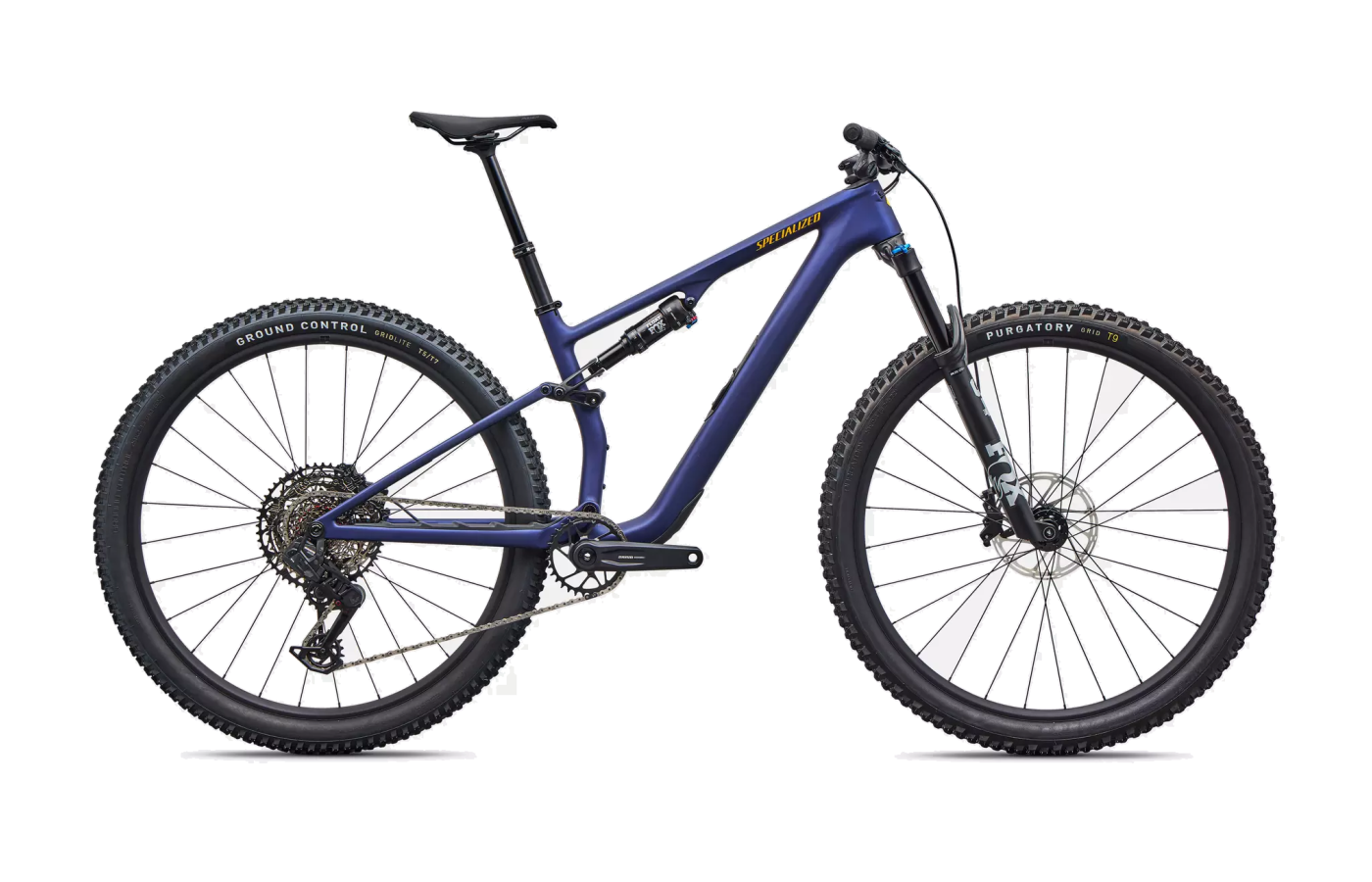
Epic Evo
The Specialized Epic Evo is the most direct third option — 115/120 mm travel, lighter frame than either the Ranger or Blur, and a livelier, poppier character. If you want downcountry with a race-bike soul and a dealer network, start here.
Compare →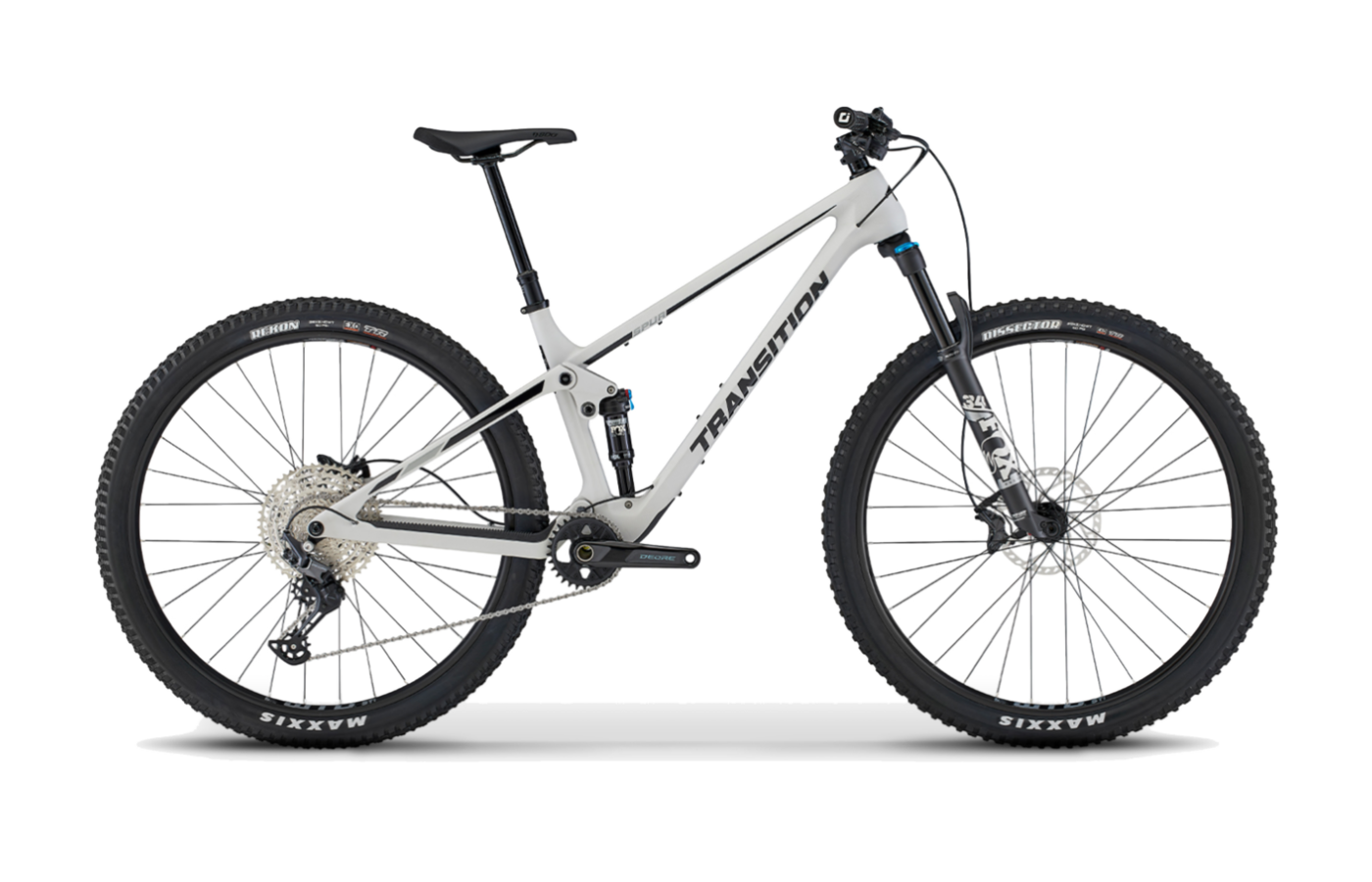
Spur
The Transition Spur is the playful extreme of the downcountry bracket — longer, slacker geometry than the Blur with the lightweight feel of a race bike. Reviewers consistently highlight how capably it descends for its 120 mm of travel.
Compare →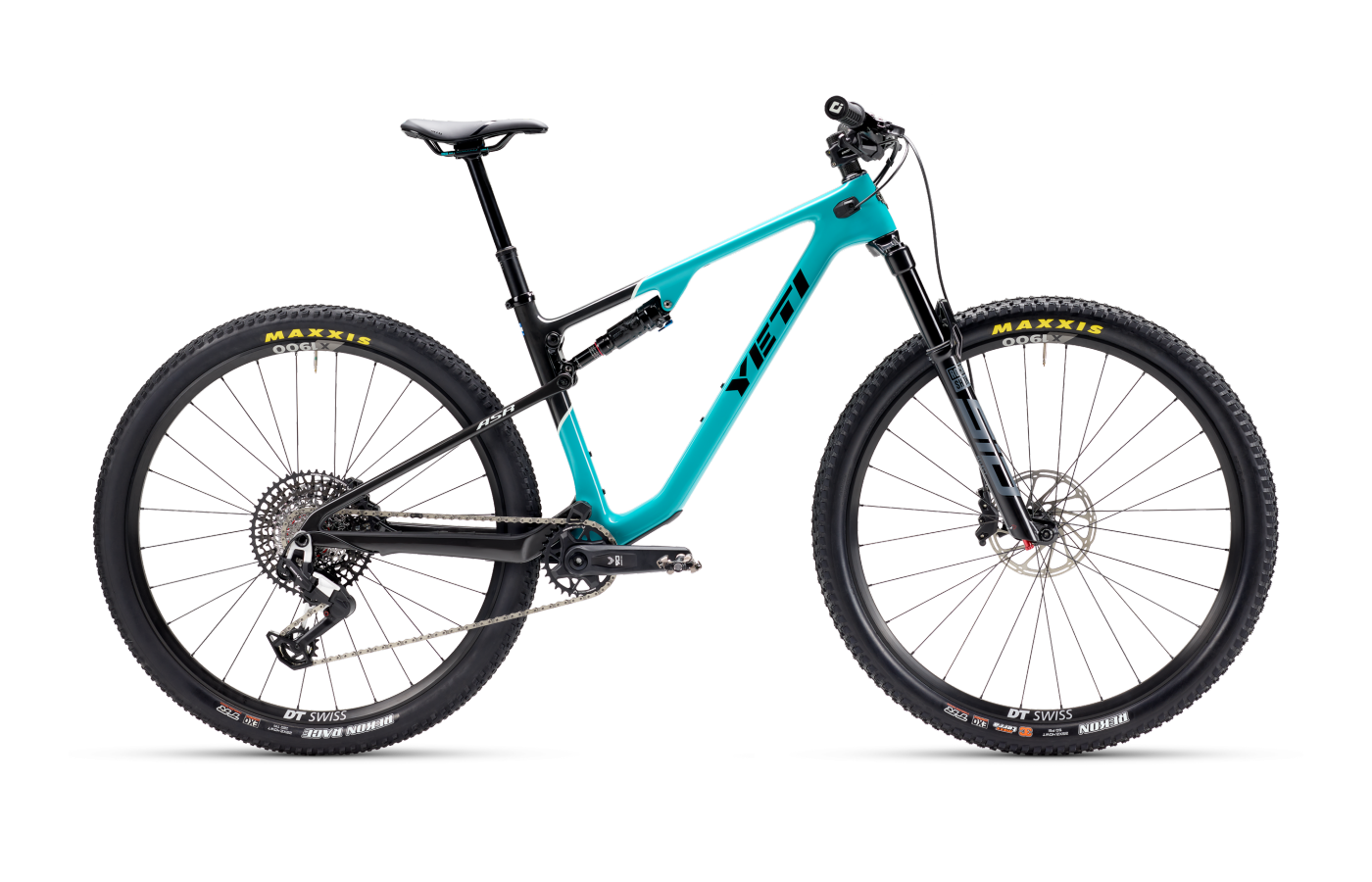
ASR
The Yeti ASR is the modern pure-XC alternative if you lean Blur-ward. Cutting-edge race geometry, Switch Infinity suspension, and a build ethos tilted more clearly toward World Cup cross-country than downcountry.
Compare →