Instinct
vsSlayer
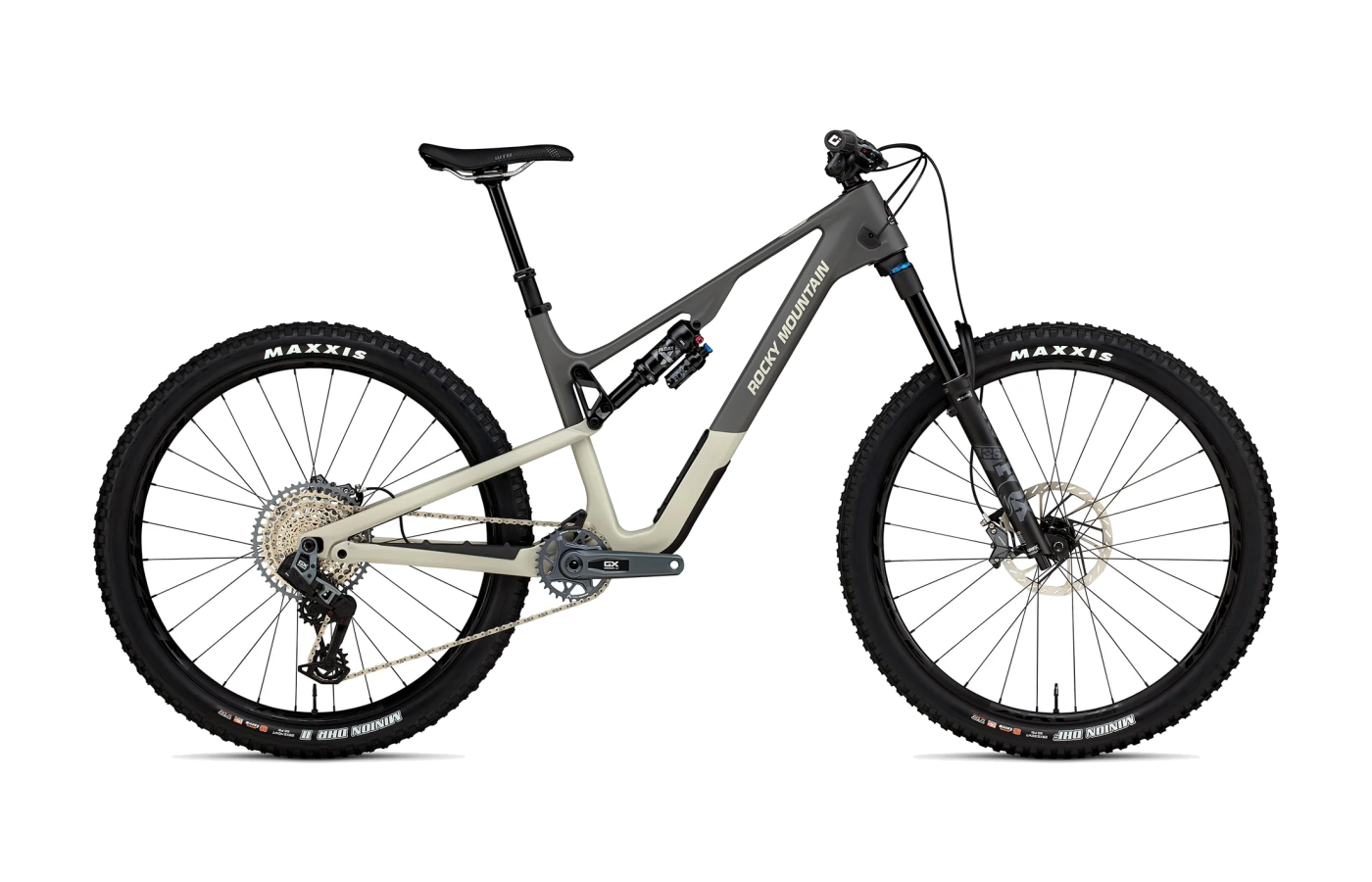
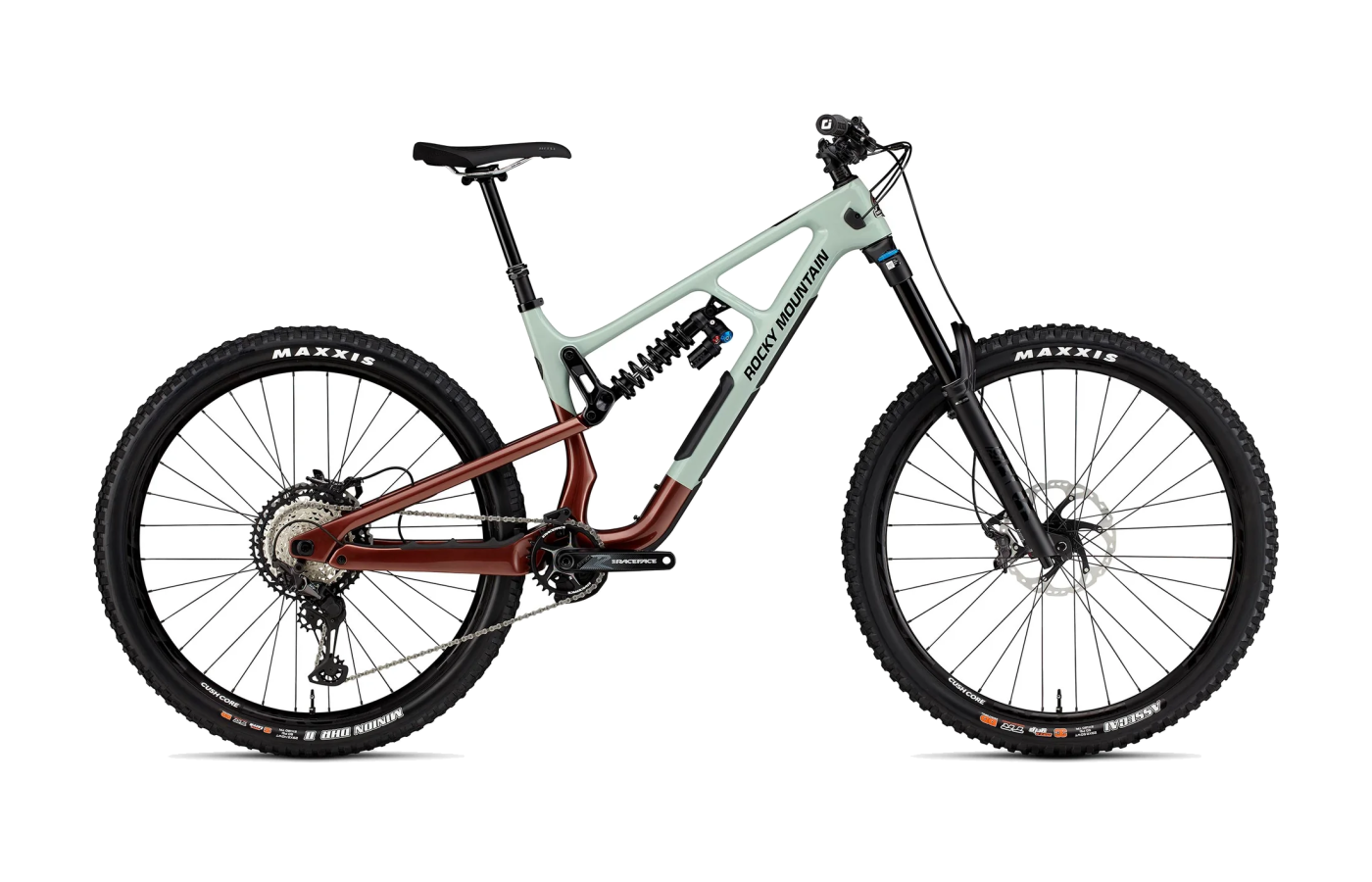
One trail bike, one freeride bruiser.
The Instinct is Rocky Mountain's adjustable do-it-all trail bike. The Slayer is a 180 mm gravity sled built for the steepest stuff you'd ever pedal up to.
Instinct
- Exceptional cornering — reviewers cite a beneficial lateral flex in the carbon frame that 'bends around turn apexes.'
- Endlessly adjustable — RIDE-4, chainstay flip chip, and ±5 mm reach-adjust headset combine for 48 geometry settings.
- Genuinely all-day capable at ~30–33 lb (carbon builds), with a steep 76.5–77.3° seat tube angle that climbs cleanly.
- Stock Fox Float X tune on some carbon builds is widely called underdamped — aggressive riders may want a coil swap or re-valve.
- Stock EXO+ Maxxis tires are under-specced for hard-charging riders; expect to upgrade for technical descents.
Slayer
- Bottomless on the steeps — 180 mm of coil-sprung rear travel turns rock gardens into 'cakewalks,' per MBA.
- Genuinely freeride-spec — ships with DoubleDown casings, CushCore Trail inserts, and a 5-year frame warranty out of the box.
- Park-ready — dual-crown compatible, with an Alloy 30 Park edition that bolts on a 200 mm Boxxer for $4,599.
- Sluggish and floppy on flatter trails; needs speed and gradient before it comes alive.
- Stock WTB ST i30 wheelset on lower builds is widely called 'infamously soft' — a near-mandatory upgrade for hard riders.
Editor’s analysis
Both wear the Rocky Mountain badge and the same RIDE-4 flip chip — but one is a 140 mm trail tool, the other a 180 mm gravity sled with a coil shock and a 62.5° head angle.
The Rocky Mountain Instinct is the everyday trail bike: 140 mm rear, 150 mm front (160 mm on the Carbon 99), a 63.5° head angle, and just enough adjustability — RIDE-4, a chainstay flip chip, and ±5 mm reach-adjust headset cups — to play 48 different ways. Reviewers reach for words like 'fox': playful, sneaky-fast, rewards an active rider rather than plowing for them. It climbs competently, corners exceptionally, and sits squarely in the 'one-bike quiver' lane.
The Rocky Mountain Slayer is the opposite ethos. 180 mm of travel front and rear, a 62.5– 63.3° head angle, a 1281 mm wheelbase in size large, a coil shock as standard, and DoubleDown Maxxis tires with CushCore inserts already installed. Pinkbike calls its handling 'classic freeride'; Mountain Bike Action says it transforms 'sluggish into stable, floppy into agile' the moment the trail tips down. There's a Park edition with a 200 mm dual-crown fork — that's the company telling you what this bike is actually for.
Geometry tells the story plainly. At the Instinct's md and the Slayer's lg (the fit-picked sizes for a 5'8" rider on each), the Slayer sits 39 mm taller in stack, has a head angle 1° slacker, runs a 54 mm longer wheelbase, and weighs roughly 5–7 lb more depending on build. The Instinct is the bike you ride for fun; the Slayer is the bike you ride when fun involves a chairlift or a shuttle van.
Pick on terrain, not on price. If your local rides are a mix of climbs, flow, and the occasional rowdy descent, the Instinct will do all of it well and embarrass bigger bikes in the corners. If you live for fall-line steeps, bike park laps, and hucking to flat — and don't mind earning the climb — the Slayer is what you actually want.
Where the builds differ.
Comparing our editor's-pick builds side-by-side. Winners highlighted row-by-row — lower price and weight, and the better-spec component, each mark a point.
Build variants & pricing
The Instinct spans $3,399–$9,449 across alloy and carbon. The Slayer starts at $4,599 and tops out at $10,299 — there is no cheap Slayer.
Prices are current US MSRP. We've picked the Carbon 70 on each side as the editor's pick — they're both one-down from each platform's flagship, both on Fox Performance Elite suspension and SMOOTHWALL carbon, but the Slayer commands a $2,300 premium for its coil shock, Fox 38, and DoubleDown tires-with-inserts package. That gap is real platform-cost content, not a spec mismatch.
How they fit, how they steer.
Compared at the fit-picked sizes for a 5'8" rider — md on the Instinct, lg on the Slayer. The Slayer's lg sits 39 mm taller in stack, runs 25 mm longer in reach, adds 54 mm of wheelbase, and slackens the head angle by a full degree — it's the more committed descender by every measure.
Which size should I buy?
Size recommendations based on stack, reach, and effective top tube. Slayer geometry runs longer in wheelbase at every size; size down from your usual if you ride tight, slow tech.
→These are starting points. Flexibility, riding style, and preferred position all shift the answer — if you’re between sizes, a professional fit beats a chart.
What the magazines said.
Published reviews from trusted cycling outlets. Click through for the full write-up.
Which one should you buy?
If you ride one bike on everything from climbs to chunder, get the Instinct. If most of your good days end with a shuttle, lift, or a 30-minute push, get the Slayer.
Instinct
If you want a single bike that climbs respectably, descends way above its travel class, and rewards an active style on flow trails, this is the pick. The 48-setting adjustability means you can keep tuning it as your skills and trails evolve.
Slayer
If your riding center of gravity is bike park laps, fall-line steeps, or shuttle days — and you want a coil-sprung, DoubleDown-shod weapon that's already built for it — the Slayer is unapologetic. Climbs are the toll you pay for the descent.
Questions buyers actually ask.
Short answers to the things we get emailed about most often.
01How much travel does each bike have?
The Rocky Mountain Instinct runs 140 mm rear / 150 mm front on most builds, with the top-tier Carbon 99 going to 160 mm up front. The Rocky Mountain Slayer runs 180 mm at both ends across every build, and the Alloy 30 Park edition swaps in a 200 mm RockShox Boxxer dual-crown fork for full bike-park duty.
That 40–50 mm gap is the headline difference — these are not adjacent bikes in the lineup.
02Which one climbs better?
The Instinct, comfortably. At ~30–33 lb in carbon trim with a 76.5–77.3° seat tube angle and reasonably efficient Horst-link kinematics, it climbs like a competent trail bike — reviewers used 'sporty' and 'sneaky fast.'
The Slayer is ~36–37 lb, runs an active coil shock that 'bobs noticeably' without the climb switch engaged (per Enduro MTB), and even with the steepest RIDE-4 setting still feels rearward. It's pedalable, not pleasant. Plan on using the climb switch.
03Can I bike-park the Instinct?
You can, and reviewers say it punches above its travel class on rowdy terrain — but you'd be asking a 140 mm trail bike to do the Slayer's job. Repeated big hits, hucks to flat, and lift laps are exactly where the Instinct's stock Fox Float X tune draws criticism for being underdamped and wallowy.
If bike park is even 30% of your riding, the Slayer (or Rocky's Altitude) is the right call.
04Why is the editor's pick the Carbon 70 on both sides?
Tier parity. Both Carbon 70 builds sit one step down from each platform's flagship, both run Fox Performance Elite suspension, both use SMOOTHWALL carbon frames — so the spec table compares apples to apples. The Slayer C70 is $2,300 more than the Instinct C70 because freeride spec costs more (Fox 38 vs Fox 36, coil shock, DoubleDown tires with CushCore inserts), not because of a tier mismatch.
05What size should a 5'8" rider buy?
Our fit algorithm picks md on the Instinct and lg on the Slayer for a 173 cm (5'8") rider — the Slayer's sizing runs noticeably shorter in seat tube, so the lg lands closer to typical mid-range fit numbers.
The Instinct also offers ±5 mm reach-adjust headset cups (not available on the Slayer), so you can fine-tune cockpit length without changing stems.
06How adjustable is the geometry?
Both use Rocky's RIDE-4 flip chip (4 positions, changing head angle, BB height, and shock progression) plus a chainstay flip chip with 10 mm of swing. The Instinct adds ±5 mm reach-adjust headset cups for 48 total combinations.
On the Instinct, head angle ranges 63.5–64.3°; on the Slayer, 62.5–63.3°. Even in their steepest settings, the Slayer is still slacker than the Instinct in its slackest — they don't overlap.
07Are both bikes mullet-compatible?
Yes. The Slayer ships mullet (29" front / 27.5" rear) on size S and M, with L and XL shipping full 29" but designed to convert. Reviewers (Pinkbike, Freehub) consistently praise the mullet setup for adding pep to the Slayer's otherwise lumbering low-speed handling.
The Instinct Carbon 99 has a 2-position axle that switches between 29" (150 mm rear travel) and 27.5" (140 mm rear travel) — a genuine wheel-size flip on the same frame. Other Instinct builds are 29" on M–XL and 27.5" on XS–S.
08What's the warranty?
Both come with Rocky Mountain's 5-year frame warranty to the original owner against manufacturing defects. Rocky also has a relatively strong North American dealer network, which reviewers consistently flag as an advantage over direct-to-consumer alternatives in this price range.
Similar bikes
If your priorities don’t map cleanly onto either of these, one of these adjacent bikes probably fits better.
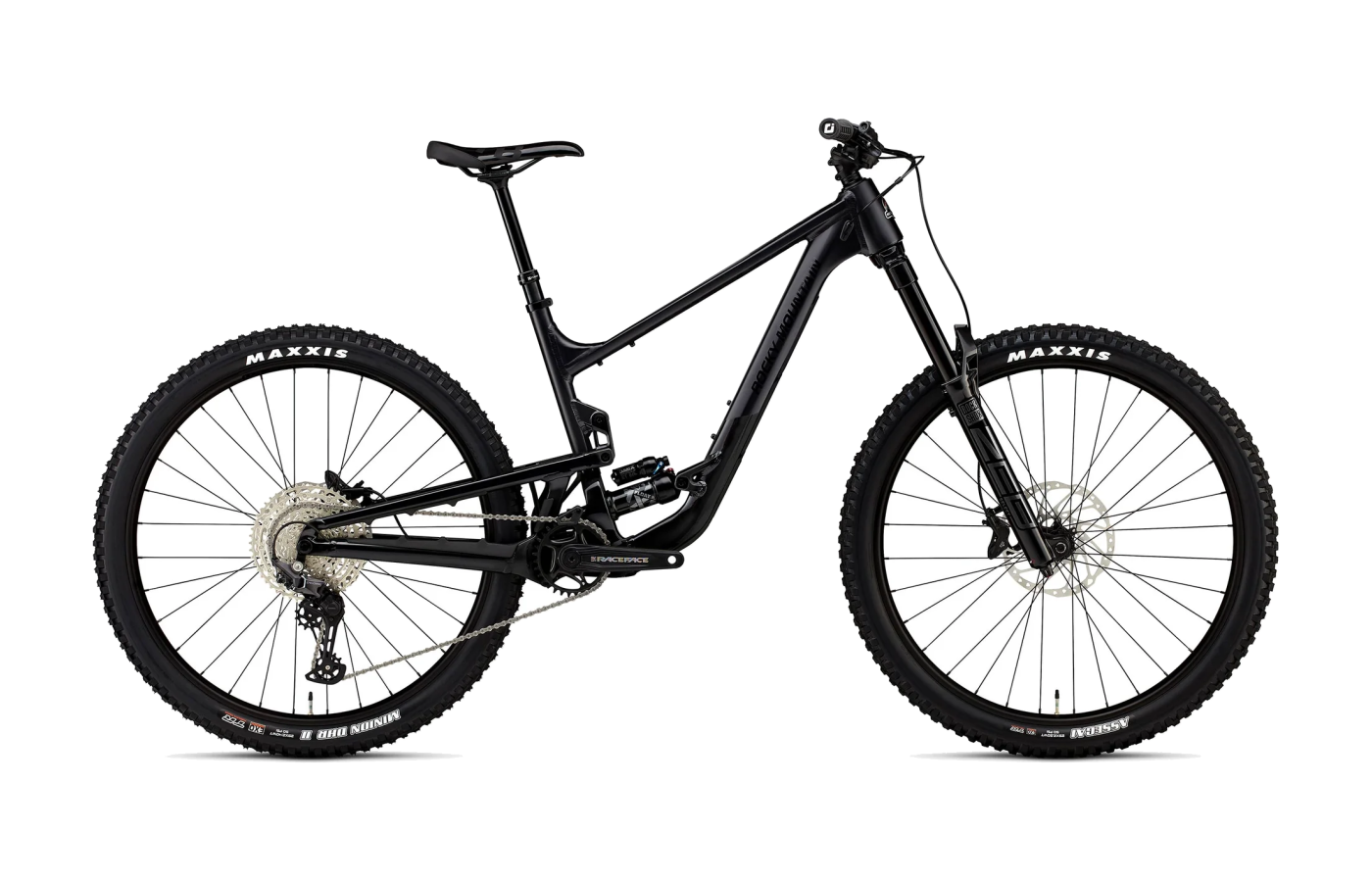
Altitude
Rocky Mountain's enduro race bike — the missing middle of this comparison. More travel and DH chops than the Instinct, more efficient and composed than the Slayer for sustained enduro. If you can't pick between these two, the Altitude is probably what you actually want.
Compare →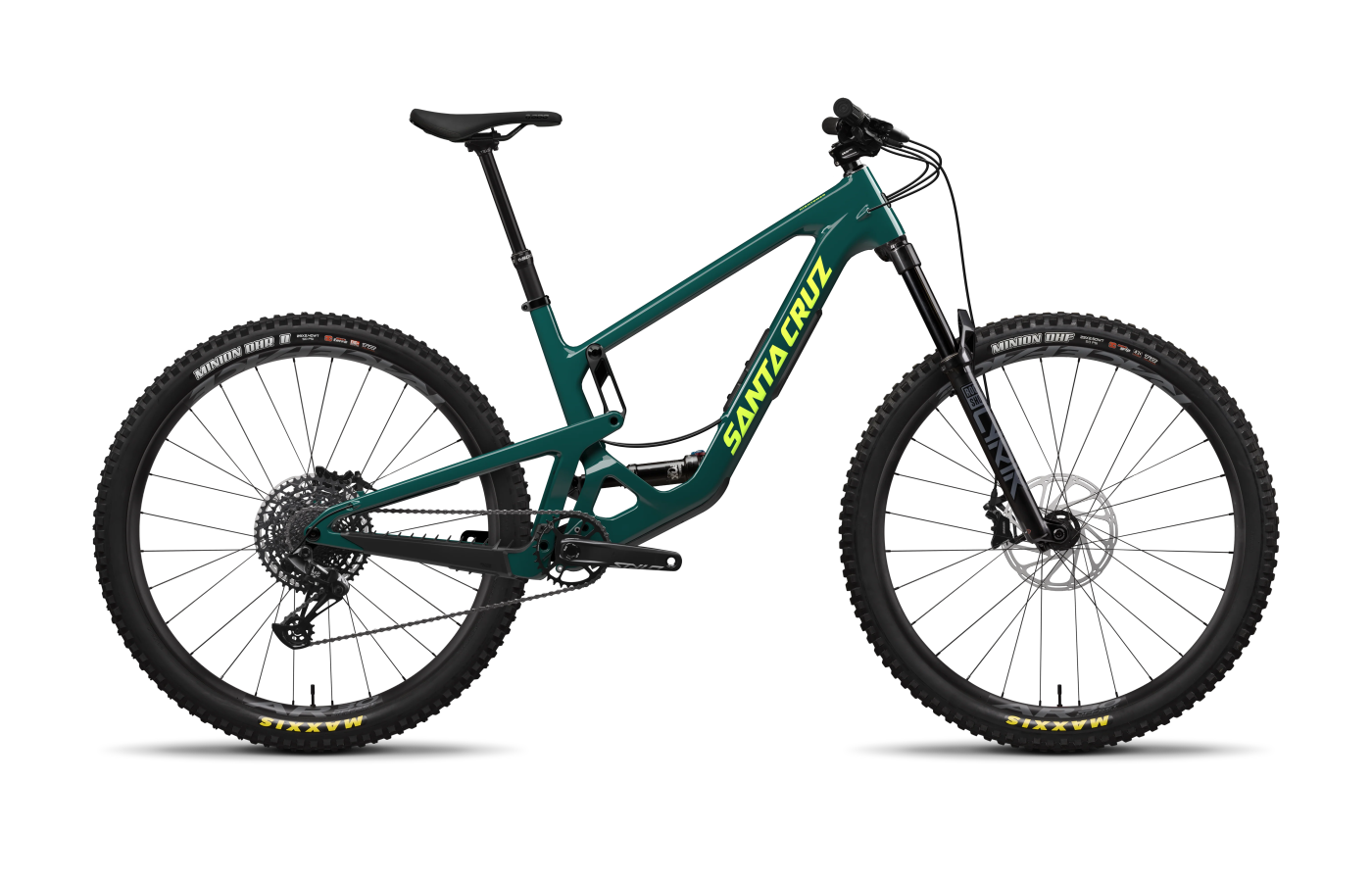
Hightower
Santa Cruz's all-mountain stalwart — 145 mm rear / 150 mm front, very close to the Instinct on paper but with a more planted, composed feel where the Instinct is playful. The choice if you want Instinct-class travel but prefer stability over jib.
Compare →Capra
YT's direct-to-consumer freeride/enduro answer to the Slayer — generous travel, aggressive geometry, often hundreds of dollars cheaper. The catch is no local dealer support, which on a bike that gets ridden this hard, matters.
Compare →