Instinct
vsSmuggler
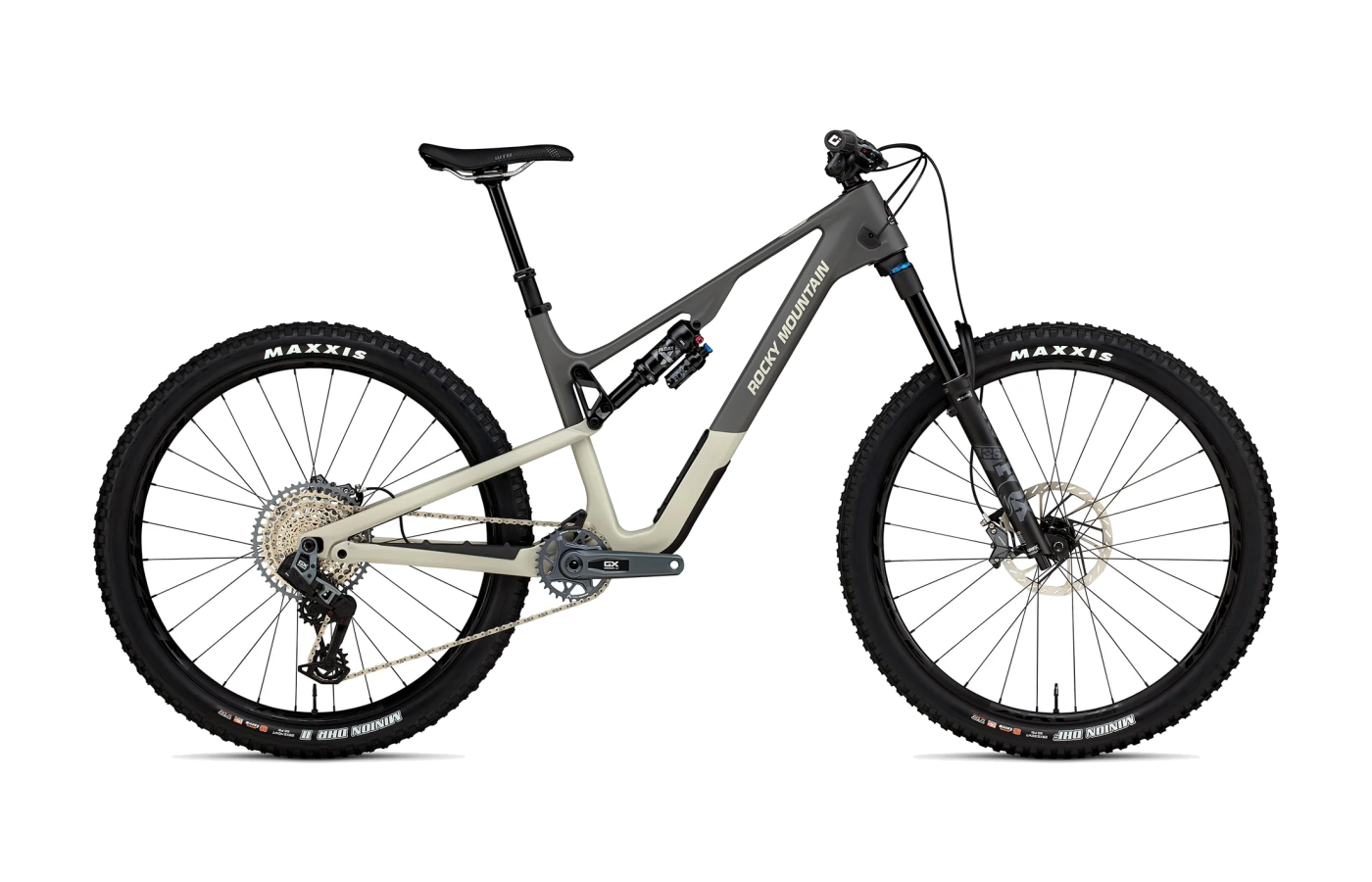
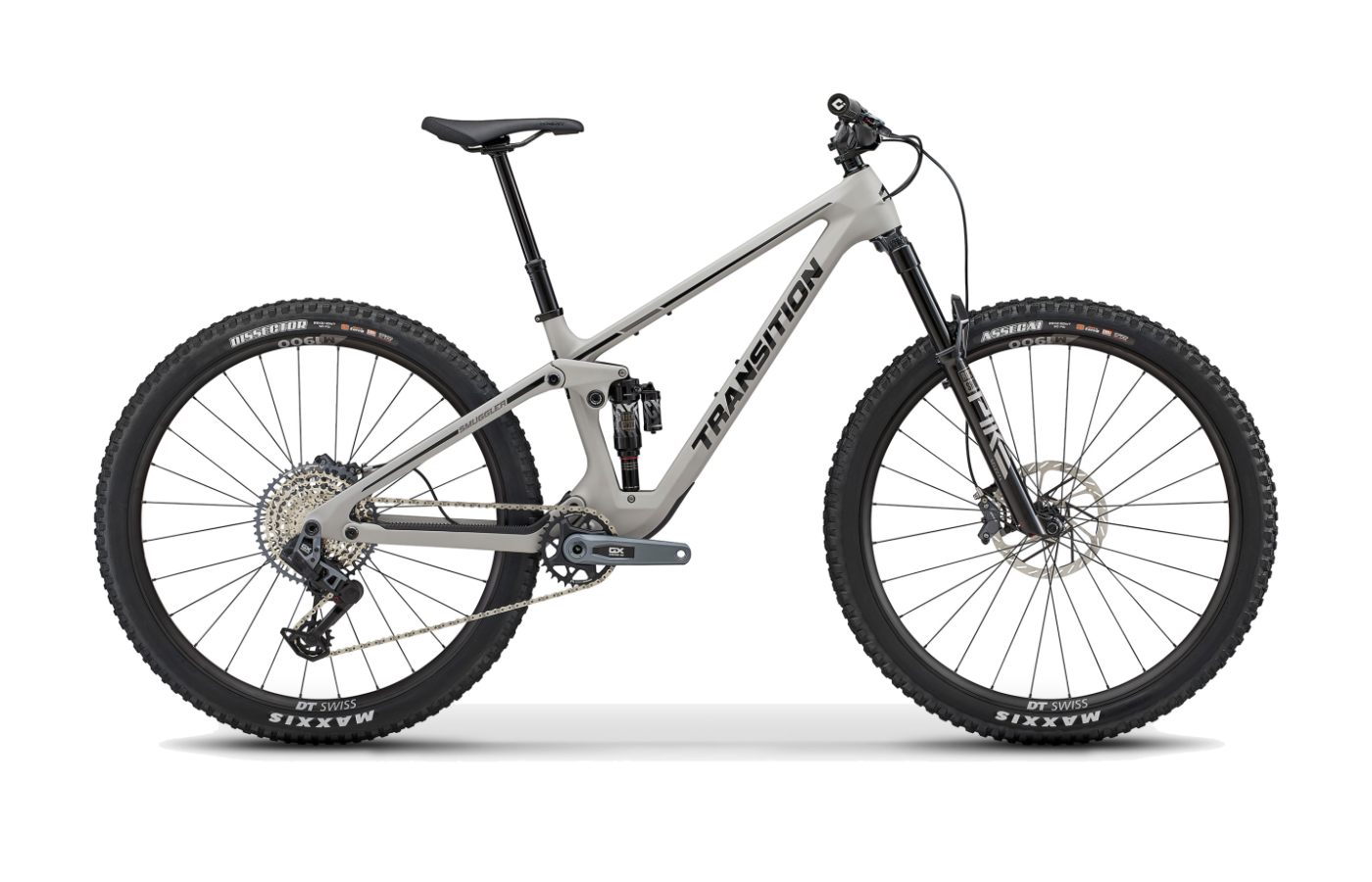
Two short-travel trail bikes, two opposite philosophies.
The Rocky Mountain Instinct is the tinkerer's chassis — slack, low, endlessly adjustable. The Transition Smuggler is the dialed, set-and-forget smasher with no flip chips and no apologies.
Instinct
- Most adjustable trail frame in class — RIDE-4, reach-adjust headset, and chainstay flip chip combine for 48 geometry combinations.
- Slacker, lower, more travel — 63.5° HTA, 44 mm BB drop, and 140/150 mm travel give it more downhill ceiling than the Smuggler.
- Penalty Box 2.0 storage — a real downtube compartment with custom tool wrap; the Smuggler frame has none.
- Stock Fox Float X tune divides reviewers — Pinkbike called it underdamped; coil or a re-valve is a common upgrade for aggressive riders.
- Lower BB means more pedal strikes on technical climbs, especially in the slacker RIDE-4 settings.
Smuggler
- Steepest seat tube in segment — 78.6° at size MD plants the front wheel on technical climbs without weight shifting.
- Genuinely poppy suspension — the 27% progression GiddyUp linkage rewards pumping and resists harsh bottom-outs on jumps.
- One geometry, no fiddling — Transition's SBG is widely regarded as already-dialed; you ride, you don't tune.
- No in-frame storage, no flip chips — feature-thin against modern competitors at the same price.
- The 'Loam Cupboard' BB-area cable port funnels mud into the frame; multiple long-term reviews flagged premature pivot bearing wear.
Editor’s analysis
This isn't a fight over which bike rides better — it's a question of how much you want to fiddle.
On paper, the Rocky Mountain Instinct and Transition Smuggler look like neighbors: mid-travel 29ers, Horst-link suspension, carbon options under $7k. Spend any time with the geometry and the personalities split. The Instinct runs 140 mm rear / 150 mm fork; the Smuggler is 130 mm / 140 mm. The Instinct's head angle sits at 63.5 degrees — the Smuggler at 65. That's a degree and a half of relaxation in favor of the Rocky, paired with a deeper 44 mm BB drop. The Smuggler is shorter on travel and steeper at the front, riding higher off the ground.
The Rocky Mountain Instinct is the most adjustable trail bike in this segment — full stop. Reviewers count 48 possible geometry combinations between the four-position RIDE-4 shock mount, +/- 5 mm reach-adjust headset cups, and two-position chainstay flip chip. You can pull the head angle from 63.5 to 64.3 degrees, swing chainstays between 437 and 447 mm, and shift kinematics from supportive to plush. It's a chassis built for riders who think of their bike as a project, not a purchase.
The Transition Smuggler picks one geometry and commits. No flip chips. No reach-adjust headset. No in-frame storage. What you get instead is one of the more universally praised geometries in trail — a 78.6-degree seat tube that plants you forward on climbs, size-specific chainstays (435 mm S/M, 440 mm L–XXL), and Transition's Speed Balanced Geometry that reviewers repeatedly call 'a mini-Sentinel.' The Smuggler's 27% suspension progression makes it pop harder than the travel suggests; the trade is a busier rear end in fast chatter.
Put another way: the Rocky Mountain Instinct is the bike you buy if you love dialing setups and want one chassis that can morph from playful trail to slack quasi-enduro. The Transition Smuggler is the bike you buy if you trust someone else's geometry and want to stop thinking about the bike.
Where the builds differ.
Comparing our editor's-pick builds side-by-side. Winners highlighted row-by-row — lower price and weight, and the better-spec component, each mark a point.
Build variants & pricing
Both lineups span ~$3.4k–$9.5k of carbon and alloy builds. The Instinct stretches lower at entry (Alloy 30 at $3,399) and higher at the top (Carbon 99 with Flight Attendant at $9,449); the Smuggler tops out at $7,799.
Prices are current US MSRP. The Instinct Carbon 70 ($5,499) and Smuggler Carbon GX AXS ($6,699) are tier-matched on SRAM GX AXS Transmission and carbon frames; the $1,200 gap reflects Rocky Mountain's pricing on a Fox 36 Performance Elite vs. the Smuggler's RockShox Pike Select+.
How they fit, how they steer.
Both at size M — the fit-picked size for a 5'8" rider on each bike. The Smuggler runs 11 mm longer in reach (460 vs 449), 17 mm taller in stack (616 vs 599), and 2.1° steeper at the seat tube (78.6° vs 76.5°) — it sits the rider taller and further forward. The Instinct is 1.5° slacker at the head tube (63.5° vs 65°) and drops the BB 9 mm lower.
Which size should I buy?
Size recommendations based on stack, reach, and effective top tube. Both ranges overlap closely in the middle; the Smuggler offers an XXL the Instinct doesn't.
→These are starting points. Flexibility, riding style, and preferred position all shift the answer — if you’re between sizes, a professional fit beats a chart.
What the magazines said.
Published reviews from trusted cycling outlets. Click through for the full write-up.
Which one should you buy?
If you love dialing geometry and want more downhill ceiling, get the Instinct. If you want a dialed, set-and-forget short-travel smasher, get the Smuggler.
Instinct
If you'd rather spend a weekend swapping headset cups and flip chips than buying another bike, the Instinct's RIDE-4 system is unrivaled. The slacker head angle and lower BB also give it the higher descending ceiling — 'Instinctitude' upgrades (160 mm fork, coil shock) are a known recipe.
Smuggler
If you want a 130 mm bike that climbs upright, pops off everything, and punches above its travel on descents, the Smuggler is the dialed answer. Just accept that you're paying for geometry and ride feel, not a feature-complete frame.
Questions buyers actually ask.
Short answers to the things we get emailed about most often.
01Which has more travel?
The Rocky Mountain Instinct, by 10 mm front and rear. The Instinct runs 140 mm rear / 150 mm fork across most builds; the flagship Carbon 99 ships with a 160 mm Lyrik Ultimate Flight Attendant.
The Transition Smuggler is 130 mm rear / 140 mm fork stock. Transition warranty-backs running the Smuggler at 140 mm rear (by removing a shock spacer) and a 150 mm fork — a popular 'long-shock' setup that nudges it closer to the Instinct's territory.
02Which climbs better?
The Smuggler, in seated technical climbs. Its 78.6° effective seat tube angle (size MD) plants the rider further forward than the Instinct's 76.5°, keeping the front wheel weighted on steep pitches without conscious effort. Reviewers consistently call it 'spry' and 'nimble' on winch-and-plummet climbs.
The Instinct climbs competently but more conservatively — it's heavier on most builds, slacker at the front, and its lower BB (44 mm drop vs the Smuggler's 35 mm) means more pedal strikes on technical ascents. Both have an active enough rear end that the climb switch sees regular use.
03Which descends better?
The Instinct has the higher descending ceiling on paper — 1.5° slacker head tube (63.5° vs 65°), 10 mm more rear travel, and a longer 1,227 mm wheelbase at size M (vs the Smuggler's published numbers). In its slackest RIDE-4 settings with the longer chainstay, it's a near-enduro chassis.
The Smuggler is the better short-travel smasher for what it is — it's earned the 'mini-Sentinel' nickname for handling double-black terrain a 130 mm bike has no business on. But when the trail gets fast and chunky, the 130 mm rear end runs out before the Instinct's 140 mm does. If you regularly ride bike park or rowdy descents, the Instinct gives you more headroom.
04How adjustable is each frame?
Rocky Mountain Instinct: extensive. The RIDE-4 shock-mount system gives four geometry/kinematic combinations, +/- 5 mm reach-adjust headset cups change reach without buying a new stem, and a two-position chainstay flip chip swings the rear between 437 and 447 mm. Reviewers count 48 distinct combinations.
Transition Smuggler: none, by design. No flip chips, no reach-adjust headset, no shock-mount adjustment. The geometry is what it is — the trade-off is a chassis Transition has dialed in for years and most reviewers wouldn't change.
05Does either have in-frame storage?
Only the Instinct. Rocky Mountain's Penalty Box 2.0 is a downtube compartment with a custom tool wrap and even a hidden AirTag/Tile slot — reviewers consistently call it one of the better-executed storage systems on the market.
The Smuggler frame has no in-frame storage, and reviewers from Pinkbike to MBR noted its absence as a real gap against modern competitors at this price point. If you ride without a pack, that's a meaningful difference.
06What's the deal with the Smuggler's 'Loam Cupboard'?
It's the open cavity at the bottom-bracket shell where internal cables exit the front triangle. Pinkbike named it after finding 'a hardened plug of dirt' there after a few months of riding; Bike Mag found 'a murky trickle of water' trapped inside the frame.
The practical concern is bearing longevity. Multiple long-term reviewers (Pinkbike, BikeRadar, Bikepacking.com) reported pivot bearings needing replacement at 2–3 months of dry riding, with at least one demo bike showing a seized lower main pivot. If you buy a Smuggler, plan to clean that area regularly and budget for more frequent pivot service than average.
07Which build is the best value?
On the Instinct, the Carbon 70 at $5,499 is the sweet spot — Fox 36 Performance Elite, Float X Performance Elite shock, and a SRAM GX AXS Transmission drivetrain on the same SMOOTHWALL carbon frame as the $9,449 flagship. The Carbon 50 at the same price uses Shimano XT mechanical and a regular Lyrik — pick based on shifter preference.
On the Smuggler, the Carbon GX AXS at $6,699 matches the Carbon 70's tier with GX AXS and a Pike Select+. The lower-tier Carbon GX (mechanical) has been criticized in past reviews for downspecced shifters and basic WTB ST i30 rims; if budget matters more, the Alloy Deore at $3,499 is the more honest value play.
Note the price gap: the tier-matched Smuggler runs $1,200 over the equivalent Instinct, mostly fork and brand premium.
08Is the Instinct's stock shock tune really that bad?
Depends who you ask. Pinkbike's field test was scathing — Henry Quinney called the Fox Float X compression tune 'simply too light,' producing a 'wallowy mid-stroke' and an 'unstable, undermining' ride at speed. They recommended a re-valve or coil shock for aggressive riders.
Other reviewers strongly disagreed. GearJunkie tested a Carbon 70 AXS with the RockShox Super Deluxe Ultimate (not the Fox) and called it 'super-planted,' 'calm,' and excellent. Jeff Kendall-Weed found the Fox 'fine once dialed in' for jump-focused trail riding.
The takeaway: shock model and rider weight matter a lot here. Heavier or more aggressive riders should plan to spend time with sag, volume spacers, or a damper service. Lighter or less aggressive riders may be fine out of the box.
Similar bikes
If your priorities don’t map cleanly onto either of these, one of these adjacent bikes probably fits better.
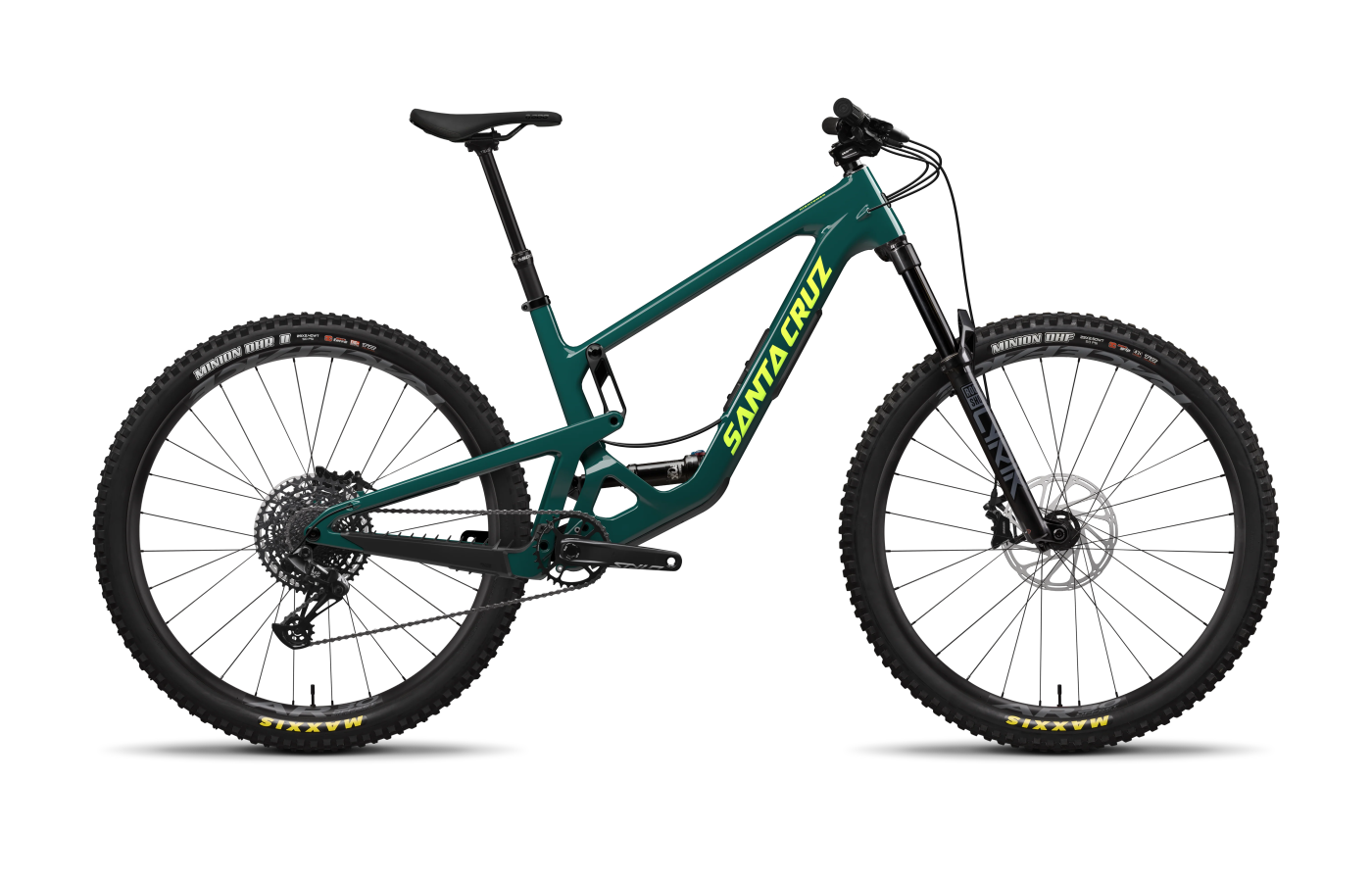
Hightower
Santa Cruz's perennial 145 mm trail benchmark — more travel and a more planted, composed feel than either bike here. Pick the Hightower if you want similar 'do-everything' DNA but with a downhill bias and a more conservative geometry.
Compare →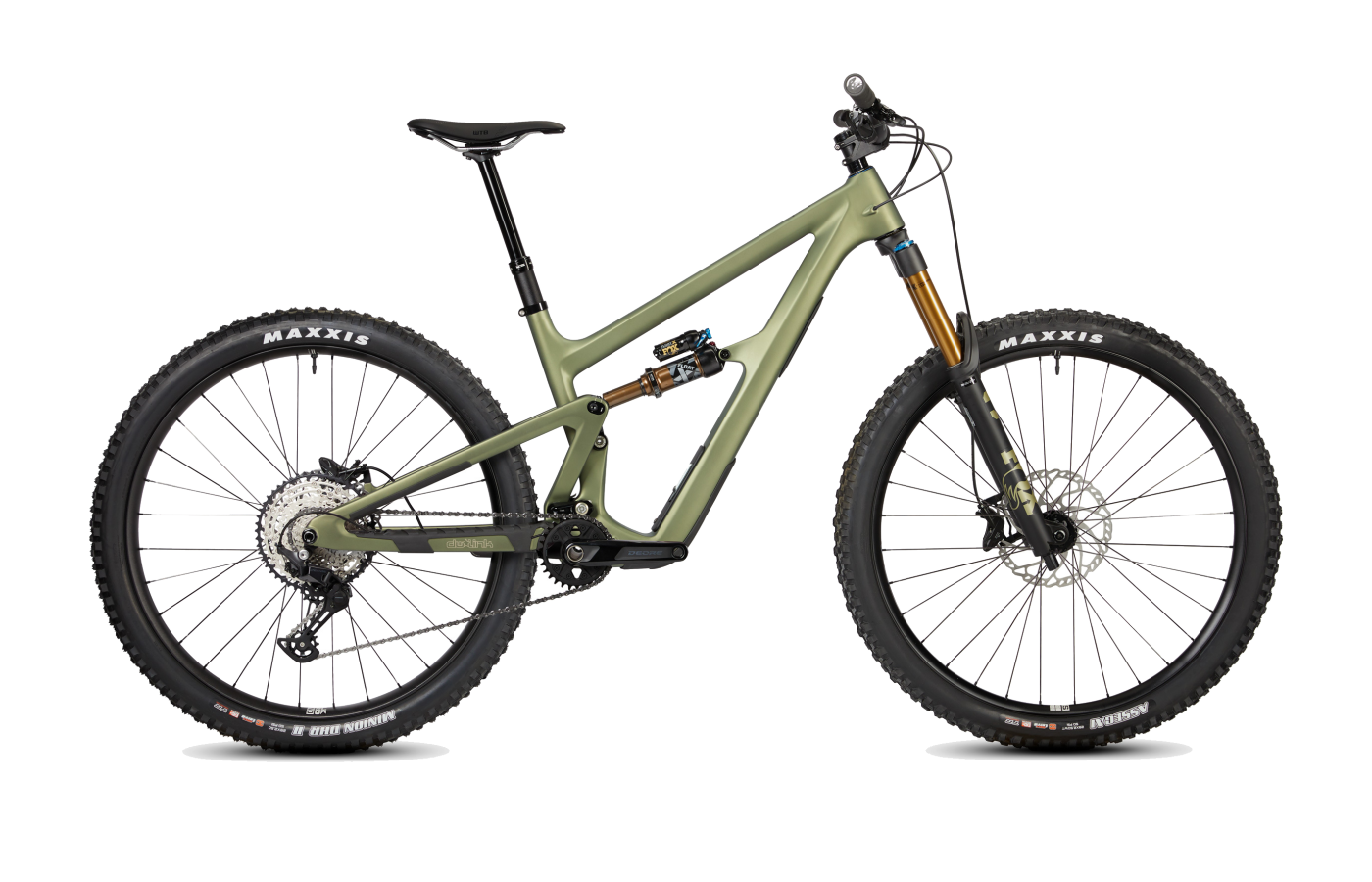
Ripmo
If 130–140 mm of rear travel feels short, the Ripmo's 147 mm DW-Link platform is the plusher, more terrain-eating step up. You give up the Smuggler's poppy snap, but gain real small-bump compliance for big-mountain days.
Compare →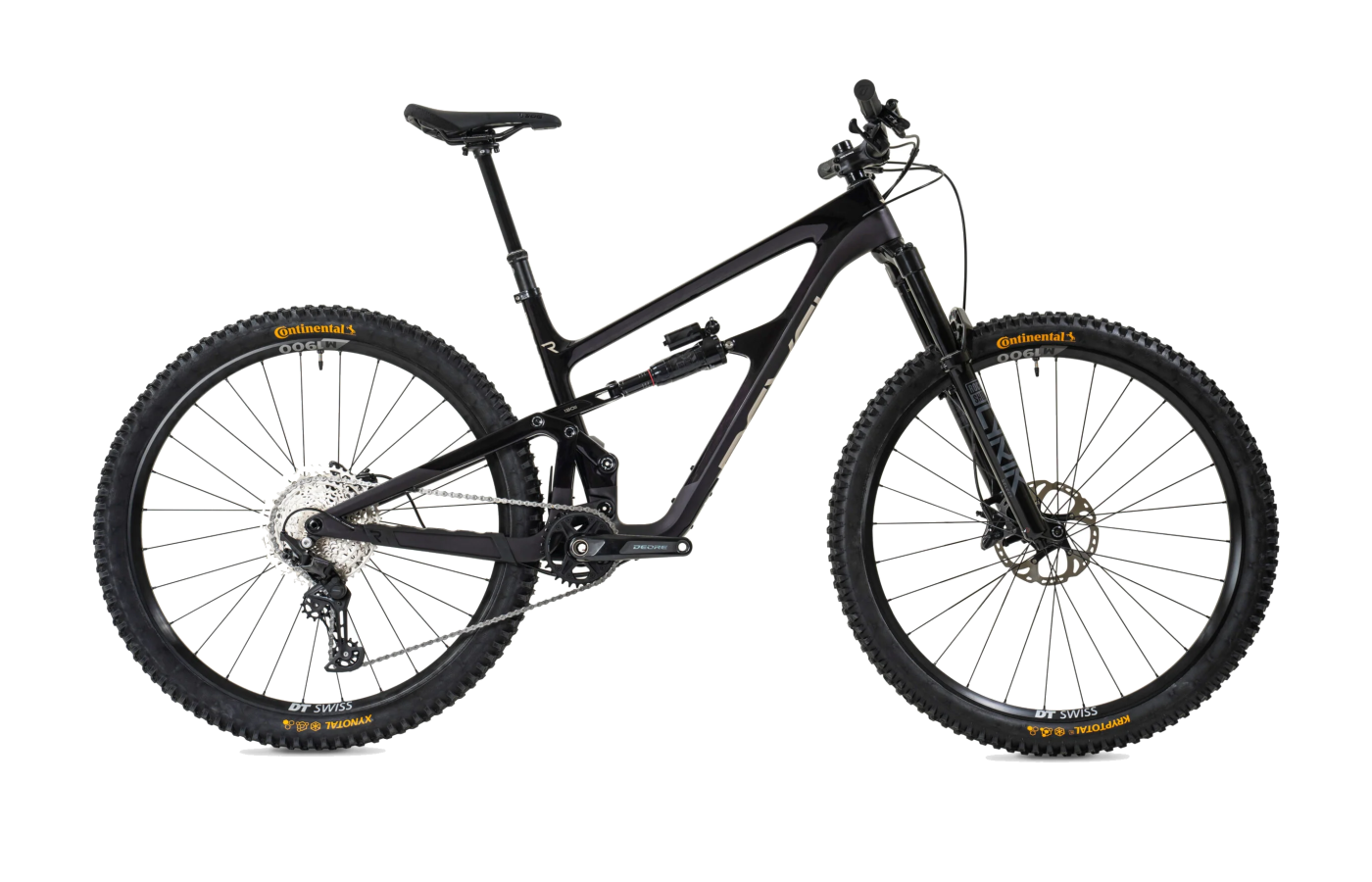
Rascal
Revel's CBF-suspension take on the same 130 mm trail bracket as the Smuggler — known for energetic, near-XC pedaling efficiency. A natural cross-shop if you want the Smuggler's playfulness with a livelier climber underneath.
Compare →