Timberjack
vsChameleon
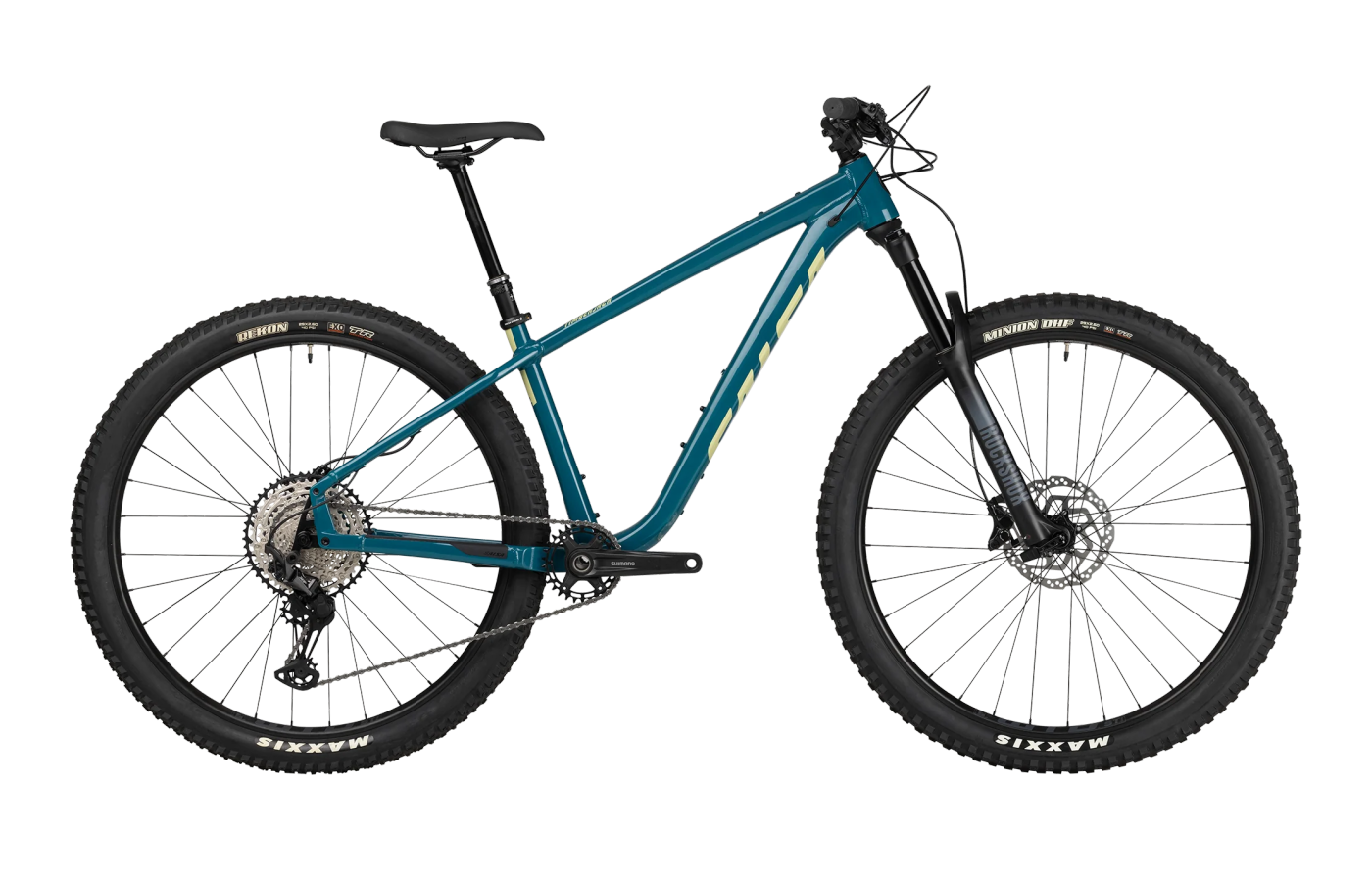
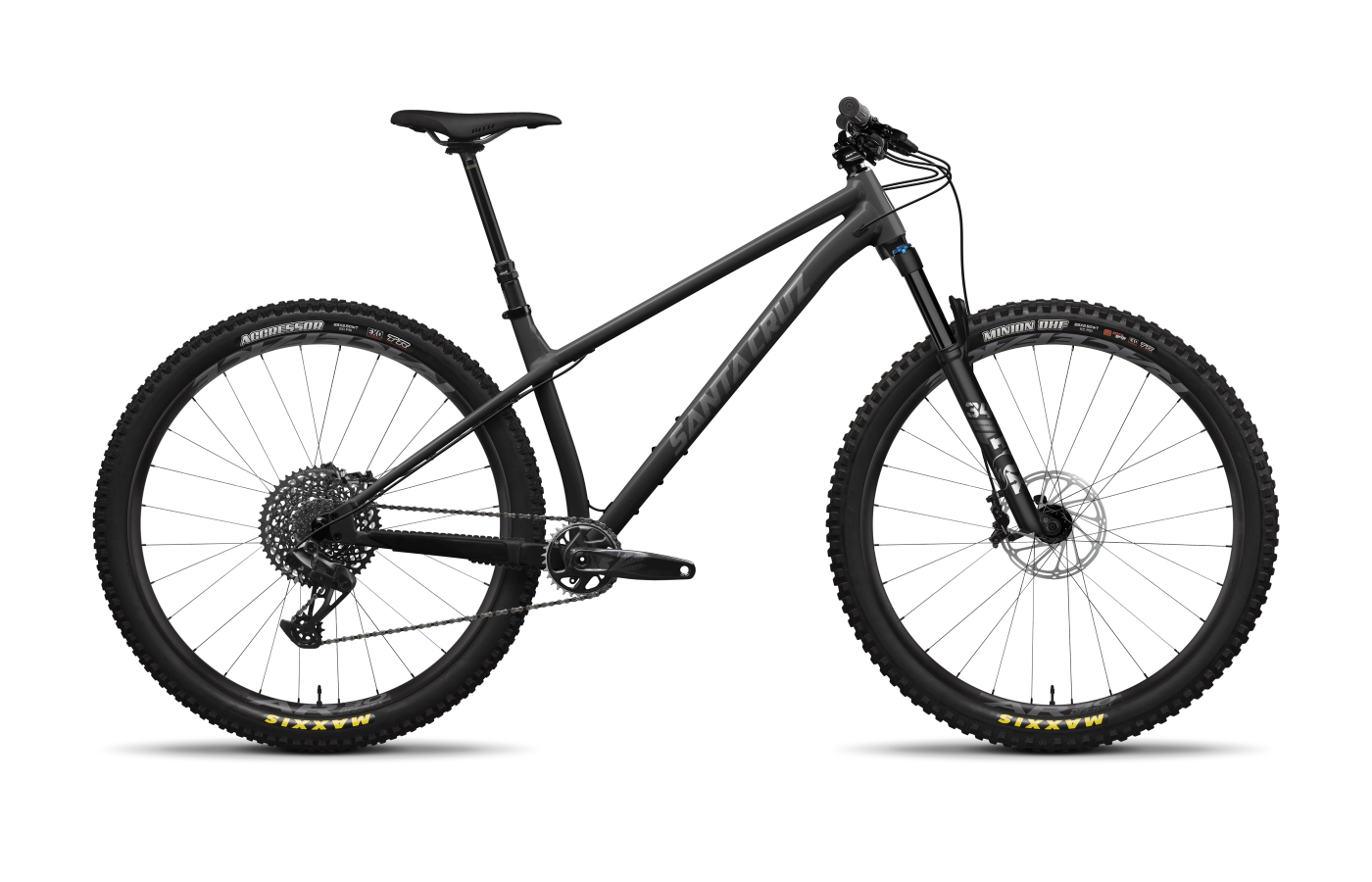
Two do-it-all hardtails, two price tags.
The Timberjack is the bikepacking-friendly value pick. The Chameleon is the premium, hooligan-leaning frame with a lifetime warranty.
Timberjack
- More bike for the dollar — the XT 29 build at $2,199 ships with full Shimano XT/SLX and four-piston brakes.
- Genuine bikepacking platform with triple-cage mounts under the downtube, rack compatibility, and a steeper 75.1-degree seat tube for long-distance comfort.
- Two-position adjustable dropouts (420 or 437 mm chainstay) let you tune from flickable to stable without swapping anything.
- Stock RockShox 35 Gold fork gets overwhelmed on bigger hits — a known upgrade target.
- Aluminum frame skews stiff; Bikepacking.com flagged it as harsh on extended rough trails.
Chameleon
- Slacker, more descent-oriented geometry — a 65-degree head tube angle versus 66.4 on the Timberjack adds noticeable downhill confidence.
- Continuously sliding dropouts from 425 to 437 mm, plus easy 29er-to-mullet conversion without changing geometry.
- Lifetime frame and bearing warranty — Santa Cruz's 'Bike for Life' program is genuinely the most generous in the segment.
- Component-to-price ratio is poor — even the $2,999 S build runs GX, not the X0 you'd expect at that price.
- Stock SRAM MTH rear hub's 17-degree engagement is widely flagged as a near-mandatory $300+ upgrade.
Editor’s analysis
Same category, same wheel size, nearly the same fork travel — and an $800 gap that buys you a slacker head angle, a sliding dropout, and a brand badge.
On paper these two hardtails look interchangeable: 29-inch wheels, 130 mm travel up front, 6066/6061 aluminum, threaded BBs, adjustable dropouts. Both even ship with a Maxxis Minion DHF up front. But ride either one for an hour and the philosophies separate fast.
The Salsa Timberjack is the all-rounder that doesn't apologize for its price. The XT 29 build lands at $2,199 with a full Shimano XT/SLX drivetrain, four-piston brakes, and a complete weight under 32 lb on a Medium. Reviewers from Pinkbike to Bikepacking.com keep coming back to the same word: balanced. The 66.4-degree head angle and 75.1-degree seat tube are aggressive enough for chunky trail descents but never feel sluggish on long climbs or under bikepacking load. The frame is stiff — some testers found it harsh on rough sections — but you also get triple-cage mounts, a Rack-Lock collar, and Salsa's blessing to run a 150 mm fork without voiding the warranty.
The Santa Cruz Chameleon picks a more aggressive lane and charges a premium for it. A full degree slacker at the head tube (65 vs 66.4), a longer 1184 mm wheelbase on a Medium, and Santa Cruz's redesigned sliding dropouts that adjust 425–437 mm and swap painlessly between 29er and mullet. Reviewers describe it as a 'juggernaut descending' and a 'hooligan' that 'falls into corners.' But the component spec for the dollar is genuinely poor — the $2,599 R build runs SRAM NX with Guide T brakes, parts you'd see on a $1,500 hardtail elsewhere. NSMB and Bike Perfect both note the stock 17-degree-engagement SRAM hub is a near-mandatory upgrade.
The honest framing: you're not really paying $800 more for the Chameleon's components. You're paying for the slacker geometry, the sliding-dropout system, the lifetime frame and bearing warranty, and the Santa Cruz dealer network. Whether that's worth it depends on whether you'd rather start with a better-specced bike (Timberjack) or a better frame to upgrade into over five years (Chameleon).
Where the builds differ.
Comparing our editor's-pick builds side-by-side. Winners highlighted row-by-row — lower price and weight, and the better-spec component, each mark a point.
Build variants & pricing
The Timberjack spans six builds from $1,364 to $2,199. The Chameleon offers three, all clustered in the $2,099–$2,999 bracket — there is no entry-level Chameleon.
Prices are current US MSRP. Both editor's picks sit at the top of their respective lineups, but at meaningfully different price points; the $800 gap is a real platform difference, not a tier mismatch.
How they fit, how they steer.
Both at Medium — the fit-picked size for a 5'8" rider on each bike. The Chameleon sits 21.8 mm taller in the stack with 8.6 mm less reach; its 65-degree head tube is 1.4 degrees slacker, and its 425 mm chainstay is 5 mm longer than the Timberjack's short setting.
Which size should I buy?
Size recommendations based on stack, reach, and effective top tube. The Timberjack runs five sizes (X-Small to X-Large); the Chameleon offers four (s through xl).
→These are starting points. Flexibility, riding style, and preferred position all shift the answer — if you’re between sizes, a professional fit beats a chart.
What the magazines said.
Published reviews from trusted cycling outlets. Click through for the full write-up.
Which one should you buy?
If you want the most bike for the money and a serious bikepacking rig, get the Timberjack. If you want a more aggressive frame to upgrade into for a decade, get the Chameleon.
Timberjack
If your weekend looks like singletrack on Saturday and a credit-card overnighter on Sunday, the Timberjack is the more honest tool — and the more honest price. Six builds across an $835 spread mean there's a real entry point, and the XT 29 spec hits well above its $2,199 ticket. Plan on a fork upgrade eventually.
Chameleon
If you ride mostly black-diamond descents and treat the bike as a frame to build up over five years, the Chameleon's slacker geometry, sliding-dropout system, and lifetime warranty start earning their premium. Just budget for a high-engagement rear hub on day one.
Questions buyers actually ask.
Short answers to the things we get emailed about most often.
01Which descends better?
The Santa Cruz Chameleon, by a clear margin. Its 65-degree head tube is 1.4 degrees slacker than the Timberjack's 66.4, and its Medium wheelbase (1184 mm) is 19 mm longer than the Timberjack's Medium (1165 mm). Reviewers across NSMB, MTB Party, and Bike Perfect describe it as 'juggernaut descending' and 'hooligan-like' on steep terrain.
The Timberjack is no slouch — the V2 update specifically modernized the geometry for descents — but it's tuned more for all-around capability than dedicated chunk.
02Which is the better bikepacking platform?
The Salsa Timberjack, fairly decisively. It has a triple-cage mount under the downtube, top-tube and seat-tube bottle bosses, rear-rack compatibility via Salsa's Rack-Lock collar, and a slightly steeper 75.1-degree seat tube angle that's more comfortable for long days in the saddle versus the Chameleon's 74.3.
The Chameleon can be loaded up — Bikepacking.com tested one — but it's a secondary use case for a frame designed primarily around aggressive trail riding.
03How big is the price gap, really?
Bigger than it first looks. The Timberjack starts at $1,364 (SLX 27.5+) and tops out at $2,199 (XT 29). The Chameleon starts at $2,099 (D build) and tops out at $2,999 (S build). The cheapest Chameleon costs more than the most expensive Timberjack.
At the editor's-pick comparison — Timberjack XT 29 ($2,199) vs Chameleon S ($2,999) — the gap is $800 for a slacker head angle, a sliding-dropout system, a Fox 34 fork instead of a RockShox 35 Gold, and Santa Cruz's lifetime warranty.
04Are both 29er, or can I run them as mullets?
Salsa Timberjack: Officially specced as either full 29er (with 2.6" tires) or full 27.5+ (with 2.8" tires) depending on build. Salsa doesn't market a mullet configuration, though the Alternator dropouts mean you can experiment.
Santa Cruz Chameleon: Designed from the start to swap between 29er and MX (mullet) configurations using the sliding-dropout system, with the geometry numbers staying consistent. Reviewers consistently praised the MX setup for cornering and the 29er for momentum.
05How adjustable are the chainstays?
Timberjack: Two fixed positions via Alternator 2.0 dropouts — 420 mm (short, flickable) or 437 mm (long, stable). You swap between them by physically changing dropout plates, not sliding.
Chameleon: Continuously adjustable from 425 mm to 437 mm via the redesigned thru-bolt sliding dropout. NSMB called the new system 'well-engineered' compared to the V7's known cracking issue. The Chameleon's setup is more flexible; the Timberjack's is more positive in feel.
06What's the warranty situation?
Salsa offers a standard frame warranty to the original owner (typically multi-year, against manufacturing defects).
Santa Cruz offers a 'Bike for Life' lifetime frame warranty plus a lifetime bearing replacement program — widely cited as the most generous in the industry. This is a real piece of the Chameleon's price premium and a defensible reason to pay it if you plan to own the bike for a decade.
07Which build is the best value within each lineup?
Timberjack: The XT Z2 29 at $1,999 — same XT drivetrain as the $2,199 XT 29, but with a Marzocchi Bomber Z2 fork in place of the RockShox 35 Gold. MTB on Demand called it a 'no-brainer.'
Chameleon: Several reviewers (NSMB, Singletrackworld) recommend the frame-only option (~$949) over any complete build, on the basis that the stock kits are overpriced for what you get. If you must buy complete, the S build at $2,999 is the only one with GX rather than NX/SX.
08Will I need to upgrade anything immediately?
Timberjack: Realistically, no — though long-term, the RockShox 35 Gold fork is the obvious target if you push the bike hard. Buying the XT Z2 build sidesteps this concern entirely.
Chameleon: Yes, almost certainly. Multiple reviewers flagged the stock SRAM MTH rear hub's 17-degree engagement as a major frustration on technical climbs. Plan on $300+ for a high-engagement hub (Industry Nine, Project 321, or similar) to actually unlock the frame's technical-climbing potential.
Similar bikes
If your priorities don’t map cleanly onto either of these, one of these adjacent bikes probably fits better.
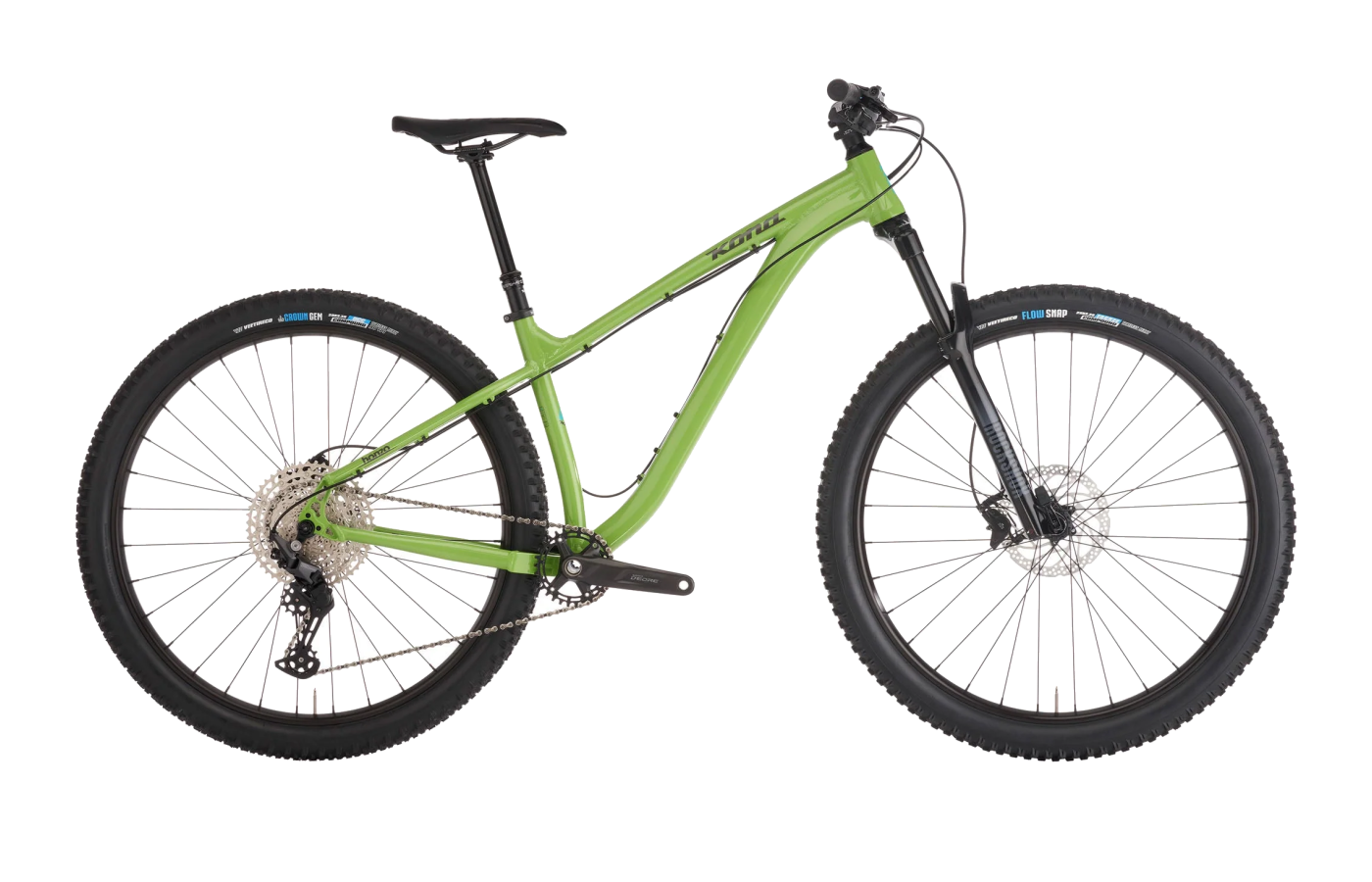
Honzo
The most direct alternative to both — a similarly versatile aluminum trail hardtail with modern geometry and a long-running reputation for balanced, trail-shredding handling. Worth a look if neither of these quite hits the price-vs-capability spot you're aiming for.
Compare →Roscoe
Trek's take on the do-it-all aluminum hardtail — modern geometry, plus-tire compatibility, and the Trek dealer network behind it. Generally splits the difference between the Timberjack's value and the Chameleon's premium feel.
Compare →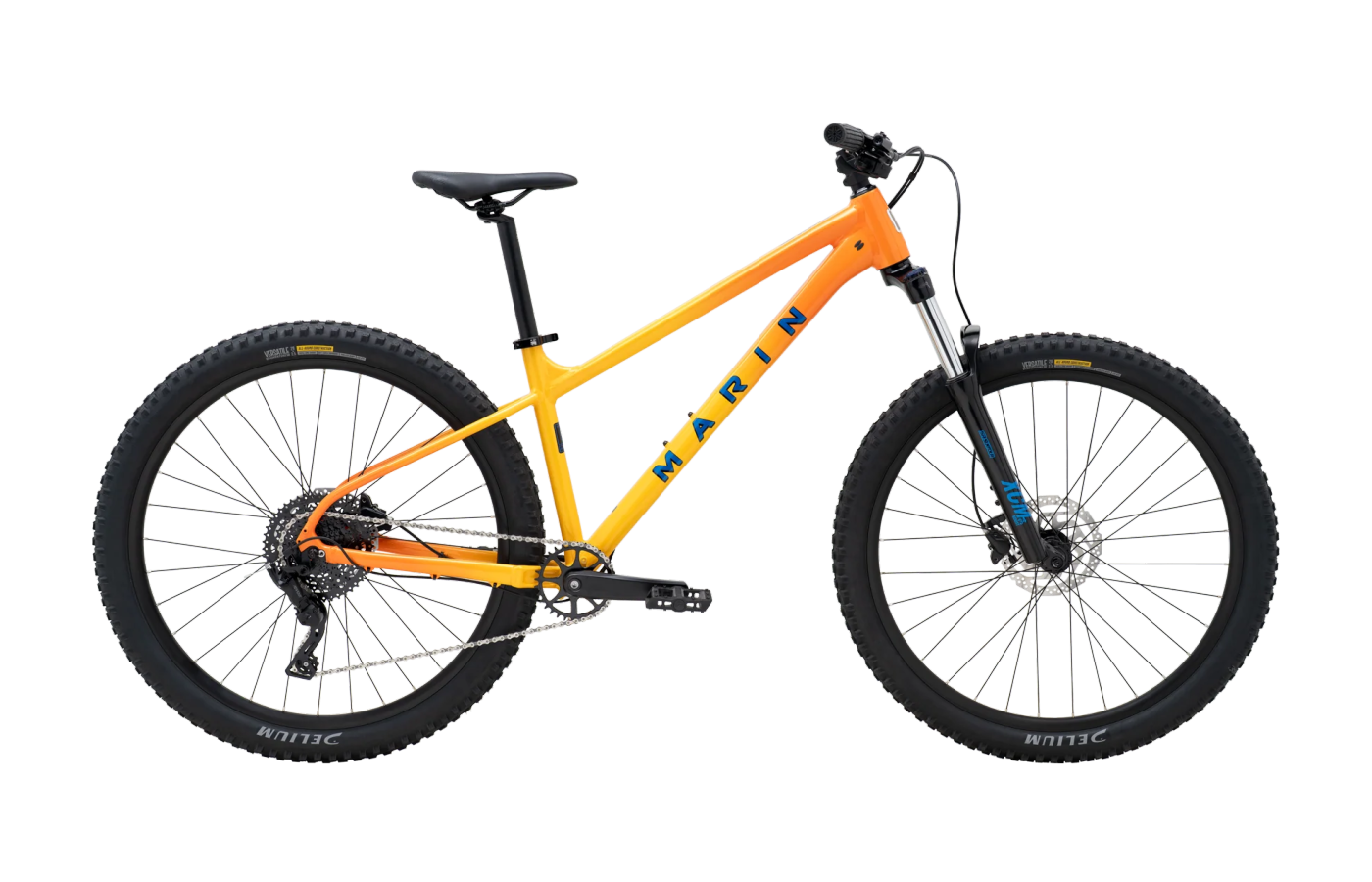
San Quentin
If the Chameleon's hooligan side is what's pulling you in but the price isn't, the San Quentin is the budget-gravity alternative — even more aggressively positioned and built for jumps and aggressive descents at a much lower entry point.
Compare →