5010
vsHightower
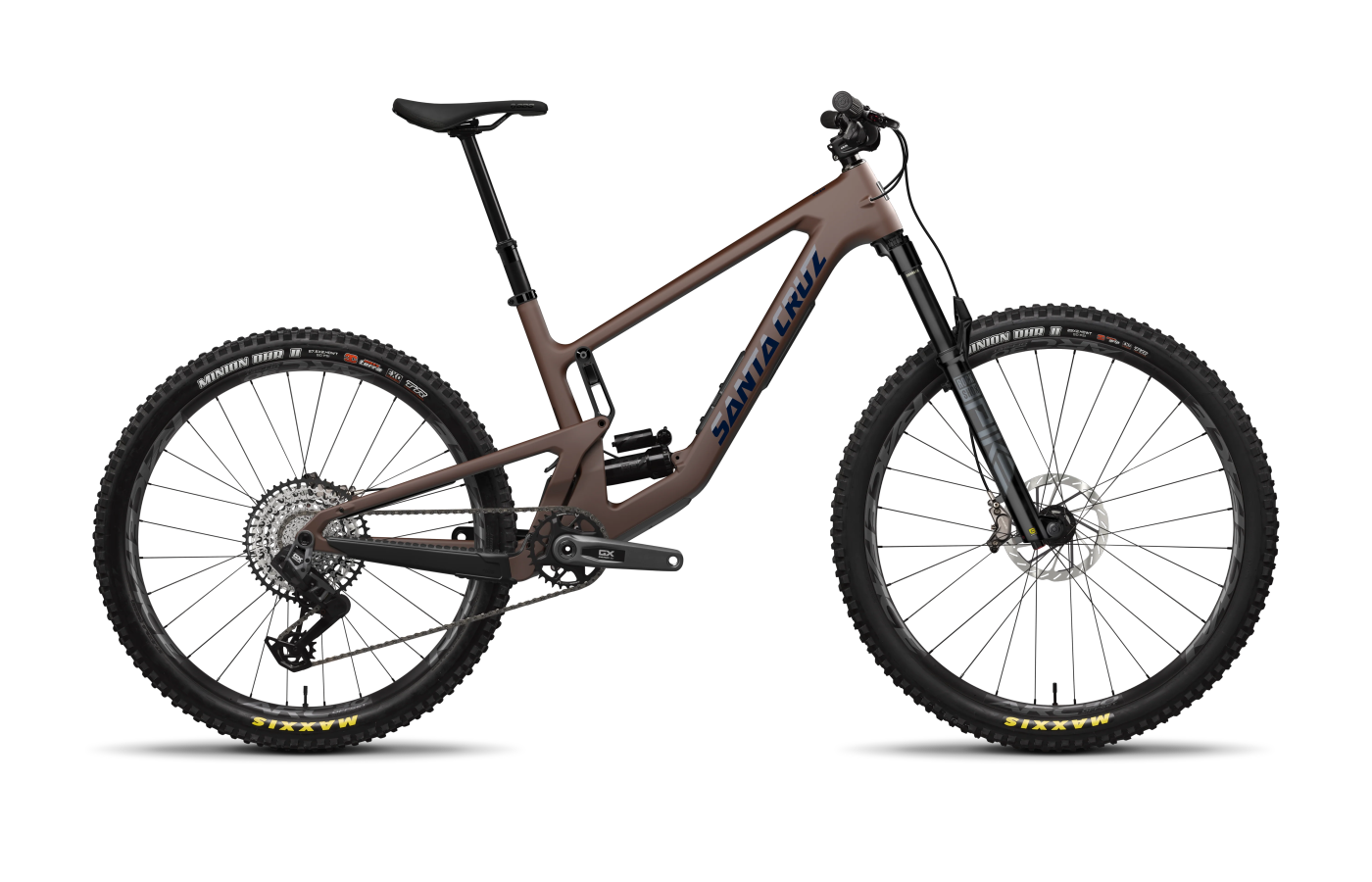
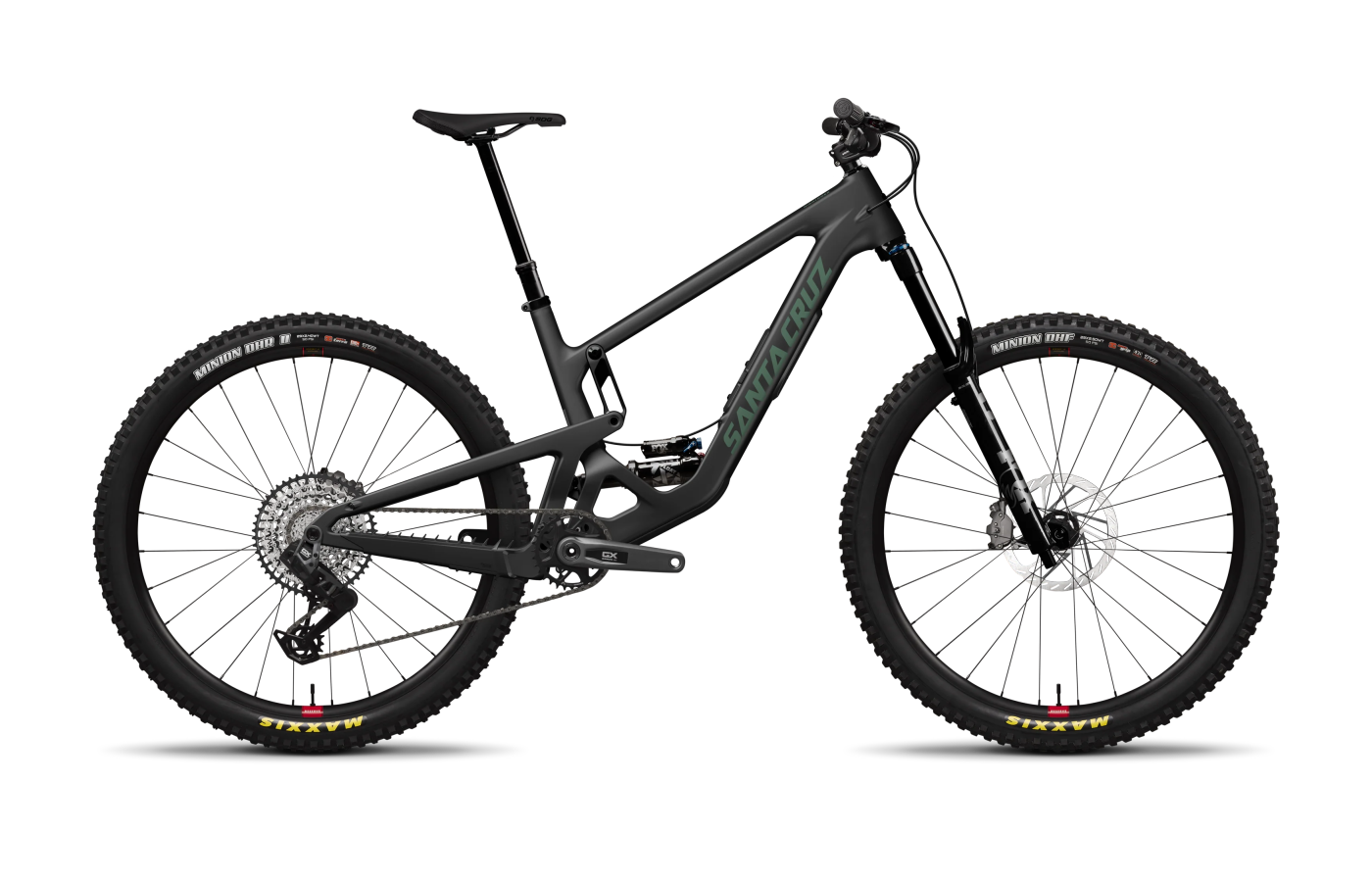
Same brand, different mountains.
The 5010 is a 130/140 mm mixed-wheel jib bike that lives for berms. The Hightower is a 150/160 mm dual-29 mini-enduro built to plow.
5010
- Drift-happy mixed-wheel handling — the 27.5" rear and short chainstays make tight corners feel effortless.
- Lighter and more eager to pop at ~30.6 lbs (X0 AXS RSV), with a suspension platform reviewers describe as "vivacious."
- Lower entry price — $4,799 for the R build vs. $4,999 for the Hightower R, and the lineup tops out $2k below the Hightower.
- Hits a clear ceiling on fast, eroded "chunder" — the 140 mm Pike can feel under-gunned.
- Carbon C frame on mid-tier builds (no CC option until $8,299), where the Hightower's GX AXS already gets CC.
Hightower
- Best-in-class composure on rough descents — the 1,237 mm wheelbase (M) and dual 29" wheels carry momentum through chunk.
- Steeper effective seat tube angle (77.9–78.2 degrees vs. 77.4 on the 5010 medium) keeps you centered on long, technical climbs.
- More fork to work with — a 160 mm Fox 36 with GRIP X2 damper handles repeat hits the Pike on the 5010 starts to protest.
- Reluctant in tight switchbacks — Flow MTB and Enduro MTB both call it "long" at low speed.
- Heavier across the board — even the GX AXS pushes 32.6 lbs vs. ~31.2 lbs for the 5010 equivalent.
Editor’s analysis
This isn't a question of which is better — it's a question of whether you want the Corner Destroyer or the high-speed bruiser.
Both bikes share a frame builder, a VPP suspension layout, the Glovebox storage, the lifetime-bearings warranty, and a near-identical price ladder ($4,799 to $9,349 for the 5010, $4,999 to $11,399 for the Hightower). What they don't share is intent. Santa Cruz revised the kinematics on both for the current generations, dropping anti-squat to keep the rear wheel hunting traction — but they then tuned the geometry, travel, and wheel sizes in opposite directions.
The 5010 runs 130 mm rear / 140 mm fork on a mixed-wheel chassis (29" front, 27.5" rear). Reviewers from The Radavist, BikeRadar, and PinkBike all converge on the same word — "drift-happy" — and call out the 65.2 degree head tube angle, low 334 mm bottom bracket, and short 433 mm chainstays (size M) as the reason it slashes berms with so little rider input. It's the rare modern trail bike that still rewards a BMX-y, side-hit-hunting riding style.
The Hightower goes the other way. Dual 29" wheels, 150 mm rear travel matched to a 160 mm fork, a slacker 64.2 degree head tube angle, and a 1,237 mm wheelbase (size M) — 25 mm longer than the 5010 at the same size. Bike Perfect and Flow Mountain Bike both describe it as a "mini-enduro" that rewards a clear line of sight and high speeds; Bebikes flatly says it "mutes the chatter and rough better than all of the bikes in the category." The trade-off is well documented: it feels long and reluctant in tight, slow switchbacks.
Put another way: the 5010 is the bike you buy if your home trails reward creativity, jumps, and tight corners. The Hightower is the bike you buy if your home trails reward composure on steep, rocky, fall-line terrain — and you'd rather a bike that erases mistakes than one that demands precision.
Where the builds differ.
Comparing our editor's-pick builds side-by-side. Winners highlighted row-by-row — lower price and weight, and the better-spec component, each mark a point.
Build variants & pricing
Both lineups stretch from a sub-$5k NX-equipped R to a $9k+ wireless flagship. The Hightower runs ~$100–$2,000 dearer at every matched tier and pushes higher at the top.
Prices are current US MSRP. Note that Santa Cruz reserves CC carbon for the top three Hightower builds but only the top two 5010 builds — at the GX AXS tier compared above, the 5010 is Carbon C while the Hightower is Carbon CC.
How they fit, how they steer.
Both at size M — the fit-picked size for a 5'8" rider on each bike. The Hightower sits 10 mm taller in stack (632 vs. 622), runs 1 degree slacker up front (64.2 vs. 65.2), and stretches the wheelbase by 25 mm. Identical 460/459 reach within a millimetre.
Which size should I buy?
Size recommendations based on stack, reach, and effective top tube. The 5010 offers an extra XS option at the small end; the Hightower starts at S.
→These are starting points. Flexibility, riding style, and preferred position all shift the answer — if you’re between sizes, a professional fit beats a chart.
What the magazines said.
Published reviews from trusted cycling outlets. Click through for the full write-up.
Which one should you buy?
If your trails reward creativity and corner speed, get the 5010. If they reward composure on steep, rocky descents, get the Hightower.
5010
If your local loops are rolling, feature-heavy, and you'd rather session a jump line than chase Strava times in chunder, this is the bike. The mixed-wheel chassis and short chainstays make it the most intuitive cornering platform Santa Cruz currently makes.
Hightower
If you live for steep, rocky, fall-line trails — or you race the occasional enduro and want one bike that can also handle big alpine days — the Hightower is the safer high-speed weapon. The longer wheelbase and 160 mm fork mute mistakes the 5010 would make you pay for.
Questions buyers actually ask.
Short answers to the things we get emailed about most often.
01How much travel does each bike have?
Santa Cruz 5010 V5: 130 mm rear, 140 mm fork (RockShox Pike across the lineup).
Santa Cruz Hightower V4: 150 mm rear, 160 mm fork (Fox 36 on most builds, RockShox Lyrik on the entry models).
That 20 mm difference at the rear and 20 mm at the fork is the single biggest reason the two bikes feel so different — the Hightower has the suspension to plow, the 5010 has the playfulness that comes with running less of it.
02Mixed wheels or dual 29ers — which is right for me?
The 5010 runs MX (29" front / 27.5" rear). The smaller rear wheel cuts rotational inertia, shortens the chainstays, and makes the bike easier to whip and manual. The 29" front still gives you the shallow attack angle on square hits.
The Hightower runs dual 29". You give up some flickability and get back rolling speed, momentum through chunky terrain, and a more planted feel on sustained descents. If you're taller (6'+), the dual-29 setup also keeps the rear wheel from feeling lost behind you.
03Which one climbs better?
Neither is a climbing bike, but they fail differently. The Hightower has a steeper effective seat tube angle (77.9–78.2 degrees vs. 77.4 on the 5010 medium), which keeps you centered on steep, technical climbs — and reviewers consistently praise its rear-wheel traction on rooty ascents. The downside: it's heavier and slower to accelerate.
The 5010 is lighter and pings off pumps and short rises better, but the lower anti-squat that gives it traction also makes it feel "soggy" on smooth fire roads — multiple reviewers reach for the climb switch when the trail goes flat. On a long, smooth fire road, neither bike is a 105% effort tool; on a rocky technical climb, the Hightower wins on traction, the 5010 on lightness.
04Same brand, same suspension platform — why do they ride so differently?
Travel, geometry, and wheel size — not the linkage. Both use the latest reduced-anti-squat VPP layout, but the 5010 layers it onto 130 mm of travel, a 65.2-degree head tube angle, and a 1,212 mm wheelbase (size M). The Hightower layers it onto 150 mm of travel, a 64.2-degree head tube angle, and a 1,237 mm wheelbase (size M).
That one degree of head angle and 25 mm of wheelbase is most of the personality gap. The Hightower is calmer at speed and reluctant in tight switchbacks; the 5010 is the opposite.
05Which is the right pick for someone who only owns one mountain bike?
If your terrain is mostly rolling, jumpy, feature-rich trails — the kind of riding common in places like Bentonville, Whistler bike park's flow lines, or most lift-served mid-Atlantic parks — the 5010 is the more versatile single bike for you.
If your terrain is steep, rocky, sustained descending — Squamish, the PNW, anywhere in Colorado above 8,000 feet, or any alpine zone — the Hightower is the more honest one-bike quiver. Its only real weakness is mellow, twisty trails where the wheelbase starts to feel like overkill.
06How does the build kit compare at the same price?
At the GX AXS tier ($7,149 5010 vs. $7,249 Hightower) you get the same SRAM GX AXS T-Type drivetrain on both. The Hightower throws in a beefier Fox 36 fork and uses the higher-grade Carbon CC frame, where the 5010 is on Carbon C with a lighter-duty Pike Select+. That extra $100 buys real spec on the Hightower side.
At the flagship tier ($9,349 X0 AXS RSV on each), the picture inverts somewhat — both get Reserve carbon wheels and AXS pods, but the 5010 saves over a pound thanks to its smaller rear wheel and lighter suspension.
07What tire clearance do they have?
Both bikes max out at roughly 2.5" tires on the front (a true 63.5 mm internal frame clearance on each per Santa Cruz's spec). Both ship with a 2.5" Maxxis Minion DHF up front and a 2.4" rear — the 5010 in 27.5", the Hightower in 29".
Worth noting: reviewers across both bikes consistently flagged the stock EXO casing as too thin for the riding the bikes invite. If you ride rocky terrain, budget for an EXO+ or DoubleDown rear tire upgrade on day one.
08Are these warrantied the same way?
Yes. Both come with Santa Cruz's industry-leading lifetime warranty on the frame and lifetime free pivot bearing replacement. Reserve wheels (specced on the RSV builds) carry their own lifetime warranty against defects, including ride impact damage. This warranty package is a meaningful chunk of why both bikes command the prices they do — and it does follow the bike to subsequent owners on the frame.
Similar bikes
If your priorities don’t map cleanly onto either of these, one of these adjacent bikes probably fits better.
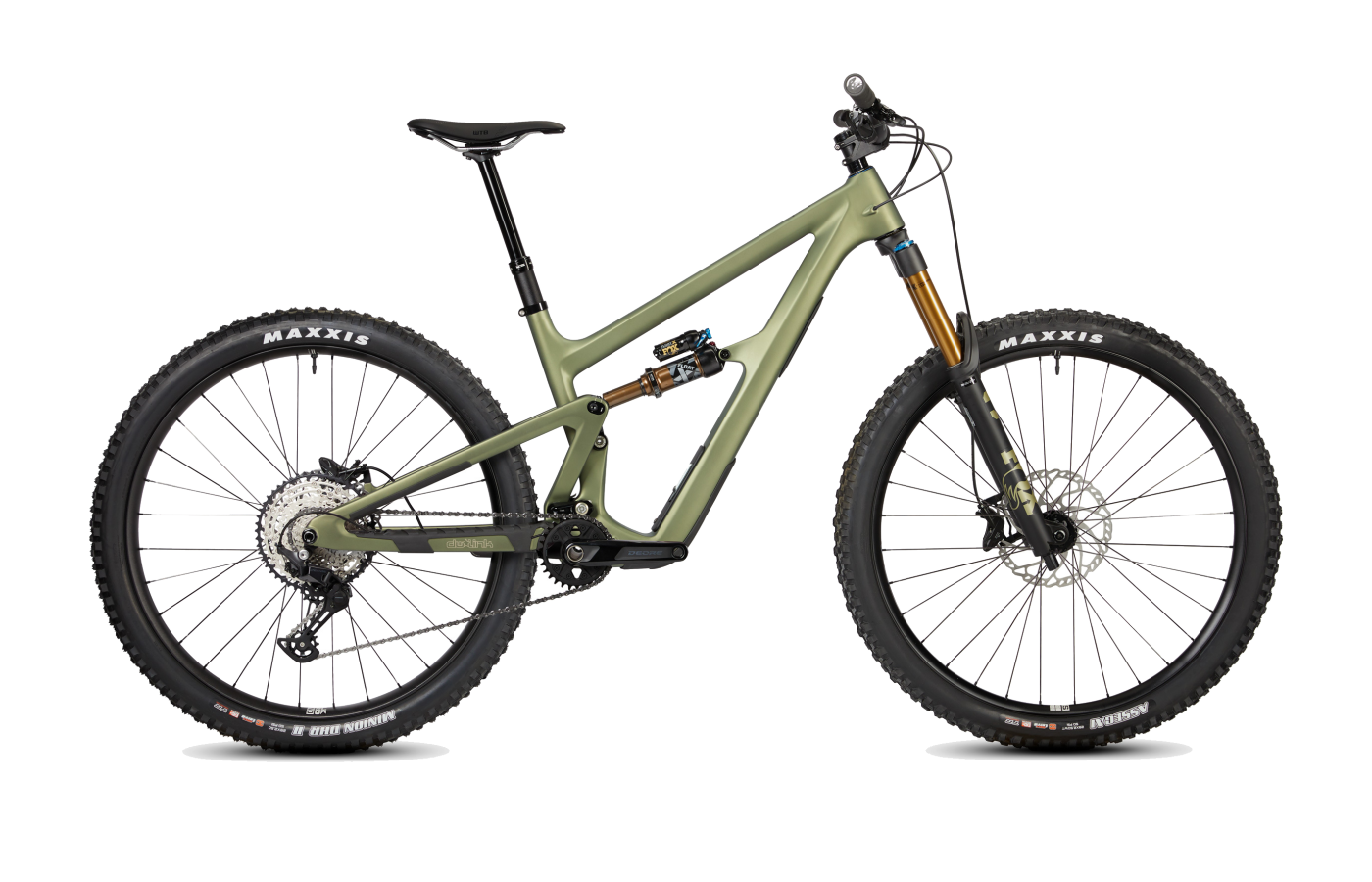
Ripmo
The archetypal Hightower rival — a snappier, more efficient pedaling platform for riders who find the latest VPP a bit too active under load. If you want "mini-enduro" capability without the soggy fire-road feel, the Ripmo is the obvious cross-shop.
Compare →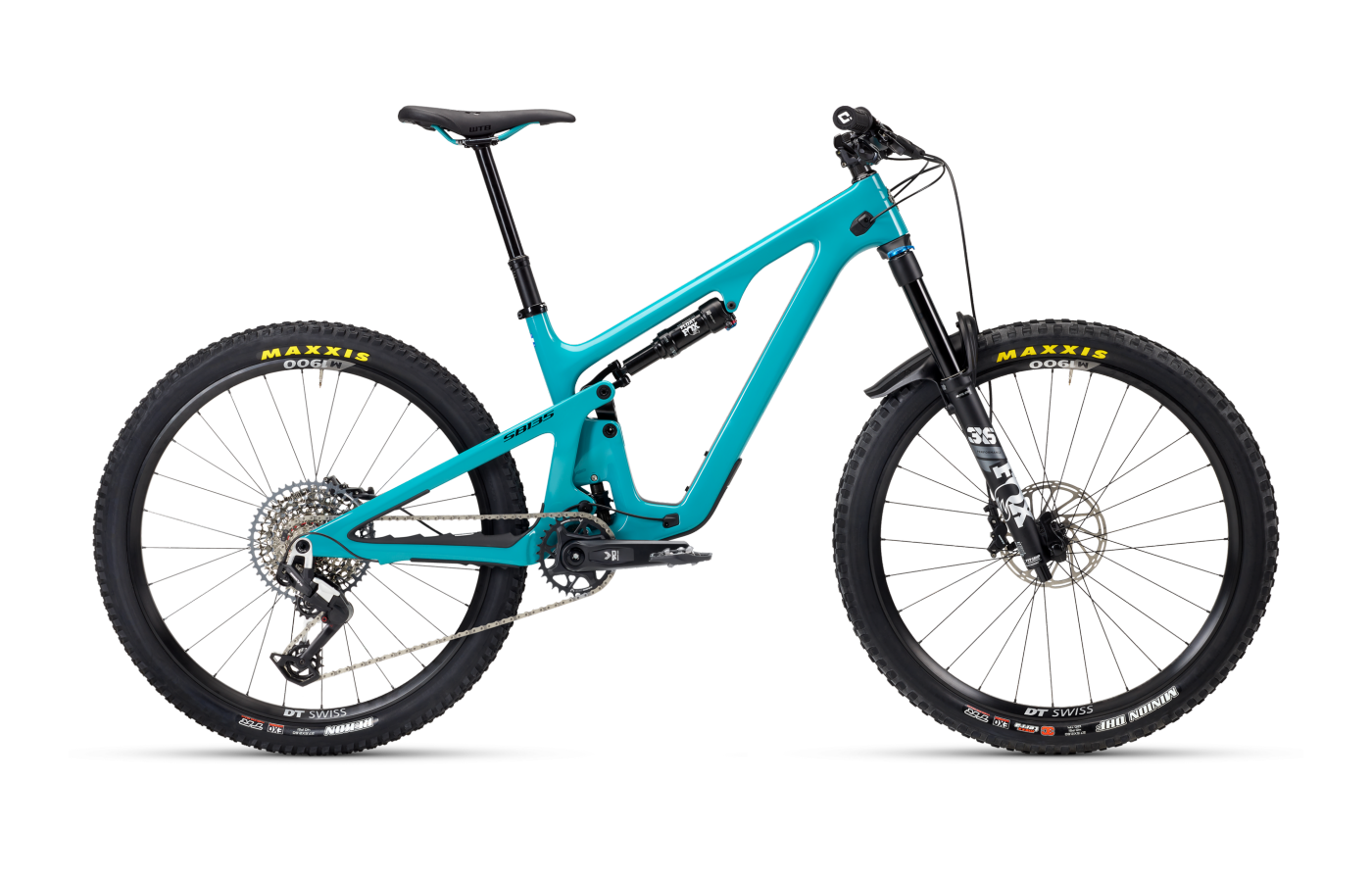
SB135
Yeti's stubborn 27.5-inch holdout for the rider who finds the 5010's move to a 29" front wheel too grown-up. Maximum flickability, smaller rider footprint, and a more BMX-style cockpit than either Santa Cruz.
Compare →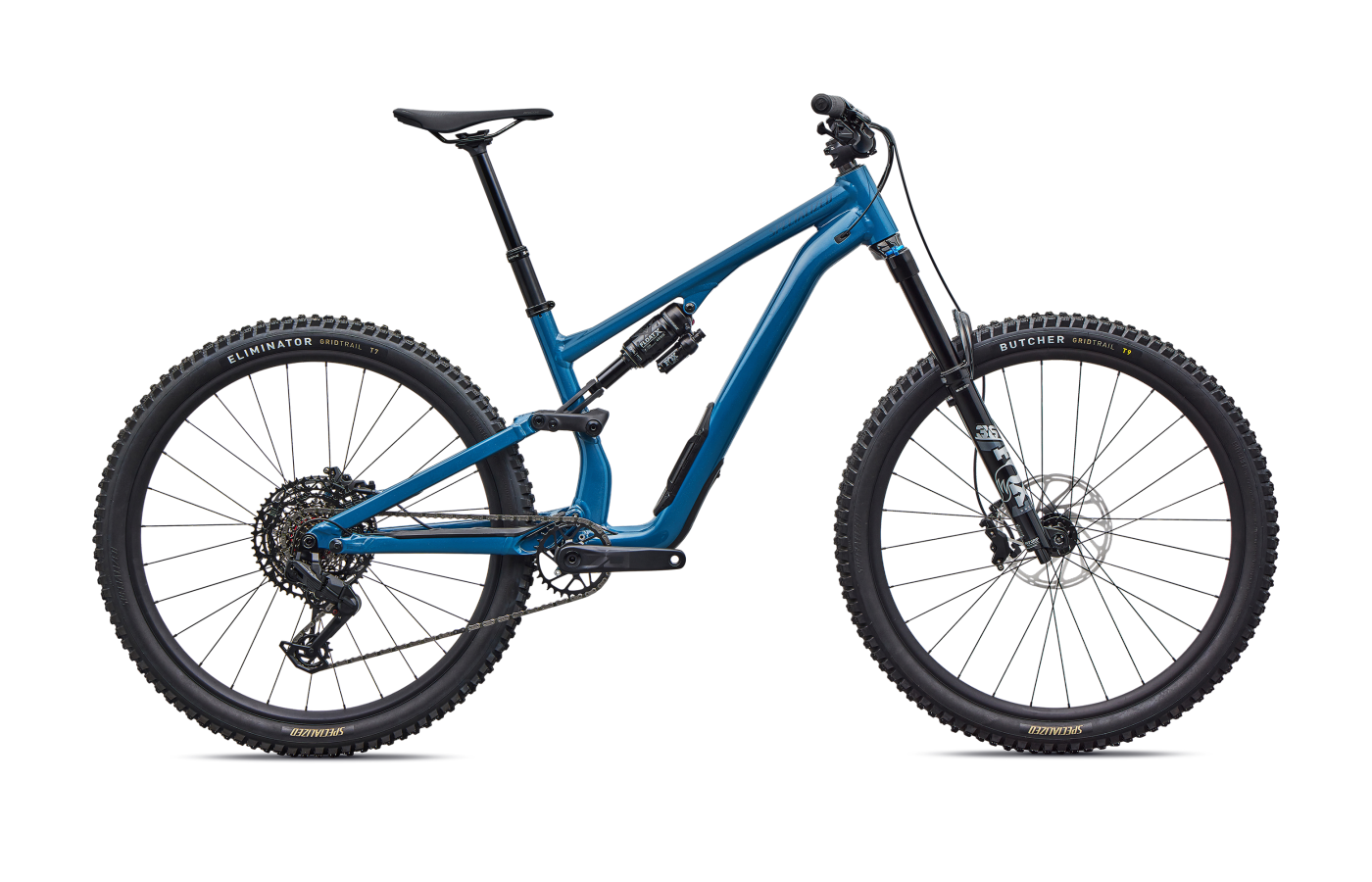
Stumpjumper Evo
Specialized's other big-name 150-mm contender — flip-chip geometry with a wider adjustment range than the Hightower, plus internal SWAT storage that rivals the Glovebox. The most direct one-bike-quiver alternative if you want more tunability.
Compare →