5010
vsMegatower
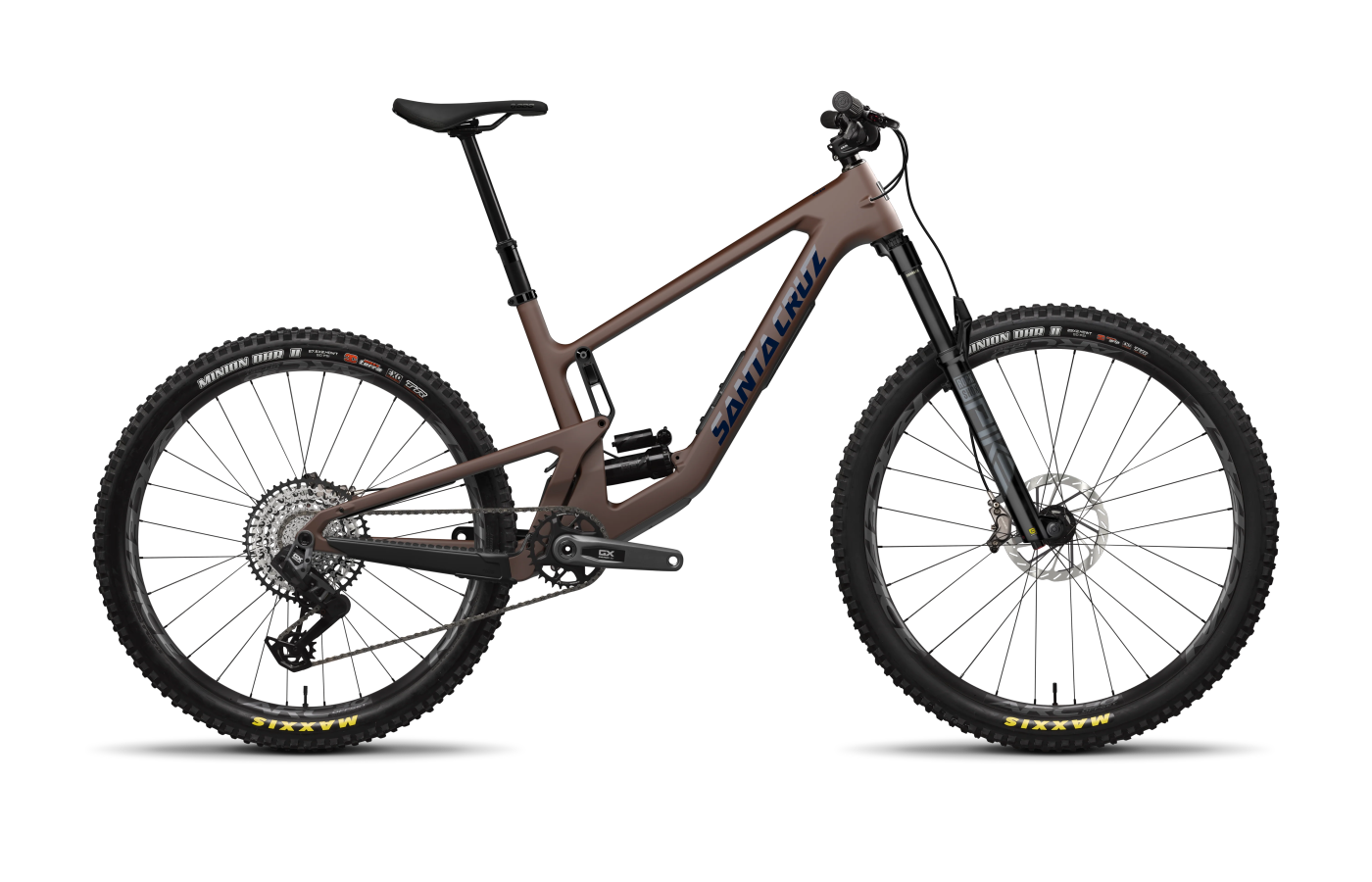
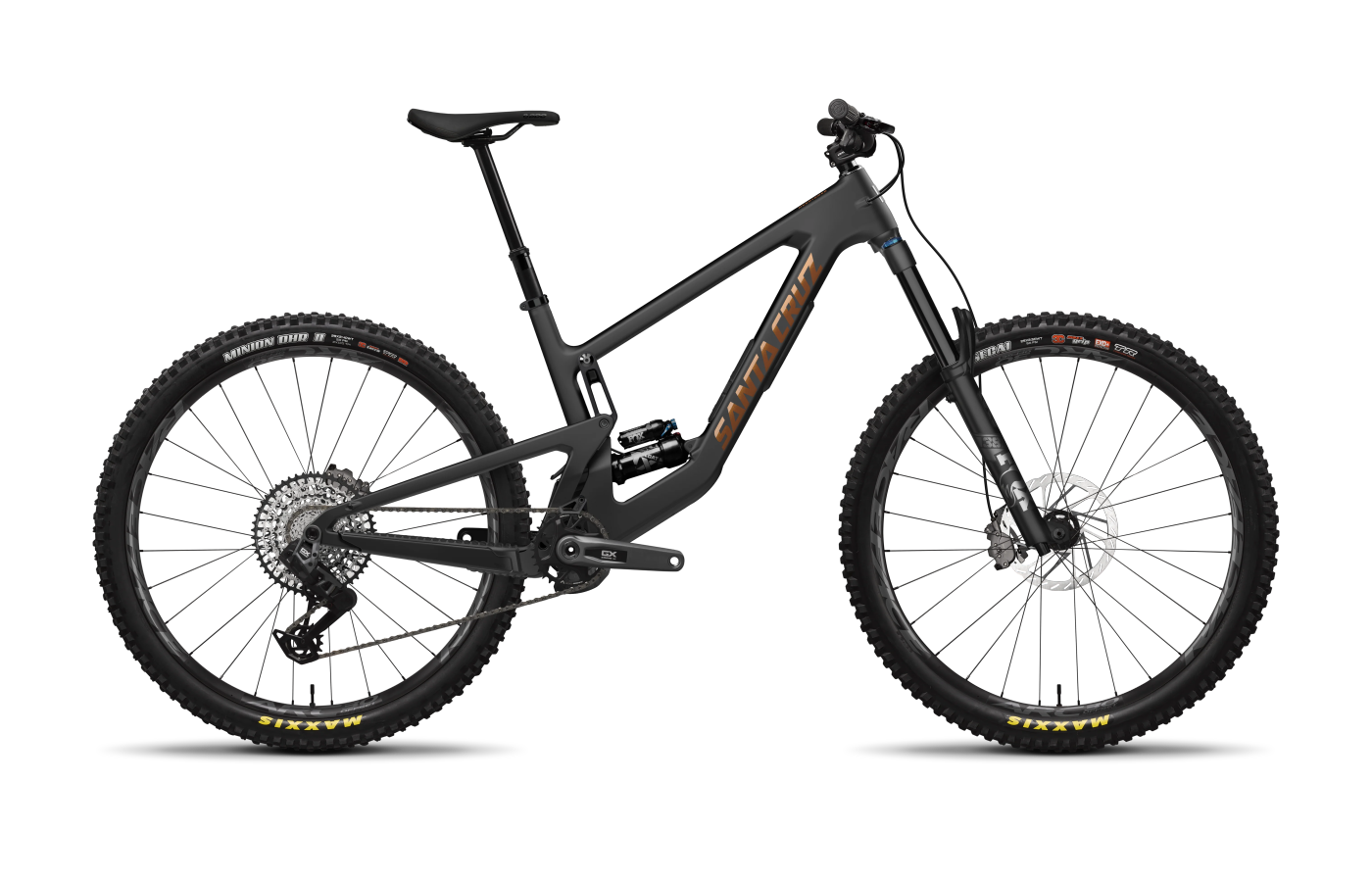
Same brand, opposite ends of the trail.
The 5010 is a 130 mm mullet built to make modest trails feel huge. The Megatower is a 165 mm 29er built to make huge trails feel modest.
5010
- Lighter and livelier at 14.13 kg for the GX AXS — easier to throw around on punchy, technical trails.
- Mullet agility — the 27.5" rear wheel snaps through corners and pops off side hits in a way no full 29er can match.
- Lower entry price — starts at $4,799 for the R build, the cheapest way into a modern Santa Cruz trail platform.
- EXO casing tires and a 140 mm Pike feel under-gunned in genuinely rocky, high-speed terrain.
- Active rear end can feel "soggy" on smooth fire-road climbs without the climb switch.
Megatower
- True enduro stability — 63.8-degree head angle and 1,236 mm wheelbase (size M) deliver "gecko-level" grip on steep, fast descents.
- Plush, deep travel — 170 mm front and rear handles drops, G-outs, and rock gardens the 5010 has to thread carefully.
- Beefier stock kit — FOX 38 fork, EXO+ / DoubleDown casings, 800 mm carbon bar are properly specced for the bike's intent.
- Heavier (15.91 kg) and slower-handling at low speeds — feels like "too much bike" on mellow singletrack.
- Higher floor: $6,099 for the entry build, no aluminum option, no sub-$5k entry point.
Editor’s analysis
Two VPP carbon trail bikes from Santa Cruz, separated by 35 mm of rear travel and an entire riding philosophy.
On the spec sheet, the Santa Cruz 5010 and Santa Cruz Megatower share a surprising amount: lower-link VPP suspension, Glovebox down-tube storage, size-specific chainstays, the same Reserve wheel program, the same Burgtec Enduro stem. They're built in the same molds, finished in the same paint booth. But everything about the way they ride pulls in opposite directions.
The 5010 runs 130 mm rear / 140 mm fork on a mullet (29" front, 27.5" rear) chassis. Head angle is 65.2 degrees. Editor's-pick GX AXS build weighs 14.13 kg. It's the platform that reviewers call a "corner destroyer" and a "vivacious little scamp" — quick to spin up, easy to whip through tight berms, and at its best when you're working the trail rather than mashing through it. The 27.5" rear wheel and reduced anti-squat (16% lower than the V4) give it a "diet VPP" feel that tracks beautifully on technical singletrack, then pops off every kicker on the way down.
The Megatower runs 170 mm rear / 170 mm fork on a full 29er, with a 63.8-degree head angle, 1,236 mm wheelbase at size M, and a GX AXS build weight of 15.91 kg. (Note: rear travel is sometimes published as 165 mm; build sheets list 170 mm.) Reviewers describe it as a "mini-DH bike" and a "chunderpig" — composed at warp speed, plush enough to skim through chatter that would buck the 5010, but requiring real velocity and rider input to come alive. At low speeds in tight woods, it can feel like too much bike.
Put another way: the Santa Cruz 5010 is a bike for the rider whose trails reward play. The Santa Cruz Megatower is a bike for the rider whose trails reward survival. They overlap in the middle — both will descend, both will climb — but the further you push toward either end of the trail spectrum, the more wrong the other choice gets.
Where the builds differ.
Comparing our editor's-pick builds side-by-side. Winners highlighted row-by-row — lower price and weight, and the better-spec component, each mark a point.
Build variants & pricing
Both lineups span roughly $4.5k of range and are carbon-only. Editor's picks are the GX AXS builds — same drivetrain tier, same C-grade carbon, $100 apart.
Prices are current US MSRP. Santa Cruz does not currently offer an aluminum Megatower; the 5010 R at $4,799 is the only sub-$5k option across both platforms.
How they fit, how they steer.
Both at size M — the fit-picked size for a 5'8" rider on each bike. The Megatower sits 3 mm taller in stack with 4 mm less reach, but its head angle is 1.4 degrees slacker (63.8 vs 65.2) and its wheelbase 24 mm longer (1,236 vs 1,212). That gap is the entire story.
Which size should I buy?
Size recommendations based on stack, reach, and effective top tube. Both lineups run XS to XXL with closely overlapping size bands; pick by reach and seat-tube angle preference.
→These are starting points. Flexibility, riding style, and preferred position all shift the answer — if you’re between sizes, a professional fit beats a chart.
What the magazines said.
Published reviews from trusted cycling outlets. Click through for the full write-up.
Which one should you buy?
If your trails are flowy, twisty, or under 20 minutes of descent, get the 5010. If they're steep, rocky, and over 1,000 vertical feet, get the Megatower.
5010
If your home trails are made of berms, kickers, and rolling singletrack — and you'd rather pump and pop than plow through — the 5010 is the more rewarding tool. It's lighter, cheaper, and turns moderate terrain into a playground.
Megatower
If you ride steep, rocky, sustained descents — bike park laps, alpine epics, EDR-style stages — the Megatower's 170 mm of travel and 63.8-degree head angle deliver composure the 5010 can't match. Be prepared to pedal an extra 1.8 kg.
Questions buyers actually ask.
Short answers to the things we get emailed about most often.
01Which is faster on descents?
It depends entirely on the descent. On flowy, jumpy, or twisty trails — anything where line choice and pumping matter more than raw plowing — the 5010 is often the quicker bike. Its lighter chassis and 27.5" rear wheel let you generate speed through the terrain rather than just absorbing it.
On steep, rocky, sustained descents — alpine chunder, bike-park DH lines, EDR stages — the Megatower is in another league. The extra 35 mm of rear travel, 1.4 degrees of head-angle slack, and 24 mm of wheelbase let it skim through chatter that would buck the 5010 off-line. Reviewers consistently call it a "mini-DH bike."
02How much does the wheel size difference actually matter?
More than the spec sheet suggests. The 5010's mullet (29" front, 27.5" rear) is the defining piece of its character — the smaller rear wheel has lower rotational inertia, snaps through tight corners more easily, and gives the bike its signature "flickable" feel.
The Megatower's full-29er setup trades that snap for stability and rollover. On bigger hits, longer wheels carry more momentum and skim across rough terrain better. If you ride a lot of tight, low-speed singletrack, the 5010's mullet is a real advantage. If you ride mostly fast, open, rough trails, the Megatower's 29" rear is the right call.
03Can the 5010 handle bike-park laps?
Yes, with caveats. Reviewers found the 5010 V5 handles "enduro-level terrain" better than its 130 mm of travel suggests, thanks to the longer wheelbase and slacker geometry compared to the V4. PinkBike noted it "rides a tiny bit bigger than the numbers suggest."
But its limits show up on extremely high-speed, eroded, or consequential trails. Multiple sources flagged the 140 mm Pike as feeling "under-gunned" on the roughest terrain, and the EXO-casing tires won't survive aggressive bike-park use. If you spend most weekends shuttling lift-served DH, the Megatower is a much better fit.
04Which climbs better?
The 5010, on most terrain. It's about 1.8 kg lighter (14.13 kg vs 15.91 kg for the GX AXS builds) and accelerates more eagerly thanks to the smaller, lower-inertia 27.5" rear wheel.
Both bikes run nearly identical effective seat tube angles at size M (~77.4 degrees), and both use Santa Cruz's VPP layout — which is widely praised for technical climbing traction on either platform. Reviewers consistently noted the Megatower is a surprisingly capable climber for a 165–170 mm bike — "spritely" was a word that came up. But on smooth fire roads, the 5010's 1.8 kg weight advantage will always win.
05How serviceable are these frames long-term?
Both share Santa Cruz's strongest selling points: threaded bottom brackets, tube-in-tube internal cable routing, the Glovebox down-tube storage with included tool wallet and tube purse, and a lifetime warranty on the frame and pivot bearings to the original owner. Reviewers consistently call out these as long-term value adds that justify the premium price.
The Megatower additionally has a grease port on the lower VPP link for flushing bearings without a teardown — a nice touch for wet-climate riders. Both frames are built in C and CC carbon layups; CC saves about 300–400 g for a price premium.
06Are the stock tires okay?
On the 5010, no — multiple reviewers flagged the EXO-casing Maxxis Minion DHR II setup as too thin for what the bike encourages you to do. Bebikes reported their first set lasted "only an hour" before tearing under cornering loads. Plan to upgrade to EXO+ casings, especially if you ride rocky terrain.
On the Megatower, the situation is better — the upper builds ship with EXO+ front and DoubleDown rear, which is appropriate for the bike's intent. Some reviewers still recommended DD on the rear of the entry-level builds for serious rocky riding.
07Does the Megatower's stiffness make it harsh?
Some reviewers said yes, particularly lighter riders. The combination of the stiff CC carbon chassis, Reserve carbon wheels, and progressive VPP suspension can transmit high-frequency chatter, leading Blister and BikeRadar to call it "chattery" on small-bump terrain. The Loam Wolf warned that "featherweight" riders specifically might find the chassis a bit harsh.
If you weigh under ~155 lbs and ride a lot of small-bump trail noise, this is worth thinking about. Heavier or more aggressive riders generally found the stiffness a feature, not a flaw — it lets the bike track precisely at speed.
08What warranty do they come with?
Both come with Santa Cruz's lifetime frame warranty and lifetime pivot bearing replacement to the original owner. Reserve wheels (on RSV-suffix builds) carry a separate lifetime rim warranty, which alone is worth several hundred dollars over the life of the bike. Crash replacement pricing is available on both frames, and Santa Cruz commits to keeping spare parts available for at least 10 years.
Similar bikes
If your priorities don’t map cleanly onto either of these, one of these adjacent bikes probably fits better.
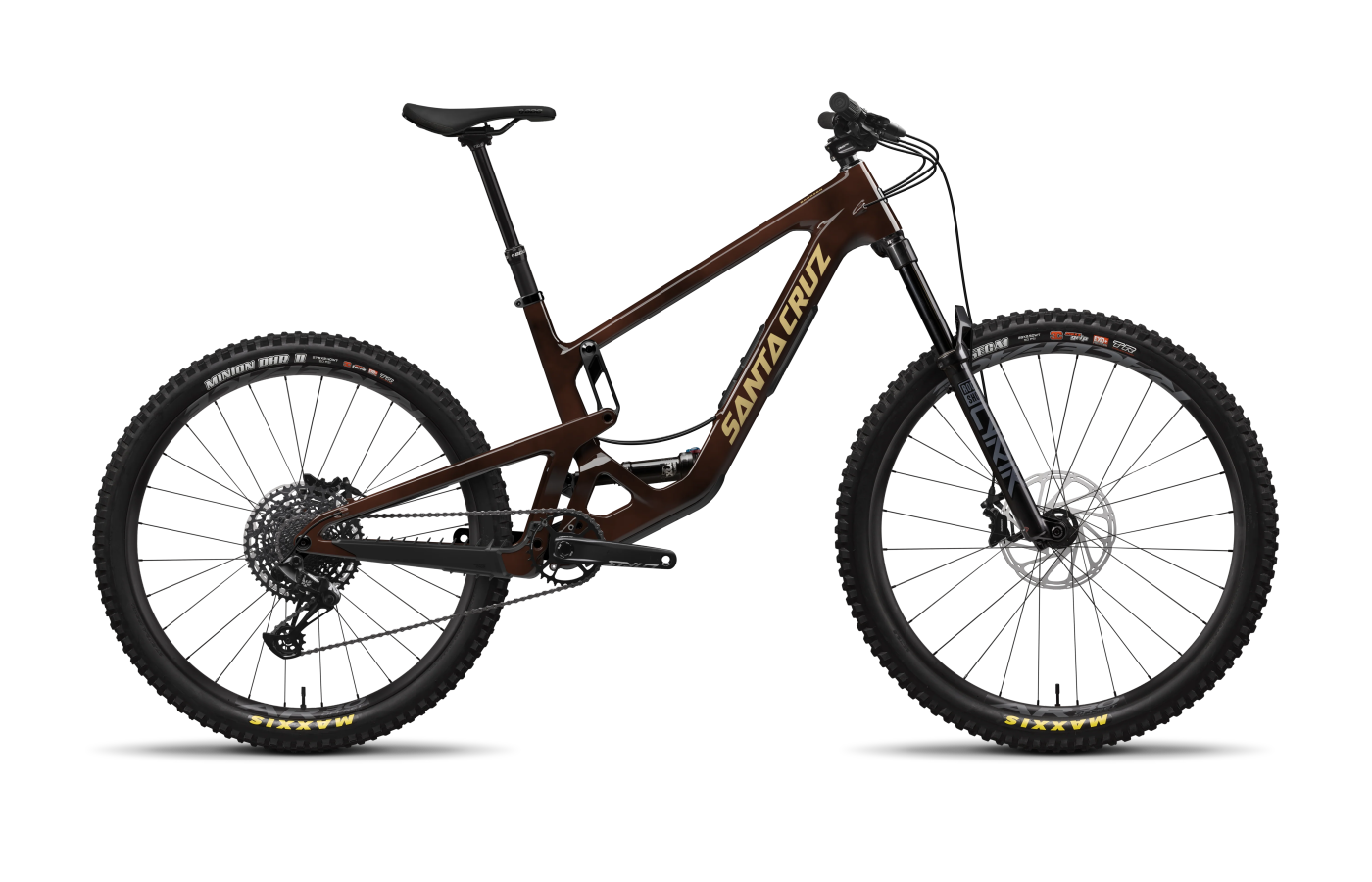
Bronson
The middle ground. 150 mm rear travel and a mullet setup like the 5010, but with geometry that leans closer to the Megatower's enduro composure. If you can't decide, the Bronson is the obvious answer.
Compare →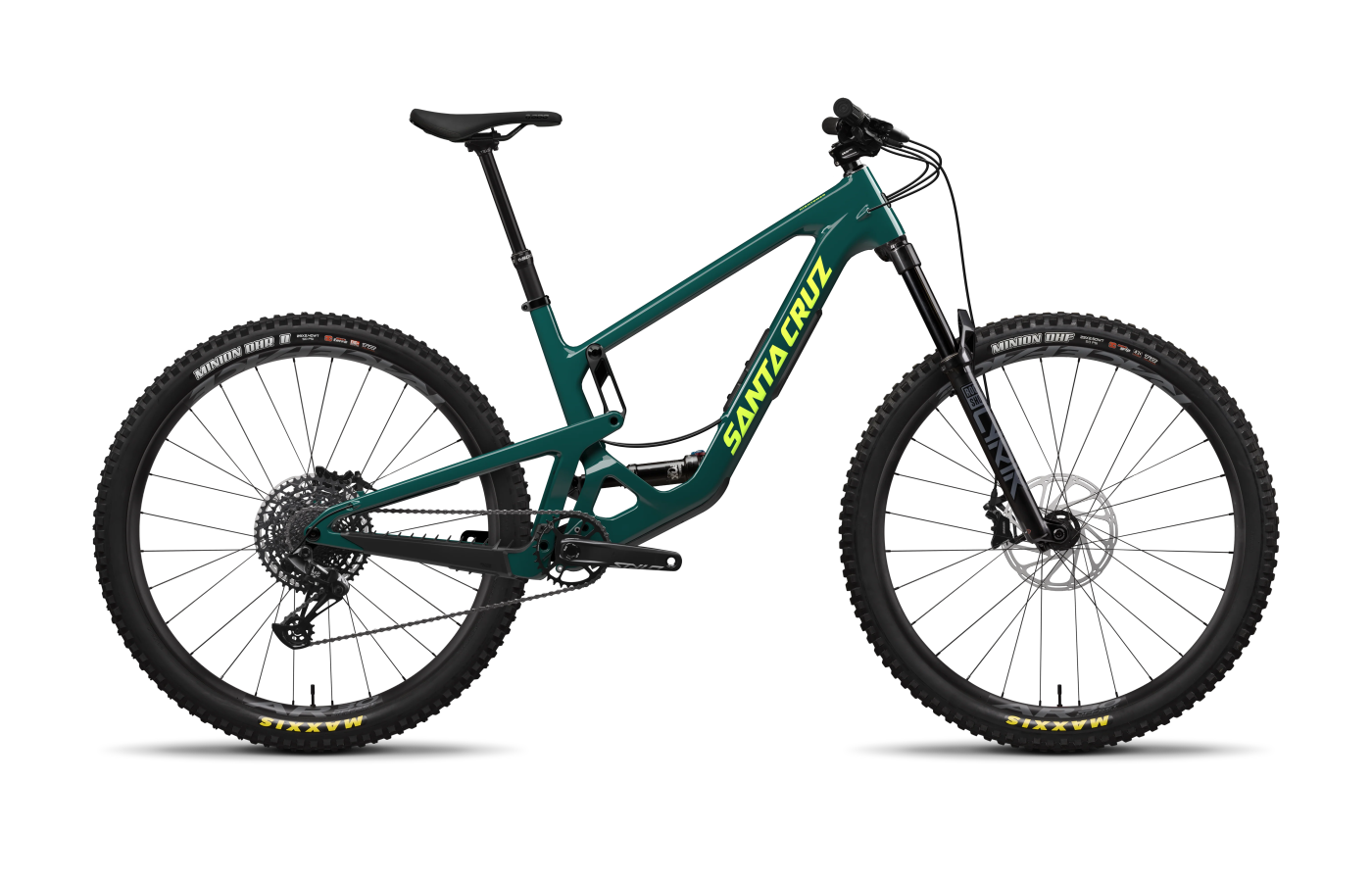
Hightower
Full 29er like the Megatower with a more moderate 145 mm of travel — the efficient all-rounder for riders who want enduro stability without the weight penalty.
Compare →Spire
Direct Megatower competitor with similar long-travel 29er stability but a softer, more compliant suspension feel — favored by riders who find Santa Cruz's chassis too stiff.
Compare →