5010
vsTallboy
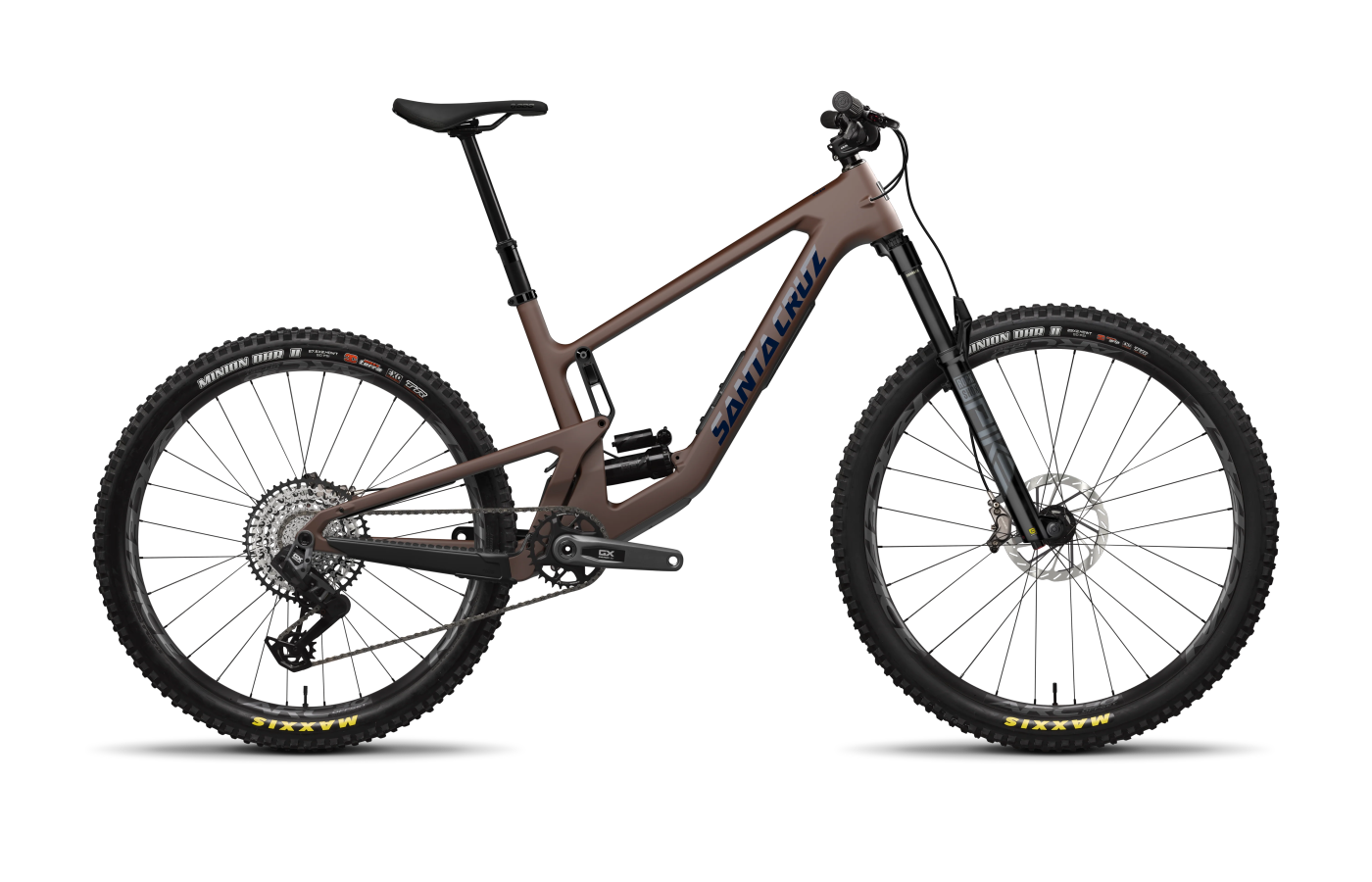
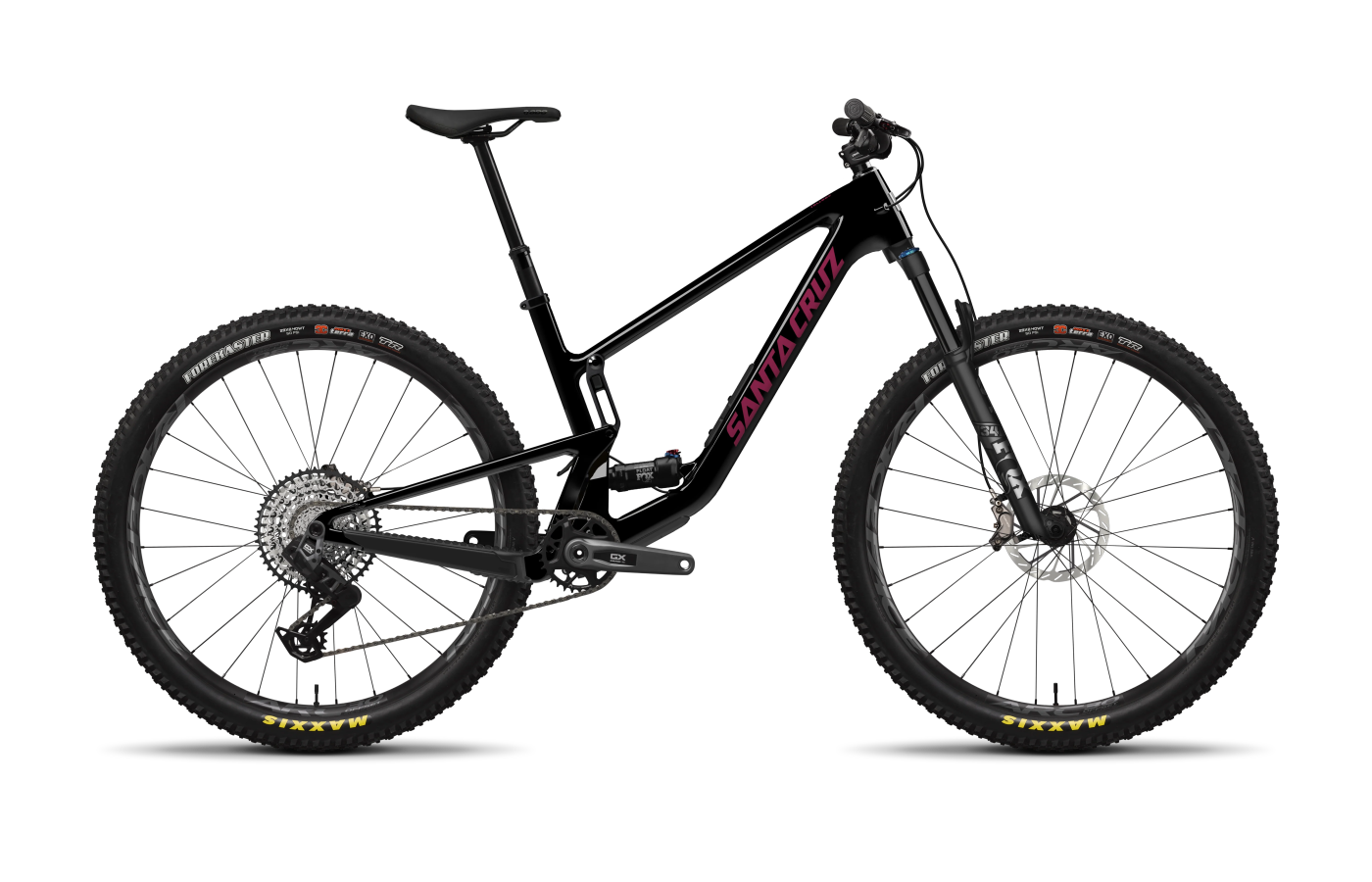
Same family, opposite jobs.
The 5010 is the mixed-wheel jib bike that grew up. The Tallboy is the dual-29er trail rocket that refuses to call itself XC.
5010
- Mixed-wheel agility — the 27.5-inch rear makes initiating drifts and snapping through tight switchbacks effortless.
- Plush 130 mm rear end — reduced anti-squat tracks chatter and roots better than most short-travel bikes.
- Higher front end — the tall stack and 140 mm fork inspire confidence on steep, eroded descents.
- Mixed-wheel format means dedicated 27.5-inch rear tires and tubes — and a slightly soggier feel on smooth fire-road climbs.
- Heavier than the Tallboy at the same build tier (14.13 kg vs 13.7 kg on GX AXS); not the bike for marathon racing.
Tallboy
- Dual 29-inch momentum — maintains rolling speed on undulating terrain better than any short-travel mullet.
- Rides higher in its stroke — refined VPP kinematics make it more efficient on long, seated grinds than the plusher 5010.
- Lighter at every build tier — the GX AXS Tallboy comes in roughly 0.4 kg under the same 5010 build.
- Stiffer, more direct chassis — multiple reviewers called it 'relentlessly rigid' on chunky off-piste sections.
- Only 120 mm of rear travel; the 5010's extra 10 mm and bigger fork are noticeable when the trail gets consequential.
Editor’s analysis
Both bikes share a frame factory, a VPP linkage, a Glovebox, and a lifetime warranty — and almost nothing else about how they want to be ridden.
On paper the Santa Cruz 5010 and Santa Cruz Tallboy look like rounding errors of each other: 130 mm rear travel vs 120 mm, 140 mm fork vs 130 mm, identical Carbon C and CC chassis options, near-identical $4,799 price floors. Spend an hour on each and the philosophies diverge immediately.
The Santa Cruz 5010 V5 went MX (29-inch front, 27.5-inch rear) and dropped peak anti-squat by roughly 16% versus the V4 — what reviewers nicknamed 'Diet VPP.' The result is a 65.2-degree head angle, a plush, active rear end that tracks chatter, and a smaller back wheel that begs to be slashed, drifted, and popped off side hits. It's the bike for the rider who treats the trail network like a skatepark, prizes line creativity over Strava, and is happy to trade fire-road snap for in-corner sensitivity.
The Santa Cruz Tallboy V5 stays loyal to dual 29ers, runs a steeper 65.7-degree head angle, and is described across reviews as 'steroidally hench' — a stiffer, more direct chassis that rides higher in its 120 mm stroke. The GX AXS build comes in roughly 0.4 kg lighter than the equivalent 5010 (13.7 kg vs 14.13 kg), and the bike will happily contest a BC Bike Race stage on Saturday and a black-diamond descent on Sunday. It maintains rolling speed in undulating terrain where the 5010 feels muted.
Put another way: the Santa Cruz 5010 is the bike you buy if your favorite trails are tight, technical, and full of side hits. The Santa Cruz Tallboy is the bike you buy if your favorite trails are long, fast, and pedaly — and you still want to point it down something nasty at the end.
Where the builds differ.
Comparing our editor's-pick builds side-by-side. Winners highlighted row-by-row — lower price and weight, and the better-spec component, each mark a point.
Build variants & pricing
Both lineups span ~$4.5k from the NX-equipped R build to the AXS RSV flagship, with matched mid-tier GX AXS T-Type builds at $7,149.
Prices are current US MSRP. The Tallboy tops out higher ($11,399 XX SL AXS RSV vs $9,349 5010 X0 AXS RSV) because the flagship Tallboy carries Industry Nine Hydra hubs, an XX SL drivetrain, and a lighter cockpit. Both ship with carbon-only frames in C and CC grades.
How they fit, how they steer.
Both at size M — the fit-picked size for a 5'8" rider on each bike. Reach lands within 4 mm (459 vs 455) and stack within 3 mm (622 vs 619), but the 5010's slacker 65.2-degree head angle (vs 65.7) and shorter 27.5-inch rear wheel create a more upright, descent-biased posture; the Tallboy's stiffer chassis and dual 29ers favor pedaling efficiency over in-corner sensitivity.
Which size should I buy?
Size recommendations based on stack, reach, and effective top tube. Both ranges run XS through XXL with closely matched reach figures across the lineup.
→These are starting points. Flexibility, riding style, and preferred position all shift the answer — if you’re between sizes, a professional fit beats a chart.
What the magazines said.
Published reviews from trusted cycling outlets. Click through for the full write-up.
Which one should you buy?
If your trails are tight, technical, and full of side hits, get the 5010. If your trails are long, fast, and pedaly, get the Tallboy.
5010
If your local network rewards line creativity over outright speed — slashed berms, side hits, technical chunder — the 5010's mixed-wheel platform and plusher 130 mm rear end will feel right at home. It's the 'corner destroyer' of the Santa Cruz lineup.
Tallboy
If you want a single bike that can win a marathon stage and still survive the local enduro descent on the way home, the Tallboy's 'downhiller's XC' brief is hard to beat. Lighter, stiffer, and faster on rolling terrain than the 5010.
Questions buyers actually ask.
Short answers to the things we get emailed about most often.
01Which is better for technical trail riding?
The Santa Cruz 5010, in most cases. It has 10 mm more rear travel (130 mm vs 120 mm), a 10 mm-bigger 140 mm Pike fork, and a slacker 65.2-degree head angle. The mixed-wheel format makes it more maneuverable in tight, off-camber terrain.
The Tallboy can handle the same trails — it's marketed as the 'downhiller's XC bike' — but you'll be working harder. Reviewers consistently note that the Tallboy 'rewards a precise hand' on consequential terrain because there's just less travel and a stiffer chassis to absorb mistakes.
02Which climbs better?
The Tallboy, on most surfaces. The GX AXS build is roughly 0.4 kg lighter (13.7 kg vs 14.13 kg), the dual 29ers carry momentum better on fire roads, and reviewers consistently note the Tallboy 'rides higher in its stroke' under power.
The 5010's nominal seat tube angle is actually steeper on paper (77.4 vs 76.7 degrees on a size M), but the smaller 27.5-inch rear wheel and lower anti-squat conspire to put the rider further back on sustained climbs — reviewers describe the pedaling feel as 'soggy' on smooth grades. Where the 5010 wins back ground is technical climbing on rooty, rocky pitches: the active rear end tracks the ground better and finds traction the stiffer Tallboy can spin out of.
03Why is the 5010 a mixed-wheel bike and the Tallboy isn't?
The 5010 V5 went mullet (29-inch front, 27.5-inch rear) to keep its historical 'jib-bike' DNA in a modern geometry package. The smaller rear wheel snaps into corners, weighs less rotationally, and is easier to manual or whip — all things the 5010 is meant to do.
The Tallboy stays on dual 29ers because its job is the opposite: maintain momentum, roll over square-edge hits, and stay calm at speed. A 27.5-inch rear would undermine the 'fast everywhere' brief.
04What's the maximum tire clearance on each?
Both frames clear up to roughly 63 mm (2.5 inches) at the chainstays. Both ship with 2.4-inch rubber stock — the 5010 with aggressive Maxxis Minion DHR II tires (3C MaxxGrip front, MaxxTerra rear) reflecting its gravity bias, and the Tallboy with faster-rolling Maxxis Forekaster WT 2.4s reflecting its all-day brief.
Neither is a plus-tire bike, but both have enough clearance for a true 2.5-inch enduro tire if you want to bias the build for descending.
05Are the frames really almost identical?
Frame construction is essentially the same — both use Santa Cruz's Carbon C (cheaper, ~250–300 g heavier) or Carbon CC (lighter, top-tier) layup, both have the Glovebox downtube storage, both run VPP suspension with grease ports on the lower link, both come with a lifetime frame and bearing warranty.
What's different is the kinematics and geometry. The 5010 has 130 mm of rear travel tuned with lower anti-squat (Santa Cruz internally called it 'Diet VPP'), MX wheels, a 65.2-degree HTA, and size-specific chainstays running 428–442 mm. The Tallboy has 120 mm tuned for a more progressive, supportive feel, dual 29ers, a 65.7-degree HTA, and size-specific chainstays running 430–443 mm. They are not the same bike with different stickers.
06Can either bike handle a longer-travel fork?
Santa Cruz officially supports up to a 140 mm fork on both — which is what the 5010 ships with stock. The Tallboy ships with a 130 mm fork; bumping it to 140 mm slackens the head angle by roughly 0.5 degrees and is a popular owner mod for riders biasing toward descending.
Going beyond 140 mm voids the warranty on either frame. Riders who routinely want more travel are usually steered toward the Bronson (5010 sibling, 150/160 mm) or the Hightower (Tallboy sibling, 145/150 mm).
07What about the brakes and dropper — are the stock specs really that bad?
It's the most consistent criticism of both bikes. Reviewers from BikeRadar, The Loam Wolf, and Bike Perfect all called out the SRAM Level / G2-tier brakes on mid and high-tier builds as 'under-gunned' — fine for moderate trails, prone to fade on sustained descents.
The dropper posts on size M frames are also routinely flagged as too short (150 mm) for what the bikes can do. Most owners eventually swap to a longer dropper (170 mm+) and at minimum upsize the rear rotor to 200 mm. Budget $300–500 for these upgrades on top of the bike price if you ride aggressively.
08How does Santa Cruz's lifetime warranty actually work?
Both bikes come with a lifetime frame warranty to the original owner against manufacturing defects, plus lifetime free pivot bearing replacements. The Reserve carbon wheels (on RSV-tier builds) carry the same lifetime warranty.
Crash replacement pricing is available if you damage the frame in a crash. Combined with the large dealer network, this is the most-cited justification across reviews for the 'Santa Cruz tax' over direct-to-consumer brands like YT or Canyon.
Similar bikes
If your priorities don’t map cleanly onto either of these, one of these adjacent bikes probably fits better.
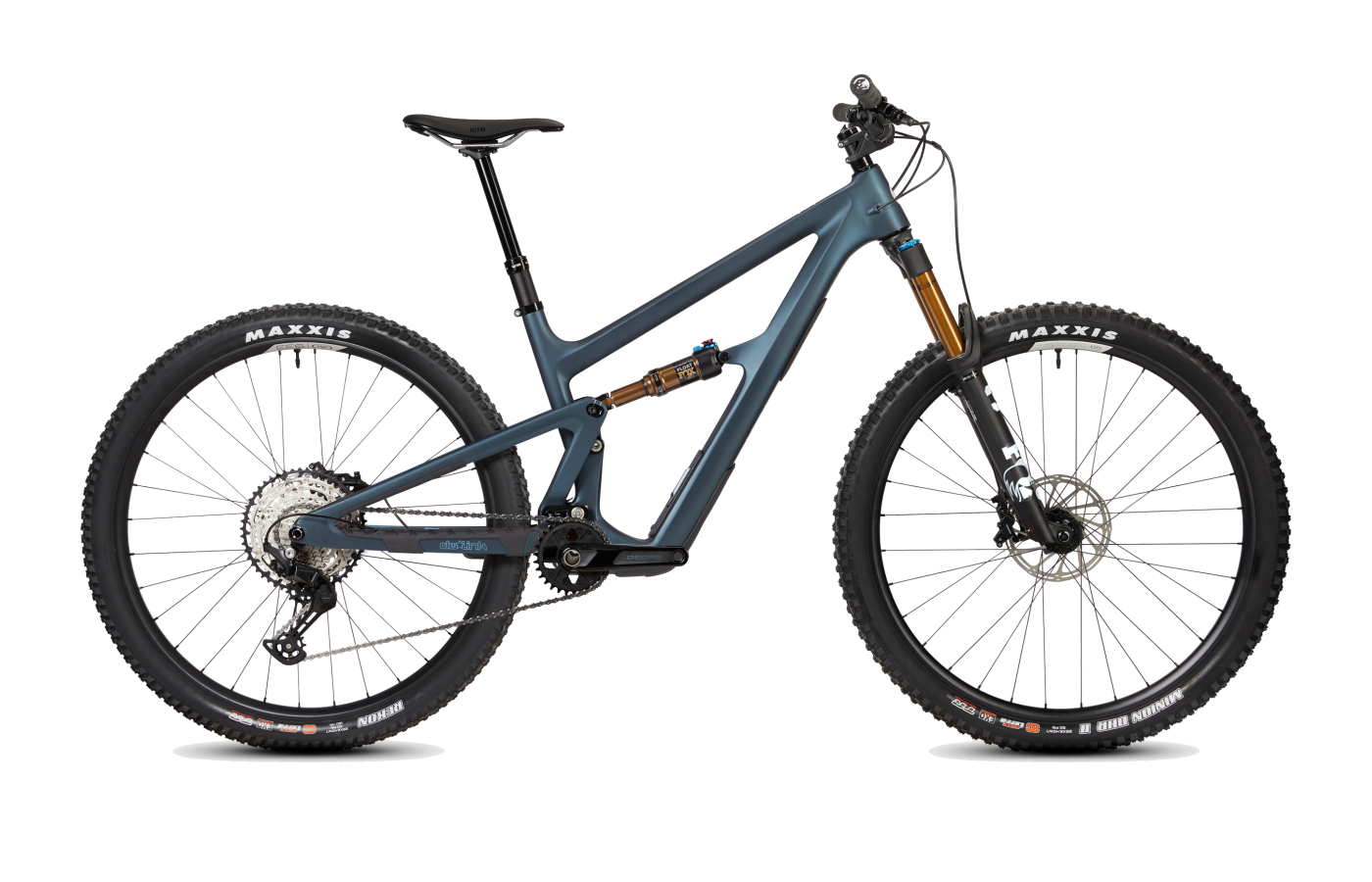
Ripley
If you want the Tallboy's 120 mm brief in a more compliant, lighter chassis — the Ripley is the long-running benchmark for short-travel comfort, with a more efficient pedaling feel for marathon-style days.
Compare →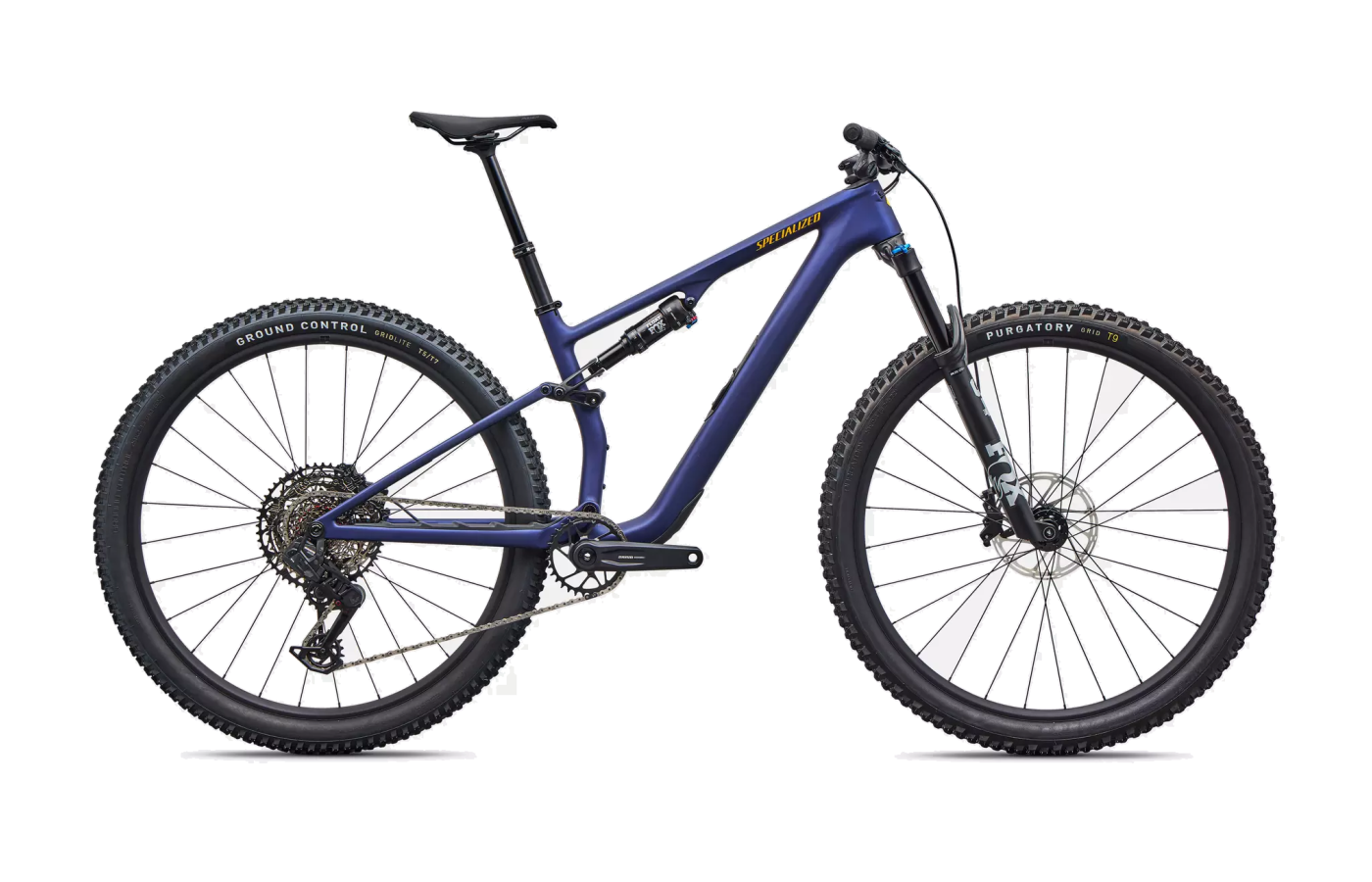
Epic Evo
The downcountry benchmark — same 120 mm rear travel as the Tallboy in a meaningfully lighter package. The Epic Evo is what you buy when the Tallboy's 'just right' isn't fast enough on the climbs.
Compare →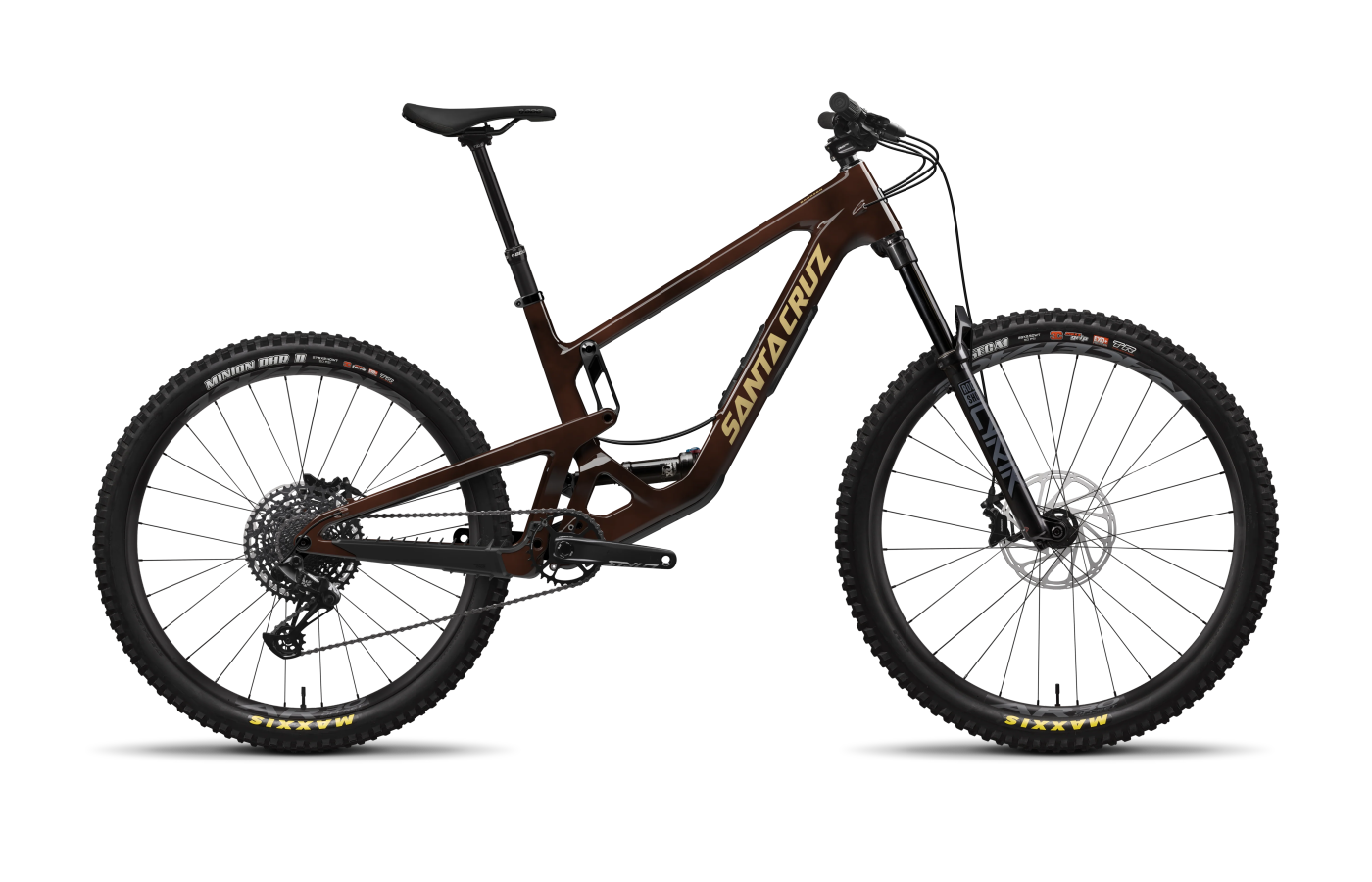
Bronson
If you love the 5010's mixed-wheel feel but keep clacking through its 130 mm of travel, the Bronson is the natural upgrade — same MX format, 150/160 mm travel, and the structural muscle for genuinely consequential terrain.
Compare →