5010
vsScout
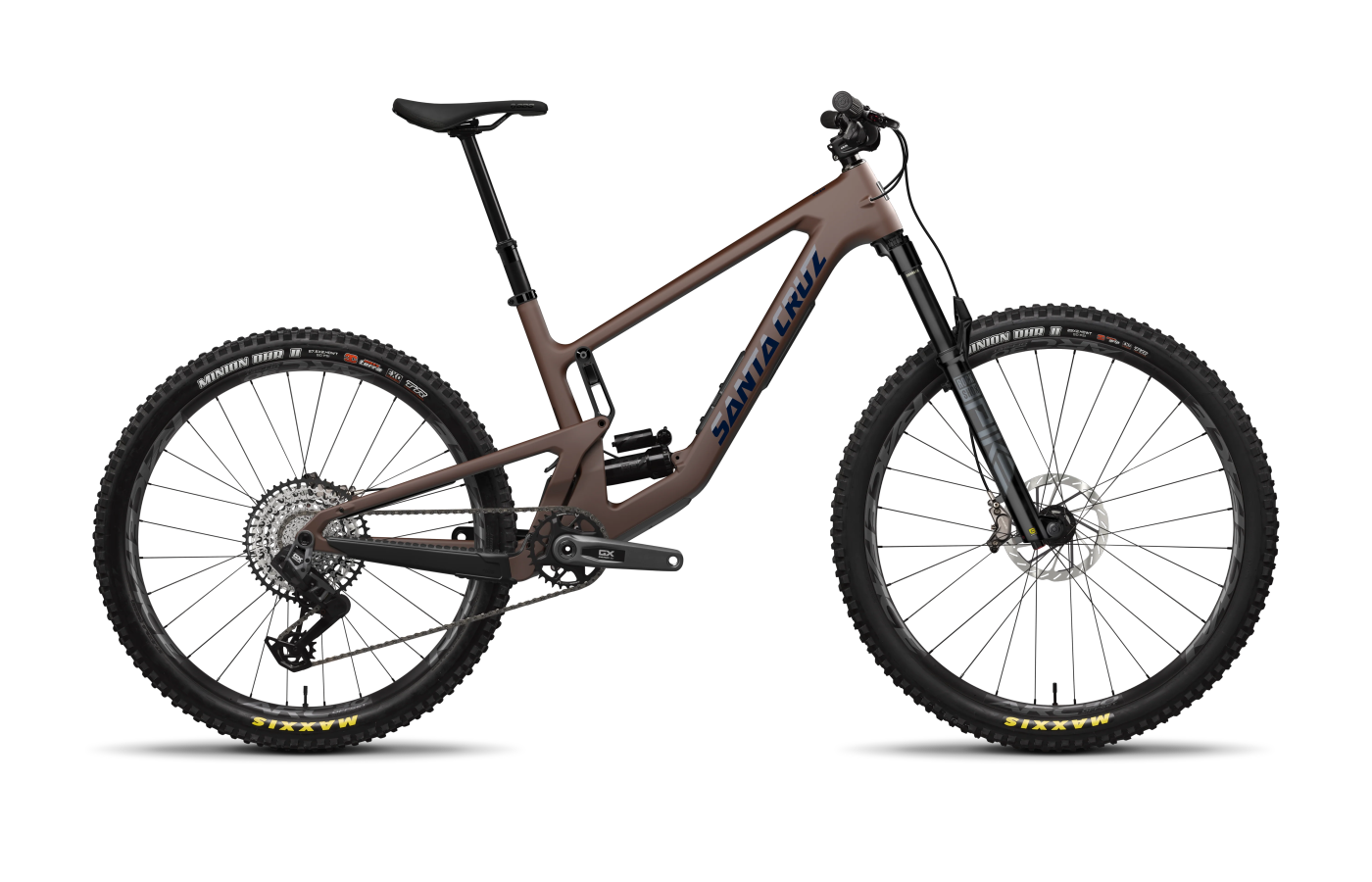
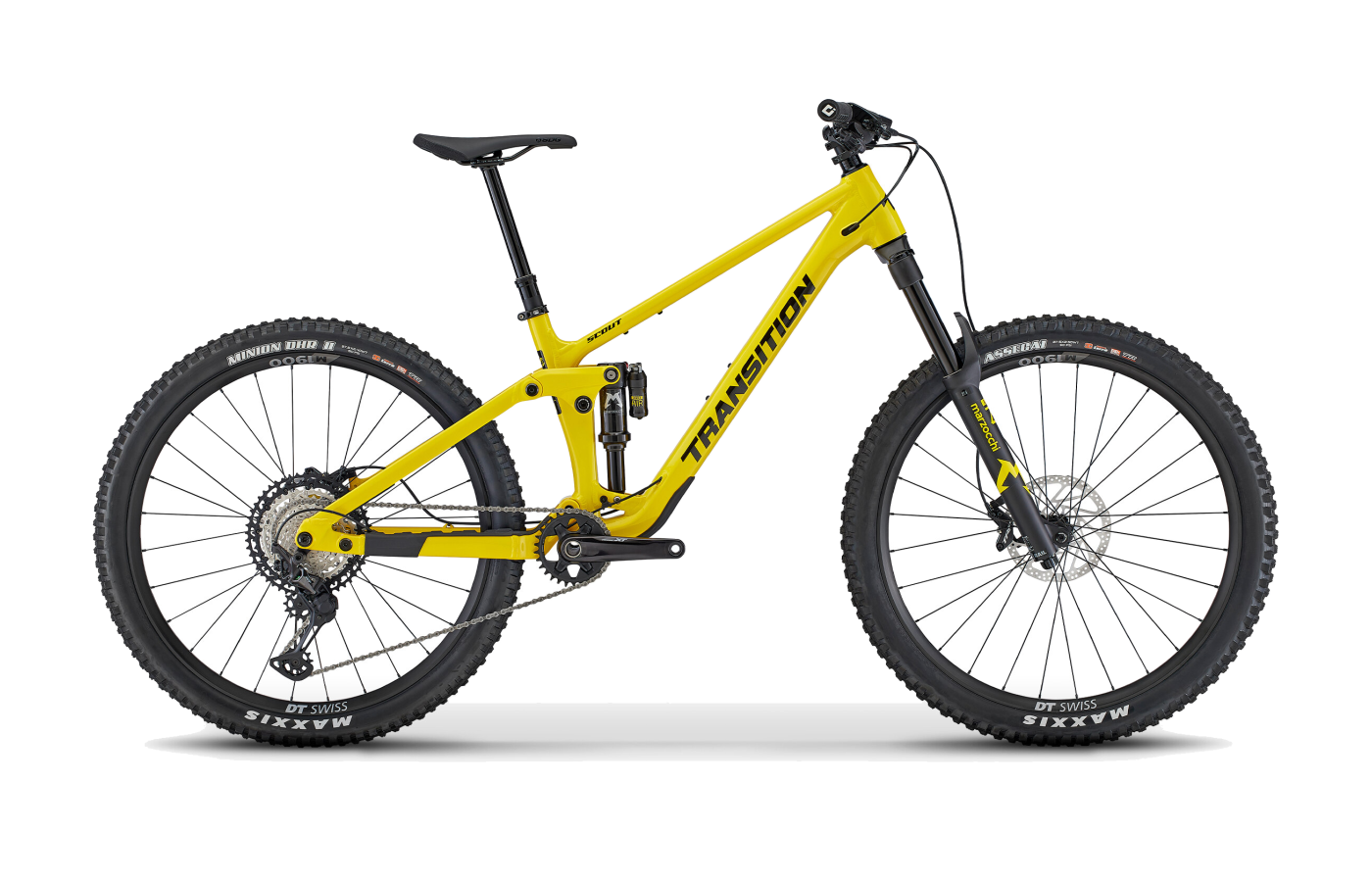
Two short-travel trail bikes, two opposite philosophies.
The Santa Cruz 5010 is a refined, mixed-wheel carbon scalpel. The Transition Scout is a 27.5-inch alloy hammer built for repeated airtime.
5010
- Mixed-wheel handling — a 29-inch front for rollover plus a 27.5-inch rear that stays flickable through tight singletrack.
- Active 130 mm VPP — the V5's reduced anti-squat tracks chunky terrain better than any previous 5010, despite the short travel.
- Size-specific chainstays (430–442 mm) keep the rider centered across the XS-to-XXL size range.
- Premium pricing — $4,799 entry and $9,349 ceiling, with stock SRAM G2 brakes and EXO casing tires that several reviewers called under-gunned.
- 130 mm rear travel finds its ceiling on truly eroded, high-consequence trails.
Scout
- 150 mm front and rear — more travel than the 5010 at half to three-quarters the price.
- Lighter-rider tune — revised rocker links keep the suspension active for sub-150-lb pilots, which most adult-tuned bikes don't.
- Bike-park-ready spec — TRP DH-R EVO brakes with adjustable lever reach, EXO+ casing Maxxis tires, no-frills Marzocchi suspension.
- Heavy — the Alloy XT is 34.08 lbs, noticeably more taxing on long climbs than the ~31-lb 5010.
- Tops out at MD; only three sizes (XS / SM / MD), so taller riders are out of luck.
Editor’s analysis
This isn't a flagship-vs-flagship fight — it's a question of what kind of fun you want, and what you're willing to pay for it.
On paper both are short-travel trail bikes built for play. The Santa Cruz 5010 runs 130 mm rear / 140 mm front on a mixed 29/27.5 wheelset and a 65.2-degree head angle, all wrapped in a Carbon CC chassis. The Transition Scout runs 150 mm at both ends on a full 27.5 alloy frame with a 64.0-degree head angle. Same trail-bike box on a shop wall — totally different intent once you swing a leg over.
The 5010 is the more sophisticated tool. The fifth-gen frame got a roughly 16% reduction in peak anti-squat over the V4, which reviewers consistently describe as plush and active rather than firm and snappy. Add size-specific chainstays (430 mm on a Medium, growing to 442 mm on XXL), the 'Buttercups' damping in the RockShox Pike Ultimate, and Reserve carbon wheels on the upper builds, and you get a bike The Radavist called a 'corner destroyer' and BikeRadar called 'drift-happy.' It rewards line choice and body English, not raw plowing.
The Transition Scout doesn't pretend to play that game. It's heavier (the XT build is 34.08 lbs vs ~31 lbs for any 5010), it's alloy, and it's been re-engineered for lighter or smaller riders — Vital MTB notes the 2025 model uses revised rocker links so the Giddy Up suspension actually stays active under sub-150-lb pilots. With 150 mm of travel and a slacker 64-degree head angle, it's a 'mini-enduro' that wants you to plunge into landings, not flick around them. The whole spec — TRP DH-R EVO brakes, EXO+ casing Maxxis tires, no-frills Marzocchi Z1 — is built to survive bike-park abuse.
Put simply: the Santa Cruz 5010 is the bike you buy when you want a fun, refined trail bike and your budget starts at $4.8k. The Transition Scout is the bike you buy when you (or your kid) want to send hard on a budget that tops out at $4.3k, and weight on the way up is a fair trade for indestructibility on the way down.
Where the builds differ.
Comparing our editor's-pick builds side-by-side. Winners highlighted row-by-row — lower price and weight, and the better-spec component, each mark a point.
Build variants & pricing
The 5010 spans $4,799 to $9,349 across five builds; the Scout is just two alloy builds, $3,499 and $4,299. There's no real overlap.
We tier-matched at the highest sensible shared point: the 5010 GX AXS ($7,149, SRAM AXS mid-tier) against the Scout Alloy XT ($4,299, Shimano XT mid-tier). The price gap is real — Transition simply doesn't sell a $7k Scout, and Santa Cruz doesn't sell a $4k 5010. If your ceiling is under $5k, the 5010 R or Scout XT are your only options on this page.
How they fit, how they steer.
The Scout MD is the more aggressive geometry: 64.0-degree head angle (vs 65.2 on the 5010 m), 460 mm reach (vs 459), and 5 mm longer wheelbase. The 5010 sits the rider 18 mm taller in the stack — that's the 29-inch front wheel and the 'in-command' position reviewers consistently describe.
Which size should I buy?
Both ranges overlap in the middle, but the Scout tops out at MD while the 5010 extends through XL and XXL — taller riders effectively only have one option here.
→These are starting points. Flexibility, riding style, and preferred position all shift the answer — if you’re between sizes, a professional fit beats a chart.
What the magazines said.
Published reviews from trusted cycling outlets. Click through for the full write-up.
Which one should you buy?
If you want a refined, mixed-wheel trail bike for everything from technical climbs to flowy descents, get the 5010. If you want a heavy, bombproof 27.5 jib machine for bike-park laps, get the Scout.
5010
If you want a sophisticated short-travel bike that climbs technical terrain well and turns familiar trails into a playground, the 5010 is the refined pick. The mixed-wheel setup, the active VPP rear end, and the size-specific chainstays add up to one of the most rewarding handling packages in the 130 mm class — provided you have the budget for it.
Scout
If you (or a smaller, lighter rider in your household) want to send big jumps and plunge into high-consequence drops without breaking the bank, the Scout is built for it. 150 mm of travel, TRP downhill brakes, EXO+ tires, and a frame engineered for lighter pilots — all under $4.3k. You'll pay for it on the climbs in pounds, not dollars.
Questions buyers actually ask.
Short answers to the things we get emailed about most often.
01Which has more suspension travel?
The Transition Scout, by 20 mm at the rear and 10 mm at the front. The Scout runs 150 mm front and rear; the Santa Cruz 5010 runs 140 mm fork / 130 mm rear. On paper that's a meaningful gap — enough that the Scout sits in 'mini-enduro' territory while the 5010 is firmly in the short-travel trail bracket.
In practice, reviewers note the 5010's V5 chassis 'rides bigger than its numbers suggest' thanks to the reduced anti-squat and 29-inch front wheel, but it still finds its ceiling sooner than the Scout on truly eroded terrain.
02Which climbs better?
The Santa Cruz 5010, mostly because of weight. The 5010 GX AXS comes in at 31.16 lb (14.13 kg); the Scout Alloy XT is 34.08 lb (15.46 kg). That's nearly 3 lb of difference, and it adds up on long climbs.
The 5010 also has a slightly steeper 65.2-degree head angle and a higher seat tube angle that keeps the rider over the bottom bracket. Reviewers do flag that the V5's reduced anti-squat can feel 'soggy' on smooth fire roads — out-of-saddle sprints induce noticeable bob — but on technical climbs the active rear end pays off in traction. The Scout's challenge uphill is simpler: it's just heavy.
03What wheel size does each bike use?
Santa Cruz 5010 V5: mixed wheels (MX) — 29-inch front, 27.5-inch rear. This is the defining change from the V4, which ran 27.5 at both ends.
Transition Scout (2025): full 27.5-inch front and rear. Transition kept the smaller wheel size deliberately so the bike stays manageable for lighter and smaller riders.
The practical difference: the 5010's 29-inch front rolls over square-edged hits more easily and tracks more confidently in steep terrain; the Scout's matching 27.5 rear makes it easier to flick around and is friendlier for shorter standover.
04Which is better for a smaller or lighter rider?
The Transition Scout is explicitly engineered for it. The 2025 Scout uses revised rocker links specifically tuned to keep the Giddy Up suspension active under lighter pilots — Vital MTB notes that lighter riders often find adult-tuned bikes feel 'oversprung' or 'dead,' and the Scout addresses that directly. It also comes in XS, SM, and MD only, with TRP brake levers that adjust in for smaller hands.
The 5010 has size-specific chainstays and goes down to XS, but its suspension is tuned for typical adult weight and reviewers note the chassis can feel 'a bit harsh' for featherweight riders.
05How does the build value compare?
These platforms operate in different price segments. The Scout Alloy XT at $4,299 gets you a full Shimano XT 12-speed drivetrain, TRP DH-R EVO brakes, DT Swiss M 1900 wheels, and Marzocchi Z1 suspension — a no-nonsense workhorse spec.
The 5010 GX AXS at $7,149 gets you wireless SRAM GX AXS T-Type, RockShox Pike Select+ / Super Deluxe Select+ suspension, and the Carbon C frame, but reviewers across BikeRadar, The Loam Wolf, and others have flagged the SRAM G2 brakes as 'under-gunned' and the EXO casing tires as too thin for the bike's capability. Both will need brake and tire upgrades to reach their potential, but the Scout starts with better stoppers stock.
06What are the geometry differences at the same size?
Comparing the 5010 size m to the Scout size MD (the fit-picked sizes for a 5'8" rider):
- Head tube angle: 65.2° (5010) vs 64.0° (Scout) — Scout is over a degree slacker
- Reach: 459 mm vs 460 mm — essentially identical
- Stack: 622 mm vs 604 mm — 5010 is 18 mm taller
- Wheelbase: 1212 mm vs 1217 mm — Scout is 5 mm longer
- Chainstays: 433 mm vs 430 mm — within 3 mm
- Seat tube angle: 77.4° vs 77.2° — essentially identical
The Scout is the more aggressive descender on numbers; the 5010 sits the rider taller and gets its descending composure from the 29-inch front wheel.
07What sizes does each bike come in?
Santa Cruz 5010 V5: XS, S, M, L, XL, XXL — six sizes covering a wide range of rider heights, with size-specific chainstays that grow proportionally.
Transition Scout (2025): XS, SM, MD — three sizes only. The largest Scout fits about the same rider as a 5010 size M. If you're taller than 5'10" or so, the Scout simply isn't an option.
08Which is more durable for hard riding?
Both frames are well-built, but they're built for different threats. The 5010's Carbon CC frame is described as 'stout' and 'impeccable' in finish, with size-specific carbon layups and Santa Cruz's lifetime frame and pivot bearing warranty. The weak points are the stock components — G2 brakes and EXO tires that several reviewers tore through quickly.
The Scout's alloy frame is heavier (34 lbs) but built around the same Giddy Up platform as Transition's full-sized adult bikes, with EXO+ casing tires and TRP DH-R EVO brakes stock. Reviewers describe it as 'extremely robust' and built to survive 'repeated airtime excursions and curb smashes.' For a rider who actually crashes a lot, the Scout's spec is more bike-park-ready out of the box.
Similar bikes
If your priorities don’t map cleanly onto either of these, one of these adjacent bikes probably fits better.
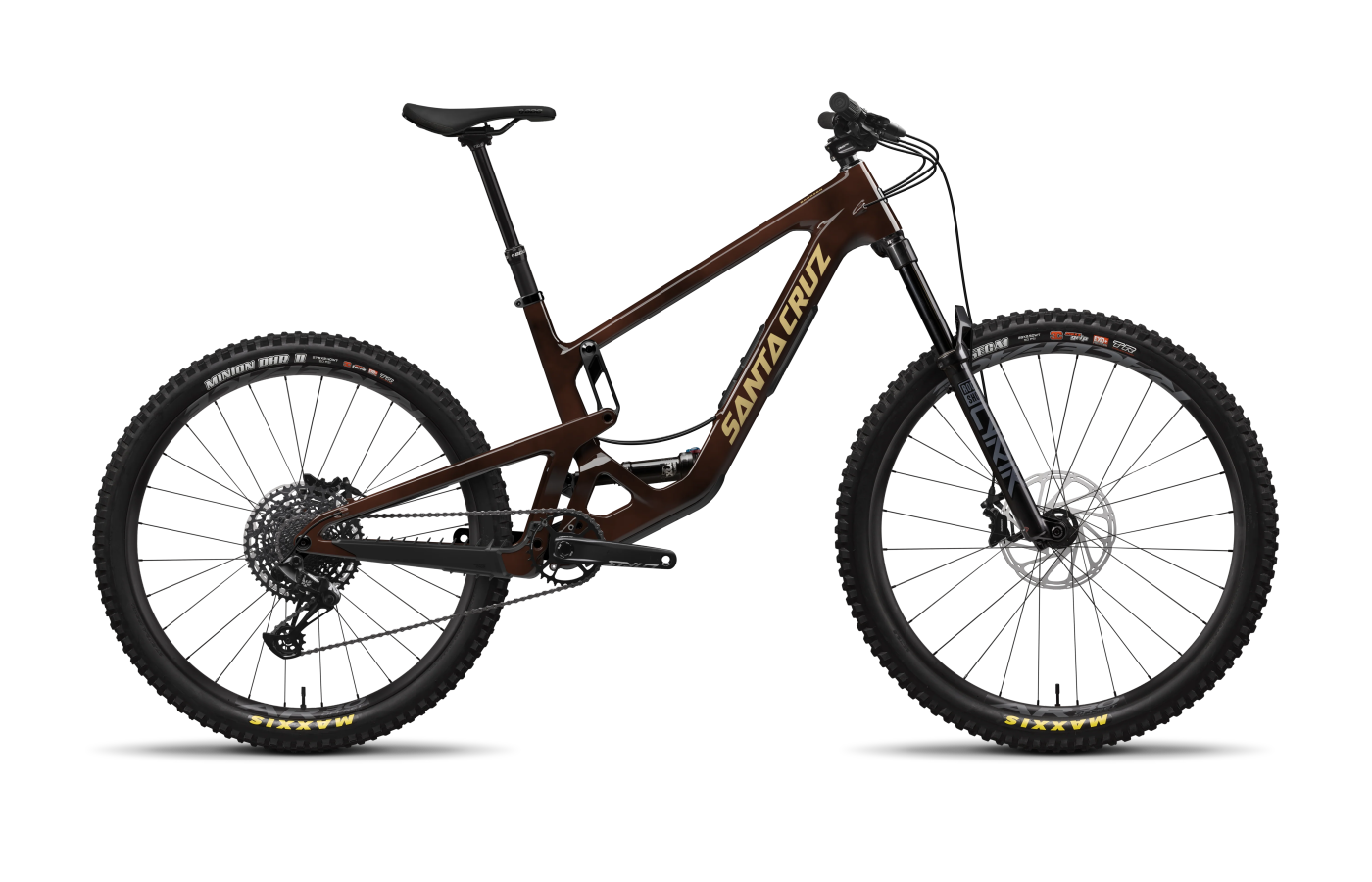
Bronson
Santa Cruz's logical next step up from the 5010 — same mixed-wheel philosophy and VPP rear end, but 150 mm of travel for genuinely rough terrain. Get this if you love the 5010 character but ride bigger trails.
Compare →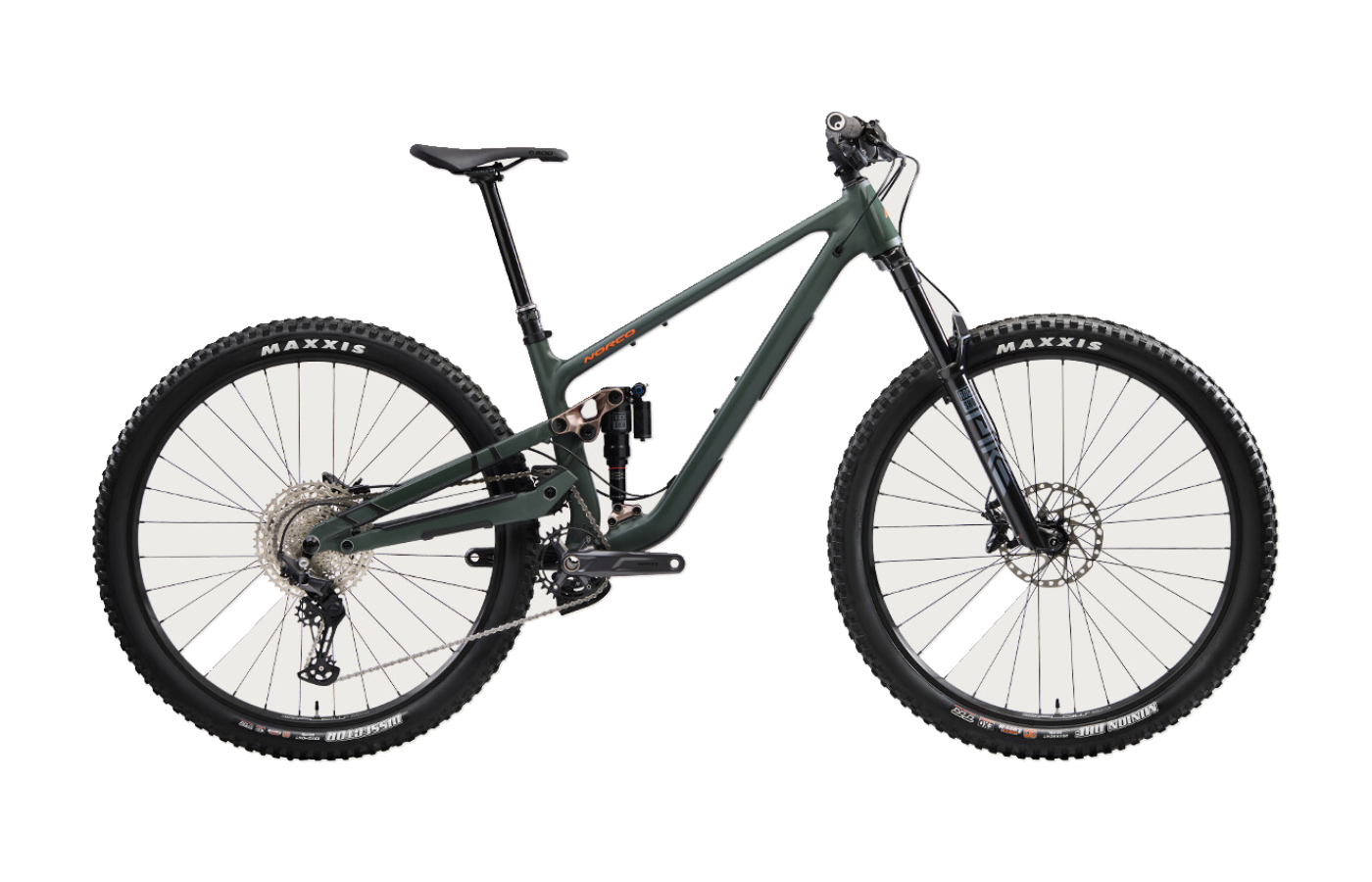
Optic
A short-travel 29er with sharp 'mini-enduro' handling and full 29-inch rollover, no mullet. If you want the 5010's intent but prefer the composure of matching big wheels at both ends.
Compare →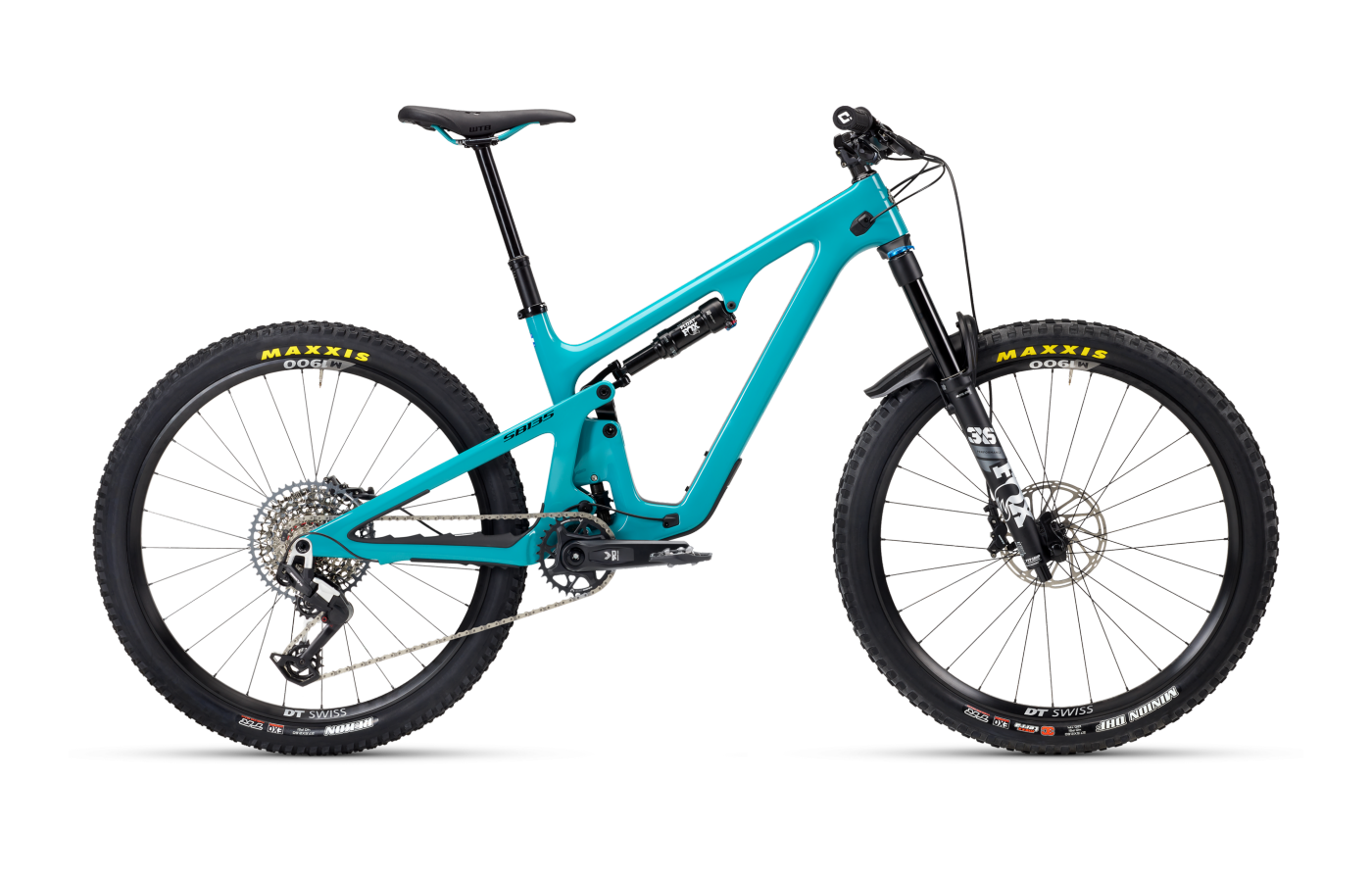
SB135
A rare modern dual 27.5-inch trail bike — matches the Scout's small-wheel philosophy but in carbon, with more refined geometry. For purists who find mullets awkward and don't need the Scout's bombproof alloy build.
Compare →