Bronson
vsMegatower
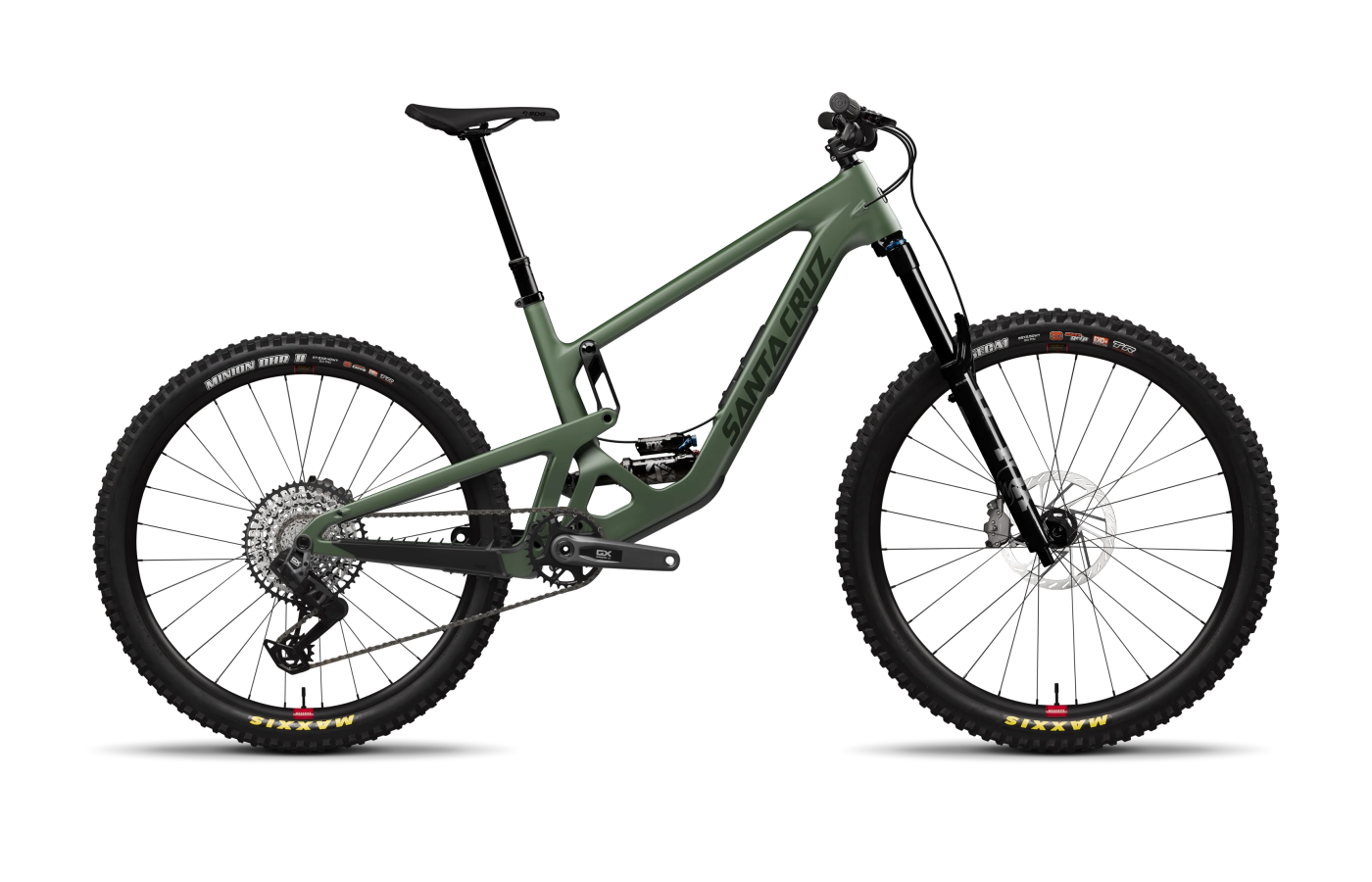
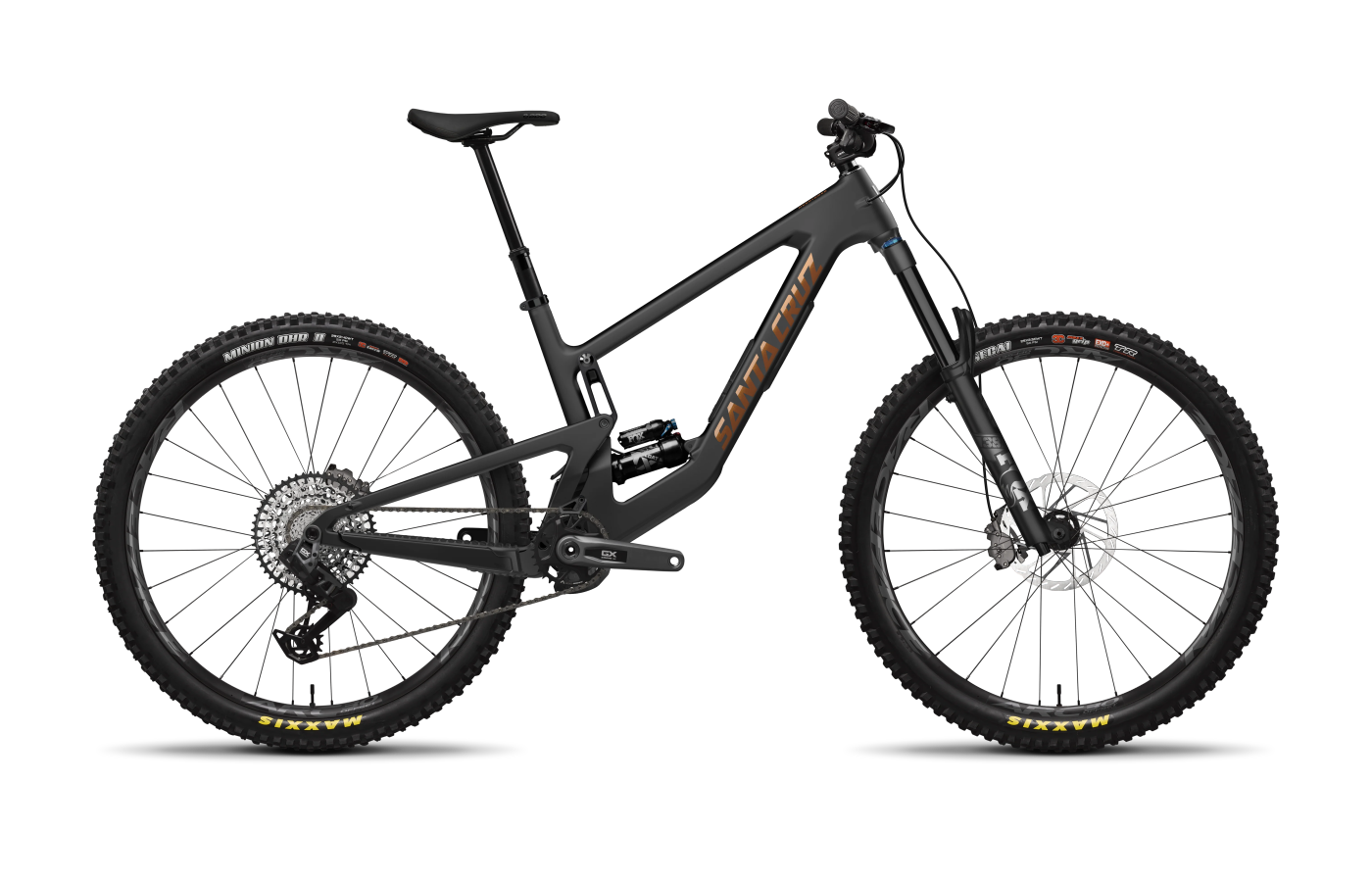
Same family, two different mountains.
The Bronson is a 150 mm mullet trail bike that turns flow into a playground. The Megatower is a 170 mm 29er built to flatten everything in its path.
Bronson
- Mullet agility — the 27.5 rear wheel snaps through corners and manuals out of berms in a way the Megatower can't match.
- Climbs efficiently — refined VPP and a 77.9-degree seat angle make 150 mm of travel feel like 130.
- Wider build range — seven complete builds from $4,999 to $9,349, vs. four on the Megatower.
- Tall front end (632 mm stack on a Medium plus 35 mm rise bars) can feel rear-biased in flat corners.
- 27.5 rear wheel can hang up on square-edged hits that the Megatower's 29er would roll.
Megatower
- Bottomless at speed — roughly 165 mm rear and a Fox 38 fork stay composed through chunder that overwhelms the Bronson.
- Slacker, longer, more stable — 63.8 HTA and a 1236 mm wheelbase on size M give it true enduro-race composure.
- Full 29-inch rollover — carries momentum through rock gardens where the Bronson's mullet rear wants to ricochet.
- Heavier (~35 lb on the GX AXS) and less playful — needs speed and aggressive input to come alive.
- Only four builds, none under $6,099 — there's no entry-level way into the platform.
Editor’s analysis
Both wear the same VPP linkage and the same lifetime-warranty halo — but they answer two completely different questions about how you want to ride.
Stand them next to each other and the silhouettes look like cousins. Same lower-link VPP, same Glovebox down-tube storage, same Carbon C frame on the GX AXS builds. Then you read the spec sheet. The Santa Cruz Bronson runs a 29-inch front wheel and a 27.5-inch rear with 150 mm of travel and a Fox 36. The Santa Cruz Megatower runs full 29 with roughly 165 mm of rear travel, a 170 mm Fox 38, and a head tube angle 0.4 degrees slacker. Those aren't trim differences — they're different bikes.
The Bronson is the mischief-maker. The mullet wheel setup gives it a manualable, schralpable feel that reviewers from Vital MTB to The Loam Wolf describe as a 'hooligan' or 'playbike.' Steeper 64.2 HTA, shorter wheelbase, lighter all-round build — it climbs like a bike with much less travel (the climb switch is, per multiple reviewers, decorative) and rewards riders who would rather pop off a side hit than stopwatch a segment. The trade-off is a real one: at full-bore enduro speeds, the smaller rear wheel can hang up on square edges that a 29er would just ignore.
The Santa Cruz Megatower picks the opposite fight. It's a 'mini-DH' bike per Blister, MBR, and BikeRadar — a longer wheelbase, a 63.8-degree HTA, a Fox 38, and a suspension curve tuned to flatten chunder rather than pop off it. It rewards commitment and speed; on mellow flow trails, multiple testers said it can feel 'muted' or 'too much bike,' and on long fire-road climbs you feel every gram of its 35-pound carbon C build. But aim it down something steep and rough and it goes from sluggish to imperious in about ten seconds.
Put plainly: the Bronson is the bike you reach for when the day's trails are mixed and you want to enjoy them. The Megatower is the bike you reach for when the day is one big descent and you want to not flinch.
Where the builds differ.
Comparing our editor's-pick builds side-by-side. Winners highlighted row-by-row — lower price and weight, and the better-spec component, each mark a point.
Build variants & pricing
Both top out around $9.3–9.7k and share a GX AXS T-Type build at exactly $7,249 — a clean apples-to-apples comparison. The Bronson goes lower; the Megatower doesn't.
Prices are current US MSRP. The Bronson lineup runs $4,999–$9,349 across seven builds; the Megatower runs $6,099–$9,749 across four. Neither is offered in aluminum — the cheapest way onto either platform is a carbon C frame.
How they fit, how they steer.
Both at size M — the fit-picked size for a 5'8" rider on each. The Megatower is 7 mm lower in stack, 5 mm shorter in reach, 0.4 degrees slacker at the head tube, and 2 mm shorter at the chainstays — a longer-feeling, lower, slacker descender at the same nominal size.
Which size should I buy?
Size recommendations based on stack, reach, and effective top tube. Size labels (S/M/L/XL/XXL) match across both bikes.
→These are starting points. Flexibility, riding style, and preferred position all shift the answer — if you’re between sizes, a professional fit beats a chart.
What the magazines said.
Published reviews from trusted cycling outlets. Click through for the full write-up.
Which one should you buy?
If you ride mixed terrain and want to play with it, get the Bronson. If your weekends end in big descents and bike-park laps, get the Megatower.
Bronson
If your home trails mix climbs, flow, and the occasional rowdy descent — and you'd rather pop off a root than stopwatch a segment — the Bronson is the more rewarding bike. It climbs better, corners tighter, and turns ordinary trail into a series of side-hits and manuals.
Megatower
If your big days are big descents — bike park laps, EWS-style stages, steep technical terrain that punishes a shorter-travel bike — the Megatower is the right tool. Heavier and less playful, but it stays composed at speeds that overwhelm the Bronson.
Questions buyers actually ask.
Short answers to the things we get emailed about most often.
01What's the actual travel difference between the two?
The Bronson runs 150 mm rear / 160 mm front (Fox 36). The Megatower runs roughly 165 mm rear / 170 mm front (Fox 38). It's not a huge number on paper, but the bigger fork chassis and longer rear travel change the bike's character entirely — the Megatower is set up to absorb hits the Bronson would deflect.
02Mullet vs. full 29 — which is faster?
Depends on the trail. The Megatower's dual 29 setup carries more momentum through rock gardens and rolls over square edges that can hang up the Bronson's 27.5 rear wheel. On tight, twisty, undulating singletrack the Bronson's mullet setup accelerates more snappily out of corners and is easier to manual through pump sections.
For most riders, the Megatower is faster on enduro-style descents; the Bronson is faster on flow and tech that rewards line creativity.
03Which one climbs better?
The Bronson, clearly. With 150 mm of travel, a steeper 77.9-degree seat tube angle on a Medium, and the lighter ~33 lb GX AXS build, the Bronson climbs like a much shorter-travel bike. Vital MTB went so far as to call the rear-shock climb switch 'decorative.'
The Megatower climbs respectably for a 165 mm enduro rig — the steepened seat angle keeps you centered — but at ~35 lb with longer travel, it's a winch-to-the-top bike, not a sprinter.
04Are the GX AXS builds really at the same price?
Yes — $7,249 for both. Same SRAM GX Eagle AXS T-Type drivetrain, same Carbon C frame, same Reserve 30 / Race Face ARC 30 wheel options. The fork differs (Fox 36 Performance Elite on the Bronson, Fox 38 Performance Elite on the Megatower) and the Megatower runs DoubleDown rear tire casings vs. the Bronson's EXO+, both appropriate for the bikes' intended uses.
05Can I run the Bronson as a full 29er, or the Megatower as a mullet?
Santa Cruz designed each frame around a specific wheel format. The Bronson is a dedicated MX (mullet) platform — running a 29 rear isn't supported and would change geometry meaningfully. The Megatower is a dedicated 29er.
If you want a frame that supports both, the Santa Cruz Nomad and several aftermarket flip-chip kits exist. For these two, run them as designed.
06How serviceable are the frames?
Both use a threaded BSA bottom bracket, fully sleeved internal cable routing, and a grease port on the lower VPP link — all of which mechanics consistently praise as best-in-class for long-travel bikes. The Megatower includes the Glovebox in-frame storage; newer Bronson revisions have added it as well.
Known issues across both: the stock RockShox Reverb dropper goes 'mushy' for many testers and is the most frequently cited weak point.
07Which one holds resale value better?
Both. Santa Cruz frames are among the strongest-holding in the used MTB market, helped by the lifetime frame warranty and lifetime bearing replacement to the original owner. RSV builds add a lifetime warranty on the Reserve carbon rims as well.
There's no meaningful resale gap between the two models — both are 'forever bikes' in the Vital MTB-coined 'Volvos of yesteryear' sense.
08Is there an aluminum version of either?
No. Both are carbon-only in this generation — Santa Cruz discontinued the aluminum option for the Bronson V4 and never offered one for the Megatower V2. The cheapest way into either platform is the entry-level Carbon C build ($4,999 Bronson R, $6,099 Megatower 90).
Similar bikes
If your priorities don’t map cleanly onto either of these, one of these adjacent bikes probably fits better.
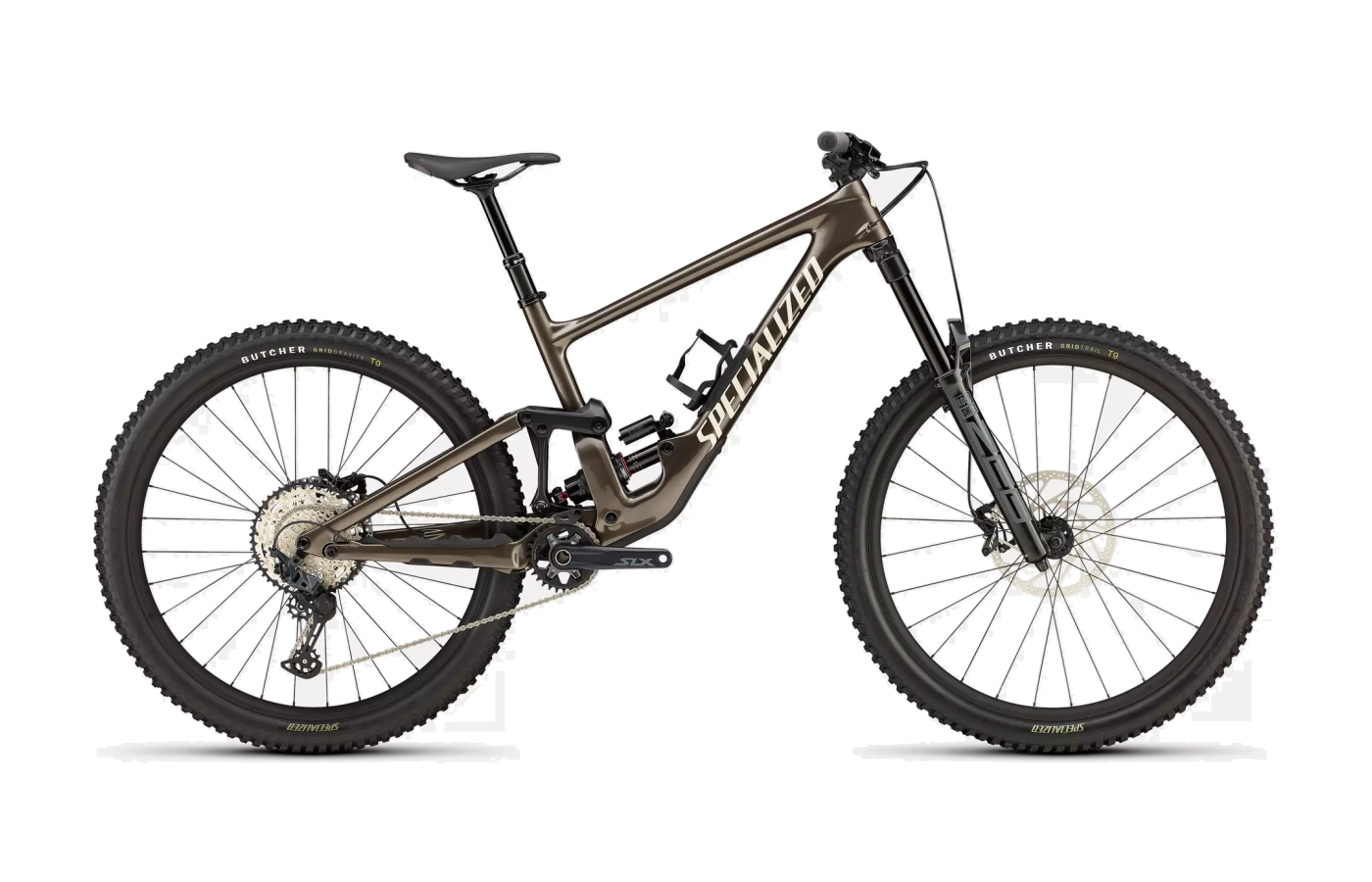
Enduro
The most direct rival to the Megatower — a similarly composed 170 mm 29er enduro race bike that's been refined across multiple generations of EWS use. If you want the Megatower's mission with a different brand's geometry sensibility.
Compare →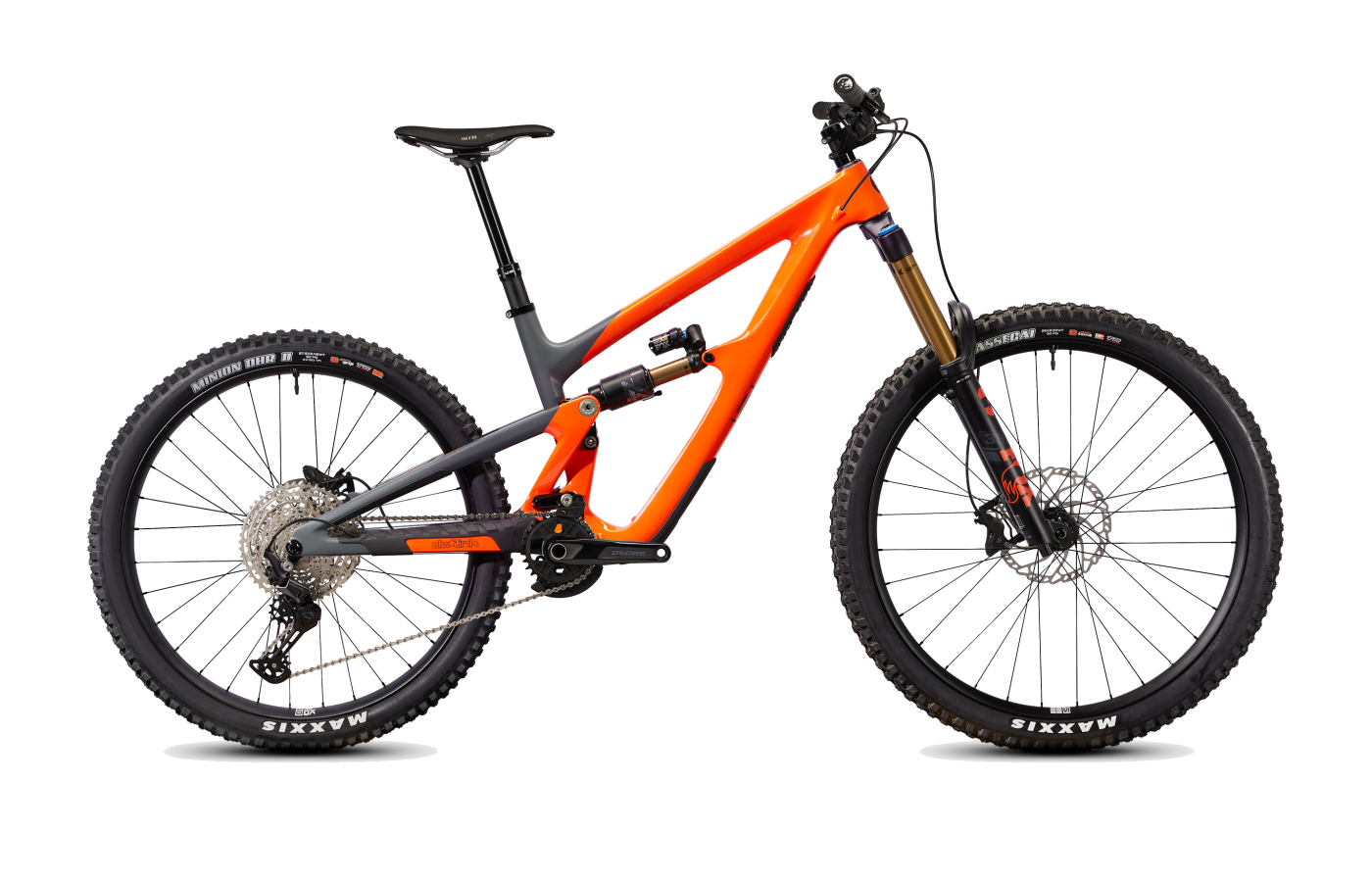
HD6
A premium mullet alternative to the Bronson with a more efficient climbing platform — ideal for riders doing massive elevation days who still want the mixed-wheel agility. Frame quality matches the Santa Cruz, often at a lower price.
Compare →Patrol
Same mullet wheel format as the Bronson but with slacker, longer, more aggressive geometry — leaning closer to the Megatower's enduro brief. The pick if you want the Bronson's playfulness with more descent-focused numbers.
Compare →