Santa Cruz ChameleonvsTrek Roscoe

The Santa Cruz Chameleon is a modular icon that charges a premium for its badge and surgical versatility. The Trek Roscoe has evolved into a burly, overbuilt beast that offers more suspension and better technical parts for less cash. Choosing between them is a choice between a refined, adaptable platform and a ready-to-shred tank built for the steepest chutes.

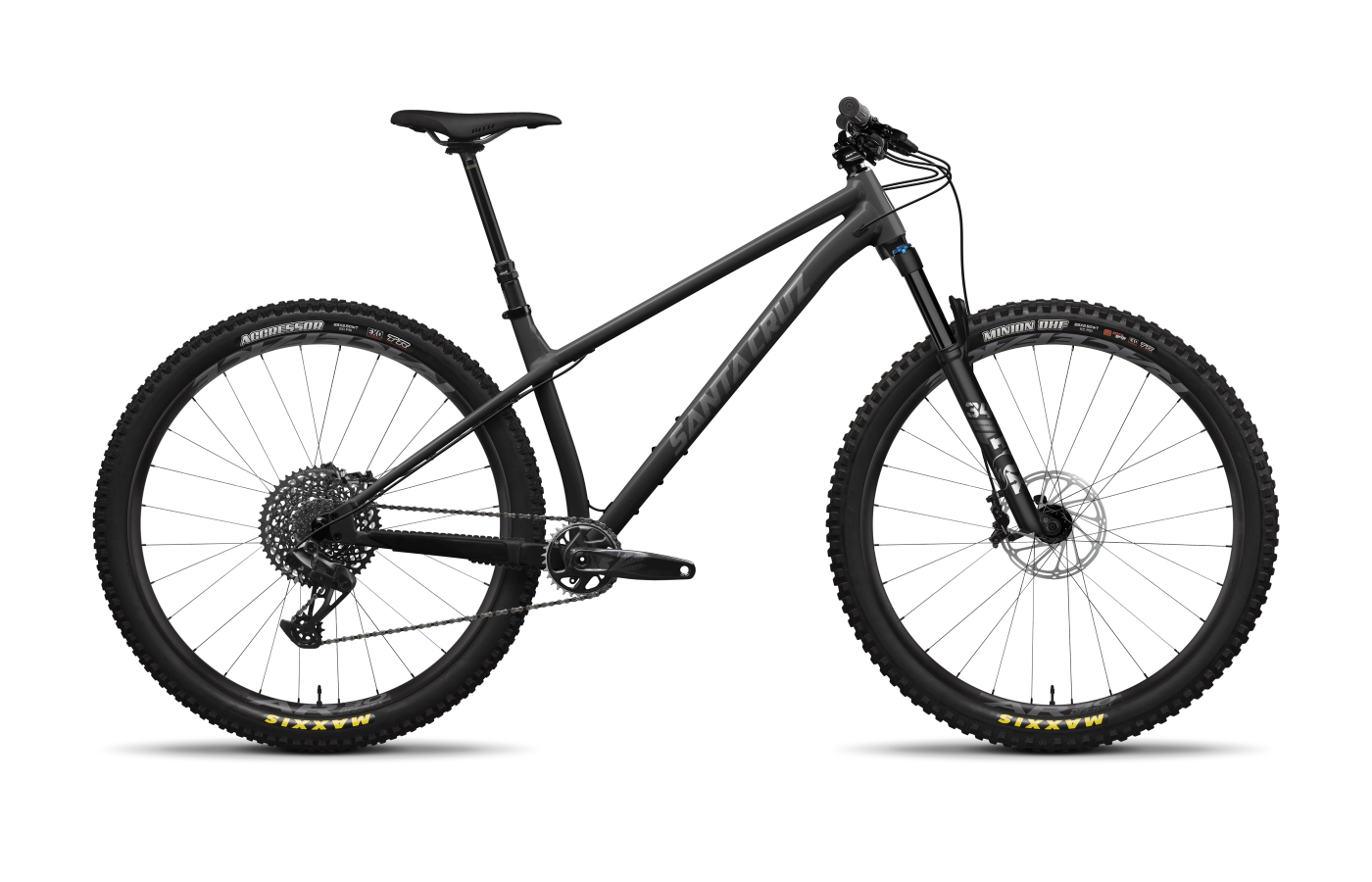
Santa Cruz Chameleon
Image pending

Overview

The Santa Cruz Chameleon 8 and Trek Roscoe Gen 4 sit at different ends of the premium alloy spectrum. While the Chameleon has shifted from its XC roots toward a rowdier trail identity, it remains the ultimate tinkerer's frame with its redesigned sliding dropouts and ability to switch between 29er and mullet (MX) setups with a simple dropout swap. It’s a bike that asks you to invest in a lifetime frame, even if the stock parts on the R and S builds feel underwhelming for the price.\n\nTrek has repositioned the Roscoe as a legitimate hardcore hardtail, moving away from the plus-tire recreational focus of previous generations. Using their highest-end Alpha Platinum Aluminum, the Roscoe Gen 4 is built around a massive 150mm fork and modern, aggressive geometry that targets the same technical terrain as their full-suspension enduro rigs. At $2,400 for the Roscoe 8, it undercuts the mid-tier Chameleon builds while offering a beefier chassis and better hub engagement right out of the box.

Ride and handling

The Chameleon’s ride quality is a polarizing topic. Santa Cruz has tuned the alloy to be as forgiving as possible, and on stutter bumps, it can feel surprisingly smooth for aluminum. However, reviewers have noted that on aggressive trails, the rear end remains harsh compared to steel or titanium alternatives, requiring high-volume 2.6-inch tires to provide any real dampening. In its mullet configuration, the Chameleon is a cornering cheat code, falling into turns with almost zero effort and offering a poppy, agile feel that makes it a riot on twisty flow trails.\n\nThe Roscoe 8 ignores subtlety and goes for a 150mm Fox 36 Rhythm fork. This is a massive chassis for a hardtail, transforming the front end into a stiff, precise plow that resists flexing through chunky rock gardens. Where the Chameleon requires active body English to dance through technical sections, the Roscoe just smashes through them. The Trek also features a 200mm dropper post that allows the saddle to essentially disappear, giving you more room to move your weight around than you'll find on almost any other stock bike.\n\nHandling on the Trek is characterized by stability and stopping power. With 4-piston Shimano Deore brakes and a 203mm front rotor, it decelerates with a level of authority that matches its burly fork. The Chameleon feels more like a precision tool; it is lively and quick at low speeds, allowing you to steer around corners rather than just leaning and hoping. But when technical climbs get janky, the 17-degree lag of the stock Santa Cruz hubs can make them feel like a struggle-fest, whereas the Trek’s 108-point Rapid Drive hub provides nearly instant engagement to keep you moving.

Specifications

The most consequential technical difference between these two isn't the derailleur; it's the rear hub. The Roscoe 8 includes a Rapid Drive hub with 108 points of engagement, providing a 3.3-degree take-up that is leagues ahead of the 17-degree rotation required by the stock SRAM hubs on the Chameleon R. This translates to an immediate advantage on technical, ratchety climbs where any delay in power can stall a move.\n\nSuspension choices further separate the two. Trek uses a Fox 36 Rhythm with 150mm of travel, providing a much stiffer front end than the 130mm Fox 34 Rhythm or Performance forks found across the Chameleon range. While the Fox 34 is a great trail fork, it can feel overmatched by the aggressive geometry of these frames when the speeds pick up in the chunk. The Roscoe also wins on braking hardware, opting for 4-piston Deore stoppers over the often wooden-feeling SRAM Guide T brakes found on the Chameleon.\n\nSanta Cruz builds their value around the finishing kit and frame features. The Burgtec bars and stems look premium, and the internal routing is exceptionally neat. However, for a bike like the Chameleon S that hits $2,999, getting a heavy NX/GX drivetrain mix and an underwhelming hub engagement is a tough pill to swallow. Trek puts the money into the "heavy hitters"—the fork, the brakes, and the hub—even if the Marlin-level stem and bars feel a bit cheap on a $2,400 bike.

ChameleonRoscoe
FRAMESET
FrameSanta Cruz Chameleon D, Aluminum
ForkRockShox Recon Silver RL, 130mm, 42mm offset
Rear shock
GROUPSET
Shift leversSRAM NX Eagle, 12-speed (right shifter)
Front derailleur
Rear derailleurSRAM SX Eagle, 12-speed
CassetteSRAM PG-1230, 12-speed, 11-50T
ChainSRAM SX Eagle, 12-speed
CranksetSRAM X1 Eagle 148 DUB, 32T (max 34T)
Bottom bracketSRAM DUB 68/73mm threaded BB (73mm threaded shell)
Front brakeSRAM Level hydraulic disc
Rear brakeSRAM Level hydraulic disc
WHEELSET
Front wheelWTB ST i30 TCS 2.0, 29"; SRAM MTH 716, 15x110, Torque Cap, 6-bolt, 32h
Rear wheelWTB ST i30 TCS 2.0, 29"; SRAM MTH 746, 12x148, HG, 6-bolt, 32h
Front tireMaxxis Minion DHF 29x2.5 WT, 3C MaxxGrip, EXO
Rear tireMaxxis Aggressor 29x2.5 WT, EXO
COCKPIT
StemRaceFace Chester
HandlebarsRaceFace Ride
SaddleWTB Silverado Medium, Steel -or- WTB Volt
SeatpostSDG Tellis Dropper, 31.6mm
Grips/TapeSanta Cruz Bicycles House Grips

Geometry and fit comparison

Both bikes share a slack 65-degree head tube angle, but the Trek Roscoe features a 76-degree seat tube angle that is noticeably steeper than the 74.4-degree angle on the Chameleon. This puts the rider in a more centered, upright position that helps keep the front wheel weighted during steep, technical climbs. On the Chameleon, riders have noted that the front wheel can wander on steep pitches unless they consciously shift their weight forward over the bars.\n\nReach numbers are nearly identical on the Large frames—470mm for the Roscoe and 465mm for the Chameleon—but the bikes feel different in the cockpit. The Roscoe's 40mm rise bars create a very tall, upright stance that prioritizes descending confidence and visibility. The Chameleon feels more like a "pogo stick" with its tall stack, but its adjustable 425mm to 437mm chainstays allow for a level of handling customization the Trek can't match. You can slam the stays for a manual machine or stretch them out for high-speed stability.\n\nStandover height is exceptionally generous on both, but the Trek's removal of bottle bolts on the seat tube allows for that massive 200mm dropper post. This means that for riders with shorter legs but longer torsos, the Roscoe offers a better range of motion for body positioning during descents. The Chameleon remains the more modular choice, as the sliding dropouts ensure the geometry stays correct whether you are running dual 29ers or a mullet wheel setup.

vs
FIT GEOChameleonRoscoe
Stack638.2
Reach465
Top tube643.4
Headtube length120
Standover height686
Seat tube length430
HANDLINGChameleonRoscoe
Headtube angle65
Seat tube angle74.4
BB height315
BB drop56
Trail
Offset
Front center782.8
Wheelbase1207.8
Chainstay length425

Who each one is for

Santa Cruz Chameleon

The Chameleon is for the technical tinkerer who values modularity and long-term frame support over having the best parts spec out of the box. It’s perfect for a rider who might spend one month riding it as a 29er trail bike and the next as a mullet-wheeled singlespeed for pump track sessions. If you prioritize frame finish, a lifetime warranty, and the ability to customize your wheel setup over time, the Santa Cruz is a frame worth building a life around.

Trek Roscoe

The Roscoe is for the aggressive trail rider who wants a hardtail that behaves like a mini-enduro bike without the maintenance of a rear shock. It’s built for riders who tackle steep, rocky chutes and need the raw stopping power of 4-piston brakes and massive rotors. If your weekends involve long loops with steep technical climbs where hub engagement matters, the Roscoe 8 is a massive value that comes ready to thrash.

Other bikes to consider