Hightower
vsStumpjumper
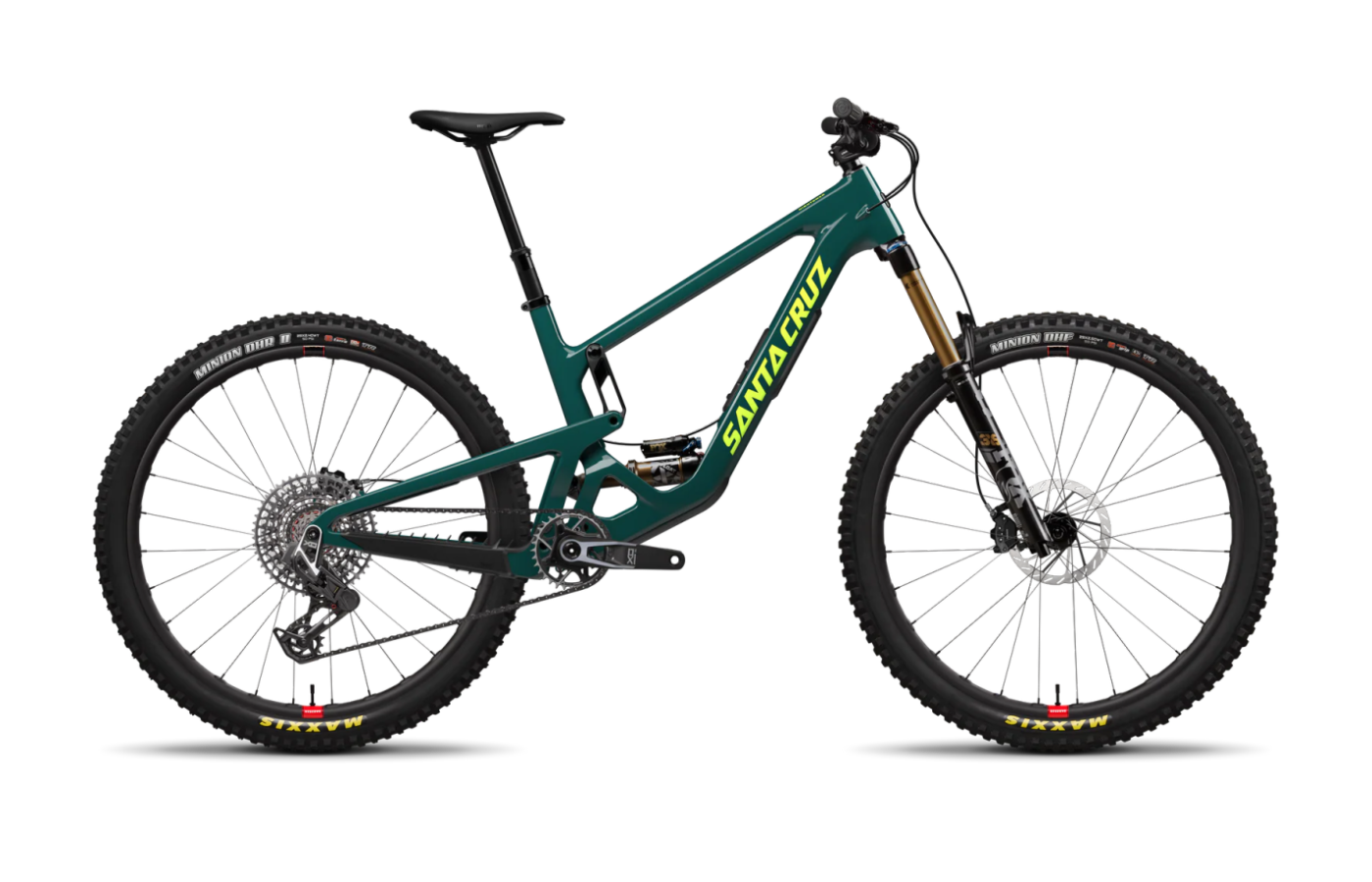
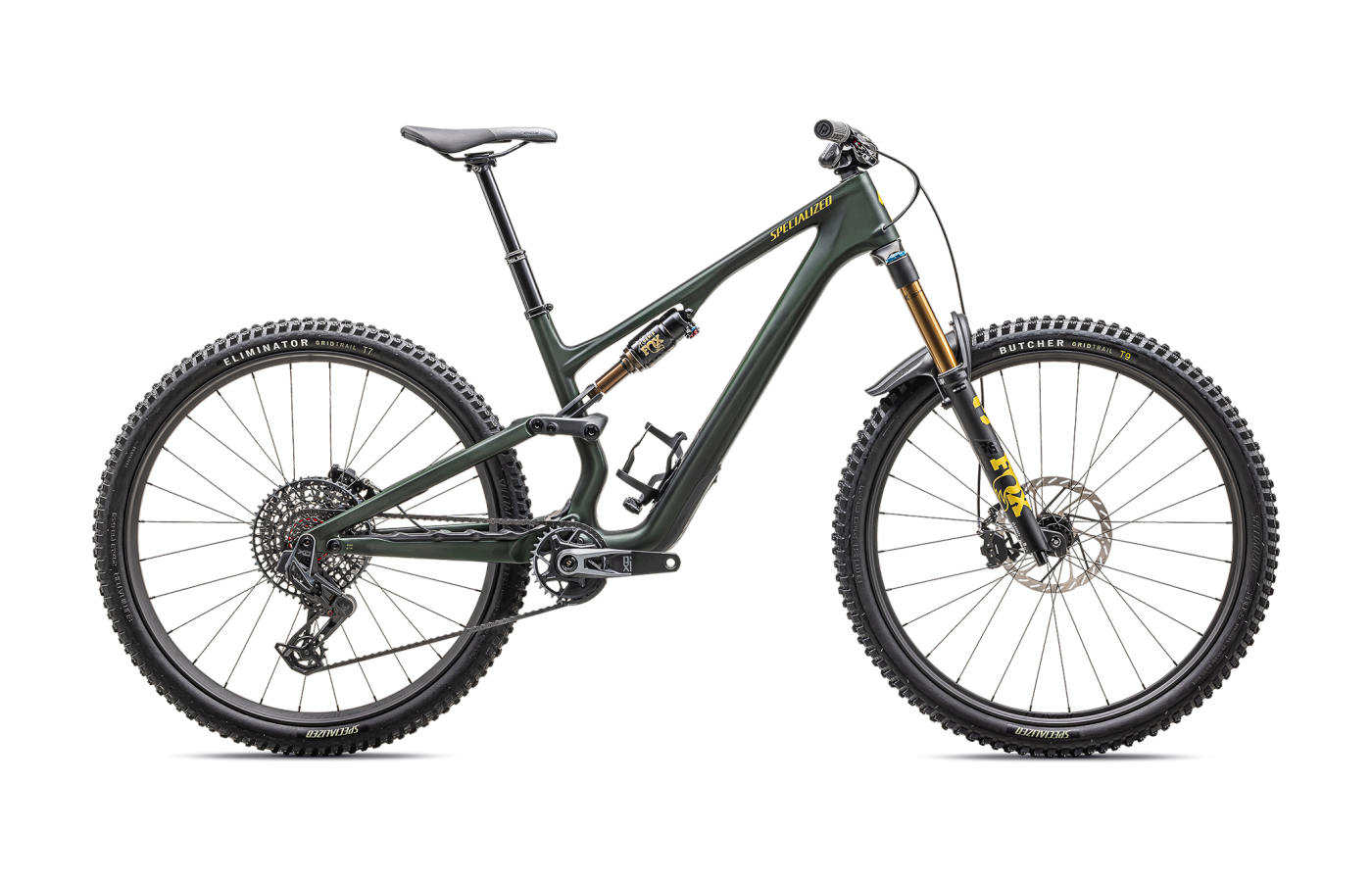
Two 29ers chasing do-it-all — from opposite directions.
The Hightower V4 has grown up into a mini-enduro bruiser. The Stumpjumper 15 collapsed two old models into one shock-driven shapeshifter.
Hightower
- Best-in-class descending composure — 150/160 mm, a 63.9° HTA in Low, and reduced anti-squat mute chatter through rock gardens that lighter trail bikes pinball in.
- Industry-leading support — lifetime warranty on frame, pivot bearings, and Reserve carbon rims, with grease-port collet pivots for easy home service.
- Size-specific geometry — chainstays grow from 434 mm on S to 445 mm on XXL, keeping weight balance consistent across the size range.
- High starting price — $4,999 entry vs. $2,999 for the cheapest Stumpjumper.
- Feels long and reluctant in tight, slow-speed switchbacks; the tall front end rewards aggressive pilots, not apathetic passengers.
Stumpjumper
- Genuinely versatile — three headset-cup HTA settings (63° / 64.5° / 65.5°) plus a flip chip let one frame span trail, all-mountain, and EVO duty.
- GENIE shock bottom-out control — testers at Flow and Mountain Bike Action couldn't bottom it on hucks-to-flat, yet it stays coil-plush for the first 70% of travel.
- Much broader price ladder — nine builds from a $2,999 Deore alloy to the $11,999 S-Works LTD, including a $3,999 carbon-free Comp Alloy.
- Proprietary GENIE shock — serviceable by most Fox shops, but future replacement parts are a single-vendor bet.
- Carbon frames are wireless-only; if you want mechanical shifting, you're pushed onto the heavier alloy chassis.
Editor’s analysis
Same category on paper, very different bikes on trail — one commits to the descent, the other hedges with hardware.
Both bikes land in the 145–150 mm trail bracket on 29-inch wheels, both are carbon-first platforms with lifetime frame and bearing warranties, and both ship on SRAM Transmission across the mid-range. But the design intent has forked. Santa Cruz added 5 mm of rear travel and a 160 mm fork, slackened the Hightower to 63.9 degrees in the Low setting, and moved the shock lower and forward to cut anti-squat. The V4 is a longer, taller, more deliberate bike than the V3 was — reviewers at Enduro MTB and Flow Mountain Bike kept reaching for the word "mini-enduro."
The Stumpjumper 15, by contrast, is Specialized's consolidation play. They folded the old Stumpjumper and Stumpjumper EVO into a single 145 mm platform and bet the house on the Fox-built GENIE shock — a dual-chamber air spring that runs supple for the first 70% of travel, then ramps hard. Three headset cups (63°, 64.5°, 65.5°) and a flip chip let the same frame move between trail-bike and EVO-adjacent territory without a new frameset. The Hightower gives you a 0.3-degree flip chip and tells you to ride it.
On trail, that intent shows. The Hightower is "planted," "calm," "unphased" at speed in rough terrain — the same reviewers note it feels long and cumbersome at low speeds, and the 632 mm stack on a Medium is tall enough that several testers ran a lower-rise bar to keep weight on the front tire. The Stumpjumper is "snappy, versatile, supple, playful" at mellow speeds, but several reviewers wanted more mid-stroke support before committing to steep enduro-grade descents — which is exactly what the GENIE's tunable air sleeve is for.
Put simply: the Hightower is the rider's bike when the trail is steep, rocky, and pointed down. The Stumpjumper is the rider's bike when the trail is mixed, the day is long, and you want a chassis that rewards dynamic input as much as brute composure.
Where the builds differ.
Comparing our editor's-pick builds side-by-side. Winners highlighted row-by-row — lower price and weight, and the better-spec component, each mark a point.
Build variants & pricing
Nine builds per side, but the ladders don't overlap. The Stumpjumper starts $2,000 lower and tops out $600 higher; the Hightower clusters entirely above $5k.
Prices are current US MSRP. The Hightower's CC carbon frames are wireless-only, but the heavier C frames still accept mechanical drivetrains. Specialized takes the inverse path — carbon is wireless-only across the board, and the M5 alloy chassis retains cable routing.
How they fit, how they steer.
Size M Hightower vs. S3 Stumpjumper — the fit-picked pairing for the same rider. The Hightower sits 5 mm taller in stack and 10 mm longer in reach, and its seat tube angle is a full degree steeper (77.9° vs. 77°) — you'll feel more forward when seated and climbing.
Which size should I buy?
Size recommendations based on stack, reach, and effective top tube. The Stumpjumper runs an S-number convention (S1–S6) while the Hightower uses classic S–XXL; the fit-picked pairing above translates between the two.
→These are starting points. Flexibility, riding style, and preferred position all shift the answer — if you’re between sizes, a professional fit beats a chart.
What the magazines said.
Published reviews from trusted cycling outlets. Click through for the full write-up.
Which one should you buy?
If you ride steep, rough, and fast, get the Hightower. If your trails are mixed and you want one bike that changes character, get the Stumpjumper 15.
Hightower
If your local trails go straight up and straight down, and your idea of a good day involves 3,000 feet of rocky, rooty descending, the Hightower V4 is the sharper tool. It rewards aggressive pilots who want a stable platform for high-speed chunk and shrugs off line-choice mistakes that would buck a shorter bike.
Stumpjumper
If you want a single bike that can run as a 63° EVO-style charger one weekend and a 65.5° quick-handling trail bike the next, the Stumpjumper 15's geometry chips and GENIE shock make that possible without new parts. It's the pick for tinkerers and riders whose trails don't have one answer.
Questions buyers actually ask.
Short answers to the things we get emailed about most often.
01Which is the more capable descender?
The Hightower V4, straightforwardly. It runs 5 mm more rear travel (150 mm vs. 145 mm), a 10 mm longer fork (160 mm vs. 150 mm on most Stumpjumper builds), and a slacker head tube angle in its Low setting (63.9° vs. Specialized's default 64.5°). Reviewers at Enduro MTB, Flow Mountain Bike, and Bebikes consistently described it as "planted," "calm," and "unphased" through high-speed rock gardens.
The Stumpjumper can get close — slam the adjustable headset cup to 63°, add volume bands to the GENIE shock, and you're in EVO territory. But the Hightower is built for that job from the factory; the Stumpjumper has to be set up for it.
02Which climbs better?
The Stumpjumper 15 on smooth and rolling climbs — it's lighter (carbon Pro builds hover around 14 kg vs. ~14.6 kg for comparable Hightower builds), and the GENIE's supple initial stroke combined with ~105–108% anti-squat gives it a noticeably more energetic, "perky" feel under power.
The Hightower 4 climbs harder terrain better, though. Its 77.9°–78.2° effective seat tube angle (vs. Specialized's 77° on S3, slackening to 76.5° on S4–S6) plus the auto-traction from reduced anti-squat let it grind up rooty, loose, technical pitches where less active suspension spins out. Pick your climb style.
03How does suspension travel actually compare?
The Hightower V4 runs 150 mm rear / 160 mm front on every build. The Stumpjumper 15 runs 145 mm rear on every build, with most builds on a 150 mm fork — the Alloy, Coil, and S-Works LTD step up to a 160 mm fork. So at identical builds, the Hightower gives you 5 mm more rear and, on most Stumpjumper specs, 10 mm more front.
It's a small gap on paper. The geometry around it — Hightower's longer wheelbase, taller stack, slacker HTA — is what makes the descending feel bigger than 5 mm.
04Wireless-only or mechanical shifting?
Both brands force the same choice, from opposite directions.
Hightower: the top-tier Carbon CC frames are wireless-only. If you want cable-actuated shifting, you take the slightly heavier (~170–200 g) Carbon C frame — the GX AXS, 90, S, 70, and R builds all use it.
Stumpjumper 15: every FACT 11m carbon frame is wireless-only. If you want cable routing, you drop to the M5 alloy chassis — a meaningful weight jump, since the Alloy builds come in at 16–17 kg vs. ~14 kg for the carbon Pro.
05What about geometry adjustment?
This is where Specialized has a clear edge for tinkerers. The Stumpjumper 15 ships with three interchangeable headset cups that change head tube angle across a 2.5° span — 63° (Low), 64.5° (Mid), 65.5° (High) — plus a chainstay flip chip. One frame, three distinct bikes.
The Hightower V4 offers a single high/low flip chip that adjusts head tube angle by 0.3° (64.2° → 63.9°) and raises the bottom bracket slightly. Santa Cruz's position is that they'd rather optimize one geometry than compromise on a wide range; it's a defensible choice, but the Stumpjumper gives you more room to experiment.
06What should I know about the editor's-pick builds?
We paired the Hightower X0 AXS RSV ($9,349) against the Stumpjumper 15 Pro ($7,999) — both run SRAM X0 Eagle Transmission, both on top-tier carbon frames (Santa Cruz CC, Specialized FACT 11m), both on carbon wheels (Reserve 30|HD vs. Roval Traverse SL II). Drivetrain-matched apples-to-apples.
The $1,350 price gap is real and informative: the Hightower runs Fox Factory suspension and Reserve's HD (enduro-rated) carbon wheels, while the Stumpjumper runs Fox Factory with the GENIE shock and the lighter Traverse SL II rim. If you want to save money at equivalent drivetrain spec, the Stumpjumper 15 Expert ($5,999, GX AXS, FACT 11m) vs. Hightower GX AXS ($7,249, GX AXS, CC carbon) is the next pairing down.
07Which has better internal frame storage?
Effectively a tie — both systems are mature and well-executed. Santa Cruz's Glovebox uses a high-quality latch and internal pouches; the only recurring complaint is that unpouched items can slip past the upper shock bolts and rattle near the bottom bracket. Specialized's SWAT 4.0 is equally clean, better-sealed against weather, and adds an integrated multi-tool in the headset top cap.
If you routinely carry loose snacks or tools, SWAT is marginally more foolproof. If you carry everything in a strap, it's a wash.
08How do the warranties compare?
Both brands back these bikes hard. Santa Cruz offers a lifetime warranty on the frame, the pivot bearings (they'll send you replacements), and Reserve carbon rims — arguably the most comprehensive ownership package in mountain biking. Specialized matches with a lifetime frame warranty, lifetime pivot bearing replacement, and lifetime coverage on Roval carbon wheels for the original owner.
Crash-replacement pricing is offered by both brands (typically 40–60% off a new frame). The long-term cost of ownership story is effectively identical; the difference is mostly about dealer network versus direct-to-consumer support flow.
Similar bikes
If your priorities don’t map cleanly onto either of these, one of these adjacent bikes probably fits better.
Ripmo
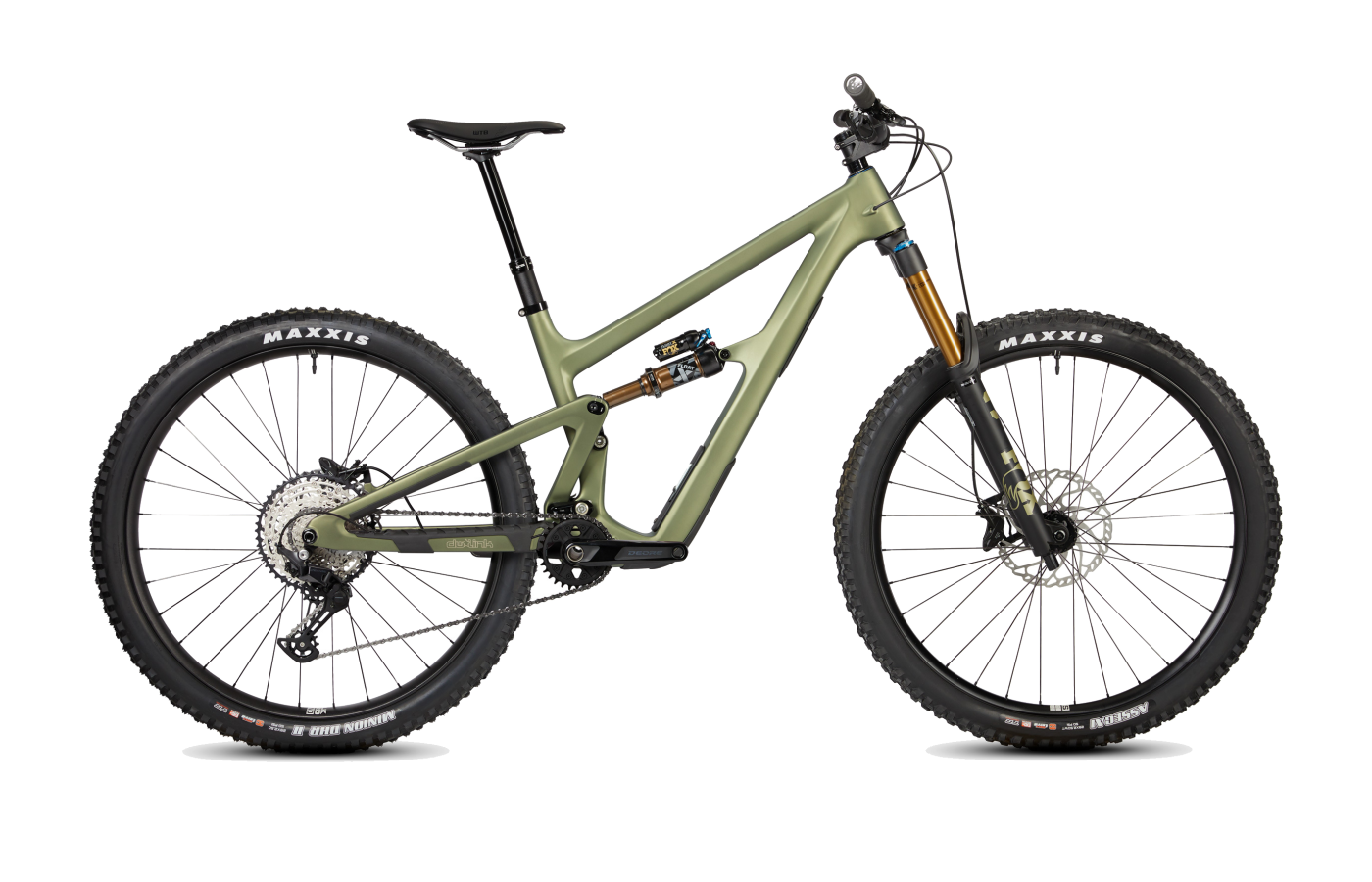
The Ripmo is the sporty middle ground between these two — more efficient pedaling than the Hightower and more cornering snap than the Stumpjumper, with DW-Link suspension that many reviewers still call the benchmark for all-around trail feel.
Compare →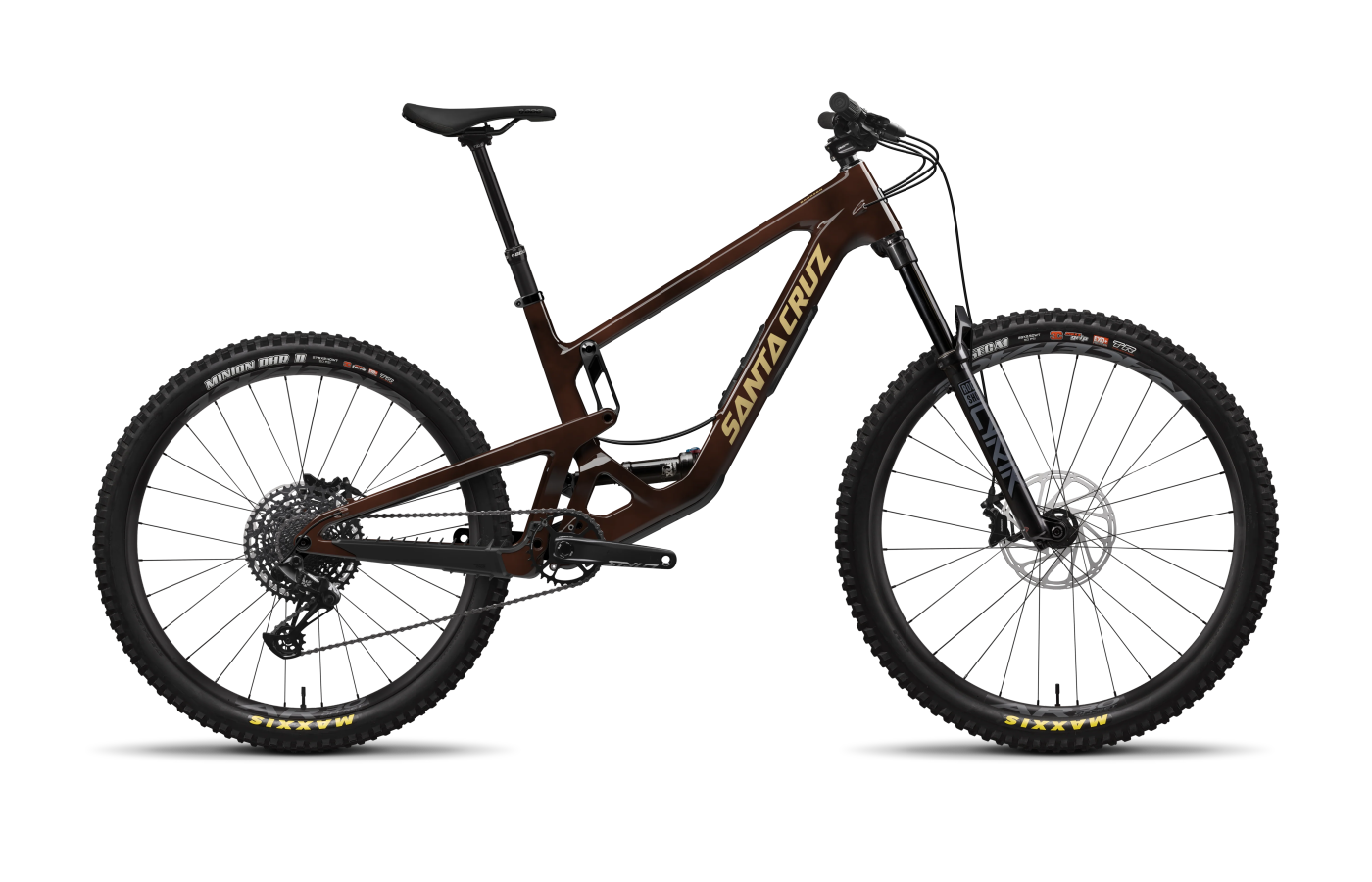
Bronson
If the Hightower feels like too much bike for your local trails, its mixed-wheel sibling keeps the refined VPP chassis and Glovebox but swaps in a playful, corner-slashing personality.
Compare →
Fuel EX
Trek's direct answer to the Stumpjumper's tunability story — massive adjustability and in-frame storage, but with a conventional shock if the GENIE's proprietary design makes you nervous.
Compare →