Hightower
vsStumpjumper Evo
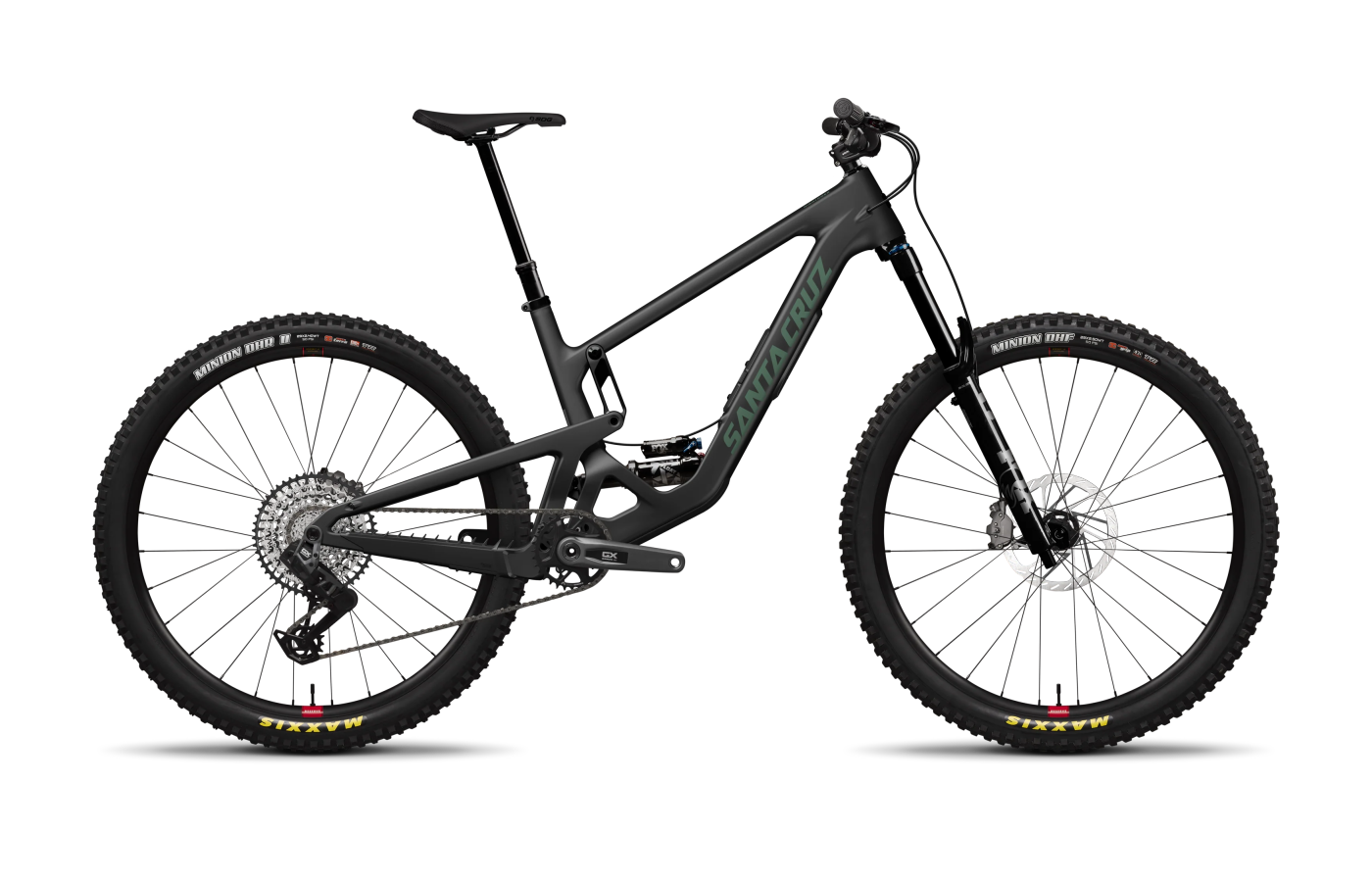
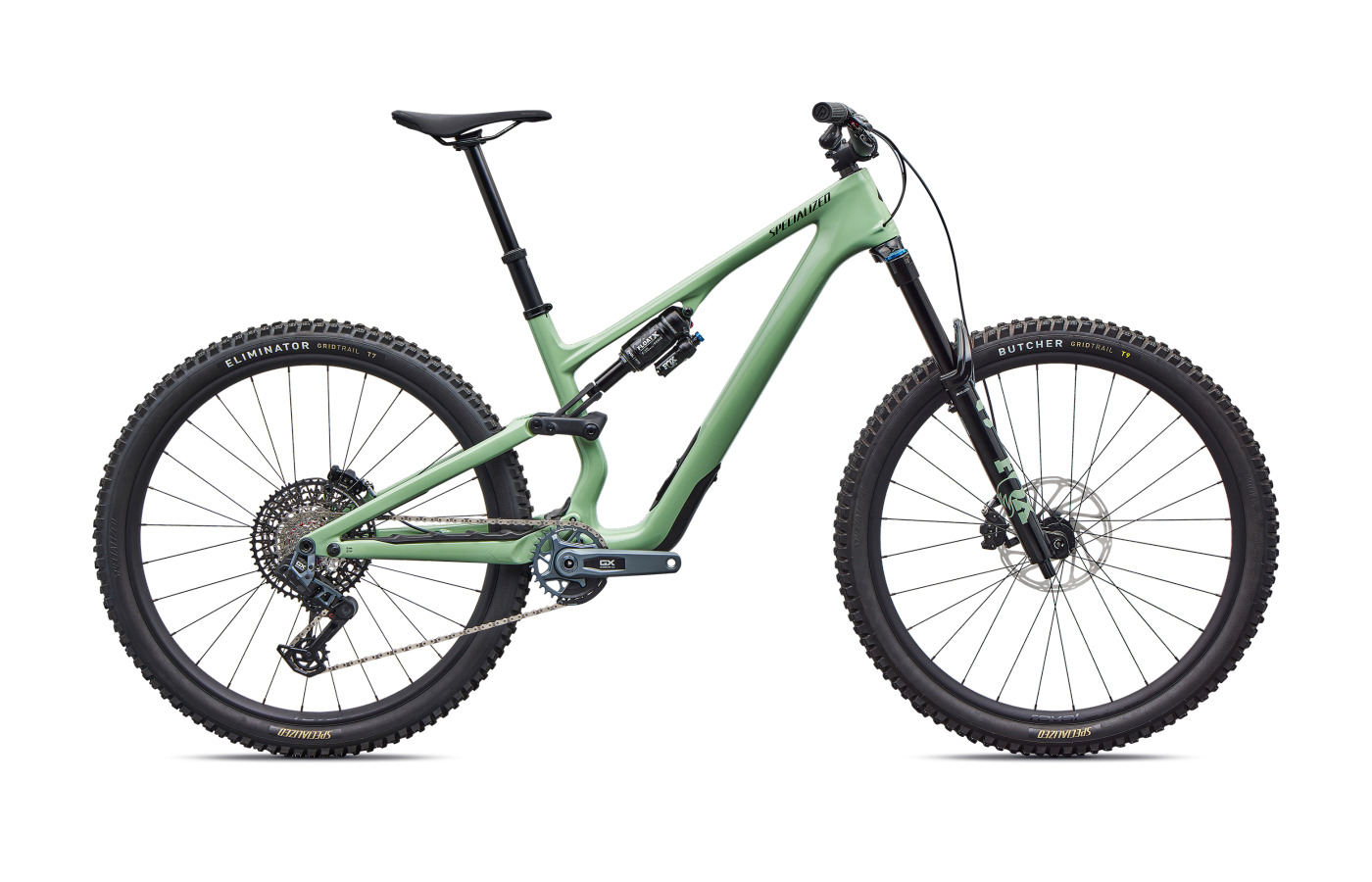
Two 29ers, two ways to ride trail.
The Hightower V4 is a stable sled built for full-throttle descents. The Stumpjumper 15 EVO is a tunable shape-shifter built for everything else.
Hightower
- High-speed composure — the slacker 63.9 degree HTA and 1237 mm wheelbase (M) make rough descents feel calm.
- Active rear end for technical climbing — the reduced anti-squat keeps the rear wheel glued on rooty grinds.
- Lifetime frame, bearing, and Reserve rim warranty — Santa Cruz's after-sale support is widely cited as best-in-class.
- Heavy for the travel and slow to accelerate from a standstill.
- Carbon CC frame is wireless-only — no cable ports for mechanical shifting.
Stumpjumper Evo
- Headset-cup adjustability — swing the head angle from 63 to 65.5 degrees to match the trail.
- GENIE shock delivers a coil-like first 70% then ramps hard to prevent bottom-outs.
- Wide build range — alloy starts at $3,999, more than $1k below the cheapest Hightower.
- Carbon frames are wireless-only; alloy keeps cable routing.
- Stock GRID TRAIL tire casings are widely flagged as too thin for hard riding.
Editor’s analysis
Same wheel size, same travel ballpark, completely different intent — one is a mini-enduro that erases mistakes, the other is a chameleon that rewards working the trail.
On paper these two land in the same 150mm-rear / 160mm-fork box. Both run dual 29" wheels, both have lifetime frame and bearing warranties, both have abandoned mechanical shifting on the top carbon frame. But the Hightower V4 and the Stumpjumper Evo were tuned for different riders, and you feel it inside the first descent.
The Hightower V4 is the more single-minded bike. Santa Cruz dropped the shock lower and forward to reduce anti-squat, slackened the head angle to 63.9 degrees in the low setting, stretched the wheelbase to 1237 mm in the medium, and ended up with what reviewers from Bebikes and Flow Mountain Bike call a 'mini-enduro' that 'remains calm when riding at speed through chunky terrain.' It's a planted bike that rewards aggressive pilots and a clear line of sight — and it can feel long and vague in slow tech.
The Specialized Stumpjumper picks the opposite strategy: extreme adjustability. Two flip-chip headset cups span the head angle from 63 to 65.5 degrees, the GENIE shock gives you a 70%-supple / 30%-progressive split that you can re-tune by adding bands, and S1–S2 sizes ship as mullets. Reviewers describe the same chassis as 'mile muncher' or 'bike-park-friendly ripper' depending on setup. The 145 mm of rear travel is shorter, but the tunability does most of the talking.
Put another way: the Specialized Stumpjumper is the bike you buy when you want one trail bike to handle every mood. The Santa Cruz Hightower is the bike you buy when your favorite trails are steep, fast, and rough — and you want a bike that already knows that.
Where the builds differ.
Comparing our editor's-pick builds side-by-side. Winners highlighted row-by-row — lower price and weight, and the better-spec component, each mark a point.
Build variants & pricing
The Hightower is carbon-only and starts at $4,999. The Stumpjumper 15 EVO has the cheaper entry point ($3,999 alloy) and the cheaper flagship.
Editor's picks are tier-matched at GX-AXS-equivalent / Performance Elite suspension. Note the Stumpjumper Expert offered here is the XT Di2 build at $6,199; an identically-priced GX AXS Expert build also exists if you prefer SRAM.
How they fit, how they steer.
Hightower M vs Stumpjumper S3 — the fit-picked sizes for a 5'8" rider on each. The Hightower runs a 460 mm reach against the Stumpjumper's 450 mm and sits 5 mm taller in the stack; head angles are nearly identical at the Stumpjumper's 64.5 degree mid-cup setting.
Which size should I buy?
Specialized uses S-sizing (S1–S6) and Santa Cruz uses traditional S–XXL — both ranges overlap closely, but Specialized opens up the small end with two sub-S3 frames.
→These are starting points. Flexibility, riding style, and preferred position all shift the answer — if you’re between sizes, a professional fit beats a chart.
What the magazines said.
Published reviews from trusted cycling outlets. Click through for the full write-up.
Which one should you buy?
If your home trails are steep, rough, and fast, get the Hightower. If you want one bike that re-shapes itself for any trail or any mood, get the Stumpjumper Evo.
Hightower
If you ride steep, technical, fall-line trails and treat your bike like a smaller enduro rig — this is the platform. The reduced-anti-squat VPP and the slack, long front end are tuned for full-throttle charging, not for popping side hits.
Stumpjumper Evo
If you want one bike that can be a mellow trail rig one weekend and a bike-park-ready ripper the next, the Stumpjumper Evo's adjustable headset, GENIE shock tuning, and mullet-capable rear end give you more dials to turn than anything in the segment.
Questions buyers actually ask.
Short answers to the things we get emailed about most often.
01Which bike has more travel?
The Santa Cruz Hightower has slightly more rear travel — 150 mm versus the Stumpjumper Evo's 145 mm. Both ship with a 160 mm fork on size M and up (the Stumpjumper drops to a 150 mm fork on size S1).
In practice, the 5 mm difference is less meaningful than the kinematic and shock differences. The Hightower's reduced anti-squat keeps the rear active under braking; the Stumpjumper's GENIE shock ramps progressively in the last 30% to fight bottom-outs. They feel different long before they feel like different travel numbers.
02Which is the better climber?
Mostly the Stumpjumper, but with caveats. Reviewers consistently described it as 'sprightly,' 'reactive,' and 'energetic' on smooth and rolling climbs, helped by lighter carbon builds (around 14.0–14.6 kg in mid-tier carbon trim) and the GENIE shock's two-position climb switch.
On rough, technical climbs the Hightower flips the script. Its lower-anti-squat VPP keeps the rear wheel glued to roots and rocks where the Stumpjumper can spin out if your pedal stroke isn't smooth. If your climbs are mostly fire road, the Stumpjumper. If they're loose, technical grinds, the Hightower.
03How adjustable is the geometry?
The Stumpjumper Evo is the more adjustable bike, by a wide margin. Two-position headset cups swing the head angle across roughly 63 to 65.5 degrees, and a chainstay flip-chip lets you steepen or slacken the bike inside a single frame.
The Hightower has a single flip-chip on the lower link that shifts the head angle between 63.9 and 64.2 degrees and raises the bottom bracket about 3 mm — useful, but a much narrower range than what the Stumpjumper offers.
04Can I run a mullet (mixed-wheel) setup?
Sort of. The Stumpjumper Evo ships with a mullet rear wheel on sizes S1 and S2 from the factory and supports a mullet conversion link on larger sizes. The Hightower is a 29er-only frame; Santa Cruz keeps mixed-wheel duties on the Bronson, which shares the front triangle.
If mullet is a priority, the Stumpjumper is the cleaner choice.
05Which has better internal storage?
Both have downtube storage, but they're executed differently.
Specialized SWAT 4.0 is the more refined of the two — universally praised for its weather sealing and rattle-free door, with room for a tube, tools, and a bar.
Santa Cruz Glovebox is also solid, with quality latches and internal pouches, but Bebikes flagged a 'limbo' zone where small loose items can slip past the upper shock bolts and rattle near the bottom bracket. Use the included pouches and it's a non-issue.
06How do the editor's-pick builds compare on cost?
We picked the Hightower GX AXS at $7,249 and the Stumpjumper 15 EVO Expert at $6,199 — both run Performance Elite suspension and equivalent SRAM Transmission tier (GX/XT Di2 on the Specialized side at the same price point).
The Stumpjumper sits about $1,050 below the Hightower at this tier, in line with the platform-wide pattern: Specialized prices below Santa Cruz at every spec level, and offers an alloy entry that Santa Cruz doesn't match at all.
07Can I run a coil shock on either?
Yes on both. The Hightower V4 is explicitly coil-compatible — Santa Cruz says the revised kinematic was tuned with coil in mind, and reviewers report it transforms the bike into a more enduro-leaning sled.
The Stumpjumper Evo uses a standard 210x55 mm shock mount, so swapping the GENIE for a coil is bolt-on, but the linear-ish kinematic was tuned around the GENIE's progression — going to coil works but you may need careful tuning to keep the bottom-out behavior in check.
08What about long-term support and warranty?
Both brands offer a lifetime frame warranty and lifetime pivot bearing replacement to the original owner. Santa Cruz also throws in a lifetime warranty on Reserve carbon rims, which is unusual in the industry. Specialized backs Roval carbon wheels with their own lifetime wheel warranty.
In practice, both companies have well-established crash-replacement programs and global dealer support — neither is a long-term liability.
Similar bikes
If your priorities don’t map cleanly onto either of these, one of these adjacent bikes probably fits better.
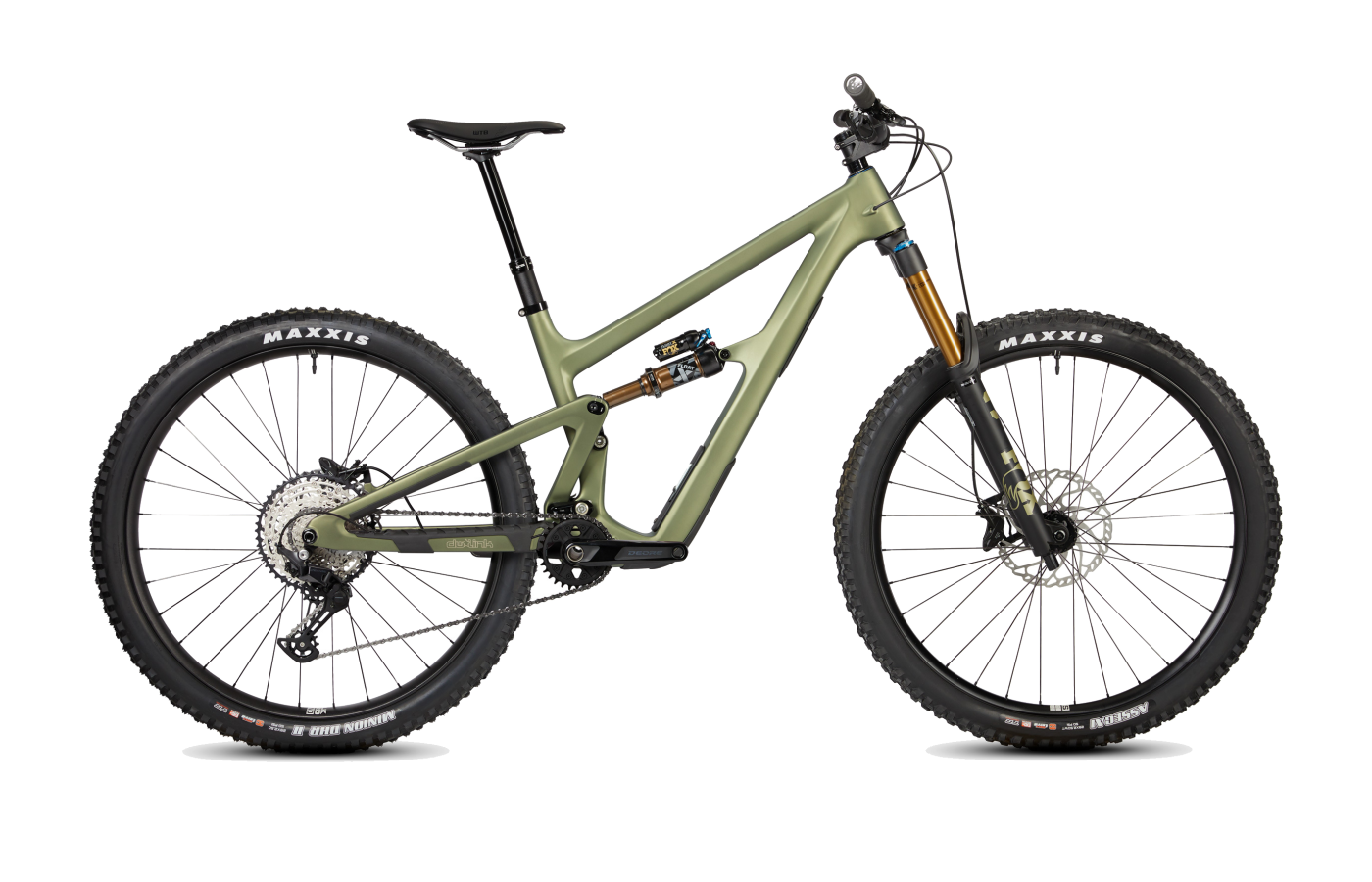
Ripmo
The Ibis Ripmo splits the difference — DW-link suspension delivers more pedaling pop than the Hightower's active rear without giving up much descending composure. The pick if you want one bike for big alpine days.
Compare →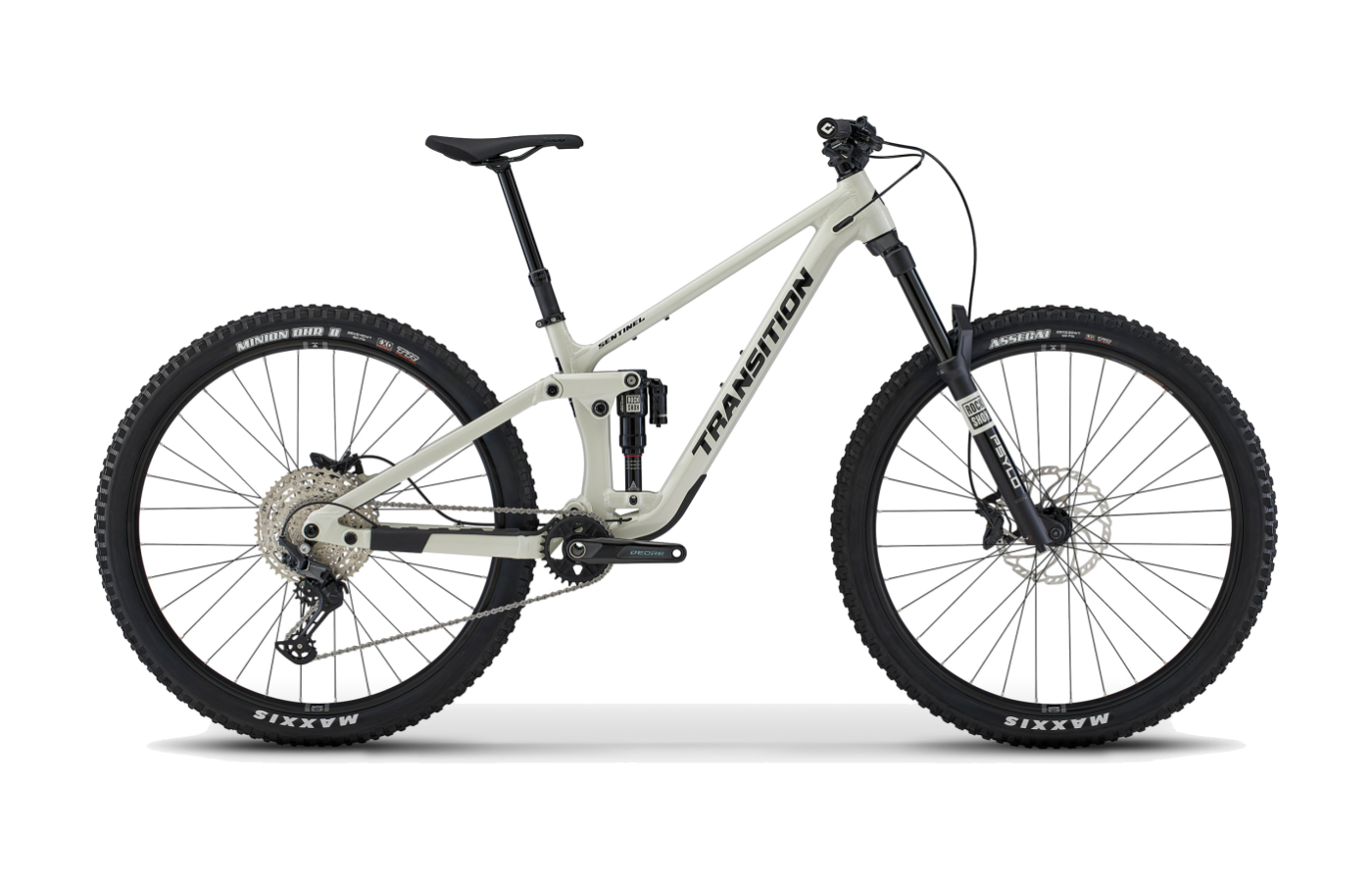
Sentinel
Transition's dual-29er Sentinel is the closest stylistic rival to the Hightower V4 — long, slack, charge-oriented. Skips integrated frame storage that both the Specialized and Santa Cruz ship with.
Compare →
Fuel EX
Trek's Fuel EX matches the Stumpjumper's adjustability story (Mino link, two headset cup positions, plus a flip-chip in the seatstay) at typically lower money. Worth a look if the Specialized's wireless-only carbon frame is a deal-breaker.
Compare →