Hightower
vsTallboy
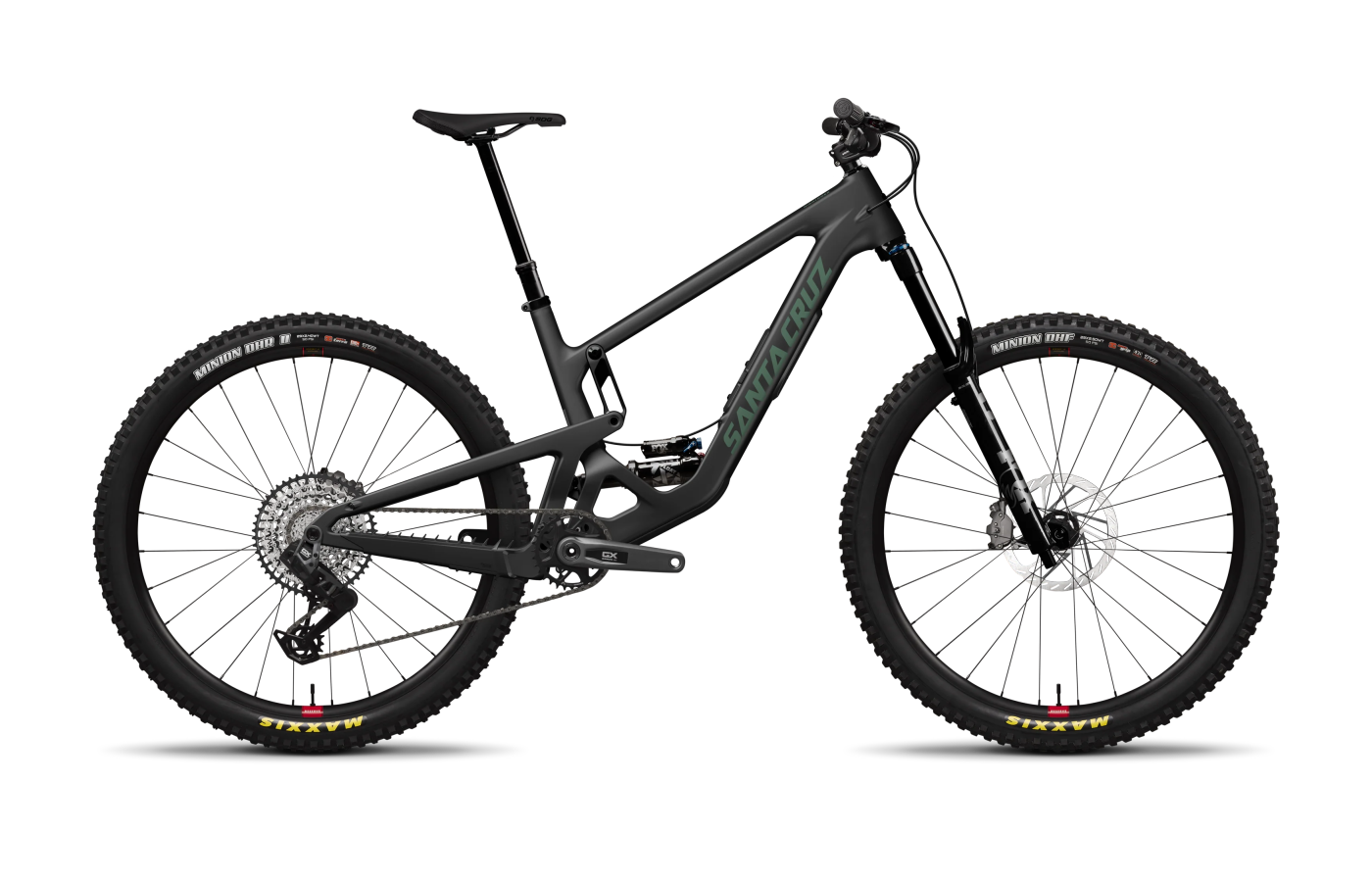
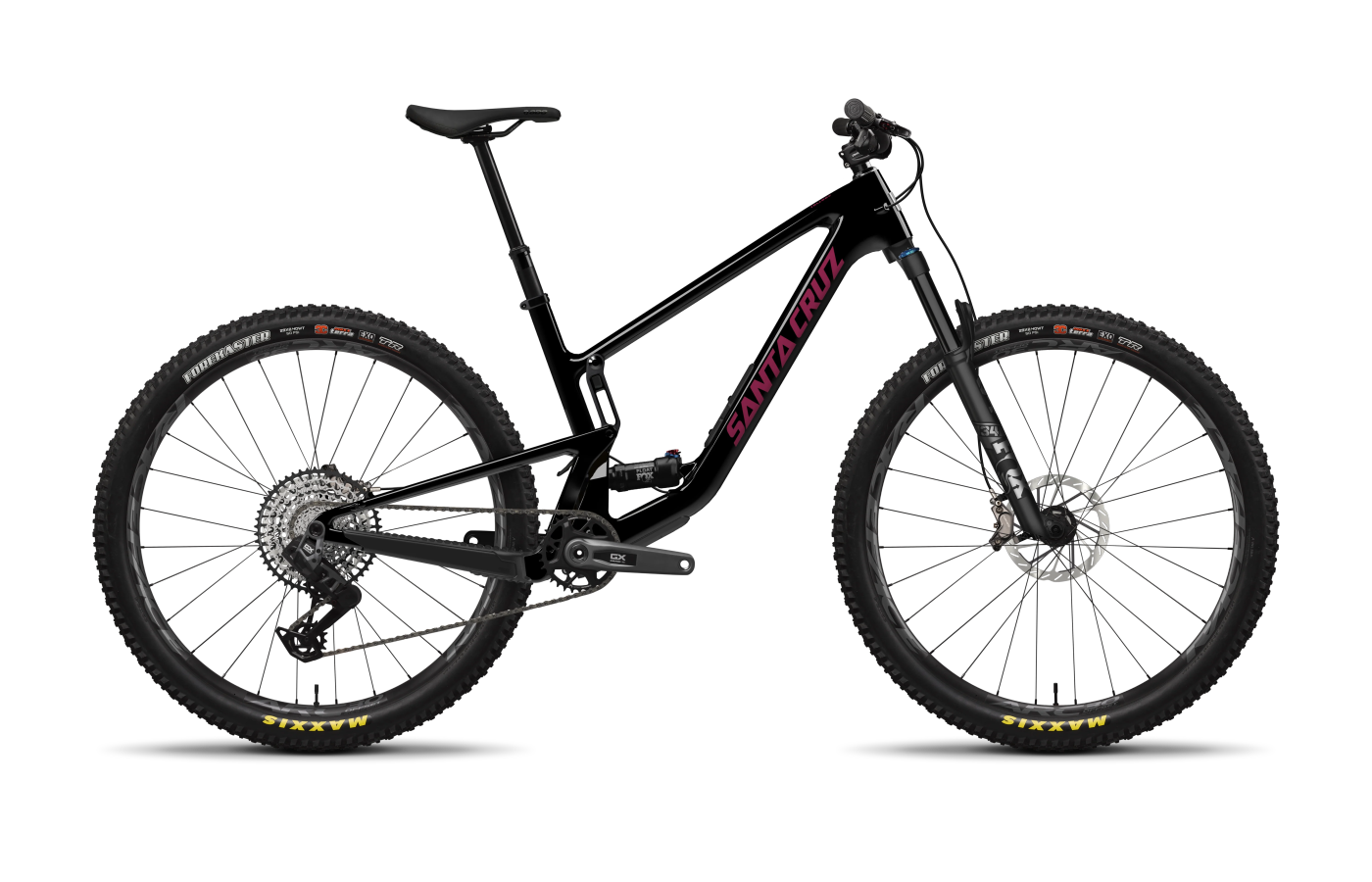
One brand, two diverging philosophies.
The Hightower V4 has grown into a 150/160 mm mini-enduro bruiser. The Tallboy V5 stays the 120/130 mm 'downhiller's XC bike' — and the gap between them has never been wider.
Hightower
- High-speed composure — 64.2 degree HTA and 1237 mm wheelbase (Medium) make rough descents feel calm.
- Active, plush suspension — retuned VPP with lower anti-squat mutes chatter better than most 150 mm rivals.
- Coil-shock compatible — frame is now ready for a coil swap if you want to push it further toward enduro.
- Around 14.8 kg in GX AXS trim — slow to accelerate compared to the Tallboy.
- Tall front end (632 mm stack on Medium) can feel 'wandery' on steep, slow climbs unless you drop the stem.
Tallboy
- Snappy on rolling terrain — roughly 13.7 kg in GX AXS trim and a supportive mid-stroke that 'slingshots' out of corners.
- Punches above 120 mm — 65.7 degree HTA is slack for a short-travel 29er, holding lines most XC bikes can't.
- Climbs efficiently — steeper 76.7-degree seat angle (Medium) and supportive shock keep pedal bob in check.
- Stock SRAM Level brakes are the most-cited weak point — most reviewers recommend an upgrade.
- Out of its depth on truly steep, high-speed chunk where 30 mm more travel would matter.
Editor’s analysis
This isn't trail-bike vs. trail-bike anymore — Santa Cruz pushed the Hightower up a category, leaving the Tallboy as the brand's last true do-it-all 29er.
On paper the Santa Cruz Hightower and Santa Cruz Tallboy look like obvious siblings: same lower-link VPP, same Glovebox internal storage, same C/CC carbon hierarchy, same lifetime frame-and-bearings warranty. Spend an hour reading reviews and the family resemblance evaporates. The Hightower V4 grew 5 mm of rear travel and a stiffer 36 fork; the Tallboy V5 stayed put with 120 mm and a 34. That delta — plus a 1.5-degree head-angle gap — sends them down completely different trails.
The Hightower is now what reviewers almost universally call a 'mini-enduro' bike. 150 mm rear, 160 mm fork, 64.2 degree HTA, 1237 mm wheelbase on a Medium, 632 mm stack. Flow Mountain Bike calls it 'a full-throttle bruiser for the rough stuff'; Bebikes calls it 'the descender's MTB.' Suspension was retuned with lower anti-squat to stay active and 'plush' through chatter. The trade is what you'd expect — heavier (around 14.8 kg in GX AXS trim), slower to accelerate, and prone to feeling 'vague' in tight switchbacks.
The Tallboy is the opposite philosophy executed just as cleanly. 120 mm out back, 130 mm fork, 65.7-degree HTA, and a chassis Bike Perfect calls 'rock-solid.' At roughly 13.7 kg in the same GX AXS build, it's a kilo lighter than the Hightower and reviewers consistently describe it as a 'rocket ship' on rolling and pedally terrain. Santa Cruz markets it as 'the downhiller's XC bike,' and the geometry backs that up — slacker than most 120 mm bikes, but never confused for an enduro sled.
Put another way: the Hightower is the bike you buy when your rides start with a chairlift or a shuttle and end with rock gardens. The Tallboy is the bike you buy when most of your day is pedaling, you'd rather slingshot out of a berm than plow through it, and you still want to hooligan the descents on the way home.
Where the builds differ.
Comparing our editor's-pick builds side-by-side. Winners highlighted row-by-row — lower price and weight, and the better-spec component, each mark a point.
Build variants & pricing
Both lineups span roughly $5k to $11.4k. The GX AXS builds we picked sit at almost identical prices — the cleanest apples-to-apples comparison the catalog allows.
Prices are current US MSRP. The CC frames on both bikes are wireless-only; if you want a mechanical drivetrain, you'll have to step down to a C-frame build.
How they fit, how they steer.
Both at size M — the fit-picked size for a 5'8" rider on each bike. The Hightower runs a 1.5-degree slacker head angle, 38 mm longer wheelbase, and 13 mm taller stack; the Tallboy is 5 mm longer in reach and 3 mm shorter in chainstay.
Which size should I buy?
Size recommendations based on stack, reach, and effective top tube. The Tallboy adds an XS at the small end; otherwise the size ranges line up closely.
→These are starting points. Flexibility, riding style, and preferred position all shift the answer — if you’re between sizes, a professional fit beats a chart.
What the magazines said.
Published reviews from trusted cycling outlets. Click through for the full write-up.
Which one should you buy?
If your rides end with chunky descents you want to plow, get the Hightower. If most of your day is pedaling and you'd rather pump than plow, get the Tallboy.
Hightower
If your local trails are steep, rocky, and demand high-speed composure — and you don't mind hauling a bit more bike up the hill — the Hightower V4 is the more capable tool. It's the closest thing in the lineup to a 'one bike for everything rowdy' without going full enduro.
Tallboy
If your typical loop has more pedaling than plummeting, and you value a bike that 'slingshots' out of corners over one that absorbs everything, the Tallboy V5 is hard to beat. It's the lighter, snappier, more efficient choice — and still slack enough to handle the descents most riders actually session.
Questions buyers actually ask.
Short answers to the things we get emailed about most often.
01How much travel does each one have?
Hightower V4: 150 mm rear / 160 mm fork. The fork is a FOX 36 across the lineup.
Tallboy V5: 120 mm rear / 130 mm fork. The fork is a FOX 34.
That 30 mm rear / 30 mm front gap is the single biggest difference between the two bikes — everything else (geometry, weight, intended use) flows from it.
02Which one climbs better?
The Tallboy, and it isn't particularly close on smooth or rolling climbs. In comparable GX AXS trim it's roughly a kilogram lighter (about 13.7 kg vs. 14.8 kg) and reviewers consistently call it 'snappy' and 'punchy' under power.
On very steep, technical, traction-limited climbs the gap narrows — the Hightower's more active suspension and steeper effective seat angle (77.9 degrees on a Medium vs. 76.7 on the Tallboy) keep the rear wheel hooked up where the Tallboy's stiffer chassis can spin out.
03Which one descends better?
The Hightower, by a clear margin once the trail gets rough. The 1.5-degree slacker head angle, 38 mm longer wheelbase (Medium), and 30 mm more rear travel all push it into territory the Tallboy was never designed for.
That said, on flowy blue and mellow black trails — the kind most riders actually session — the Tallboy holds its own. Reviewers describe it as 'planted' and 'composed' for a 120 mm bike, and on pumpable terrain it can actually be faster because it carries momentum better.
04What are the geometry differences at size M?
Hightower M: 460 mm reach, 632 mm stack, 64.2 degree HTA, 1237 mm wheelbase, 436 mm chainstay, 77.9 degree seat angle.
Tallboy M: 455 mm reach, 619 mm stack, 65.7 degree HTA, 1199 mm wheelbase, 433 mm chainstay, 76.7 degree seat angle.
The Hightower is slacker, longer, and taller; the Tallboy is more compact and steeper. Both run a flip chip that nudges these numbers slightly in either direction.
05Can I run a coil shock on either?
Hightower V4: yes — Santa Cruz redesigned the suspension with reduced anti-squat partly to make it coil-friendly. It's a popular swap for riders who want to push it further toward enduro.
Tallboy V5: not officially recommended. The leverage curve and shorter stroke aren't designed for a coil, and most reviewers don't mention it as a viable mod.
06Which has the better stock spec for the price?
Both lineups draw the same 'Santa Cruz tax' criticism — reviewers from PinkBike, Bike-test, and The Loam Wolf all flag that you can get more parts-per-dollar from direct-to-consumer brands like Canyon or YT.
Within each lineup the GX AXS build is widely cited as the value sweet spot — wireless drivetrain, FOX Performance Elite suspension, lifetime-warrantied Reserve carbon wheels (on the RSV variants), and a price that lands in the same ballpark for both bikes ($7,249 Hightower / $7,149 Tallboy).
07What's the deal with the C vs. CC frames?
Both bikes offer two carbon grades. The CC frame is roughly 200–300 g lighter and is wireless-only — no internal cable routing for mechanical drivetrains. The C frame is slightly heavier but retains cable routing, so it's compatible with mechanical SRAM or Shimano builds.
Ride quality between the two is reportedly indistinguishable. The C frame is the better value if you don't need wireless or the absolute lowest weight.
08What warranty do they come with?
Both come with Santa Cruz's industry-leading support: lifetime warranty on the frame and pivot bearings, plus lifetime warranty on the Reserve carbon rims (on builds equipped with them). Bearings are replaced free for life.
This 'bearings for life' policy is one of the most-cited justifications for the high MSRP across both platforms — for a rider keeping a bike five-plus years, it materially offsets the upfront cost.
Similar bikes
If your priorities don’t map cleanly onto either of these, one of these adjacent bikes probably fits better.
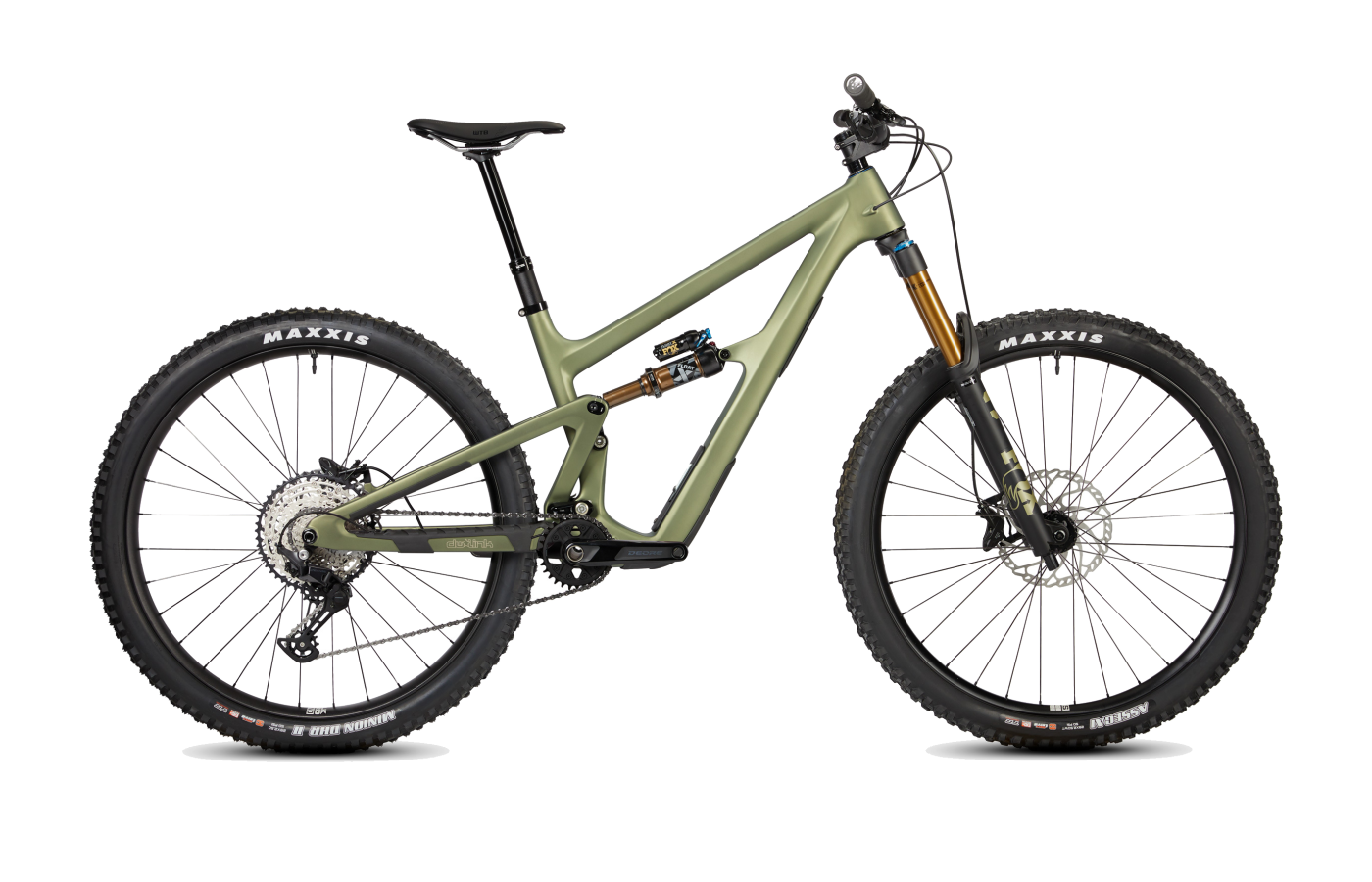
Ripmo
The closest cross-shop to the Hightower — similar travel and descending confidence, but reviewers consistently rate it the more efficient technical climber. If the Hightower's weight is the dealbreaker, this is the first bike to test.
Compare →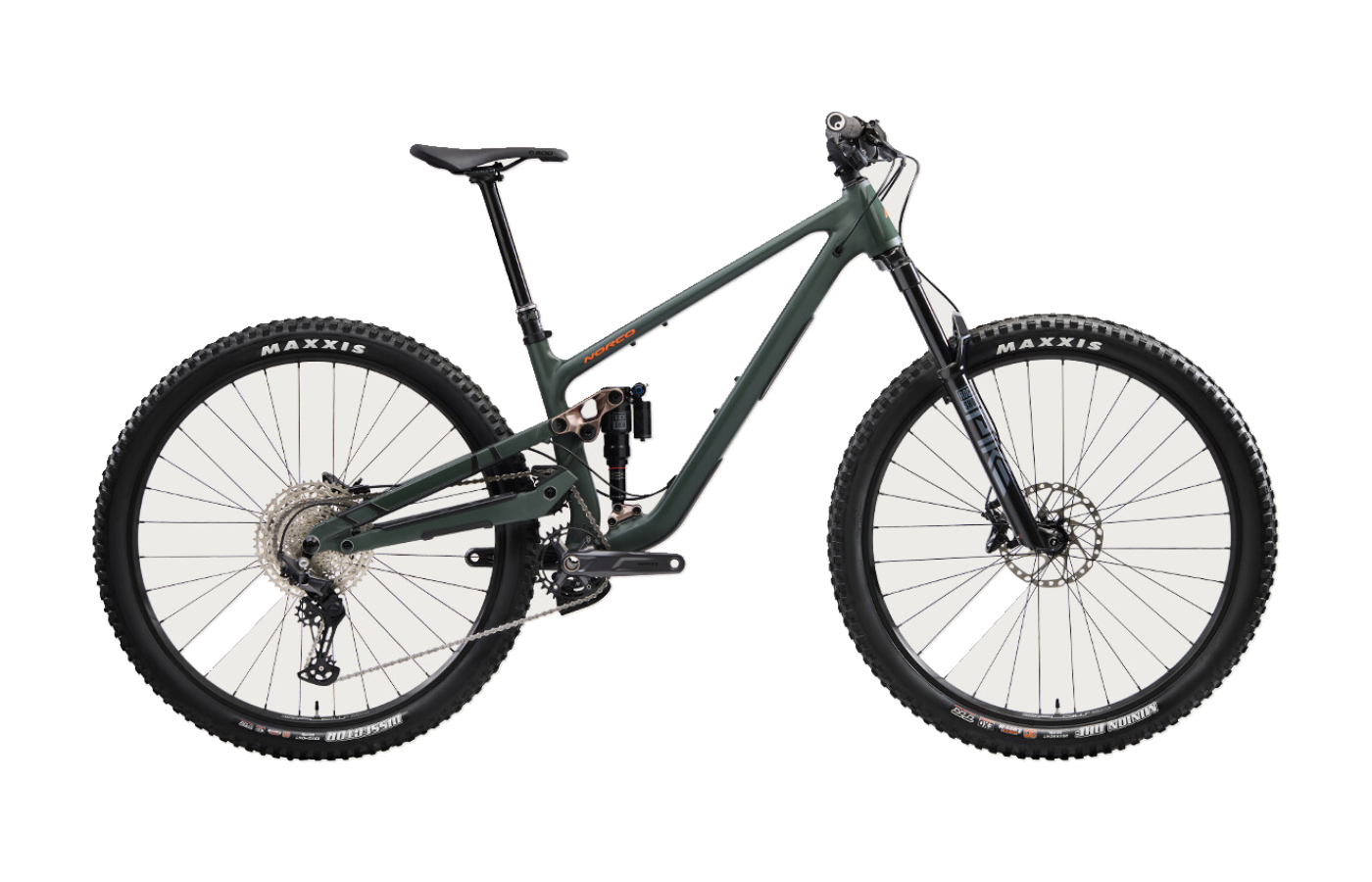
Optic
Like the Tallboy, a short-travel 29er that punches above its category — but uses a high-pivot layout to swallow square-edge hits more gracefully. Worth a look if you want Tallboy-style efficiency with a touch more descending margin.
Compare →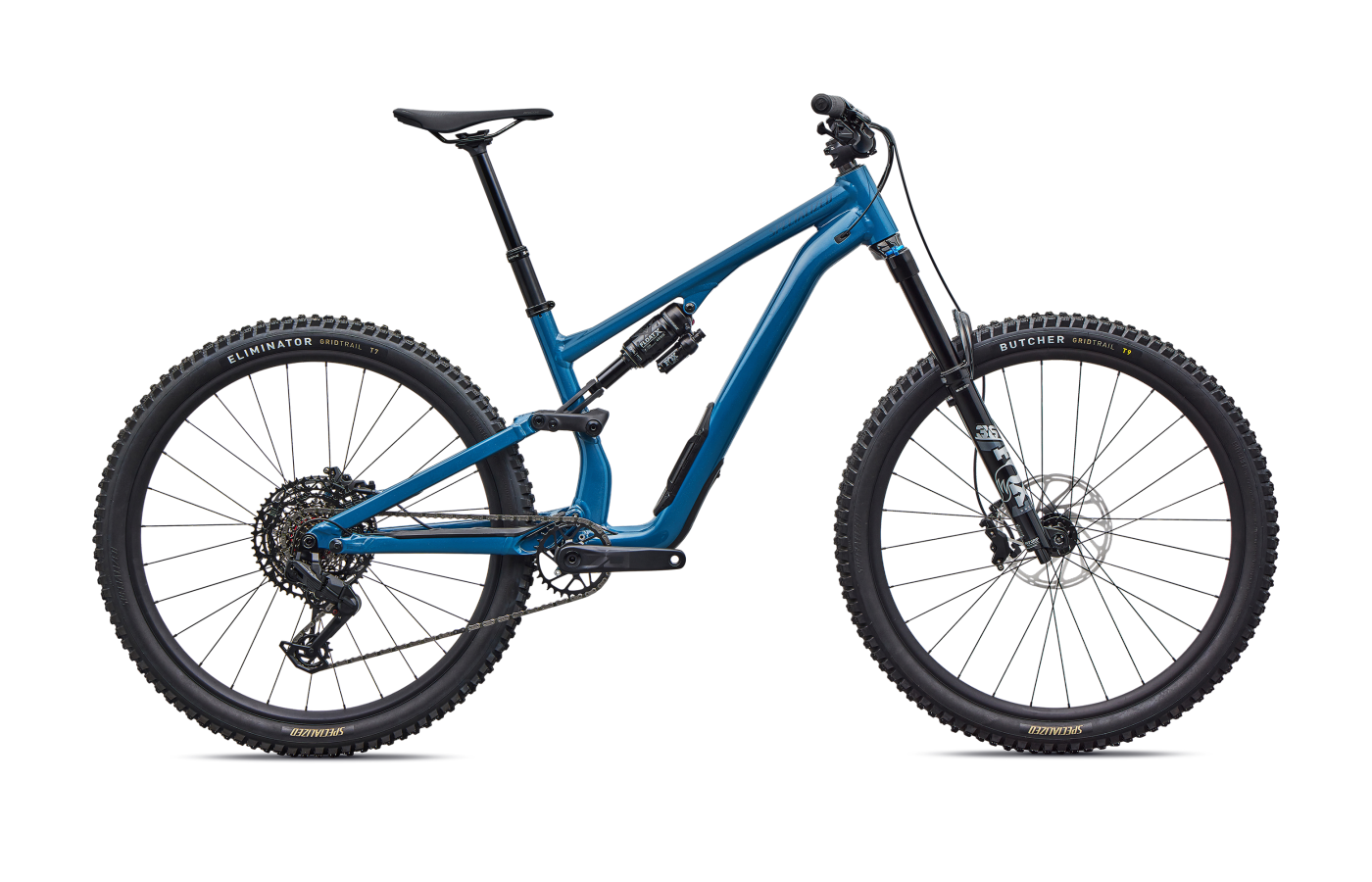
Stumpjumper Evo
Adjustable head cups and flip chips let you tune the Stumpjumper Evo across a wider range of geometry settings than either Santa Cruz. The right call if you ride wildly different terrain on different weekends.
Compare →