Hightower
vsSB140
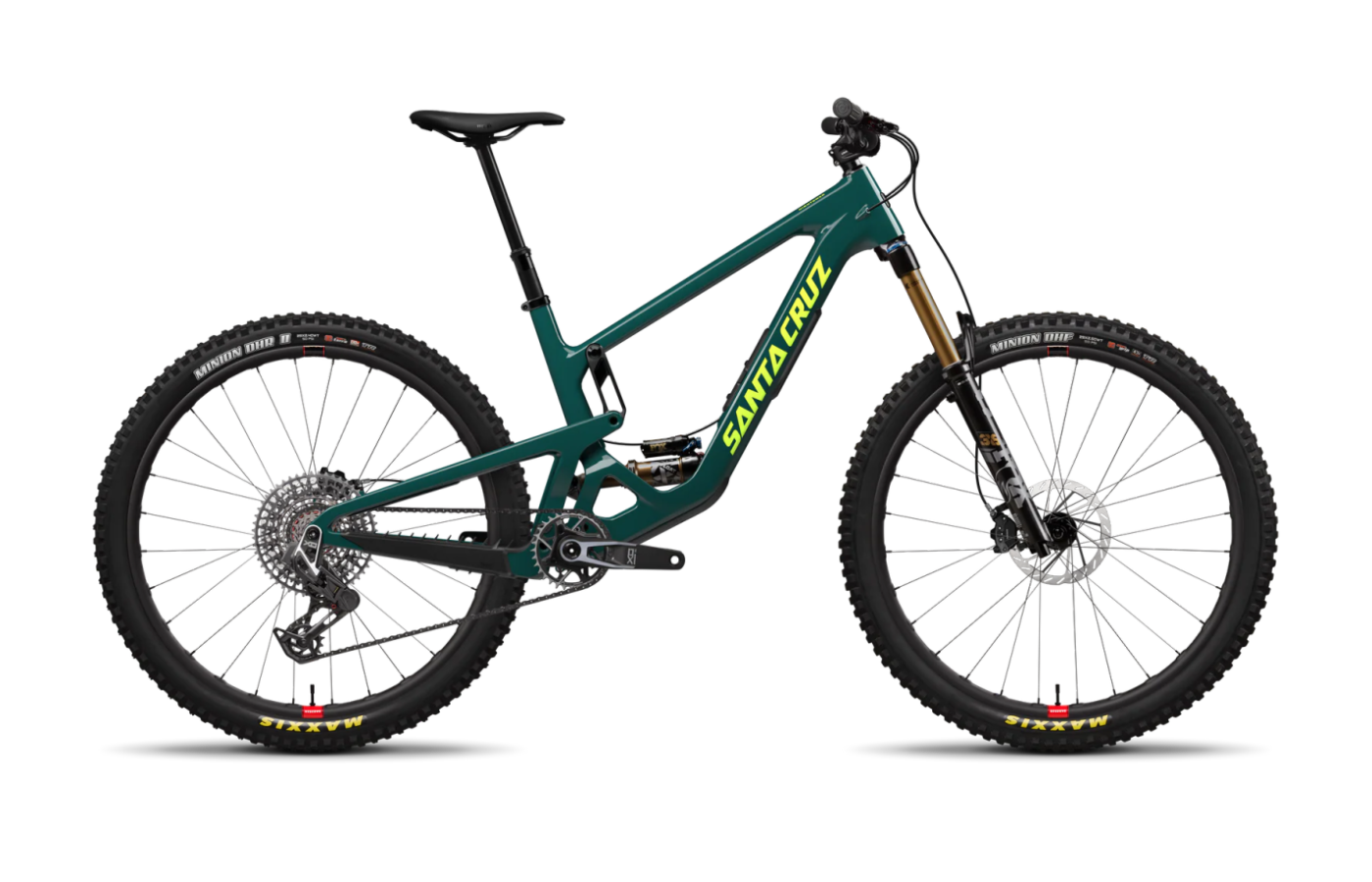
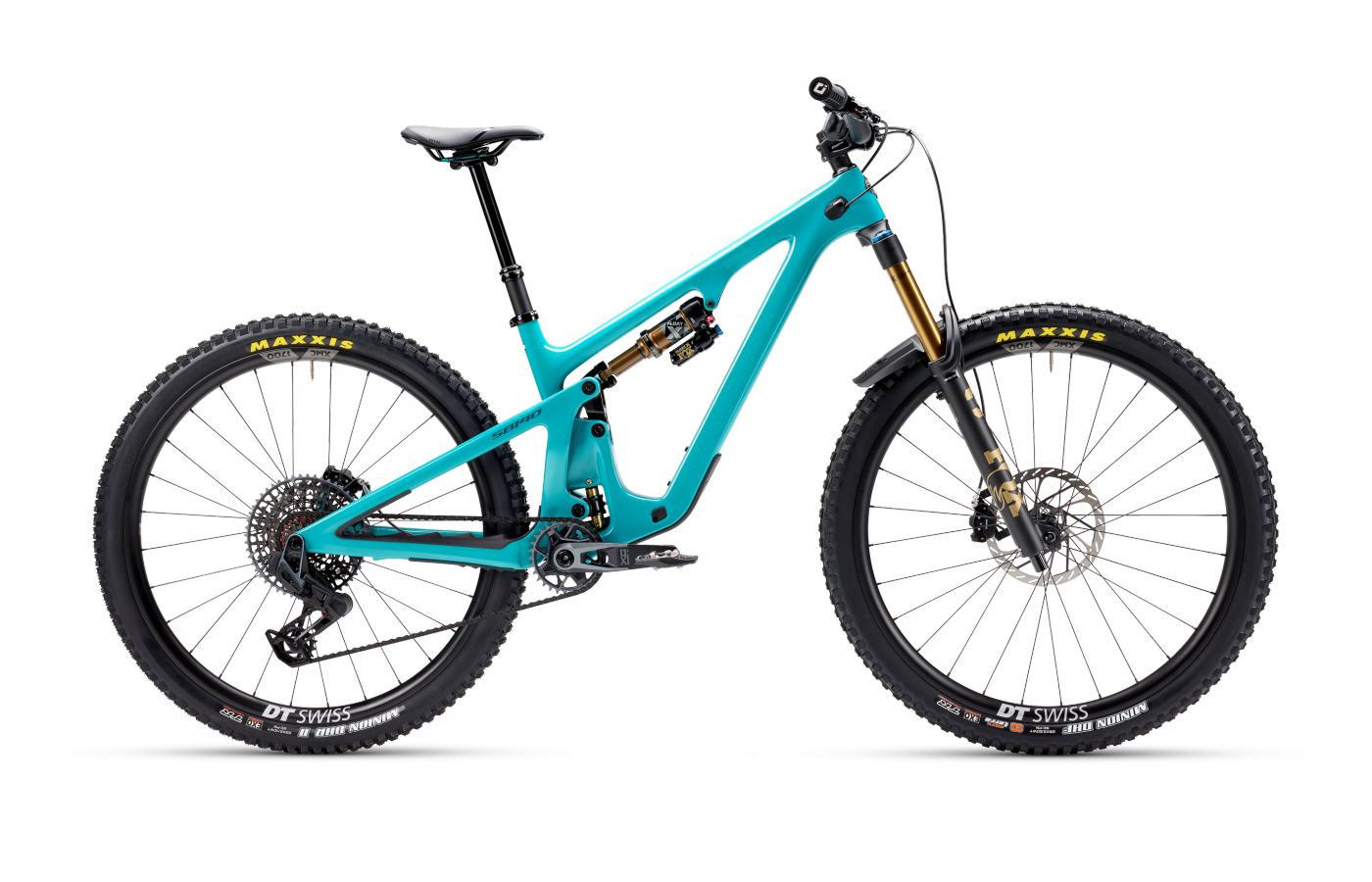
Two 29ers, two trail-bike philosophies.
The Hightower V4 is a mini-enduro sled that mutes the trail. The SB140 is a surgical scalpel that rewards an active rider.
Hightower
- High-speed stability — 1237 mm wheelbase and 63.9 head angle straight-line through chatter that smaller bikes have to dodge.
- Active, plush rear end — the revised low-anti-squat VPP layout mutes chatter better than almost anything in the 150 mm category.
- Glovebox internal storage and lifetime warranty on the frame, bearings, and Reserve rims.
- Cumbersome and long in tight, slow-speed switchbacks — needs a rider willing to muscle it.
- CC frames are wireless-only; if you want mechanical shifting you're forced onto the heavier C frame.
SB140
- Class-leading pedaling platform — the Switch Infinity link delivers the firmest, most efficient pedaling feel in the segment.
- Sharper, livelier handling — a 65 head angle and shorter 1221 mm wheelbase make it easy to flick and pump for speed.
- Refined, freakishly quiet chassis — TURQ carbon, internal cable tunnels, threaded BB, and size-specific layups.
- No internal frame storage and no flip-chip — feels a generation behind the Hightower on convenience features.
- Often spec'd with alloy DT Swiss XM1700 wheels even at $9k+; spec-per-dollar is not the point.
Editor’s analysis
This isn't a question of better — it's a question of whether you'd rather charge through chaos or carve through it.
On paper, both bikes live in the 140-150 mm trail bracket and ship with a 160 mm Fox 36 up front. Both are carbon, both run dual 29ers, both come with Maxxis Minion DHF/DHR tires, and both are priced like boutique items. Spend ten minutes on the geometry chart and the two start to look like opposites.
The Santa Cruz Hightower is the heavier, longer, slacker animal. 150 mm rear travel, a 63.9-64.2 head tube angle, a 1237 mm wheelbase in size M, and a tall 632 mm stack. Santa Cruz openly aimed it at the descender — reviewers across Bebikes, Flow Mountain Bike, and Blister called it a mini-enduro that mutes high-speed chatter and forgives mid-corner mistakes. The trade is low-speed agility: it asks to be manhandled in tight switchbacks.
The Yeti SB140 picks a sharper line. 140 mm rear, a steeper 65 head angle, and a noticeably lower 619.8 mm stack at size M — 12 mm under the Hightower. The Switch Infinity linkage gives it a firm pedaling platform that reviewers from MBR, OutdoorGearLab, and Awesome MTB universally describe as one of the best-pedaling trail bikes on sale. It is not the bike that erases your mistakes. It is the bike that rewards an active rider for being one.
Put it this way: the Hightower is what you buy when your weekends are about high-speed descents on rough, fall-line trails. The SB140 is what you buy when you want a bike that climbs like it has 120 mm of travel and descends like it has 150 mm — provided you're willing to ride it like one.
Where the builds differ.
Comparing our editor's-pick builds side-by-side. Winners highlighted row-by-row — lower price and weight, and the better-spec component, each mark a point.
Build variants & pricing
Both ranges sit in boutique territory. The Hightower starts cheaper and stretches further at both ends; the SB140 floor is $1,200 higher.
Prices are current US MSRP. The X0 AXS RSV and T3 X0 AXS Transmission are tier-matched at SRAM X0 AXS Transmission and within $50 of each other — the cleanest apples-to-apples for this comparison. Both are top-grade carbon (Santa Cruz CC, Yeti TURQ).
How they fit, how they steer.
Both at size M — fit-picked for a 5'8" rider on each bike. Reaches are nearly identical (460 vs 459.7 mm), but the Hightower stack sits 12 mm taller (632 vs 619.8 mm) and the head tube angle is 0.8 slacker. The Yeti is the more weight-forward cockpit by design.
Which size should I buy?
Both ranges run S to XXL with closely overlapping reach numbers; the Hightower trends slightly taller in stack at every size.
→These are starting points. Flexibility, riding style, and preferred position all shift the answer — if you’re between sizes, a professional fit beats a chart.
What the magazines said.
Published reviews from trusted cycling outlets. Click through for the full write-up.
Which one should you buy?
If you want a forgiving high-speed sled that erases mistakes, get the Hightower. If you want a sharp, efficient bike that rewards rider input, get the SB140.
Hightower
If your weekends look like steep chutes, fall-line rock gardens, and bike park laps — and you'd rather sit and grind up the climbs than sprint them — the Hightower V4 is the right tool. The taller front end and longer wheelbase forgive mistakes that would punish a sharper bike.
SB140
If you treat trail riding as a precision game — pumping rollers, popping off side hits, and racing your friends up the technical climb — the SB140 will reward every input. It's the bike that makes you feel faster and more skilled than you are, provided you're willing to stay engaged.
Questions buyers actually ask.
Short answers to the things we get emailed about most often.
01Which is the better climber?
The Yeti SB140, by a clear margin. The Switch Infinity linkage delivers what reviewers across MBR, OutdoorGearLab, and Awesome MTB call one of the most efficient pedaling platforms in the mid-travel category — it stays firm under power without needing the lockout. Yeti's 77 effective seat tube angle puts you in a strong, neutral pedaling position.
The Hightower V4 isn't a slouch — its 77.9-78.2 seat tube angle is steeper, and reviewers praise its technical climbing traction. But Santa Cruz deliberately reduced anti-squat in this generation, so the rear end stays active under pedaling load. It's a grinder, not a sprinter, and Bebikes scored it slightly below average on snappy acceleration.
02Which is the better descender?
The Santa Cruz Hightower V4. With 150 mm rear and 160 mm front travel, a 63.9-64.2 head tube angle, and a 1237 mm wheelbase at size M, it's geometrically closer to a 150 mm enduro bike than a trail bike. Reviewers consistently describe it as 'planted,' 'unphased,' and best-in-class for high-speed stability and chunky, fall-line terrain.
The SB140 holds its own on flow trails and moderate technical sections — its 14% progression rate gives the 140 mm of travel a 'bottomless' feel — but multiple reviewers note that the 65 head angle and lower stack reach a 'capability threshold' in true gnar that the Hightower never seems to find.
03How much travel does each bike have?
Hightower V4: 150 mm rear / 160 mm front — bumped up from 145/150 on the V3 as part of the mini-enduro repositioning.
SB140 (29): 140 mm rear / 160 mm front in the Lunch Ride builds spec'd here. Yeti also offers the 'standard' SB140 with a 150 mm fork; all of the current TURQ and C-series complete builds in this generation come with the 160 mm Fox 36.
04Which has better internal storage and frame features?
The Hightower wins here, easily. Santa Cruz includes its 'Glovebox' down-tube storage on every carbon frame — reviewers from PinkBike to Flow Mountain Bike call it one of the best-executed systems on the market, with high-quality latches and rattle-free internal pouches. The frame also has a flip-chip for two geometry settings.
Yeti has no internal storage and no flip-chip on the SB140. OutdoorGearLab and Enduro MTB both flag this as a generational gap — the SB140 frame is suspension-design state-of-the-art but feels behind on convenience features.
05How do the spec sheets compare at $9k?
At the editor's-pick tier (X0 AXS Transmission on both): the Hightower X0 AXS RSV ($9,349) ships with Reserve 30|HD carbon wheels on Industry Nine 1/1 hubs and a Fox 36 Factory GRIP X2 fork. The Yeti T3 X0 AXS Transmission ($9,300) ships with DT Swiss XMC1700 carbon wheels and the same Fox 36 Factory GRIP X2.
Both get carbon hoops at this price, but Santa Cruz pairs them with a more aggressive tire spec implication via the Reserve HD rims. Multiple reviewers consistently flag that lower-tier SB140 builds (T1 / T2) drop to alloy XM1700 wheels even at $8k+, where the equivalent Hightower builds keep carbon.
06Which suspension system needs more maintenance?
The Yeti's Switch Infinity is more demanding. It's a translating-pivot system riding on Kashima-coated stanchions; the V2 update added improved seals and a grease port, but MBR notes it 'needs a little more looking after than some designs,' and The Loam Wolf flagged durability concerns in 'sloppy winter conditions.' Plan on regular grease-port maintenance.
Santa Cruz's VPP is a more conventional dual-link layout. The collet pivots are user-serviceable with a grease injection port, and the lifetime bearing replacement program means you're never paying for new pivot bearings. It's the easier system to live with.
07What about warranty and long-term ownership?
Both come with a lifetime frame warranty to the original owner. Santa Cruz also includes a lifetime bearing replacement program and a lifetime warranty on Reserve carbon rims, which is genuinely unusual in the industry. Yeti's frame and Switch Infinity link are covered for life but you're on your own for bearings.
Reviewers across both brands consistently cite the warranty programs as a meaningful offset to the high entry price — both bikes are designed to be owned for many seasons.
08Which one is better for a 5'8" rider?
Both bikes fit-pick to a size M for a 5'8" rider. Reaches are essentially identical (460 mm Hightower, 459.7 mm SB140), so cockpit length is a wash. The bigger difference is stack: the Hightower sits 12 mm taller at this size (632 vs 619.8 mm), giving a more upright position out of the box.
If you prefer an aggressive, weight-forward stance, the SB140 is closer to ideal. If you want the front end up to handle steep descents or you'd otherwise add bar rise and spacers, the Hightower is already there. Multiple SB140 reviewers do recommend a higher-rise bar swap.
Similar bikes
If your priorities don’t map cleanly onto either of these, one of these adjacent bikes probably fits better.
Ripmo
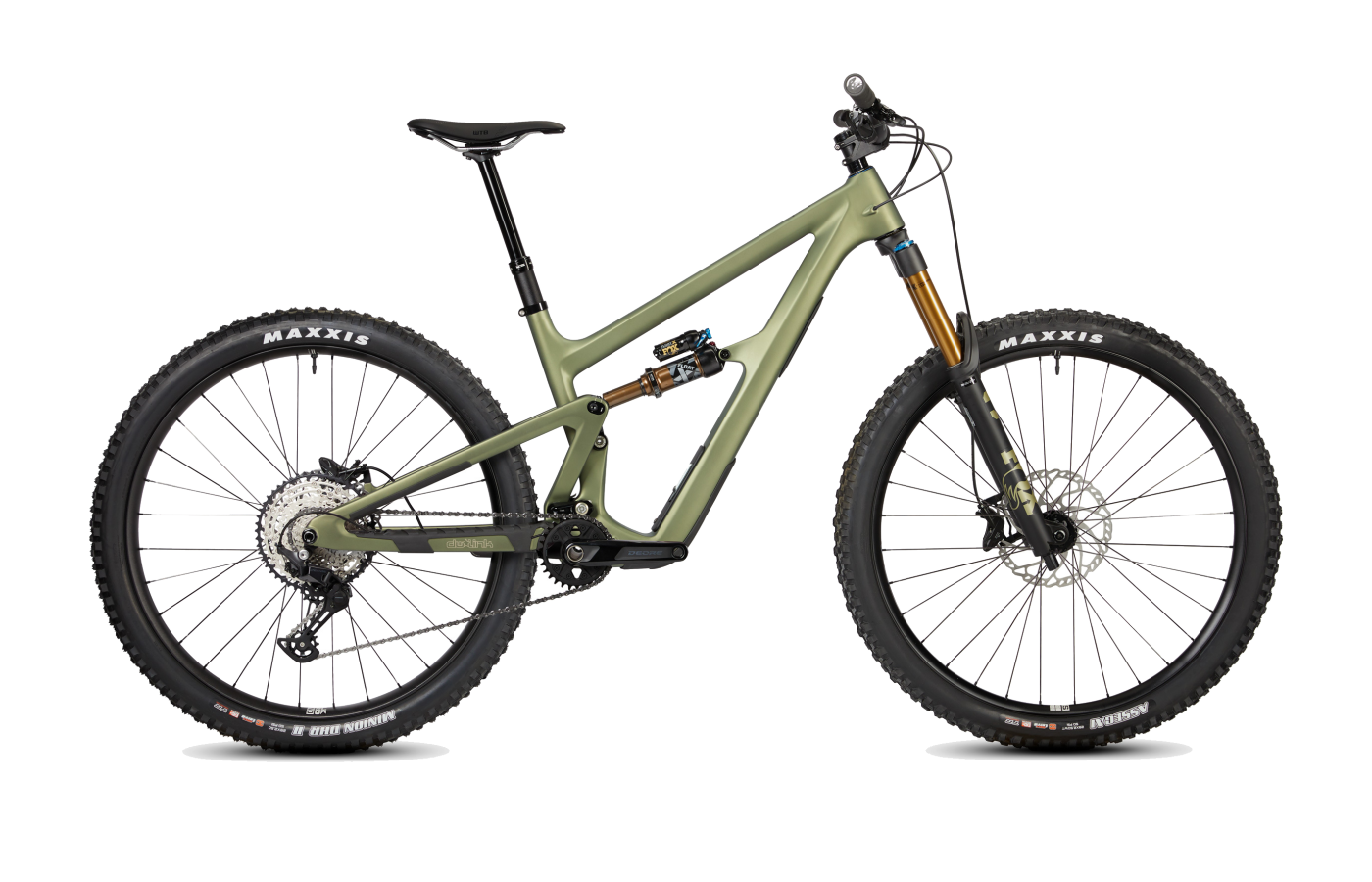
The honest middle ground — the Ibis Ripmo balances the Hightower's descending composure with something close to the Yeti's pedaling efficiency, often at a lower price than either. The reviewer's pick if you can't decide between aggression and agility.
Compare →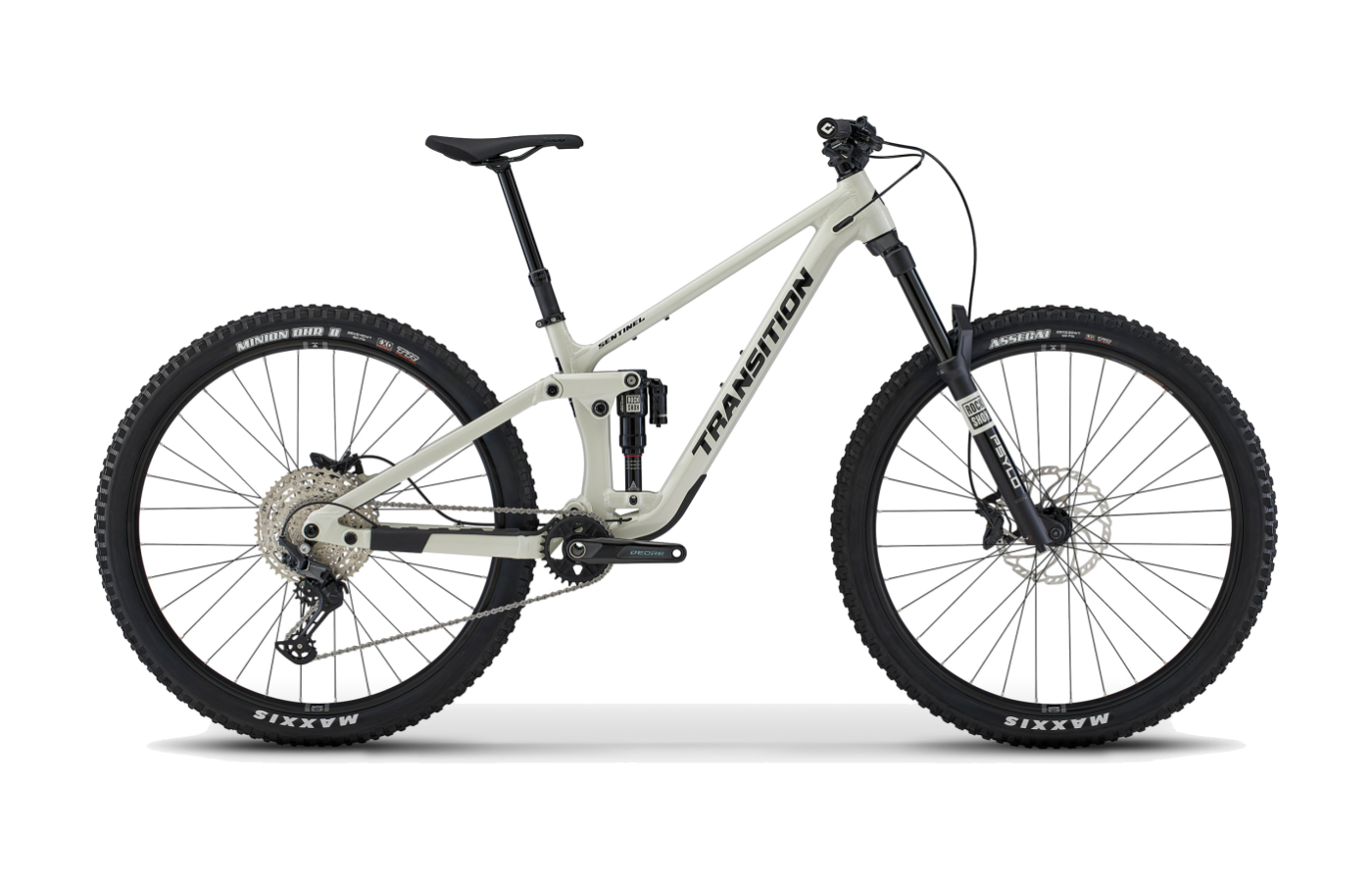
Sentinel
If the Hightower already feels too polite for your descents, the Transition Sentinel leans further into gravity-fed confidence — slacker, longer, and more comfortable above 35 km/h on chunky terrain.
Compare →
Fuel EX
The high-value alternative with all the modern conveniences — frame storage, a full geometry adjustment system, and a price floor well below either of these. Trek's Fuel EX won't out-handle the Yeti or out-descend the Santa Cruz, but it'll get most of the way there for noticeably less money.
Compare →