Hightower
vsJeffsy
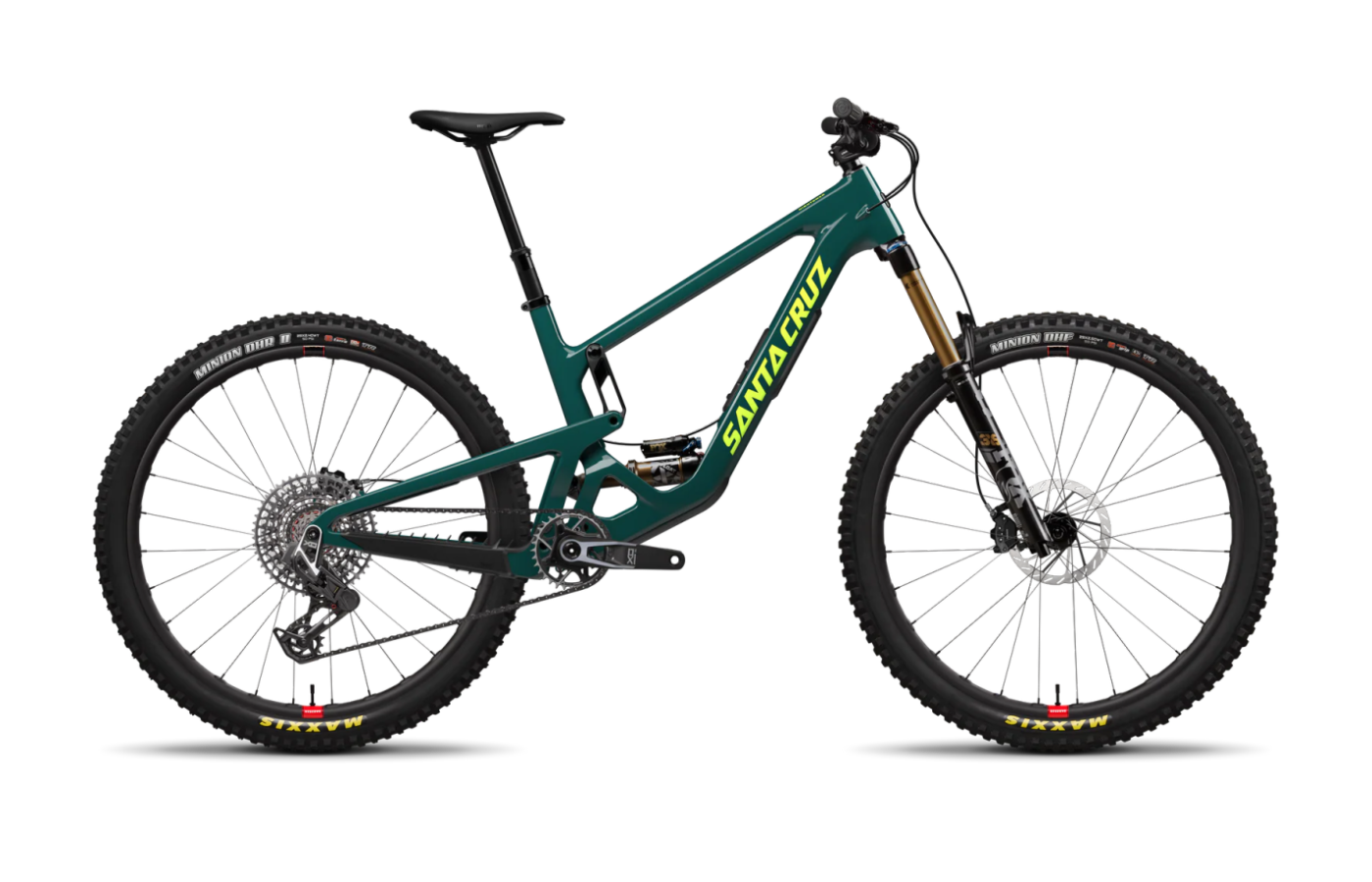
Two 29ers, two very different briefs.
The Hightower V4 chases mini-enduro composure on technical descents. The Jeffsy Mk III stays an all-rounder that climbs lighter than the scale says.
Hightower
- Best-in-class descending composure — reviewers across Bebikes, Flow, and Bike Perfect single it out as the steadiest 150 mm bike in chunky, high-speed terrain.
- Lifetime warranty package covers frame, pivot bearings, and Reserve wheels — a real cost-of-ownership offset.
- Premium frame execution — the Glovebox storage, threaded BB, tube-in-tube routing, and grease-port pivots are unusually maintenance-friendly.
- Heavy and serious at low speed — needs to be muscled through tight switchbacks.
- CC carbon frames are wireless-only, with no ports for mechanical drivetrains.
Jeffsy
- Direct-to-consumer price advantage — Pinkbike clocked the Jeffsy roughly $1,600 cheaper than a comparable Hightower spec.
- Genuine all-rounder — climbs lighter than its weight suggests, with a steep ~78 degree seat angle and an active V4L rear end.
- Stash storage and Postman dropper — integrated downtube storage and a 230 mm dropper on XXL match what boutique brands charge twice for.
- 65 degree head angle and short 437 mm chainstays can feel skittish on the steepest, fastest descents.
- Carbon frames use a press-fit BB; only the alloy Core 1 and Core 2 get a threaded BSA shell.
Editor’s analysis
Same wheels, near-identical travel, opposite intentions — the Hightower wants the rough stuff, the Jeffsy wants the whole trail.
Both bikes run 29" wheels with roughly 150 mm of rear travel and a 160 mm fork on the Santa Cruz Hightower, 150 mm on the YT Jeffsy. Both lean on a four-bar layout — VPP on the Hightower, V4L on the Jeffsy — and both ship with internal downtube storage (Glovebox, Stash). On the spec sheet they look like siblings. They don't ride that way.
The Hightower V4 is the heavier, slacker, more deliberate bike. Its 64.2 degree head angle (high setting), 632 mm stack at size M, and 1237 mm wheelbase build a chassis that reviewers consistently call "planted," "composed," and on the slow side of playful. The revised VPP layout cuts anti-squat to keep the rear wheel glued through chunder; the trade-off is a chassis that asks to be manhandled in tight switchbacks. Bebikes called it "the descender's MTB." That's the right tag.
The YT Jeffsy Mk III went a different way for its third generation — YT actually trimmed 5 mm of rear travel down to 145 mm and tightened the geometry around fast, intuitive handling. The 65 degree head angle, 620 mm stack, and 437 mm chainstays produce a bike testers describe as "agile," "poppy," and the "Queen of Fun" (Enduro MTB). Off-Road.cc flagged the same geometry as feeling "skittish" on the very steepest, fastest descents. That's the trade — it's a generalist, not a sled.
Pricing makes the gap stark: the Hightower starts at $4,999 and tops out at $11,399; the Jeffsy ranges $2,999 to $6,299. Specced like-for-like (both with X0 AXS Transmission and Fox Factory suspension, the picks below), the Hightower asks roughly $3,000 more. You're paying for Santa Cruz's lifetime frame, bearing, and Reserve wheel warranty — and a chassis tuned for harder descents than the Jeffsy was built to chase.
Where the builds differ.
Comparing our editor's-pick builds side-by-side. Winners highlighted row-by-row — lower price and weight, and the better-spec component, each mark a point.
Build variants & pricing
Hightower runs $4,999 to $11,399 across nine builds; Jeffsy is $2,999 to $6,299 across six. Even at the same drivetrain tier, Santa Cruz lives on a different price shelf.
Prices are current US MSRP. The picks above are tier-matched to SRAM X0 AXS Transmission with Fox Factory suspension on both sides, making the spec table apples-to-apples — the ~$3,000 delta is platform pricing, not component asymmetry.
How they fit, how they steer.
Both at size M — fit-picked for a 5'8" rider on each bike. The Hightower runs 5 mm more reach (460 vs 455 mm), 12 mm more stack (632 vs 620 mm), and a 0.8-degree slacker head angle (64.2 vs 65) — every number leans descender. Chainstays are nearly identical (436 vs 437 mm).
Which size should I buy?
Both ranges run S through XXL with closely overlapping reach. Pick by reach and stack against your usual fit, then check seat tube length if you want a long-drop dropper post.
→These are starting points. Flexibility, riding style, and preferred position all shift the answer — if you’re between sizes, a professional fit beats a chart.
What the magazines said.
Published reviews from trusted cycling outlets. Click through for the full write-up.
Which one should you buy?
If you live for steep, rough descents and intend to keep the bike for years, get the Hightower. If you want one bike that does everything well at half the boutique tax, get the Jeffsy.
Hightower
If your weekends are spent hunting steep, rocky, fall-line trails and you want a chassis that mutes chatter and rewards charging, this is the tool. The price buys composure and a lifetime-warranty package that pays out over years of hard riding.
Jeffsy
If you want one bike for everything from flowy singletrack to the occasional bike park lap, and you'd rather spend the saved $3k on travel than on a head badge, the Jeffsy is the smart pick. Communicative, agile, and shockingly capable for the money.
Questions buyers actually ask.
Short answers to the things we get emailed about most often.
01Which descends better in steep, technical terrain?
The Santa Cruz Hightower V4, clearly. Reviewers from Bebikes, Flow Mountain Bike, and Bike Perfect consistently flag it as one of the steadiest bikes in the 150 mm class — the slacker 64.2 degree head angle, longer wheelbase, and revised low-anti-squat VPP layout combine to produce a bike that "erases small mistakes" and stays calm in chunder.
The Jeffsy's 65 degree head angle and short 437 mm chainstays are great for cornering and pop, but Off-Road.cc and Singletrackworld both noted the front end can feel "skittish" on the very steepest, fastest descents.
02Which climbs better?
The YT Jeffsy is the more efficient seated climber. Multiple testers noted it "rides lighter than its actual weight" — the V4L kinematic with ~105% anti-squat at 30% sag pedals neutrally, and the steep ~78 degree seat angle keeps the rider centered.
The Hightower is the better technical climber when traction matters most — the active rear end and steep seat angle keep the rear wheel glued on rooty, loose ascents — but Bebikes scored it -1 on climbing efficiency relative to category, noting it isn't as snappy as competitors. On long fire-road grinds the Jeffsy is the easier bike to push.
03How much travel does each bike actually have?
Hightower V4: 150 mm rear, 160 mm fork (Fox 36 stock across the lineup).
Jeffsy Mk III: 145 mm rear, 150 mm fork. YT actually reduced rear travel by 5 mm versus the Mk II as part of a tighter, more all-rounder tune.
That 15 mm front-travel gap is more meaningful than it sounds — combined with the slacker head angle, it's a big reason the Hightower feels significantly more composed in steep, rough terrain.
04What's the price difference between equivalent builds?
Specced like-for-like with SRAM X0 AXS Transmission and Fox Factory suspension, the Hightower X0 AXS RSV runs $9,349 and the Jeffsy 29 Core 4 CF runs $6,299 — about $3,000 more for the Santa Cruz.
The gap holds across the lineup. Pinkbike's review compared a Jeffsy Core 3 to a Hightower S and clocked the YT $1,600 cheaper for slightly nicer parts at near-identical weight. The premium pays for Reserve wheels with lifetime replacement, a lifetime bearing program, dealer support, and resale value — none of which YT matches.
05Are there any spec misses to know about?
On the Hightower, multiple reviewers (Enduro MTB, Pinkbike) flagged the stock 180 mm brake rotors as undersized for a bike of this descending capability — riders in steep terrain typically upgrade to 200 mm immediately. Some builds also ship with EXO casing tires that several testers wanted swapped to EXO+ or DoubleDown for the bike's intended use.
On the Jeffsy, the consistent gripe is cosmetic — the matte black finish scuffs easily from knee and heel rub, so a frame protection wrap is a smart add. Internal cable routing plugs also have a tendency to slip out; a small zip tie keeps them in place.
06Carbon vs alloy — which build should I get?
Hightower offers two carbon grades: CC (lighter, premium) on builds from $7,249 up, and C (about 200 g heavier, retains mechanical-cable ports) on the $5,899 S, $6,099 90, and $5,149 70. There's no alloy.
Jeffsy offers carbon (CF) on Core 2/3/4 and aluminum on Core 1/2/3 AL. Notable: the alloy frames use a more maintenance-friendly threaded BSA bottom bracket, while the carbon frames are press-fit. The Core 3 AL at $4,799 is the value-hunter's pick if you want top-tier suspension and a threaded BB.
07Which has better long-term ownership economics?
The Hightower, on paper. Santa Cruz offers a lifetime warranty on the frame, all pivot bearings, and Reserve carbon rims to the original owner. That's an unusual package — the bearing replacement program alone offsets a meaningful chunk of long-term maintenance cost.
The Jeffsy comes with a 5-year warranty and YT's improving service network (with YT Mill locations in the US and UK reducing the old DTC support friction). Solid coverage, but it doesn't match Santa Cruz's lifetime promise — and Santa Cruz frames historically hold resale value better.
08Can I run a coil shock on either?
Hightower V4: yes — the move toward mini-enduro geometry came with explicit coil-shock compatibility, and the bike's 150 mm rear travel and reduced anti-squat suit a coil's small-bump sensitivity well.
Jeffsy Mk III: YT specs air shocks across the entire lineup and the kinematic is tuned for a progressive air ramp-up. A coil is possible but works against the bike's intended supple-then-progressive character — most owners stay with air.
Similar bikes
If your priorities don’t map cleanly onto either of these, one of these adjacent bikes probably fits better.
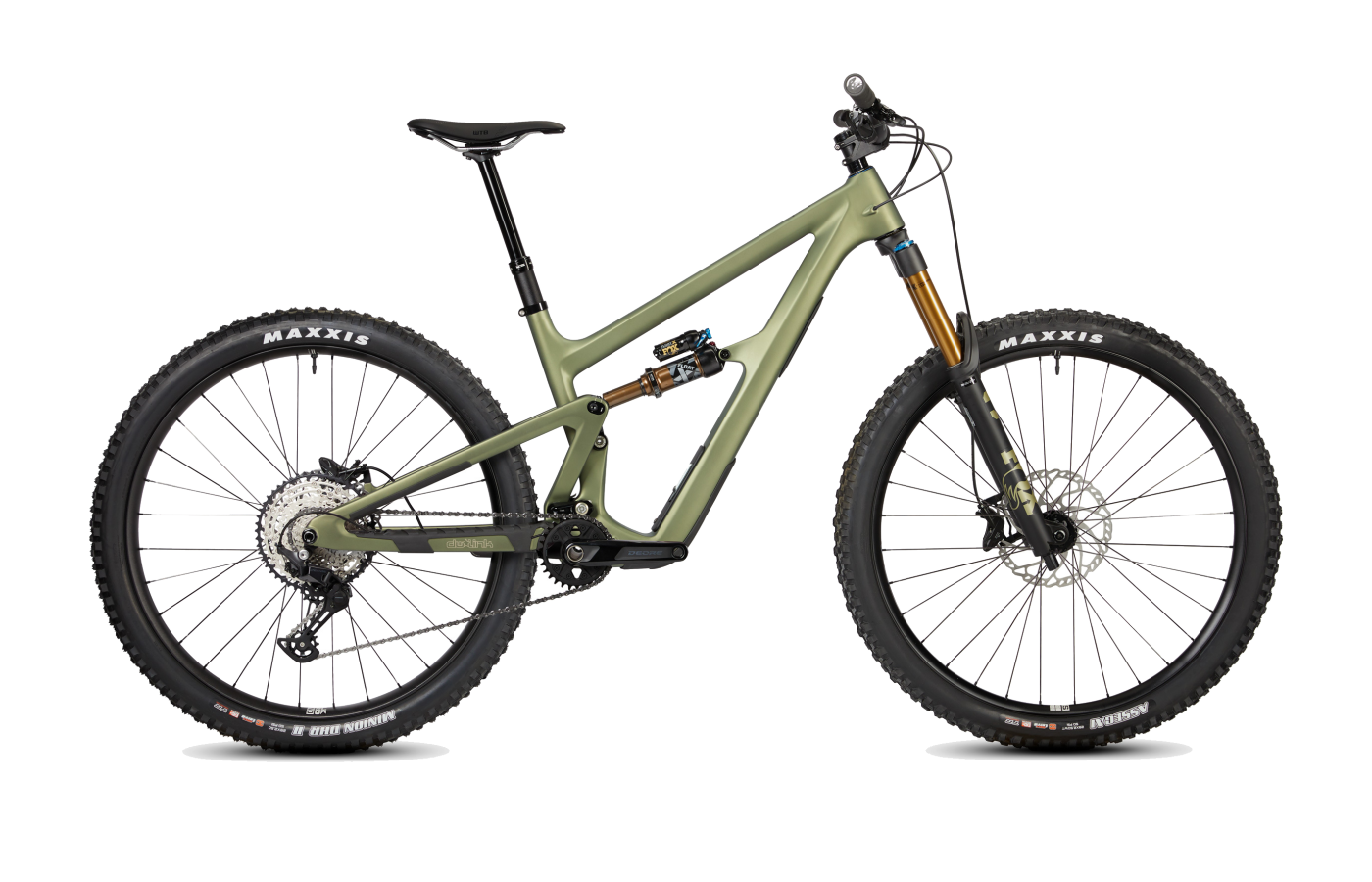
Ripmo
The Ibis Ripmo is the technical-climbing benchmark — a more responsive pedaling platform than either of these. Pick it if your trails climb as hard as they descend and you want sharper acceleration.
Compare →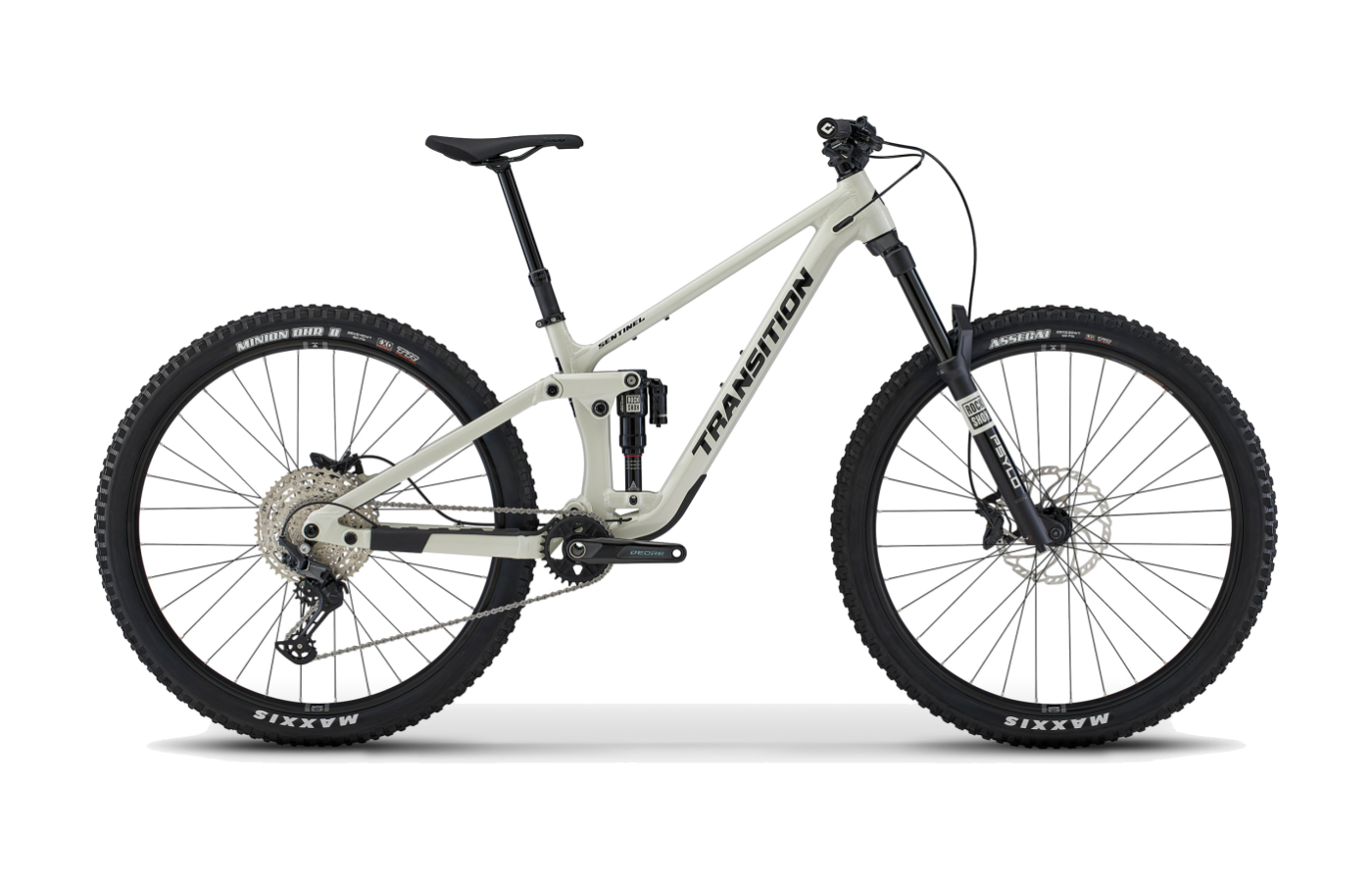
Sentinel
Transition Sentinel runs a similar 160/150 mm travel split to the Hightower but with a rawer, more aggressive suspension feel and a smaller-brand price tag. The most direct rival to the Hightower's mini-enduro brief.
Compare →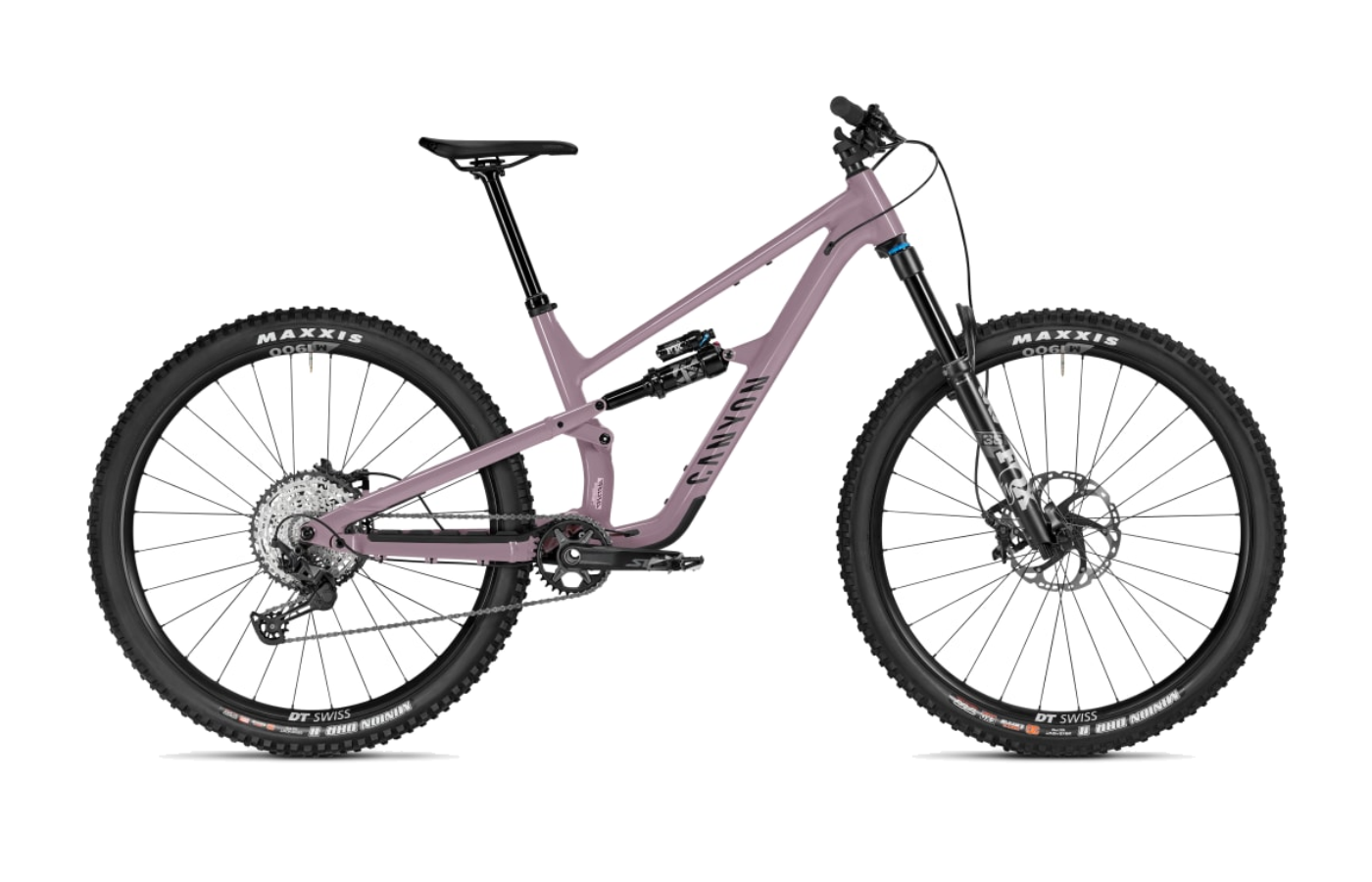
Spectral
Canyon Spectral is the Jeffsy's direct-to-consumer arch-rival — slightly more aggressive geometry and a more descending-biased stance for a similar price. Worth a look if the Jeffsy feels a touch too tame.
Compare →