Megatower
vsSpire
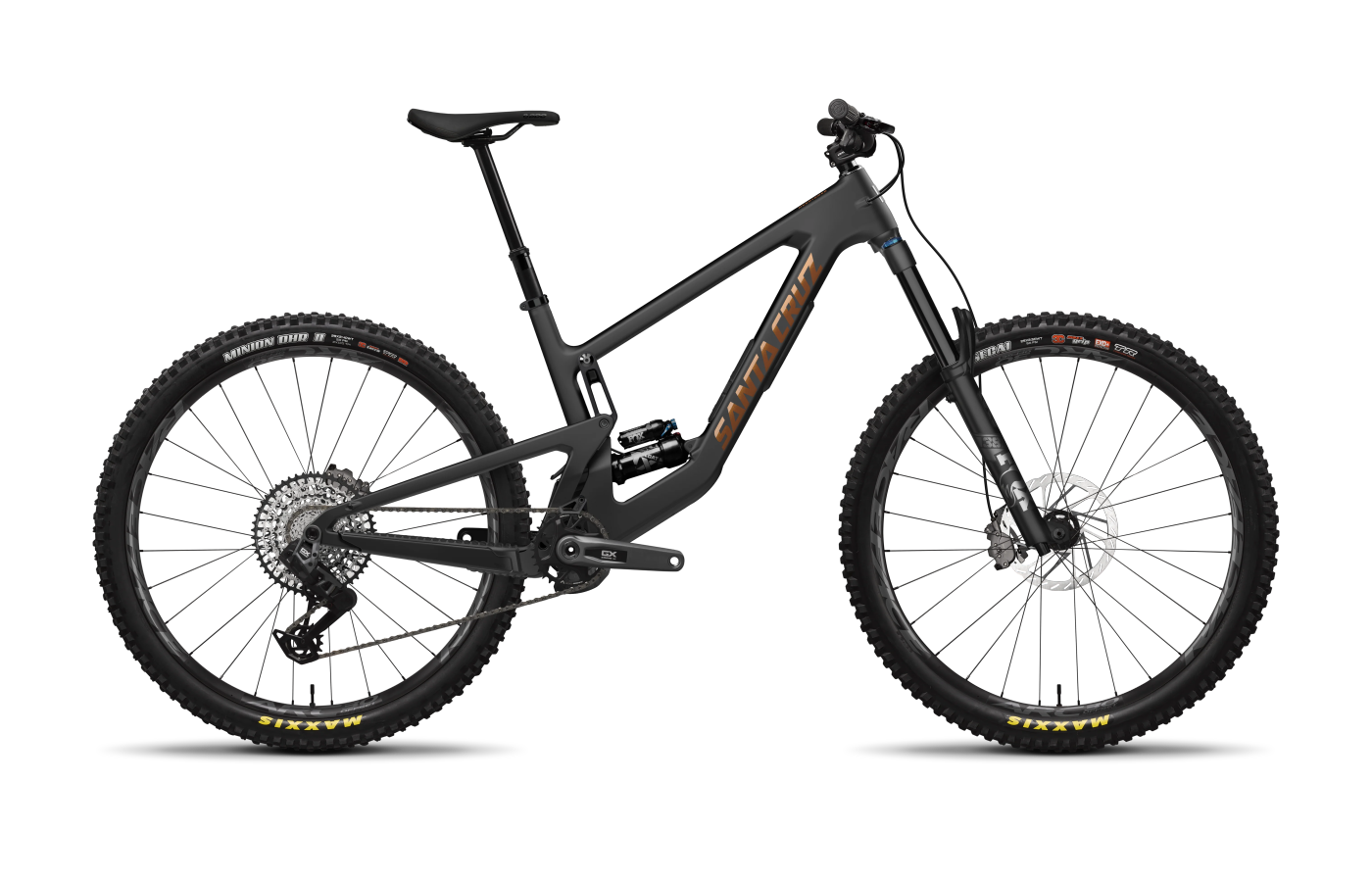
Two 170 mm bruisers, two very different ideas of fast.
The Megatower is a refined VPP charger built for warp-speed control. The Spire is a longer, slacker permission slip for irresponsible line choices.
Megatower
- Refined VPP suspension — linear-progressive curve with size-specific chainstays; reviewers call it 'bottomless' on big hits and 'spritely' on the climbs.
- Best-in-class ownership story — lifetime warranty on frame and pivot bearings, grease ports on the lower link, threaded BB, and 10-year parts availability.
- Glovebox down-tube storage — integrated tool wallet and tube purse, executed cleanly enough that reviewers call it 'worth its weight in gold'.
- No aluminum option — $6,099 floor is steep for an enduro platform, and reviewers flag that the entry build still ships with a heavier C-carbon frame.
- Stiff carbon chassis can feel 'chattery' on high-frequency trail noise, especially for lighter riders with the Reserve carbon wheels.
Spire
- Aggressive, descend-first geometry — 63-degree HTA and a 1,257 mm wheelbase in MD make it 'calm and composed' on fall-line plunges that overwhelm shorter bikes.
- Smart spec for the dollar — even the alloy builds get RockShox ZEB Ultimate forks and 220 mm front rotors; reviewers consistently call this the value play of the segment.
- Aluminum frame option at $5,599 — opens the platform to riders the Megatower's all-carbon lineup prices out entirely.
- Long wheelbase and slack front end feel 'boring' or 'sluggish' on tight, low-speed terrain — this bike wants speed.
- Paint quality is thin, and reviewers report soft pivot bolts that strip easily — own a torque wrench and a frame wrap.
Editor’s analysis
Both run 170 mm forks and aim straight at the rowdy end of enduro — but the Spire is an inch longer in the wheelbase and a full degree slacker, and you feel every millimeter of it.
The Santa Cruz Megatower (V2) is the polished one. 170 mm fork, 165 mm rear, a 63.8-degree head angle, size-specific chainstays, and the refined VPP layout that Santa Cruz has spent twenty years iterating on. Reviewers describe it as a 'mini-DH' bike that 'flattens the trail' at speed but stays composed enough to climb 2,000 vertical feet without theatrics. The Glovebox down-tube storage, lifetime bearing warranty, and grease ports on the lower link are the kind of details that justify the premium price tag — provided you're willing to pay it.
The Transition Spire is the bike that picks a fight with the trail. 170 mm front and rear, a 63-degree head tube angle, a 1,257 mm wheelbase in size MD, and chainstays that sit 9 mm longer than the Megatower's at the same fit-picked size. Transition's GiddyUp suspension is more 'pop' than 'plow' — it's not a high-pivot couch, but it absolutely loves leaving the ground. Multiple testers compared the high-speed feel to a World Cup downhill bike. The trade-off shows up at low speeds, where the long wheelbase and slack front end can feel sluggish in tight switchbacks.
Then there's price. Spire builds start at $4,199 (Alloy Eagle 70) and top out at $7,699 (Carbon Eagle 90). The Megatower has no aluminum option at all — entry is $6,099 for the SRAM 90 build, and the lineup runs to $9,749 for the X0 AXS RSV. That ~$1,900 floor delta is real: if your budget lives below $6k, the Spire is the only one of the two that talks to you. Above $7k, both make their case.
Put another way: the Santa Cruz Megatower is the bike you buy when you want a stout, refined enduro race tool with the long-term ownership story locked in. The Transition Spire is the bike you buy when you want the most descending capability per dollar and don't mind a bike that 'craves speed' to come alive.
Where the builds differ.
Comparing our editor's-pick builds side-by-side. Winners highlighted row-by-row — lower price and weight, and the better-spec component, each mark a point.
Build variants & pricing
Megatower is carbon-only across four builds from $6,099 to $9,749. Spire spans $4,199 to $7,699 with two alloy builds and one carbon.
Prices are current US MSRP. The Spire has no AXS wireless option in the current lineup — if electronic shifting is a must-have, the Megatower is the only choice. Conversely, the Megatower has no aluminum option, so anyone shopping under $6,000 is looking at a Spire.
How they fit, how they steer.
Santa Cruz Megatower at size m and Transition Spire at MD — the fit-picked size for a 5'8" rider on each. The Spire runs 5 mm longer in reach, 0.8° slacker at the head, 9 mm longer in the chainstays, and 21 mm longer in the wheelbase. It sits 6 mm lower in the stack with a noticeably steeper 78.8° seat tube vs. the Megatower's 77.4°.
Which size should I buy?
Size recommendations from each brand's stack/reach/effective top tube ranges. Both run S–XXL; the Spire's MD is closer in reach to the Megatower's M than the size labels suggest.
→These are starting points. Flexibility, riding style, and preferred position all shift the answer — if you’re between sizes, a professional fit beats a chart.
What the magazines said.
Published reviews from trusted cycling outlets. Click through for the full write-up.
Which one should you buy?
If you want refinement, ownership longevity, and a bike that 'flattens the trail' at speed without giving up climb-ability, get the Megatower. If you want the most descending capability per dollar and a bike that begs for steep terrain, get the Spire.
Megatower
If you live in mountainous terrain, ride the same loops every weekend, and want a bike with the longest ownership runway in the segment — lifetime bearings, grease ports, ten-year parts — this is still the benchmark. The price floor is steep, but the long-term math works out.
Spire
If most of your descending is fall-line and your budget caps below $7k, the Spire delivers more descending capability per dollar than anything else in this bracket. The geometry is uncompromising — bring it to bike parks and 'elevator shaft' descents and it'll feel like a superpower.
Questions buyers actually ask.
Short answers to the things we get emailed about most often.
01Which one is more capable on the descents?
Both are 170 mm-front enduro bikes that get compared to downhill rigs by their reviewers, so neither is 'undergunned.' That said, the Spire has the more aggressive descending geometry on paper: a 63.0-degree head tube angle vs. 63.8 on the Megatower, and a wheelbase that runs 21 mm longer at the fit-picked size (1,257 mm vs. 1,236 mm). Multiple reviewers compared the Spire's high-speed feel to a World Cup downhill bike.
The Megatower isn't far behind in raw capability — its 165 mm rear and revised VPP kinematics earned it 'mini-DH' comparisons too — but its slightly steeper, slightly shorter chassis is more obviously usable on mixed terrain. If your descents are fall-line and your priority is composure at terminal velocity, the Spire has the edge.
02Which climbs better?
The Megatower, narrowly, on technical climbs. The VPP suspension's anti-squat tune gives it 'gecko-level' grip over roots and steps, and its 1,236 mm wheelbase (size m) is more maneuverable than the Spire's 1,257 mm in tight switchbacks.
The Spire counters with the steeper seat tube angle — 78.8° vs. 77.4° at the compared sizes — which puts the rider more directly over the bottom bracket and prevents front-wheel wander on steep pitches. Reviewers called it a 'mountain goat' on heinous, sustained climbs. So: Megatower for technical, Spire for sustained-and-steep. Neither is a sprinter; both are 'sit and spin to access the descent' bikes.
03How much does the Spire really save me?
Spire Carbon Eagle 90 (the only carbon build) is $7,699. Megatower GX AXS (the closest tier match — same Burgtec stem, same C-grade carbon class, both mid-tier SRAM T-Type drivetrains) is $7,249 — so at the editor's-pick comparison, the Megatower is actually $450 cheaper.
Where the Spire wins on price is the alloy lineup. Spire Alloy Eagle 90 is $5,599 with a RockShox ZEB Ultimate fork and Super Deluxe Ultimate shock — a spec the Megatower simply doesn't offer at any price (no aluminum frame). And the Spire Alloy Eagle 70 at $4,199 is roughly $1,900 below the cheapest Megatower. If your budget is under $6k, the Spire is the only one of the two in the conversation.
04What about wheel size and mullet compatibility?
Both bikes are full 29ers as shipped. The Spire has a flip chip that lets you run a 27.5" rear wheel in the high setting — Transition documents this as a supported configuration.
The Megatower V2 is set up around 29" wheels front and rear; if you want a mullet, it's not on the official spec sheet. For most riders, full 29 is the right call on either bike given the speeds these are designed for.
05Which has better long-term ownership support?
Santa Cruz, by a noticeable margin. The Megatower comes with a lifetime warranty on the frame and pivot bearings — bearings get replaced free, no questions, for the original owner. The Reserve wheels on the RSV builds carry their own lifetime warranty. There's a grease port on the lower VPP link that lets you flush bearings without a teardown. Santa Cruz also commits to keeping spare parts in stock for at least ten years.
Transition also offers a lifetime frame warranty, but reviewers consistently flag the alloy frame's paint as 'thin' and the linkage bolts as 'unacceptably soft.' Plan on a frame wrap and a torque wrench from day one. If you're the kind of rider who rides in wet conditions and wants a frame that's still trouble-free in five years, the Megatower is the safer bet.
06Are these too much bike for my local trails?
Possibly. Both are 170 mm-fork enduro bikes weighing 34–35 lbs in carbon trim, and reviewers of both consistently use the phrase 'too much bike' for mellow, flat, or tight wooded terrain. They 'crave speed' and only come alive when the trail points down hard.
If you spend most weekends on flow trails, blue-square singletrack, or anything that doesn't include long fall-line descents, you're probably better served by a 140–150 mm trail bike (like the Transition Sentinel or Santa Cruz Hightower). The Megatower and Spire are tools for terrain that meaningfully exceeds the demands of an all-mountain bike.
07Aluminum or carbon — does it matter on the Spire?
It matters more than you'd think. The carbon Spire weighs in around 34.9 lbs (size MD, Eagle 90 build) and is described as 'poppy' and 'eager to leave the ground.' The alloy Spire runs 35–37 lbs depending on build and was repeatedly called 'portly' on long climbs.
The alloy frame doesn't ride badly — reviewers praised its solidity — but the weight gap is real, and the Alloy Eagle 90 build at $5,599 is the value pick of the entire matchup. If grams matter to you and you can stretch to $7,699, get the carbon. If you'd rather have flagship suspension on a slightly heavier frame and pocket the difference, the alloy build is hard to argue with.
08What's the biggest reason to pick one over the other?
Pick the Megatower if you want a refined, race-bred enduro bike with the best long-term ownership story in the segment, and you're willing to pay the premium (and live with carbon-only).
Pick the Spire if your terrain is steep, your budget has a ceiling, or you want the option of an alloy frame with flagship suspension. The Spire delivers more raw descending capability per dollar; the Megatower delivers more refinement, ownership security, and climbing manners per dollar.
Similar bikes
If your priorities don’t map cleanly onto either of these, one of these adjacent bikes probably fits better.
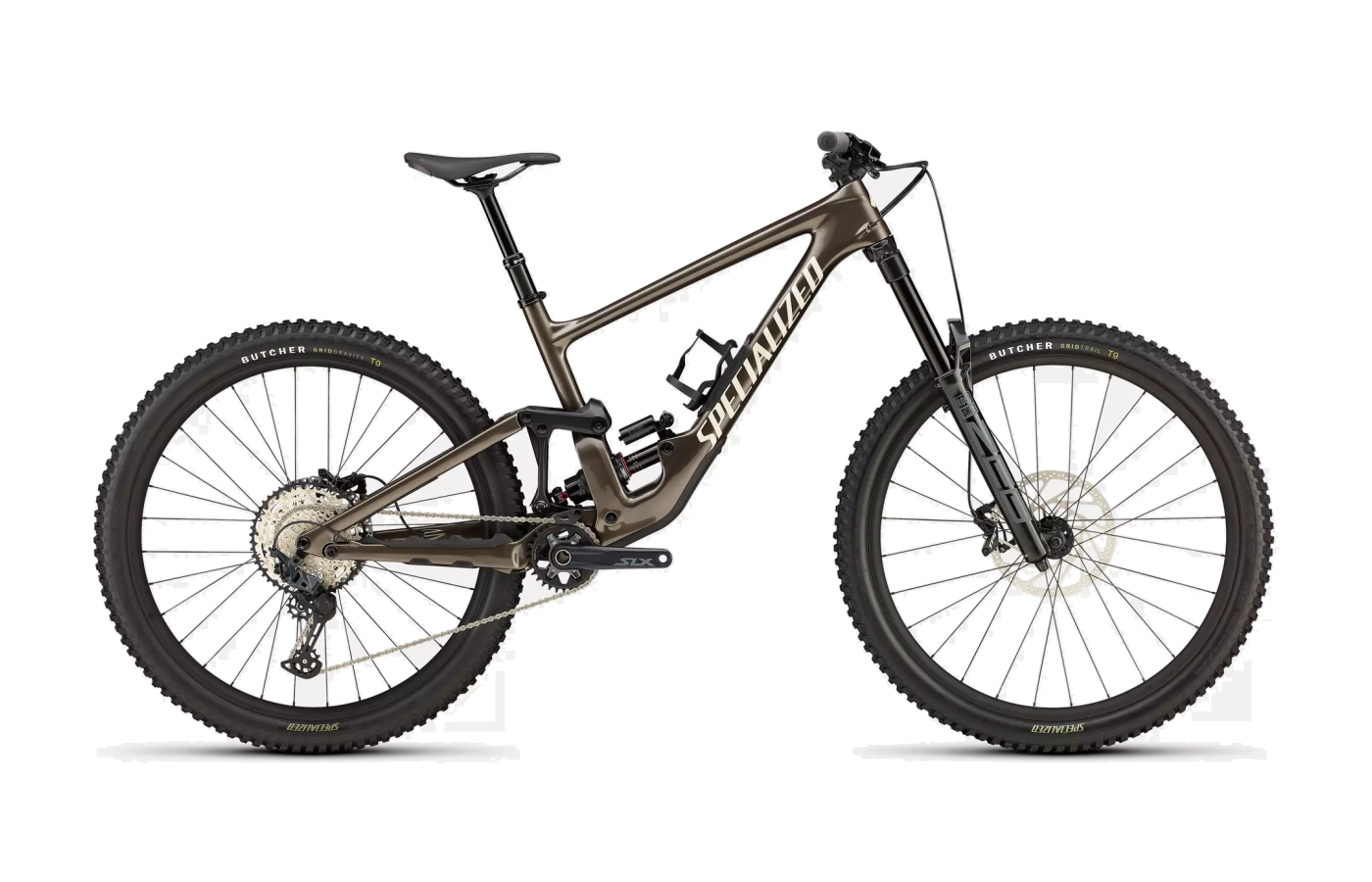
Enduro
The 170 mm benchmark — Specialized Enduro shares the 'sit-in-the-bike' feel of the Megatower with comparable travel and a similarly polished ride character. Worth a look if you want the refinement story without committing to Santa Cruz pricing.
Compare →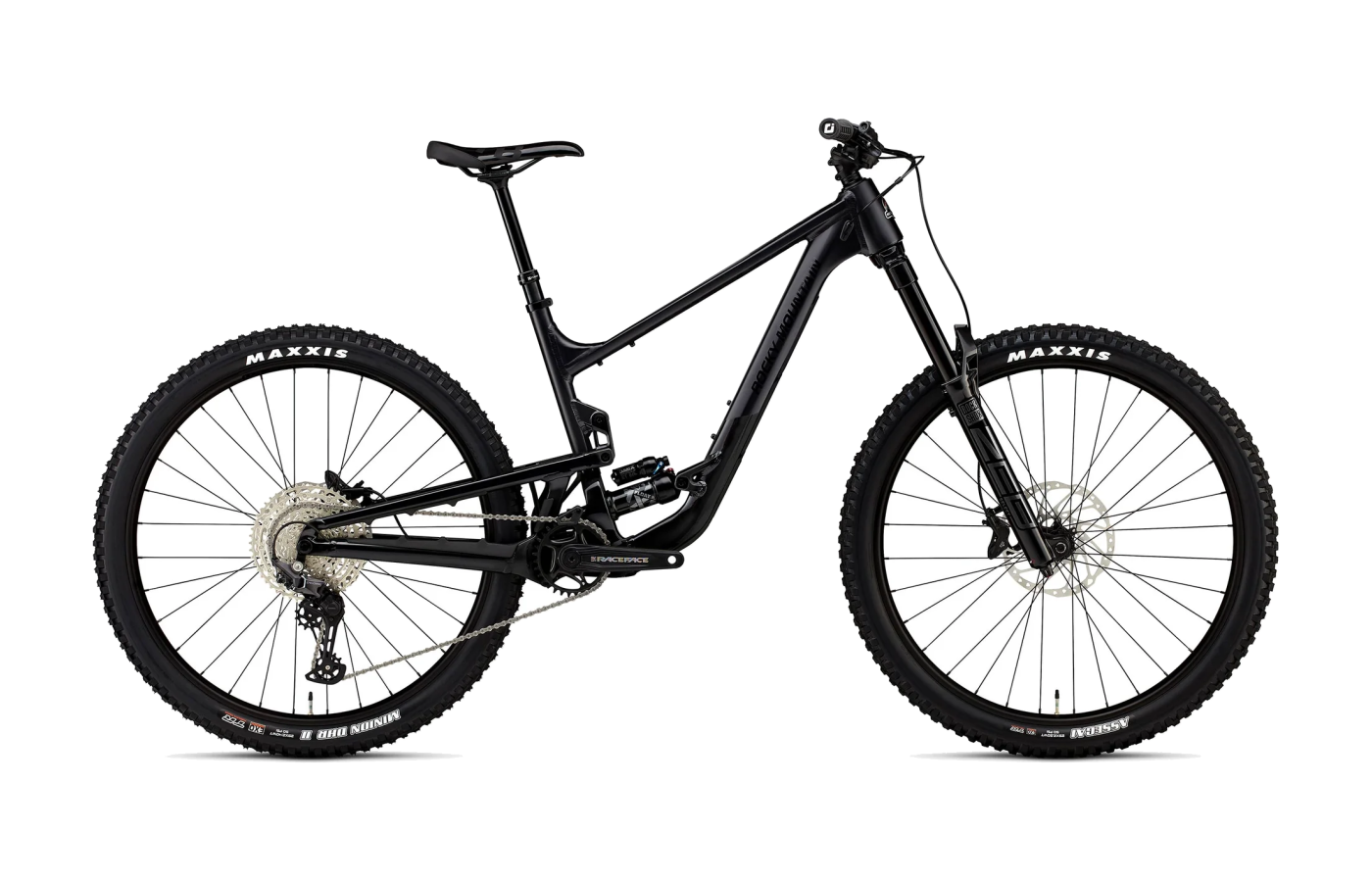
Altitude
Race-focused alternative to the Spire — Rocky Mountain Altitude pairs aggressive geometry with a slightly more agile, technical-climbing-friendly feel. The right call if Spire-class capability is the goal but you ride more switchbacks than fall-line.
Compare →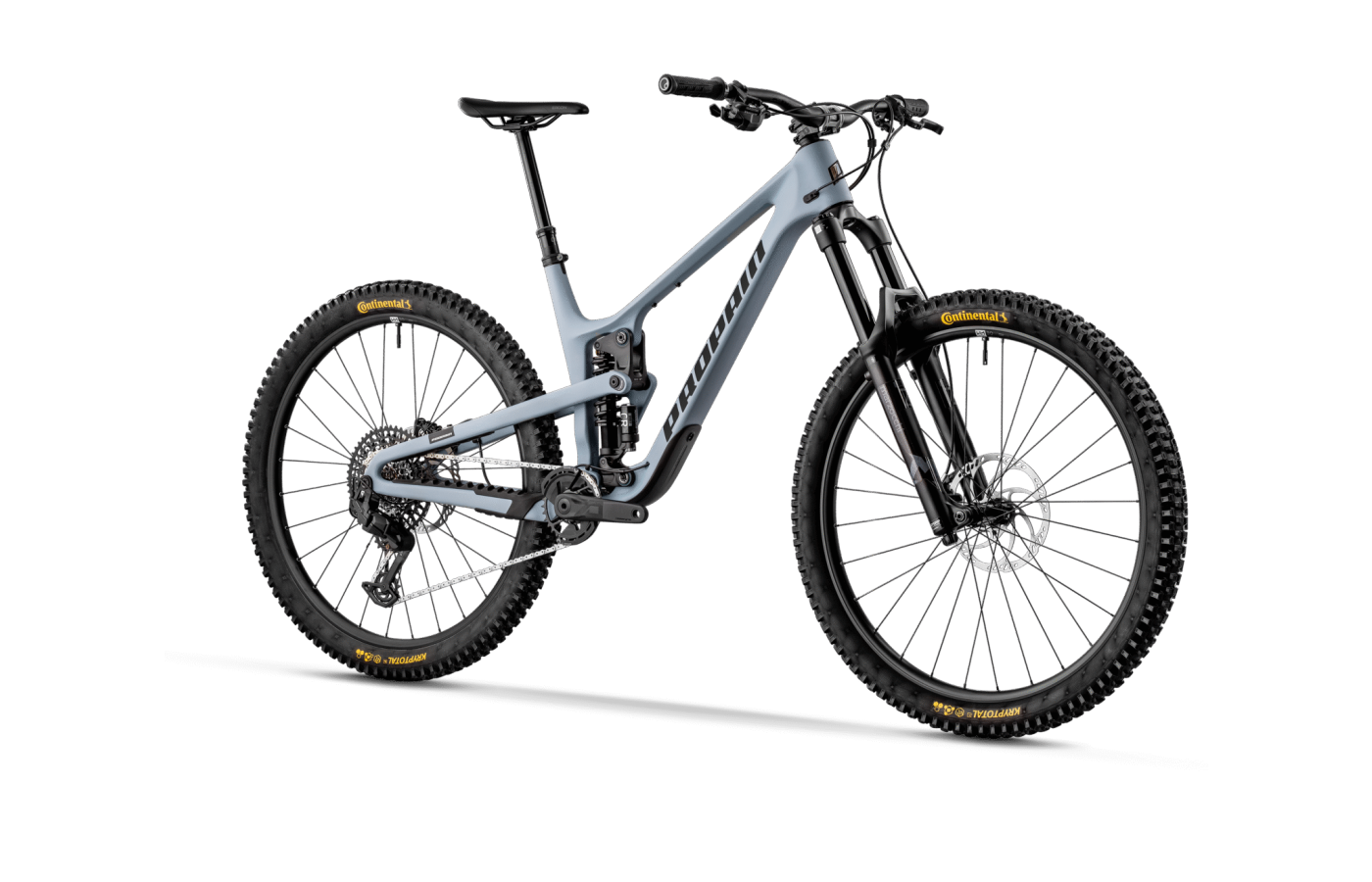
Tyee
Direct-to-consumer value king — Propain Tyee undercuts the Megatower significantly on price while delivering competitive specs and efficient pedaling. The catch is the DTC purchase model and no local dealer.
Compare →