Tallboy
vsSmuggler
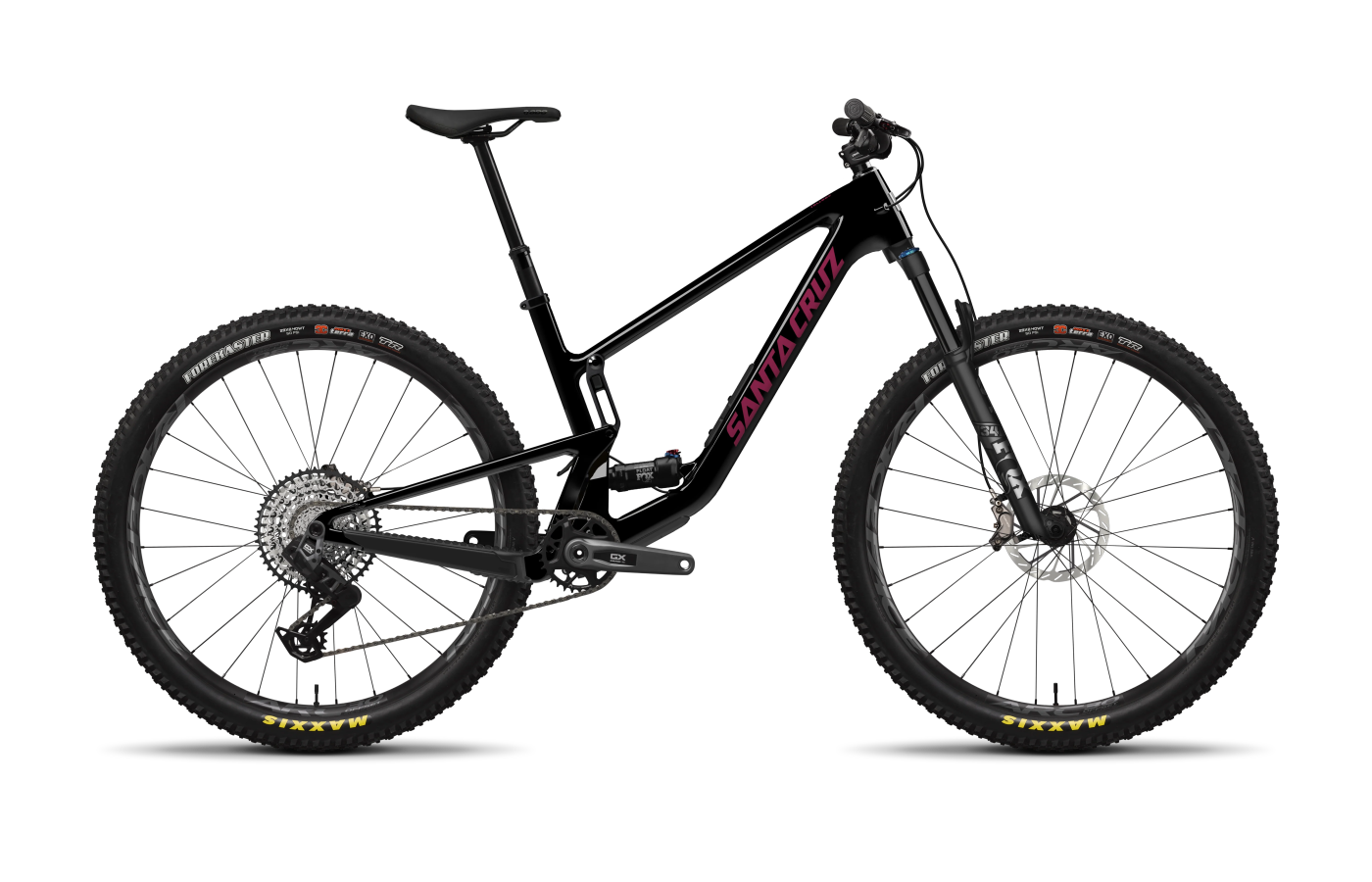
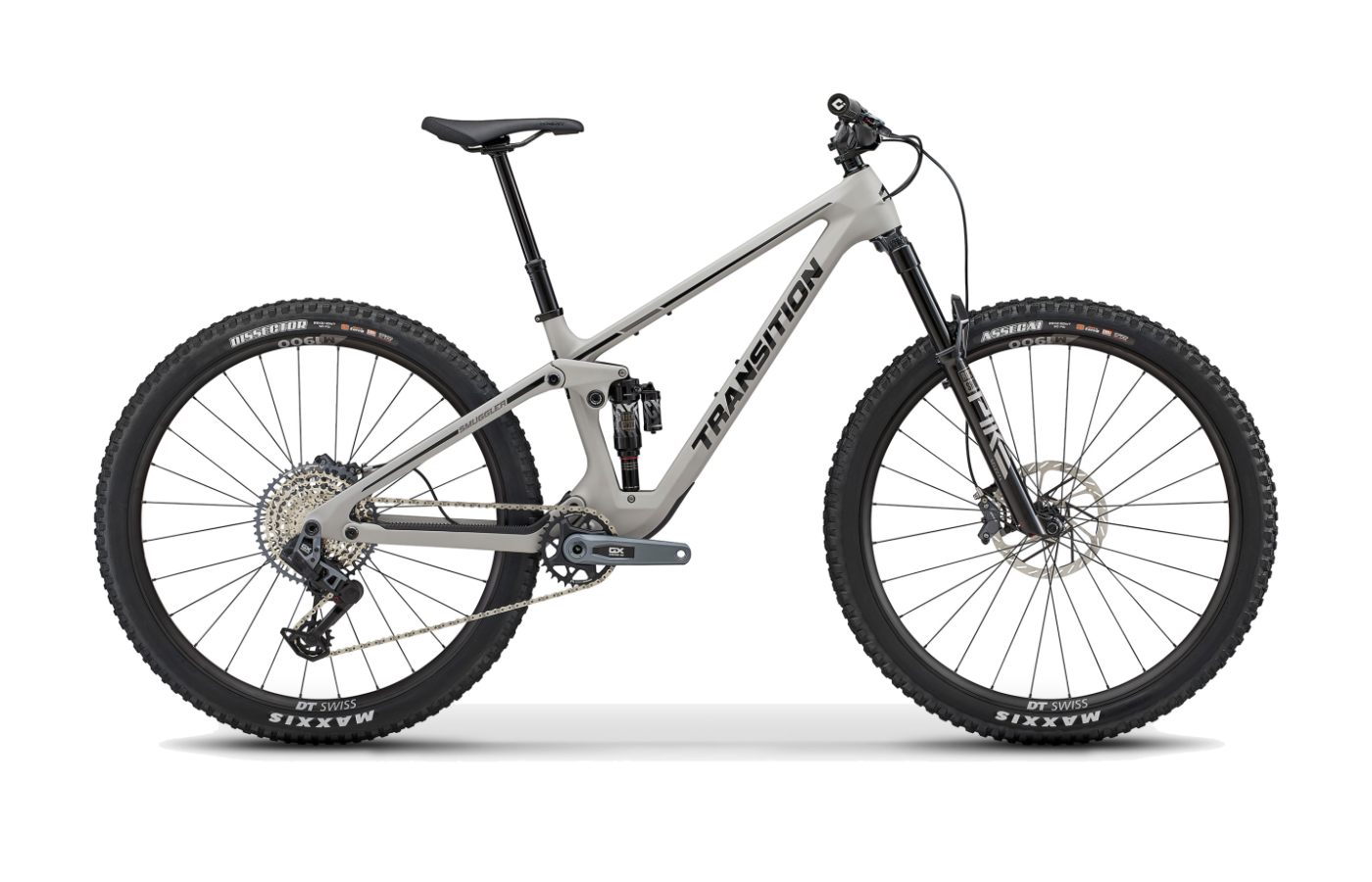
Two takes on the downhiller's short-travel bike.
The Tallboy is the precise, stiff-chassis VPP machine. The Smuggler is the poppy, progressive Horst-link brawler.
Tallboy
- Quiet, polished chassis — in-molded internal routing, integrated shock fender, Glovebox downtube storage.
- Size-specific chainstays at every size — XS through XXL each get their own rear-end length for balanced fit.
- Lifetime support — frame, Reserve wheels, and pivot bearings all covered for the life of the bike.
- Frame can feel "relentlessly rigid" on long, chunky descents.
- Stock SRAM Level brakes are undergunned for the bike's downhill ambitions.
Smuggler
- Highly progressive 27% leverage — resists harsh bottom-outs and rewards an active, poppy riding style.
- Slacker, longer geometry — 65° HTA and a long wheelbase deliver enduro-bike composure on rough descents.
- Burlier stock rubber — Maxxis Assegai/Dissector EXO+ from the factory, ready for steep terrain on day one.
- "Loam Cupboard" cable port traps mud and accelerates lower-pivot bearing wear.
- No internal storage and frequently reported cable rattle from the routing.
Editor’s analysis
Same brief — 29er, sub-150 mm, ride above your travel class — answered with two completely different suspension philosophies.
On the spec sheet they're close cousins. Both are carbon trail 29ers, both pair a 130mm fork with a stout chassis, both lean on a steep seat tube to make technical climbs livable. The Santa Cruz Tallboy runs 120mm out back through Santa Cruz's VPP dual-link. The Transition Smuggler runs 130mm through a Horst-link with a notably progressive 27% leverage curve. Ten millimeters of rear travel doesn't sound like much. The way each one delivers it absolutely is.
The Santa Cruz Tallboy is the calmer, more polished machine. Reviewers describe it as "steroidally hench" — a stiff carbon chassis, size-specific chainstays at every size from XS to XXL, in-molded internal routing that runs silent, and a Glovebox in the downtube. The reduced anti-squat and lower starting leverage ratio of the V5's VPP linkage make it ride high and supportive, slingshotting out of berms and pumping rollers for free speed. The trade is a frame that one tester called "relentlessly rigid" on long, chunky descents — and SRAM Level brakes that nearly every reviewer flagged as undergunned for the bike's downhill ambitions.
The Transition Smuggler picks the rowdier lane. The 65-degree head angle is a half-degree slacker, the 78.6° seat tube on a size MD is steeper, and the GiddyUp suspension is an active, ground-hugging Horst-link with enough end-stroke ramp to absorb the "ill-advised hucks." Reviewers call it the "littlest sledgehammer" and a "mini-Sentinel." Pop, plowability, and confidence above its travel class are the headline traits. The cost is a frame with no internal storage, a "Loam Cupboard" cable port near the BB that funnels mud into the bearings, and a well-documented rattle from the cable routing.
Put another way: the Tallboy is the bike for the rider who wants the precision and long-term polish of a VPP Santa Cruz and treats short-travel as a discipline. The Smuggler is the bike for the rider who wants a 130mm trail bike that rides like a 150mm one and doesn't mind a bit of mechanical noise to get there.
Where the builds differ.
Comparing our editor's-pick builds side-by-side. Winners highlighted row-by-row — lower price and weight, and the better-spec component, each mark a point.
Build variants & pricing
The Tallboy starts higher and tops out higher. The Smuggler undercuts it across the entire range — by roughly $1,300 at the entry point.
Prices are current US MSRP. Tallboy spans $4,799 (R, NX-equipped) to $11,399 (XX AXS RSV); Smuggler spans $3,499 (Alloy Deore) to $7,799 (Carbon XO AXS). Santa Cruz offers more high-end builds; Transition offers a true sub-$4k entry point and an alloy frame option Santa Cruz no longer makes.
How they fit, how they steer.
Tallboy size m and Smuggler size MD line up almost identically on stack (619 vs 616 mm). Reach is 5 mm longer on the Smuggler (460 vs 455), the head angle is 0.7° slacker, and the seat tube is nearly 2° steeper — Transition's bike sits more stretched-out and gravity-biased in the same nominal size.
Which size should I buy?
Both ranges cover XS-equivalent through XXL. Reach progresses in similar steps across sizes; pick by reach and stack rather than t-shirt label.
→These are starting points. Flexibility, riding style, and preferred position all shift the answer — if you’re between sizes, a professional fit beats a chart.
What the magazines said.
Published reviews from trusted cycling outlets. Click through for the full write-up.
Which one should you buy?
If you want the polished, precise, long-term-ownership trail bike, get the Tallboy. If you want the slacker, poppier, ride-above-its-travel hooligan, get the Smuggler.
Tallboy
If you ride mixed terrain — technical climbs, flowy descents, the occasional double-black — and you want a quiet, refined chassis backed by Santa Cruz's lifetime warranty and bearing program, this is the better long-term bet. Plan on upgrading the brakes.
Smuggler
If you want a 130mm bike that rides like a 150mm one — slack, long, poppy, and unafraid of the steep stuff — and you'd rather pay less and accept a noisier frame to get it, the Smuggler is the right pick. Best for riders who'll keep on top of the pivot maintenance.
Questions buyers actually ask.
Short answers to the things we get emailed about most often.
01Which has more travel?
The Smuggler, by 10 mm in both directions. Transition runs 130 mm rear / 140 mm front; Santa Cruz runs 120 mm rear / 130 mm front.
In practice that's a category-defining difference: the Smuggler is firmly a short-travel trail bike, the Tallboy is a downcountry-leaning trail bike. The Smuggler also uses a more progressive leverage curve (~27%) that ramps harder at the end of the stroke.
02Which climbs better?
The Tallboy has the edge on climbing efficiency. The lower starting leverage ratio and reduced anti-squat in the V5's VPP linkage let it ride high in its travel, and reviewers consistently describe it as "snappy" and pedaling with "little to no suspension bob."
The Smuggler is no slouch — its 78.6° (size MD) seat tube angle is steeper than the Tallboy's 76.7°, which keeps the front wheel weighted on steep climbs. But the more active GiddyUp suspension is more sensitive to sag setup; reviewers reported it gets "boggy" past 30% sag.
03Which descends better?
The Smuggler, especially when the trail gets rough. The slacker 65° head angle (vs 65.7° on the Tallboy), longer wheelbase, and additional 10 mm of travel front and rear make it the more confident high-speed descender. Reviewers nicknamed it the "littlest sledgehammer" and a "mini-Sentinel."
The Tallboy can absolutely handle aggressive descents — testers report taking it on full double-black terrain — but it requires "a precise hand" and reminds you of its 120 mm of travel when the holes get deep.
04How do the geometry numbers compare at the size we're showing?
At the fit-picked sizes (Tallboy m, Smuggler MD), the bikes are remarkably close on fit and meaningfully different on character.
Reach: Tallboy 455 mm vs Smuggler 460 mm.
Stack: Tallboy 619 mm vs Smuggler 616 mm.
Head tube angle: Tallboy 65.7° vs Smuggler 65°.
Seat tube angle: Tallboy 76.7° vs Smuggler 78.6°.
Top tube: Tallboy 602 mm vs Smuggler 588 mm.
Net effect: the Smuggler is a touch longer in reach, slacker up front, steeper at the seat — more biased toward technical climbing and gravity descending. The Tallboy is more neutral.
05Does the Tallboy's downtube storage really matter?
If you ride long days without a pack, yes. The Glovebox holds a tube, plug kit, multitool, and CO2 inside the frame — and means one less hip pack on hot days.
The Smuggler has no internal storage. It does fit a full water bottle in the front triangle across all sizes, but you'll need a strap or pack for tools. Long-term Tallboy owners do report some Glovebox issues — a loose-fitting door and occasional creak under load when a bottle is mounted to it — but the feature itself is widely praised.
06What's the maintenance picture on each?
Tallboy: Threaded BSA bottom bracket, in-molded internal routing tunnels, and a grease port on the lower VPP linkage. Bearings hold up well in normal use, and Santa Cruz includes lifetime bearing replacements. The fully-guided routing makes home wrenching easier than most.
Smuggler: Also a threaded 73mm BSA, also UDH derailleur hanger. But the "Loam Cupboard" near the BB funnels mud into the front-triangle/stay junction, and reviewers consistently report premature lower-pivot bearing wear — PinkBike needed a fresh set after 2–3 months of dry riding. Plan on more frequent pivot service.
07Which one is the better value?
The Smuggler wins straight value. The Carbon GX AXS sits at $6,699 with full SRAM Eagle Transmission, a Pike Select+ fork, and Maxxis Assegai/Dissector EXO+ rubber. The comparable Tallboy GX AXS is $7,149 — $450 more for a similar drivetrain tier on a frame that costs more to build.
The Tallboy's value case is long-term: lifetime frame warranty, lifetime Reserve wheel warranty (on RSV builds), and lifetime bearing replacements. If you keep bikes 5+ years, that math gets closer.
08Which is more upgrade-friendly?
The Smuggler is the better tinkerer's platform. Transition explicitly warranty-supports running it as a 140 mm rear (by removing a shock spacer) and a 150 mm fork, which converts it into something close to a Sentinel-lite. Reviewers regularly recommend the conversion.
The Tallboy's geometry is fixed by its flip-chip and a 130 mm fork is the recommended max — going to 140 mm is reported to dull the handling. It's a more "as-designed" bike.
Similar bikes
If your priorities don’t map cleanly onto either of these, one of these adjacent bikes probably fits better.
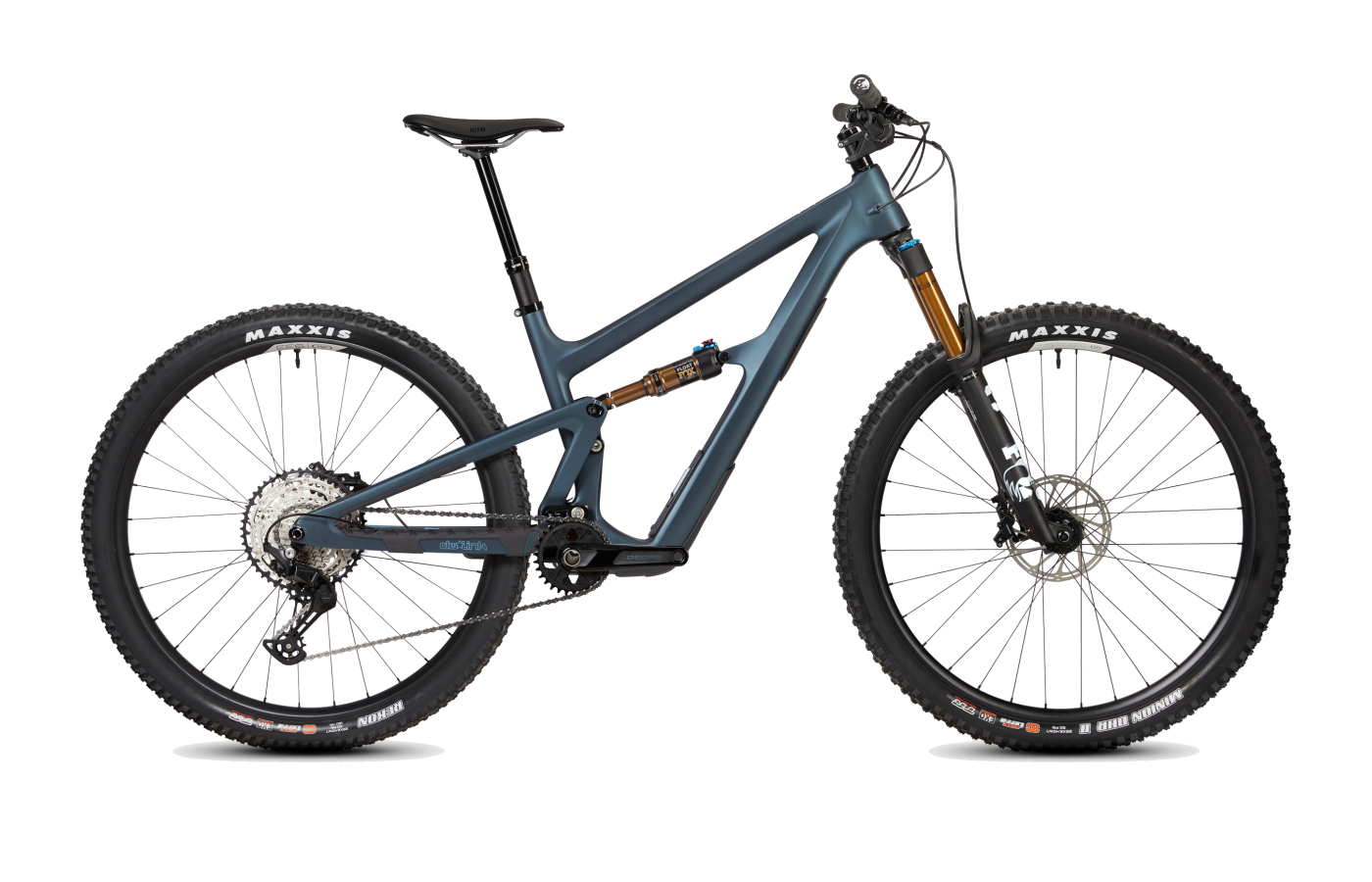
Ripley
If you want a more pillowy, plush rear end than either of these, the Ibis Ripley's dw-link delivers exceptional traction without the Tallboy's reported chassis harshness or the Smuggler's pivot maintenance demands.
Compare →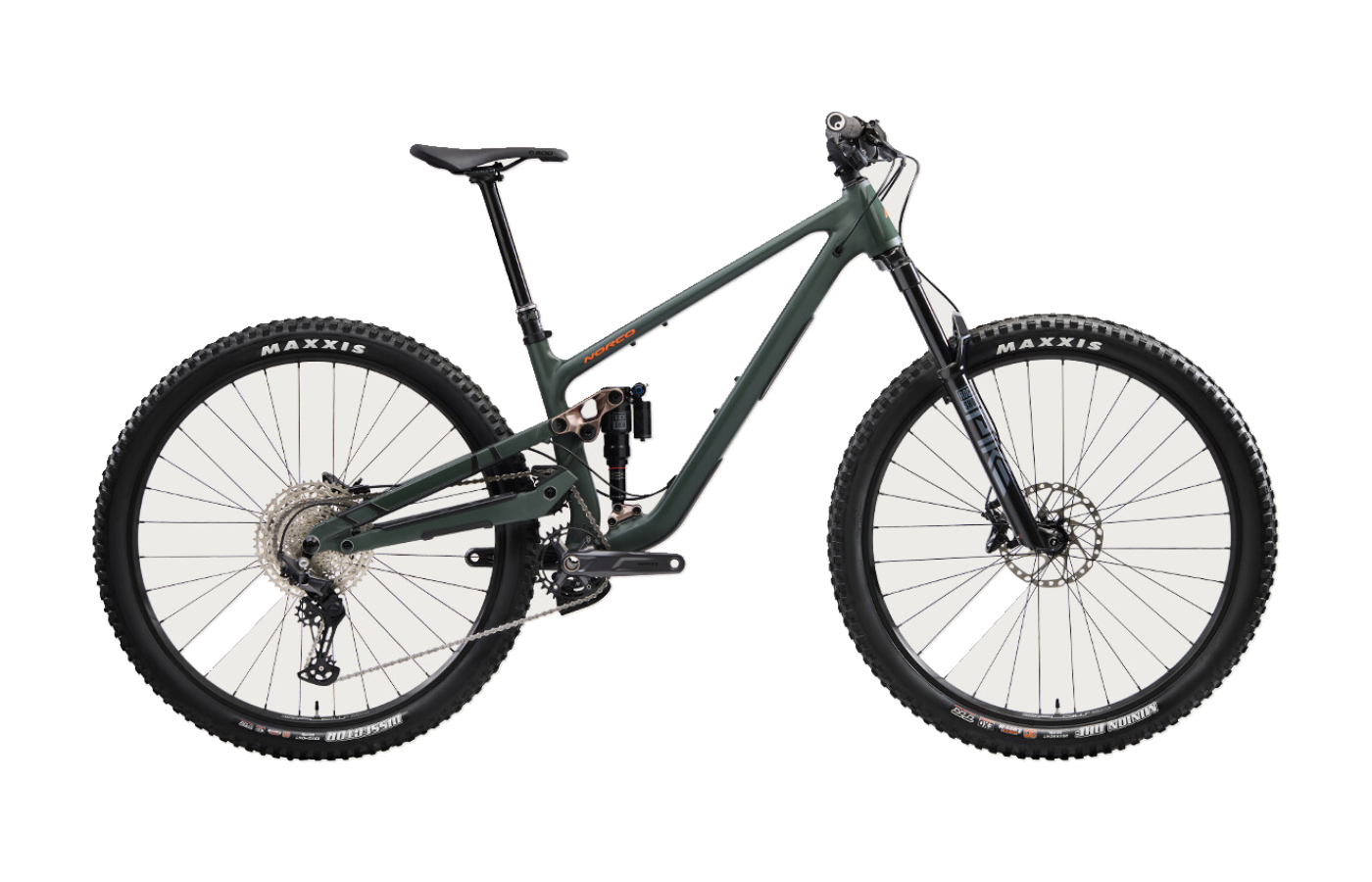
Optic
Leans even harder into the aggressive short-travel category than the Smuggler — a firm suspension tune and aggressive geometry built for high-speed square-edge hits where raw downhill speed wins out over comfort.
Compare →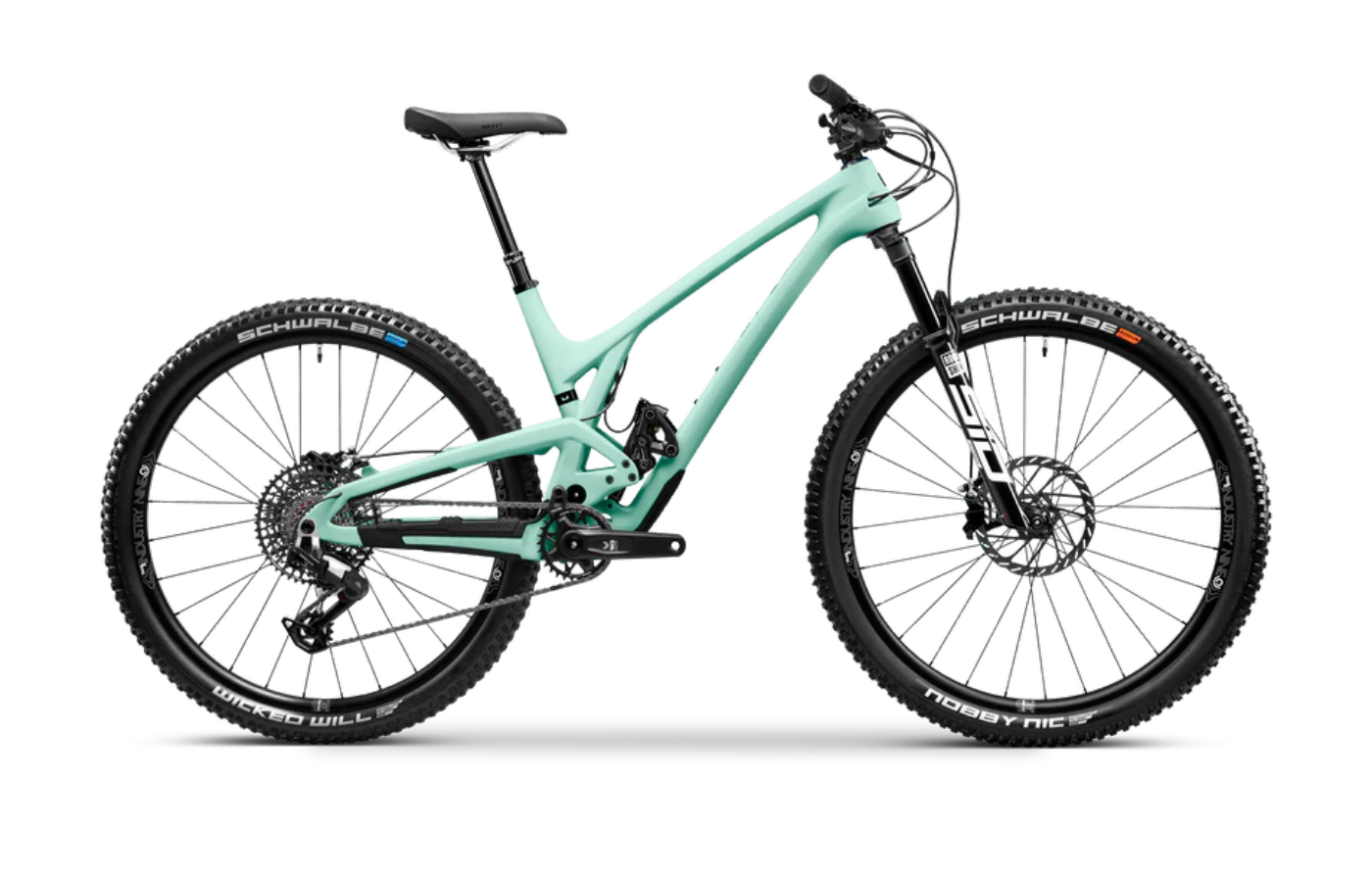
Following
For riders chasing a "monster truck" feel in a short-travel package — the Following pairs a very progressive linkage with Evil's distinctive aesthetic, occupying similar mental space to the Smuggler but with more end-stroke ramp.
Compare →