Epic
vsASR
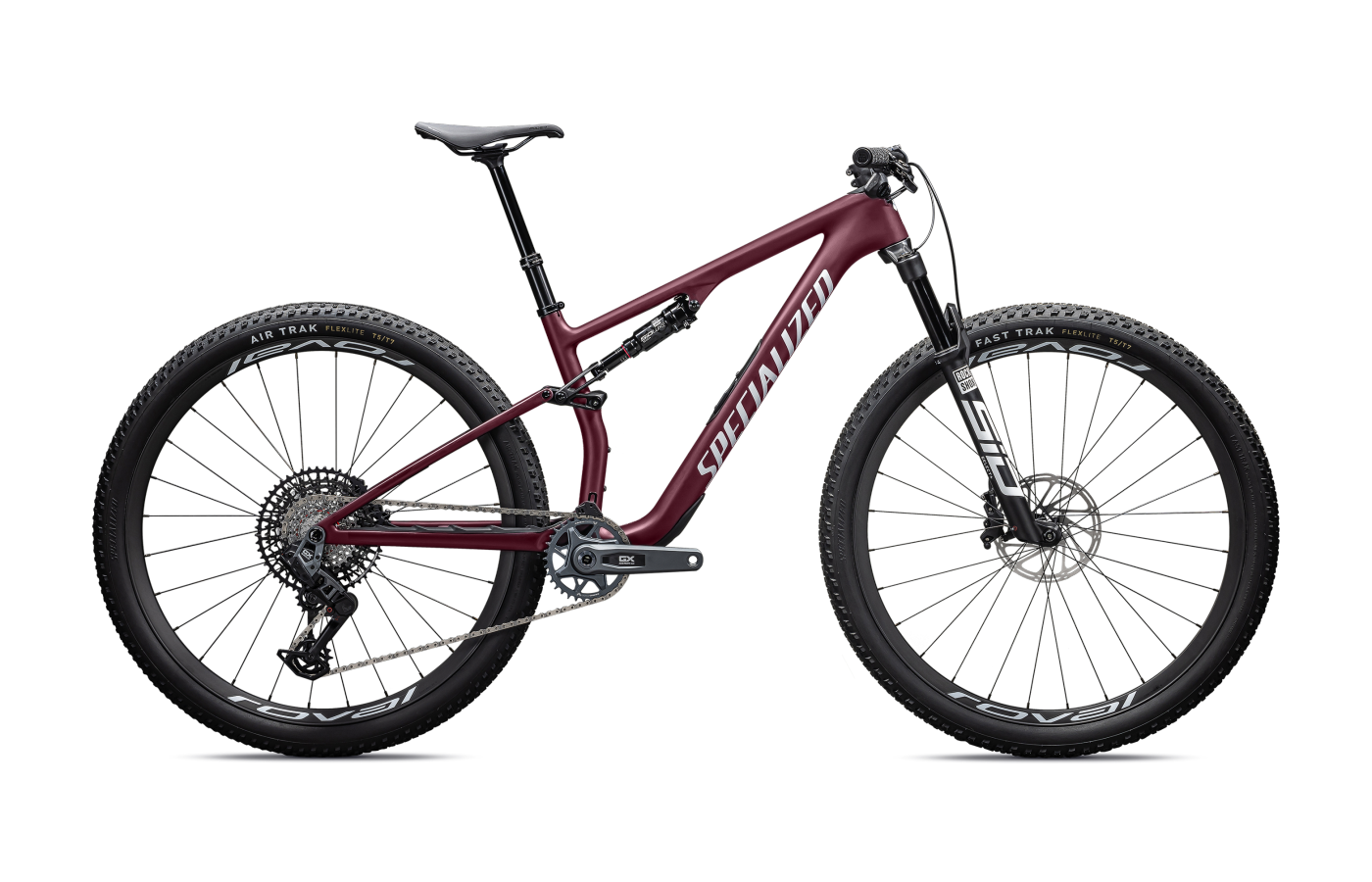
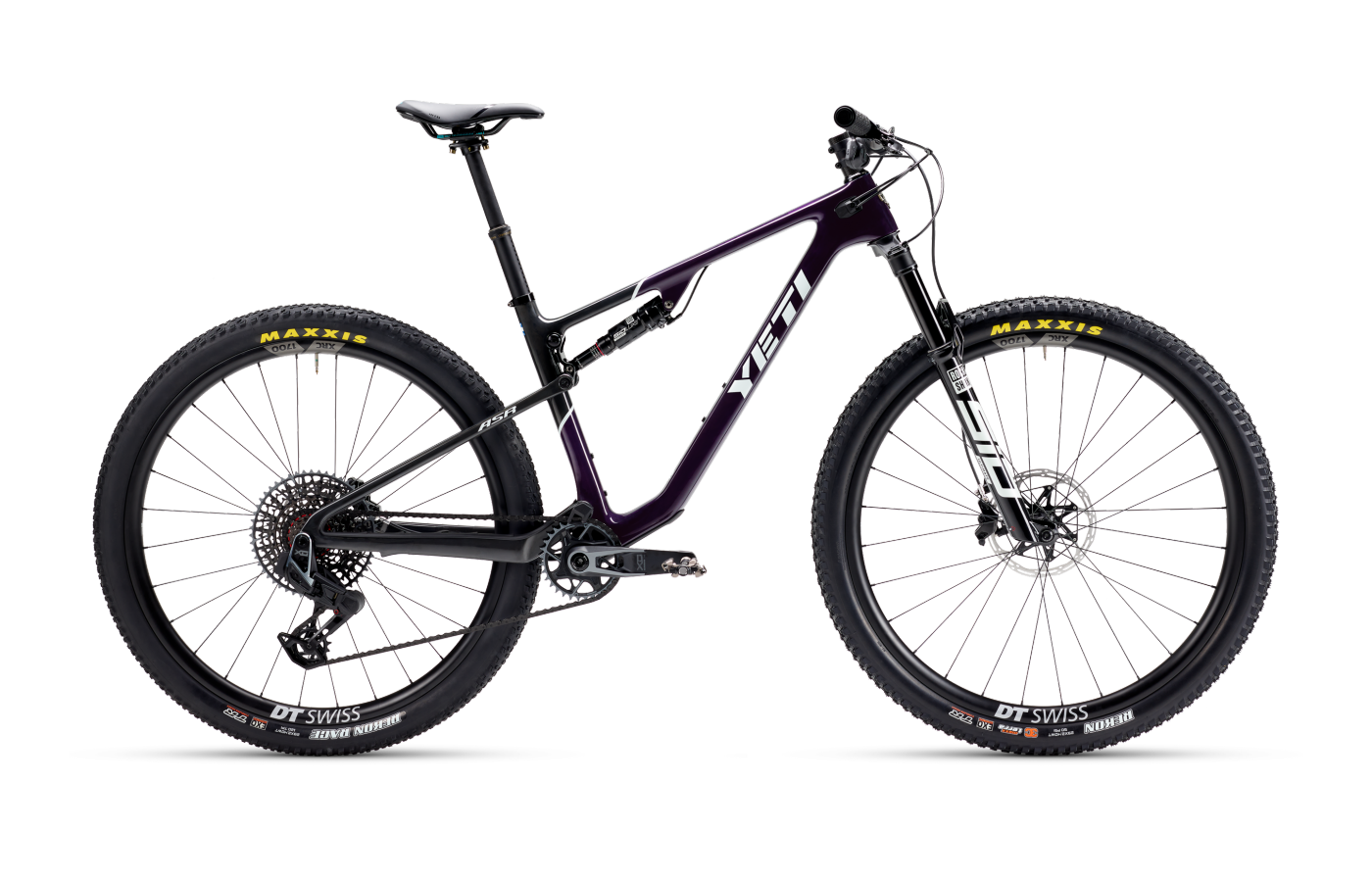
Two 120mm XC weapons, two design philosophies.
The Epic 8 is the integrated race platform that keeps growing into a trail bike. The ASR is a stripped-to-the-bone flex-stay purist built to win on the scale.
Epic
- More descending confidence — 65.9-degree HTA and 120mm rear travel put it closer to a trail bike than any other XC race platform.
- SWAT downtube storage across the entire range — the rare XC bike you can stash a tube and tool inside.
- Cheapest entry to the platform — the Comp starts at $4,499 with the same frame kinematics as the S-Works.
- Fixed 435mm chainstays can feel out of balance on XL frames for taller riders.
- Headset-routed cables on S-Works complicate bearing service — lower-tier models dodge this.
ASR
- Lightest frame in the category at 1,448g for the Turq Wireless — several hundred grams under the Epic S-Works frame.
- Size-specific chainstays from 431.8mm to 442mm — rear-end balance stays consistent across the size run.
- Superior technical-climbing traction — 30% sag and a linear leverage curve keep the rear wheel stuck to roots and rock.
- Frame can feel overwhelmed on the roughest black-graded descents — reviewers noted a 'twang' at the limit.
- Mid-tier T3 ships with ~2 kg alloy DT Swiss XM1700 wheels that blunt acceleration; the Epic Expert gets carbon Rovals at a lower price.
Editor’s analysis
Same category, same RockShox SID/SIDLuxe suspension package, same 120mm fork — but from there, these bikes disagree about what XC racing is in 2024.
On paper, the Specialized Epic and Yeti ASR sit in the same 'modern XC' bracket: 29" wheels, 120mm forks, carbon frames, SRAM AXS Transmission drivetrains on the mid-tier builds. Both launched in March 2024, both ditched a signature proprietary system — Specialized retired the Brain inertia valve, Yeti abandoned the Switch Infinity link — and both landed on a more conventional suspension platform with a tuned shock. That's where the convergence ends.
The Specialized Epic is the more ambitious bike. It's longer (475mm reach on a Large vs 465mm on the Yeti), slacker (65.9 vs 66.5 degree head angle), and carries 5mm more rear travel (120 vs 115). Specialized's pitch is that you don't need a separate trail bike — the Epic 8 will time-warp you through technical descents that would have been 'scary' on a 100mm rig, then launch you on a climb via its 'Magic Middle' digressive shock tune. SWAT downtube storage, integrated steering stop, eight build tiers starting at $4,499: this is the bike for the rider who wants one XC platform that does everything.
The Yeti ASR picks a different fight. It's the lightest frame in the class — 1,448g for the Turq Wireless, against roughly 1,683g for the Epic S-Works — and the ASR ride character chases that weight with a minimalist flex-stay chassis, size-specific chainstays (432–442mm across the range vs Epic's fixed 435mm), and a recommended 30% rear sag that's unusually deep for a 115mm bike. The ASR rewards a racer's touch: active, traction-heavy on technical climbs, 'fluttery' over chatter — but reviewers consistently note the svelte frame can 'twang' when shoved into black-graded terrain the Epic shrugs off.
Put another way: the Epic is what you buy when you want XC durability and confidence on rowdy descents. The Yeti is what you buy when you weigh every gram and race marathons on chunky Colorado-style singletrack. The Epic's SWAT storage, more granular build ladder, and trail-bike composure make it the easier one-bike answer. The ASR is the scalpel — sharper, lighter, fussier about setup, and noticeably more expensive per tier.
Where the builds differ.
Comparing our editor's-pick builds side-by-side. Winners highlighted row-by-row — lower price and weight, and the better-spec component, each mark a point.
Build variants & pricing
The Epic ladder is four tiers deep and starts $1,500 under the Yeti. The ASR's six builds sit higher — the T3 is the editor's pick, but the spec tier gap costs you carbon wheels.
Prices are current US MSRP. The Yeti T3 at $8,700 spec'ed on SRAM X0 AXS Transmission is one tier up from the Epic Expert's GX AXS at $7,199, but the Yeti's alloy DT Swiss wheels partly explain why Yeti lists its C2 entry point at $6,000 vs Epic 8 Comp at $4,499.
How they fit, how they steer.
Both at size M for a 5'8" rider. The Yeti is 0.6 degrees steeper at the head tube (66.5 vs 65.9), has nearly identical stack (599 vs 598), and slightly shorter reach (444.5 vs 450). The Yeti's 436.9mm chainstays are 1.9mm longer than the Epic's fixed 435mm — barely perceptible in isolation, but the ASR grows its stays with size while the Epic doesn't.
Which size should I buy?
Both ranges run XS through XL and overlap tightly in the middle. The Epic's shortest size has a 390mm reach; the ASR drops to 398.8mm.
→These are starting points. Flexibility, riding style, and preferred position all shift the answer — if you’re between sizes, a professional fit beats a chart.
What the magazines said.
Published reviews from trusted cycling outlets. Click through for the full write-up.
Which one should you buy?
If you want one XC bike that descends like a trail bike and stashes its own spares, get the Epic. If you want the lightest frame in the category and race marathons, get the ASR.
Epic
If your local trails have gotten rowdier than your 100mm bike can handle and you'd rather have one platform than two, this is the benchmark. More travel, more reach, more integration, and a cheaper entry point than anything else wearing the S-Works badge.
ASR
If you weigh every gram and race long, technical XC — this is the lightest frame in the category, period. The size-specific chainstays and 30% sag chase traction over composure, and the Turq Wireless frame punches well above its category on the scale.
Questions buyers actually ask.
Short answers to the things we get emailed about most often.
01Which is faster on a typical XC race course?
It depends on the course. On rolling, technical terrain with lots of climbing and punchy chatter, the Yeti ASR tends to win — reviewers consistently noted its 30% sag and linear leverage curve keep the rear wheel planted on roots and rocks where the Epic's firmer 'Magic Middle' tune can skip. The Turq Wireless frame is also several hundred grams lighter.
On courses with faster, rougher descents and steeper drops, the Specialized Epic pulls ahead — 120mm of rear travel vs 115mm, a slacker 65.9-degree head angle, and a lower bottom bracket all add up to more confidence above 30 km/h.
02How much travel does each one have?
Specialized Epic 8: 120mm front, 120mm rear. Specialized moved up from 100mm on the previous generation — this is the biggest single jump in the bike's 22-year history.
Yeti ASR: 120mm front, 115mm rear. Yeti kept the rear shorter to preserve the bike's race-day snap and keep frame weight down. In practice the 5mm gap is less meaningful than the suspension tunes — the Epic's 'Magic Middle' digressive mode and the ASR's deep-sag linear curve feel more different than the travel numbers suggest.
03How do the geometries compare?
Size Medium, rounded to whole mm:
- Head tube angle: Epic 65.9° · ASR 66.5°
- Reach: Epic 450 · ASR 444.5
- Stack: Epic 598 · ASR 599.4
- Chainstay: Epic 435 (fixed across all sizes) · ASR 436.9 (size-specific, 431.8–442 across the run)
- Wheelbase: Epic 1179 · ASR 1173.5
- Seat tube angle: Epic 75.5° · ASR 75.5°
The Epic is a touch longer and notably slacker. The ASR is steeper and ever so slightly shorter, and its size-specific stays are the headline geometry story.
04Which is lighter?
The frames aren't close. The Yeti ASR Turq Wireless frame is listed at 1,448g — one of the lightest production XC frames on the market. The Specialized S-Works Epic 8 frame is roughly 1,683g despite being 76g lighter than the Epic 7 it replaced.
At the complete-bike level, the gap narrows. The Yeti ASR T3 (editor's pick) weighs ~10.86 kg (23.93 lb); the Epic 8 Expert (GX AXS, editor's pick) is 11.15 kg (24 lb 9.3 oz). Upgrading the Yeti T3 from alloy DT Swiss XM1700 wheels to carbon XRC 1200s drops another ~1.28 lb, per reviewer testing.
05What tires do they run and how wide?
The Epic 8 ships with 29x2.35 Specialized Fast Trak / Air Trak (or Renegade on the lower builds), on Roval Control wheels ranging from 27mm to 29mm internal width depending on tier.
The ASR ships with wider 29x2.4 Maxxis Rekon front / Rekon Race rear across the entire range, on 30mm internal width DT Swiss rims. The Yeti's stock tire setup is more aggressive out of the box — reviewers noted it contributes to the 'punches above its class' descending feel.
06Which is more practical as a daily driver?
The Epic wins on integration. SWAT 4.0 downtube storage runs across the entire range, giving you a tube, CO2, and tool inside the frame — a rare feature in XC. The threaded BSA bottom bracket and integrated steering stop are both user-friendly touches.
The ASR is the purist play. Yeti deliberately avoided through-headset cable routing (easier bearing service), kept a threaded BB, and uses a standard two-piece bar/stem. What it doesn't have is internal storage — the trade-off for that last gram of frame weight. If you ride long backcountry loops, the Epic is the more practical answer.
07Is the Yeti's price premium worth it?
Depends on what you weight. At the entry level, it isn't close — the Epic 8 Comp at $4,499 undercuts the Yeti ASR C2 at $6,000 by ~25%, and the Specialized comes with SWAT storage and carbon frame kinematics that match the flagship.
At the mid-tier (editor's pick): Epic 8 Expert GX AXS at $7,199 vs Yeti ASR T3 X0 AXS at $8,700 — the Yeti is one drivetrain tier up (X0 vs GX) but ships with alloy wheels where the Epic has carbon. Net-net, the Epic Expert is a better raw spec-per-dollar deal.
At the flagship, the gap closes: Yeti T5 Ultimate at $14,300 actually undercuts the Epic S-Works at $14,999. The Yeti premium is real at the mid-tier and disappears at the top.
08Does the Epic 8's SWAT storage add weight?
A small amount. The SWAT 4.0 door and mechanism add roughly 60-80g to the frame vs a non-storage equivalent, but Specialized offset that by 76g in the Epic 8 S-Works frame redesign — net-net the S-Works frame is lighter than the Epic 7 it replaced despite adding storage.
For riders debating the Epic vs ASR on frame weight alone, the ASR Turq is still meaningfully lighter (~235g) — but the Epic isn't paying a storage tax in the numbers that might suggest it should.
Similar bikes
If your priorities don’t map cleanly onto either of these, one of these adjacent bikes probably fits better.
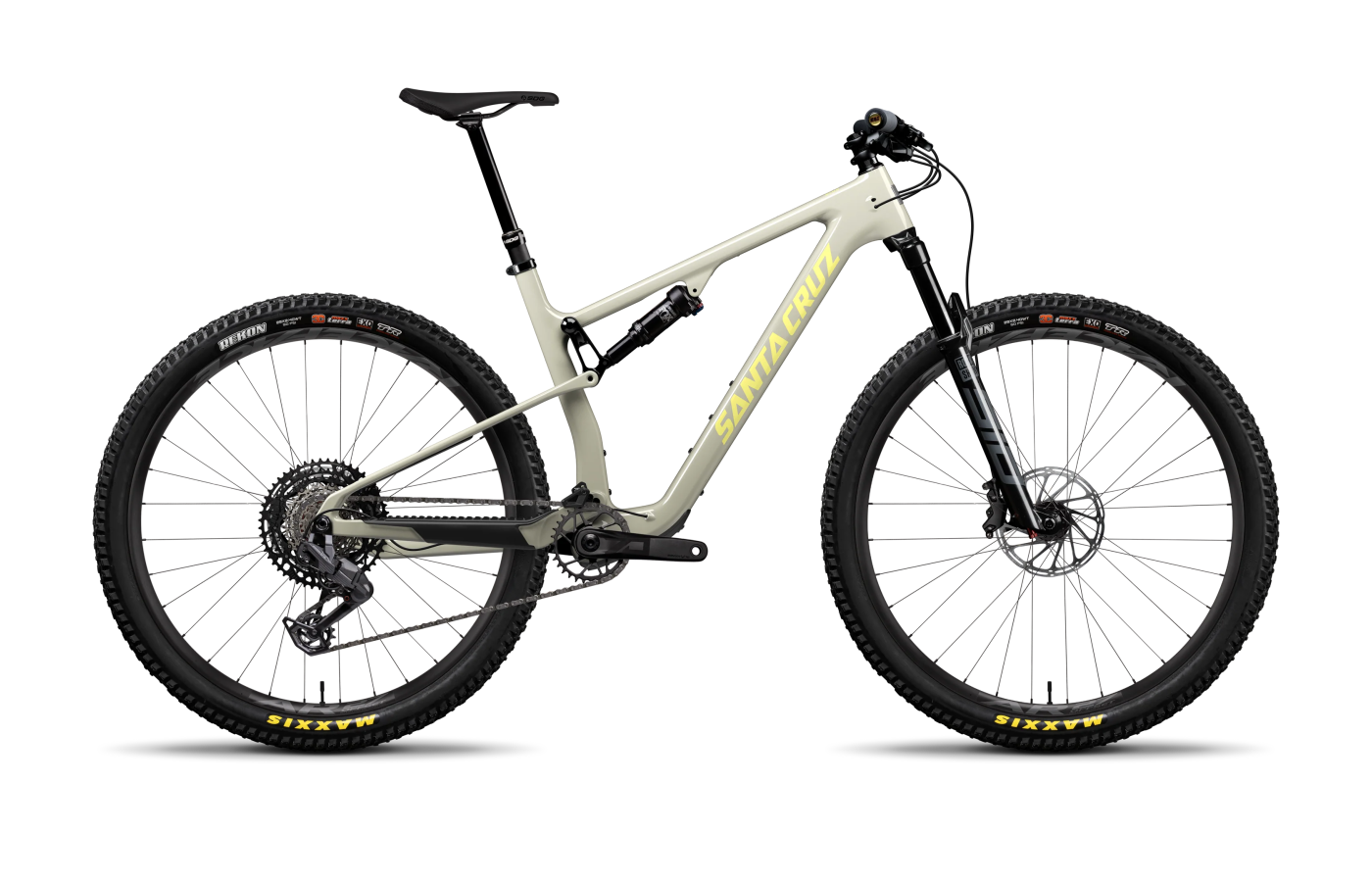
Blur
The closest thing to the ASR's active, high-traction rear end in a different silhouette — a 115mm flex-pivot platform from Santa Cruz's most famous XC nameplate. If you like the ASR's ride but not the Yeti Tax, start here.
Compare →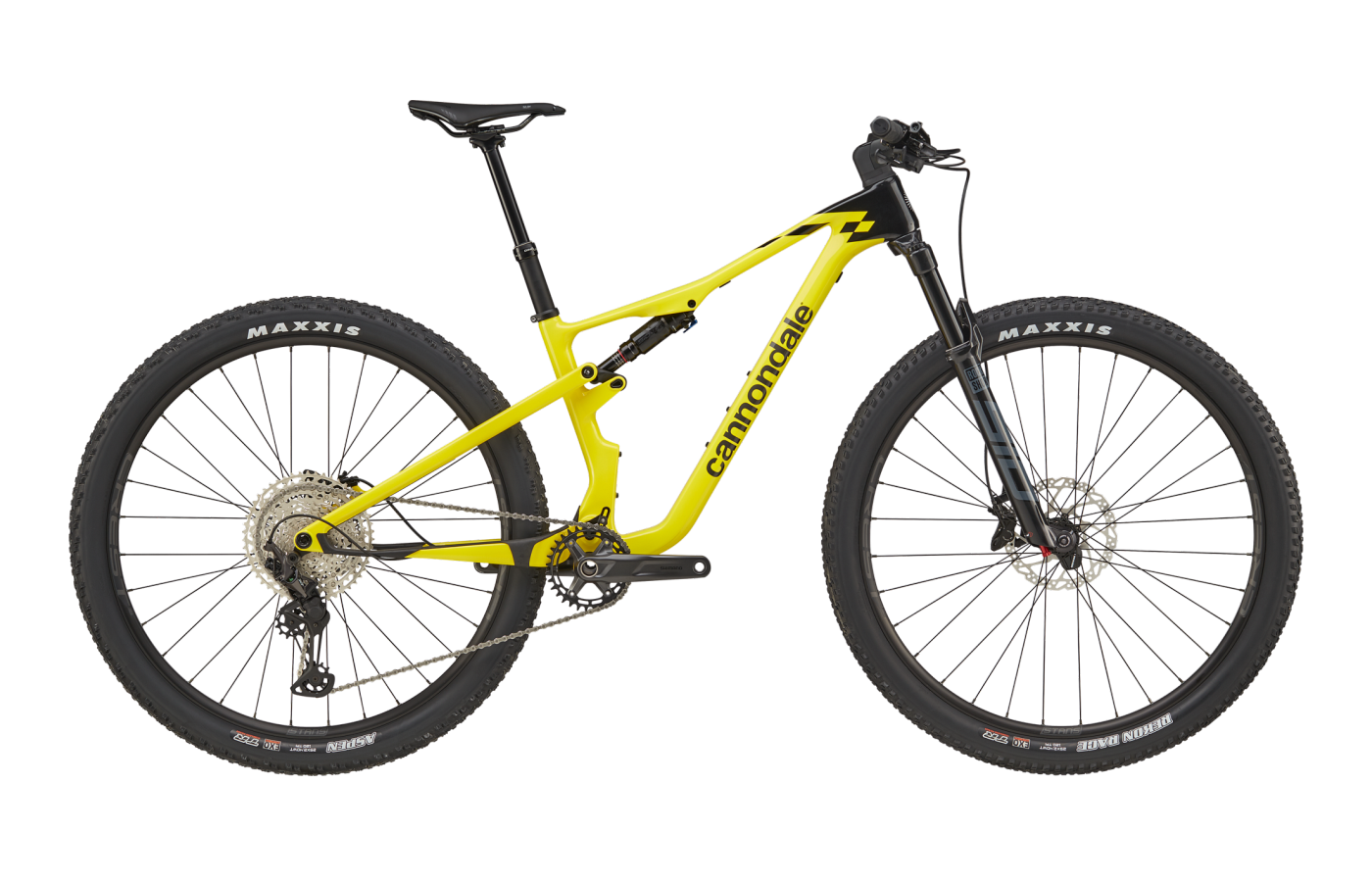
Scalpel
Cannondale's flex-pivot take on modern XC, but with the unmistakable Lefty single-sided fork for torsional stiffness. Longer, more traditional race fit than either of these — the Scalpel is for the rider who still wants an XC bike that looks like an XC bike.
Compare →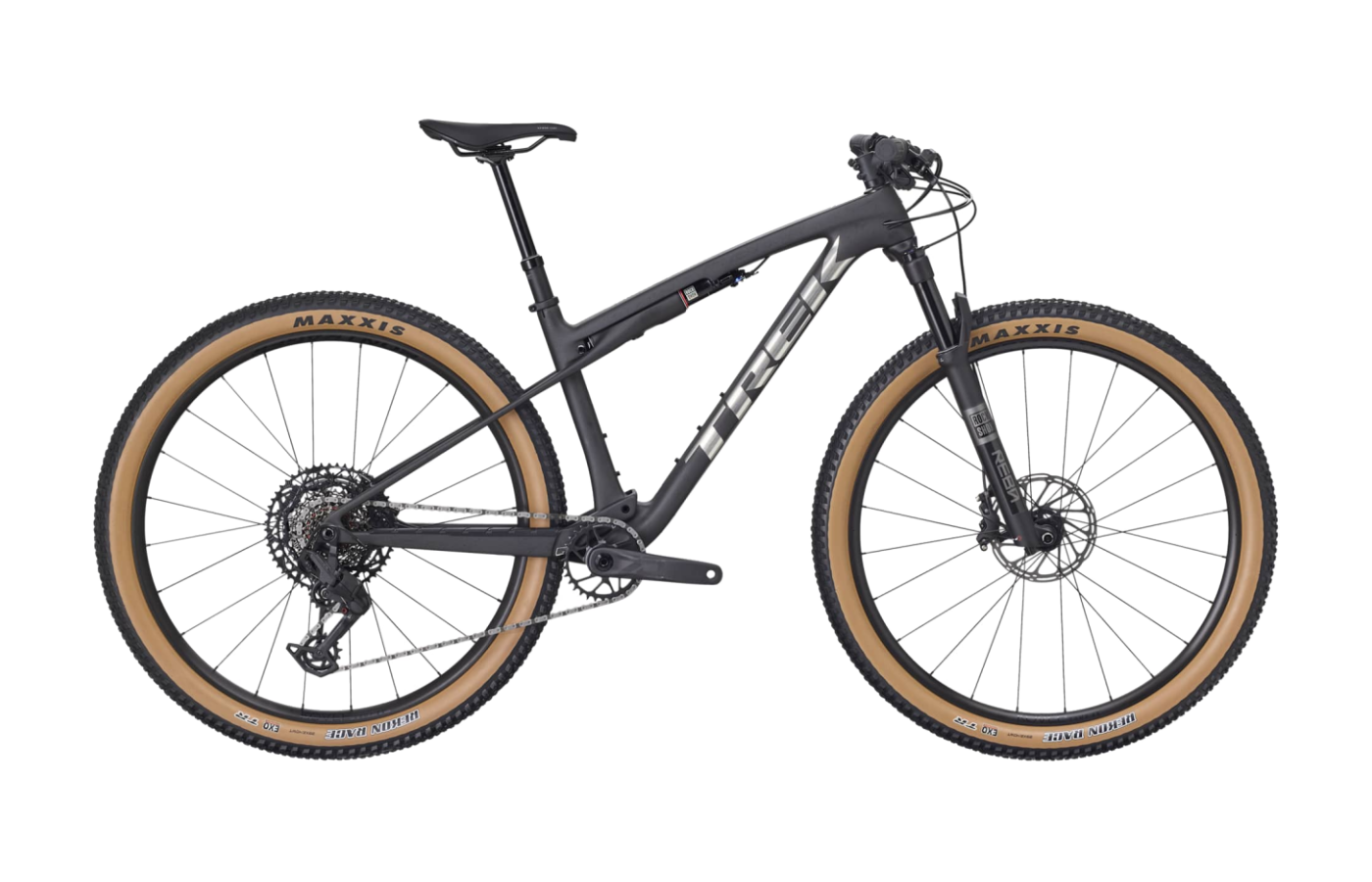
Supercaliber
Trek's 80mm-rear/120mm-front IsoStrut design — meaningfully less travel than either the Epic or ASR, which makes it the firmer, more hardtail-adjacent option. Best for smooth, fast courses where 120mm is overkill.
Compare →