Epic
vsSB120
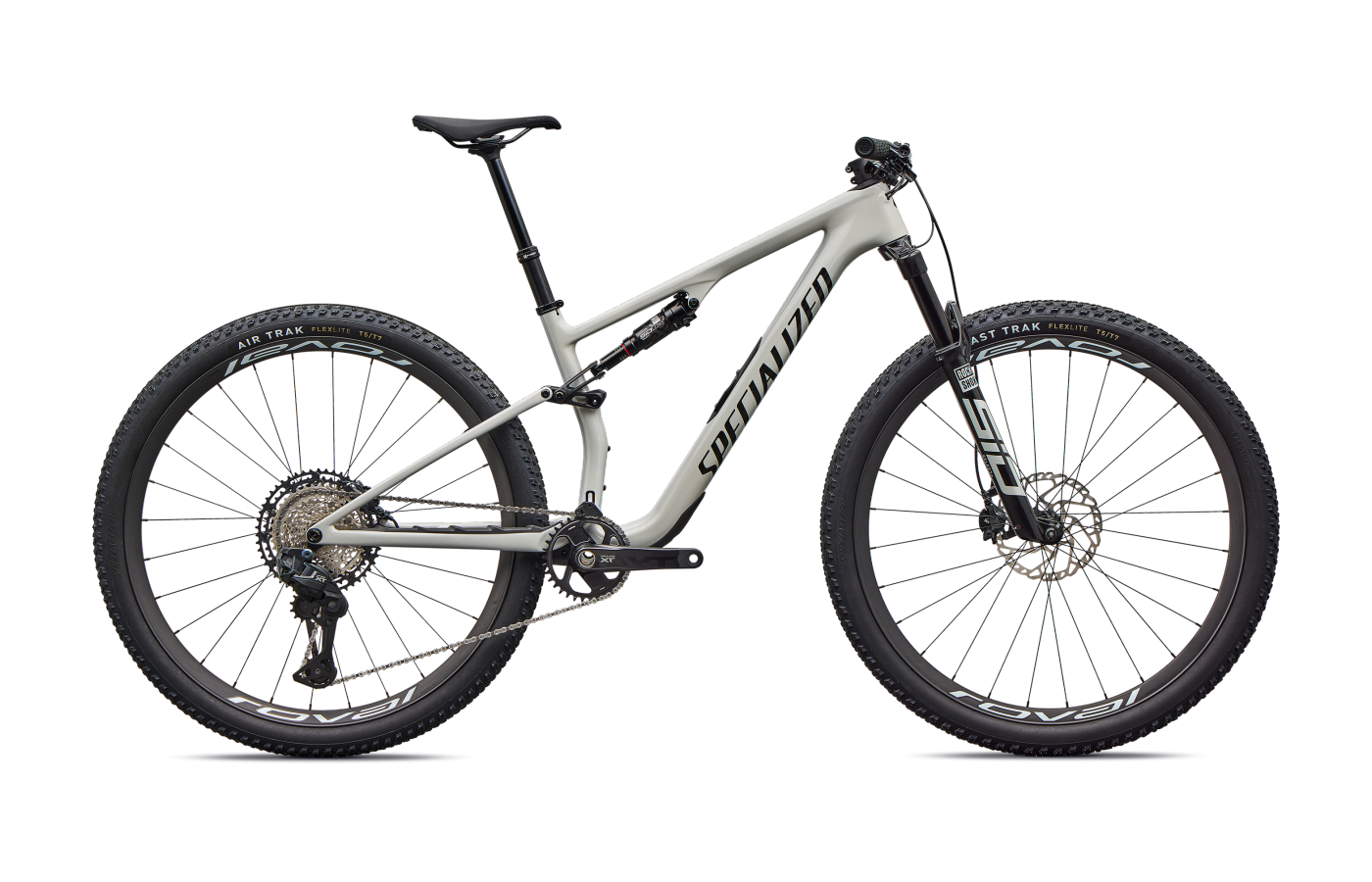
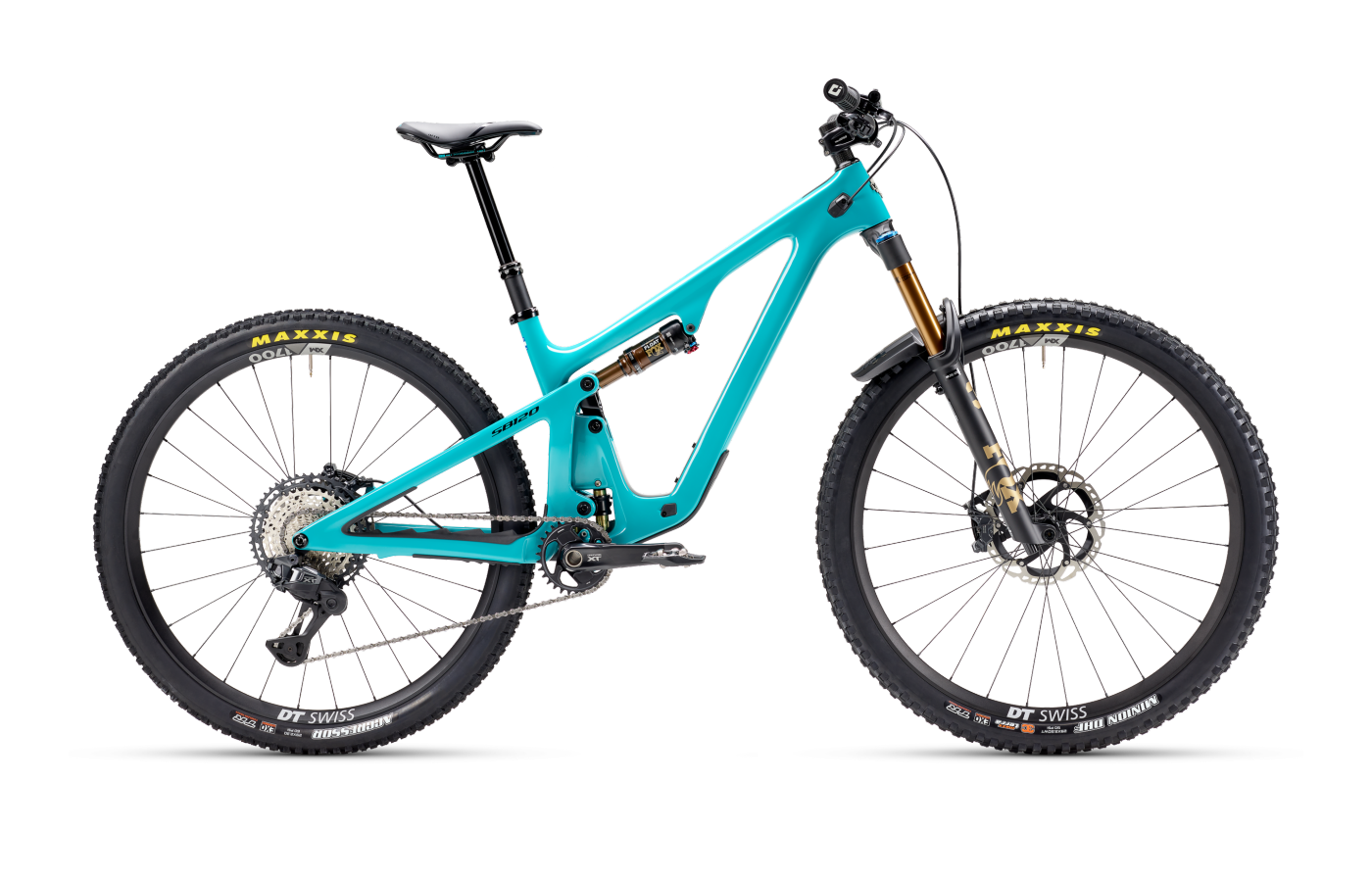
Two 120mm bikes, two different jobs.
The Epic 8 is an XC race weapon that descends like a trail bike. The SB120 is a short-travel trail bike that happens to pedal well.
Epic
- Race-day efficiency — the SIDLuxe 'Magic Middle' tune pedals like a hardtail until trail impacts force it open.
- Lighter at every trim — the Expert XT Di2 build is ~11.17 kg vs. ~13.52 kg for the SB120 T1.
- Modern XC geometry — 65.9° head angle and 75.5° seat angle descend like a trail bike yet still climb like a racer.
- Single-pivot flex-stay can 'hang' on square-edged hits compared to Switch Infinity.
- Narrower 2.35" stock tires and lighter casing — not built for ledgy, ledge-drop terrain.
SB120
- Plusher than its travel — the Switch Infinity V2 linkage delivers small-bump traction and mid-stroke support that feels closer to 140mm.
- Size-specific chainstays (431.8–442mm) keep weight balance consistent across the XS–XXL range.
- Tougher stock build — 140mm FOX 36, DT Swiss XM1700 wheels, and 2.5" Minion DHF handle real trail abuse out of the box.
- Noticeably heavier — the T1 build lands around 13.5 kg versus the Epic's 11.2 kg.
- Boutique tax: no sub-$6k builds, and reviewers repeatedly flag SRAM G2 brakes as underpowered for the chassis.
Editor’s analysis
Same rear travel, same category, same price bracket — and almost nothing else in common.
On the spec sheet, the Specialized Epic 8 and Yeti SB120 look like siblings: 120mm of rear travel, carbon frames, aggressive modern geometry. Spend five minutes reading the kinematics and the builds and the philosophies split apart. The Epic 8 is a race bike that got braver. The SB120 is a trail bike that got trimmer.
Specialized kept the Epic pointed at the stopwatch. It ships with a 120mm RockShox SID fork, a 65.9° head angle, a 75.5° seat angle, and the RockShox SIDLuxe with a custom digressive 'Magic Middle' tune that reviewers describe as 'firm-nosed' — it resists pedal bob and only breaks open under real impacts. The Expert trim weighs about 11.17 kg; the S-Works drops further with Flight Attendant electronics. Short 435mm chainstays on every size make it flick like a hardtail. The Epic 8 wants lap times.
Yeti went the other direction. The SB120 rolls on a 140mm FOX 36 fork, a 66.2° head angle, and the Switch Infinity V2 linkage — a more complex multi-link that reviewers almost universally call 'sentient' and 'bottomless,' managing square-edge hits the Epic's single-pivot occasionally hangs on. Chainstays grow with size (434–442mm) to keep the weight balance consistent. The T1 XT Di2 build comes in around 29.8 lb (13.52 kg) — meaningfully heavier, with fatter Maxxis Minion DHF 2.5 / Aggressor 2.3 rubber and beefier wheels. The SB120 wants turns.
Put another way: if you're choosing between these two, you already know which rider you are. The Epic 8 is the bike for someone who still wears a number plate on weekends. The SB120 is the bike for someone who retired from racing and now rates the day by how hard they cornered.
Where the builds differ.
Comparing our editor's-pick builds side-by-side. Winners highlighted row-by-row — lower price and weight, and the better-spec component, each mark a point.
Build variants & pricing
The Epic starts at $4,499 and climbs to $14,999; the SB120 starts at $6,000 and tops at $10,700. Editor's picks are the shared XT Di2 build on each side.
Prices are current US MSRP. The Yeti has no sub-$6k entry — if budget is the constraint, only the Epic reaches below that floor. Both offer a cheaper C-Series / Comp carbon tier than the builds compared here.
How they fit, how they steer.
Both at size M. The SB120 sits 19 mm taller (617 vs 598 stack) with nearly identical reach (452 vs 450) and a 0.3° steeper head angle — a more upright, composed trail stance. Chainstays are within 2 mm; wheelbase is 15 mm longer on the Yeti.
Which size should I buy?
Size recommendations based on stack, reach, and effective top tube. The Epic starts one size smaller (XS) and tops at XL; the Yeti extends up to XXL.
→These are starting points. Flexibility, riding style, and preferred position all shift the answer — if you’re between sizes, a professional fit beats a chart.
What the magazines said.
Published reviews from trusted cycling outlets. Click through for the full write-up.
Which one should you buy?
If you race, or wish you still did, get the Epic 8. If you chase corners and descents on short-travel terrain, get the SB120.
Epic
If your rides are measured against the clock — local XC races, marathon events, Strava segments — the Epic 8 is the benchmark. It pedals like a hardtail in Magic Middle, descends far harder than its 120mm should allow, and weighs two kilos less than the SB120 when spec matches.
SB120
If you used to line up at the tape and now just want the rowdiest short-travel bike that still pedals well, the SB120 is the bike. The Switch Infinity linkage and 140mm fork turn mellow trails into a playground, and the frame feels like a miniature enduro rig when the descent points down.
Questions buyers actually ask.
Short answers to the things we get emailed about most often.
01Which one actually pedals better?
The Epic 8, by a clear margin. Specialized's 'Magic Middle' custom tune on the RockShox SIDLuxe gives the Epic a digressive compression mode that resists rider-induced bob but opens under trail impacts — reviewers describe it as feeling like a hardtail on smooth ground. Specialized claims 20% less pedal bob than the Epic 7 EVO.
The SB120 is not a slouch — the Switch Infinity linkage also holds a firm pedaling platform — but it's tuned for traction and plushness rather than maximum efficiency, and it's carrying roughly 2 kg more mass on comparable builds. On a sustained climb, the Epic gets there first.
02Which one descends better?
It depends on the descent. On XC-course descents — fast, rolling, with occasional rock gardens — the Epic 8 is remarkably capable. Its 65.9° head angle and 120mm fork let it hold lines that would have been terrifying on the Epic 7.
On chunkier, steeper, truly trail-style descents, the SB120 is the better tool. The 140mm FOX 36 fork, stouter DT Swiss XM1700 wheels, 2.5" Minion DHF tires, and the Switch Infinity linkage's multi-link kinematics all give it more composure on square-edge hits and bigger drops. Reviewers repeatedly say the SB120 feels like it has more than 120mm of travel.
03How different are the weights?
Significant. At the XT Di2 trim compared here, the Epic 8 Expert lands around 11.17 kg and the Yeti SB120 T1 around 13.52 kg (29.8 lb) — a ~2.3 kg (~5 lb) gap.
Most of that comes from spec: heavier 140mm FOX 36 fork vs. 120mm RockShox SID, alloy DT Swiss XM1700 wheels vs. carbon Roval Control SL V, 2.5"/2.3" Maxxis Minion DHF/Aggressor vs. 2.35" Specialized Fast Trak. The frame weights are closer than the build weights suggest — Yeti's TURQ carbon is light — but Yeti chose a trail-oriented kit and it shows on the scale.
04Are the suspension systems really that different?
Yes. The Epic 8 uses a flex-stay single-pivot with a custom-tuned RockShox SIDLuxe shock. It's light, efficient, and can feel 'firm-nosed' — reviewers note it occasionally 'hangs' on square-edge hits compared to a multi-link design.
The SB120 uses Yeti's Switch Infinity V2, a translating-pivot multi-link where the main pivot moves up then down along a short Kashima-coated slider. It adds complexity and weight, and it needs greasing every 40–75 hours, but reviewers consistently call it 'sentient' — it delivers mid-stroke support and square-edge compliance that a single-pivot at this travel can't easily match.
05Which has better tire clearance?
Both fit aggressive rubber. The Epic 8 has documented clearance around 59.7 mm — comfortably enough for the 2.35" Specialized tires it ships with.
The SB120 ships with 2.5" Maxxis Minion DHF up front and a 2.3" Aggressor out back, so it clears at least that. Yeti doesn't publish a hard maximum, but reviewers running 2.5" front / 2.4" rear combinations report no issues. In practice: either bike handles any realistic short-travel trail tire.
06Can I upgrade the SB120 to a 140mm fork? Is the Epic compatible?
The SB120 is already at 140mm up front — current model builds ship with a 140mm FOX 36. Yeti approves the 140mm fork as a stock spec, which is one of the things that pushes the bike further toward the trail end of the 120mm category.
The Epic 8 ships with a 120mm fork and is designed around it. Specialized sells a separate Epic 8 Evo — same frame — with a 130mm fork and burlier build kit. If you want a 130+mm-fork Specialized, buy the Evo rather than re-forking the Epic.
07What's the maintenance picture long-term?
The Epic 8 runs a threaded BSA bottom bracket and internal cable routing through head tube ports on the FACT 11m frames (Expert and below) — friendly to service. The S-Works uses headset routing, which reviewers flag as a maintenance headache when you need to bleed the rear brake. Flight Attendant adds up to nine batteries to track across the bike.
The SB120 also uses a threaded BSA bottom bracket (co-molded into the carbon, which Yeti says is stronger than a glued-in shell). Cables are 'tubed-in-tube' with secure ports at entry/exit — reviewers call it quiet and easy to service. The Switch Infinity slider needs grease every 40–75 riding hours via external ports; that's the main recurring task Epic owners don't have.
08Which is better value?
The Epic 8 wins on dollars-per-spec. Epic builds start at $4,499 (Comp, carbon frame, GX mech) and the Expert — this page's editor's pick — is $7,199 with XT Di2, carbon Roval wheels, SIDLuxe Magic Middle shock, and SWAT downtube storage. Reviewers widely call the Expert the sweet spot in the range.
The SB120 starts at $6,000 and the T1 XT Di2 pick here is $8,100 — same drivetrain, but alloy wheels and a heavier build. Yeti's frame and Switch Infinity hardware carry a genuine boutique premium, and most reviewers acknowledge it: you're paying for ride quality and brand, not spec-sheet parity. If the tradeoff isn't worth roughly $900 to you at the same drivetrain tier, the Epic is the better buy.
Similar bikes
If your priorities don’t map cleanly onto either of these, one of these adjacent bikes probably fits better.
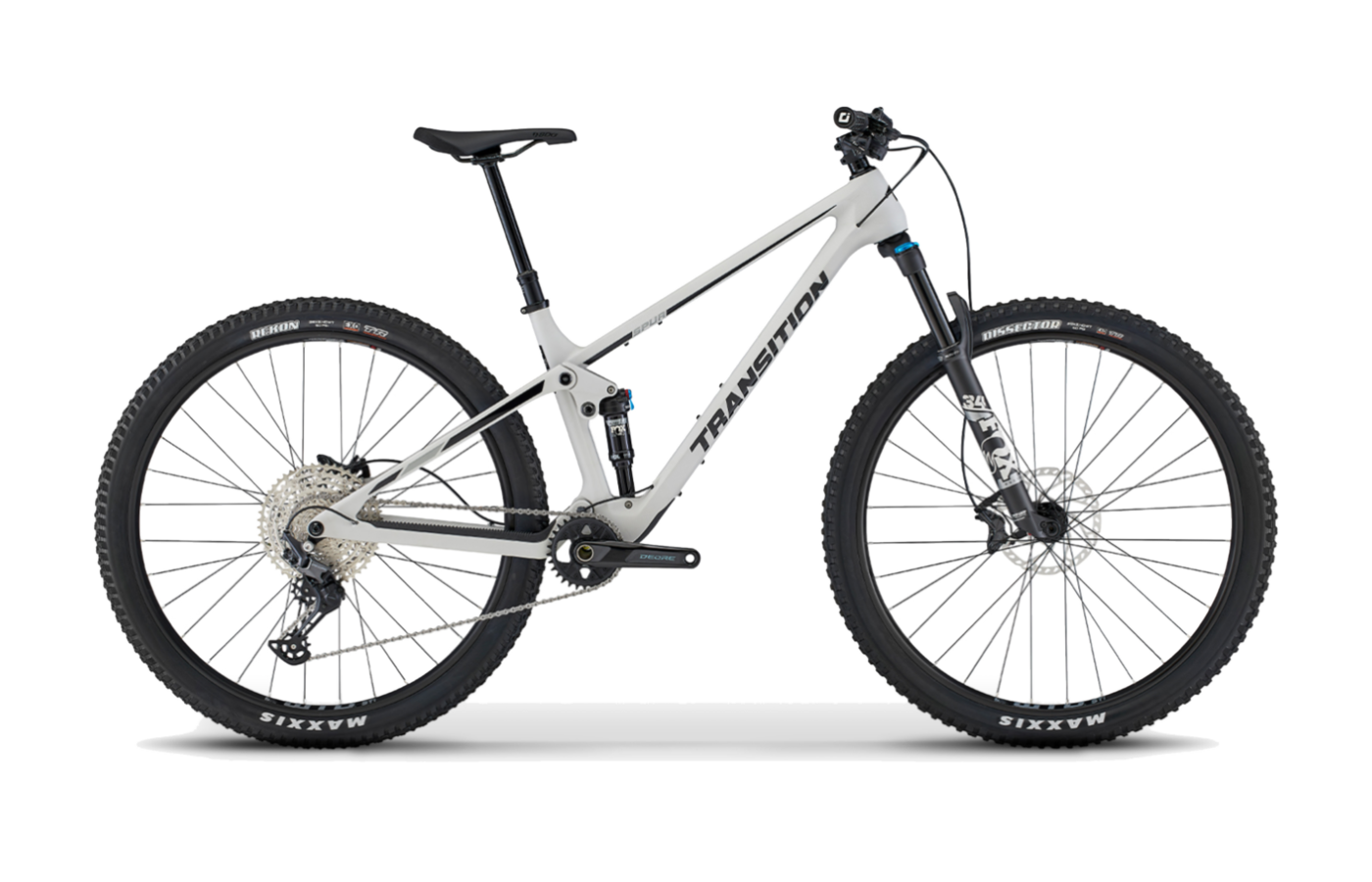
Spur
The benchmark in this category — lighter than the SB120, more playful than the Epic, and the closest thing to a true middle ground between race and trail.
Compare →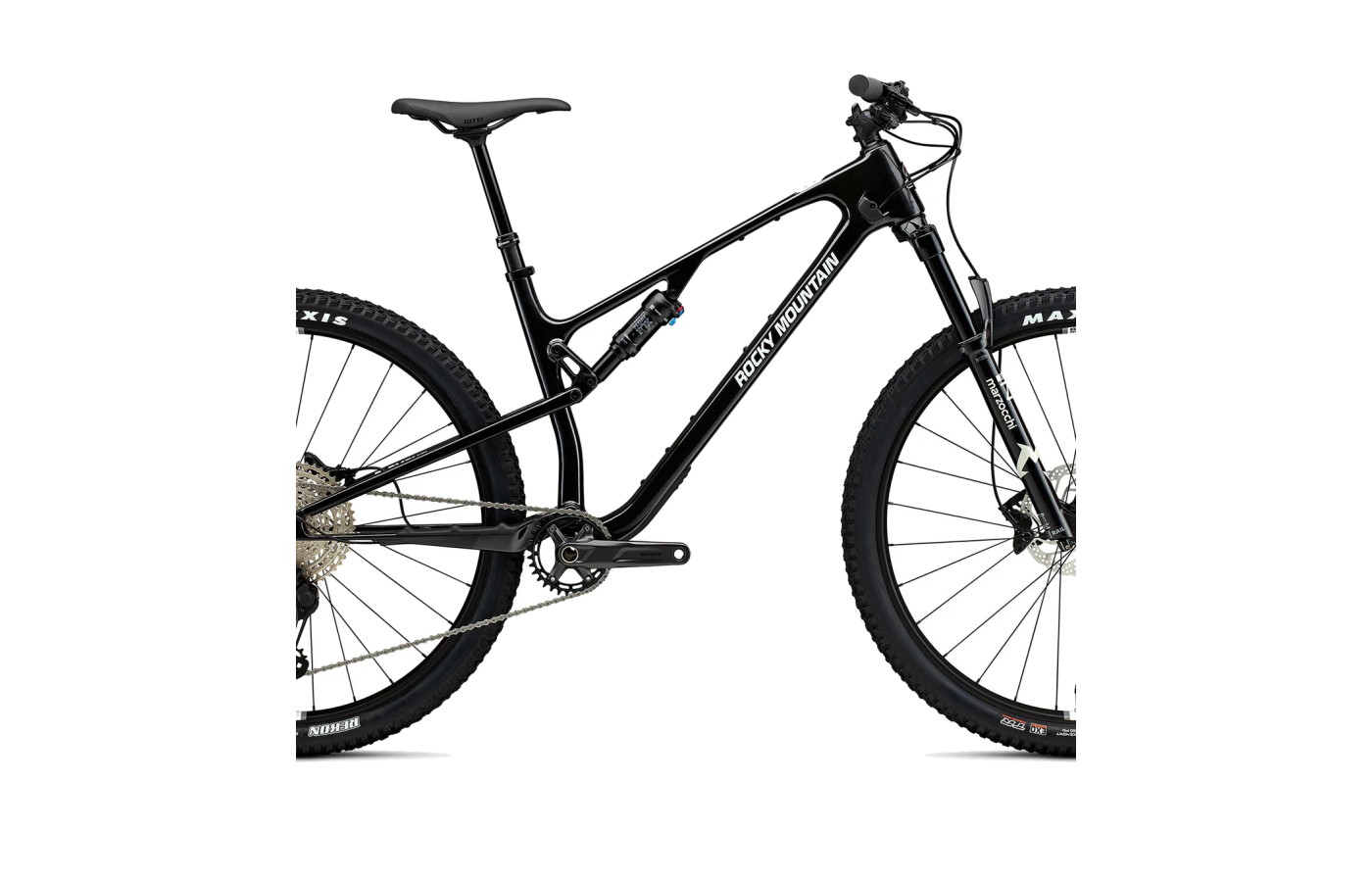
Element
The genuine downcountry pick — noticeably lighter than the Yeti with geometry that leans harder toward high-speed descents than the Epic's race-first numbers.
Compare →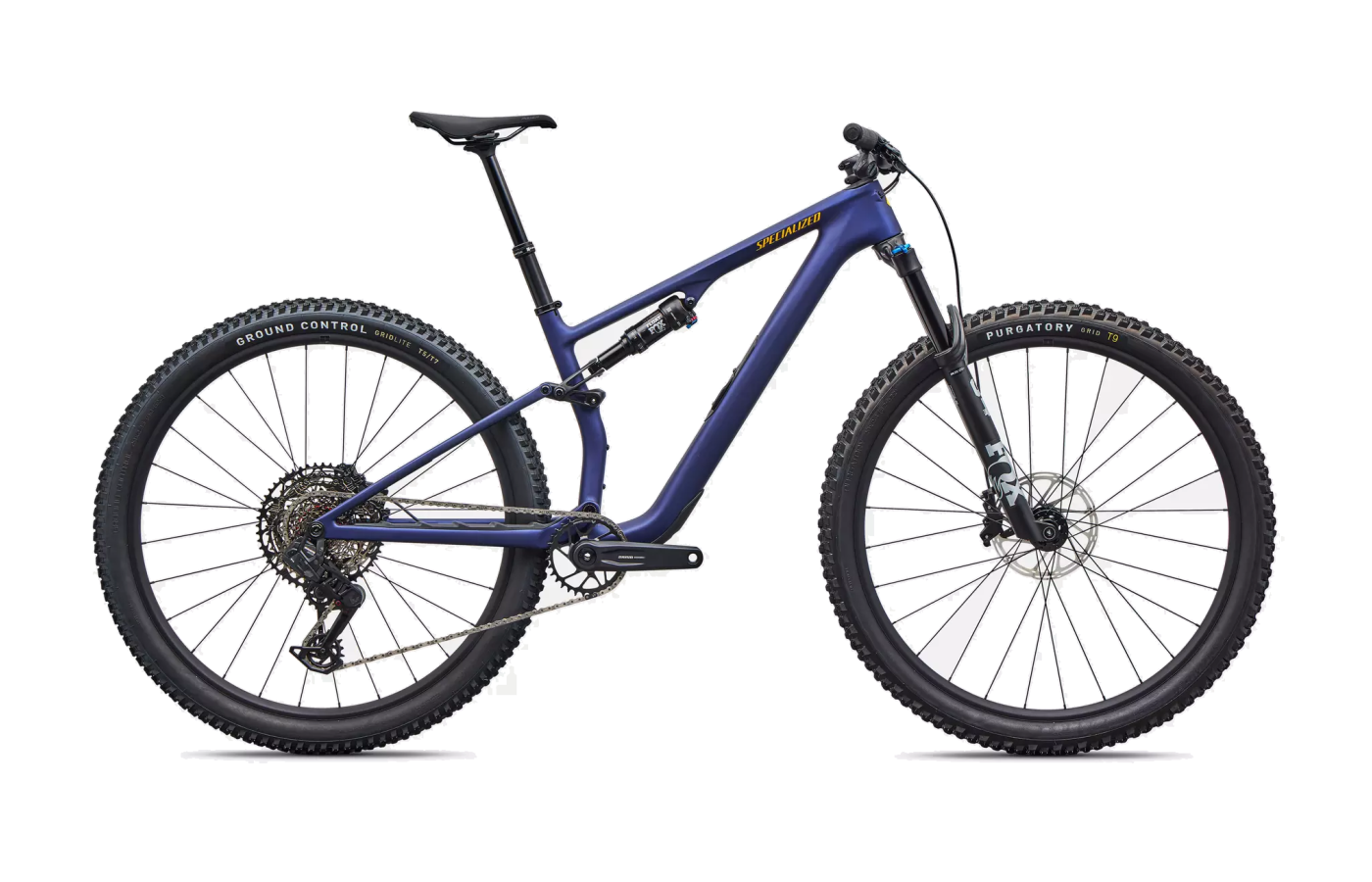
Epic Evo
Same frame as the Epic 8 but with a 130mm fork, no remote lockouts, and a more active suspension tune. If you like the Epic's chassis but want it angled toward trail instead of race, this is it.
Compare →