Sentinel
vsSmuggler
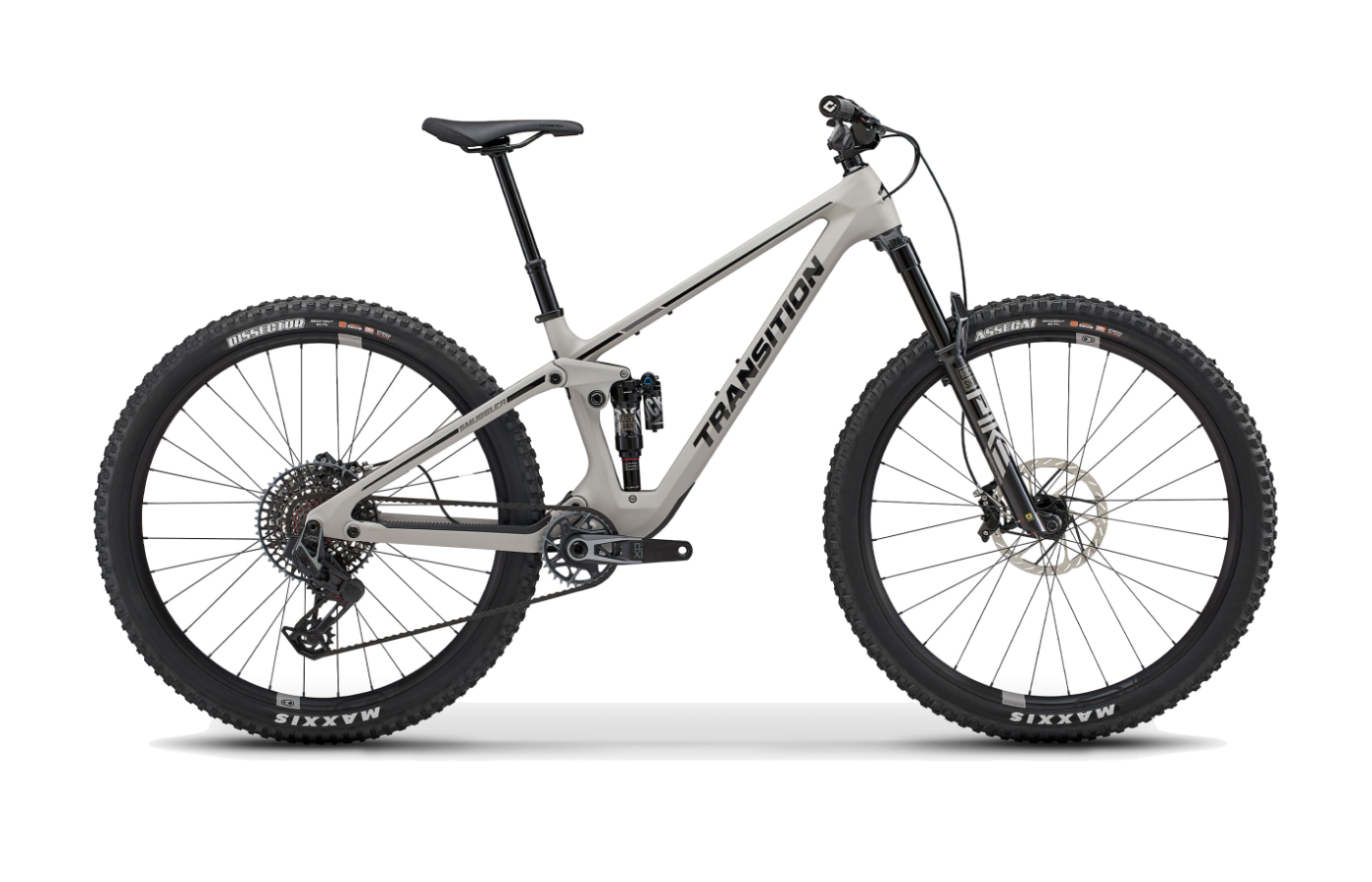
Same family, different missions.
Both run Transition's GiddyUp suspension and the same brand DNA — the Sentinel is the long-travel send sled, the Smuggler is the short-travel quiver-killer.
Sentinel
- More travel where it counts — 150 mm rear / 160 mm front handles bike-park terrain the Smuggler can't.
- B.O.O.M. Box in-frame storage on every carbon build — a genuine functional gap vs. the Smuggler.
- Mullet-ready via flip-chip — drops the BB 6 mm and slackens 0.4 degrees for a more locked-in cornering feel.
- Tall 350 mm BB height feels less grounded than rivals in fast, machine-built berms.
- Stock RockShox Super Deluxe Ultimate tune is widely criticized as too lightly damped — heavier or aggressive riders may need a re-tune.
Smuggler
- Lighter, livelier chassis — the carbon flagship comes in around 30 lb vs. ~32 lb for the Sentinel equivalent.
- Snappier handling — steeper 65-degree head angle and shorter chainstays make it the more playful trail tool.
- Punches above its travel — 27% progressive leverage curve resists harsh bottom-outs on "ill-advised hucks."
- No in-frame storage — strapping is your only option.
- "Loam Cupboard" routing opening at the BB collects mud and grit; bearing life suffers in wet conditions.
Editor’s analysis
This isn't Transition vs. Transition — it's how much bike you actually need.
On paper, the Transition Sentinel and Transition Smuggler share more than they don't: identical brand voice, the same Horst-link GiddyUp layout, near-identical cockpit kits, lifetime warranty, threaded BB, UDH. The split is travel and intent. The Sentinel runs 150 mm rear / 160 mm front. The Smuggler runs 130 mm rear / 140 mm front. Everything else flows from there.
The Sentinel V3 is what reviewers now call a "long-travel Smuggler" — Transition pulled it back from mini-enduro-sled territory into something sportier. A 64-degree head angle, size-specific 442/448 mm chainstays, and a notably tall 350 mm bottom bracket give it bike-park composure with enough pop to keep flow trails interesting. The carbon frame adds in-frame B.O.O.M. Box storage; the alloy doesn't. It's the bike you buy when your weekends include shuttle laps and the occasional black-diamond rock garden.
The Smuggler is the same chassis philosophy compressed. 65-degree head angle, lower BB drop, shorter chainstays, and a 27% progressive leverage curve that reviewers describe as "poppy" and "snappy." Multiple outlets call it the "littlest sledgehammer" — a 130 mm bike that punches well above its travel class on rough terrain, but rewards an active rider who pumps the trail rather than plowing it. No in-frame storage on any build.
Put another way: the Transition Sentinel is the bike for a rider whose home trails include genuinely steep, chunky descents and who values composure when things get fast. The Transition Smuggler is the bike for a rider who wants one mountain bike for everything from XC-style epics to occasional rowdy descents, and would rather carry less travel up the climb than pay the weight tax all day.
Where the builds differ.
Comparing our editor's-pick builds side-by-side. Winners highlighted row-by-row — lower price and weight, and the better-spec component, each mark a point.
Build variants & pricing
Both share an alloy floor at $3,499 and scale through carbon. The Sentinel keeps climbing past $9k; the Smuggler tops out around $7.8k.
Prices are current US MSRP. The Sentinel offers a 9-build ladder including a $9,999 XTR Di2 flagship and an $4,599 alloy XT value pick; the Smuggler's lineup is tighter at 5 builds and tops out at the X0 AXS we picked.
How they fit, how they steer.
Both at size MD — the fit-picked size for a 5'8" rider on each bike. The Smuggler sits 5 mm lower in stack with 5 mm more reach, runs a 1-degree steeper head angle, and gives up 11 mm of effective top tube — it's the sharper, more cross-country-leaning fit.
Which size should I buy?
Size recommendations based on stack, reach, and effective top tube. Both ranges run XS through XXL with closely matched reach numbers in the middle of the size run.
→These are starting points. Flexibility, riding style, and preferred position all shift the answer — if you’re between sizes, a professional fit beats a chart.
What the magazines said.
Published reviews from trusted cycling outlets. Click through for the full write-up.
Which one should you buy?
If your home trails are steep, chunky, or include bike-park days, get the Sentinel. If you want one bike for everything from XC epics to rowdy weekends, get the Smuggler.
Sentinel
If you want a do-it-all bike that doesn't flinch when the descent turns black-diamond, this is it. The 150/160 mm travel, mullet-ready geometry, and in-frame storage make it the Transition for riders whose weekends include chairlifts, shuttle days, and proper rock gardens.
Smuggler
If you want one bike for everything from a 20-mile technical loop to a flow-trail session, the Smuggler is lighter, livelier, and pedals more efficiently than the Sentinel — while still descending well above its 130 mm travel class. The right pick if your trails are mixed and you value pop over plow.
Questions buyers actually ask.
Short answers to the things we get emailed about most often.
01Which descends better on rough terrain?
The Transition Sentinel, comfortably. With 150 mm rear / 160 mm front travel vs. the Smuggler's 130 mm / 140 mm and a slacker 64-degree head angle (vs. 65 degrees), the Sentinel has the suspension and geometry to handle genuinely rough, high-speed descents that overwhelm the Smuggler.
Reviewers describe the Smuggler as a "littlest sledgehammer" that punches above its travel class — but they're consistent that it eventually "runs out" or feels "jarring" in sustained chunk where the Sentinel just keeps tracking.
02Which climbs better?
The Transition Smuggler. It's lighter (the X0 AXS flagship comes in around 30 lb vs. ~33 lb for the Sentinel equivalent), pedals more efficiently with less travel to bob through, and has a slightly lower bottom bracket that helps in tight technical climbing.
That said, the Sentinel is no slouch — the 78.3-degree seat tube angle and supportive GiddyUp tune keep the rider centered. Multiple reviewers note the V3 "rides lighter than the scale suggests." But on long, sustained climbs, the Smuggler's ~3 lb weight savings is something you'll feel.
03Can either be set up as a mullet (mixed wheel)?
Officially, only the Sentinel. It ships with a flip-chip that supports a 27.5" rear wheel — Transition recommends the "High" setting in mullet mode, which lowers the BB by 6 mm and slackens the head angle by 0.4 degrees. Multiple reviewers call this the bike's handling sweet spot.
The Smuggler is a dedicated 29er. Riders have run smaller rear wheels off-spec, but Transition doesn't sanction it and the geometry isn't designed to compensate.
04Does either have in-frame storage?
Only the Sentinel, and only on carbon builds. Transition calls it the B.O.O.M. Box ("Burritos or Other Munchies"). The hatch is decoupled from the water-bottle mount, which keeps the bottle from rattling against it.
The Smuggler — carbon or alloy — has no in-frame storage. If that matters to you, the Sentinel carbon is the only Transition trail bike that offers it.
05How much does the bottom bracket height matter?
More than the spec sheet suggests. The Sentinel sits at roughly 350 mm static BB height with a 25 mm drop — high enough that reviewers in chunky Southwestern terrain love it for pedal clearance, but multiple sources note it can feel "less locked-in" in fast machine-built berms.
The Smuggler runs a more conventional 35 mm BB drop, which makes it feel more intuitive in corners but increases the risk of pedal strikes if you run sag deeper than ~28%. Riders in technical, ledge-y terrain need to be careful with shock setup on the Smuggler.
06Is the stock rear shock a concern on either?
Yes — on the Sentinel, multiple reviewers (including Blister and Pinkbike) called the stock RockShox Super Deluxe Ultimate compression tune "bizarrely light," reporting the bike blowing through mid-stroke on square-edged hits. A re-tune or shock swap was described as "transformative."
The Smuggler's stock shock isn't flagged for tune issues, but reviewers do note it's highly sensitive to sag — too deep and the bike becomes "boggy" with frequent pedal strikes. Both bikes reward a careful setup session.
07What's the long-term frame durability story?
The Sentinel V3 got real attention to durability — a one-piece rocker link adds stiffness and reduces shock-mount stress, a redesigned lower shock area no longer pools water, and a main-pivot mudguard prevents grit from chewing through bearings.
The Smuggler V3 has a known issue with the "Loam Cupboard" — an opening at the bottom bracket where cable routing exits the front triangle. Reviewers consistently report that it funnels mud and water into the frame; Pinkbike found their first set of bearings only lasted 2-3 months of dry riding before needing replacement.
08What warranty do they come with?
Both come with Transition's lifetime frame warranty to the original owner against manufacturing defects. Transition extends crash-replacement pricing to second-hand owners as well, which several reviewers cited as a meaningful advantage over competitors that restrict warranty service to original buyers.
Similar bikes
If your priorities don’t map cleanly onto either of these, one of these adjacent bikes probably fits better.
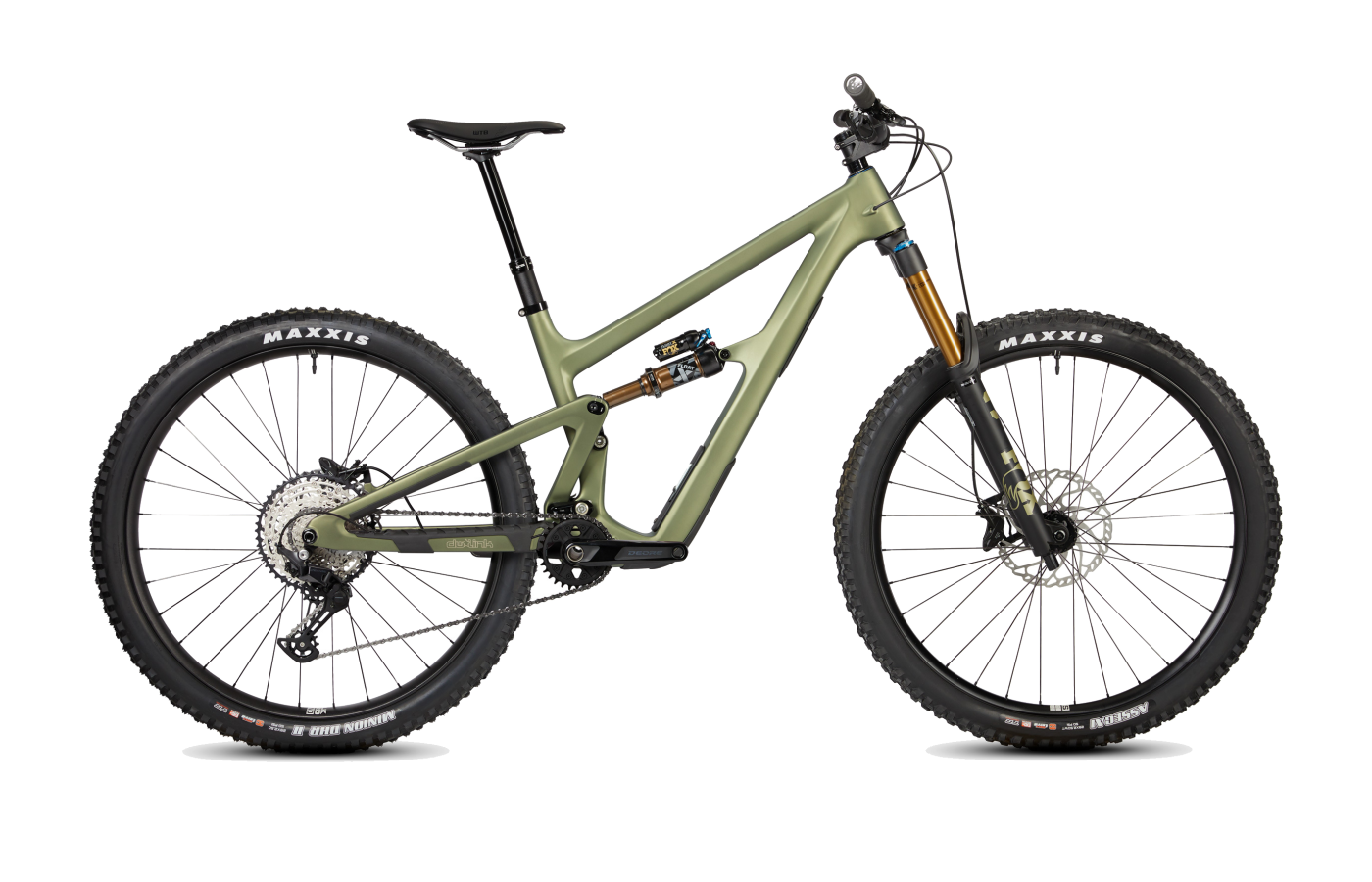
Ripmo
A direct rival to the Sentinel with similar travel, the Ibis Ripmo runs DW-Link suspension for a more ground-hugging, traction-focused feel. Pedals slightly more efficiently than the Sentinel on smooth fire roads.
Compare →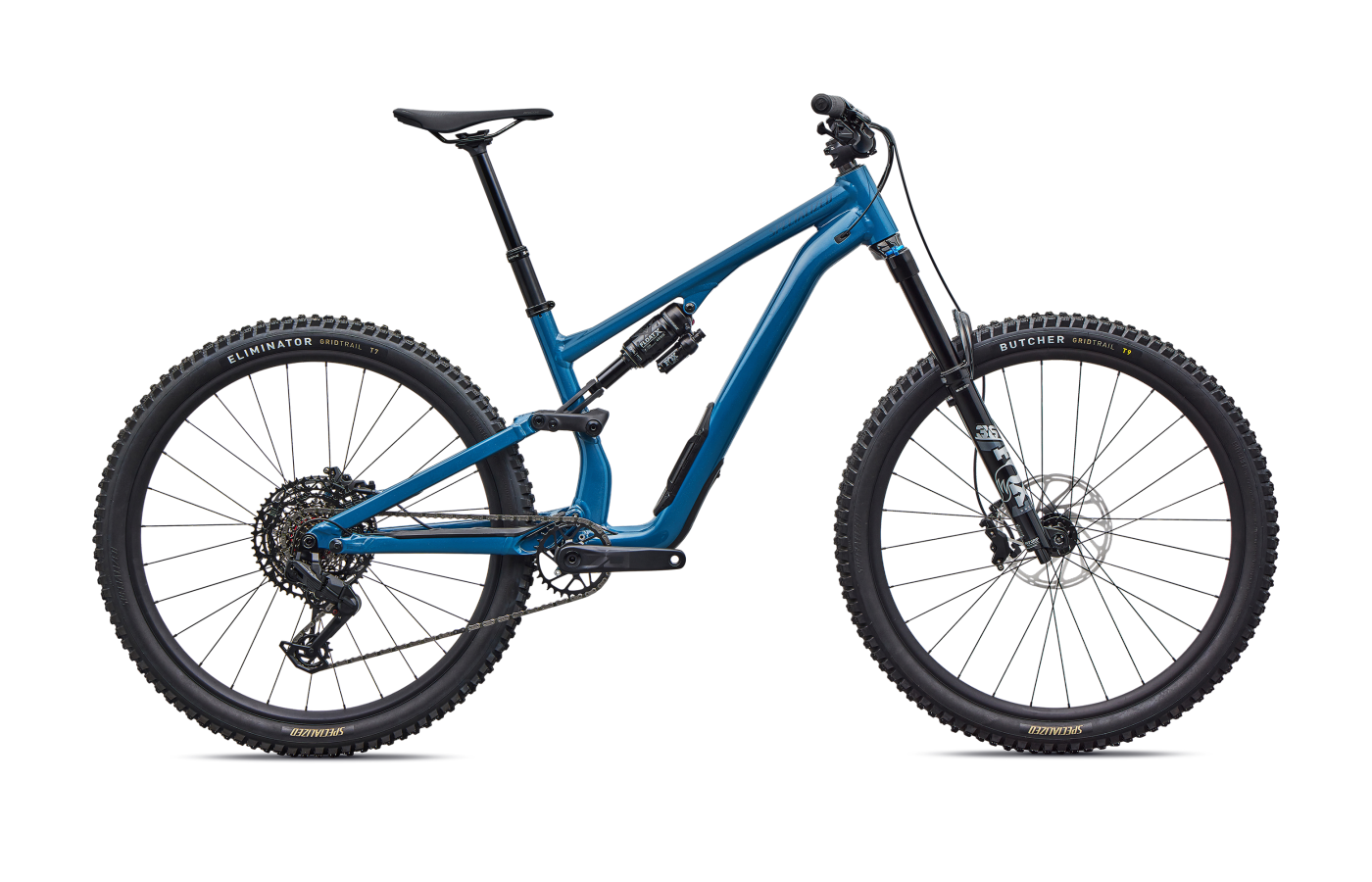
Stumpjumper Evo
If the Sentinel's tall 350 mm BB feels uncomfortable in fast berms, the Specialized Stumpjumper Evo offers a flip-chip and headset-cup geometry adjustment for a far lower, more stable cornering platform.
Compare →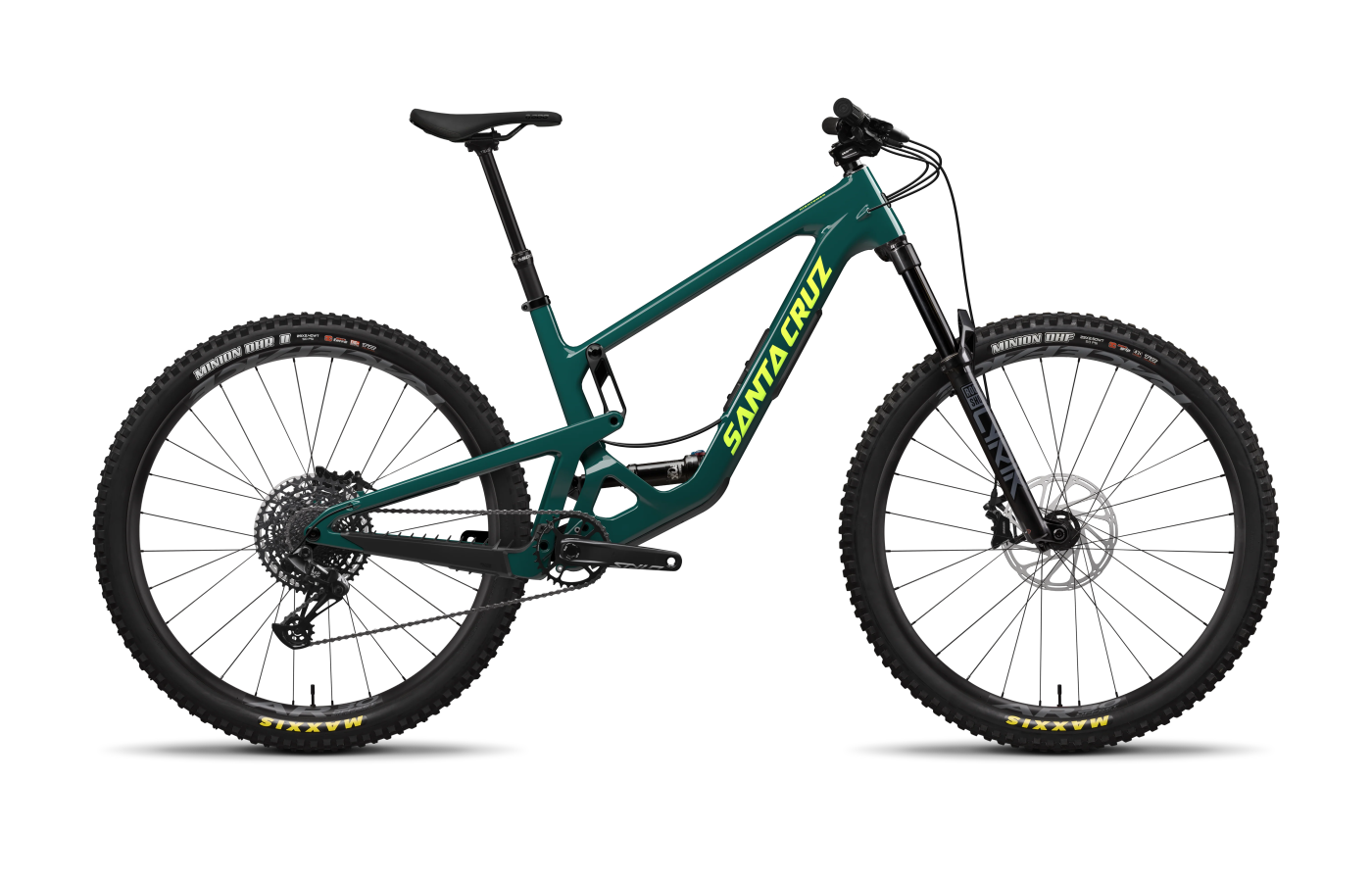
Hightower
A rival to the Smuggler with in-frame storage across all carbon models — solving the Smuggler's biggest functional gap — and a VPP suspension that feels more muted on chatter-heavy trails.
Compare →