Domane
vsGarda
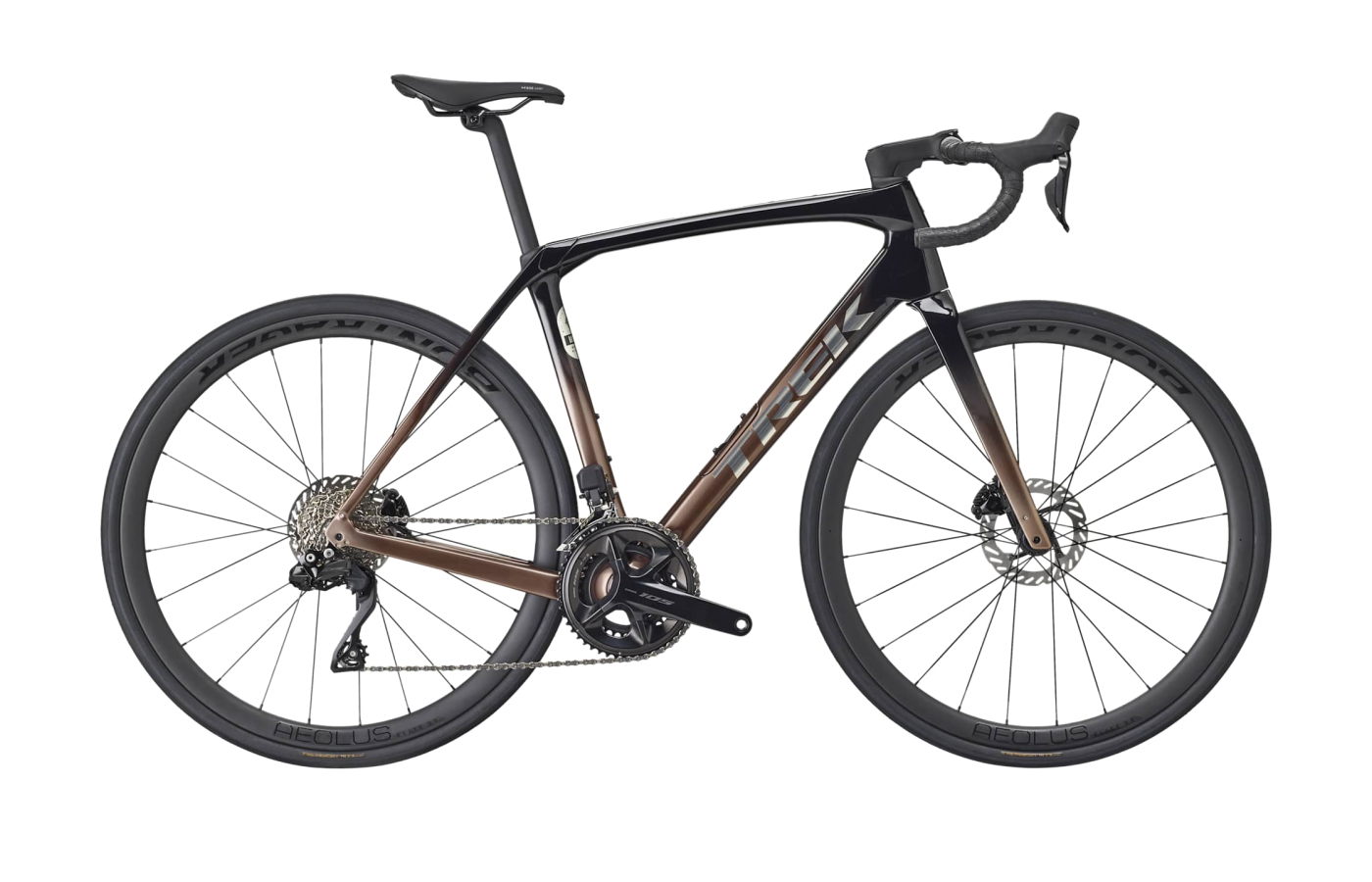
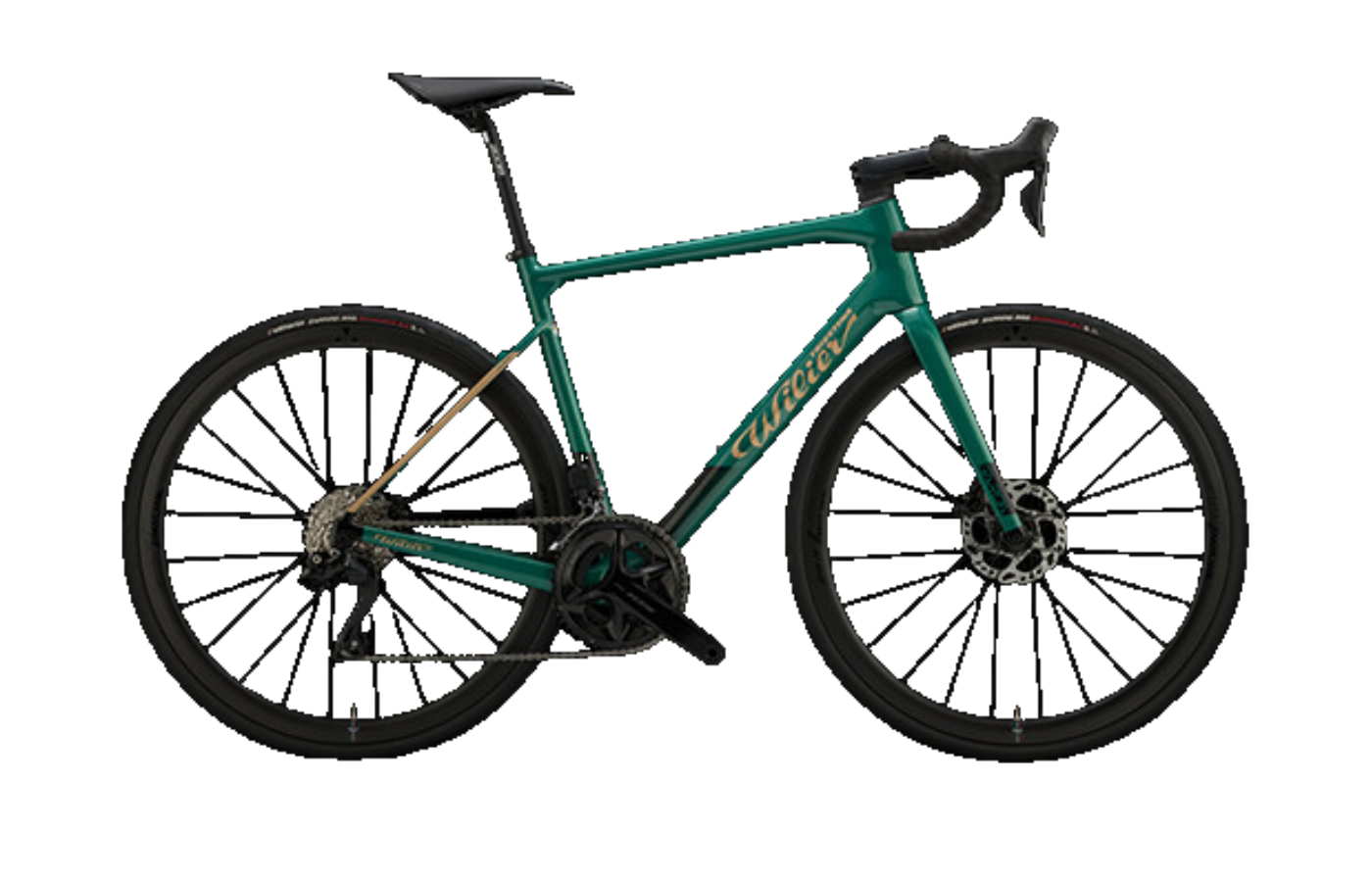
Two endurance bikes from opposite traditions.
The Trek Domane is the all-road problem-solver with a decoupled rear and 38 mm tire room. The Wilier Garda is an Italian race frame that happens to fit 32s.
Domane
- 38 mm tire clearance — measurably more than the Garda, enough for a real all-road brief.
- Rear IsoSpeed decoupler — neutralizes square-edged hits without the 'pogo' feel reviewers feared.
- Internal downtube storage + T47 BB — two long-term ownership wins the Wilier doesn't offer.
- Carbon builds start at $3,799 (SL 5) — the Garda's same-tier entry undercuts it by ~$1,000.
- Recurring seatpost-creak / IsoSpeed-wedge issue documented across multiple long-term reviews.
Garda
- Racier endurance geometry — size M sits 15 mm longer in reach than the Domane 50, with a steeper 72.15 head angle.
- Sub-meter wheelbase (990 mm in M) — quicker turn-in for fast group rides.
- Frame heritage — construction and silhouette borrowed from Wilier's superbike Filante SLR.
- Caps out at Shimano 105 Di2 — no Ultegra, no Dura-Ace, no Force or Red AXS option.
- 32 mm tire ceiling rules out anything beyond chip-seal — not an all-road tool.
Editor’s analysis
These bikes share a category label and almost nothing else — one was engineered to make bad pavement disappear, the other to make a fast group ride feel familiar.
The Trek Domane is the rare endurance bike that takes the word 'endurance' seriously. The Gen 4 frame keeps a non-adjustable rear IsoSpeed decoupler, drops the front IsoSpeed entirely, and leans on 32 mm stock tires (with clearance for 38 mm) to handle front-end compliance. It also hides a downtube storage hatch and runs a T47 threaded bottom bracket — both of which the Wilier doesn't offer. Reviewers consistently describe it as 'planted,' 'surefooted,' and 'astonishingly comfortable' on broken tarmac.
The Wilier Garda comes at the same problem from the Italian race-bike tradition. There's no decoupler, no downtube storage, no integrated suspension trick — just dropped, flattened seatstays meant to flex vertically, paired with a noticeably racier fit. On a size M, the Garda sits at 548 mm stack and 383 mm reach, with a 72.15 head angle and a sub-meter wheelbase. The Domane's size 50 puts you 2 mm lower in stack but 15 mm shorter in reach, with a slacker 71.1 head angle and a much longer 996 mm wheelbase.
On the road, those numbers play out exactly as they read. The Domane tracks straight, descends with a calm authority, and 'covers ground' in a way reviewers describe as fast-but-disconnected — you stop noticing the road. The Garda is the opposite: composed, but always communicating, with a quicker turn-in and a more aggressive perch. BikeRadar calls it 'swift yet stable'; Velo calls the Domane 'rock-solid' on descents. Both descriptions are accurate; they describe different bikes.
Tire clearance is the cleanest split. Domane: 38 mm officially, with reviewers fitting 40 mm comfortably — that's enough to use it as a light-gravel bike. Garda (disc): 32 mm. The Wilier is a road bike with reasonable comfort margin; the Trek is a road bike that will tolerate dirt detours. If your routes ever leave the pavement, this alone may decide it.
Where the builds differ.
Comparing our editor's-pick builds side-by-side. Winners highlighted row-by-row — lower price and weight, and the better-spec component, each mark a point.
Build variants & pricing
The Trek lineup spans $1,199 alloy through $12,499 SLR with Red AXS. The Wilier tops out at $3,600 with 105 Di2 — no flagship-tier build exists.
The editor's pick on each side is the Shimano 105 Di2 build — the highest tier the Wilier offers. Trek sells the same platform with Ultegra Di2, Dura-Ace Di2, and Red AXS up the range; the Wilier does not. If a flagship groupset matters to you, the Domane is the only one of these two that offers it.
How they fit, how they steer.
Domane size 50 vs Garda size M — fit-picked for a 5'8" rider on each. The Garda sits 2 mm taller in stack but 15 mm longer in reach, with a 1° steeper head angle and a 6 mm shorter wheelbase. The Trek is the more upright, more stable platform; the Wilier is the racier, sharper one.
Which size should I buy?
Both ranges cover roughly the same height window, but the Trek's labeling (44–62) gives finer-grained sizing than the Wilier's six-step XS–XXL.
→These are starting points. Flexibility, riding style, and preferred position all shift the answer — if you’re between sizes, a professional fit beats a chart.
What the magazines said.
Published reviews from trusted cycling outlets. Click through for the full write-up.
Which one should you buy?
If your routes include broken pavement and the occasional gravel detour, get the Domane. If you want an Italian race-bike feel with modern tire clearance, get the Garda.
Domane
If your local roads are a mix of chip-seal, frost-heave, and the occasional dirt connector, the Domane is the more honest tool. The decoupled rear, 38 mm tire ceiling, and downtube storage make it a credible one-bike-quiver for road and light gravel — and the build range scales from a $1,199 alloy entry to flagship Red AXS if you grow into it.
Garda
If you want a fast group-ride bike with Italian heritage and a racier perch — but you're not willing to accept a pure WorldTour fit — the Garda is the more interesting choice. Composed at speed, sharper through corners, and the frame silhouette borrows from the brand's superbike Filante SLR.
Questions buyers actually ask.
Short answers to the things we get emailed about most often.
01Which is more comfortable on rough roads?
The Trek Domane, by a meaningful margin. Its rear IsoSpeed decoupler — a non-adjustable pivot in the seat tube/top tube junction — lets the seatpost flex independently of the frame, which reviewers describe as 'astonishingly comfortable' and 'on cloud 9' over square-edged hits and chip-seal.
The Wilier Garda relies entirely on dropped, flattened seatstays for compliance. It's composed and stable, but reviewers consistently note that the stock alloy seatpost 'dulls the ride' relative to what the frame is capable of.
02What's the maximum tire clearance on each?
Domane: 38 mm officially, with reviewers reporting successful fits up to 40–41 mm. Combined with the long wheelbase and low BB, that's enough to ride light gravel and chunky chip-seal without complaint.
Garda (disc): 32 mm. That's enough headroom for a true 30 mm tire on a modern wide rim, but not enough for any meaningful gravel use.
03Which has the more aggressive fit?
The Garda. Comparing the fit-picked sizes for a 5'8" rider — Domane size 50 vs Garda size M — the Wilier sits 15 mm longer in reach (383 vs 368 mm) with a 1° steeper head angle (72.15 vs 71.1) and a marginally taller stack (548 vs 546 mm). The net effect is a longer, racier perch.
The Domane's geometry is, as one reviewer put it, 'realistic for most riders' — short reach, tall stack, no flexibility tax. The Garda asks more of the rider but rewards an active, forward riding position.
04How do the high-end builds compare?
They don't, really — that's the cleanest difference between these platforms. The Trek Domane scales from the $1,199 AL 2 (alloy, Claris) through the $12,499 SLR 9 AXS (800 Series OCLV, SRAM Red AXS, Bontrager RSL 51 carbon wheels). It's a full-line product.
The Wilier Garda caps out at $3,600 with Shimano 105 Di2 and Miche SWR EVO 40 carbon wheels. There is no Ultegra, no Force AXS, no Dura-Ace or Red flagship variant. If a higher-tier groupset matters to you, the Garda doesn't offer it.
05Is the IsoSpeed system reliable long-term?
Mostly, but with a known caveat. Multiple long-term reviews — including Velo, Bikeboard, and The Indian Cyclist — flagged a creaking or slipping seatpost issue tied to the IsoSpeed wedge design on early Gen 4 frames. Trek has issued multiple revisions of the wedge hardware (Revision 2 and Revision 4) to address it.
If you're buying new from a Trek dealer, ask whether the latest wedge revision is fitted. Heavier riders (over 80 kg) appear disproportionately affected per one reviewer-cited poll.
06Which one has a cleaner long-term ownership story?
The Garda's simpler frame architecture — no decoupler, no IsoSpeed wedge — sidesteps the seatpost issue entirely. But it uses a SRAM DUB Pressfit 86.5 bottom bracket, which can develop creak issues of its own over time.
The Domane uses a T47 threaded bottom bracket on every build — a meaningful long-term win that reviewers universally praised. Both bikes route cables through the headset, which complicates bearing service on either one. Net: roughly a wash, with the Trek winning on the BB and the Wilier winning on the seatpost junction.
07Are the stock wheels and tires worth keeping?
Both bikes share a common reviewer complaint: the stock rolling stock holds the frame back. On the Domane, multiple reviewers reported that swapping the stock Bontrager Paradigm wheels and R3-grade tires for lighter carbon hoops and faster rubber 'transformed' the ride. The mid-tier Aeolus Elite 35 carbon wheels on the SL 6 are a step up, but still not a highlight.
On the Garda, the Miche SWR EVO 40 carbon wheels are respectable, but reviewers flagged the stock Vittoria Zaffiro 28c tires as 'middling' and 'not a patch on Vittoria's Corsas.' Plan to upgrade the rubber on either bike if you want the frame to perform to its potential.
08Which has better value for the money?
Bluntly: at the 105 Di2 tier, the Wilier Garda is cheaper — $3,600 vs the Domane SL 6's $5,099. That's a real ~$1,500 gap, and the Garda includes carbon wheels stock where the SL 6 ships with the mid-tier Aeolus Elite 35.
But the Domane offers things the Garda simply doesn't: 38 mm tire clearance, the IsoSpeed decoupler, internal downtube storage, the T47 BB, and a build range that scales to flagship-tier components. Whether that's worth $1,500 depends on whether you'll use those features. For a pure paved-road sportive rider, the Garda is the smarter spend. For a mixed-surface rider, the Trek earns the premium.
Similar bikes
If your priorities don’t map cleanly onto either of these, one of these adjacent bikes probably fits better.
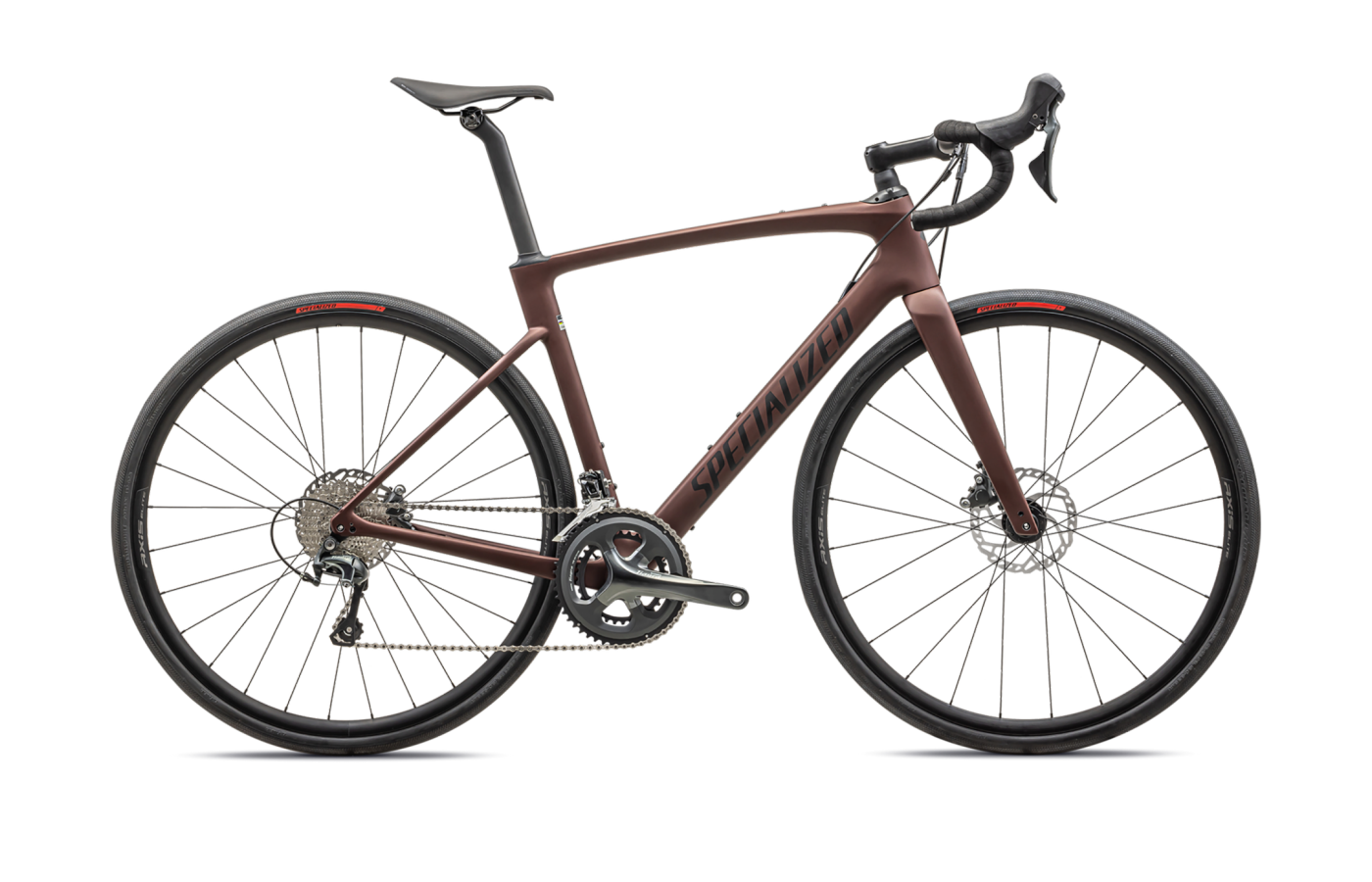
Roubaix
The Domane's most direct rival — the Roubaix swaps IsoSpeed for a 20 mm-travel Future Shock cartridge under the stem, which damps front-end hits in a way the Trek can't match. Pick it if your route eats your hands.
Compare →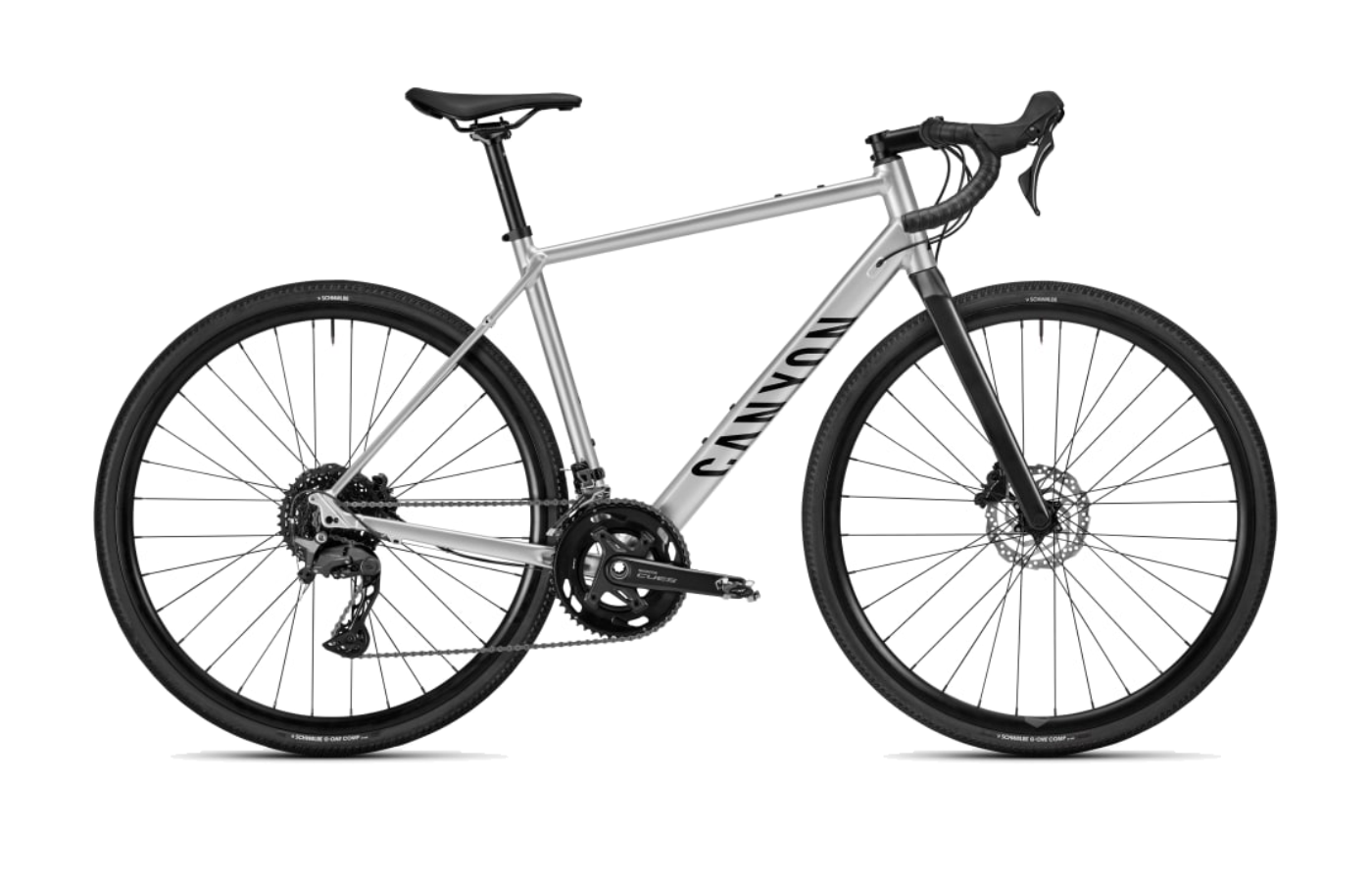
Endurace
Canyon's direct-to-consumer endurance answer. Similar fit philosophy to the Domane at materially less money — the catch is no local dealer, no demos, no fit help. Best when you already know your numbers.
Compare →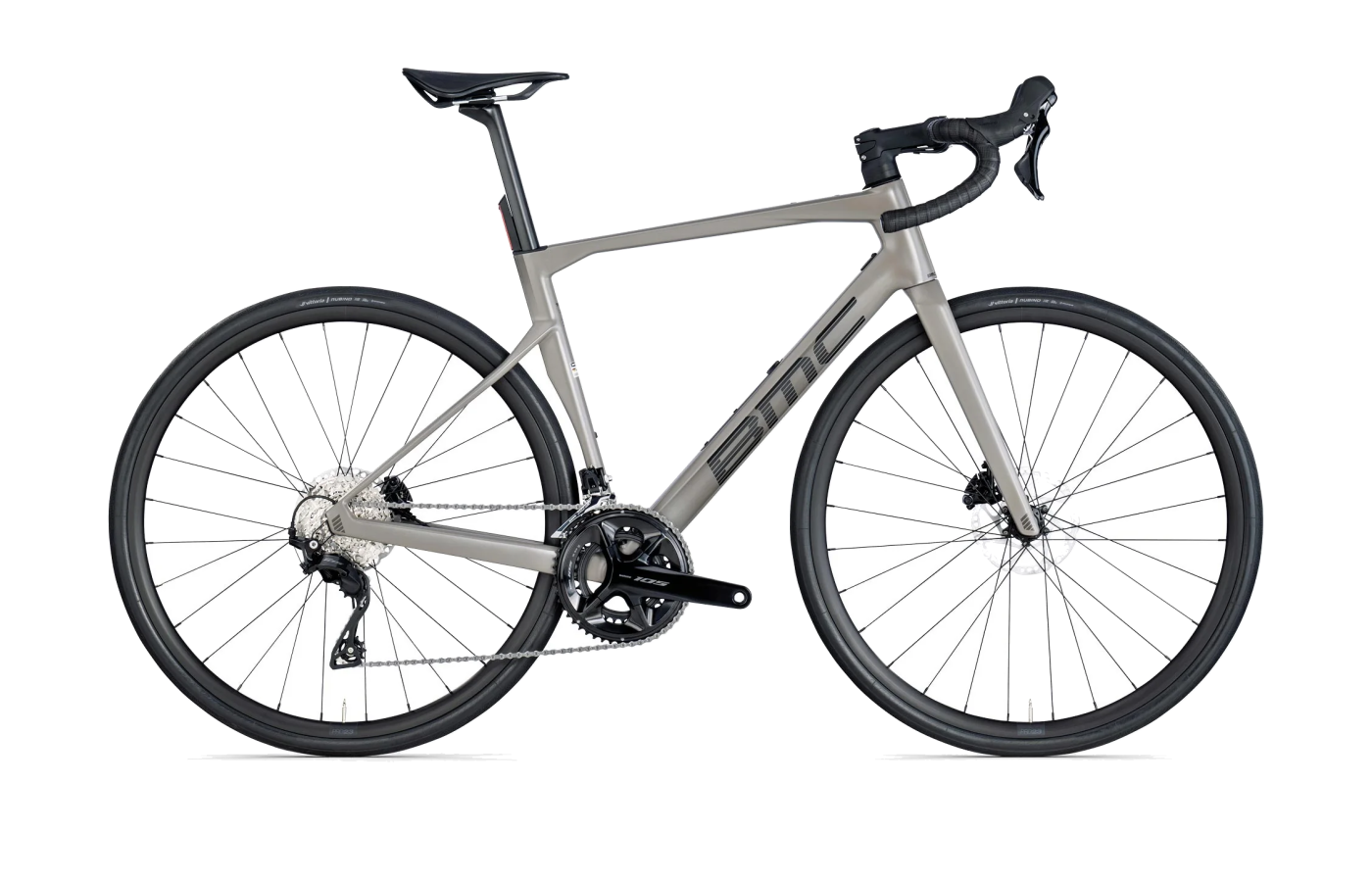
Roadmachine
BMC's all-road bike sits between the Domane's plushness and the Garda's raciness. Cleaner integration than either, with a more neutral fit — a strong middle-ground pick if neither side here feels right.
Compare →