SB160
vsSB165
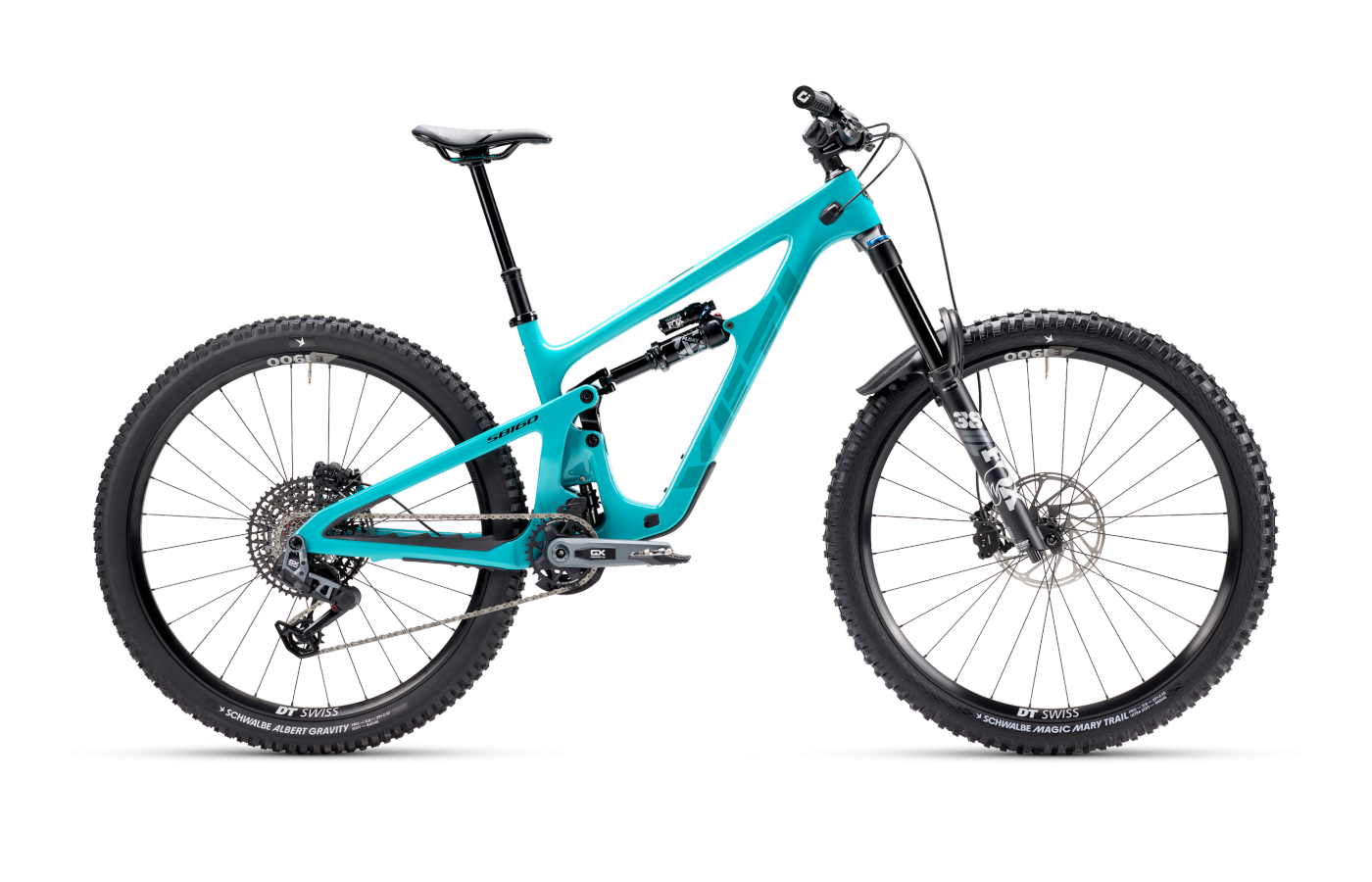
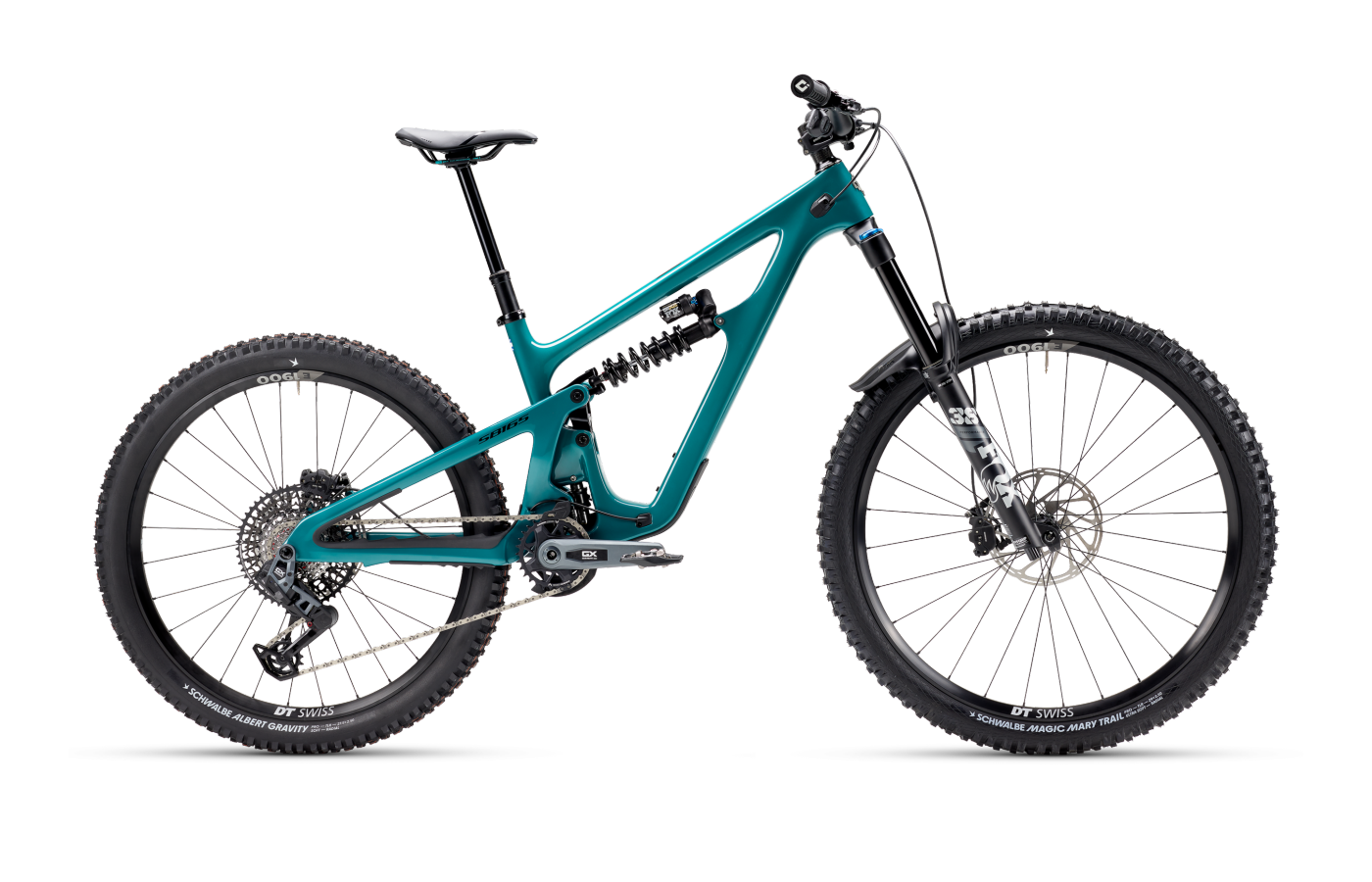
Same Switch Infinity, two different weapons.
The SB160 is Yeti's dual-29 enduro race bike. The SB165 is the mullet freeride brawler that shares the garage but not the mission.
SB160
- Race-tuned efficiency — 17% progression and high anti-squat pedal with trail-bike urgency, no soul-suck.
- Clinical high-speed precision — the Switch Infinity V2 plus 64-degree HTA reward an aggressive pilot with surgical line-holding.
- Size-specific chainstays across S–XXL (437–445 mm) balance the ride for every rider height.
- Feels sluggish or vague if ridden tentatively or from a neutral stance.
- Low 625 mm stack (size L) and stock 20 mm bars leave many riders swapping for taller risers.
SB165
- Coil-sprung plushness — Fox DHX2 on every build soaks high-frequency chatter the SB160's air spring smooths less.
- Mullet maneuverability — 27.5-inch rear and 437 mm stays slash and manual more easily than any full-29 enduro bike.
- Forgiving all day — doesn't demand ten-tenths riding to feel right; comfortable when fatigue sets in.
- Feels bland on rolling, undulating terrain where its gravity geometry is overkill.
- 345 mm bottom bracket and slack front create pedal strikes and front-end wander on tight technical climbs.
Editor’s analysis
Both wear the Yeti badge and ride on Switch Infinity — but one is built to win stages, the other is built to send them.
On paper the gap looks small: 5 mm more rear travel, a smaller back wheel, half a degree slacker up front. In practice the SB160 and SB165 feel like siblings from different sides of the family. The SB160 is the EWS-bred race bike — dual 29s, Float X2 air shock, 17% progression, and geometry that rewards a forward, aggressive stance. The SB165 is Yeti's first factory mullet, standard with a Fox DHX2 coil, 22% progression, and geometry pulled slacker and taller for steep, gnarly terrain.
The SB160 is a scalpel. Reviewers describe it as a "game-on" bike that tracks with magic-carpet efficiency and stays high in its travel — a freight train at race pace, but sluggish if you ride it tentatively. It wants speed, an attack position, and a rider who treats every descent like a timed stage. Climbs are genuinely good for 160 mm of travel: the 77.5-degree seat tube and supportive Switch Infinity platform have it climbing, per NSMB, as well as anything in its travel bracket.
The SB165 trades some of that clinical edge for forgiveness and air time. The coil shock and 22% progression deliver that buttery off-the-top feel the SB160's air spring can't quite match; the 27.5-inch rear wheel and 437 mm chainstays (size L) make it drifty and slashy where the SB160 prefers to hold a line. It's the bike reviewers reach for when they're tired, hungover, or just want to slap corners — a "security blanket" in rock gardens, at the cost of a slightly less urgent feel on mellow, rolling trails.
Put another way: the SB160 is what you buy when your calendar has race numbers on it. The SB165 is what you buy when your calendar has chairlifts and Rampage lines on it. Both climb better than a 170 mm-fork bike has any right to; only one of them is sharpened for the clock.
Where the builds differ.
Comparing our editor's-pick builds side-by-side. Winners highlighted row-by-row — lower price and weight, and the better-spec component, each mark a point.
Build variants & pricing
Both platforms share the same C-Series / Turq-Series carbon split and the same four-to-seven-build ladder. The SB160 scales higher — up to the $13,500 XTR Di2 Team Issue — while the SB165 caps at the $9,500 T3.
Prices are current US MSRP. C-Series frames use the older V1 Switch Infinity link; Turq frames get the updated V2 hardware with improved seals and bearings. Factor a tire-casing upgrade (DoubleDown or DH) into either purchase — stock EXO+ rubber gets flagged as undersized by nearly every reviewer.
How they fit, how they steer.
Both at size M — the fit-picked frame for a 5'8" rider on each bike. The SB165 sits 5 mm taller in the stack, 5 mm shorter in the reach, and 5 mm tighter in the chainstays, with a half-degree slacker head tube — the mullet is the more downhill-oriented cockpit.
Which size should I buy?
Size recommendations based on stack, reach, and top tube length. Both run S–XL; the SB160 adds an XXL the SB165 doesn't offer.
→These are starting points. Flexibility, riding style, and preferred position all shift the answer — if you’re between sizes, a professional fit beats a chart.
What the magazines said.
Published reviews from trusted cycling outlets. Click through for the full write-up.
Which one should you buy?
If your rides have race tape, get the SB160. If they have chairlifts, get the SB165.
SB160
If you want one bike for EWS/EDR-style blind racing, big backcountry days that end with a timed descent, and an all-out attack on chunky terrain, the SB160 is the sharper tool. It rewards riders who stay forward, stay on the gas, and treat 160 mm of travel as a ticket to go faster — not an excuse to relax.
SB165
If most of your riding is park laps, steep tech, and hunting gaps rather than podiums, the SB165 is the more forgiving, more playful choice. The coil shock, mullet setup, and slacker front end make it a security blanket on steeps — and still surprisingly happy to pedal back to the lift.
Questions buyers actually ask.
Short answers to the things we get emailed about most often.
01Which has more travel?
The SB165, barely — 165 mm rear and 170 mm fork, versus 160 mm rear and 170 mm fork on the SB160. On paper it's a 5 mm delta. In practice, the bigger difference is the spring medium and the leverage curve: the SB165 ships with a Fox DHX2 coil and a 22% progression rate, while the SB160 uses a Float X2 air shock and 17% progression. The coil feels markedly plusher off the top; the air feels more supportive and urgent under pedaling power.
02What's the wheel setup on each bike?
The SB160 runs dual 29-inch wheels — Yeti's pitch is rolling speed and stability for race tracks.
The SB165 is a mullet: 29-inch front, 27.5-inch rear. The smaller rear wheel is lighter to spin up, easier to manual, and makes the back end feel "slashy" compared to a full 29er. It also gives shorter riders more butt-to-tire clearance on steep descents.
03Which climbs better?
The SB160, comfortably. Both run a 77.5-ish degree effective seat tube angle and the same Switch Infinity high-anti-squat platform, but the SB160's air shock, steeper 64-degree head angle, and longer chainstays keep the front wheel more planted on steep, technical climbs. The SB165's slacker 63.5-degree head tube and shorter rear end lead to front-wheel wander on steep pitches — several reviewers flagged having to actively weight the bars.
Both climb better than their 35-ish-pound weight suggests, though — neither is a traditional winch-to-plummet slog.
04Which is more playful?
The SB165, clearly. The mullet setup, shorter chainstays, and coil shock with a pronounced end-stroke ramp give it a slashy, whip-happy character — reviewers called it "easy to manual" and "eager for airtime."
The SB160 is not a jibby bike. At race speed it's intuitive and precise, but at low to mid speed several testers described it as preferring to hold a line rather than flick around. If you want a bike for bike-park laps and trail shenanigans more than stopwatches, the SB165 is the obvious pick.
05Is the coil shock on the SB165 a dealbreaker for pedaling?
No. The Fox DHX2 ships with a climb switch, and the Switch Infinity platform's high anti-squat keeps the rear end calm even in the open position. Reviewers at Bike Rumor went so far as to call the climb switch "almost redundant" because the platform is so stable. You'll still feel the extra weight and the extra suppleness compared to an air shock — the SB165 won't feel as urgent under power as the SB160 — but it's far from the soul-sucking coil experience of a dedicated DH bike.
06C-Series vs Turq-Series — what's the difference?
Weight and suspension hardware.
The Turq-Series frame saves roughly 150–225 g over the C-Series (depending on which source you trust) and — more importantly — ships with the updated V2 Switch Infinity link, with improved seals, bearings, and floating collet axles.
The C-Series uses the older V1 Switch Infinity hardware. Reviewers flagged this as a "nickel-and-diming" move, since the V1 link is the part that drew the most maintenance complaints on earlier Yetis. For rainy-climate riders especially, the V2 hardware is worth considering.
07Are the stock tires good enough?
No — this is the most consistent critique across reviews of both bikes. Both the SB160 and SB165 ship with Maxxis or Schwalbe EXO+-class casings that multiple reviewers described as undergunned for the platforms' intentions. Expect to spend an extra $150–$200 on DoubleDown or DH-casing rubber (and, on the SB165, possibly rim inserts) before you take either bike into genuinely chunky terrain.
08Which sizes are available?
The SB160 comes in S, M, L, XL, XXL — five sizes, size-specific chainstays from 437 mm to 445 mm.
The SB165 comes in S, M, L, XL — four sizes, with chainstays from about 432 mm to 439 mm.
If you're tall enough to need an XXL, Yeti's answer is the SB160 — they don't build the SB165 that big.
Similar bikes
If your priorities don’t map cleanly onto either of these, one of these adjacent bikes probably fits better.
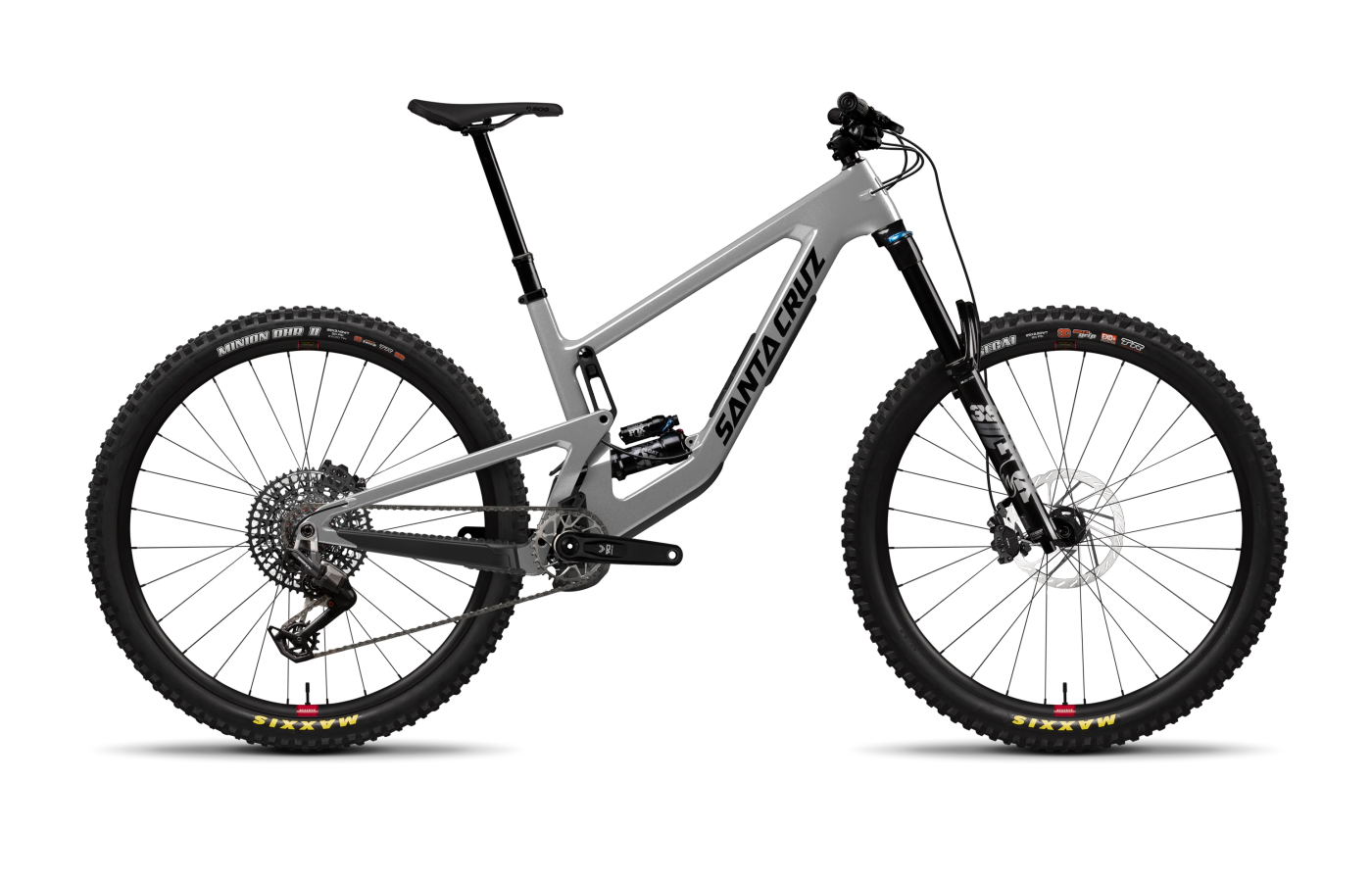
Megatower
Santa Cruz's dual-29 enduro race bike — the most direct SB160 rival. VPP suspension feels more planted and "sunk-in" than the Yeti's communicative Switch Infinity platform; pick it if you want the composure of a race bike without the SB160's demand for an aggressive forward stance.
Compare →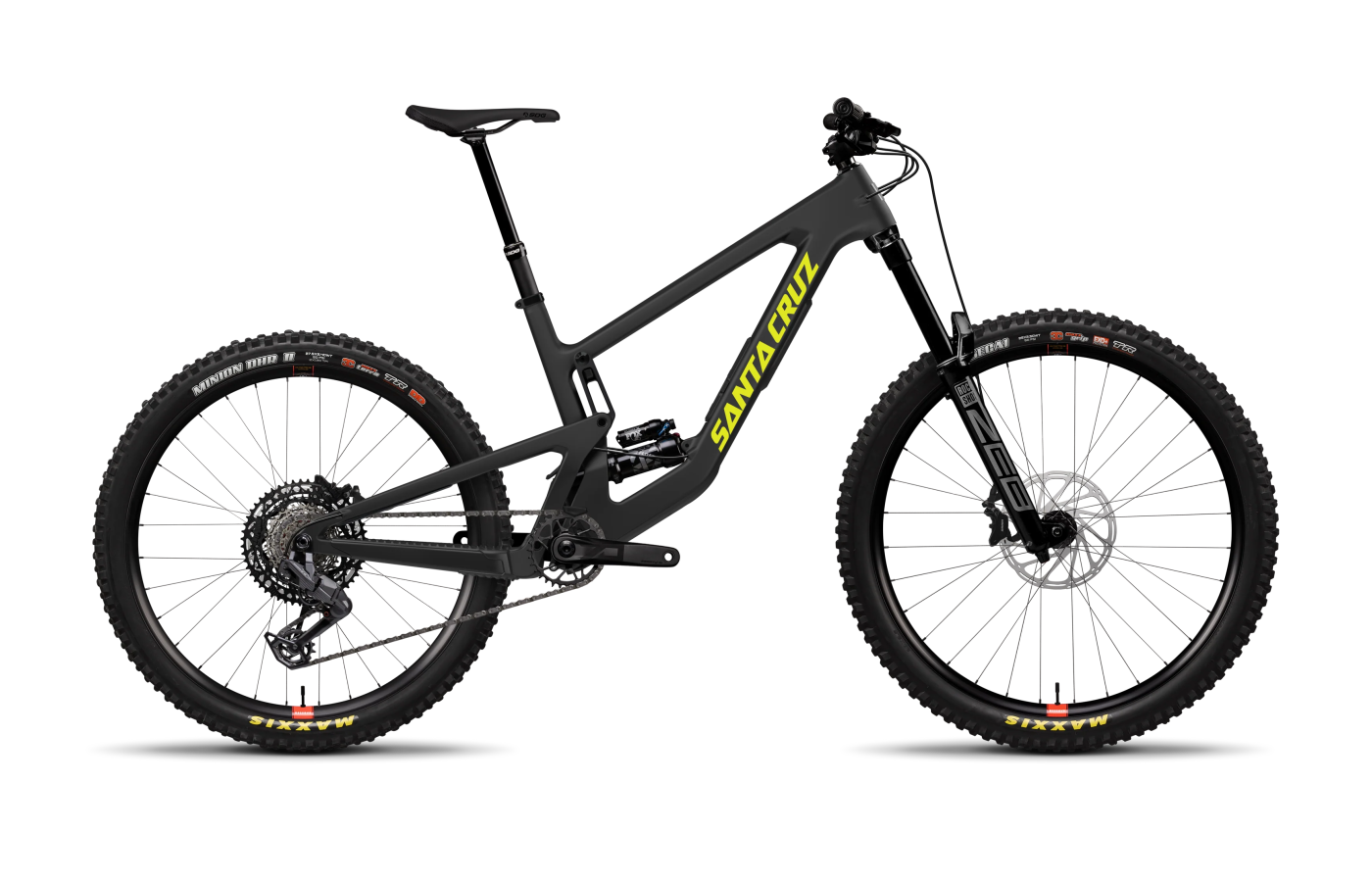
Nomad
The closest analog to the SB165 — mullet, freeride-first, built for park laps and big lines over race stages. Slightly more rowdy and less race-adjacent than the Yeti; pick it if you want to spend less time pretending you might enter an enduro.
Compare →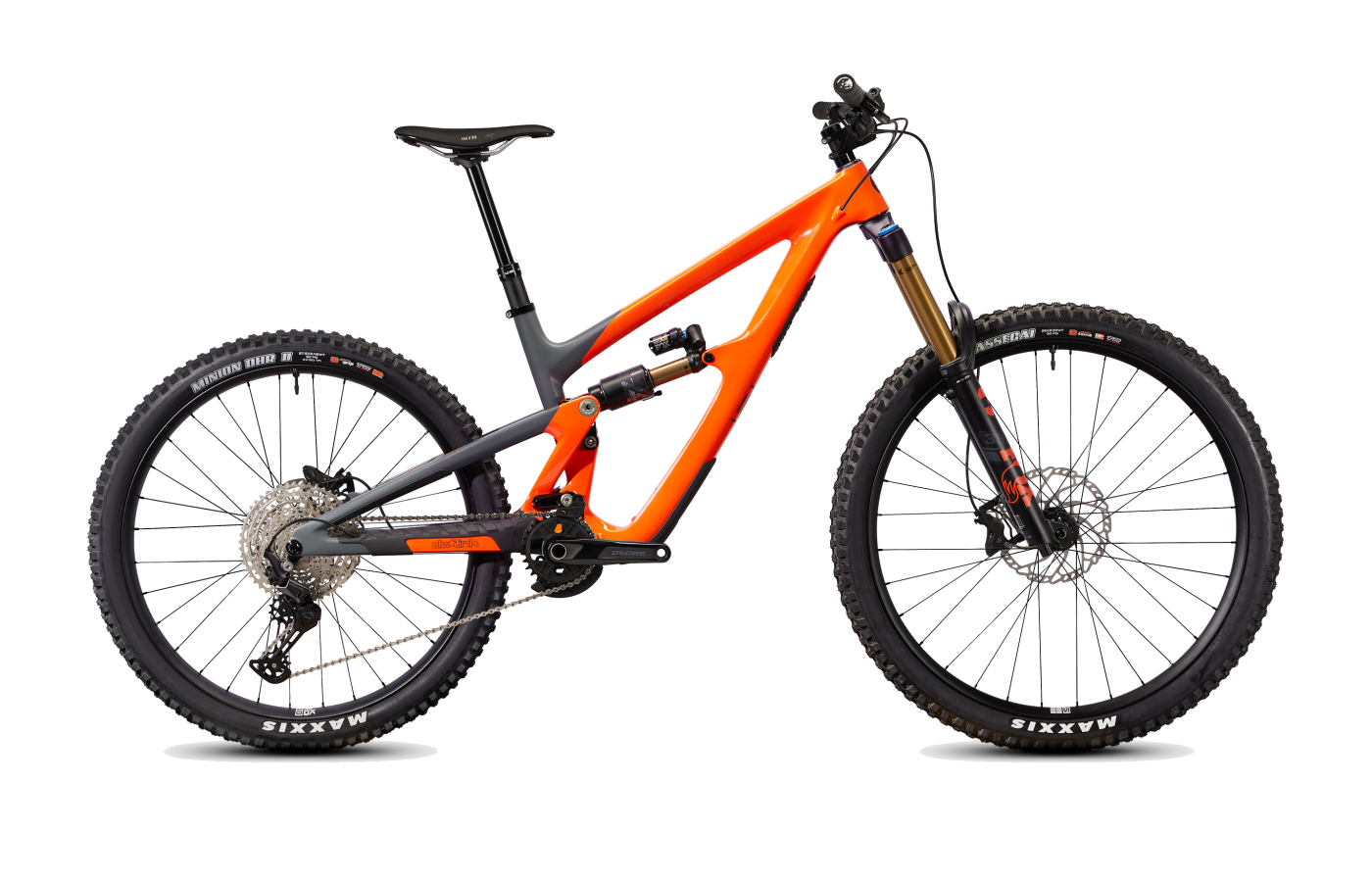
HD6
Ibis's take on the long-travel enduro bike — faster-climbing and more energetic on the way up than either Yeti, with a dual-29 setup closer to the SB160. Lacks the mini-DH brawler character of the SB165 but pedals with notably more snap.
Compare →