Signal Peak
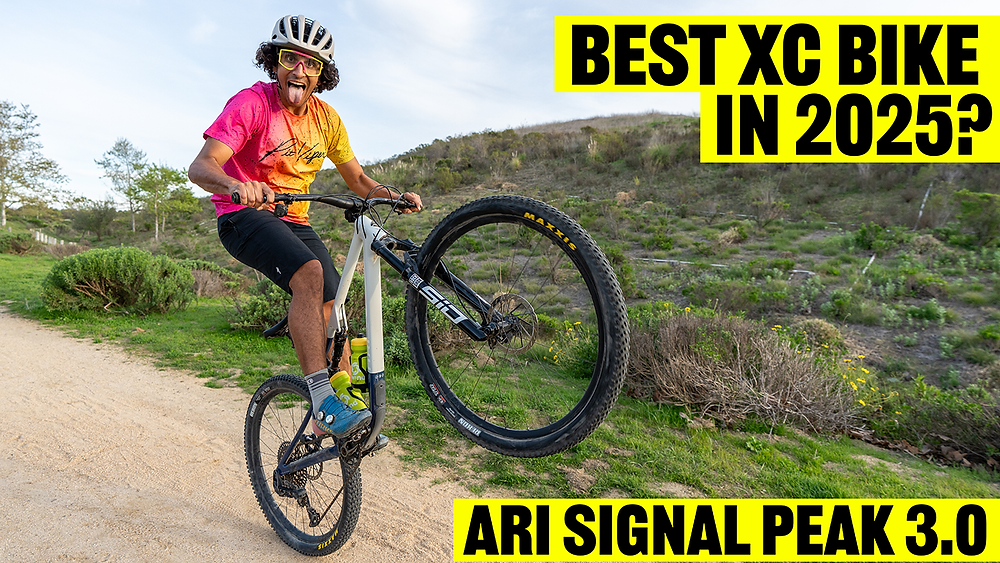
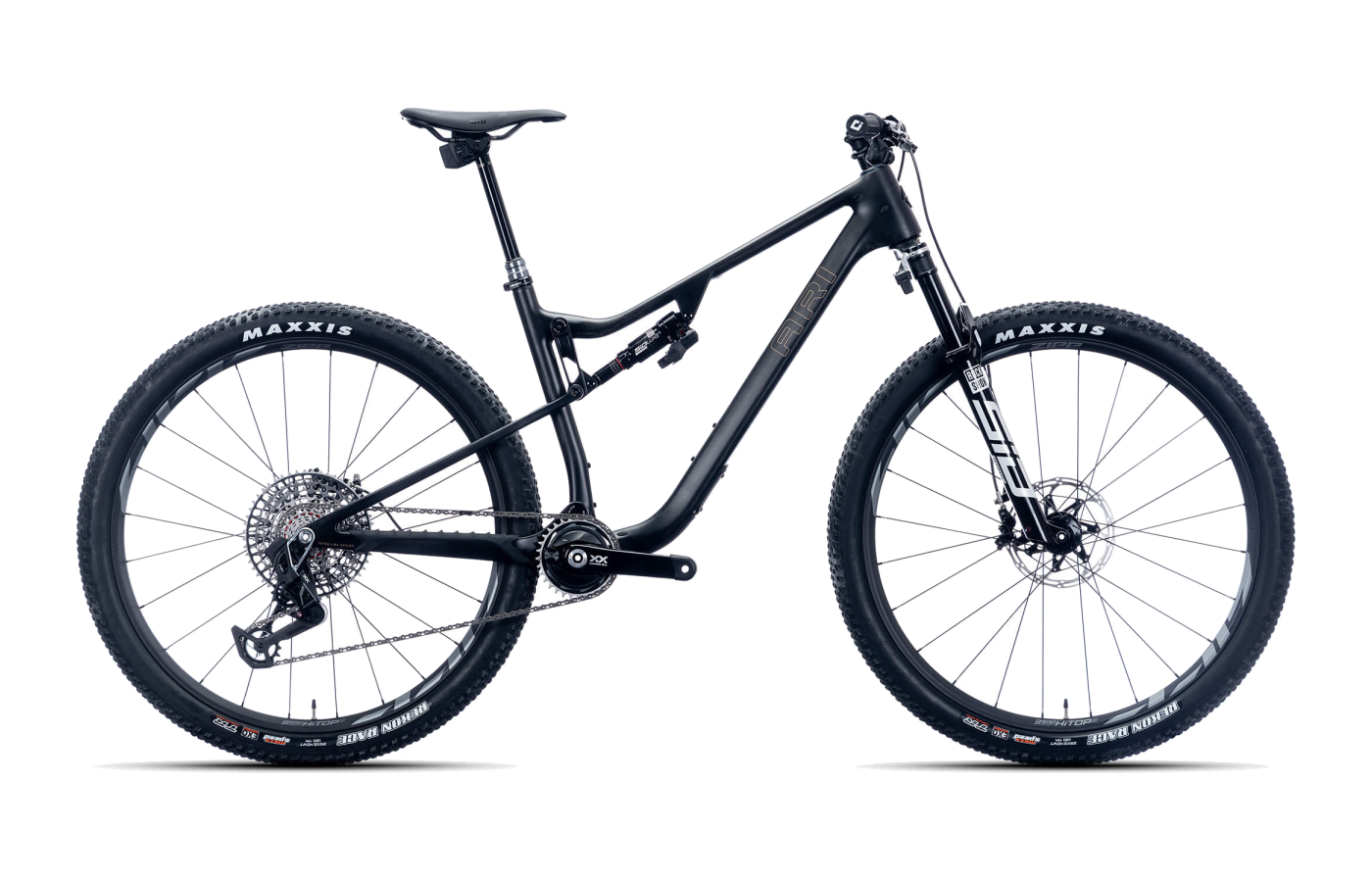
The third generation of the Ari Signal Peak shifts the platform from a traditional short-travel cross-country bike into a highly capable modern race machine. By moving to a flex-stay suspension layout that eliminates a rear pivot, Ari shed significant frame weight while maintaining 110mm of rear travel paired with a 120mm fork. The result is a lightweight chassis that caters to endurance racers and aggressive trail riders alike.
Rather than strictly prioritizing smooth-course efficiency, the Signal Peak 3.0 is built to handle the increasingly technical nature of modern XC tracks and backcountry routes. It retains the sharp acceleration expected of a race bike but adopts a frame shape and suspension kinematic that encourage riders to push harder on descents. With practical touches like dual front-triangle bottle mounts and guided internal routing, it is a pragmatic tool for long days in the saddle.
Geometry & fit.
4 sizes published.
The geometry of the Signal Peak 3.0 reflects the industry's push toward more capable cross-country handling. Ari slackened the head tube angle to 66.5 degrees, which slows down the steering just enough to provide stability on fast, steep descents without making the front end feel sluggish in tight corners.
To balance that slacker front end, the effective seat tube angle was steepened to 76 degrees. This places the rider in a more forward, upright posture that centers their weight over the bottom bracket. Taller riders in particular noted that this steeper angle creates an ideal position for sustained power delivery on steep climbs. The reach is generous across the size range, creating a roomy cockpit that pairs well with shorter stems to maintain responsive steering.
The frame utilizes a uniform 430mm chainstay length across all sizes. This keeps the rear wheel tucked in close, contributing to a snappy, agile feel when navigating technical features or lifting the front wheel. Additionally, the straight, uninterrupted seat tube allows for deep dropper post insertion, letting riders run longer-travel posts to get the saddle completely out of the way on descents.
Where the handlebar sits relative to the bottom bracket — the single most important fit pair.
01Fit geometry6 values
03Handling geometry7 values
Which size should I buy?
Slide your height to see the recommended size. GearWise's fit algorithm works from the published stack, reach, and ETT — the brand's own recommendation may differ.
→Calculated from GearWise's own stack / reach / ETT algorithm — the brand's size chart may recommend a different size, and a proper bike fit beats any calculator.
The lineup.
6 builds, ranging $3,899 – $11,499.
The Signal Peak 3.0 lineup spans six builds, offering a highly competitive value proposition through Ari’s direct-to-consumer model. The range starts with the Comp build, which delivers a carbon frame, Shimano Deore drivetrain, and RockShox SID suspension at a price point where many competitors only offer aluminum. Moving up to the Elite brings a Shimano XT groupset and upgraded Select+ suspension.
The mid-range Pro build represents a significant jump in technology, featuring a SRAM X0 Transmission wireless drivetrain and top-tier RockShox Ultimate suspension. At the top of the ladder, the Team XX and Team Flight Attendant builds pull out all the stops with SRAM XX SL Transmission, integrated power meters, and Zipp 1Zero Hitop S carbon wheels. The flagship model adds RockShox's automated Flight Attendant suspension system. There is also a Team XTR build for riders who prefer high-end mechanical Shimano shifting.
A defining feature of the Signal Peak range is the inclusion of a three-position remote suspension lockout on nearly every build, a rare addition at the lower price tiers. Ari also allows buyers to customize component sizing—such as bar width and dropper length—and upgrade specific parts like carbon wheels during the ordering process.



From the press.
12 reviews from the cycling press.
Reviewers consistently noted that the Signal Peak 3.0 blends the climbing efficiency of a dedicated race bike with the descending composure of a short-travel trail bike. On ascents, the revised flex-stay suspension provides a firm pedaling platform that resists bobbing. Testers found that the bike "climbed like an absolute rocket ship" (YouTube), translating rider input directly into forward momentum without feeling harsh over technical sections. Many riders relied heavily on the middle setting of the three-position remote lockout to maintain traction on loose climbs while keeping the chassis supported.
When pointed downhill, the bike's handling drew widespread praise for its stability and predictability. The suspension kinematic ramps up smoothly, making it surprising how "difficult it was to bottom out" (Theradavist) even when pushed hard into rock gardens or off small drops. While it remains a firm cross-country bike at its core, testers felt comfortable carrying speed through rough terrain.
A few reviewers pointed out that the fixed, relatively short chainstays require larger riders to shift their weight more deliberately to maintain rear-wheel traction on steep, loose climbs. However, that same short rear end was celebrated for making the bike highly maneuverable, allowing riders to easily navigate tight switchbacks and enjoy "whipping the rear end around" (Awesomemtb) on technical descents.

Putting our new Ari Signal Peak 3.0 XC bikes to the test on some CHUNK - YouTube

The brand new Ari Signal Peak 3.0 - YouTube
2025 Ari Signal Peak: XC Weight Meets Trail Bike Performance - YouTube

The Perfect XC Bike? (ARI Signal Peak 3.0 Review) - YouTube

Ari Signal Peak Gen 3 Review: New Suspension, New Geometry, New Speed - Mountain Bike Action Magazine
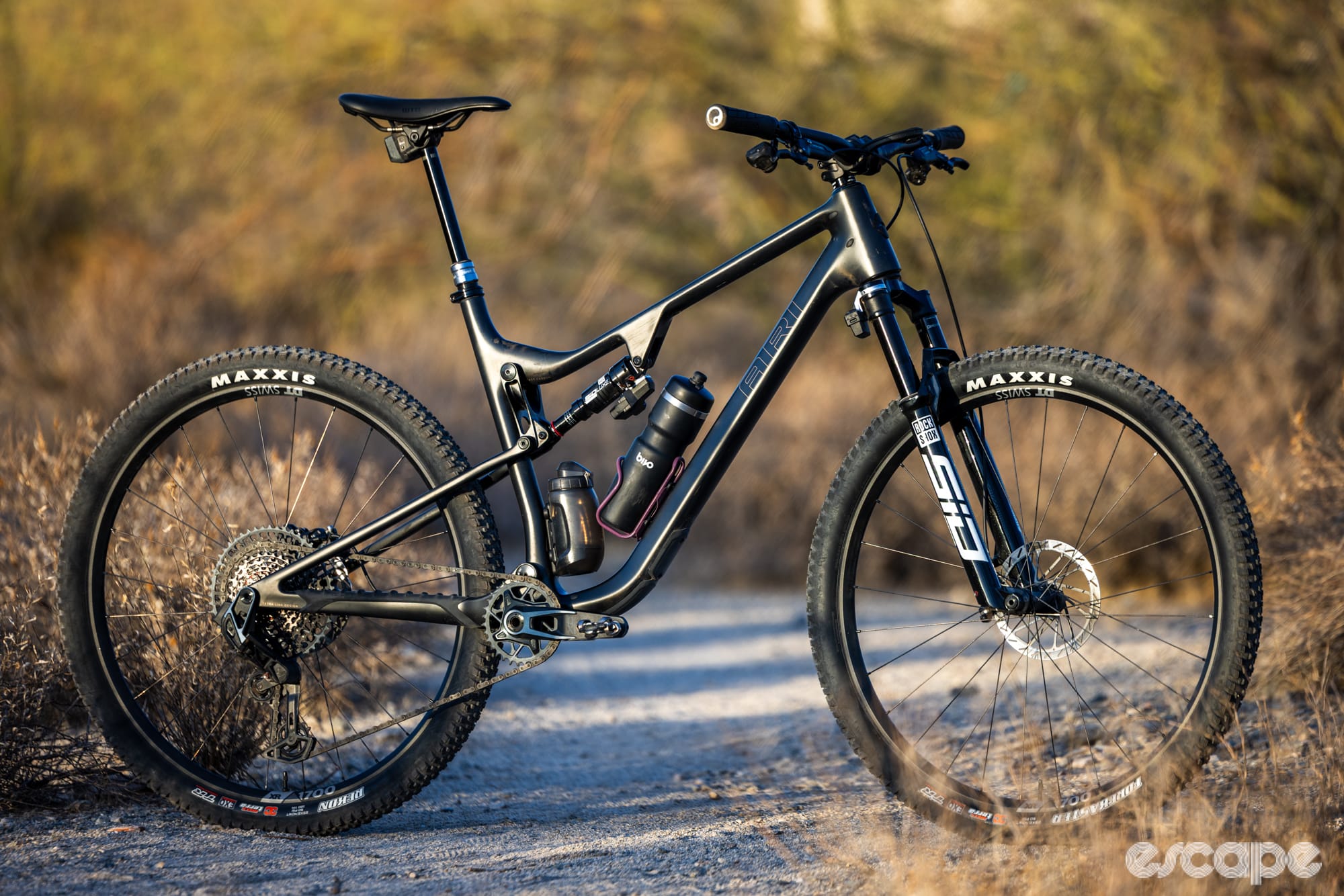
Ari Bikes Signal Peak 3.0 review: DTC XC evolved
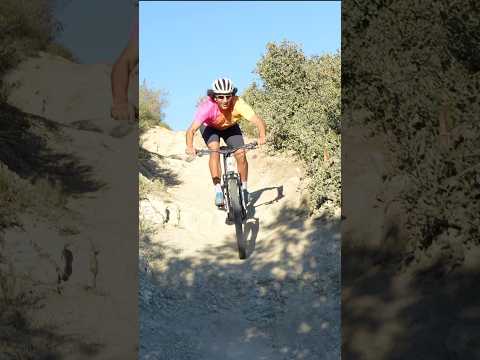
Turns out all you really need is 110mm of travel and some XC tires! ARI Signal Peak rips! 🔥
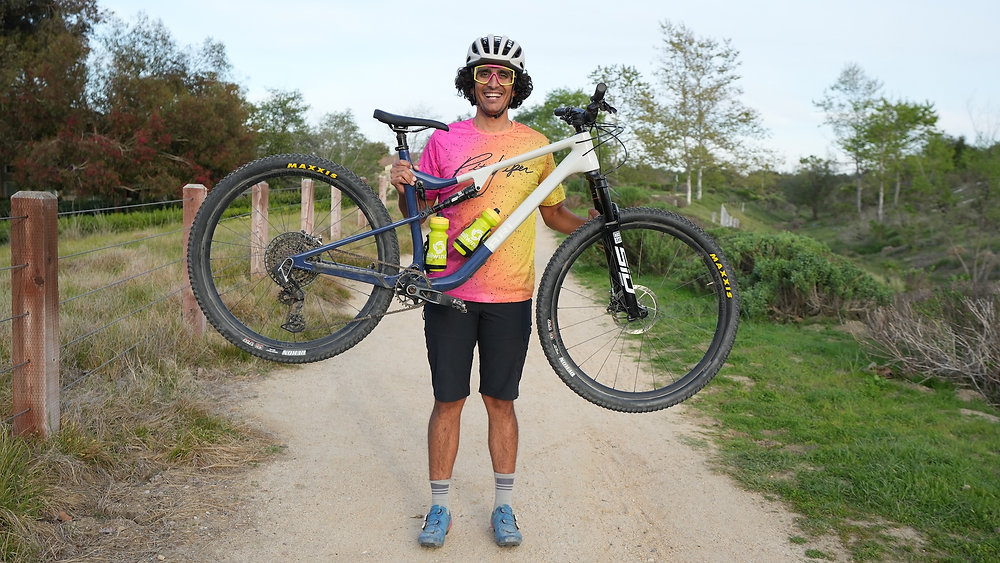
ARI Signal Peak 3.0 Review, Where Fun Meets Fast and Simple
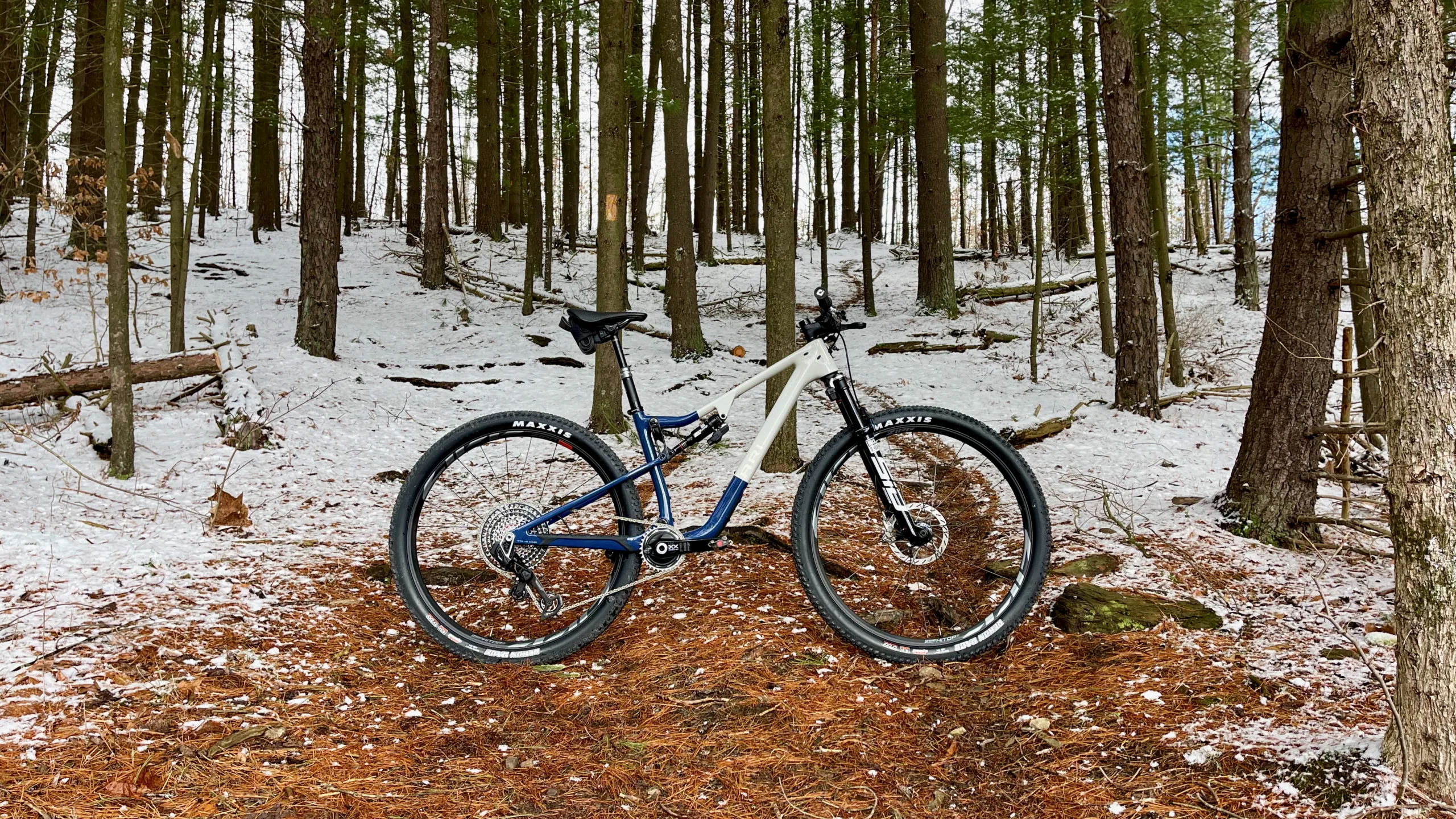
Third Gen is the Charm For Updated Ari Signal Peak 3.0 ...
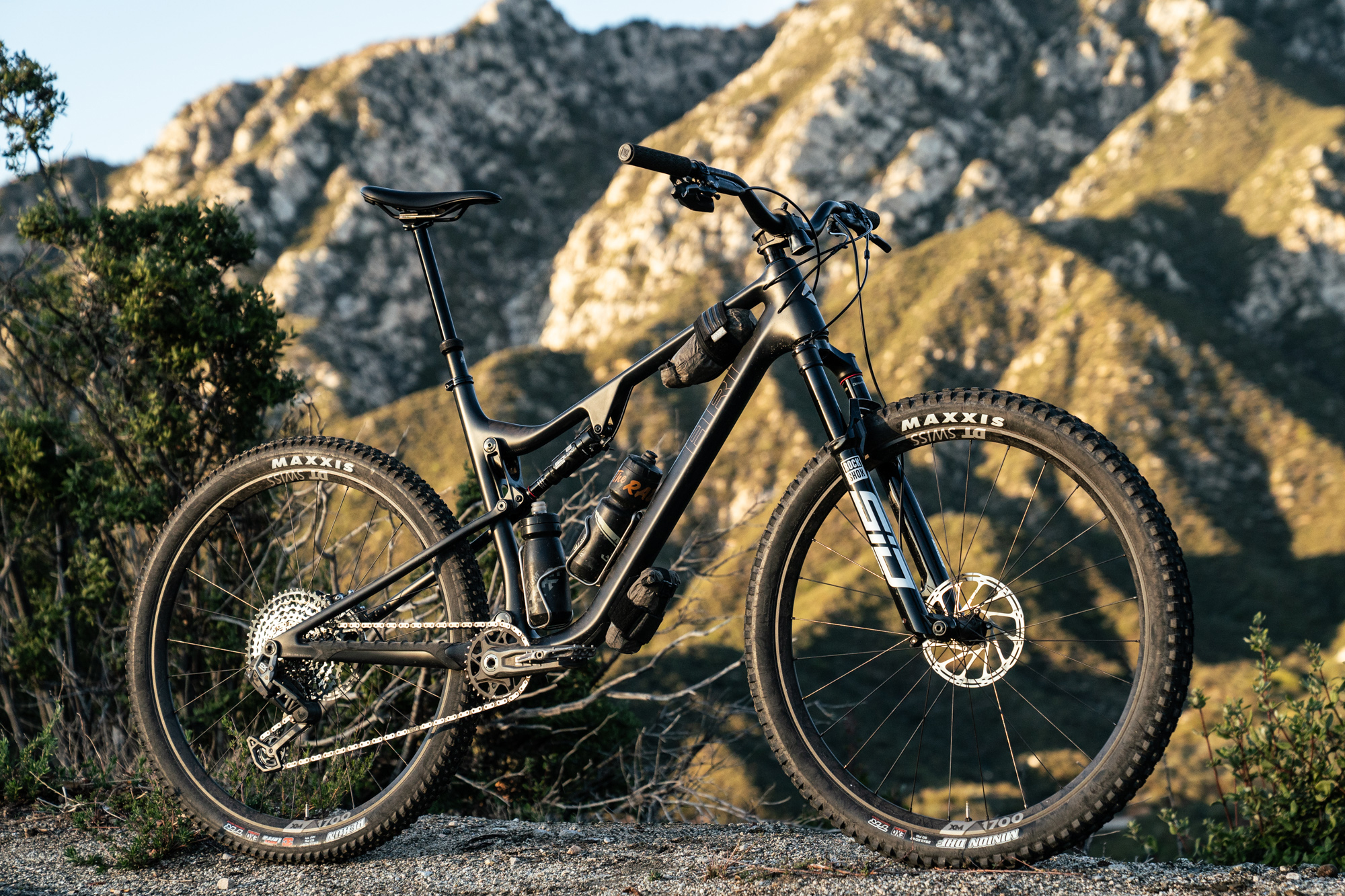
First Ride Review: 2025 Ari Signal Peak – Travis Engel | The Radavist | A group of individuals who share a love of cycling and the outdoors.
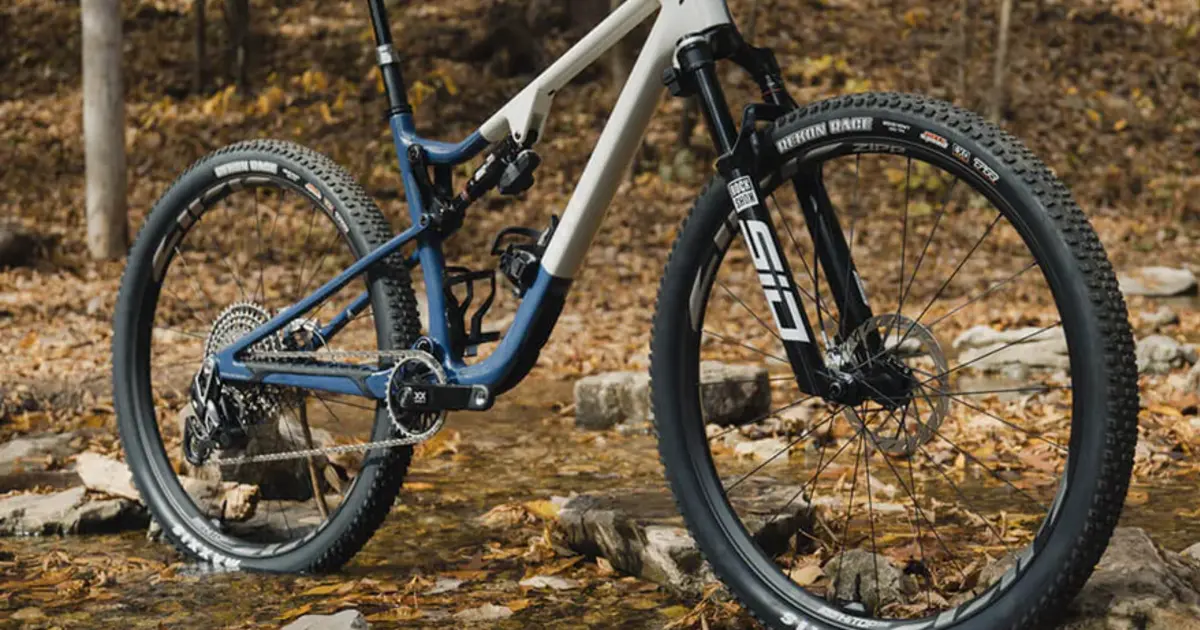
Ari Bikes New Signal Peak 3.0 Raises the Bar for Affordable, Ultra-Lightweight, Full-Suspension Mountain Bikes - BikeMag