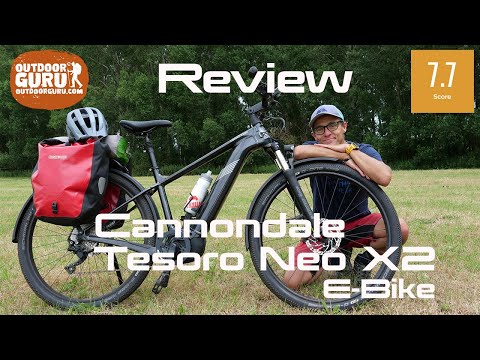
Cannondale
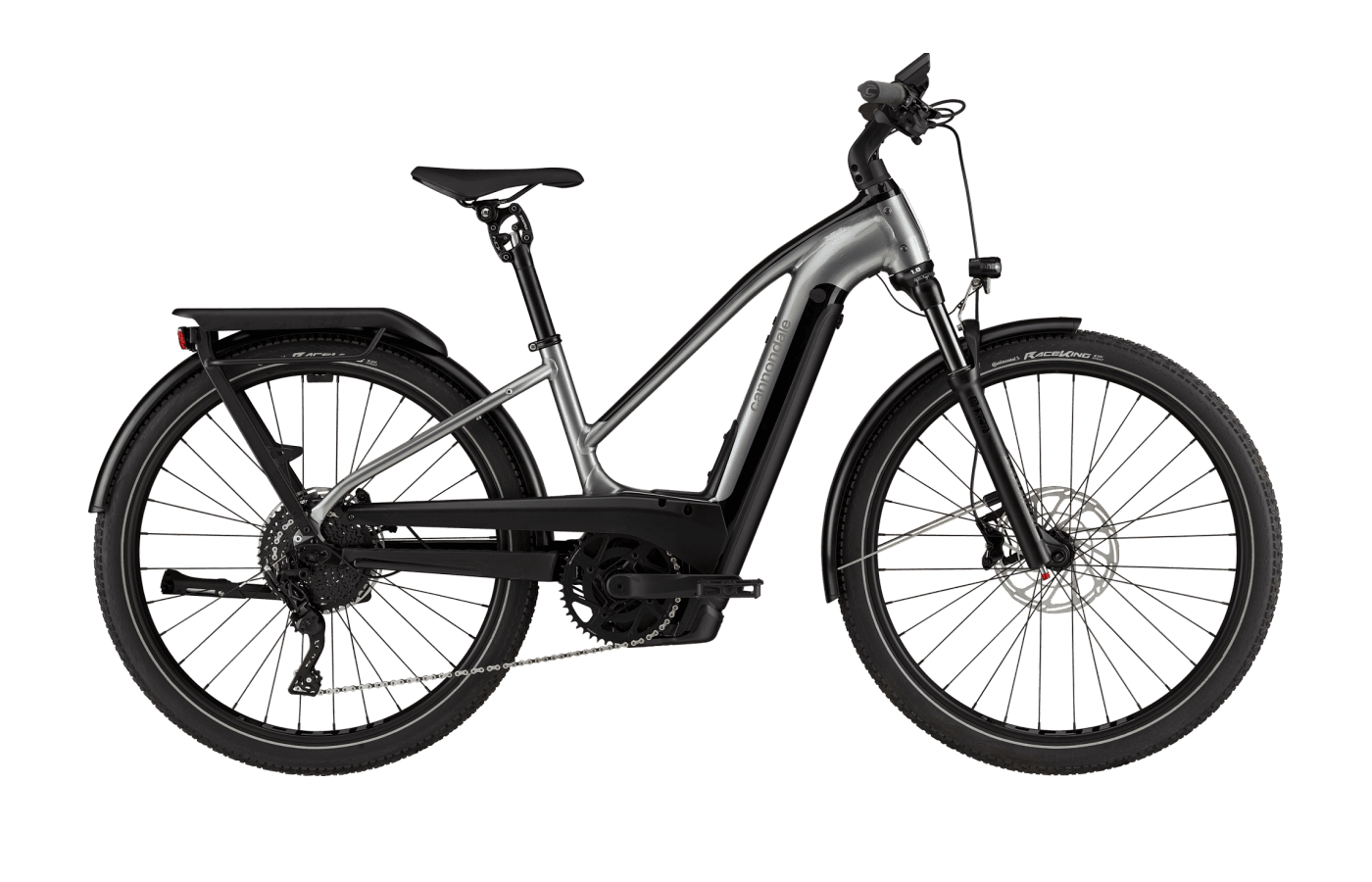
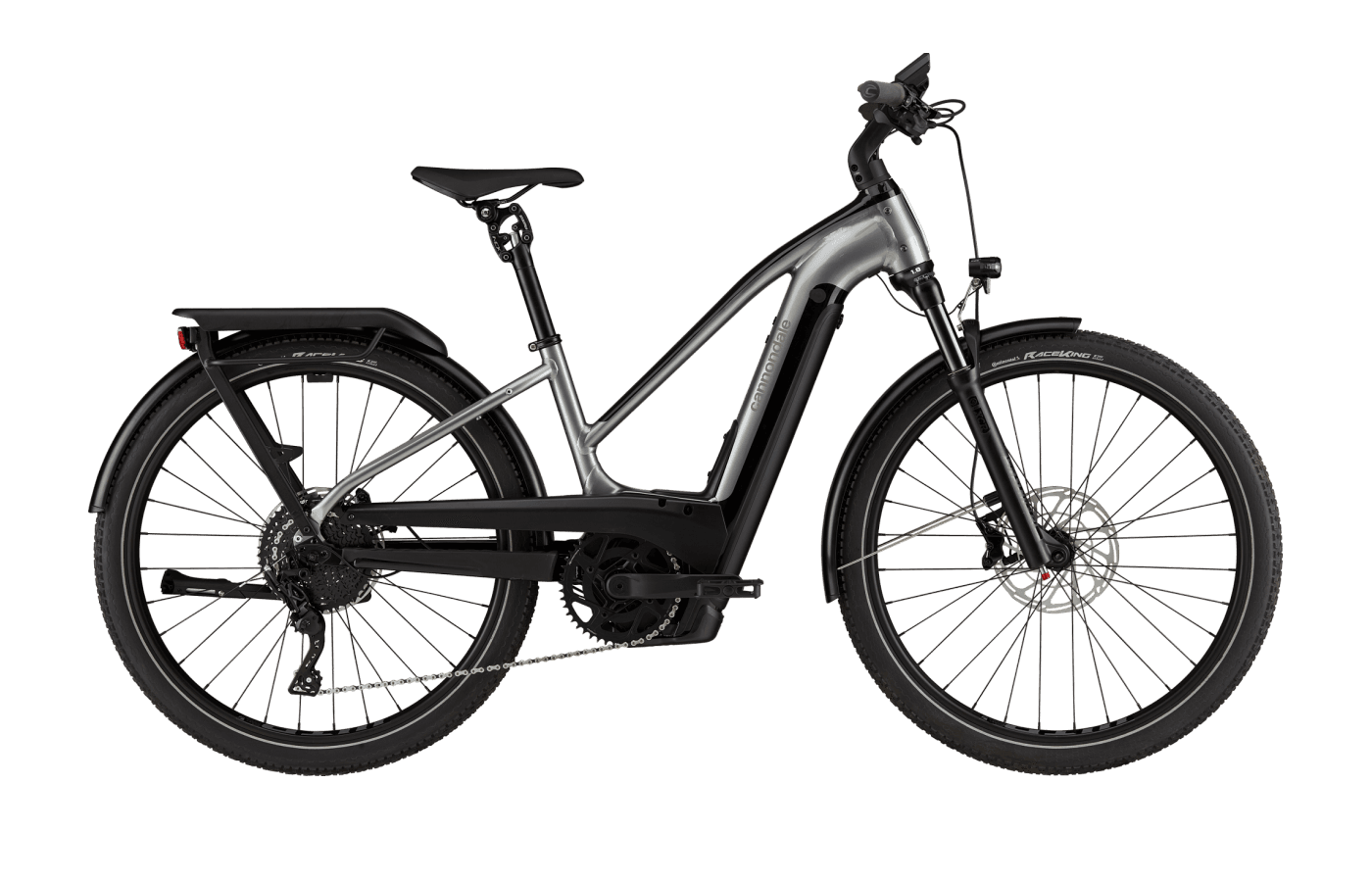
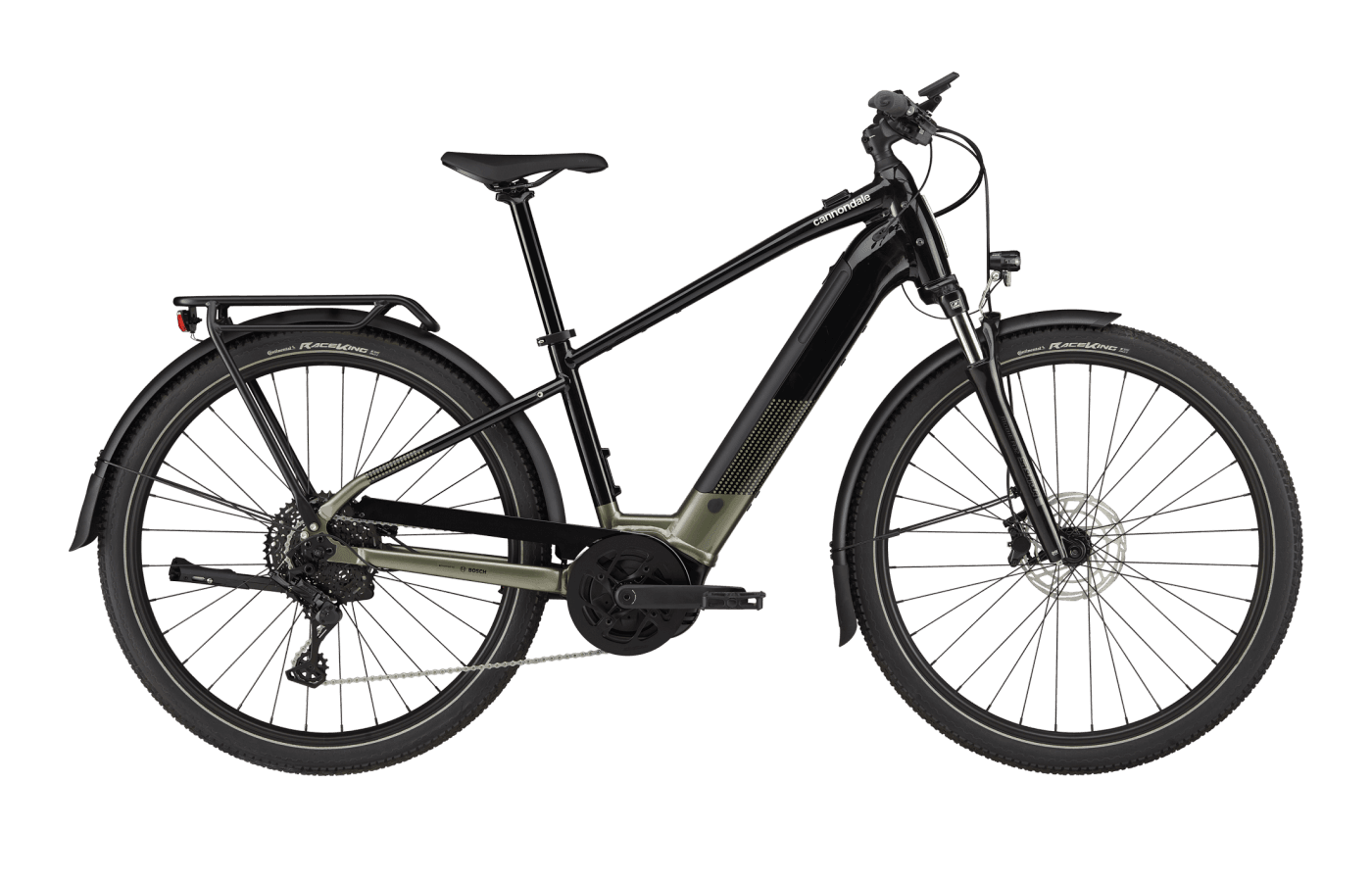
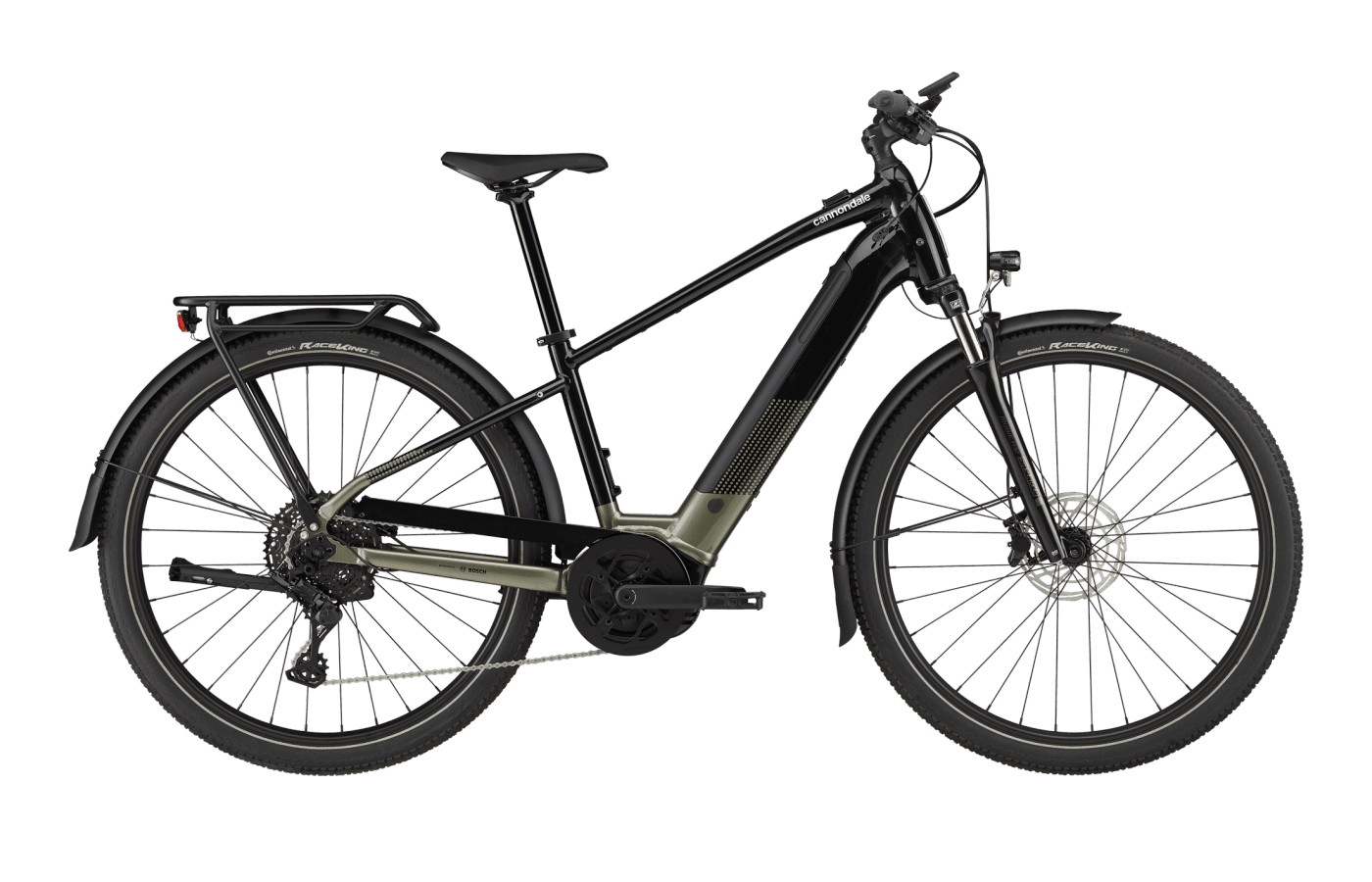
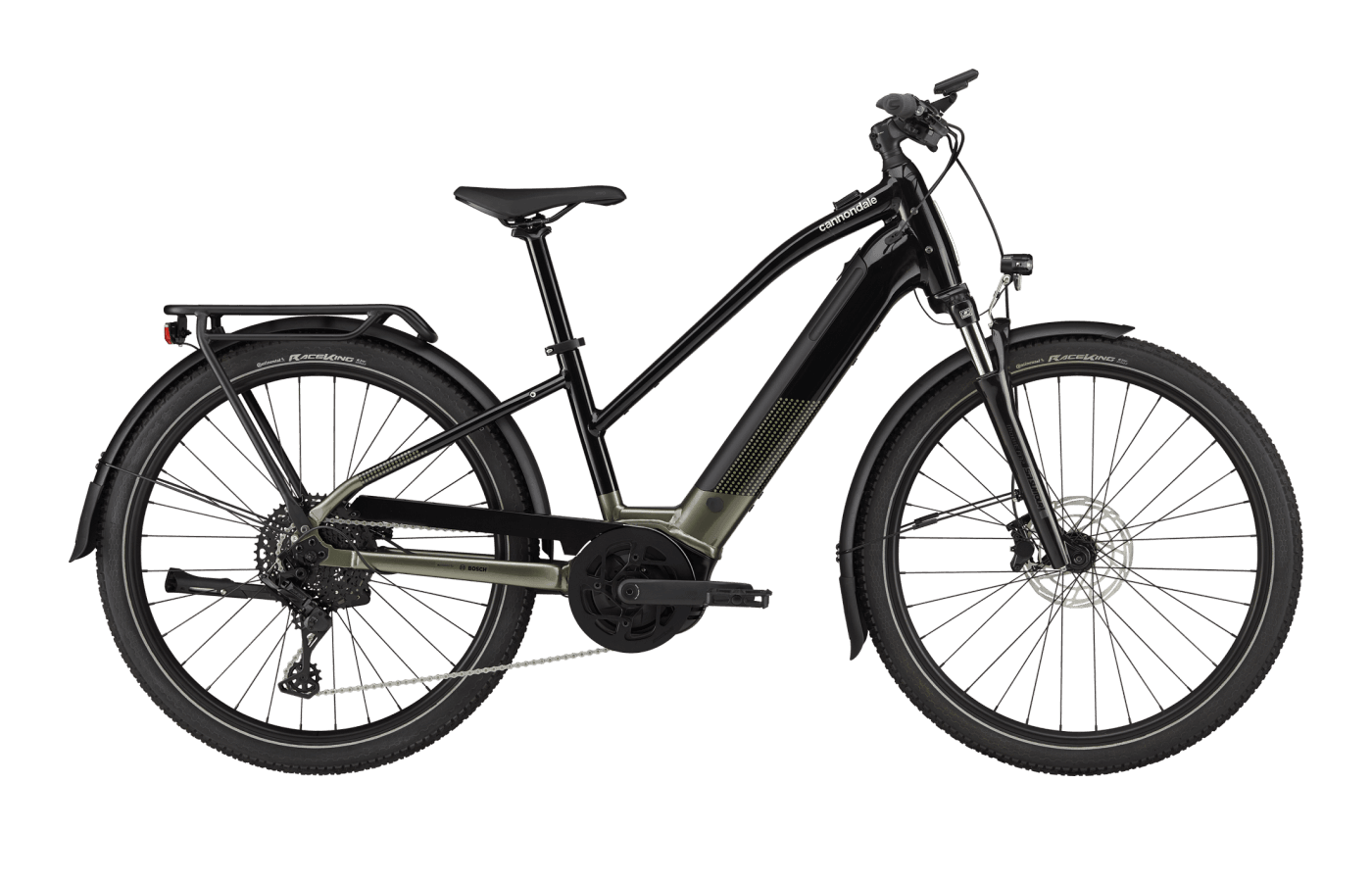
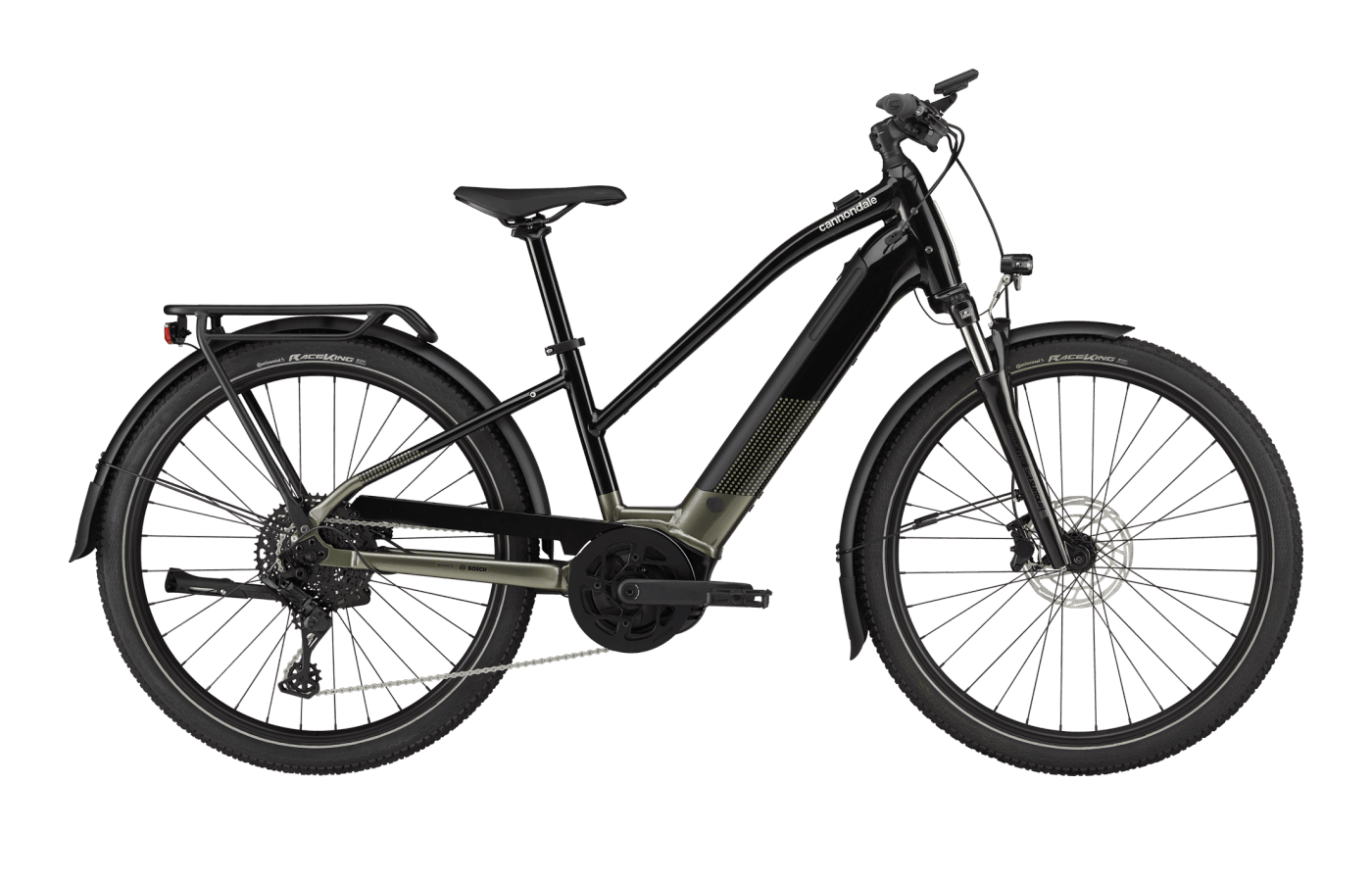
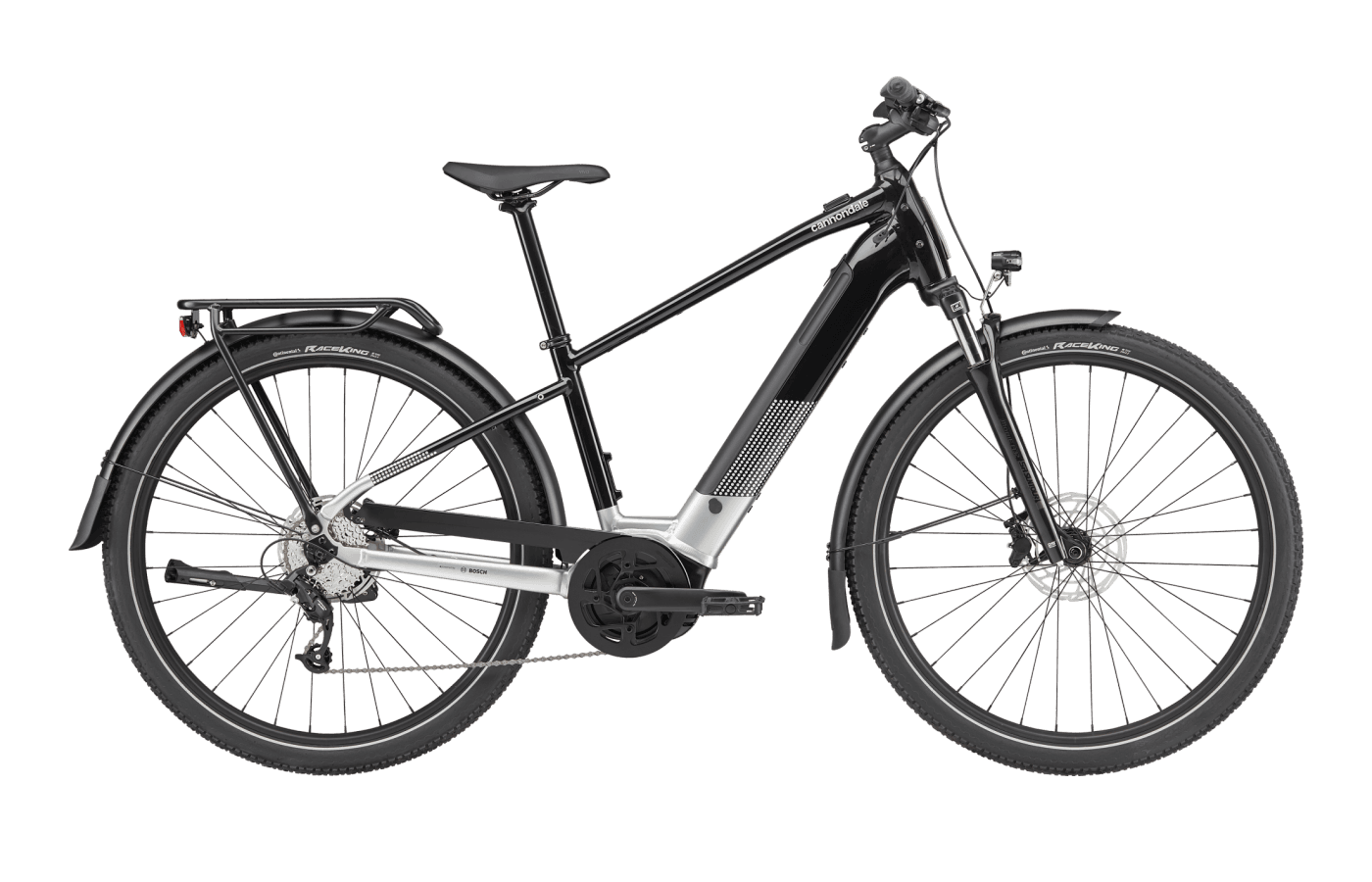
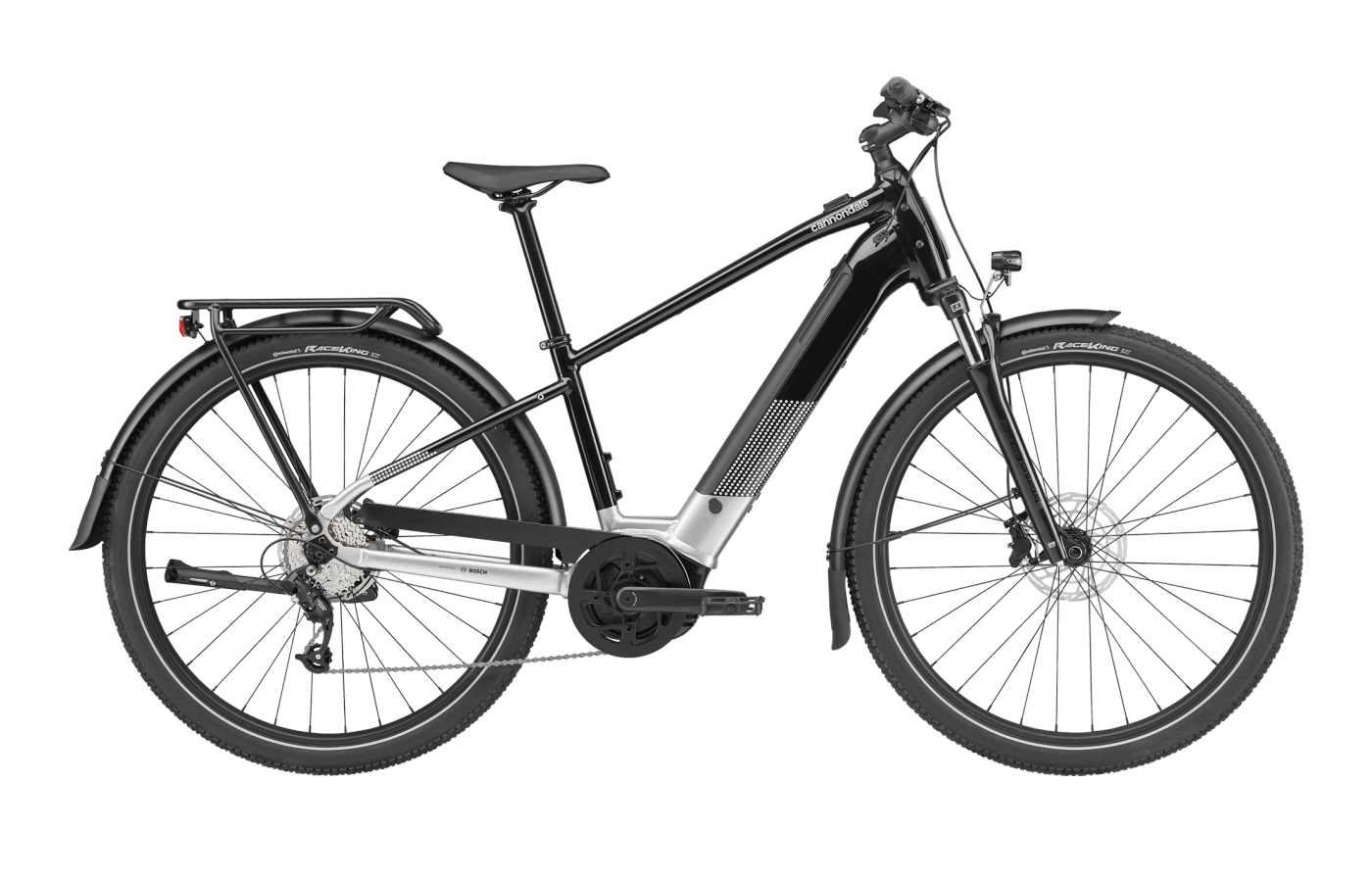
Tesoro Neo XX 2
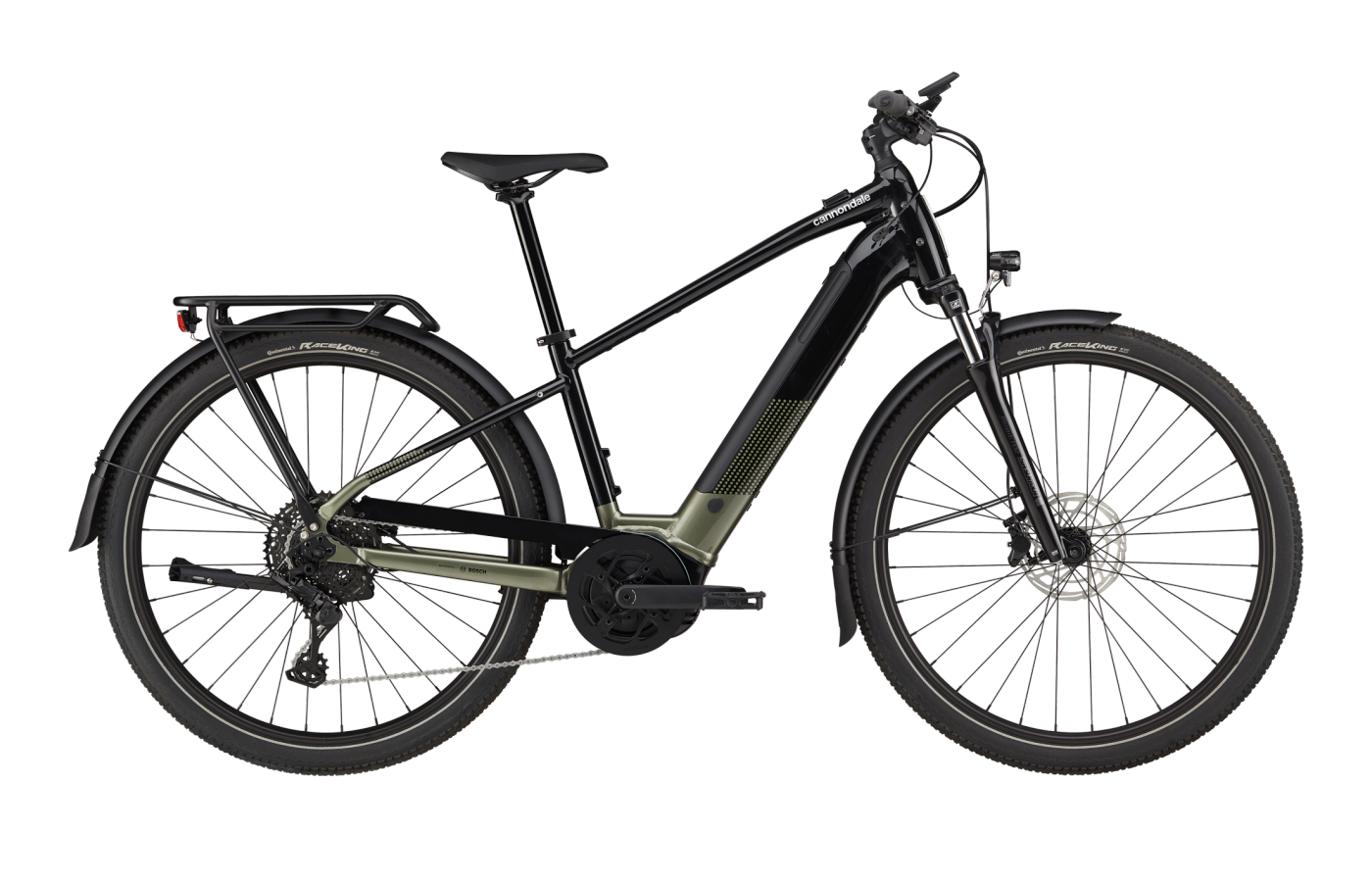
The current Cannondale Tesoro Neo X generation dates to the 2022 platform reset, when Cannondale introduced an all-new chassis that shifted the bike further toward the trekking and e-urban end of the market. Its SmartForm C2 alloy frame uses a removable downtube battery, tapered head tube, internal routing, 135mm quick-release rear end, IS disc mounts, and integrated provisions for lights, rack, and fenders. Compared with the older Tesoro Neo X, this version is notably less mountain-bike-influenced: fork travel drops to 63mm on the core platform, the rear end moves away from the previous 148x12/Ai layout, and the overall silhouette is cleaner and more road-oriented.
What distinguishes this Tesoro Neo X is that it is not a pure city e-bike and not a true e-MTB either. Cannondale has positioned it as a mixed-surface utility and touring machine, with upright ergonomics, high-volume tires, full commuter equipment, and Bosch mid-drive power. The mixed-wheel sizing strategy—27.5in on smaller sizes and 29in on larger ones—shows that fit and rollover behavior were considered as part of the platform design rather than treated as an afterthought.
In market terms, the Tesoro Neo X sits in the premium SUV-style trekking category: heavier and more substantial than a typical urban commuter, but more practical and civilized than an electric hardtail. Its appeal is to riders who want one bike for commuting, rough pavement, gravel paths, and loaded utility use, with Bosch-system reliability and integrated everyday equipment taking priority over low weight or sharp, sporty handling.
Spec sheet.
Every component shipped with this build.
Geometry & fit.
3 sizes published.
The published geometry points to a deliberately stable, upright handling package. Across sizes S to L, the head tube angle stays at 68 degrees and the chainstay length at 480mm, both numbers that favor straight-line composure and predictable steering over quick turn-in. Wheelbase is long as well—1163mm in S, 1178mm in M, and 1198mm in L—which helps explain why reviewers consistently described the bike as planted and secure at speed. Reach figures of 401mm, 417mm, and 433mm are moderate rather than stretched, while stacks of 622mm to 644mm support a higher front end suited to commuting and touring posture.
The 74-degree seat tube angle keeps the rider centered enough for efficient seated pedaling, but the overall fit is clearly not aggressive. Bottom bracket drop is 52mm in S and 65mm in M/L, which contributes to a settled feel through corners and at cruising speeds. Trail is also substantial at 87mm in S and 94mm in M/L, reinforcing the calm steering character. Taken together, these numbers describe a bike built to carry speed steadily over rough roads and gravel with minimal nervousness, though riders looking for nimble, fast-steering urban behavior will likely find it on the slower, heavier-handling side.
Where the handlebar sits relative to the bottom bracket — the single most important fit pair.
01Fit geometry6 values
02Component geometry1 values
03Handling geometry9 values
Which size should I buy?
Slide your height to see the recommended size. GearWise's fit algorithm works from the published stack, reach, and ETT — the brand's own recommendation may differ.
→Calculated from GearWise's own stack / reach / ETT algorithm — the brand's size chart may recommend a different size, and a proper bike fit beats any calculator.
The lineup.
10 builds, ranging $3,300 – $4,600.
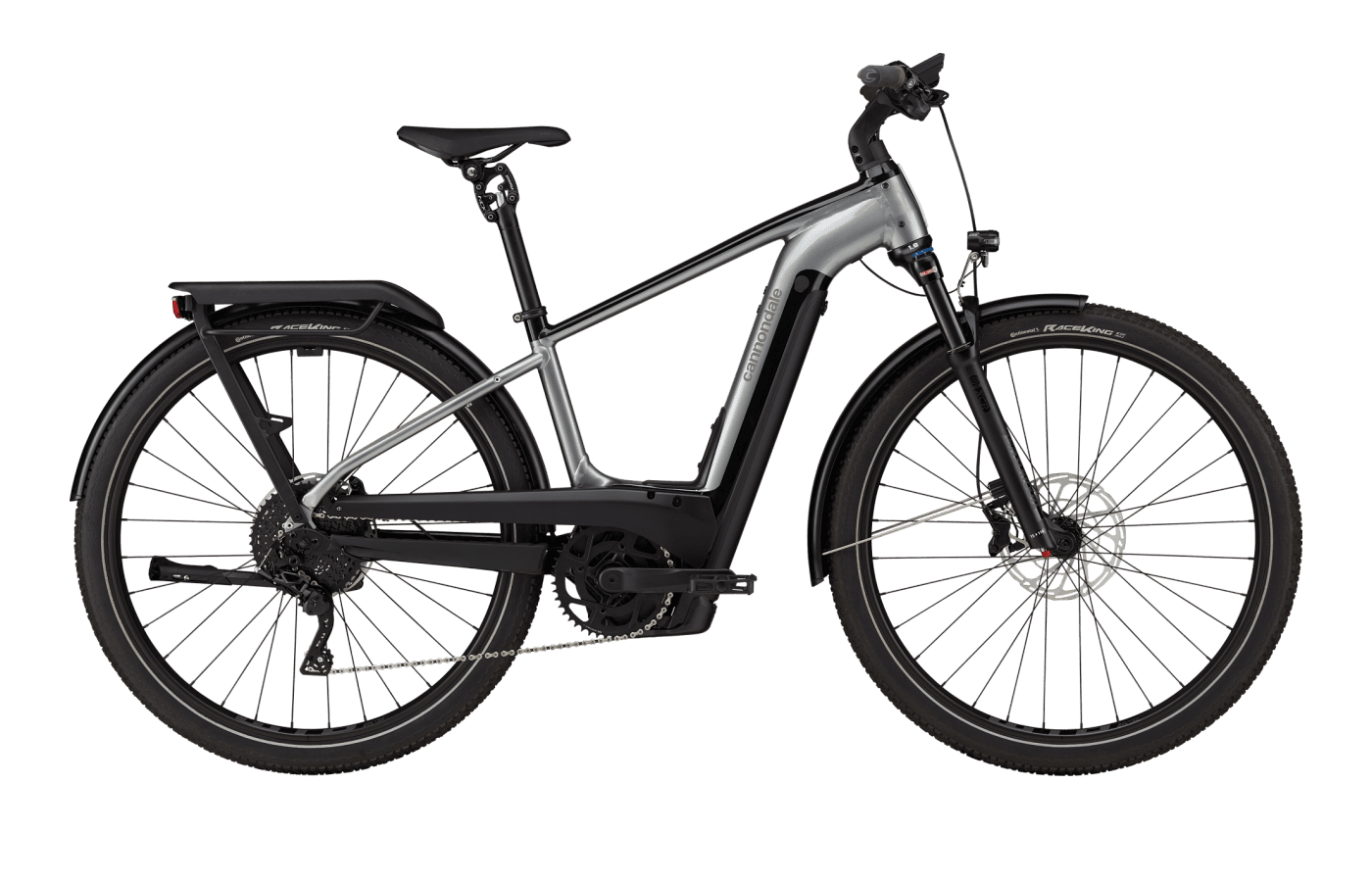
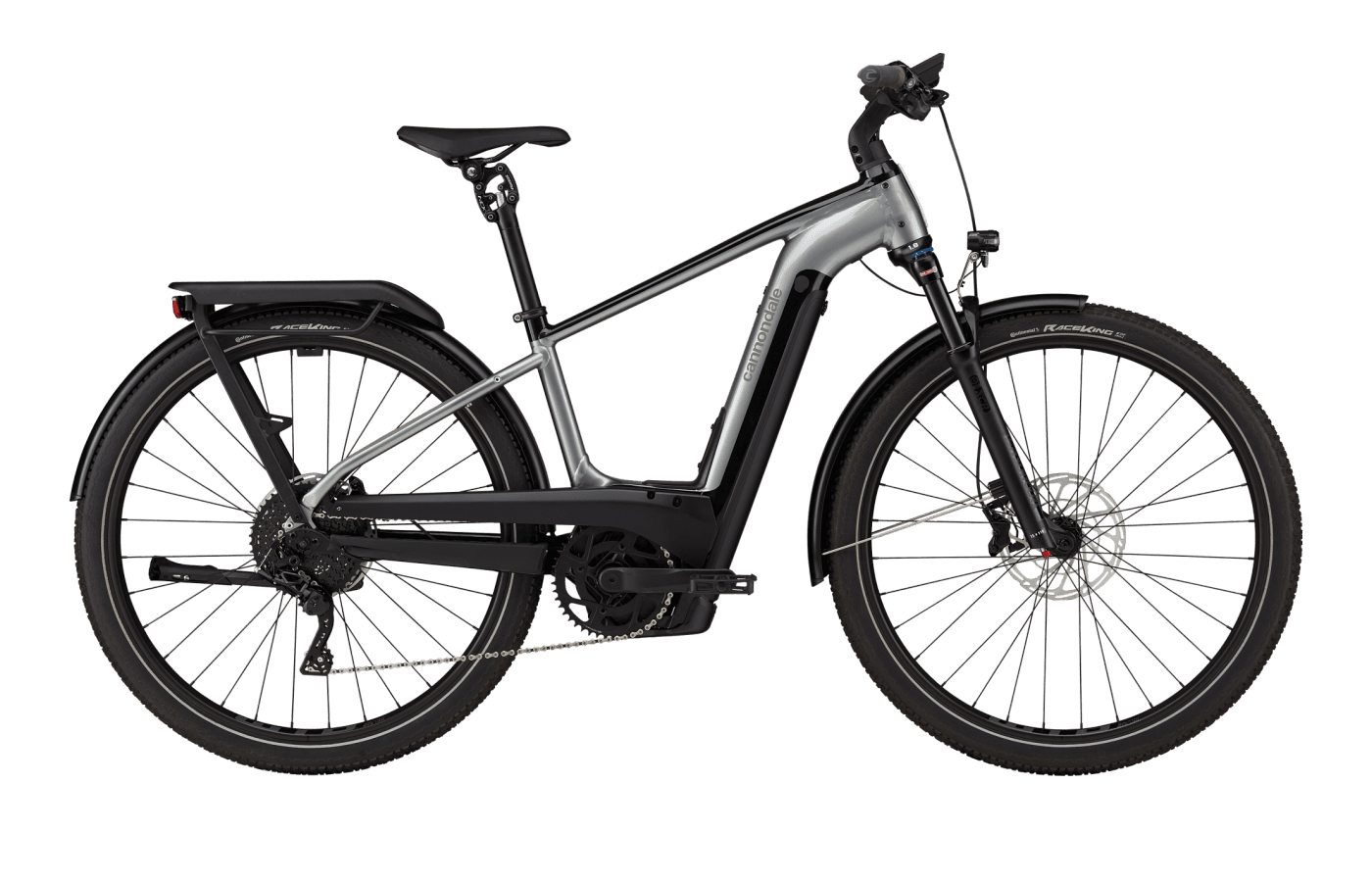
The Tesoro Neo X range spans from the X 3 at $3,300 to the X 2 at $3,750 and the X 1 at $4,600, with both standard and StepThru versions offered on the upper models. That pricing places the bike squarely in the premium trekking e-bike segment, and the step up through the range is driven mainly by Bosch system upgrades and suspension spec. Review material identifies the X 1 as the flagship, using a Bosch Performance Line CX motor with 85Nm and a 750Wh battery, while the X 2 uses a Bosch Performance Line motor with 63Nm and a 625Wh battery. Reviewers consistently saw that jump in torque and battery capacity as meaningful for hillier terrain and longer daily use.
Component differences matter here. The X 1 was repeatedly singled out for its higher-grade suspension and drivetrain durability, including the lighter, smoother air-sprung SR Suntour XCR34 fork and Shimano Linkglide-oriented durability advantages under e-bike loads. By contrast, reviewers noted that the lower trims' coil forks are heavier and less refined, especially for lighter riders. The X 2 still presents a strong real-world commuter spec with hydraulic discs, wide tires, and long-range Bosch support, while the X 3 serves as the entry point to the platform. Based on the review consensus, the X 1 is the standout for riders who will fully use the extra battery, torque, and better fork; the X 2 is the more pragmatic middle ground if that premium is harder to justify.
From the press.
6 reviews from the cycling press.
Reviewers were broadly consistent in describing the Tesoro Neo X as an e-bike equivalent of a luxury SUV: stable, planted, and comfortable rather than quick-handling or playful. Opticycles called the X 1 "planted and predictable" on city streets, crediting its 53mm tires, hydraulic discs, and Bosch Performance Line CX motor for making hills and rough pavement easy to manage. Across longer-form reviews, the combination of upright fit, large-volume tires, and low-mounted Bosch mid-drive system was repeatedly praised for creating a secure, low-fatigue ride on mixed surfaces from pothole-strewn streets to forest roads.
Comfort was a major strength, especially through the bike's tire volume and suspension seatpost. Several reviewers highlighted the parallelogram seatpost as unusually effective because it absorbed sharp hits without the bounce common to cheaper suspension posts. The bike's stability at speed and under load also earned praise, with testers noting that the integrated rack and fender setup felt like part of the frame rather than an add-on. Braking confidence was another recurring positive, particularly with 180mm hydraulic systems on loaded descents or in wet conditions.
The tradeoff is that the Tesoro Neo X is not especially agile. Reviewers repeatedly described it as ponderous rather than sporty, with the 740mm handlebar and larger wheel formats giving lots of control but making tight urban maneuvers and narrow trails less convenient. There were also trim-specific criticisms: the coil fork on lower models was said to be hard to tune for lighter riders, some testers disliked the chunky motor-area styling, and one long-term complaint involved kickstand bolts loosening with vibration. In short, reviewers saw it as a very capable, comfortable trekking e-bike whose strengths show up over distance and rough surfaces, not in flickable handling or portability.
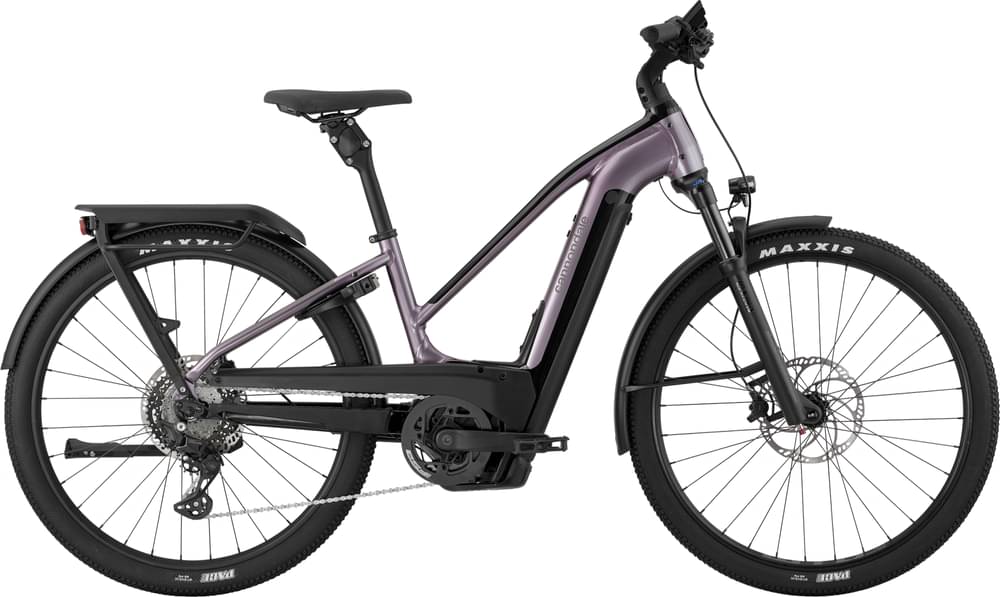
CANNONDALE TESORO NEO X 1 STEPTHRU 2022 - Review, Test & Price
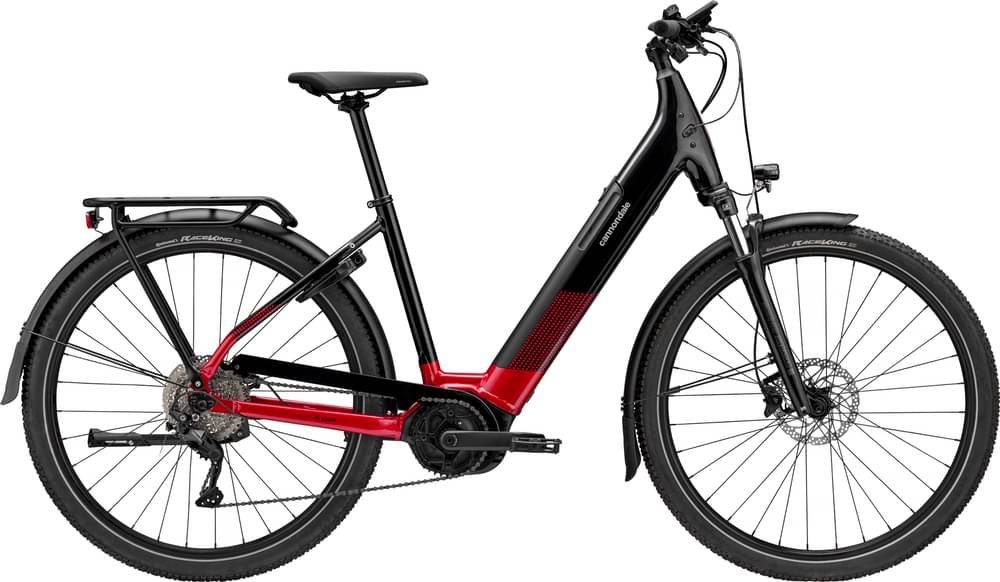
CANNONDALE TESORO NEO X 2 LOW STEPTHRU 2022 - Review, Test & Price
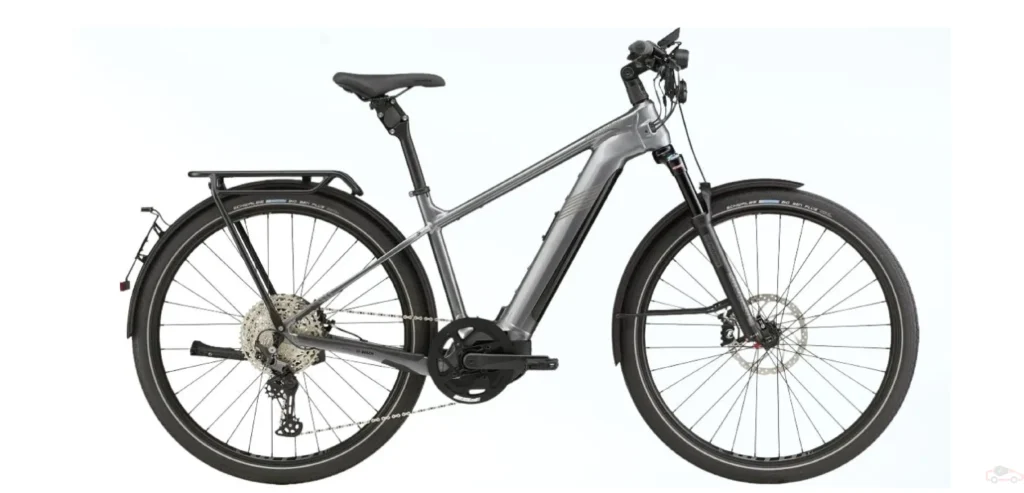
Cannondale Tesoro Neo X Review

Bovine Bonanza with the Cannondale Tesoro Neo X1
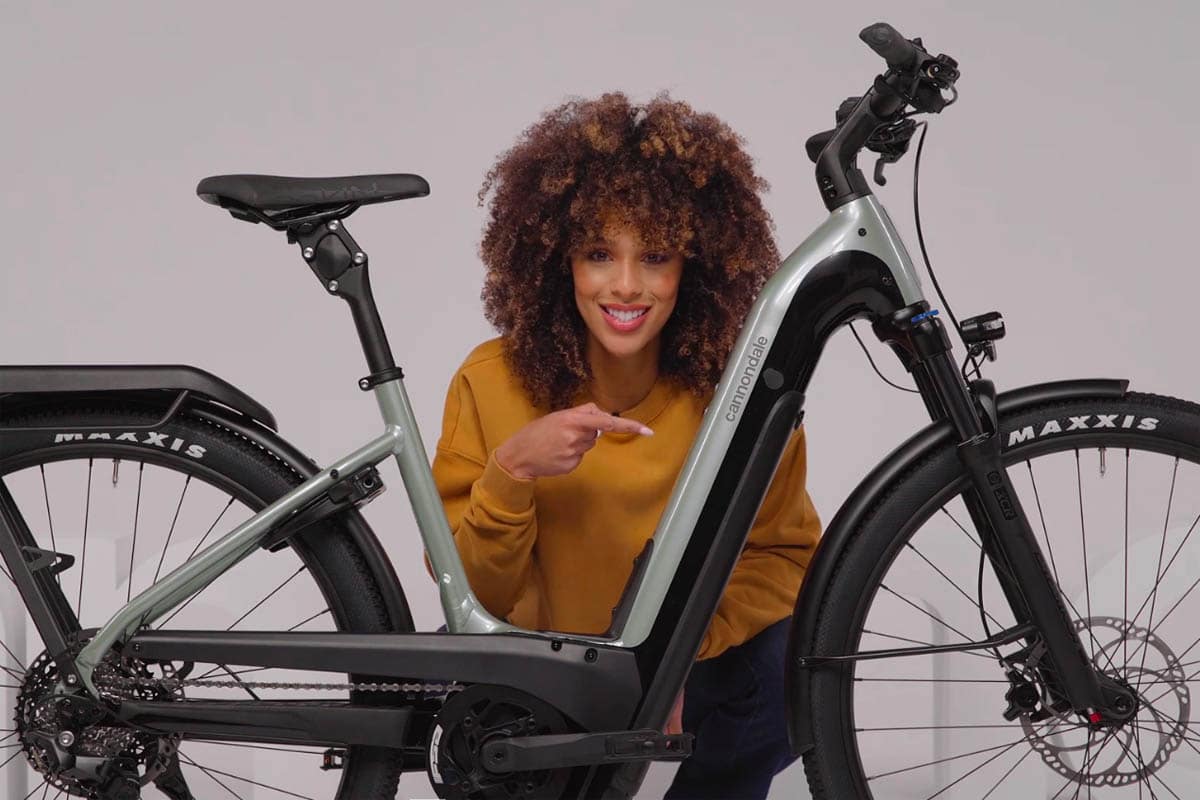
New Tesoro Neo X 1 trekking ebike from Cannondale