Giant
Stance E+0
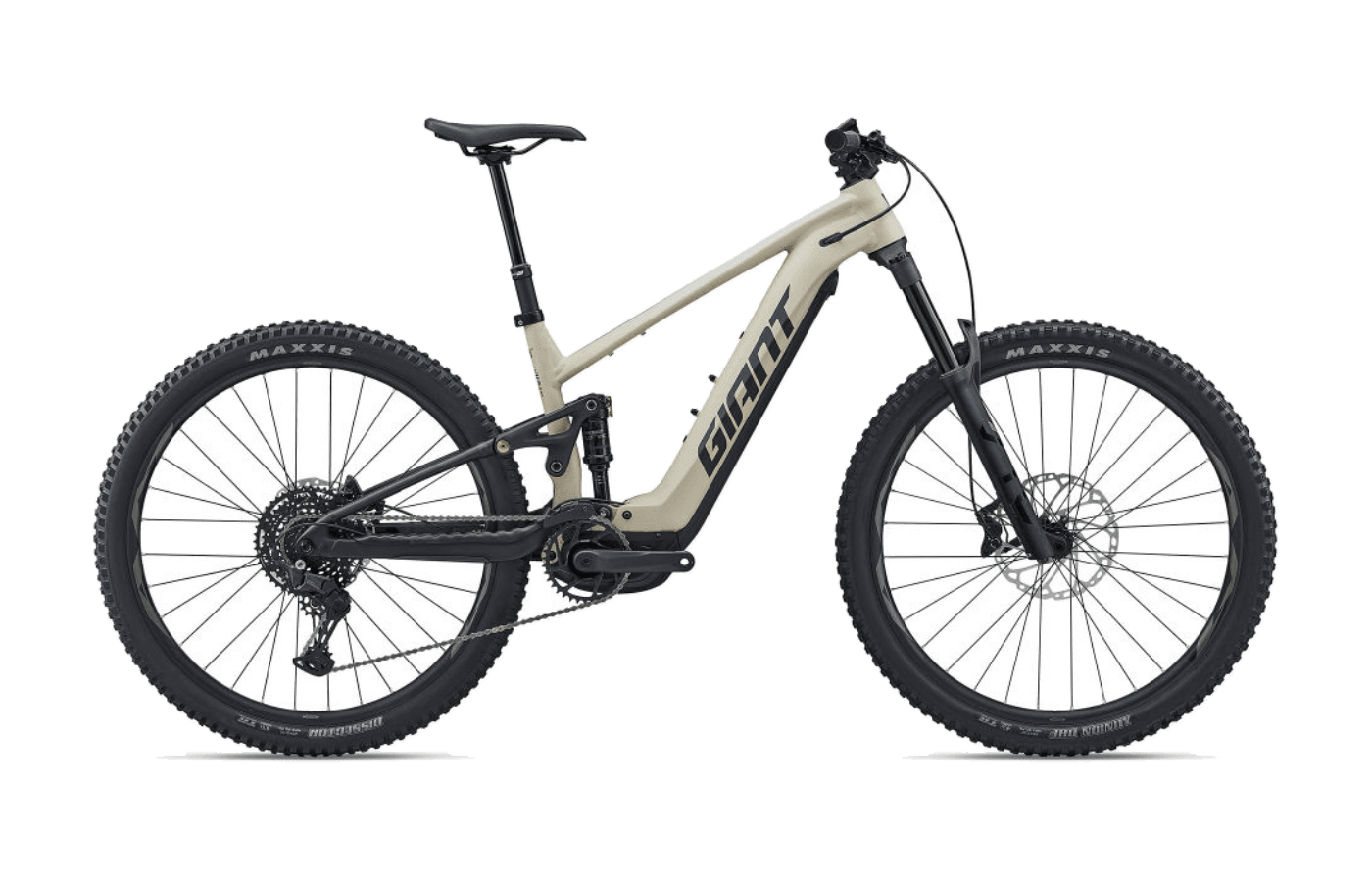
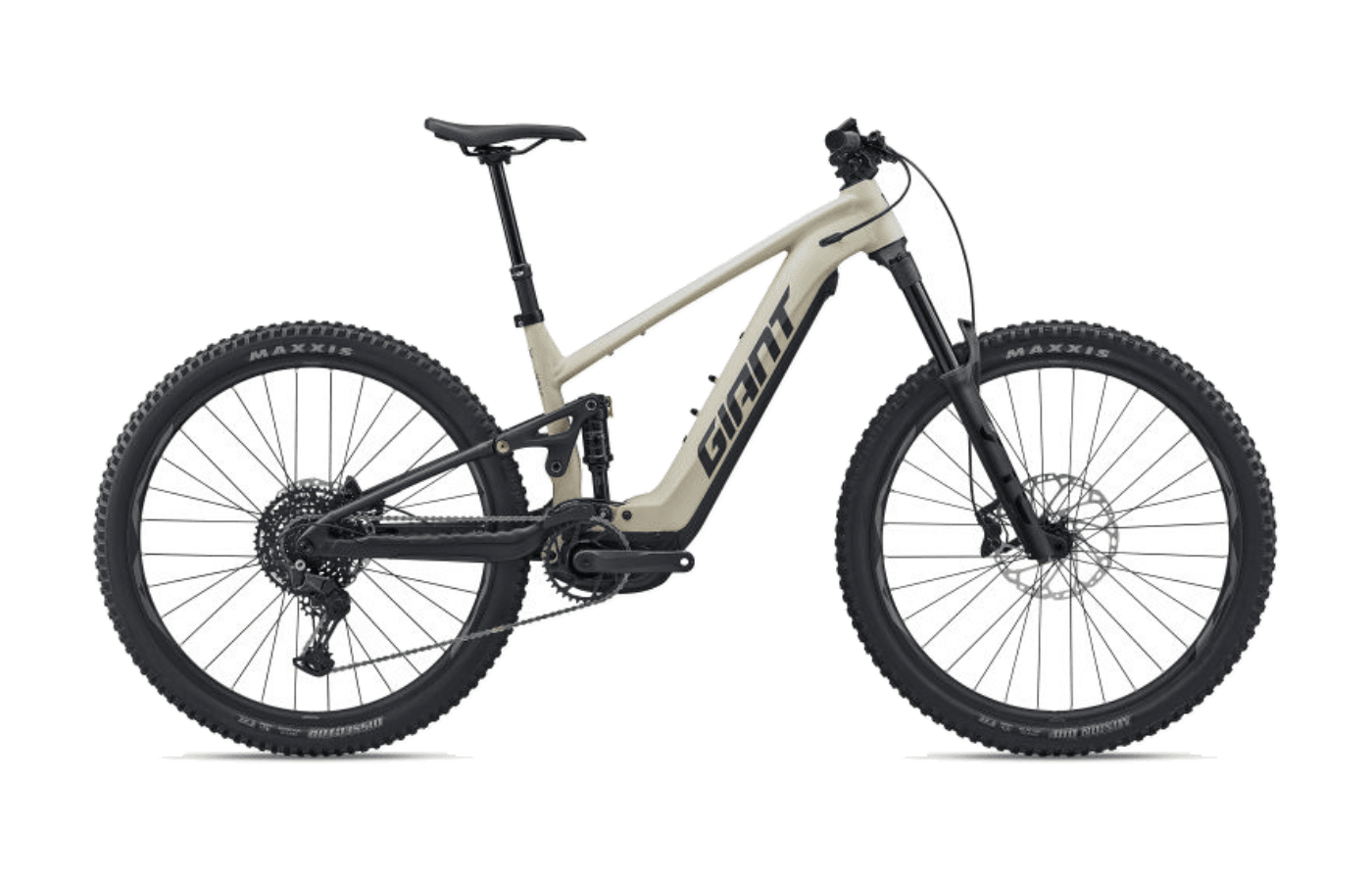
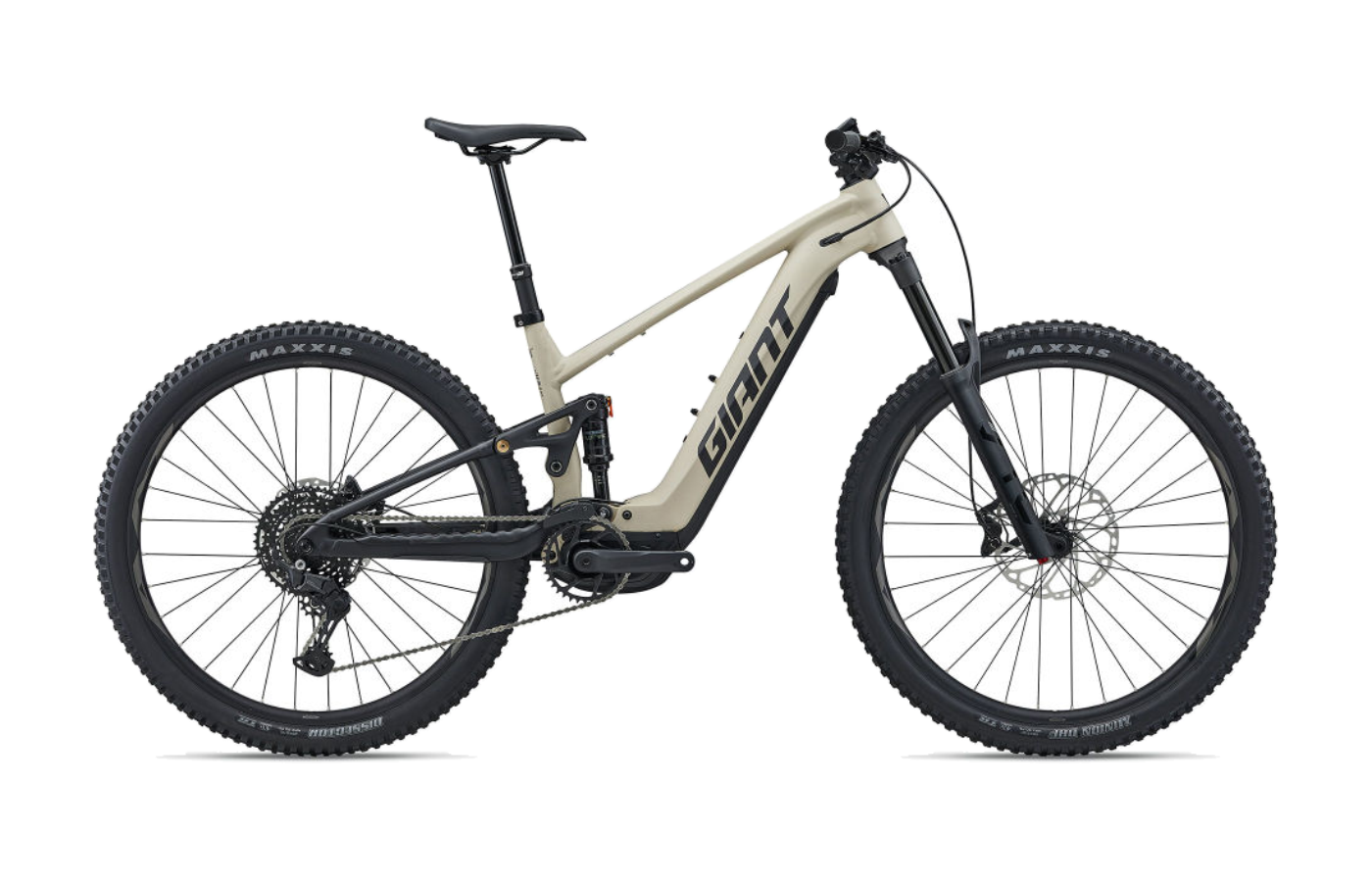
The 2026-on Giant Stance E+ is a substantial repositioning of the model from an entry-oriented full-suspension e-MTB toward a more serious trail bike. Giant has kept its FlexPoint rear suspension layout—a linkage-driven single-pivot design that uses flexing seatstays rather than a fully articulated rear triangle—which remains a defining cost-control measure. What changes this generation is the intent around that platform: rear travel increases to 140mm, fork travel to 150mm, and the frame geometry moves decisively toward current aggressive trail-bike norms.
That shift is visible in the numbers and the motor system alike. A 64.5° head angle and 76.5° seat angle put the Stance E+ much closer to contemporary e-trail bikes designed for steeper descents and more technical climbing, rather than lighter-duty recreational use. Giant also pairs the redesign with its SyncDrive Pro 3X drive unit rated at 100 Nm, along with 800Wh and 625Wh battery options and optional range extenders. In the market, that makes the current Stance E+ notable as a more affordable full-power e-trail bike: it still relies on a simpler suspension concept than pricier rivals, but it now does so in a package aimed at genuinely demanding trail riding rather than just casual off-road mileage.
Spec sheet.
Every component shipped with this build.
Geometry & fit.
4 sizes published.
The published geometry points to a bike with clearly modern e-trail intentions. The 64.5° head tube angle is notably slack for a bike in this price category, which should improve composure at speed and add confidence on steeper descents. Paired with 150mm of front travel and 140mm at the rear, the chassis is set up less like a conservative all-rounder and more like a trail bike that expects rougher terrain. The 76.5° seat tube angle is also an important change, putting the rider in a more centered climbing position that should help keep weight over the front wheel on steep ascents—especially useful on a high-torque e-bike.
Taken together, those figures suggest a longer, more planted riding position than the previous Stance E+, with handling biased toward stability rather than quick, nervous steering. The overall fit and ride character should suit riders who want the security of a modern front end and an efficient seated climbing posture, without stepping all the way into enduro-bike travel numbers.
Where the handlebar sits relative to the bottom bracket — the single most important fit pair.
02Component geometry2 values
Which size should I buy?
Slide your height to see the recommended size. GearWise's fit algorithm works from the published stack, reach, and ETT — the brand's own recommendation may differ.
→Calculated from GearWise's own stack / reach / ETT algorithm — the brand's size chart may recommend a different size, and a proper bike fit beats any calculator.
The lineup.
2 builds, ranging $5,500 – $6,000.
The US range is concise, with two builds: the Stance E+ 1 at $5,500 and the Stance E+ 0 at $6,000. That narrow $500 spread suggests Giant is keeping the lineup straightforward, with the same core frame concept and the same updated full-power e-MTB positioning across both models rather than using a wide price ladder.
What is clear from the generation details is that both builds sit around Giant's updated E+ platform, centered on the SyncDrive Pro 3X motor with 100 Nm of torque and battery options that include 800Wh and 625Wh capacities, plus optional range extenders. Without a full component breakdown, the most meaningful takeaway is the value proposition: even at $6,000, the Stance E+ is positioned as a relatively accessible way into a modern-geometry, 140/150mm full-power e-trail bike.