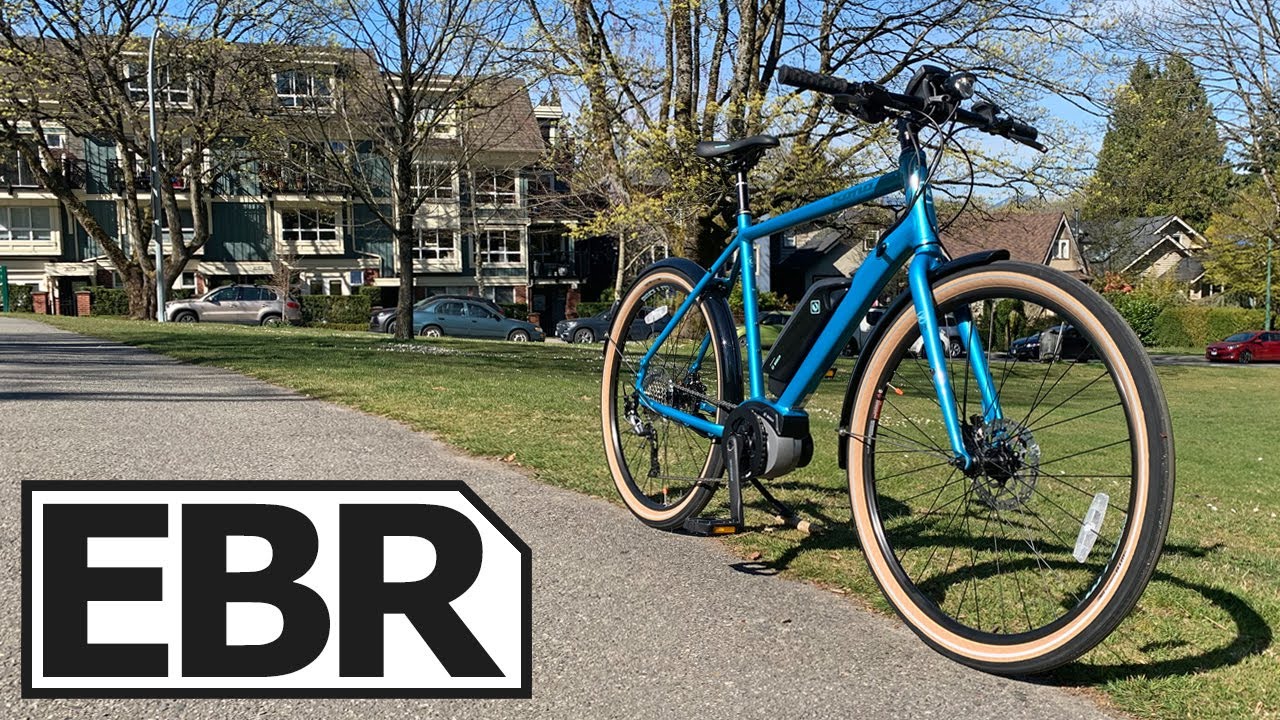
Dew-E
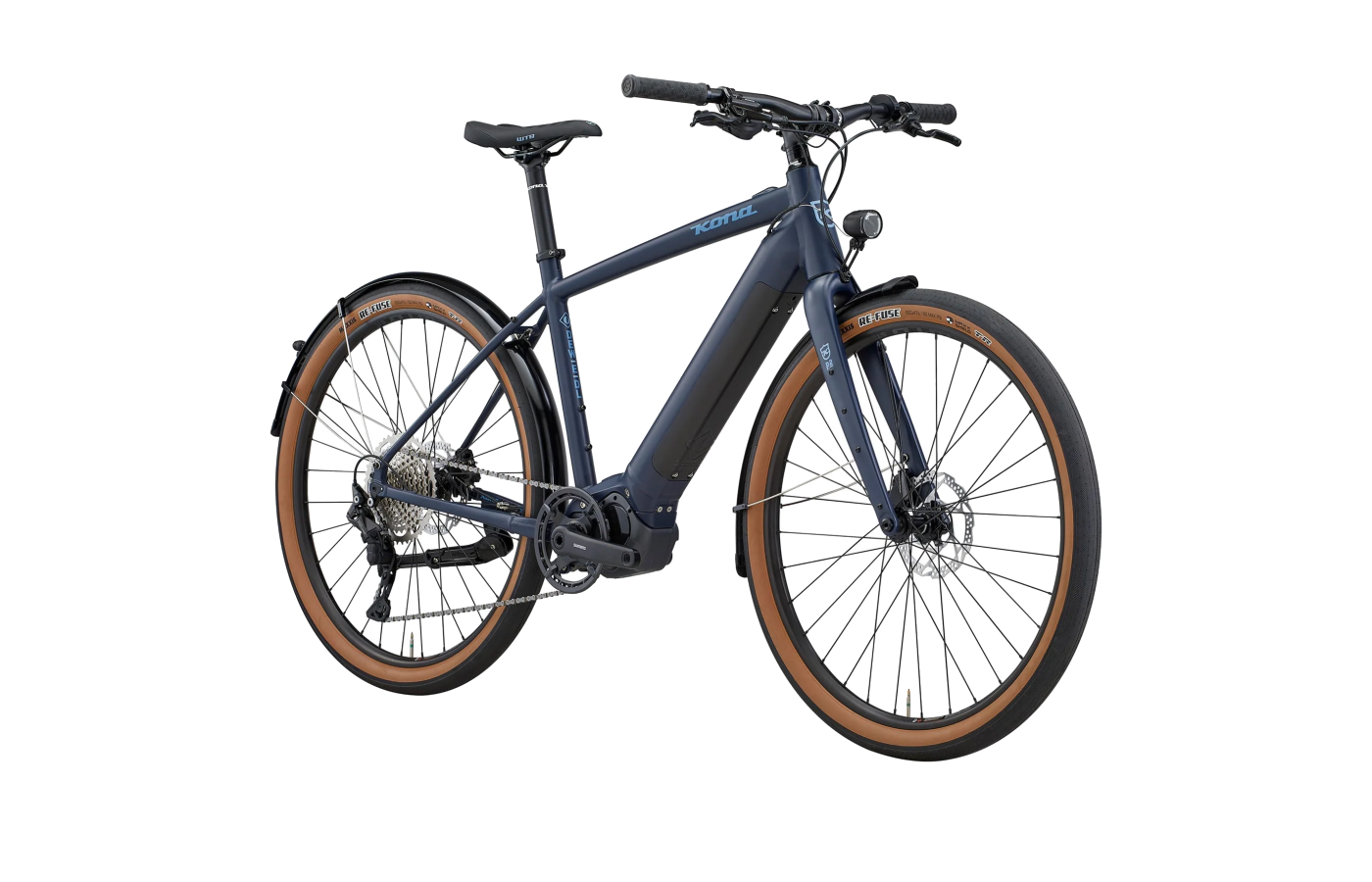
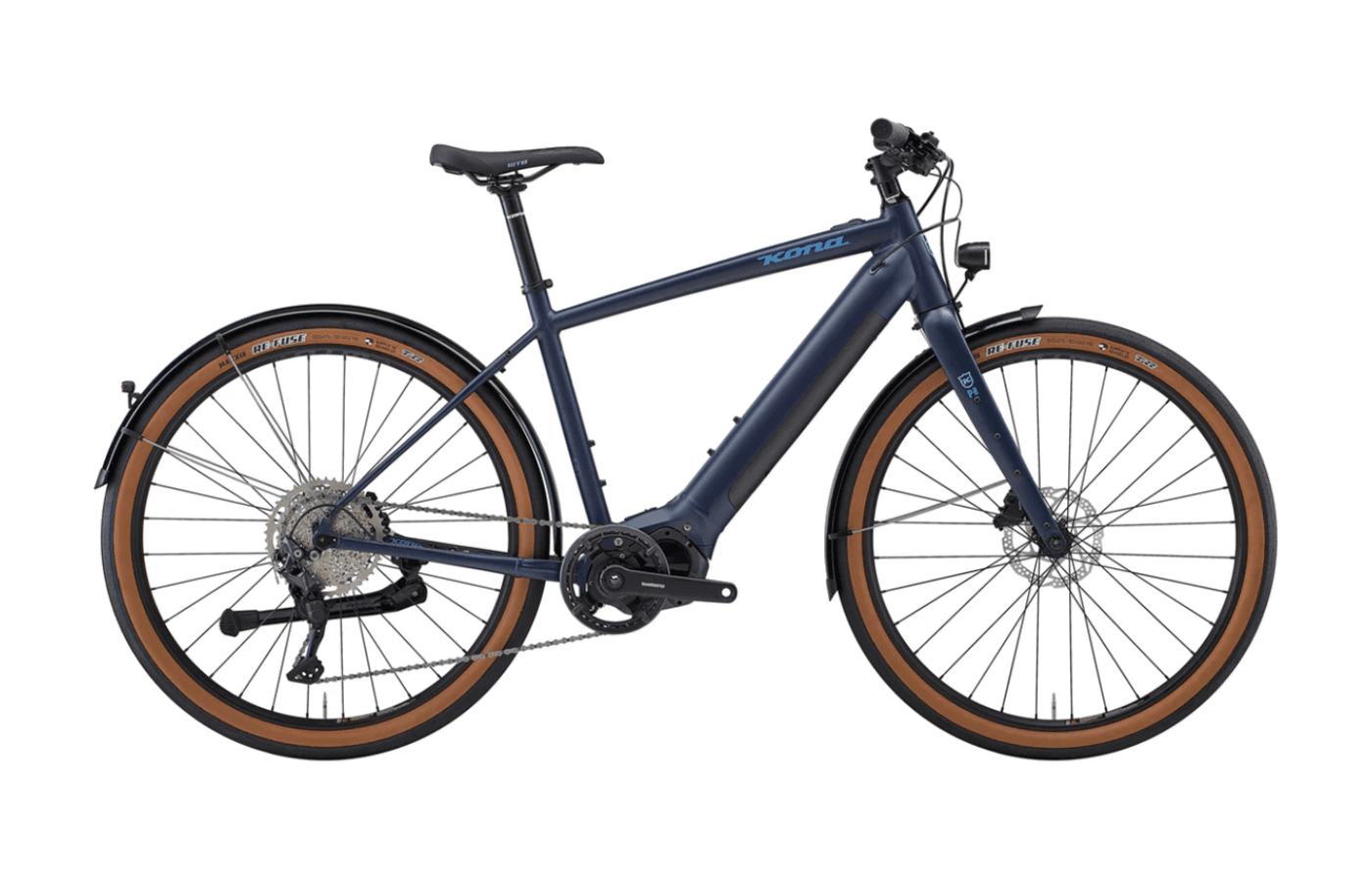
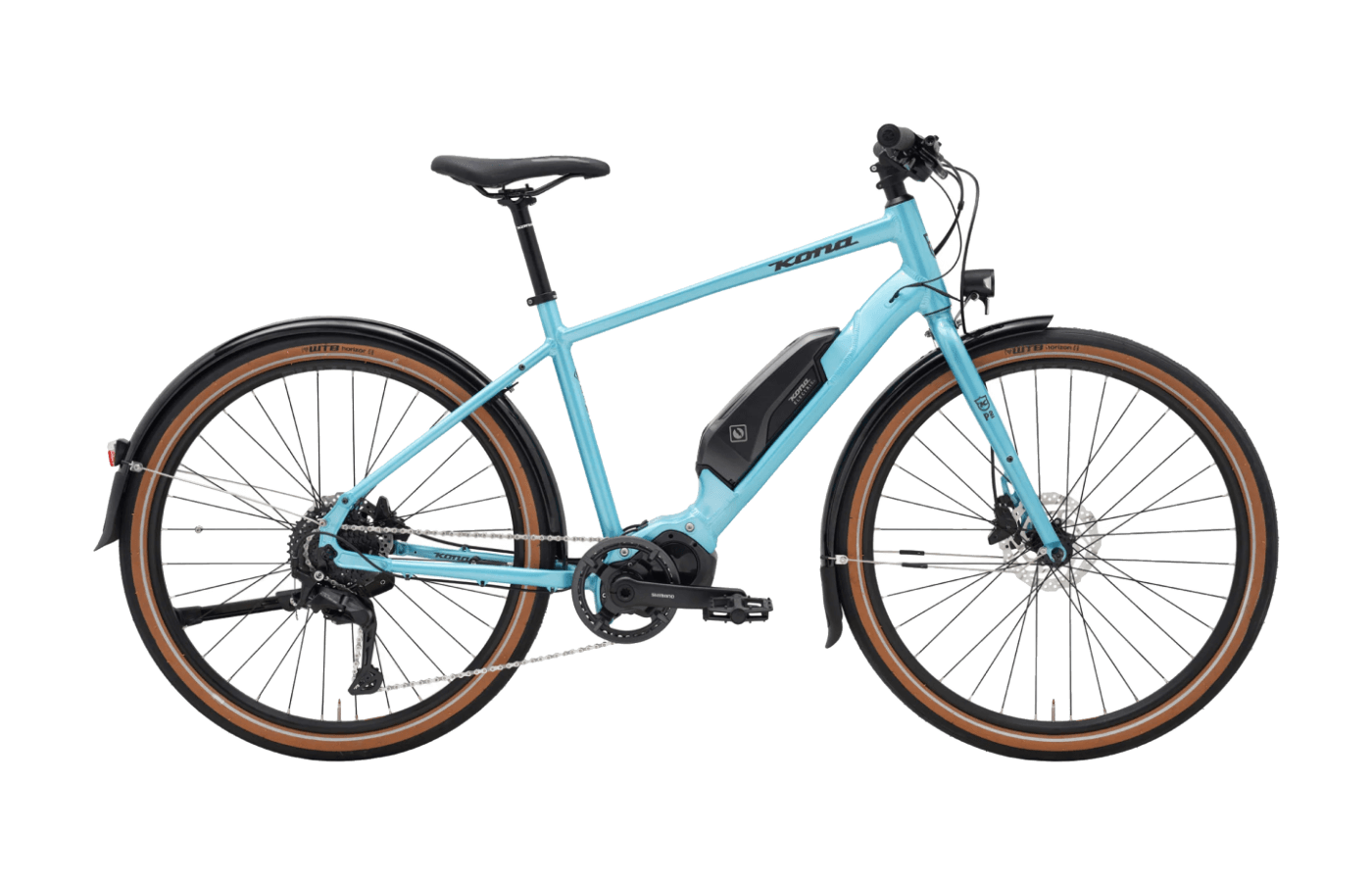
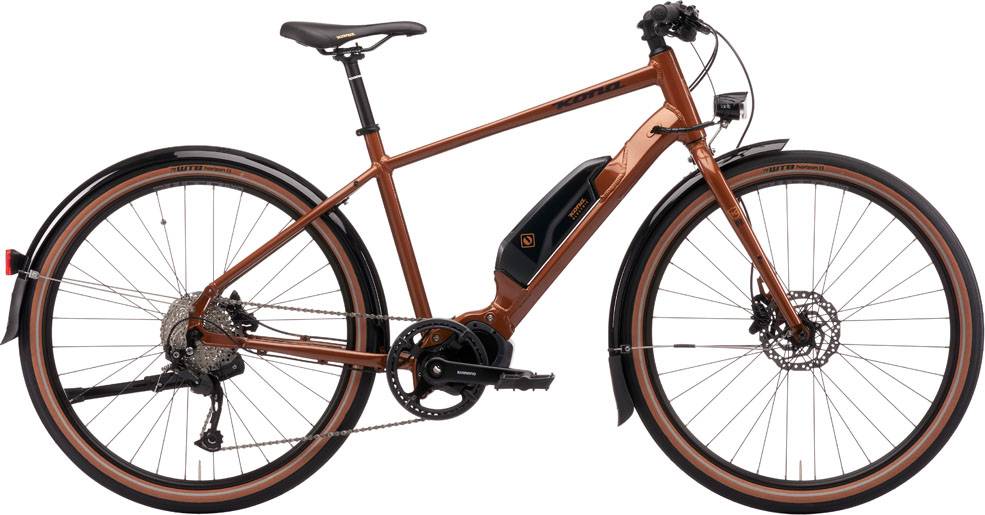
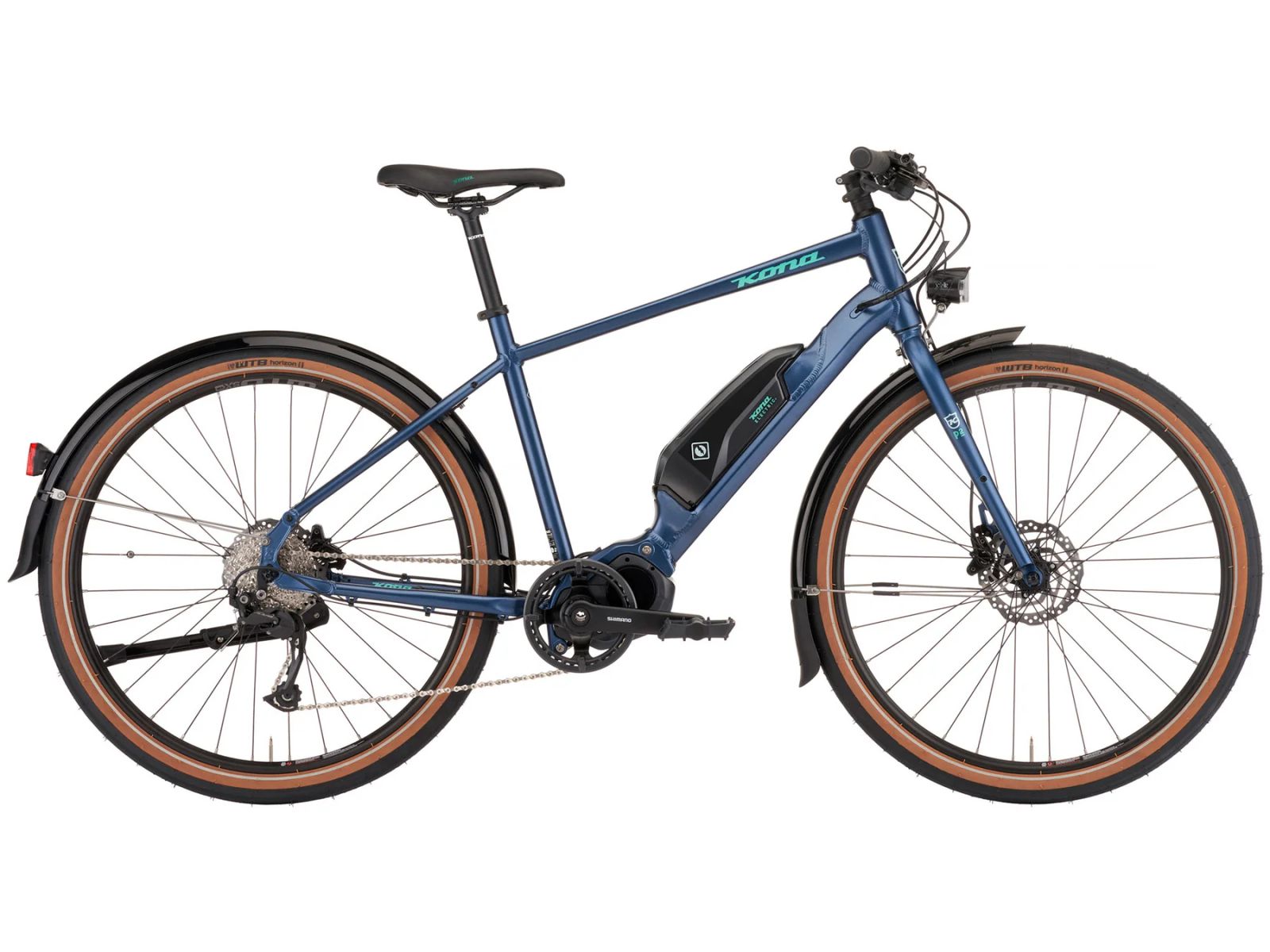
The 2021 redesign established the current Kona Dew-E platform and shifted the bike’s character in a meaningful way. Kona moved from the earlier Bosch setup to Shimano’s mid-drive system and wrapped the 504 Wh battery into a semi-integrated downtube, giving the bike a cleaner, more purpose-built frame rather than the look of a standard commuter with an external battery bolted on. It retained the rigid aluminum fork, 650b x 47c urban tire format, hydraulic disc brakes with 160 mm rotors, and full commuter equipment, but the new frame made the Dew-E feel more like a modern integrated e-commuter than its predecessor.
What distinguishes this generation is that it is not trying to be a heavy-duty, high-power urban appliance. The Dew-E sits closer to the idea of a conventional fitness/commuter bike with assist added thoughtfully: a mid-drive motor, rigid chassis, relatively modest battery size by current standards, and geometry that favors active handling over ultra-relaxed cruising. The 650b wheels and high-volume tires are central to that identity, balancing quick steering and urban maneuverability with enough air volume to take the edge off rough pavement.
In the market, the Dew-E occupies the space between casual upright e-city bikes and more powerful, heavier Class 3 commuters. It is aimed at riders who still want to pedal, corner, and manage the bike like a bicycle, not a small electric moped. The fact that this same core frame platform continues through the current 2026 model, with updates focused mainly on the drive system and components rather than the chassis, suggests Kona got the fundamentals right the first time.
Geometry & fit.
4 sizes published.
The Dew-E’s geometry is conservative and commuter-oriented, but not especially slack or cruiser-like. Across the size range, the 70-degree head tube angle and 460 mm chainstays point to stable, predictable steering rather than ultra-quick front-end response. That long rear center is notable on an urban bike and helps explain the planted feel reviewers describe at speed, especially when combined with the mid-drive motor’s low central mass and the 650b x 47c tires.
Fit-wise, the numbers show a fairly upright position with room varying significantly by size: reach goes from 398 mm in S to 465 mm in XL, while stack rises from 558 mm to 671 mm. The seat tube angle steepens from 72 degrees in XL to 75 degrees in S, a common way of keeping smaller sizes centered over the pedals. Wheelbase stretches from 1089 mm in S to 1197 mm in XL, reinforcing the bike’s calm handling. The main caution is standover: 692 mm in S is manageable, but XL jumps to 832 mm in the geometry chart, and reviewer reporting cited roughly 850 mm on that size, confirming that taller riders will be best served while shorter-legged riders may find the biggest frame awkward to mount despite the bike’s otherwise practical commuter intent.
Where the handlebar sits relative to the bottom bracket — the single most important fit pair.
01Fit geometry6 values
03Handling geometry8 values
Which size should I buy?
Slide your height to see the recommended size. GearWise's fit algorithm works from the published stack, reach, and ETT — the brand's own recommendation may differ.
→Calculated from GearWise's own stack / reach / ETT algorithm — the brand's size chart may recommend a different size, and a proper bike fit beats any calculator.
The lineup.
4 builds, ranging $2,299 – $2,999.
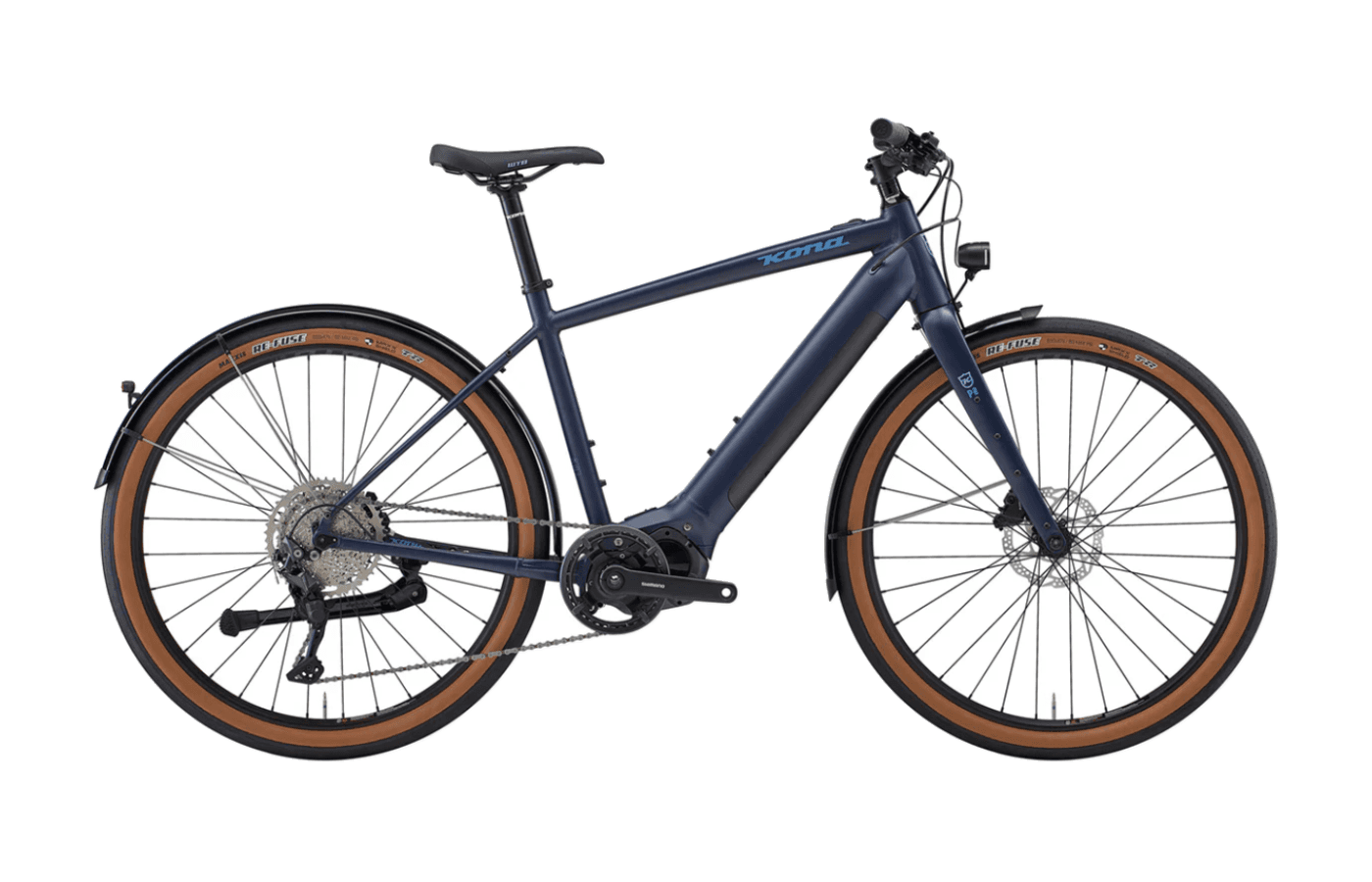
This generation has been offered in multiple trims, with the key split between the standard Dew-E and the higher-spec Dew-E DL. The standard model uses Shimano’s 504 Wh battery and 60 Nm E6100 mid-drive with a more modest Shimano Alivio/Acera drivetrain and hydraulic disc brakes, positioning it as the more accessible everyday commuter build. The DL keeps the same basic motor and battery formula but upgrades the parts package substantially, most notably with a 10-speed Shimano Deore drivetrain and an 11-46T cassette that reviewers repeatedly singled out as a real benefit for climbing and loaded urban riding.
The DL is the enthusiast version of the platform: better drivetrain, more refined overall spec, and in review coverage, features such as a carbon fork and higher-end commuter finishing kit helped justify its premium positioning. Reviewers were positive about the value of the parts themselves, but some questioned the size of the price jump relative to the standard bike given that both share the same motor and battery capacity. In practical terms, the standard build makes sense for riders prioritizing dependable transport, while the DL is the stronger choice for riders who care about crisper shifting, better ride quality, and a more polished long-term ownership experience.
From the press.
11 reviews from the cycling press.
Reviewers consistently describe the Dew-E as a “cyclist’s e-bike,” meaning its appeal lies less in outright motor punch and more in how naturally it rides. Electric Bike Report praised the Shimano STEPS E6100 for smooth, subtle engagement that only really felt overtly electric in the highest assist mode, while also noting the bike’s low 43 lb weight on the DL as a major reason it feels airy, responsive, and easy to live with. Geof Harries similarly called out the smaller 650b wheels as a real asset, saying they make even an almost 50 lb e-bike feel agile and playful in turns.
Across reviews, the bike’s strengths cluster around handling, ride feel, and component quality. ElectricBikeReview highlighted the compact, zippy nature of the E6100 motor, the stiffness benefits of the Hollowtech spindle, and the DL’s wide-range 11-46T Shimano Deore drivetrain as a particularly strong match for climbing and stop-start commuting. Multiple reviewers also liked the planted feel from the 650 x 47 mm tires, which were credited with smoothing potholes and maintaining traction in wet corners, while the rigid setup and relatively low overall weight helped the bike feel tighter and more bicycle-like than many urban e-bikes.
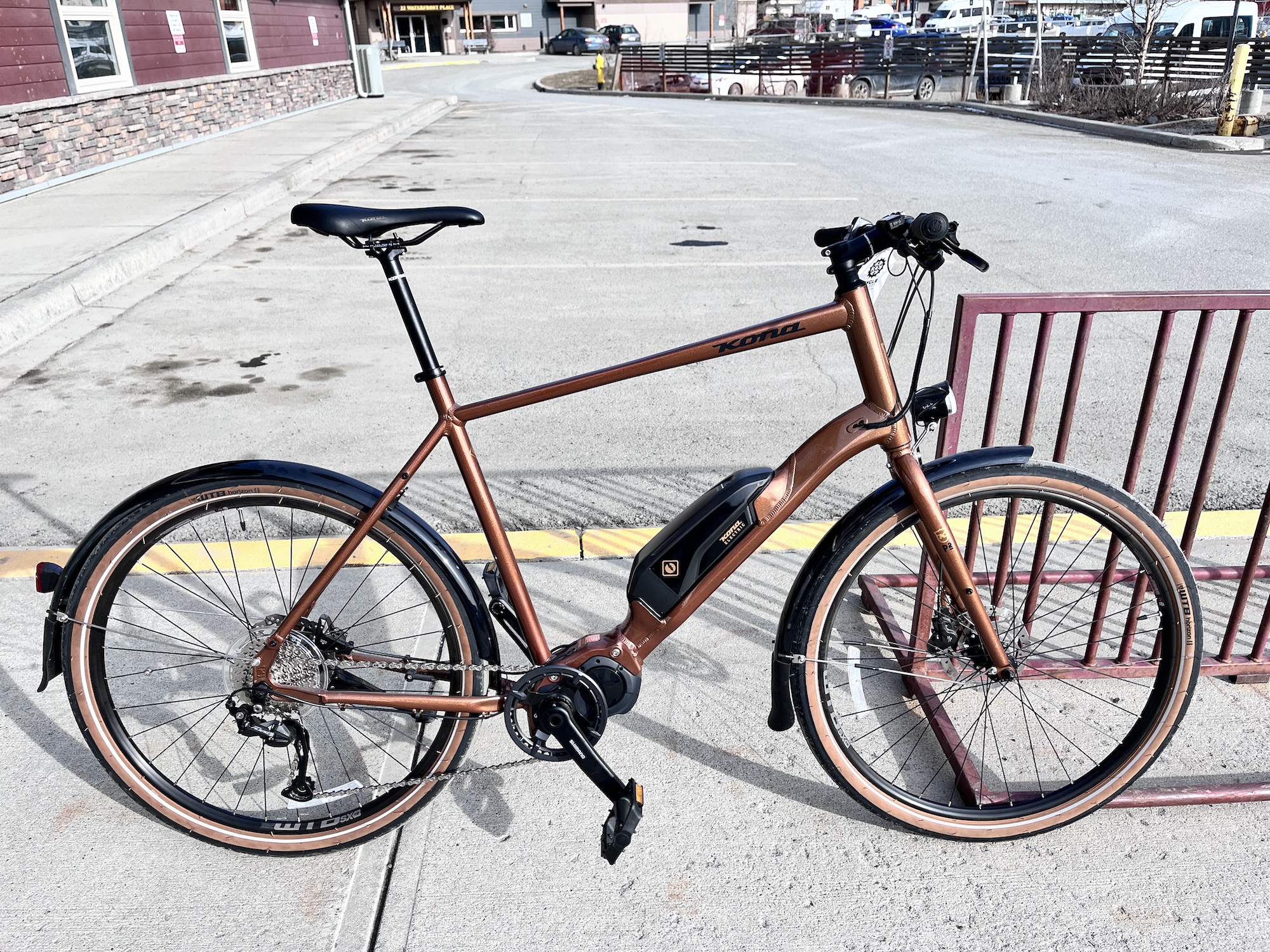
Weaknesses are mostly tied to the same sporty, rigid design that makes the Dew-E distinctive. Reviewers noted that the bike can feel harsh on rougher surfaces, especially without the DL’s carbon fork, and several suggested a suspension seatpost as a worthwhile upgrade. ElectricBikeReview also criticized the small rear light, the somewhat fussy Shimano control layout, and the charger setup that requires an adapter when charging the battery off the bike. Fit drew some caution as well: the bike was said to run a bit small overall, yet the XL in particular has very tall standover, with Harries noting its unusually large frame and 850 mm standover height.
Geof Harries | A Kona Dew-E review, and some thoughts on e-bike ownership
KONA DEW-E 2021 - Review, Test & Price
KONA DEW-E 2021 - Review, Specs & Price
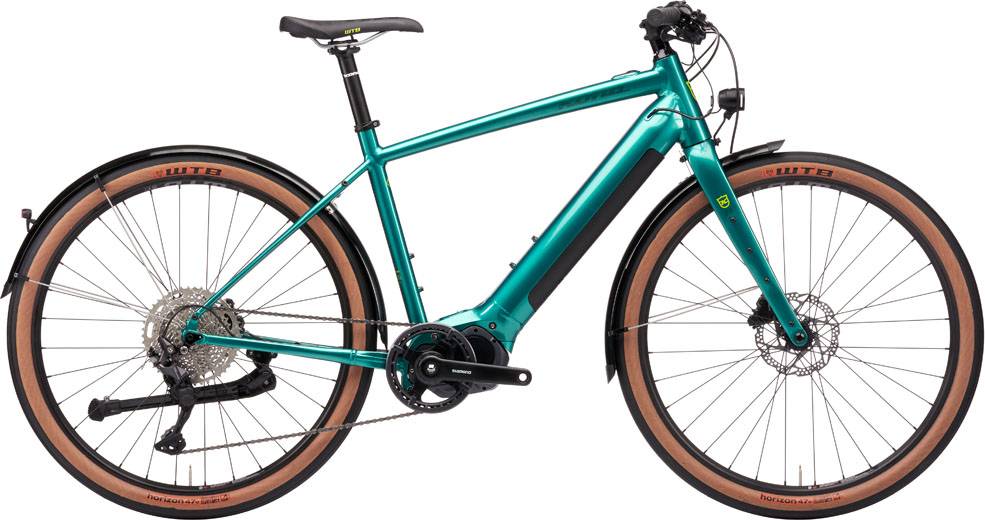
KONA DEW-E DL 2021 - Review, Test & Price
KONA DEW-E 2021 - Review, Test & Price
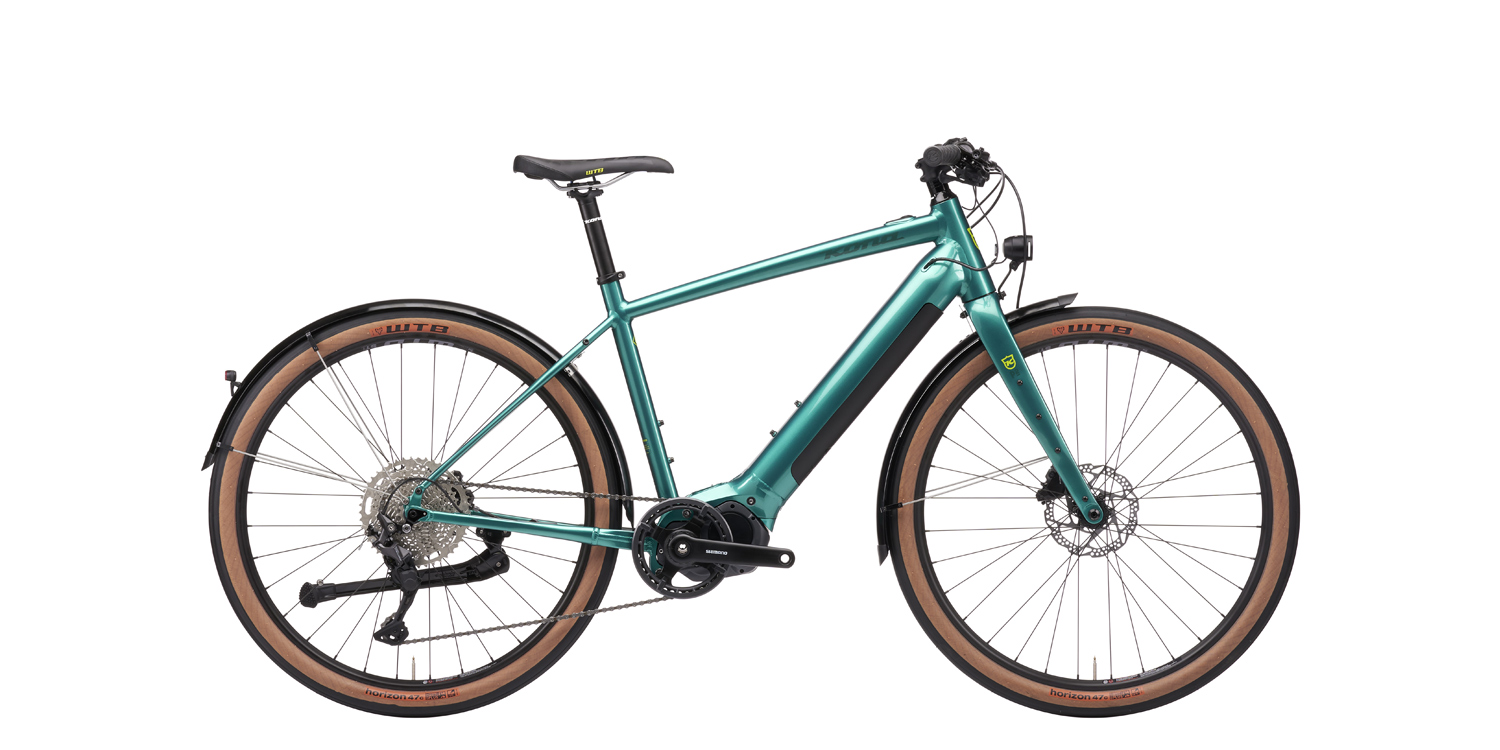
Kona Dew-E DL Review
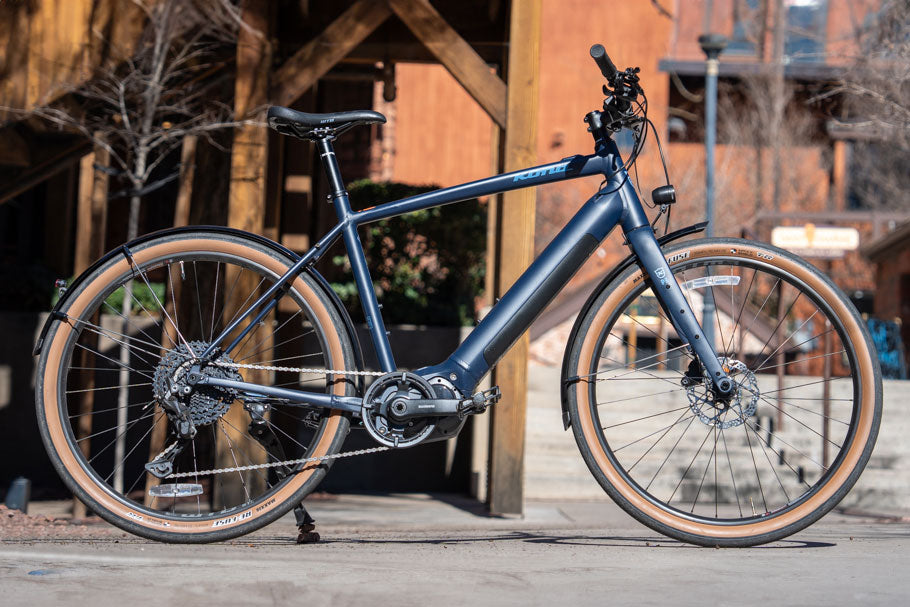
ELECTRIC BIKE REPORT REVIEWS KONA DEW E DL | Kona
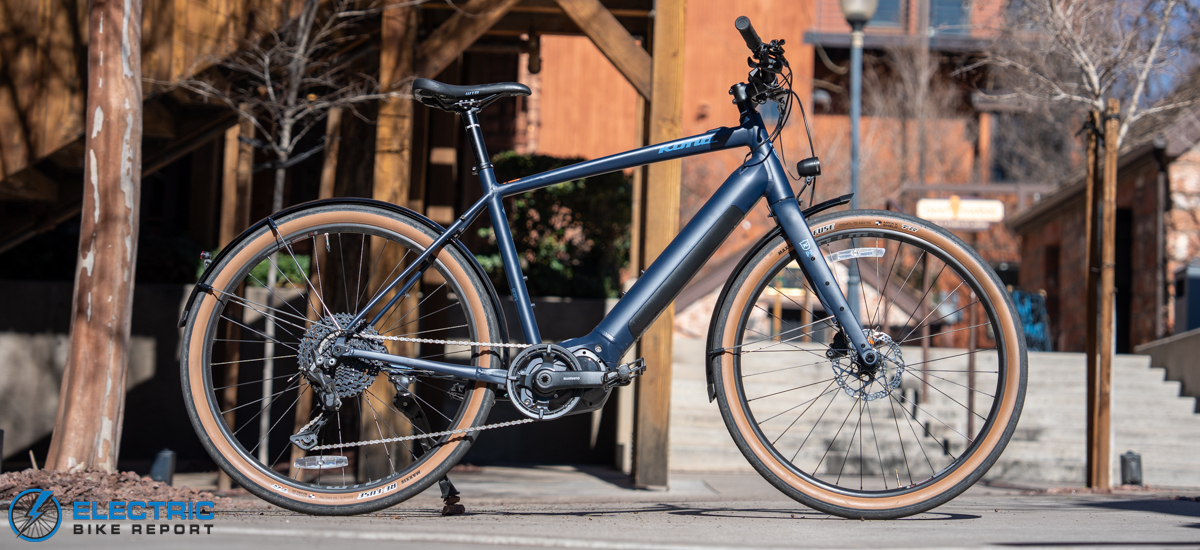
Kona Dew-E DL Review, 2024 - Electric Bike Report
DEW-E | Ride Review
Kona DEW-E eBike Review