Orbea
Orca AeroM21eLTD
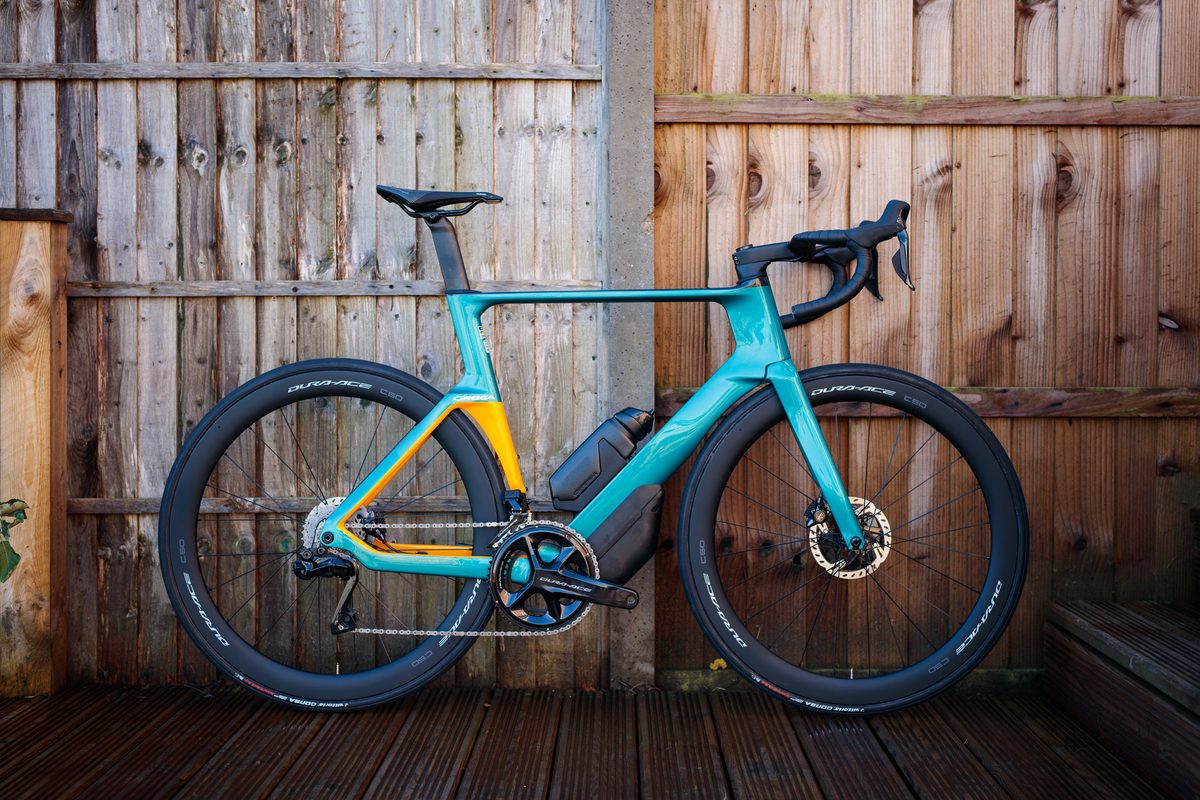
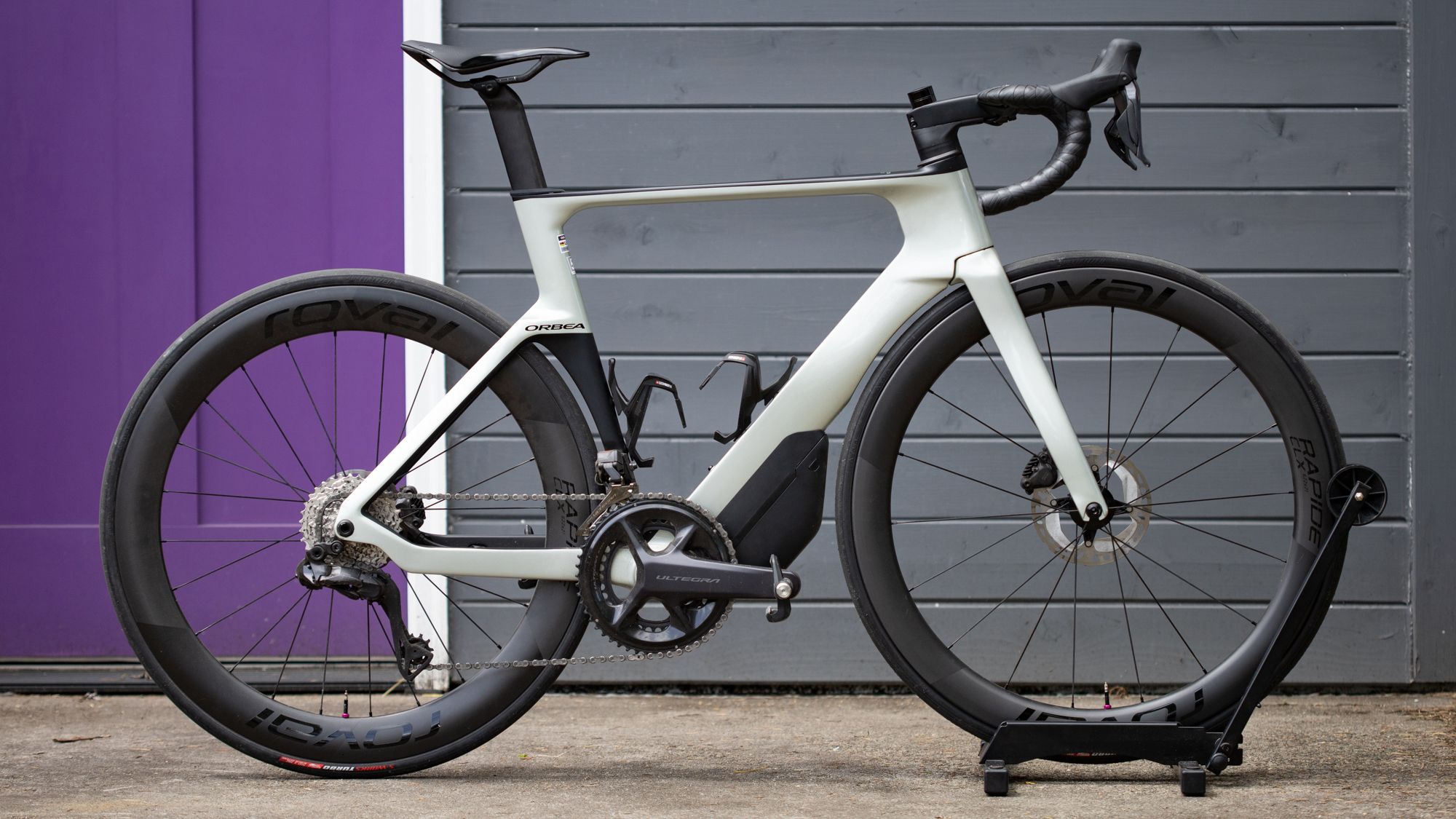
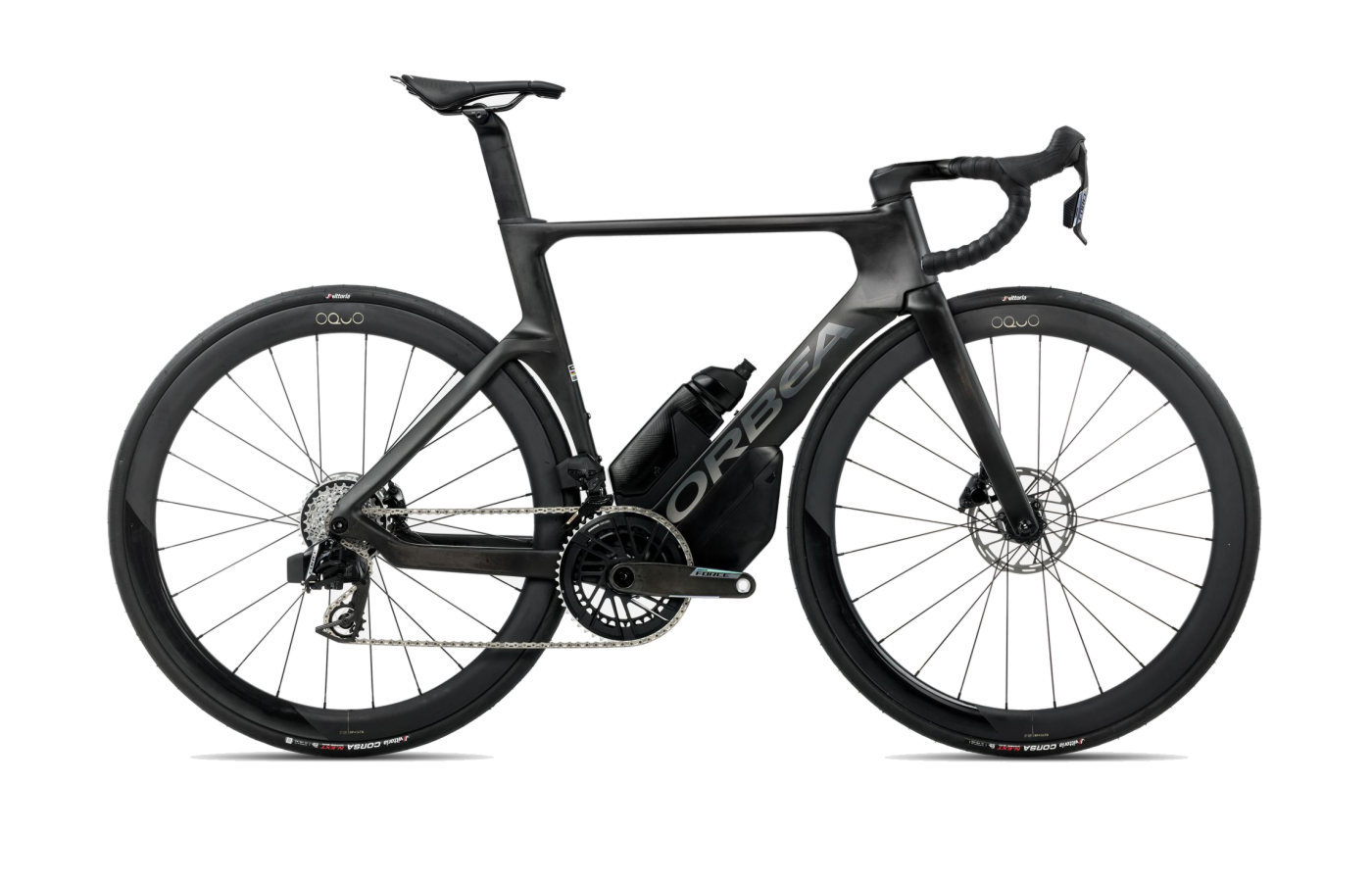
Introduced for the 2022 model year, the current Orbea Orca Aero represents a total redesign heavily influenced by the brand's Ordu time trial bike. The frame features a distinctly horizontal top tube and a tight relationship between the front wheel and down tube, signaling a strict focus on aerodynamic efficiency.
Orbea approaches aerodynamics as a complete system, integrating a dedicated aero water bottle and a removable, non-UCI-legal storage box under the down tube that acts as a fairing to smooth airflow around the bottom bracket. Built exclusively for disc brakes, this generation targets riders who prioritize sustained speed on flat and rolling terrain over low weight. It is a highly specialized machine designed to maintain momentum, making it well-suited for powerful rouleurs, breakaway specialists, and privateer racers looking to maximize their aerodynamic advantage.
Spec sheet.
Every component shipped with this build.
Geometry & fit.
7 sizes published.
The Orca Aero utilizes an aggressive geometry tailored for a low, aerodynamic rider posture. Compared to the previous generation, this frame features a lower stack height and size-specific fork offsets to maintain consistent handling traits across the size run. The sizing tends to run slightly small, resulting in a compact feel that encourages a forward, racy position.
Rather than a fully integrated one-piece cockpit, Orbea uses a two-piece handlebar and stem system with internal cable routing channeled underneath the bar. This design preserves the aerodynamic profile while allowing riders to easily adjust bar tilt or swap stem lengths using a standard clamp. Through Orbea's MyO program, buyers can specify their preferred handlebar width, stem length, and crank length from the factory. While the stock aero handlebar is generally comfortable, the heavily profiled tops taper late, which can cause the rear edges to contact the rider's wrists during out-of-the-saddle sprints in the drops.
Where the handlebar sits relative to the bottom bracket — the single most important fit pair.
01Fit geometry6 values
02Component geometry6 values
03Handling geometry8 values
Which size should I buy?
Slide your height to see the recommended size. GearWise's fit algorithm works from the published stack, reach, and ETT — the brand's own recommendation may differ.
→Calculated from GearWise's own stack / reach / ETT algorithm — the brand's size chart may recommend a different size, and a proper bike fit beats any calculator.
The lineup.
8 builds, ranging $3,999 – $11,599.
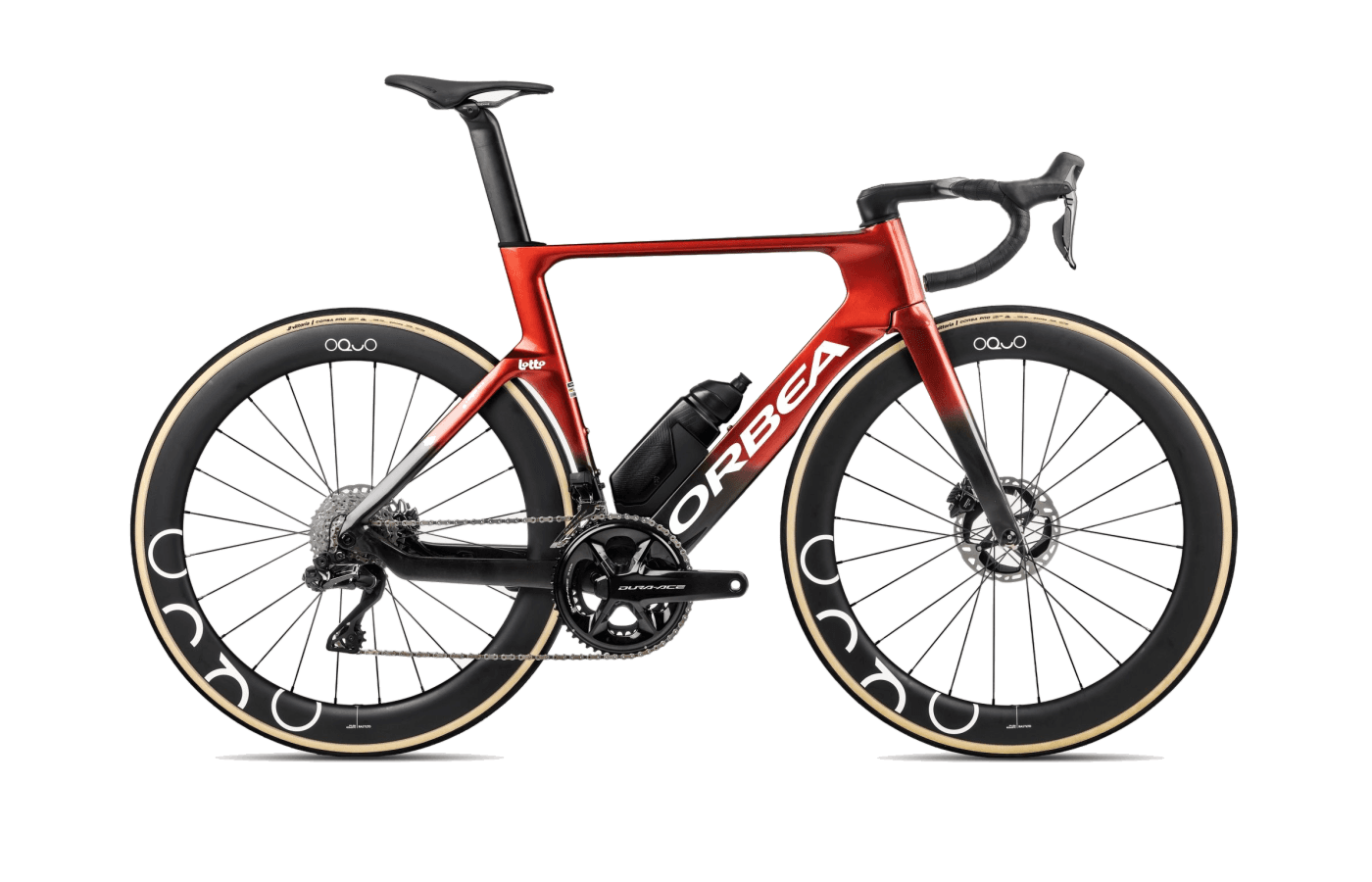
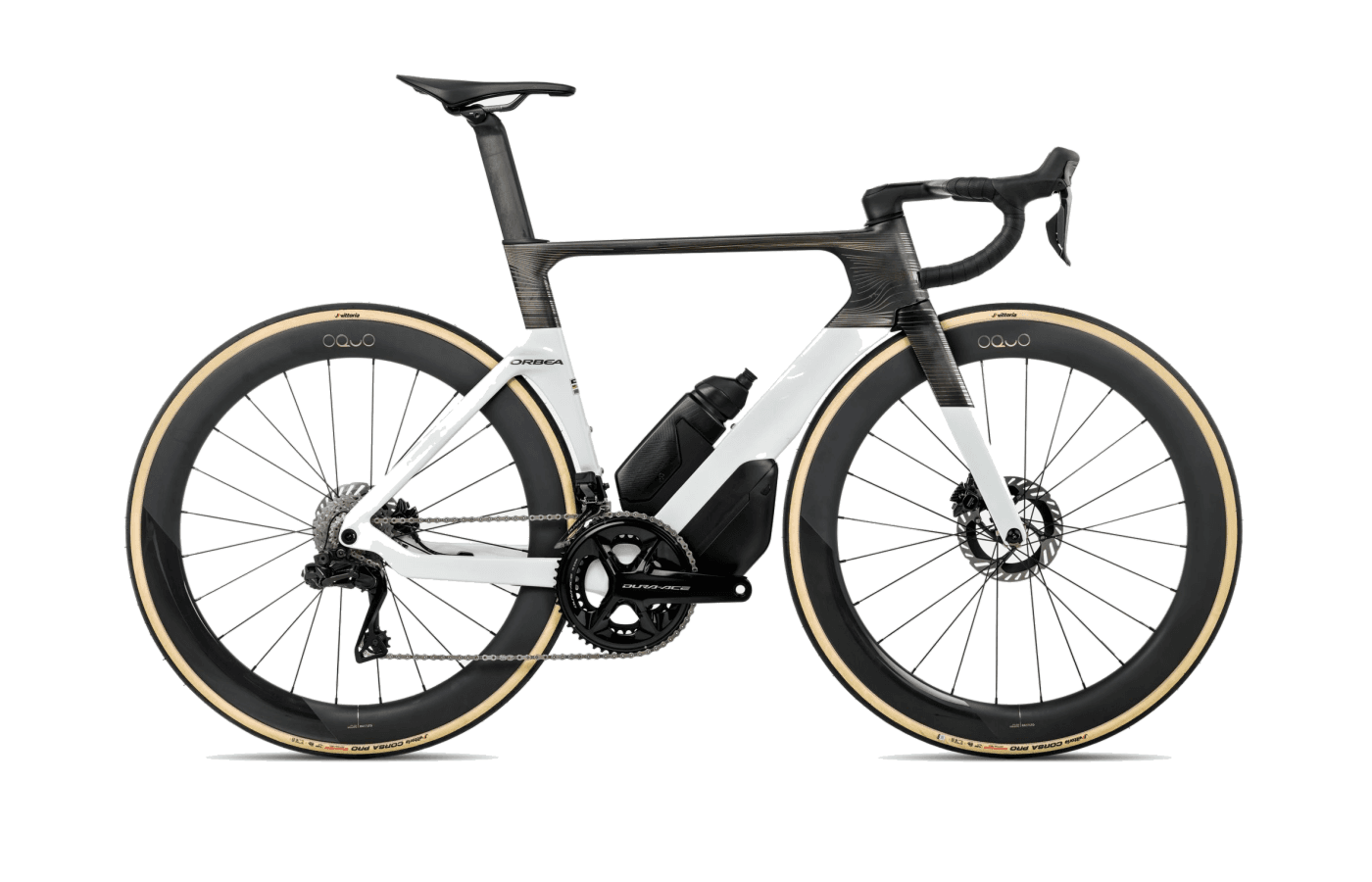
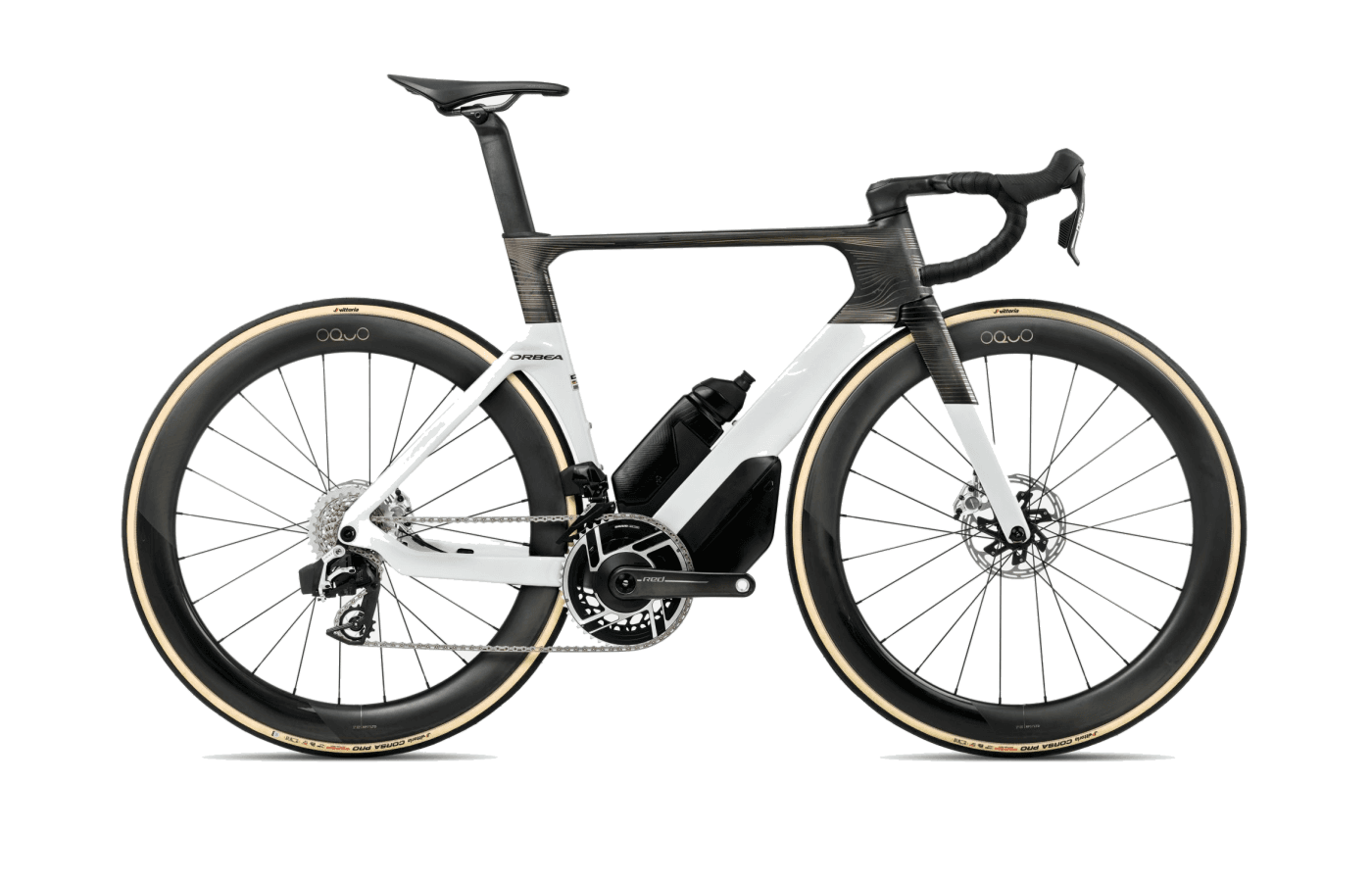
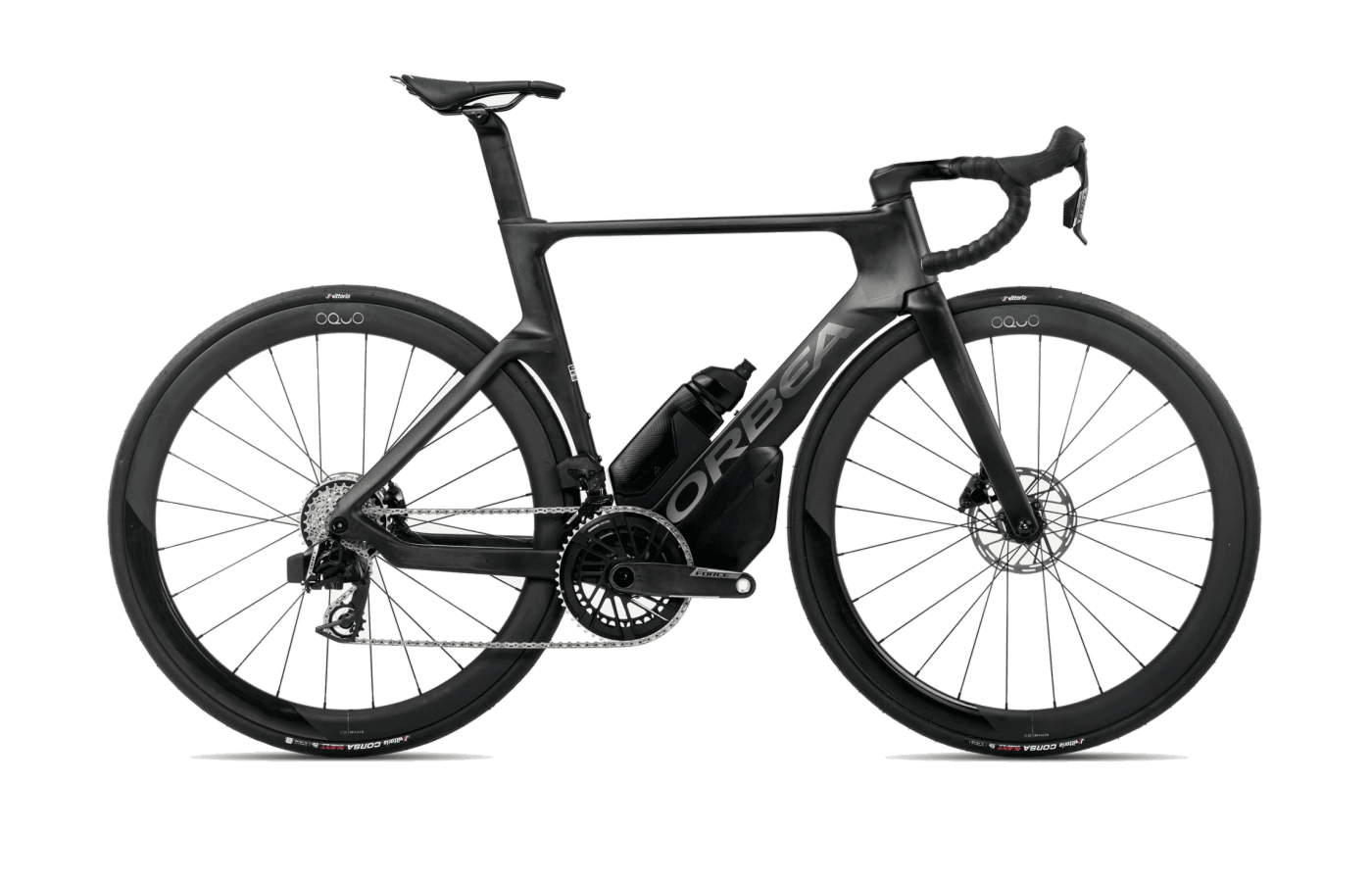
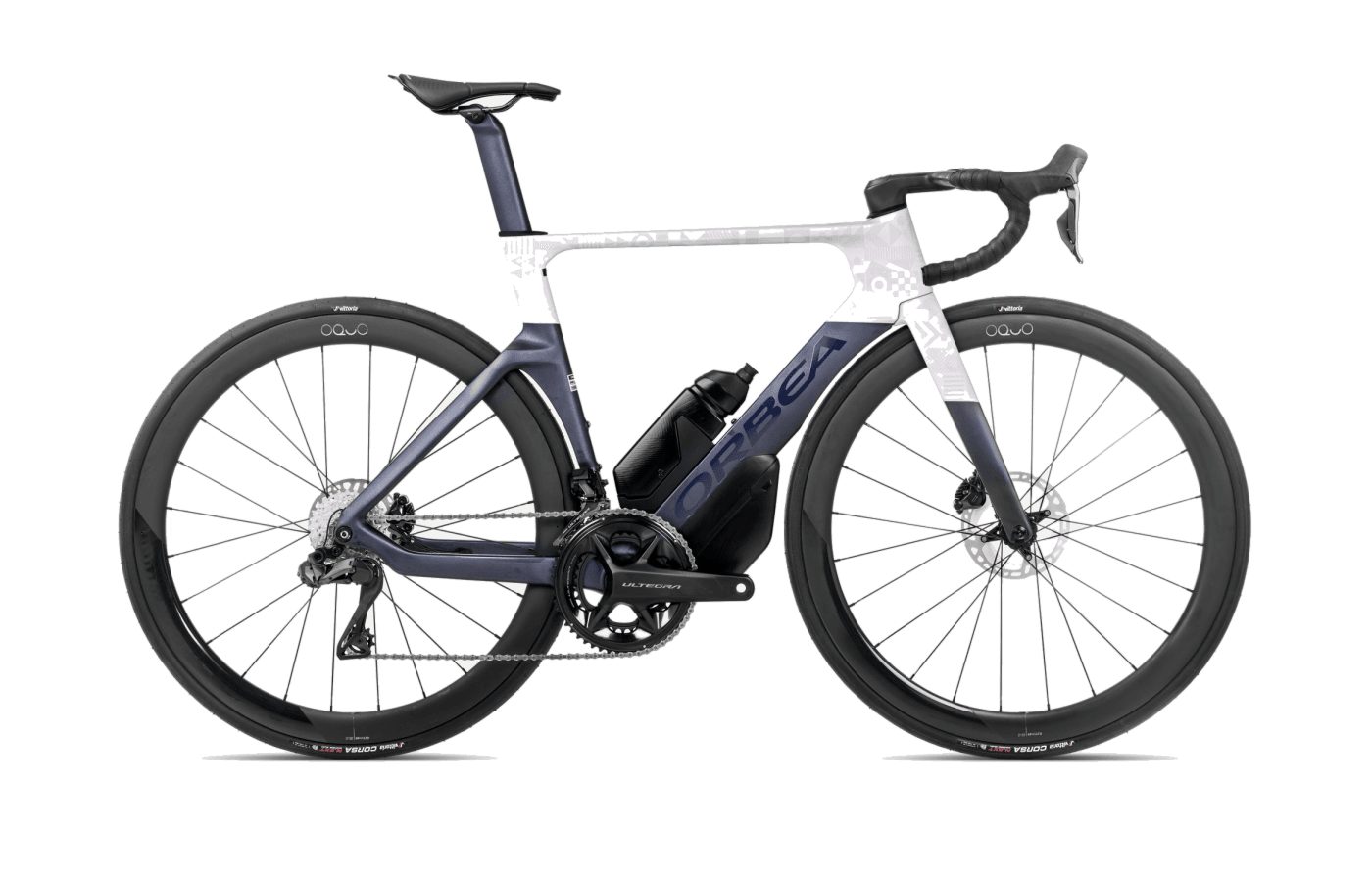
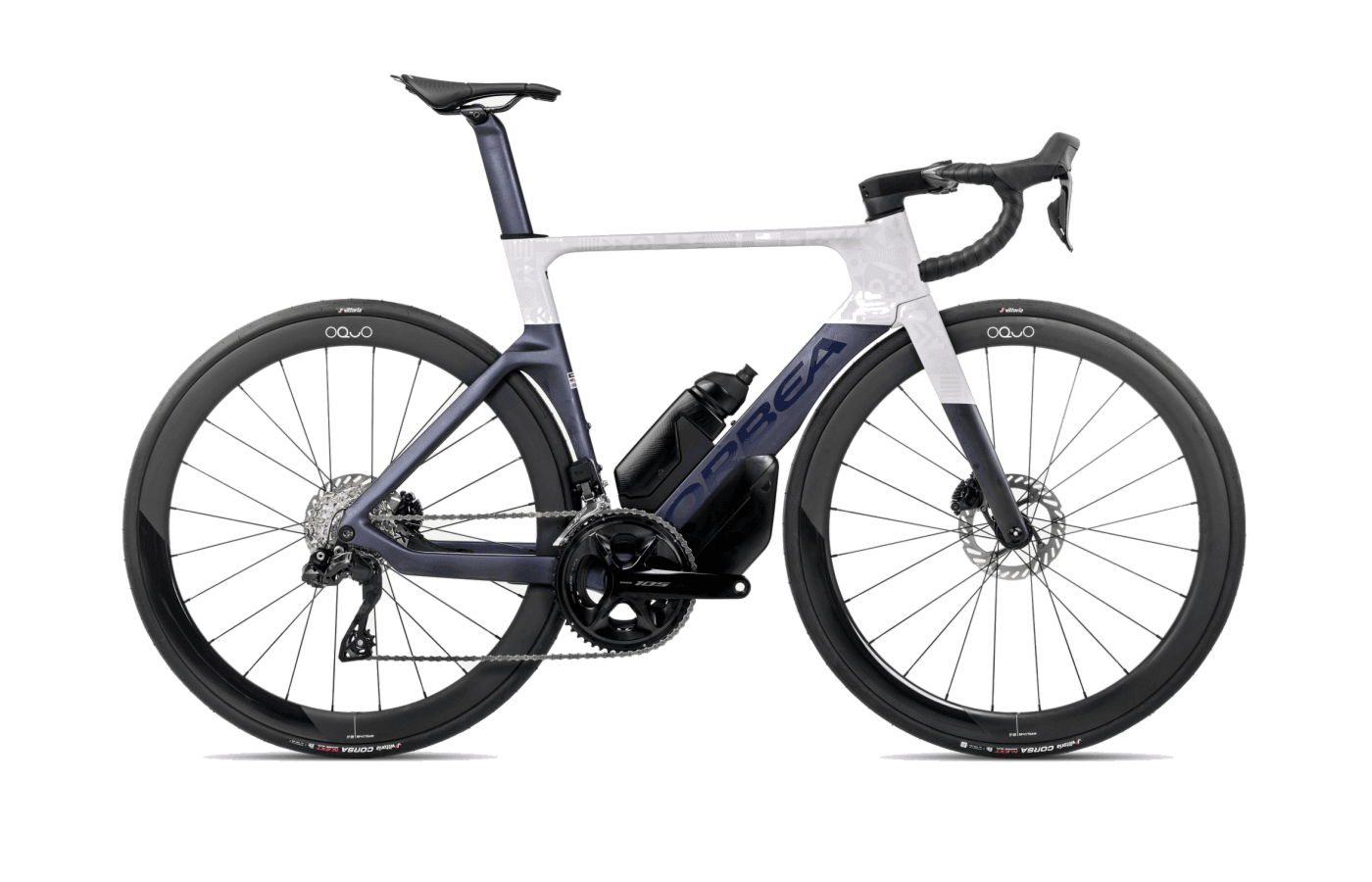
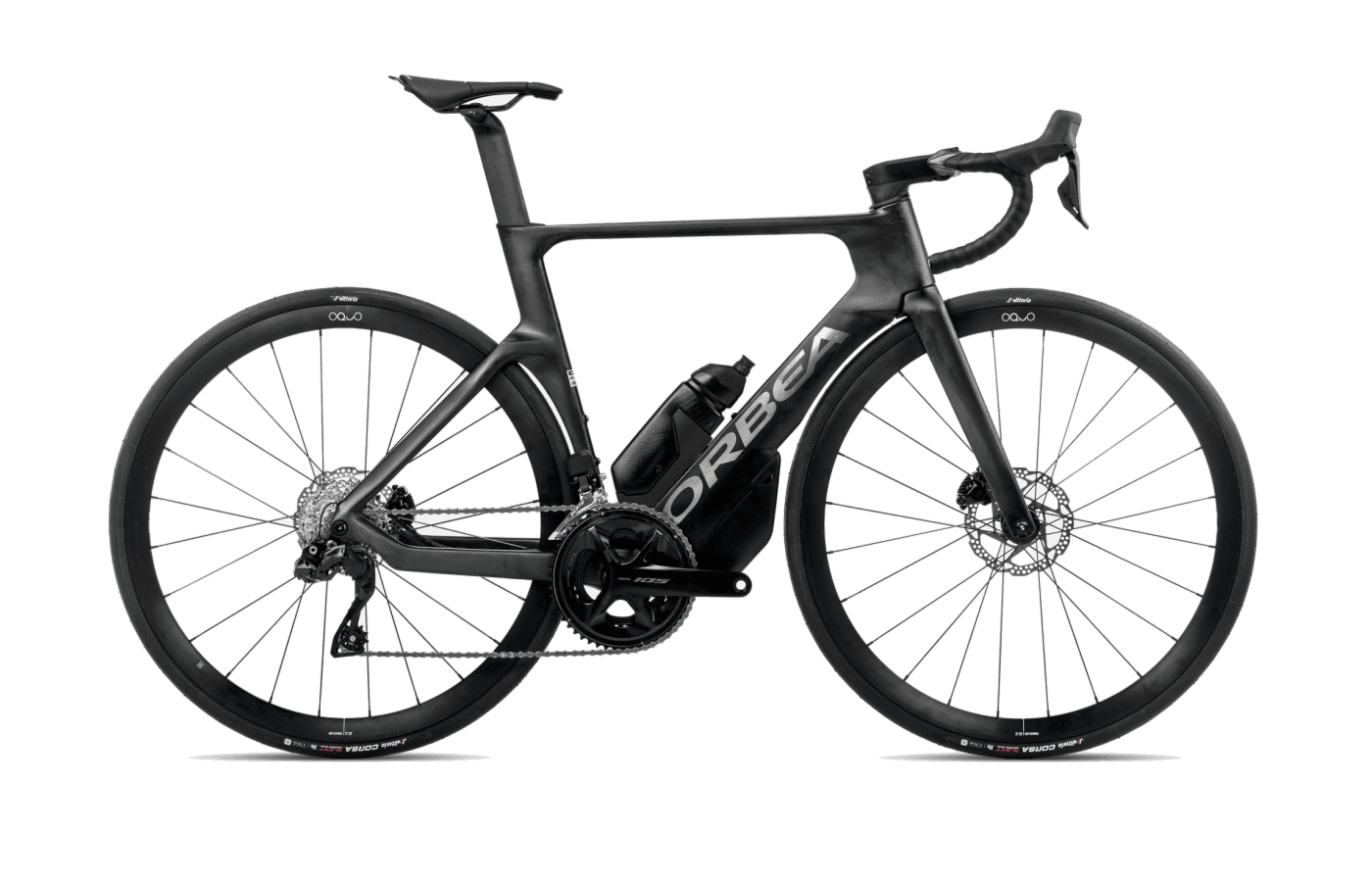
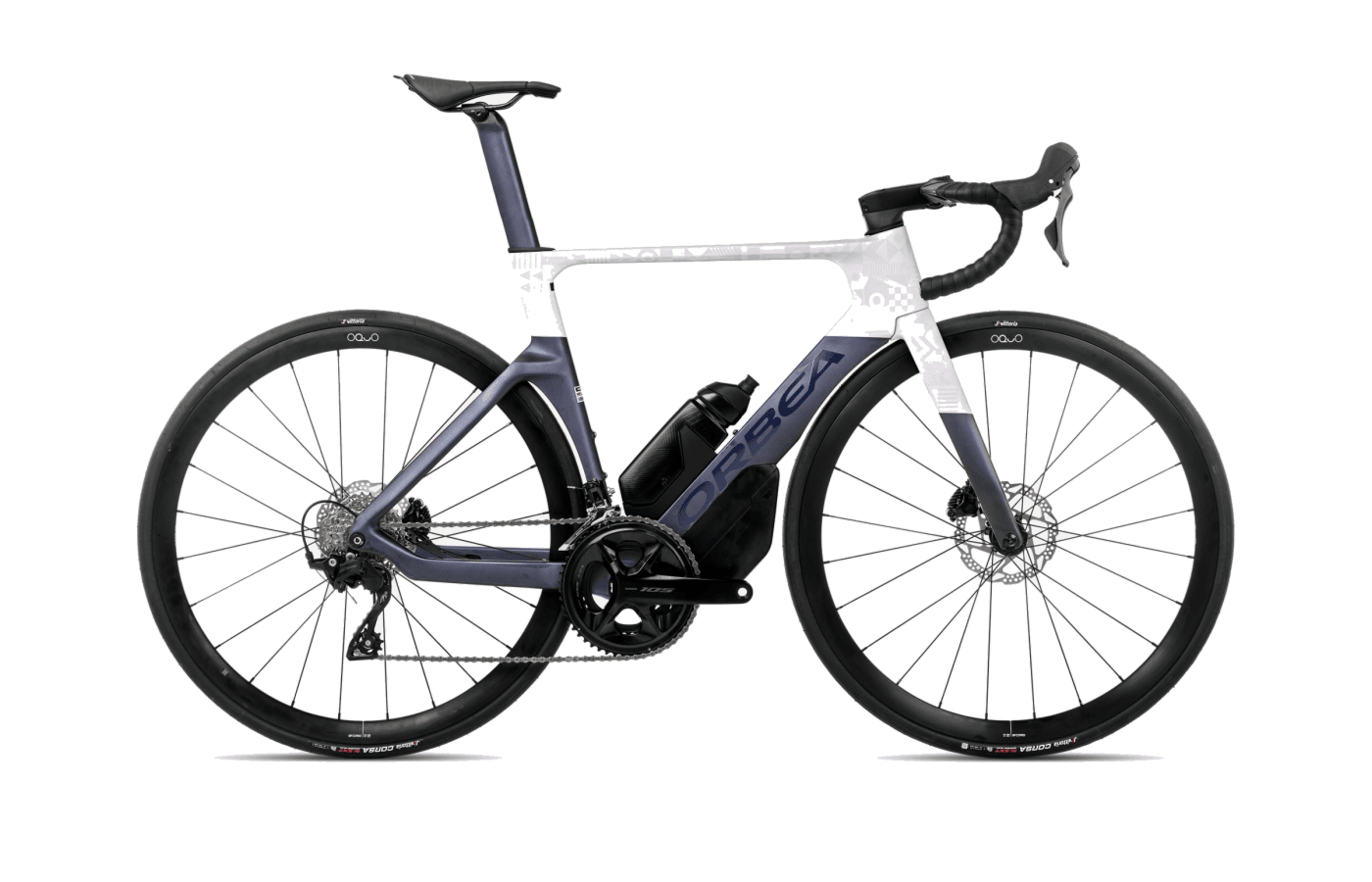
The Orca Aero lineup spans eight builds, split between Shimano and SRAM electronic groupsets, alongside a mechanical Shimano 105 option. A defining feature of the range is that Orbea uses its top-tier OMX carbon layup for every model. This means the entry-level builds share the exact same frame stiffness and construction quality as the flagship models, creating a strong value proposition at the lower end of the pricing ladder.
Builds are designated by groupset tier, ranging from 105 and Rival up to Dura-Ace and Red. Several models, including the M10i LTD PWR Replica and M35iLTD PWR, include factory-installed power meters. Rolling stock is provided by Orbea's in-house Oquo brand, with wheel depths varying by tier. Lower-tier builds feature shallower alloy or carbon rims, while premium models are equipped with deeper aerodynamic carbon wheels that better match the frame's high-speed intentions. The frame utilizes a BB386 bottom bracket and offers clearance for tires up to 30mm wide, allowing riders to run lower pressures for improved traction and vibration damping.
From the press.
2 reviews from the cycling press.
Reviewers consistently praise the Orca Aero for its ability to maintain high speeds on flat and rolling terrain. The bike is highly efficient in a straight line, with testers noting its "magical ability to sail along" (BikeRadar) with minimal effort. Despite the massive tube profiles, the ride quality is surprisingly refined. The frame dampens road vibration effectively, and testers found it "very comfortable no matter how long the ride" (Cycling Weekly).
However, the extreme aerodynamic shaping introduces distinct handling traits. The deep tubes and short wheelbase make the chassis sensitive to crosswinds, creating a "feeling of movement" (Cycling Weekly) that requires a steady hand in gusty conditions. While the steering is sharp and responsive, the bike requires deliberate input through tight, low-speed corners.
The primary tradeoff for this aerodynamic performance is mass. Weighing over eight kilograms in most configurations, the bike lacks the immediate snap of a dedicated climber on steep gradients. Testers acknowledge that it climbs adequately, but emphasize that the design is fundamentally a calculation of aerodynamic gains outweighing the weight penalty. Maintenance also requires some patience, particularly regarding a sensitive saddle clamp mechanism that needs precise torque and lubrication to prevent rocking.