Specialized
P.Series2 Trail
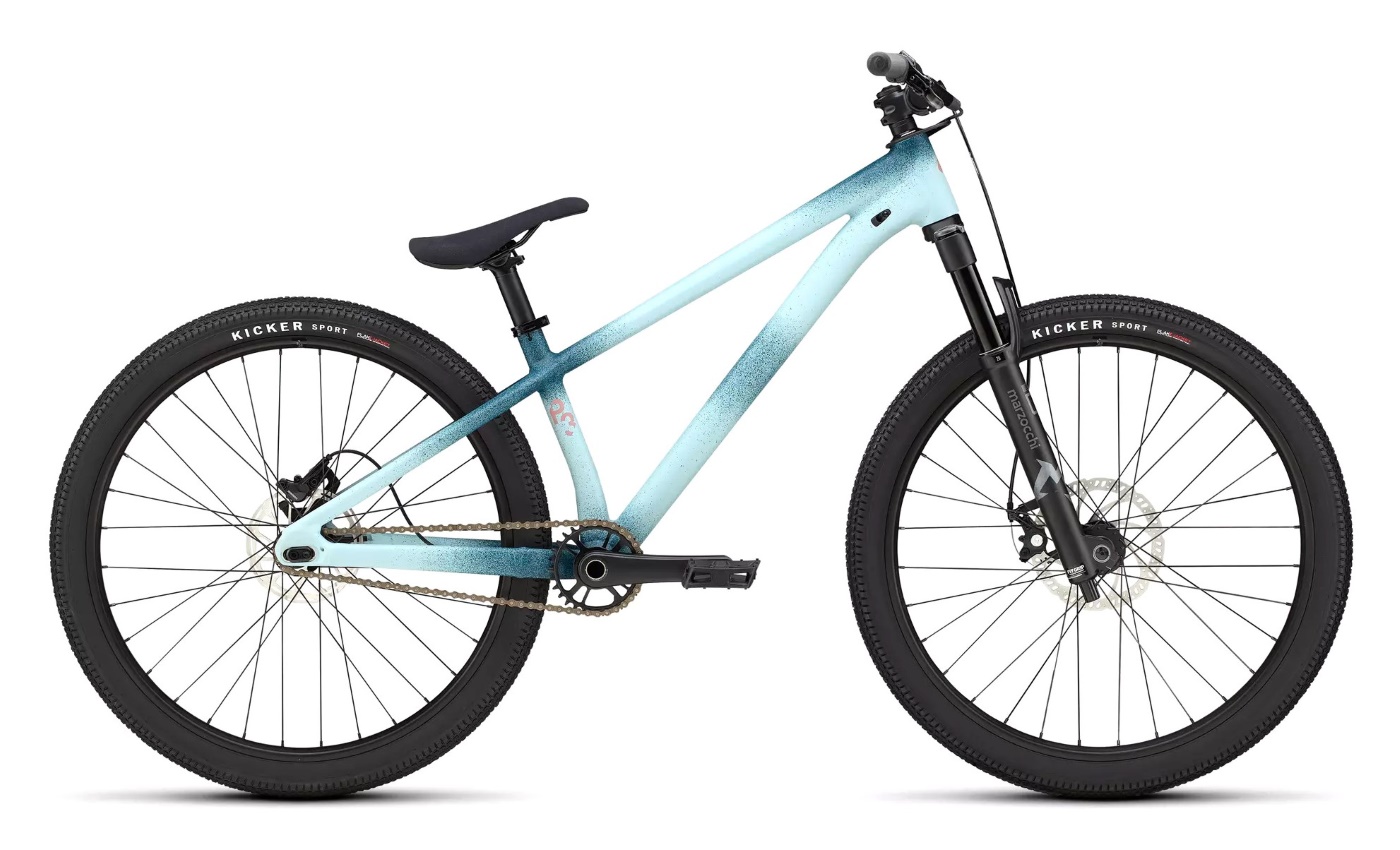
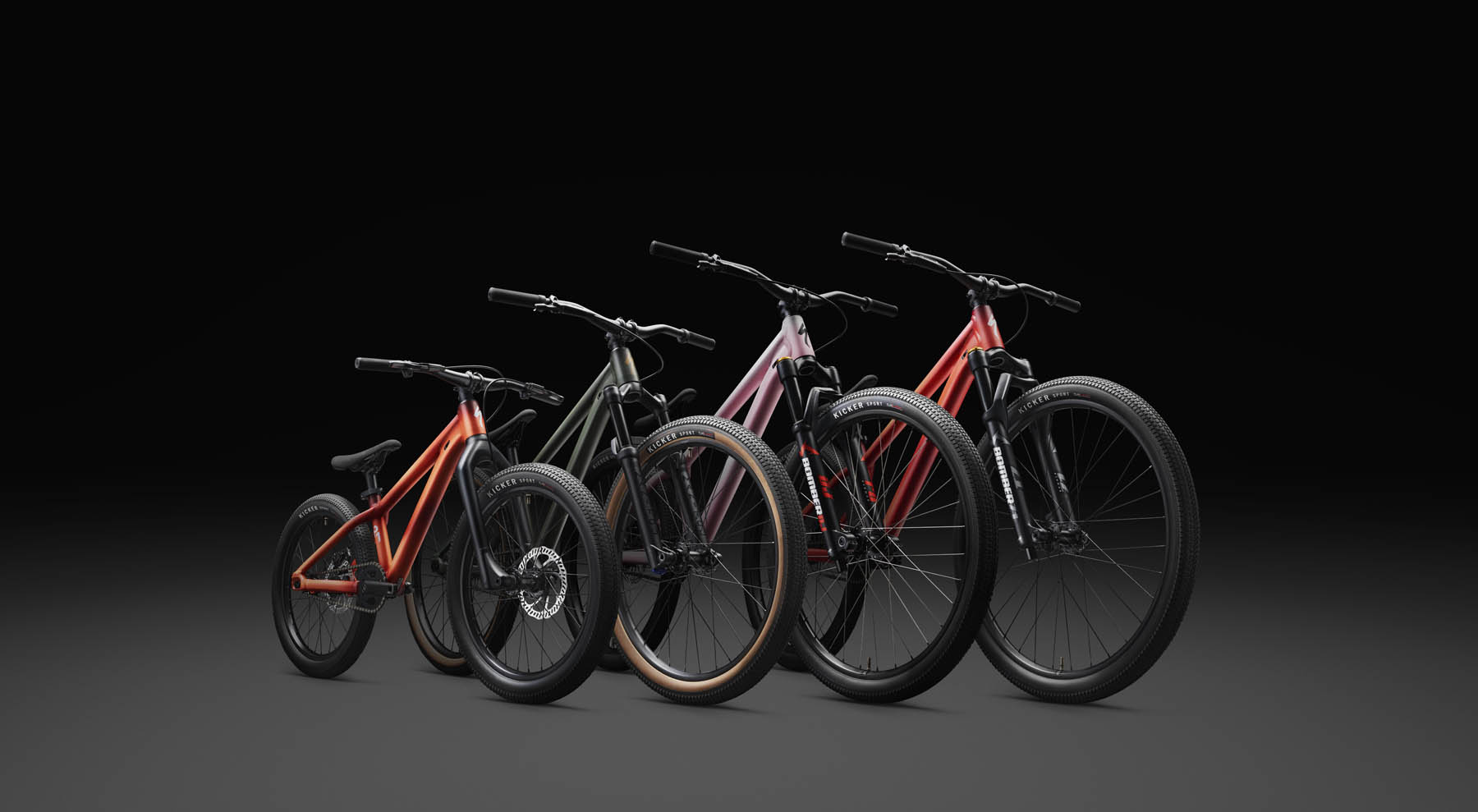
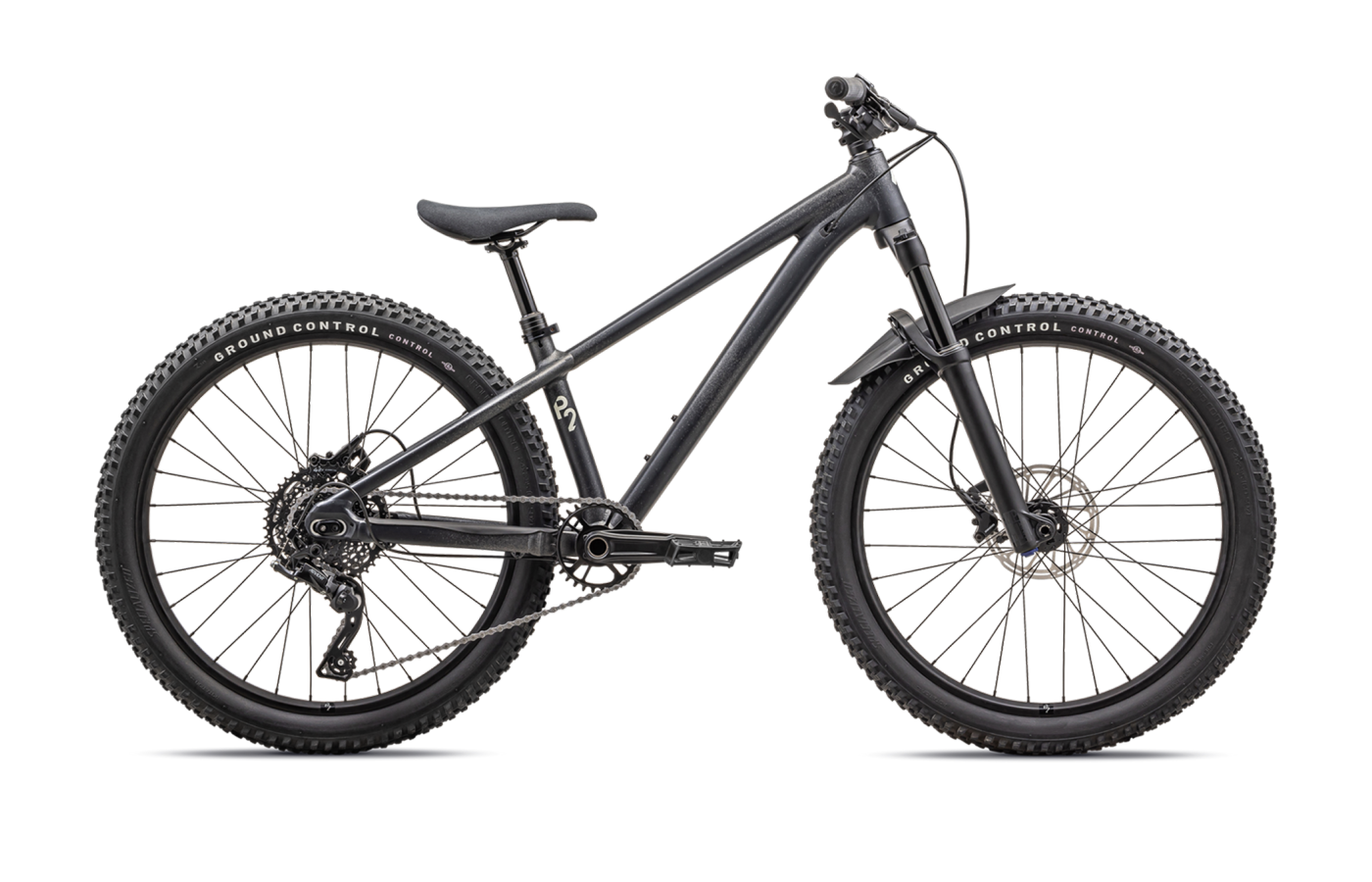
The current Specialized P.Series marks a substantive rethink of the brand’s jump-bike platform. Rather than centering everything around a single 26-inch dirt-jump bike, Specialized turned the range into a progression-focused family: 20-inch P.1, 24-inch P.2, 26-inch P.3, and 27.5-inch P.4. That change alone broadens the bike’s audience, but the more important shift is structural. The new aluminum frames use 12x148 mm Boost rear spacing, sliding dropouts, a threaded BSA 73 mm bottom bracket, tapered head tube, and internal routing, while also making room for a derailleur and dropper post. In practice, that moves the P.Series beyond a narrowly defined singlespeed DJ frame and into a more adaptable play-bike platform.
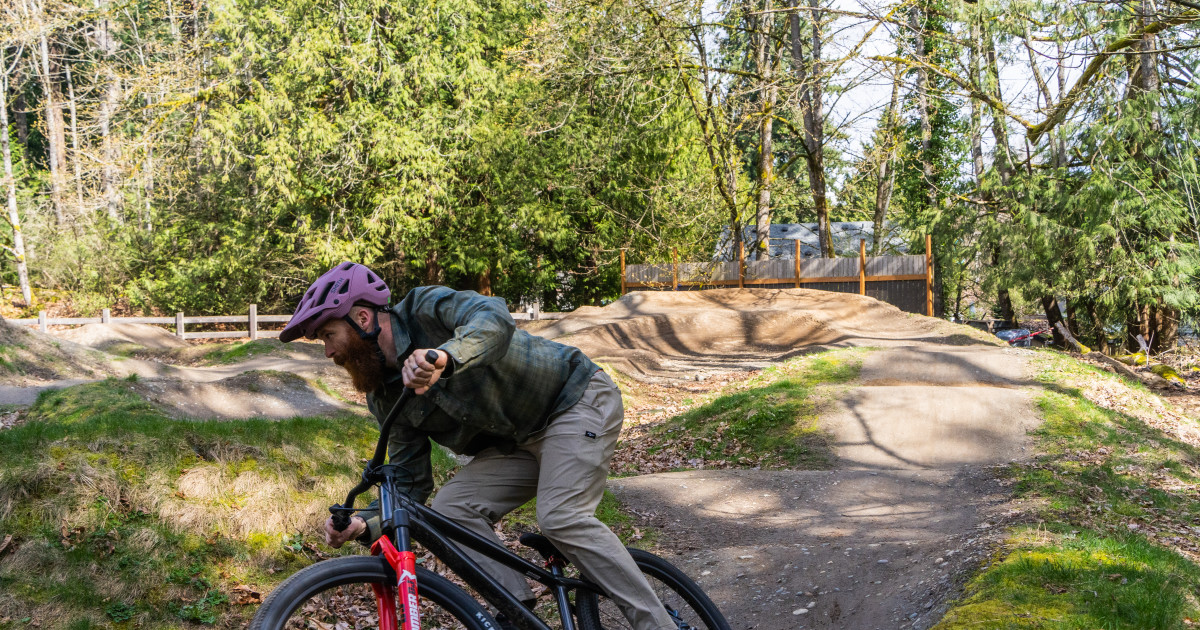
It is still fundamentally a dirt-jump and pump-track bike, not a trail hardtail in disguise, but Specialized has clearly pushed the design toward broader usefulness. The geometry on the larger models is more modern than the prior-generation P bike, with a 68.5° head angle on the P.3 and P.4 rather than the older 69.5°-ish norm, and the wheel-size split gives riders a clearer choice between classic DJ handling and something a bit more familiar to modern mountain bikers. The P.3 remains the traditional 26-inch core of the line, while the P.4 is aimed at riders who want a bigger-wheeled, more crossover-friendly machine. In the market, that makes the P.Series one of the more versatile aluminum jump-bike platforms available, especially for riders who want one frame that can serve as a dedicated jumper now and a geared skills or pump-track bike later.
Spec sheet.
Every component shipped with this build.
Geometry & fit.
1 size published.
Geometry data is limited here to the P.3, but it gives a clear picture of the bike’s intent. The P.3 pairs a 68.5° head angle with a 415 mm reach, 385 mm chainstay, 1052 mm wheelbase, and 22 mm BB drop. For a dirt jumper, that is a fairly modern front end without abandoning classic DJ proportions. The 68.5° head angle is a touch slacker than older P.Series bikes, which should add a bit more confidence on steeper lips and rougher landings, while the very short 385 mm rear end keeps manuals, spins, and quick direction changes easy. The 94 mm trail figure reinforces that balance: stable enough to avoid feeling nervous at speed, but still quick-handling.
The fit numbers also show why the P.3 sits between pure compact jump-bike handling and a slightly more MTB-familiar stance. A 563 mm stack and 598 mm effective top tube give it a reasonably roomy cockpit for a 26-inch DJ bike, but not one that dilutes its poppy character. The 691 mm standover stays appropriately low for body movement over the bike. Altogether, the P.3’s geometry suggests a bike that is meant to be active and precise rather than planted and passive: stable enough for committed jump riding, but still centered on agility and rider input.
Where the handlebar sits relative to the bottom bracket — the single most important fit pair.
01Fit geometry6 values
02Component geometry5 values
03Handling geometry9 values
Which size should I buy?
Slide your height to see the recommended size. GearWise's fit algorithm works from the published stack, reach, and ETT — the brand's own recommendation may differ.
→Calculated from GearWise's own stack / reach / ETT algorithm — the brand's size chart may recommend a different size, and a proper bike fit beats any calculator.
The lineup.
5 builds, ranging $650 – $2,100.
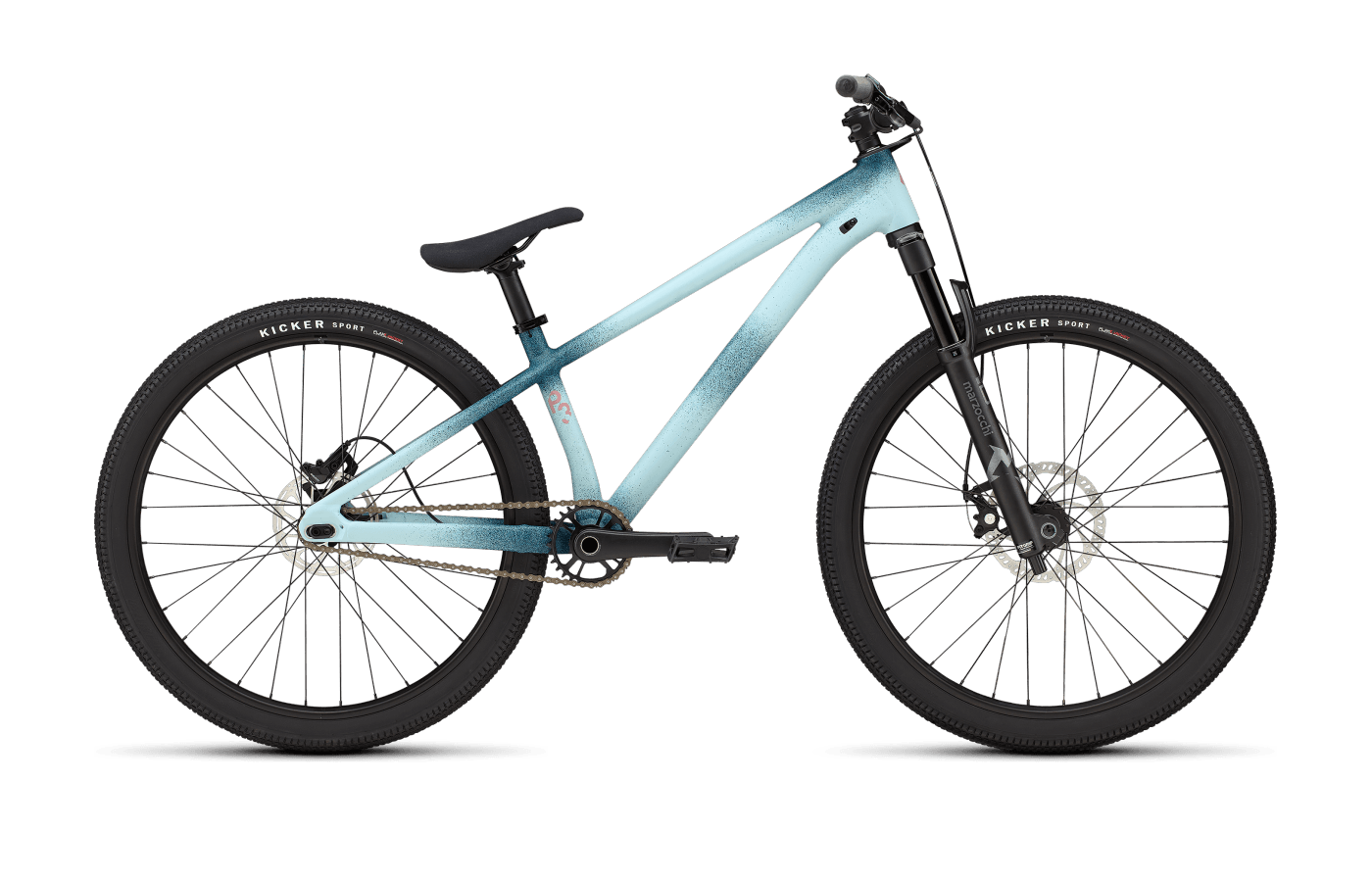
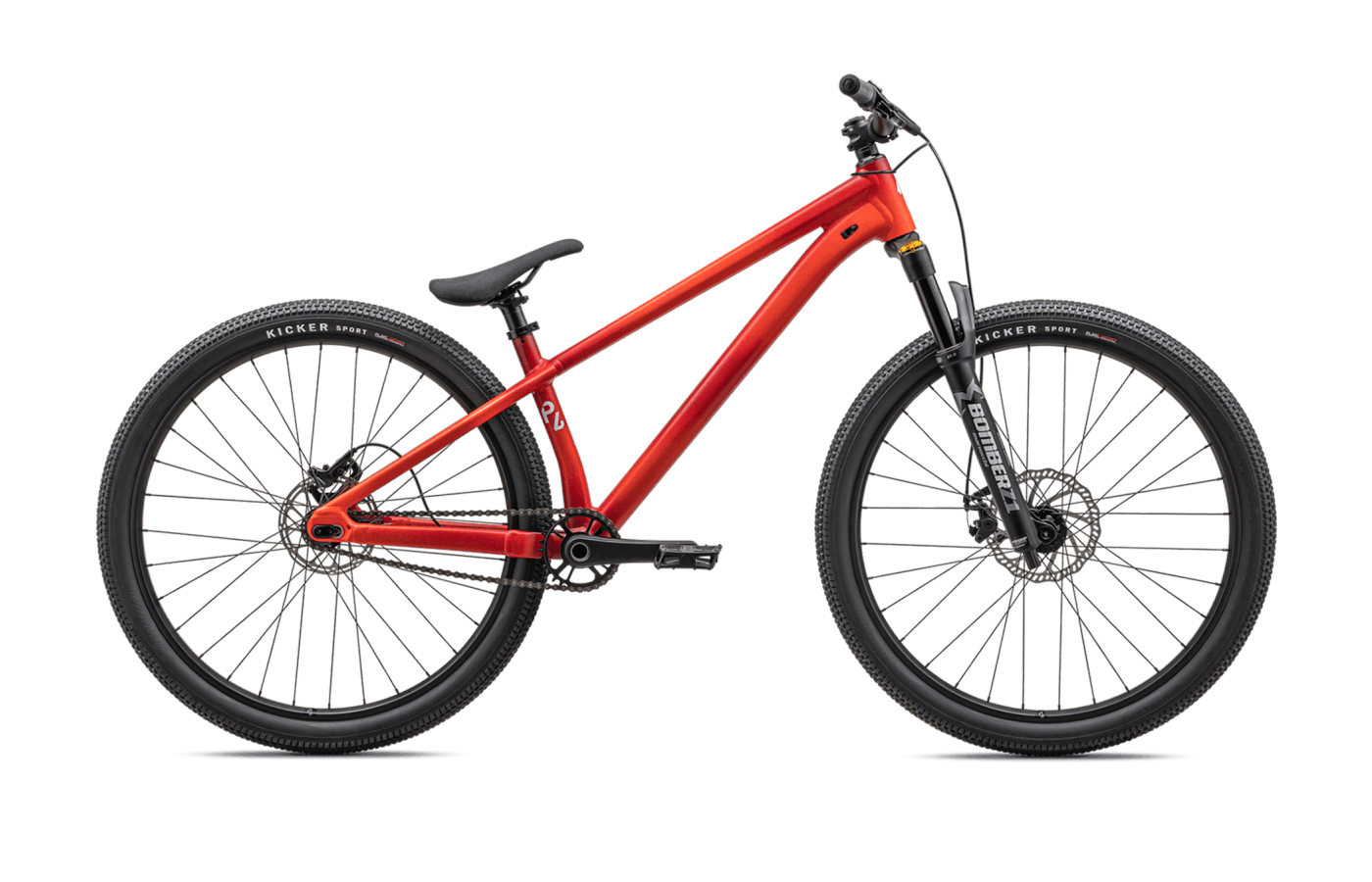
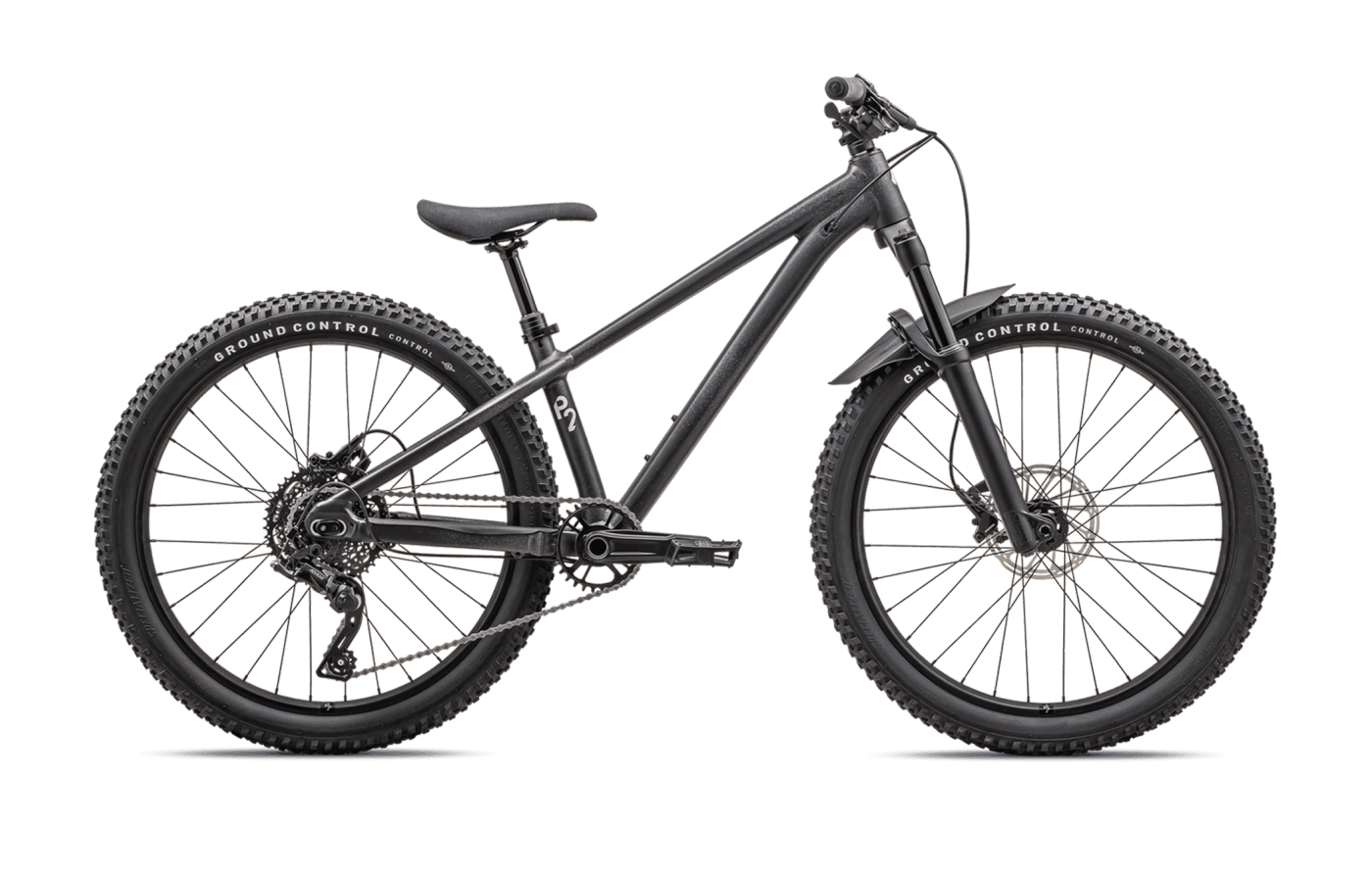
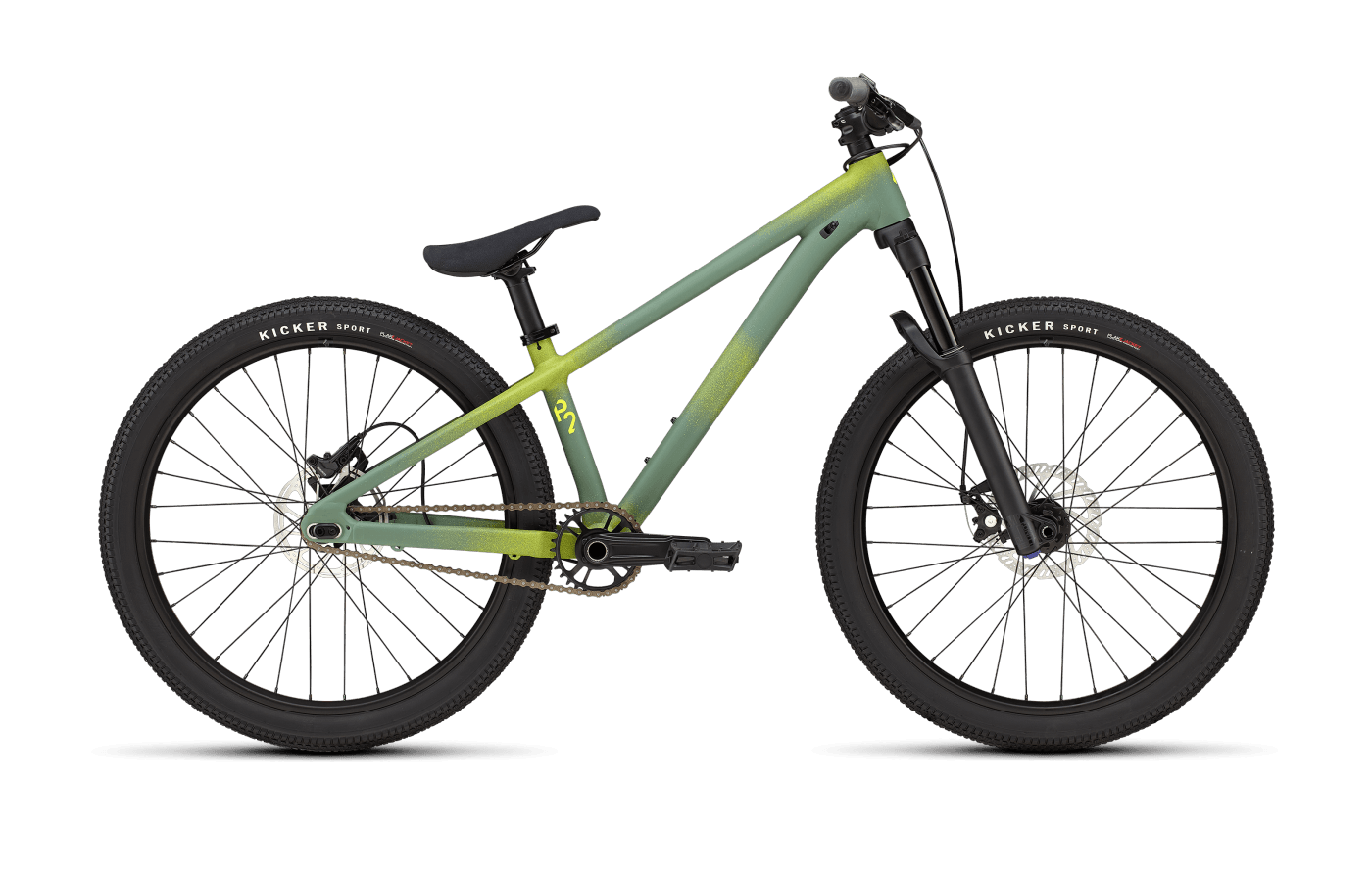
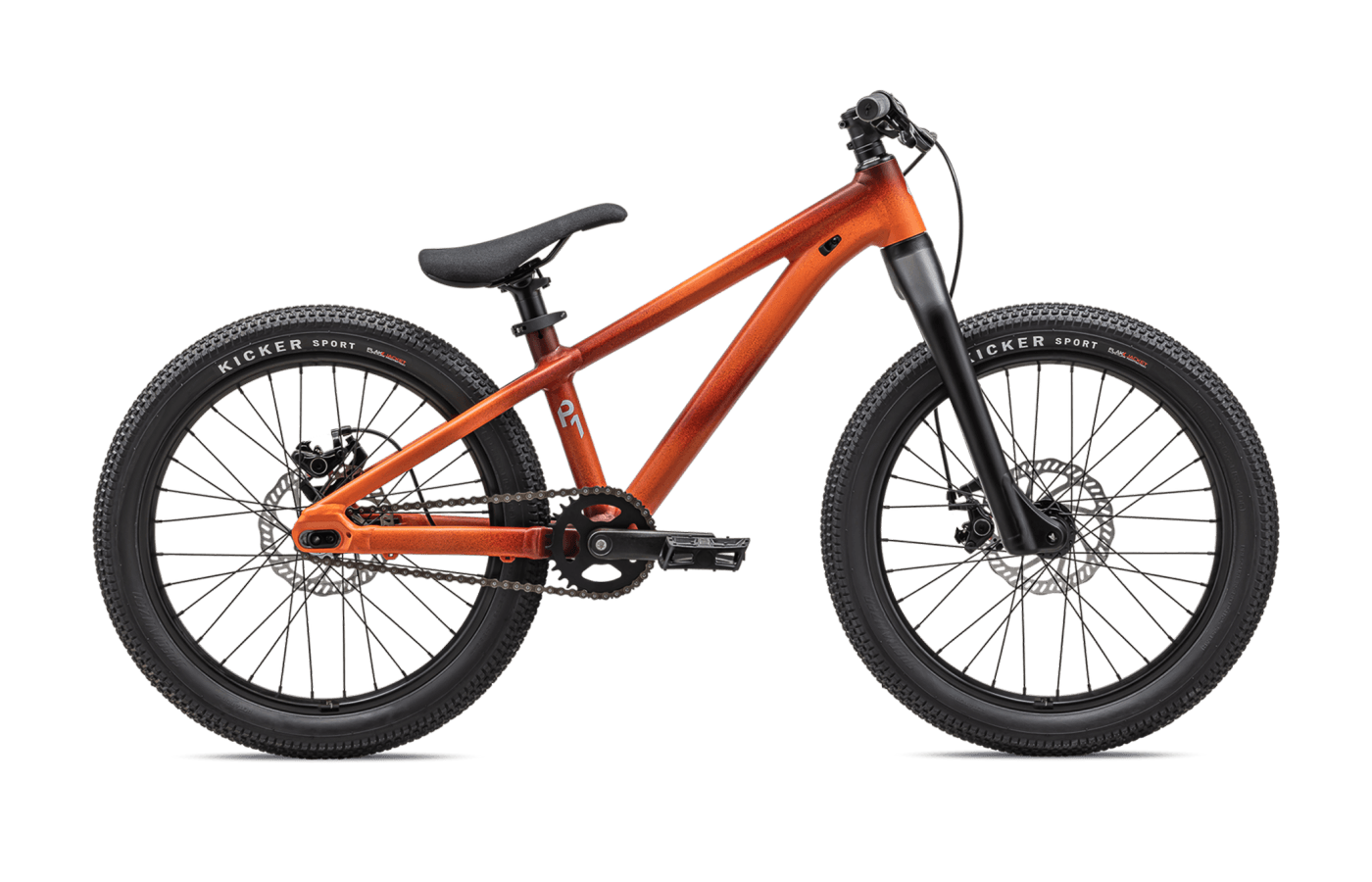
The P.Series range is structured primarily by wheel size and rider progression, with pricing that climbs accordingly. Blister lists the lineup at $649.99 for the P.1, $1,249.99 for the P.2, $2,099.99 for the P.3, and $2,099.99 for the P.4, with P.3 and P.4 frames also available separately for $700. The P.1 stands apart with a rigid fork, while the P.2, P.3, and P.4 move to 100 mm front suspension. That makes the smaller bikes more than just scaled copies; Specialized is using the range to address different rider sizes and use cases rather than simply offering one frame in multiple lengths.
The most notable spec distinction in the upper models is fork quality. Reviews repeatedly point to the Marzocchi DJ/Z1-level suspension on the P.3 and P.4 as a major value driver, with NSMB arguing that the fork alone explains a large portion of the bike’s price. That gives the more expensive builds real credibility for riders who will actually case jumps and land hard. At the same time, reviewers were less impressed by some secondary parts, particularly the SRAM Level T rear brake and, for some riders, the stock Kicker tires. The result is a lineup with a clear hierarchy: the P.1 and P.2 are accessible entry points, while the P.3 and P.4 are premium complete bikes built around a genuinely strong frame and fork package, even if some riders will want immediate upgrades to brake and tire spec.
From the press.
4 reviews from the cycling press.
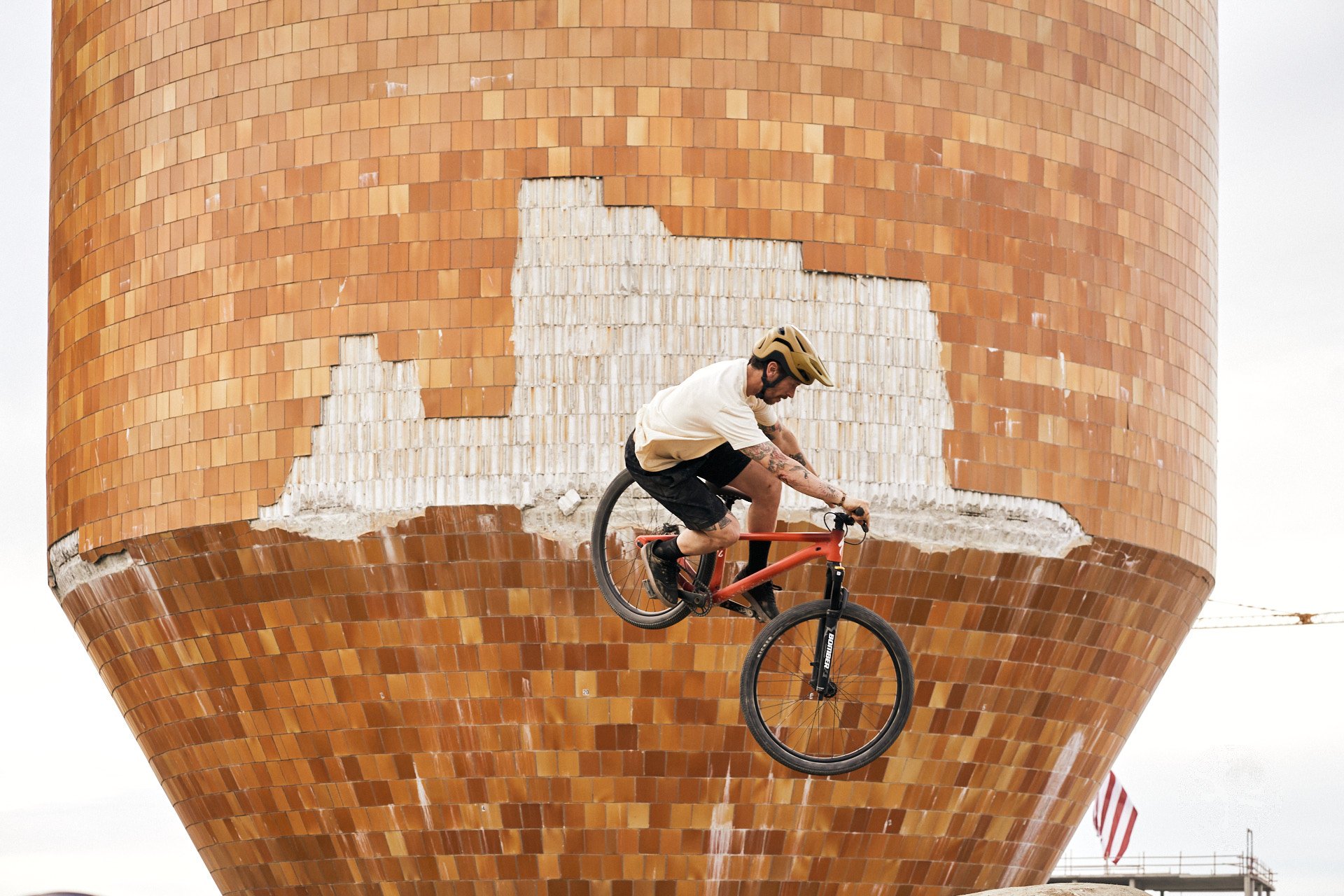
Reviewers were broadly positive about the redesigned P.Series, especially the P.3, and several outlets framed it as one of the better-executed dirt jumpers currently available. Bike Magazine described the bike as light, responsive, and an "absolute delight" on asphalt and dirt, while NSMB emphasized the quality of the Marzocchi DJ fork, calling out its "100mm of rock hard plushness" as a major reason the bike feels composed on hard landings. Across reviews, the P.Series was consistently characterized as snappy, playful, and rewarding for riders who actively pump, manual, and move the bike rather than simply letting it smooth over terrain. Reviewers also liked the redesign’s logic: the wheel-size-based lineup, cleaner frame layout, and the unusual inclusion of derailleur and dropper compatibility on what is still a jump-bike platform.
The criticisms were just as consistent. Multiple reviewers singled out the SRAM Level T rear brake as a weak point, describing it as noisy, underpowered, and difficult to modulate. Stock Specialized Kicker tires were praised for rolling quickly on hardpack, wood, and pavement, but some testers found them underwhelming in loose conditions or less confidence-inspiring on hard trick landings, with one reporting a buckled bead. Reviewers also noted that the P.Series is not especially forgiving: compared with a modern trail hardtail, the P.3 in particular can feel twitchy in the air and demands better timing and balance. Blister and others saw real versatility in the frame design, especially on the P.4, but the consensus was that this remains a niche tool first and foremost—a very good one, but still best suited to pump tracks, skateparks, jump lines, and skills riding rather than conventional trail use.