Strada
vsAeroad
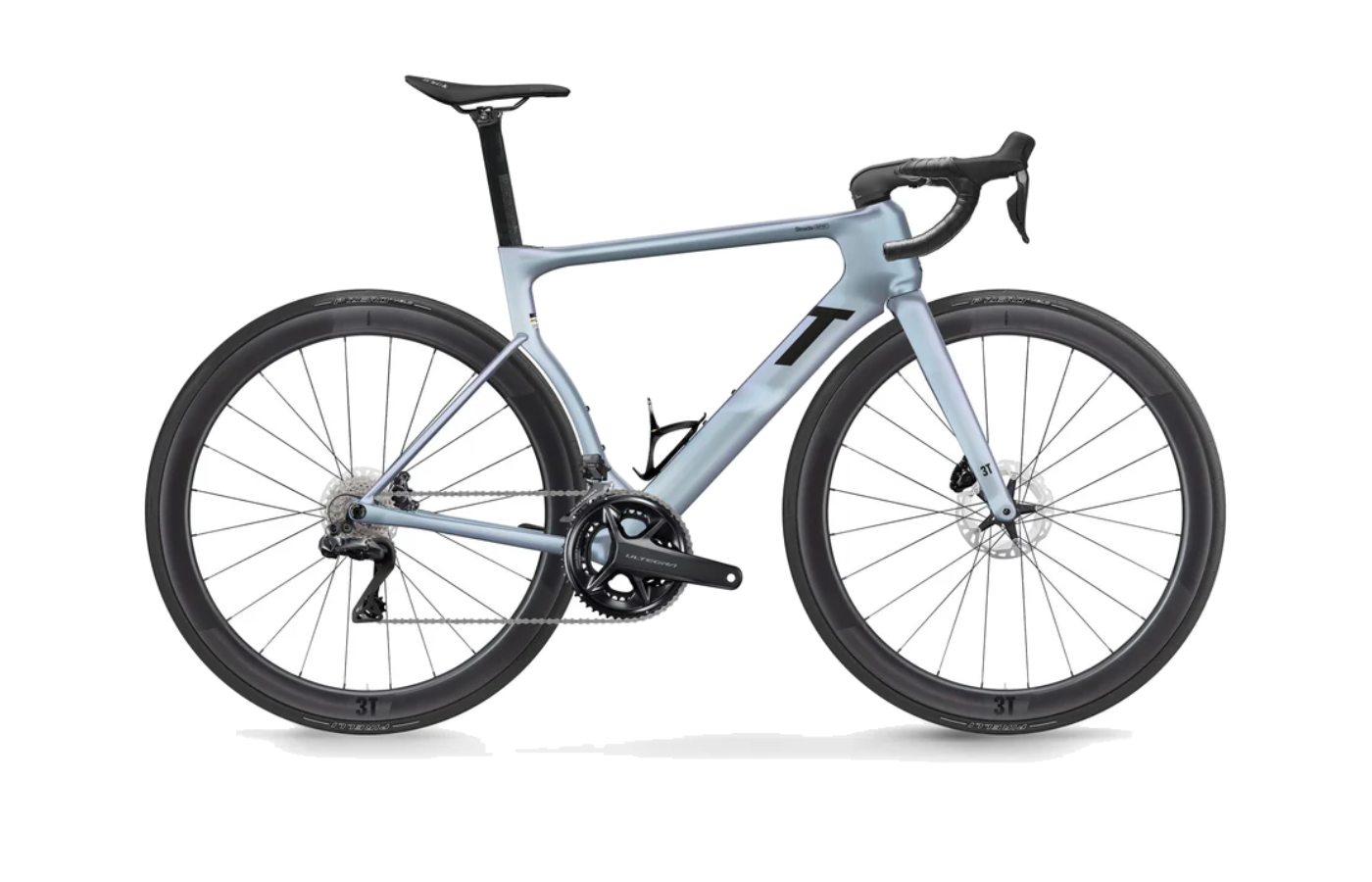
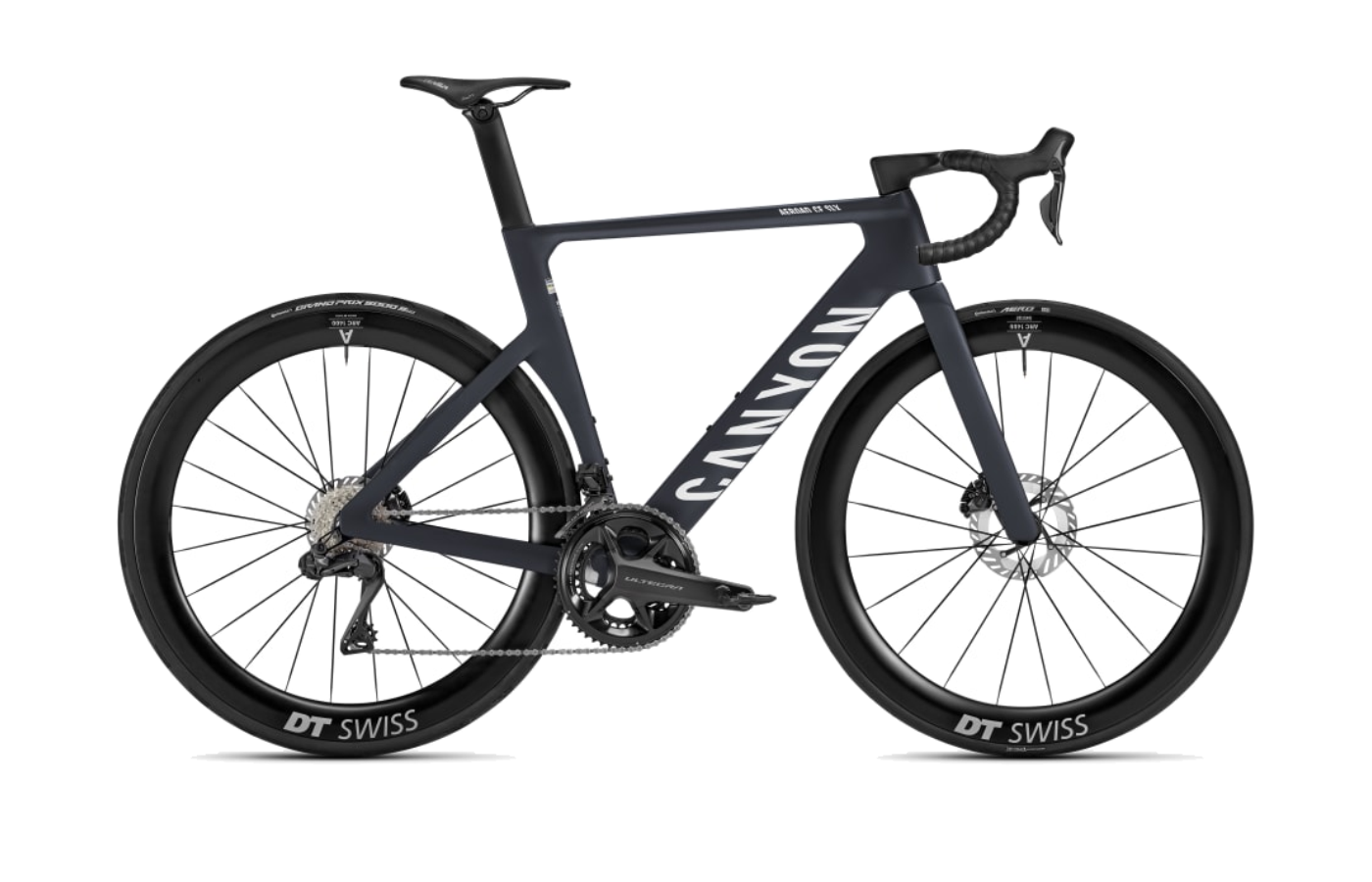
Two aero bikes from opposite ends of the production map.
The 3T Strada is filament-wound in Italy and built around 30 mm tires. The Canyon Aeroad is the direct-to-consumer pro-peloton tool refined around the WorldTour.
Strada
- Genuinely plush ride — curved "leaf spring" seat tube and 30 mm stock tires soak up rough pavement other aero bikes ignore.
- Made in Italy — filament-wound, RTM carbon at 3T's Bergamo factory, with a 5-year frame warranty when registered.
- SRAM UDH dropout — future-proof for 1x or 2x, including SRAM Red XPLR 13-speed conversions.
- Only two builds, both above $6,999 — no entry tier and no flagship Red AXS option.
- Slack 72.5-degree seat tube can fight riders who like a forward saddle position.
Aeroad
- Pro-grade speed at consumer-direct prices — roughly 30% less than equivalent S-Works or Madone SLR builds at the same groupset tier.
- Stiff, planted, fast — reviewers report confident handling at 50+ mph and "razor-sharp" sprint response.
- Easier to live with — single T25 Torx standard across the bike and a T25 bit hidden in the thru-axle.
- Direct-to-consumer model — no dealer demos, no fitter included, stem length not customizable at order.
- Stock 25 mm front tire on some builds feels narrow and harsh on rough roads.
Editor’s analysis
Same category, almost nothing else in common — one is a craftsman's aero-endurance machine, the other an industrial scalpel honed by Mathieu van der Poel's complaints about rear-end stiffness.
On the surface this is a fight between two aero road bikes. In practice the 3T Strada and the Canyon Aeroad have almost opposite design briefs. The Strada is hand-built in Bergamo using filament-wound, resin-transfer-molded carbon, ships only at $6,999 and $8,299, and runs a slack 72.5-degree seat tube angle across every size. The Aeroad is mass-produced, sells direct from $5,099 up to $10,999, and uses a more conventional 73.5-degree seat tube with a sharper, race-bred geometry borrowed wholesale from the Canyon Ultimate.
The Strada's whole pitch is that comfort is speed on real roads. Reviewers describe its ride as "freshly churned gelato," credit to a curved seat tube engineered to flex like a leaf spring and a 30 mm tire spec out of the box. The Aeroad goes the other way — Canyon beefed up the rear end on van der Poel's request and reviewers consistently call it "stiff pretty much everywhere," with one outright saying "don't buy this bike if you want comfort." One bike is built for the Strada Bianche gran fondo. The other is built for Paris-Roubaix at race pace.
Geometry confirms the split. At the fit-picked sizes — 54 on the 3T, S on the Canyon — both sit a hair under 540 mm of stack, but the Aeroad gives you 9 mm more reach (390 vs 381), a steeper 73.5-degree seat tube, and 5 mm longer chainstays at 410. The Strada's slack seat tube pushes the rider's weight rearward; multiple reviewers noted they couldn't get enough forward saddle position even with a zero-offset post. The Aeroad slots into a conventional race fit without complaint.
Then there's the price-and-place problem. Canyon undercuts 3T by roughly 30% at equivalent groupset tiers and offers eight builds spanning $5,099 to $10,999 — including a $5,099 105 Di2 entry point the Strada simply doesn't field. 3T offers two builds, both made in Italy, with a frameset that reviewers say justifies the premium on craftsmanship grounds. If you'll never own a second road bike, the Canyon's value math is hard to ignore. If you want a bike that no one else on the group ride is on, the 3T is the answer.
Where the builds differ.
Comparing our editor's-pick builds side-by-side. Winners highlighted row-by-row — lower price and weight, and the better-spec component, each mark a point.
Build variants & pricing
The Aeroad spans $5,099 to $10,999 across eight builds. The 3T Strada offers exactly two builds, both above $6,999.
Editor's picks are tier-matched at Shimano Ultegra Di2: the 3T WPNT Ultegra Di2 ($8,299) against the Canyon CF SLX 8 Di2 ($6,199). The 3T premium is the cost of Italian-made filament-wound carbon — Canyon's CFR is the equivalent flagship-grade frame on the other side, available from $10,499 if you want CFR-tier carbon.
How they fit, how they steer.
Picked at size 54 (3T) and size S (Canyon). Stack is within 3 mm; the Aeroad gives 9 mm more reach, a 1-degree steeper seat tube, and 5 mm longer chainstays — measurably more aggressive and more conventional.
Which size should I buy?
Size suggestions blend stack, reach, and effective top tube. The Aeroad covers a wider range (2XS to 2XL); the Strada currently runs XXS to 58.
→These are starting points. Flexibility, riding style, and preferred position all shift the answer — if you’re between sizes, a professional fit beats a chart.
What the magazines said.
Published reviews from trusted cycling outlets. Click through for the full write-up.
Which one should you buy?
If you want a hand-built Italian aero bike that's plush enough for broken pavement, get the Strada. If you want pro-spec speed at the lowest price on the market, get the Aeroad.
Strada
If your local roads are a patchwork of repairs, you ride long, and you'd rather glide than sprint, the Strada's leaf-spring seat tube and 30 mm tires will keep you fresh longer. You're also buying Italian craftsmanship and a frame nobody else at the cafe stop will be riding.
Aeroad
If you want WorldTour-grade aero performance and you'd rather not subsidize a dealer network to get it, the Aeroad is the most bike-per-dollar in the segment. Stiff, fast, conventional race fit — and the cheapest way into a modern pro-level aero platform.
Questions buyers actually ask.
Short answers to the things we get emailed about most often.
01Which is faster on flat roads?
Both are genuinely fast aero platforms with comparable claimed drag numbers — neither has published a clean head-to-head wind-tunnel comparison. The Canyon Aeroad has the racier rider position (more reach, lower stack relative to reach) and stiffer rear end, which translates to sharper sprint response and a bit more measurable speed when you're already going hard.
The 3T Strada carries speed exceptionally well once it's up to pace — Tour Magazine tested it favorably against bikes like the Specialized Tarmac and Pinarello Dogma. But it's heavier (typically 7.8–8.3 kg complete vs ~7.0 kg for a top Aeroad CFR), which costs you on initial acceleration.
02Which climbs better?
The Canyon Aeroad, by a clear margin. A top-tier Aeroad CFR comes in around 7.0 kg; the 3T Strada typically lands at 7.8–8.3 kg in equivalent build trim. That's roughly 1% of system weight for a 70 kg rider — noticeable on sustained climbs and obvious on repeated efforts.
Multiple Strada reviewers explicitly call out its climbing as "sluggish uphill" and "out of its comfort zone on the spiky double-digit climbs." Some of that is the heavier stock wheels and 30 mm tires; a lighter wheelset closes the gap but doesn't erase it.
03What's the maximum tire clearance?
3T Strada: 30 mm officially per our spec data, though 3T markets up to 35 mm and reviewers routinely run 32 mm tires that measure ~34 mm on-bike.
Canyon Aeroad: 32 mm officially. Canyon increased clearance from the Gen 3 specifically at Mathieu van der Poel's request for the cobbled classics.
Neither is a gravel bike, but the Strada's wider real-world clearance and aero-comfort design make it noticeably more capable on light gravel and chip-seal.
04Can I get an entry-level build?
Only on the Canyon Aeroad. The Aeroad starts at $5,099 (CF SLX 7 Di2, Shimano 105 Di2) and offers eight builds total, including SRAM Rival AXS and Force AXS options.
The 3T Strada has only two builds: a 105 Di2 at $6,999 and an Ultegra Di2 at $8,299. There is no Rival, no flagship Red, no Dura-Ace option in the catalog. If your budget is under $6,000, the Strada isn't an option.
05How serviceable are the integrated cockpits?
The Strada's cockpit is a two-piece design (3T More stem + Aeroflux/Apto/Superergo Integrale bar depending on build). Hoses run under the stem rather than through it, so swapping stem length or bar roll doesn't require a brake bleed. Reviewers consistently call this a practical advantage over fully integrated one-piece systems.
The Aeroad's Canyon CP0048 is a fully integrated one-piece carbon cockpit. Width is adjustable up to 50 mm and height up to 20 mm at the bar — but stem length is fixed at order time and can't be changed without buying a new $200+ part. Hose routing is through the cockpit.
06Are both compatible with mechanical shifting?
3T Strada: Yes — the 105 Di2 build is electronic, but the frame is sold as a frameset and reviewers note both 1x and 2x electronic compatibility, with the SRAM UDH dropout enabling SRAM Red XPLR 13-speed conversions.
Canyon Aeroad: No. All catalog builds are electronic (Shimano Di2 or SRAM AXS), and the frame is built around fully internal routing that assumes wireless or internal Di2 wiring. There is no mechanical-cable build option.
07What about the Strada's slack seat tube angle?
It's a real consideration. The 3T Strada uses a 72.5-degree seat tube angle across every frame size, which is roughly 1 degree slacker than the Aeroad's 73.5. Multiple reviewers found this pushed their weight too far rearward and made it hard to achieve their preferred saddle position even with a zero-offset seatpost.
3T's argument is that this geometry supports a more sustainable aero position over long rides. If you're coming from a conventional race bike with a steeper STA, plan to test-ride before committing — or at minimum, model your fit carefully.
08What's the warranty story?
3T: Two years on frame and 3T components, extended to five years if you register within 30 days of purchase. Paint warranty is one year.
Canyon: Six-year frame warranty for the original owner on Aeroad CFR and CF SLX models, plus crash-replacement pricing.
Both brands ship direct in the US — Canyon through canyon.com, 3T through select dealers and online — so warranty claims go through the manufacturer rather than a local shop.
Similar bikes
If your priorities don’t map cleanly onto either of these, one of these adjacent bikes probably fits better.
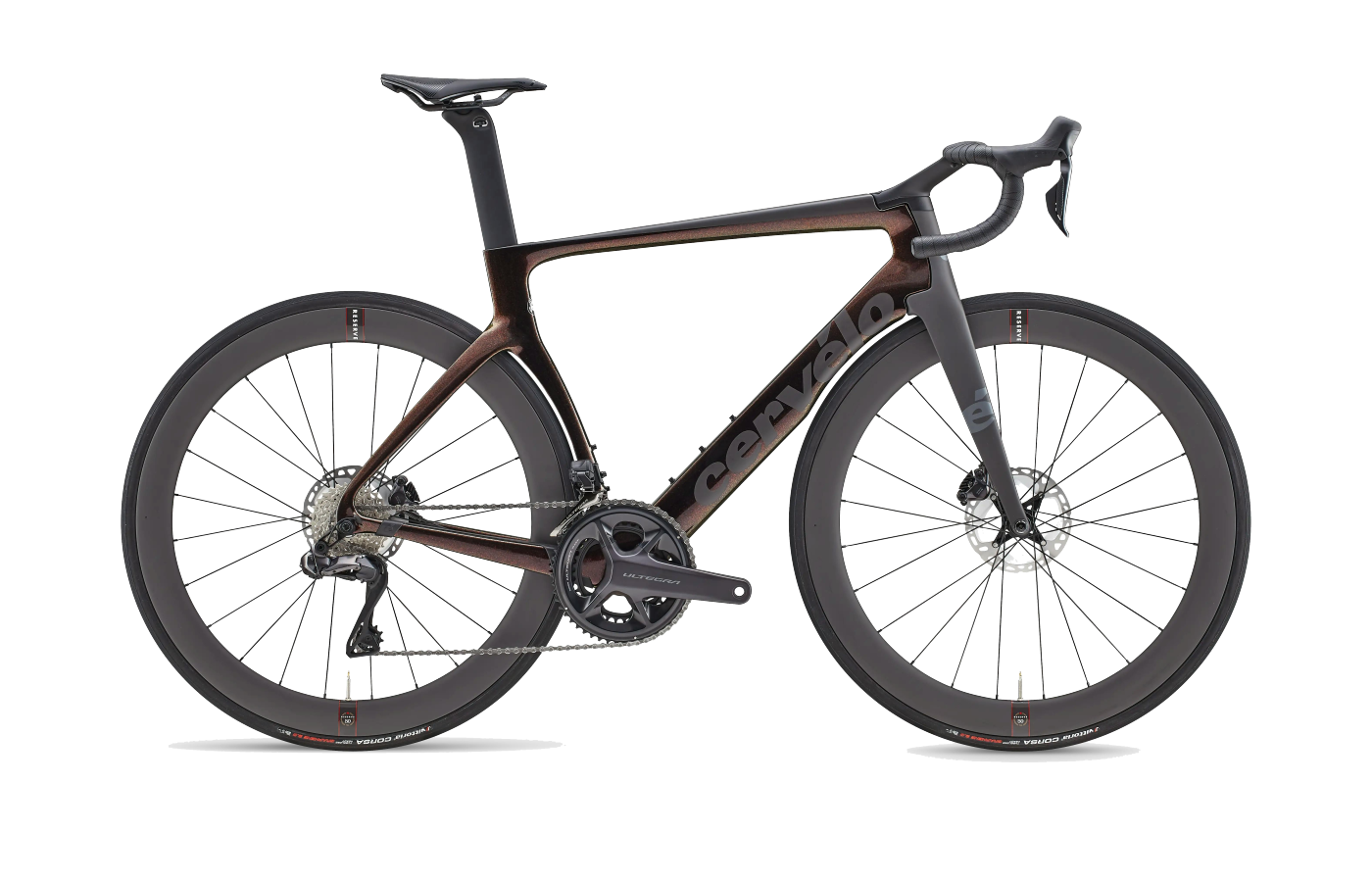
S5
The bike the Strada was originally designed to chase in the wind tunnel. The Cervelo S5's V-stem and uncompromising aero focus make it the purer tool for flat-out speed if you don't care about Italian provenance.
Compare →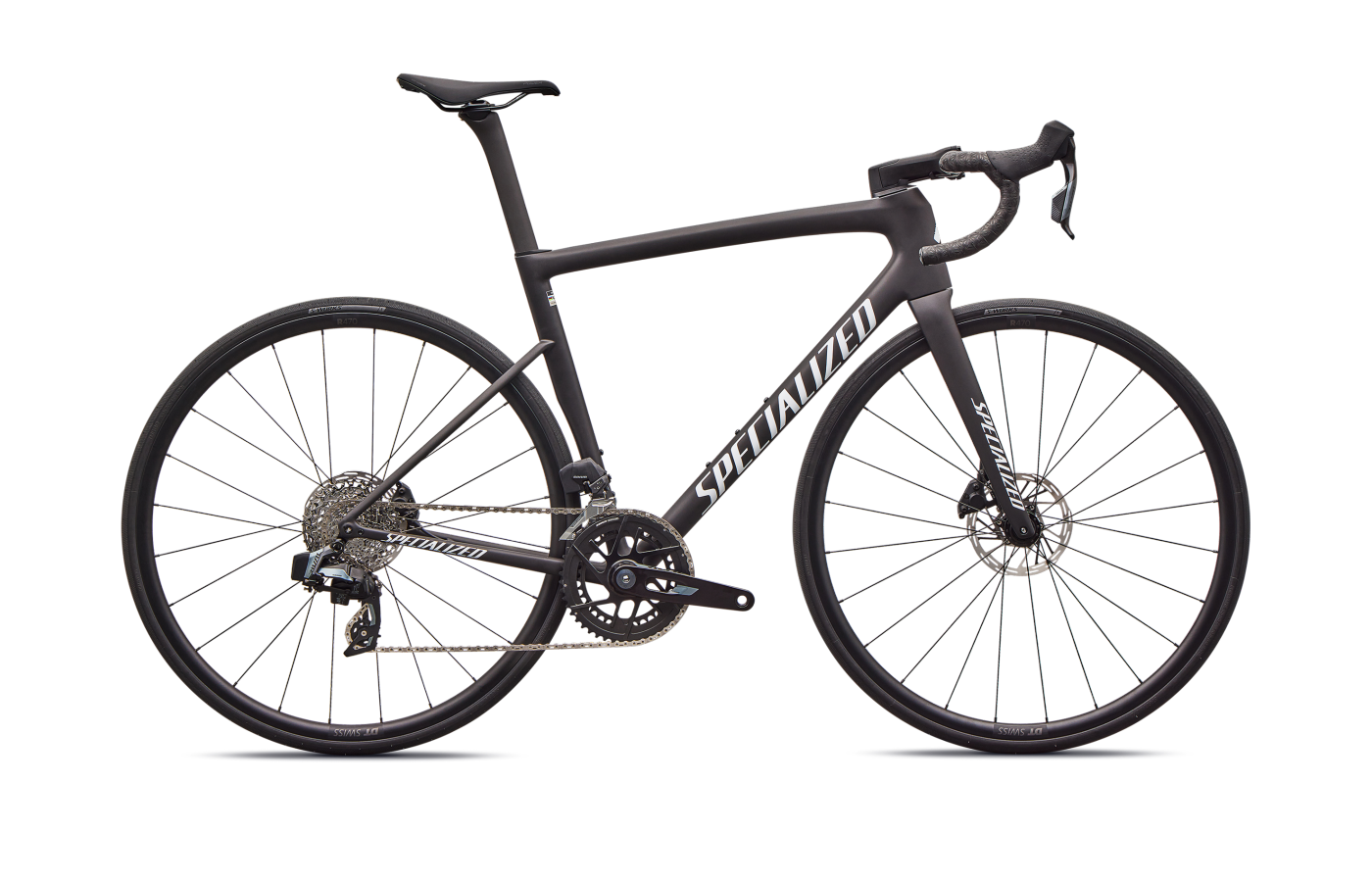
Tarmac
The do-everything benchmark. The Specialized Tarmac SL8 is lighter than either of these two on climbs while still holding its own aero-wise — the obvious one-bike-quiver alternative if you ride a lot of vertical.
Compare →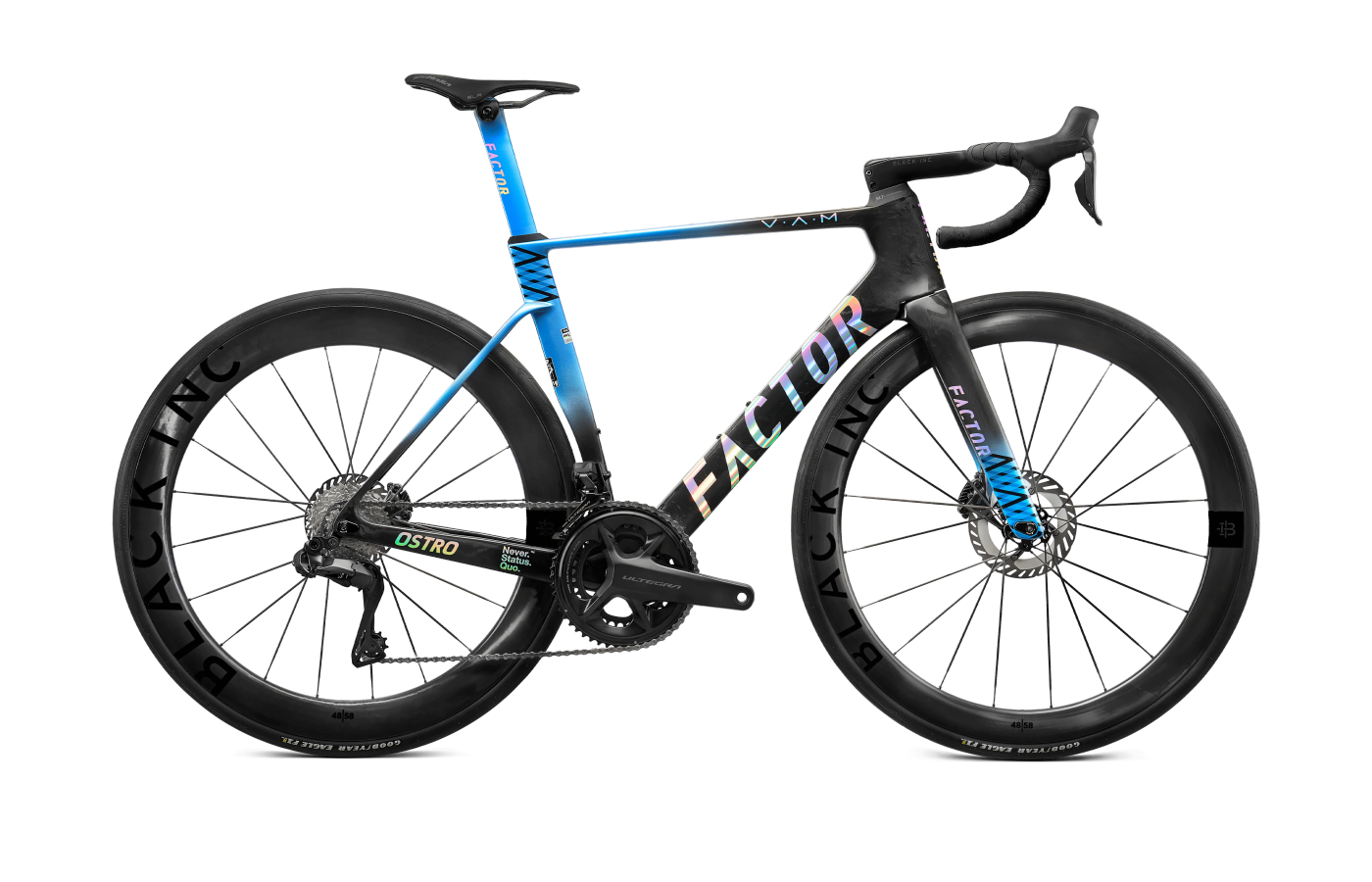
Ostro VAM
Lighter than the Aeroad, more boutique than the 3T, without the Strada's slack seat tube quirk. The Factor Ostro VAM is the high-end alt for riders who want premium feel without committing to either philosophical extreme.
Compare →