Strada
vsSoloist
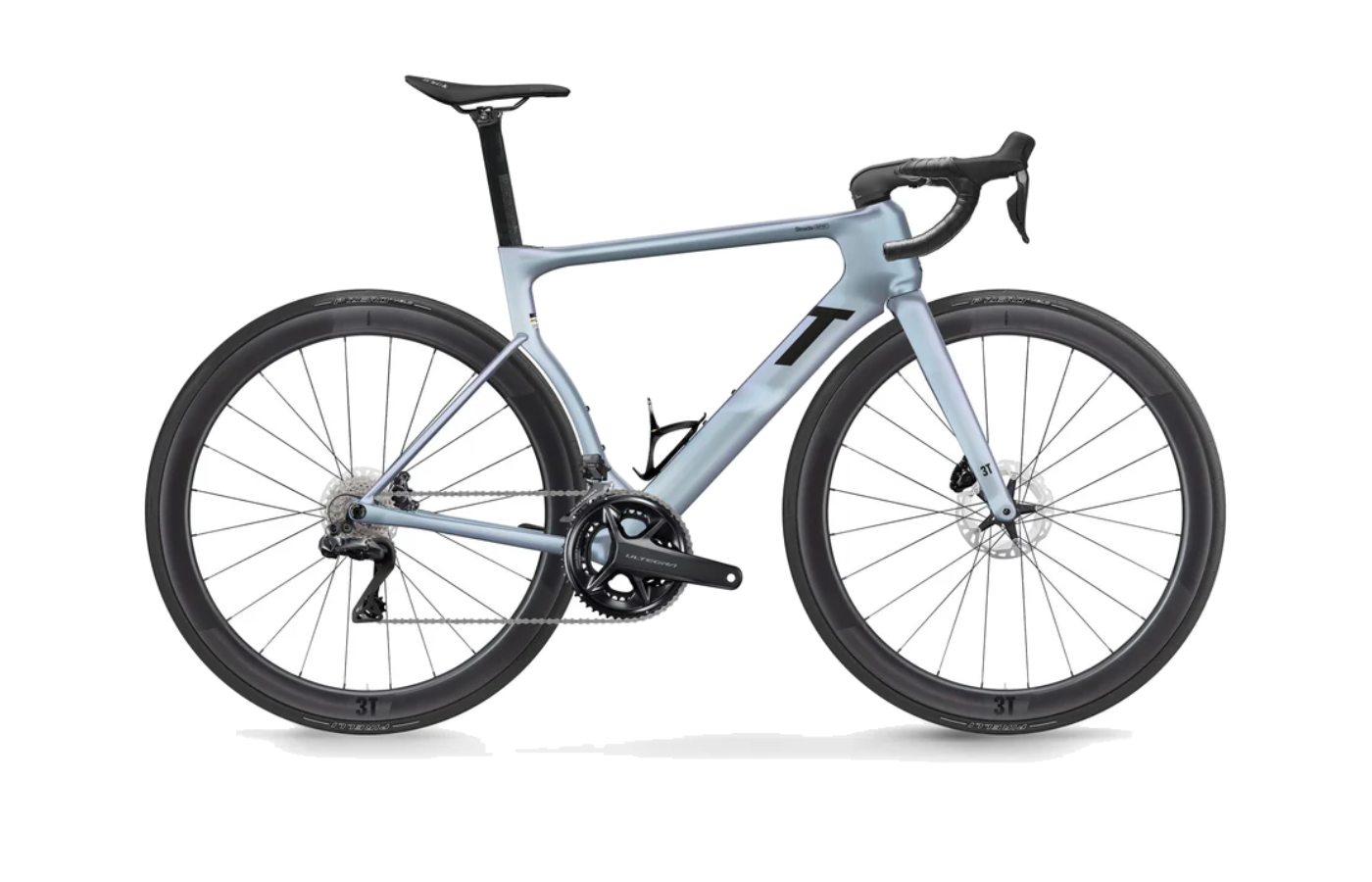
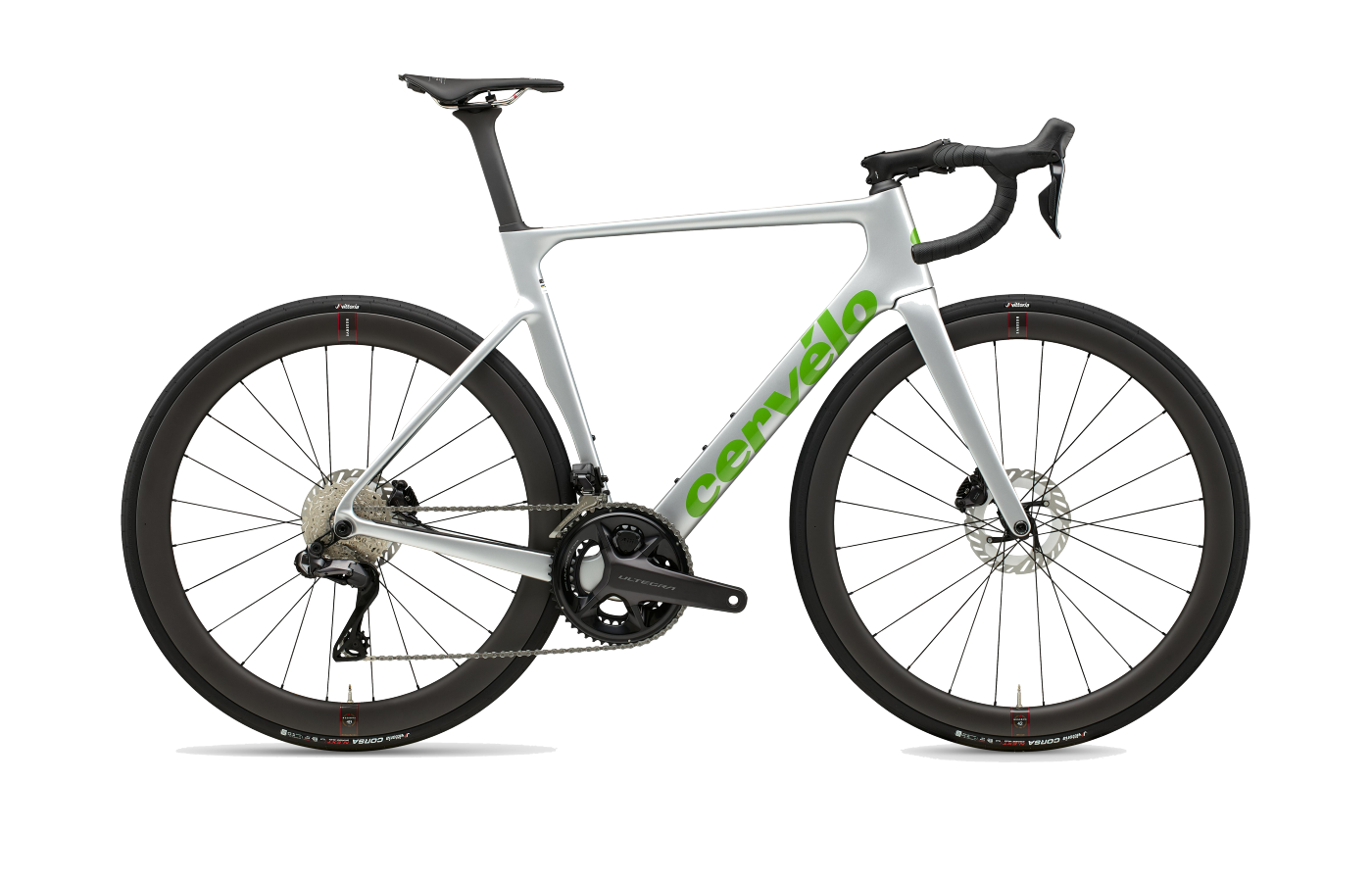
Italian artisan vs. pragmatic racer.
The 3T Strada is a made-in-Italy aero-endurance outlier built around 35 mm tires. The Cervelo Soloist is a WorldTour-pedigree race bike tuned for everyday serviceability.
Strada
- Made-in-Italy carbon construction — filament-wound, resin-transfer-molded in Bergamo; reviewers cite measurably better vibration damping.
- 35 mm tire clearance — the widest in its aero-road class, with a frame designed around wide tires rather than tolerating them.
- Exceptional comfort at speed — the curved seat tube acts as a leaf spring; Cycling Weekly called it "as smooth as freshly churned gelato."
- Price floor of $6,999 — no budget or mid-price entry.
- Claimed build weights of 7.8–8.3 kg; reviewers consistently call it sluggish uphill.
Soloist
- Half the entry price — starts at $3,900 for the 105 mechanical build; same frame as the $7,600 Force AXS 1.
- WorldTour-quality frameset across the range — Cervelo uses the same carbon layup whether you spend $3,900 or $7,600.
- Mechanic-friendly by design — semi-integrated routing (under-stem, not through it) and a T47 threaded bottom bracket.
- Front end reported as chattery on rough tarmac; some reviewers suggest a carbon bar upgrade.
- Stock alloy cockpit feels cheap next to the Strada's integrated 3T setup.
Editor’s analysis
Both aim at fast road riding — but one is chasing comfort at speed, and the other is chasing the crit podium.
Start with how the two frames are made. The 3T Strada is filament-wound and resin-transfer-molded in 3T's Bergamo factory — a process closer to Time's than to the typical Asian pre-preg layup, and one that reviewers credit with a tangibly stiffer feel and better vibration damping. The Cervelo Soloist is a conventional carbon race frame built to a price, sharing tooling and engineering philosophy with the S5 and R5 but purpose-built as the middle-ground option. Neither is better — they're aimed at different buyers.
On geometry, they're closer than you'd expect. At the compared size 54, the Strada sits at 536/381 stack/reach with a 72.7° head tube angle and a 985 mm wheelbase. The Soloist is a touch longer and slacker-wheelbased — 540 mm stack, 383 mm reach, 73° HTA, 977 mm wheelbase, and 410 mm chainstays versus the Strada's 405 mm. Trail numbers on the 3T aren't published; the Soloist's is 57.3 mm. Real-world: both steer crisply, but the Soloist feels marginally quicker into turns and the Strada feels marginally more planted on rough surfaces.
Tires and clearance are where the philosophies diverge. The Strada clears 35 mm officially and ships with 30 mm Pirelli P Zeros — the whole bike is designed around running wider rubber at lower pressure, and reviewers say the comfort-at-speed trick really works. The Soloist clears 34 mm and ships with 29 mm Vittoria Corsa N.EXT. Close on paper. But the Strada's curved seat tube is engineered as a leaf spring for rear-end compliance; the Soloist leans on dropped seatstays and wider tires alone. Over chip-seal, the 3T is the quieter bike.
Value flips the story. The Strada has only two builds — a 105 Di2 at $6,999 and the Ultegra Di2 at $8,299 — both over the Soloist's mid-range. The Soloist runs from $3,900 (105 mechanical) to $7,600 (Force AXS 1), with a WorldTour-quality frameset shared across every build. If you want a mechanic-friendly race bike at a realistic price, the Soloist starts almost $3k cheaper. If you want a hand-built Italian frame with all-day comfort baked in, the 3T is the only answer in this matchup.
Where the builds differ.
Comparing our editor's-pick builds side-by-side. Winners highlighted row-by-row — lower price and weight, and the better-spec component, each mark a point.
Build variants & pricing
The Strada offers only two builds, both over $6,999. The Soloist spans $3,900 to $7,600 on the same frame — a rare lineup where the cheapest build uses the same carbon as the flagship.
Prices are current US MSRP. The Ultegra Di2 pick on both sides matches drivetrain tier exactly; the ~$950 gap reflects the Strada's Italian frame program, not a spec delta.
How they fit, how they steer.
Both at size 54. The Soloist sits 4 mm taller in stack with a slightly longer reach (+2 mm) and steeper head angle (73° vs 72.7°). Chainstays are 5 mm longer on the Soloist (410 vs 405 mm), but the Strada's 985 mm wheelbase is 8 mm longer overall.
Which size should I buy?
Size recommendations based on stack, reach, and effective top tube. The Soloist offers a wider size range (48 to 61); the Strada runs from XXS up to 58.
→These are starting points. Flexibility, riding style, and preferred position all shift the answer — if you’re between sizes, a professional fit beats a chart.
What the magazines said.
Published reviews from trusted cycling outlets. Click through for the full write-up.
Which one should you buy?
If you ride long days on imperfect roads and love the idea of an Italian-made frame, get the Strada. If you want WorldTour frame quality at a real-world price, get the Soloist.
Strada
If your riding is four-hour days on broken country roads, fast Gran Fondos, or mixed surfaces with light gravel, the Strada's curved seat tube and 35 mm clearance let you hold an aero position far longer than a conventional race bike. You pay for Italian manufacturing and boutique-scale production — that's the proposition.
Soloist
If you race crits and road on your own dime, the Soloist is the single best value in a modern carbon race bike. Same WorldTour frame across the lineup, a semi-integrated cockpit you can service yourself, a threaded bottom bracket, and a mid-build Ultegra Di2 package at $7,350.
Questions buyers actually ask.
Short answers to the things we get emailed about most often.
01Which is faster on flat roads?
Neither is a pure aero specialist like the Cervelo S5 or Canyon Aeroad. The Soloist is Cervelo's semi-aero middle child — about 190 g of drag slower than the S5 but 126 g faster than the R5 at 45 km/h (Cervelo's own figures). The Strada tested competitively against a Tarmac SL8 and Pinarello Dogma in Tour Magazine's aero protocol.
In practice, at steady 35 km/h+ speeds, both feel comparably quick. Neither will beat a dedicated aero superbike.
02Which climbs better?
The Soloist, modestly. In equivalent Ultegra Di2 trim, the Soloist comes in around 8.1–8.5 kg versus the Strada's 8.3 kg — Cervelo claims the Soloist is 250 g lighter than the S5 and 250 g heavier than the R5, with a stiffer frame than the Strada around the bottom bracket on paper.
Reviewers consistently describe the Strada as "sluggish uphill" on gradients over 5%, mostly due to build weight and deep-ish stock wheels. Neither is a Tarmac SL8. If climbing is your top priority, neither is the bike.
03What's the maximum tire clearance?
3T Strada: 35 mm officially (this generation is built around it — the frame is designed for wide tires, not tolerating them). Stock tires are 30 mm Pirelli P Zeros.
Cervelo Soloist: 34 mm officially. Stock tires are 29 mm Vittoria Corsa N.EXT, which measure roughly 30 mm on the wide Reserve rims.
Close on paper, but the Strada's frame geometry (curved seat tube, generous clearances at the stays) was explicitly engineered for wide-tire performance from the start.
04How serviceable are the cockpits?
The Strada uses a two-piece 3T cockpit — the Aeroflux integrated bar with the 3T More stem on the Ultegra Di2 build. Hoses route under the stem rather than through it, which makes stem-length swaps or bar-roll tweaks possible without a full hose bleed. Reviewers repeatedly call this out as more practical than fully integrated one-piece designs.
The Soloist uses a similar under-stem routing philosophy with an alloy ST36 stem and HB13 carbon bar. Cervelo calls it "semi-integrated" and reviewers uniformly praise its mechanic-friendliness — you can pack the bike in a travel case without disconnecting hoses.
05Are both compatible with mechanical drivetrains?
The Soloist, yes — it ships in a mechanical Shimano 105 build at $3,900 and a 105 Race build at $5,350, both fully cable-actuated.
The Strada's two current builds are both Di2 electronic (105 Di2 and Ultegra Di2). 3T has historically sold mechanical-compatible framesets, but the 2024+ Strada Integrale 2X frame with fully hidden routing is oriented toward electronic shifting.
06Which has the better wheelset out of the box?
The Soloist's Reserve 42|49 (on the Ultegra Di2 build) is a consistent highlight in reviews — In The Know Cycling called it "the nicest stock wheelset you can get at this price point." Depth-mismatched front-to-rear (42 mm front, 49 mm rear) for crosswind stability.
The Strada's 3T Discus 40|30 is a more unusual shape — 40 mm rear, 30 mm front, also designed for real-world crosswind handling. Reviewers say it does the job but don't celebrate it the way they do the Reserves. Both are tubeless-ready.
07What warranty do they come with?
The Cervelo Soloist comes with a lifetime frame warranty to the original owner — Cervelo's standard across the road range. One year on paint.
The 3T Strada has a two-year frame warranty, extended to five years if you register with 3T within 30 days of purchase. One year on paint. That's a real gap if long-term warranty matters to you — the Cervelo is meaningfully more generous.
08Are there any known reliability concerns?
For the Soloist, multiple reviewers have reported creaking from the T47 BBRight bottom bracket and the headset — Velo and Cyclist UK both flagged it, though long-term owners (2,000+ mi) report their bikes stay silent. May be assembly-dependent.
For the Strada, a detailed teardown by Mapdec Cycle Works on a pre-production frame found a slightly oversized bottom bracket shell and minor finishing imperfections at the dropouts. 3T says these won't appear on production frames. Worth inspecting on delivery.
Similar bikes
If your priorities don’t map cleanly onto either of these, one of these adjacent bikes probably fits better.
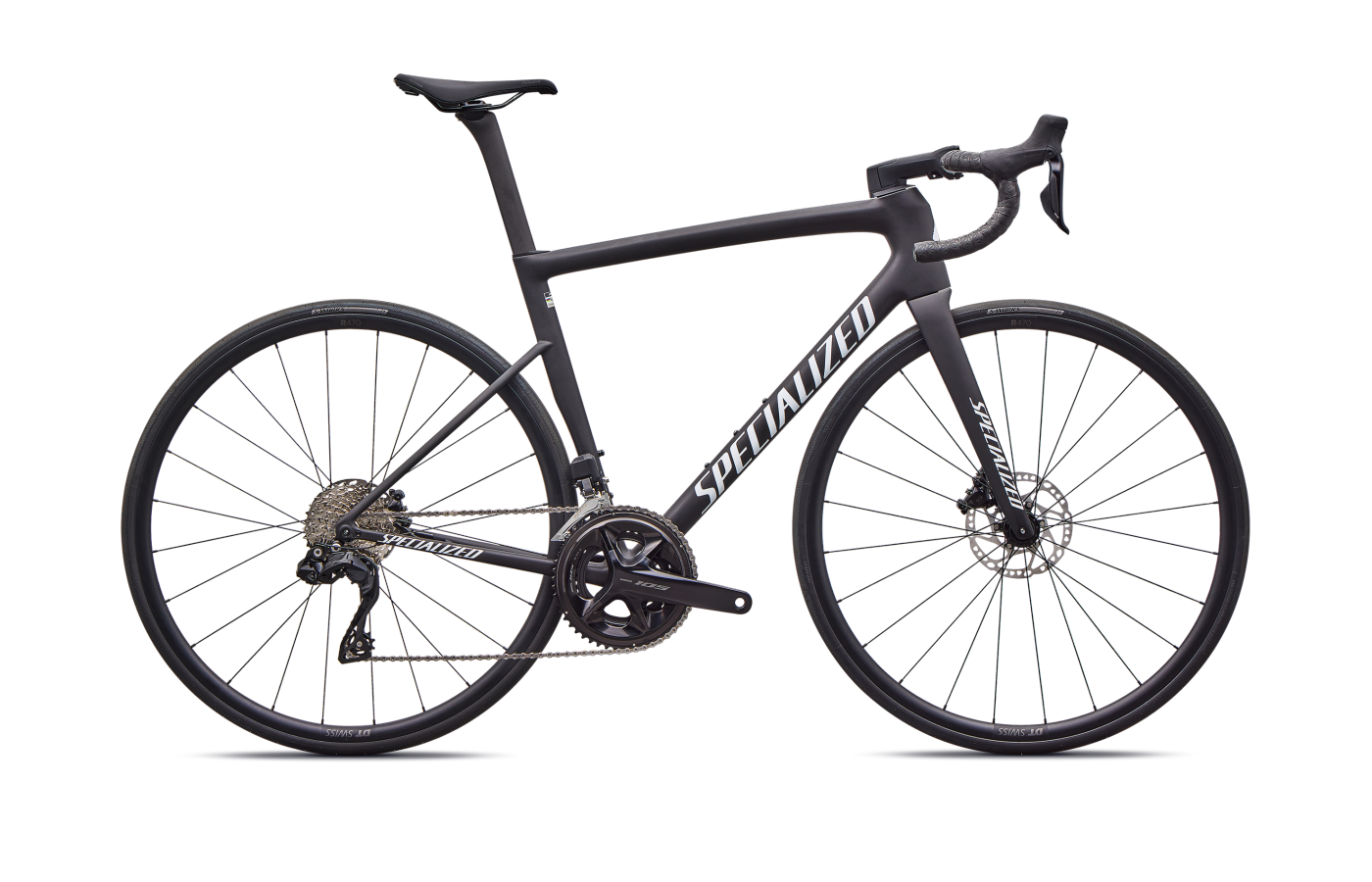
Tarmac
The reference point for modern race-bike handling. Climbs better than either bike here while matching the Soloist's aero pretensions, and Specialized offers builds from $3,500 to $14k.
Compare →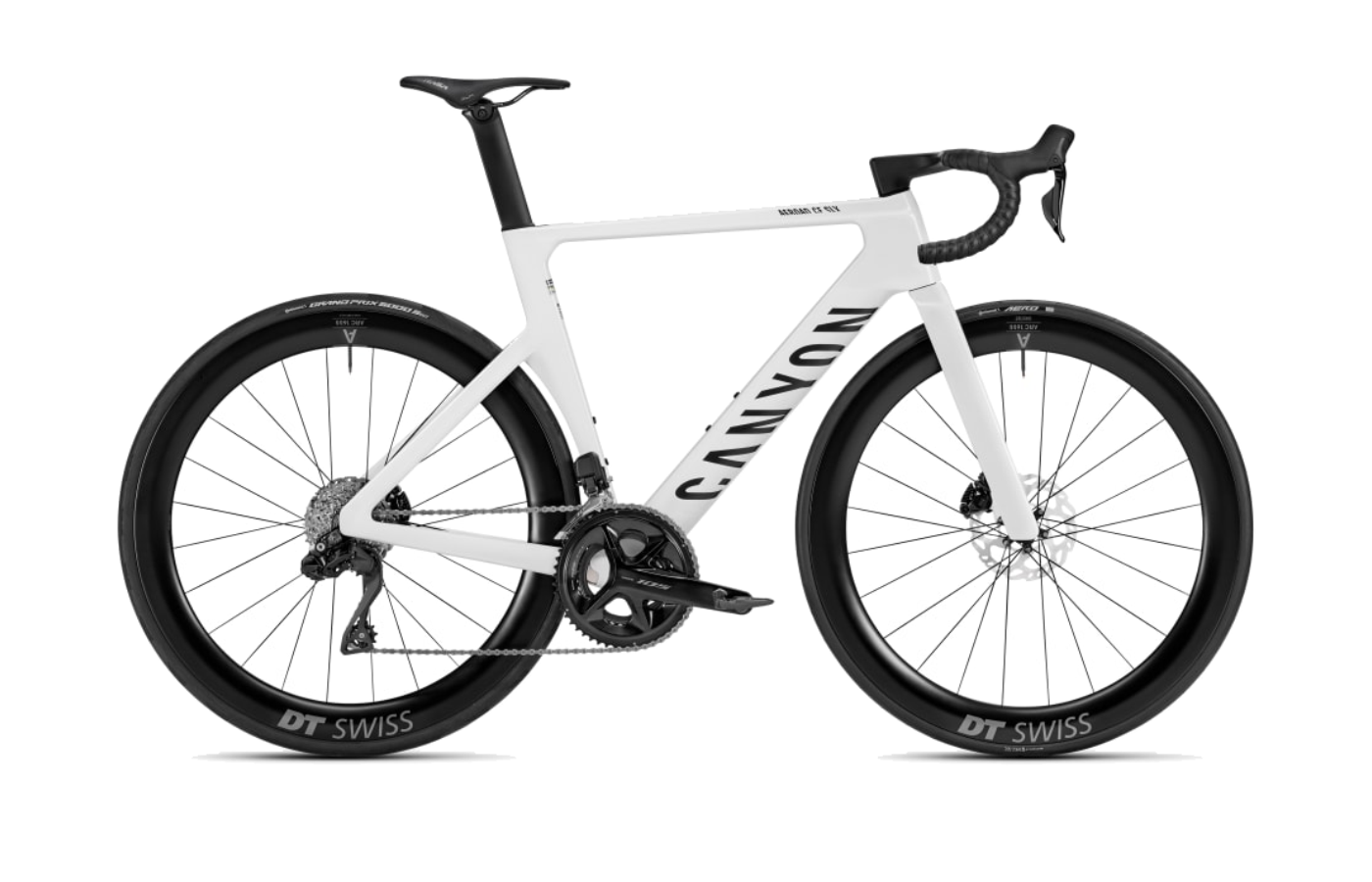
Aeroad
If the Soloist's semi-aero profile isn't aero enough, Canyon's flagship goes full wind-tunnel with integrated tech at direct-to-consumer pricing. No dealer, no demo — fit at your own risk.
Compare →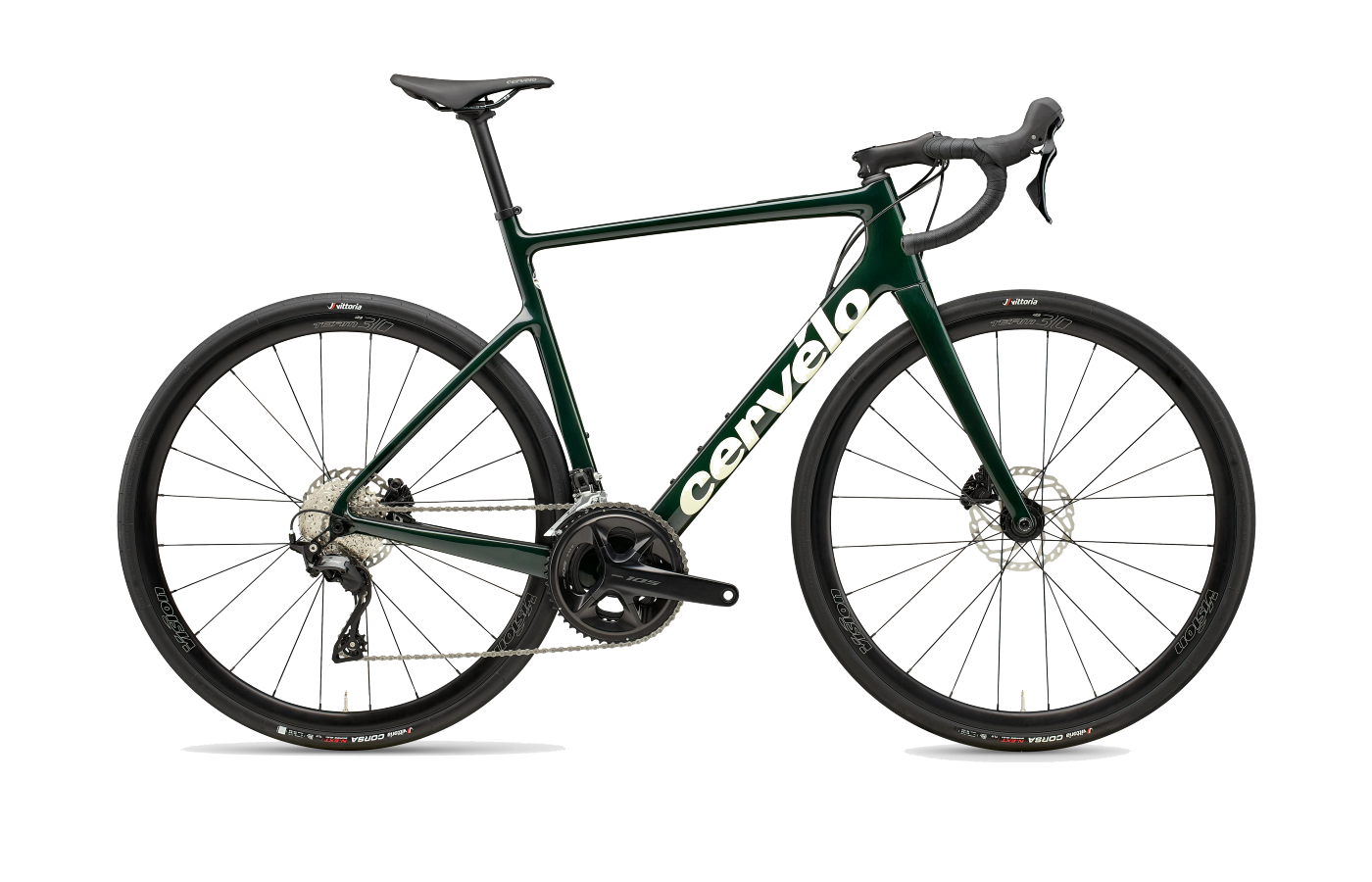
Caledonia
Cervelo's endurance sibling — same tire clearance as the Soloist with more compliance and a taller front end. The pick if the Soloist's race posture is too aggressive for your back.
Compare →