Krypton
vsCaledonia
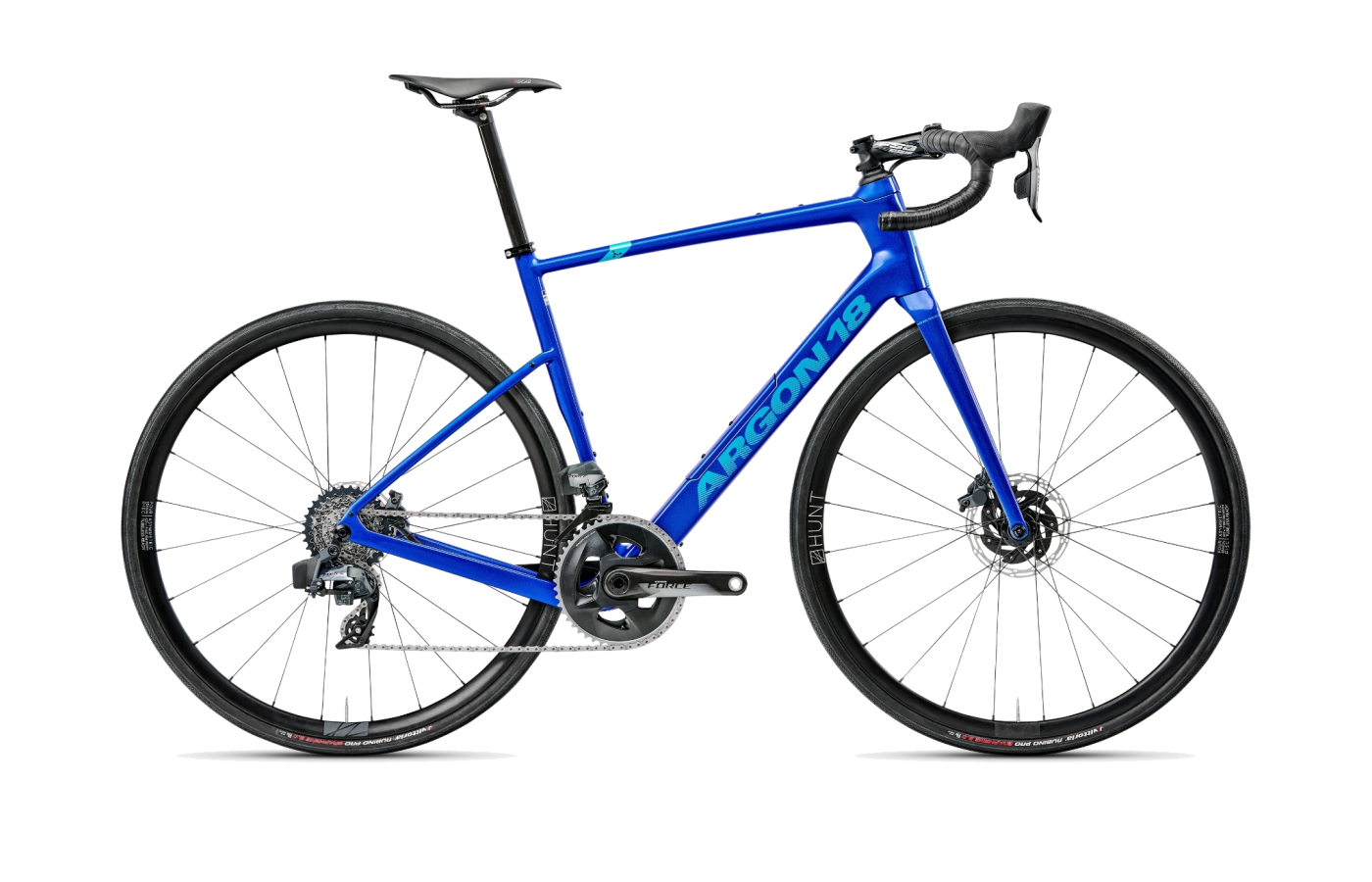
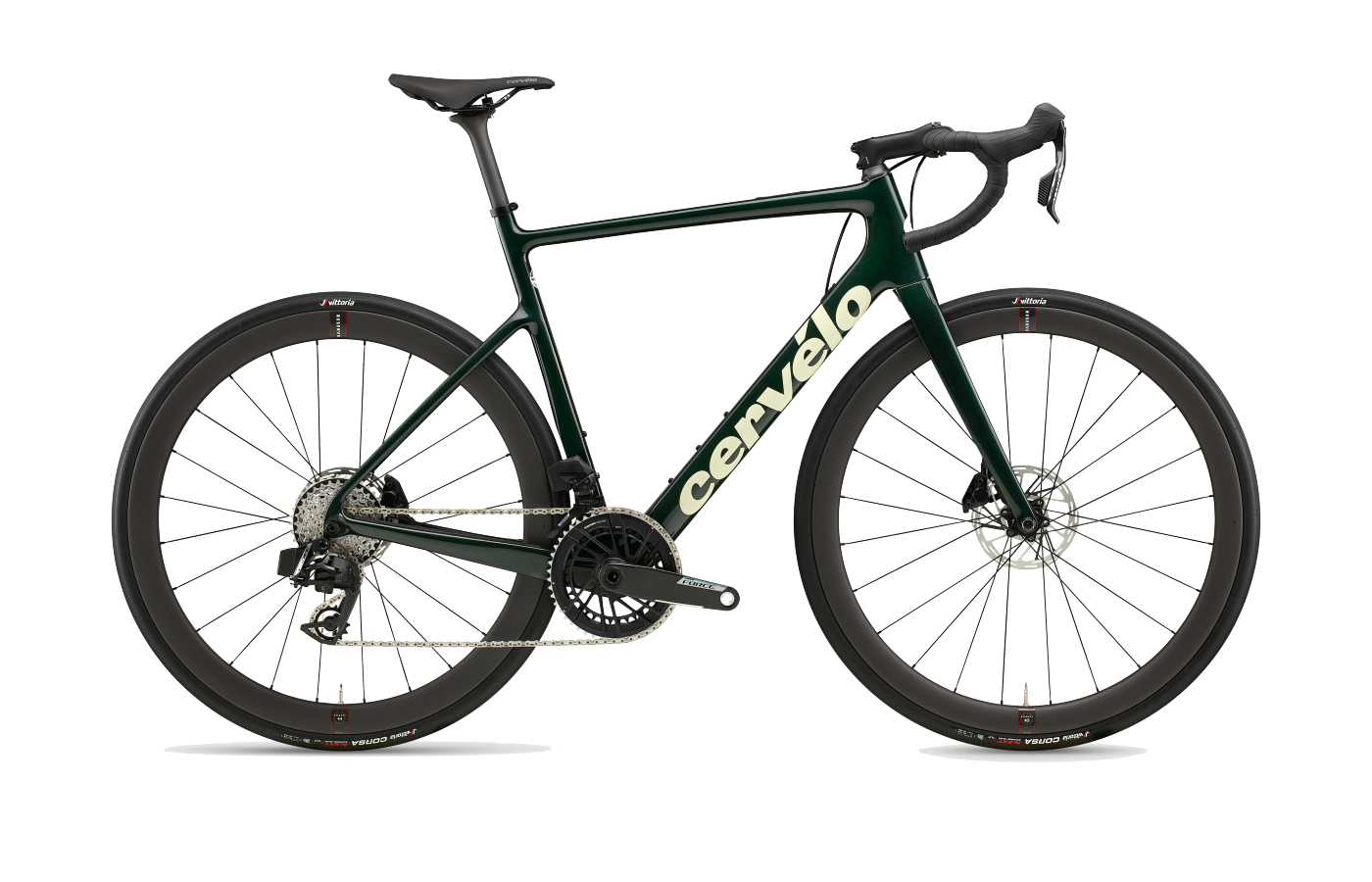
Two all-road takes on the same question.
The Argon 18 Krypton is the explorer with internal storage and 38 mm rubber. The Cervelo Caledonia is the aero-tinged endurance bike that still wants to feel fast.
Krypton
- 38 mm tire clearance with 2x AXS — and 40 mm with a 1x setup. Real headroom for hardpack and broken roads.
- Integrated down-tube storage — a rattle-free home for tools and a tube that frees up your seatpack.
- Service-friendly standards — a T47 threaded bottom bracket and a round 27.2 mm seatpost mean parts you can find anywhere.
- Standard build is a noticeably relaxed climber — Granfondo measured the Krypton at 8.56 kg.
- Mid-range FSA cockpit and alloy wheels at this price draw real value criticism in reviews.
Caledonia
- Confidence-inspiring descender — 60 mm trail and a long wheelbase keep the bike planted at very high speed.
- Aero-influenced tube shapes borrowed from the S-series — it carries flat-road speed better than its weight suggests.
- Lower price floor — a Shimano 105 build starts at $3,300, $1,350 below the cheapest Krypton.
- 34 mm tire ceiling (31 mm with fenders) is genuinely limiting if your rough roads turn into gravel.
- Press-fit BB and stock alloy seatpost on lower builds are both common review knocks.
Editor’s analysis
Both bikes answer the one-bike question — but they hand back very different bikes.
On paper the Argon 18 Krypton and the Cervelo Caledonia look like neighbors: carbon endurance frames, threaded or press-fit BB, room for fenders, fit-picked at the middle of their size runs for a 5'8" rider. Spend any time inside the spec sheets and the philosophies separate fast.
The Argon 18 Krypton is the explorer of the two. Tire clearance runs to 38 mm with a 2x SRAM AXS drivetrain and a full 40 mm if you go 1x — meaningful headroom for hardpack and chip-seal that the Caledonia cannot match at its 34 mm ceiling. The frame ships with a real T47 threaded bottom bracket, a standard 27.2 mm round seatpost, and an integrated down-tube storage compartment Argon redesigned around endurance-rider feedback. It's a bike engineered to be lived with for a long time.
The Cervelo Caledonia keeps its feet closer to the road. Geometry is borrowed from the Caledonia 5 and tuned around a deliberate 60 mm trail with a 50 mm fork offset — slacker than a Cervelo R5, sharper than a gravel bike. Reviewers consistently call out the descending: stable enough at 60+ mph that it disappears underneath you. Cervelo trades the Krypton's storage and tire room for a tighter, more on-pavement focus and an aero-influenced tube set lifted from the S-series.
Put another way: the Krypton is the bike you buy when 'all-road' actually means leaving the road. The Caledonia is the bike you buy when 'endurance' means a five-hour Sunday century with ten miles of bad pavement in it.
Where the builds differ.
Comparing our editor's-pick builds side-by-side. Winners highlighted row-by-row — lower price and weight, and the better-spec component, each mark a point.
Build variants & pricing
Both lineups span four builds, but the floors and ceilings sit in different places. The Caledonia starts $1,350 lower with mechanical 105; the Krypton tops out $799 higher with Force AXS.
Prices are current US MSRP. Editor's-pick builds are tier-matched at SRAM Force AXS — the cleanest apples-to-apples on the spec table. The Krypton Force AXS comes in $799 above the Caledonia Force AXS, partly explained by Hunt all-road wheels vs. the Caledonia's stock Reserve carbon.
How they fit, how they steer.
Krypton size S vs Caledonia 54 — the fit-picked sizes for a 5'8" rider on each bike. Reach matches almost exactly (377 vs 378 mm); the Krypton sits 8 mm taller in the stack with a 0.3 deg steeper head angle. The Caledonia carries 6 mm more wheelbase for descending stability.
Which size should I buy?
Size suggestions based on stack, reach, and effective top tube. Both ranges overlap in the middle; the Krypton extends one size further at the very small end (XXS) and the Caledonia one further at the tall end (61).
→These are starting points. Flexibility, riding style, and preferred position all shift the answer — if you’re between sizes, a professional fit beats a chart.
What the magazines said.
Published reviews from trusted cycling outlets. Click through for the full write-up.
Which one should you buy?
If you want internal storage and 38 mm clearance for real all-road days, get the Krypton. If you want a stable, aero-tinged road bike that still handles broken pavement, get the Caledonia.
Krypton
If your weekend routes leave the pavement on purpose — chip-seal connectors, hardpack rail trails, the occasional unmapped detour — the Krypton's 38 mm clearance and integrated storage do real work. Pair it with the threaded BB and round 27.2 mm post and you've bought a bike you can keep on the road for a decade.
Caledonia
If most of your miles are still tarmac but the roads aren't perfect, the Caledonia's stable geometry, 60 mm trail, and aero-influenced tubes deliver a fast, planted ride. It's the bike for big road days and confident high-speed descents — not for full gravel adventures.
Questions buyers actually ask.
Short answers to the things we get emailed about most often.
01Which has more tire clearance?
The Argon 18 Krypton, by a meaningful margin. Per Road.cc's review of the Krypton Pro, clearance is up to 35 mm with Shimano road groupsets, 38 mm with SRAM AXS 2x drivetrains, and 40 mm with a 1x setup or gravel-specific groupsets.
The Cervelo Caledonia tops out at 34 mm (and 31 mm with full fenders fitted). If your rougher rides regularly want a 35 mm or larger tire, the Krypton is the only one of these two that cleanly accommodates them.
02Which is more comfortable on long rides?
Both are designed around endurance, but the Krypton has a structural edge. Argon 18 specifically targeted front-end compliance on the Gen 2 frame and reports a 15% improvement in fork compliance vs. the previous generation — Road.cc confirms the fork legs noticeably damp high-frequency vibration.
The Caledonia's frame stiffness is well-regarded, but reviewers (Velo, BikeRadar) point out that the standard build's alloy seatpost is firmer than the carbon D-shape seatpost on the more expensive Caledonia 5. Both bikes get more comfortable as you fit wider tires.
03Which descends better?
The Caledonia has the stronger consensus here. Reviewers (Competitive Cyclist, BikeRadar) repeatedly describe its descending as confidence-inspiring — one rider on Bike Gear Heads reported hitting 62 mph comfortably on a known steep descent and wanting more. That comes from a deliberate 60 mm trail figure with 30 mm tires, the long 50 mm fork offset, and a near-meter wheelbase.
The Krypton handles well — Granfondo rated stability 9/11 and called it 'agile and dynamic' — but it's tuned more for control across mixed terrain than razor-sharp pavement descending.
04Which is the better value?
Reviewers are mixed on both, honestly. Granfondo's group-test verdict was that the standard Krypton's mid-range FSA Energy cockpit and Hunt 4 Season Disc wheels look out of place at the price; Road.cc gave the Krypton Pro a 5/10 for value despite an 8/10 overall.
The Caledonia draws similar criticism — BikeRadar called the alloy seatpost a 'curious choice' on a £4,800 bike. Where the Caledonia wins on raw price is the floor: a Shimano 105 build at $3,300 vs. the Krypton's cheapest at $4,650 (SRAM Rival AXS). For component-per-dollar, the Caledonia 105 is the cheapest way into either platform.
05Can I run a 1x drivetrain on either?
Krypton: yes, and Argon 18 explicitly designed for it — going 1x with a gravel groupset unlocks the full 40 mm tire clearance vs. 38 mm with a 2x AXS setup. There's a removable front derailleur consideration at order time.
Caledonia: also possible, but the bike is sold and reviewed primarily as a 2x platform. Tire clearance ceiling stays at 34 mm regardless. If 1x with big rubber is your goal, the Krypton is the one designed around it.
06How are the bottom brackets?
The Krypton uses a T47 threaded bottom bracket. Cycling Magazine and Road.cc both call this a clear win over press-fit for serviceability and creak resistance.
The Caledonia uses Cervelo's BBRight press-fit shell. Long-term reviewers (Marc M at Randombitsbytes after 1,000+ miles, Competitive Cyclist after 2,000 miles) report no creaks in practice, so Cervelo's specific implementation seems to have solved the usual press-fit problems. Mechanically, T47 is still the more universally praised standard.
07Does either have integrated storage?
Only the Krypton. It carries a down-tube storage compartment at the bottle-cage mounts that holds a toolkit and tube. Cycling Magazine notes the design adds 'only a little bit of extra material for reinforcement,' and Road.cc confirmed the included pouch doesn't rattle on rough surfaces.
The Caledonia doesn't have internal storage, but it does include a top-tube bento box mount — a feature that's actually missing on the more expensive Caledonia 5 — plus stealth fender mounts.
08Are these gravel bikes?
Neither is a true gravel bike. The Krypton is the closer of the two — at 38 mm (or 40 mm with 1x), it can genuinely handle hardpack, broken-up rural roads, and well-kept gravel. Granfondo's group test confirmed it on 'broken-up roads in the hinterland, deadlocked gravel roads, loose surfaces.'
The Caledonia's 34 mm ceiling makes it a road bike that handles bad pavement and the occasional trail well — Bike Gear Heads called it suitable for 'light gravel and dirt as on the paved sections.' For full gravel adventures, look at a dedicated bike like the Cervelo Aspero.
Similar bikes
If your priorities don’t map cleanly onto either of these, one of these adjacent bikes probably fits better.
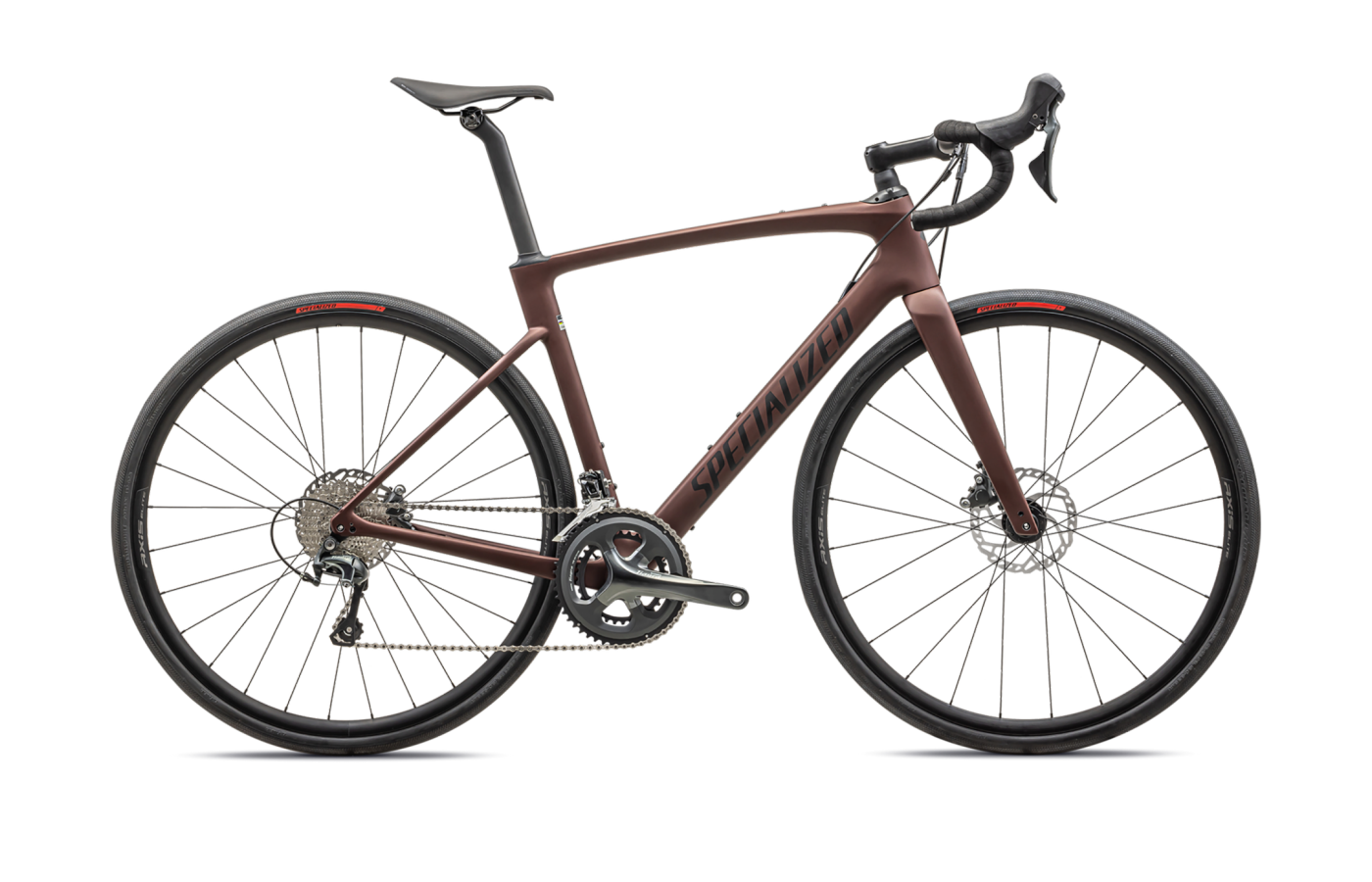
Roubaix
The Specialized Roubaix runs an active Future Shock damper in the headset — it's the right call if your roads are reliably broken or genuinely cobbled, and you want suspension you can feel rather than just compliance you can't.
Compare →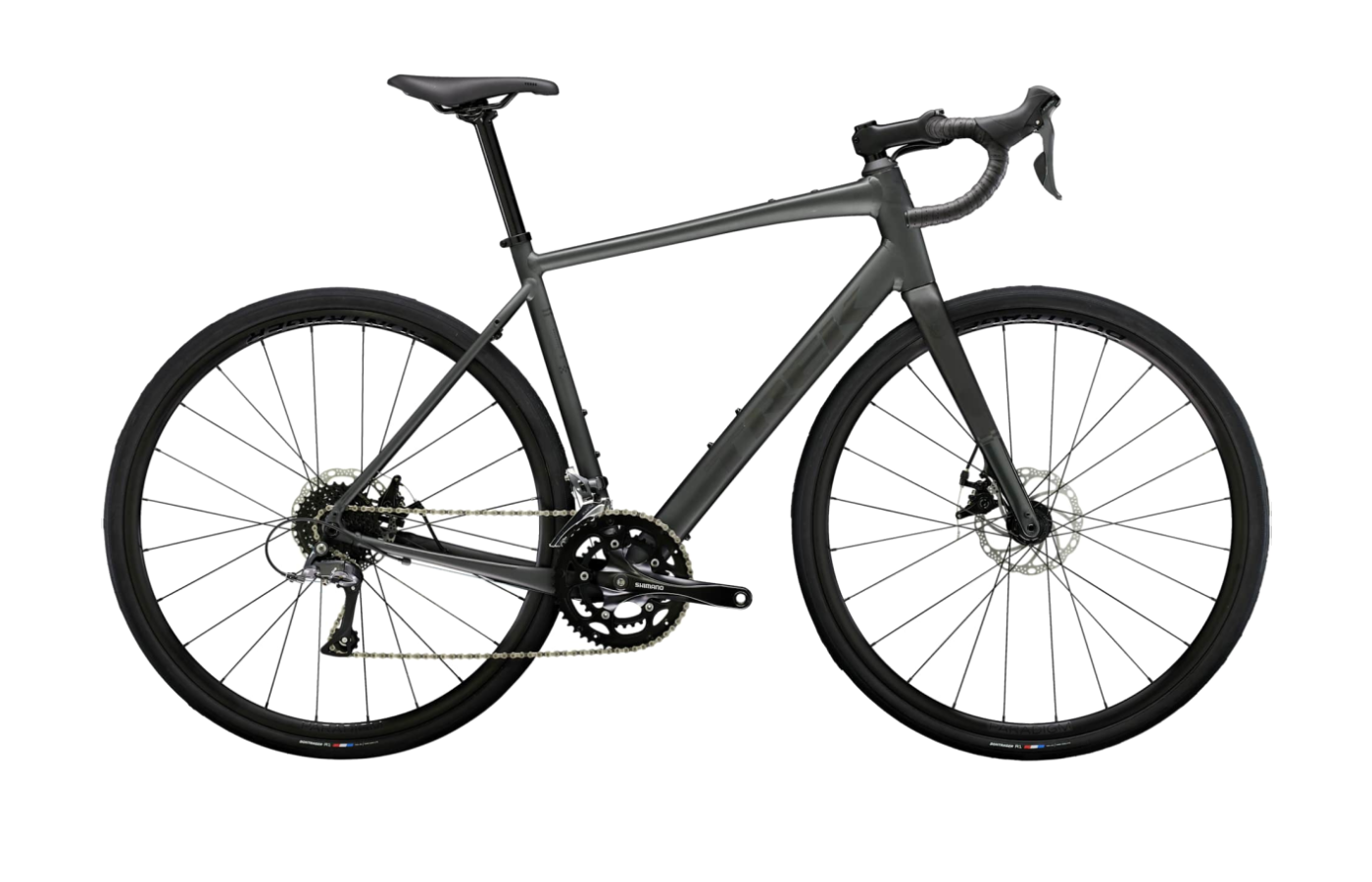
Domane
Trek's Domane shares the Krypton's combo of internal storage and big tire clearance, but trades a touch of weight for a more isolated, IsoSpeed-damped ride feel. The closer cross-shop to the Krypton in spirit.
Compare →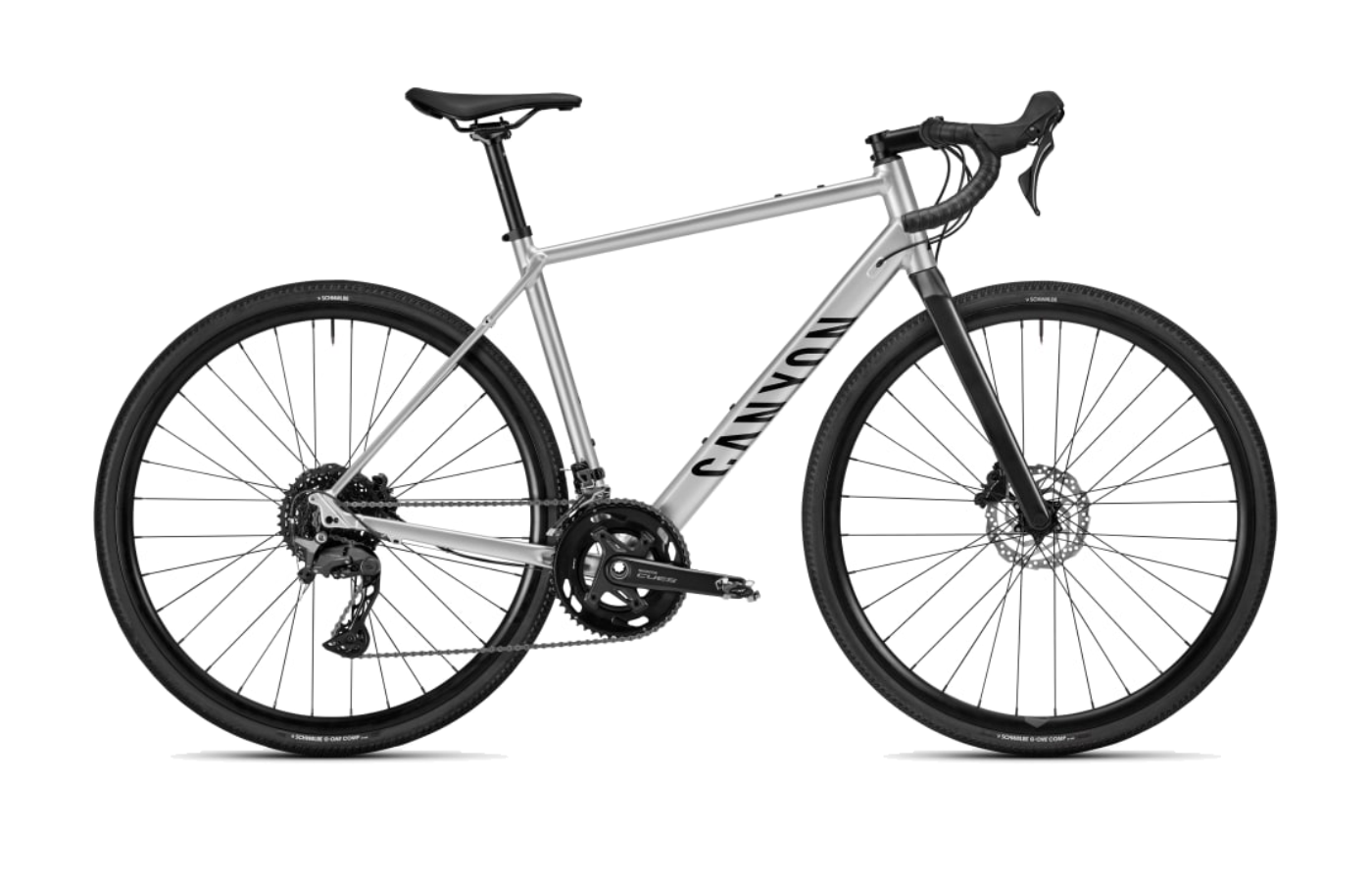
Endurace
Canyon's Endurace is the value end-around — direct-to-consumer pricing typically lands you better components for the dollar, at the cost of no local dealer and no integrated storage.
Compare →