CAAD Optimo
vsAllez
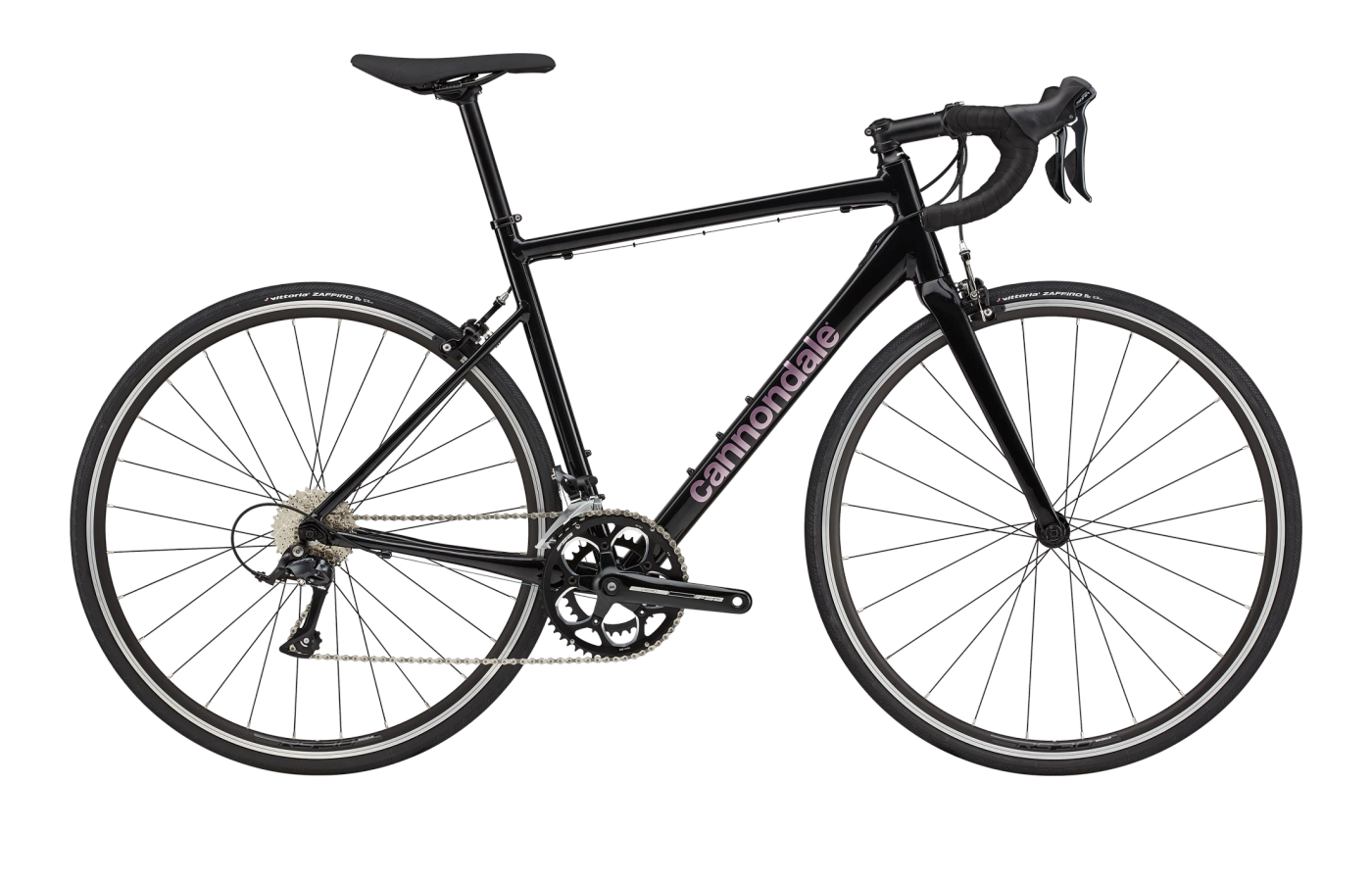
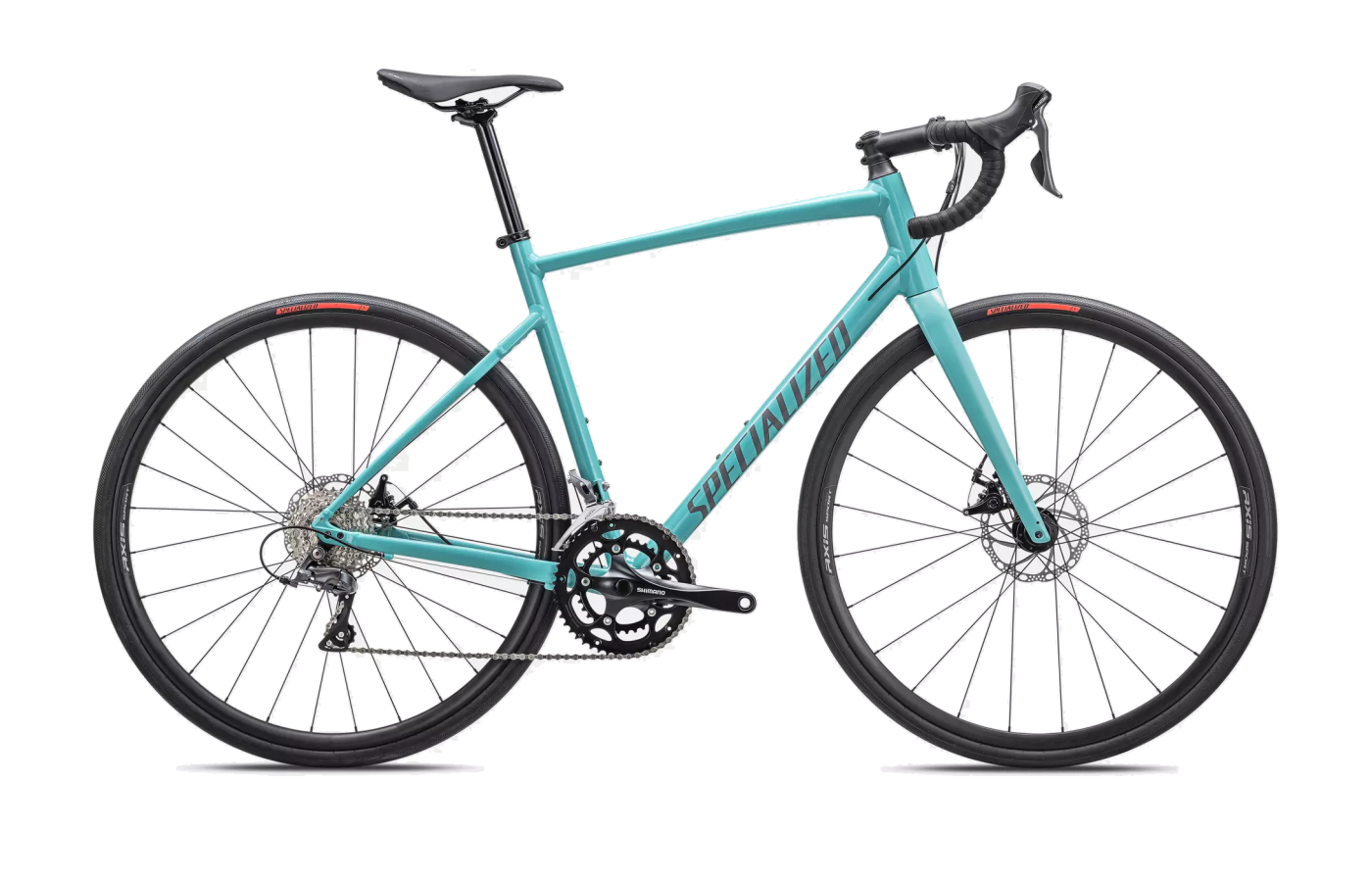
Two takes on the entry-level alloy road bike.
The CAAD Optimo is a rim-brake throwback with race-bred geometry. The new Allez is a disc-brake all-rounder built to commute, train, and dabble in light gravel.
CAAD Optimo
- Race-bred geometry — 72.6-degree head angle, 415 mm chainstays, and CAAD-13-derived numbers reward sharp inputs.
- Sharp, predictable handling — reviewers across BikeRadar, Frasspot, and Cycling Weekly call it 'pin-sharp' and 'fast-handling' for an entry-level alloy frame.
- Practical mounts retained — Cannondale didn't strip the rack and fender eyelets even on the racier-feeling frame.
- Rim brakes only — modulation and wet-weather power lag noticeably behind the Allez's discs.
- 30 mm tire clearance limits anything beyond clean tarmac.
Allez
- 35 mm tire clearance — enough headroom for chip-seal, hard-pack, and a true 32 mm with full mudguards on.
- Disc brakes across the lineup — hydraulic from the $1,799 Sport up; mechanical on the entry builds, but still discs.
- Endurance geometry — a taller stack and longer wheelbase that Specialized borrowed from the Roubaix; planted at speed and easy on the back.
- Stock Axis Sport wheels and Roadsport tires are the universally cited weak link — heavy and 'dead-feeling' until upgraded.
- Costs more than the Optimo at every comparable build tier above the entry build.
Editor’s analysis
Same price bracket, opposite philosophies — one is the last great rim-brake racer, the other is the platonic ideal of a do-everything daily driver.
On paper, the Cannondale CAAD Optimo and Specialized Allez look like direct rivals: both alloy frames, both carbon forks, both anchored under $2,000. Pull up the spec sheets and the gap is immediate. The CAAD Optimo is sold as a single $1,300 build with Shimano Sora 9-speed and rim brakes. The Allez spans six builds from $1,199 to $2,599 — every single one with disc brakes, every single one with mounts for a rack and full-length fenders.
Geometry tells the same story. The CAAD Optimo borrows its numbers from the racier CAAD 13 — 72.6-degree head angle, 384 mm reach, 555 mm stack at size 54, 415 mm chainstays. BikeRadar's Simon Withers called it 'marginally the racier of the two' next to the prior Allez, and that gap has only widened with the new Allez's pivot to Specialized's 'Endurance Road Geometry.' At a fit-picked size 52, the Allez sits 552 mm tall on 364 mm of reach with a 71-degree head tube and a 995 mm wheelbase — taller, shorter, slacker, and more planted at speed.
Tire clearance underlines the divide. The Optimo tops out at 30 mm, which keeps it on tarmac. The Allez clears 35 mm (32 mm with mudguards), which lets it dabble in hard-pack and chip-seal that would rattle the Cannondale loose. Brake choice is the other tectonic split — rim calipers on every Optimo, hydraulic or mechanical discs on every Allez. In wet weather and on long descents, that's not a small difference.
Put another way: the CAAD Optimo is the bike you buy when you want a sharp, traditional road racer and you'll only ride it on dry pavement. The Allez is the bike you buy when you want one bike to commute, train, ride a wet century on, and bolt fenders to in November.
Where the builds differ.
Comparing our editor's-pick builds side-by-side. Winners highlighted row-by-row — lower price and weight, and the better-spec component, each mark a point.
Build variants & pricing
The CAAD Optimo ships in a single $1,300 build. The Allez spans six variants from $1,199 to $2,599 — a much wider lineup at every step up.
We've matched the entry-level Allez ($1,199, Claris 8-speed mechanical disc) against the sole CAAD Optimo build ($1,300, Sora 9-speed rim) because they sit closest on price and both run lowest-tier Shimano mechanical drivetrains. There's no apples-to-apples on brakes — the Optimo is rim-only across the lineup, the Allez is disc-only. Step up to the $1,799 Sport and the Allez gains hydraulic Tiagra; nothing in the Optimo range matches that.
How they fit, how they steer.
The Optimo at 54 sits on a 555 mm stack and 384 mm reach; the Allez at 52 sits 3 mm shorter (552 mm) but 20 mm tighter on reach with a 1.6-degree slacker head tube. The Cannondale is the longer, racier fit; the Allez puts you noticeably more upright.
Which size should I buy?
Size labels differ across brands — pick by stack and reach, not the number on the seat tube. Both ranges cover small-to-XL but use different size grids.
→These are starting points. Flexibility, riding style, and preferred position all shift the answer — if you’re between sizes, a professional fit beats a chart.
What the magazines said.
Published reviews from trusted cycling outlets. Click through for the full write-up.
Which one should you buy?
If you want a sharp, traditional rim-brake road bike and ride only on dry tarmac, get the CAAD Optimo. If you want one bike to commute, train, and ride year-round, get the Allez.
CAAD Optimo
If you treat group rides like local crits, prefer the simplicity of rim calipers, and want race-bike geometry on a budget — this is one of the last bikes still built that way. Sharp handling and a frame that punches above its $1,300 price.
Allez
If you need one bike that commutes through traffic, trains through winter, and explores hard-pack on the weekend — the Allez was designed exactly for that life. Disc brakes, 35 mm tire clearance, and rack/fender mounts make it the smarter modern choice.
Questions buyers actually ask.
Short answers to the things we get emailed about most often.
01Which one has better brakes?
The Allez, by a wide margin. Every Allez build ships with disc brakes — mechanical Tektros on the $1,199 base and $1,599 CUES build, hydraulic Shimano on the $1,799 Sport and up. The CAAD Optimo runs Tektro rim calipers on its single build.
Reviewers describe Tektro's rim brakes as 'more than adequate' for dry-weather use, but they require noticeably more lever pressure than 105-equivalent calipers. In the wet, rim brakes lose a meaningful amount of stopping power until the pads clear water off the rim — discs don't have that problem.
02What's the maximum tire clearance on each?
Cannondale CAAD Optimo: 30 mm officially. The frame ships with 700x25c Vittoria Zaffiros; you can comfortably fit 28–30 mm.
Specialized Allez: 35 mm officially, or 32 mm with full-length mudguards. The Sprint Comp ships with 26 mm tires; most other builds come with 30 mm Roadsports stock.
If you ever want to ride chip-seal, hard-pack, or rough back roads, the Allez is the only option here.
03Which is a better climber?
Neither is light by modern carbon standards. BikeRadar measured a 105-equipped CAAD Optimo 1 at around 9.06 kg, and Specialized claims roughly 9.04 kg for the Allez Sport — effectively a wash.
In practice, the Optimo's racier geometry and slightly stiffer frame favor out-of-saddle attacks, while the Allez's lower stock gearing on the Tiagra and CUES builds gives an easier bailout for sustained climbs. On either, the stock wheels and tires are the first thing to upgrade if you live in the hills.
04Are these bikes upgrade-friendly?
Both are designed around standard, non-proprietary parts — round seatposts, threaded bottom brackets, two-piece cockpits, and external cable routing at the bars. That makes upgrades cheap and easy on either platform.
The consensus 'first upgrade' on the Allez is the wheels and tires — reviewers across BikeRadar, Bicycling, and Escape Collective say swapping out the Axis Sport wheels and Roadsport tires unlocks a different bike entirely. The CAAD Optimo benefits from the same swap; its stock RS 3.0 wheels and Vittoria Zaffiros are similarly basic.
05Can I commute on either of these?
Both have rack and fender mounts on the frame. The Allez is the more committed commuter: hydraulic discs on the Sport build and up handle wet weather without drama, the 35 mm tire clearance lets you fit grippy commuter rubber, and the geometry is comfortable for an upright daily ride.
The CAAD Optimo can commute, but the rim brakes on wet rims and the narrower 30 mm tire clearance make it a less obvious choice if you ride year-round in a rainy climate.
06Why is the Allez available in six builds and the Cannondale in only one?
Cannondale positions the CAAD Optimo as a single, focused entry-level offering and steers riders toward the carbon CAAD13 if they want more spec range. Specialized treats the Allez as its full entry-level platform and stratifies it from $1,199 (Claris) all the way to $2,599 (Shimano 105 12-speed mechanical on the Sprint Comp).
If you want choice without leaving the platform, the Allez wins on lineup depth alone.
07Which fits a more aggressive riding position?
The CAAD Optimo. At a fit-picked size 54 it has a 555 mm stack and 384 mm reach with a 72.6-degree head tube — classic race geometry. Frasspot describes it as 'low and long,' borrowing cues from the racier CAAD 13.
The Allez at size 52 (552 mm stack, 364 mm reach, 71-degree HTA) puts you noticeably more upright, with a 995 mm wheelbase versus the Optimo's 994 mm. If you want the slammed-stem race look, the Optimo gets you there with less work.
08Which one will hold up better long-term?
Both use threaded bottom brackets — the CAAD Optimo runs an FSA Mega Exo (a deliberate move away from the BB30 that older Cannondale fans complained about), and the Allez uses a standard BSA shell. Both are easy for any shop or home mechanic to service.
Frame durability is a wash; both brands have decades of alloy build experience. The Allez's externally-routed cockpit is slightly cheaper to service than fully integrated systems — Bicycling cited a $25 cable replacement vs. $200 on integrated bikes.
Similar bikes
If your priorities don’t map cleanly onto either of these, one of these adjacent bikes probably fits better.
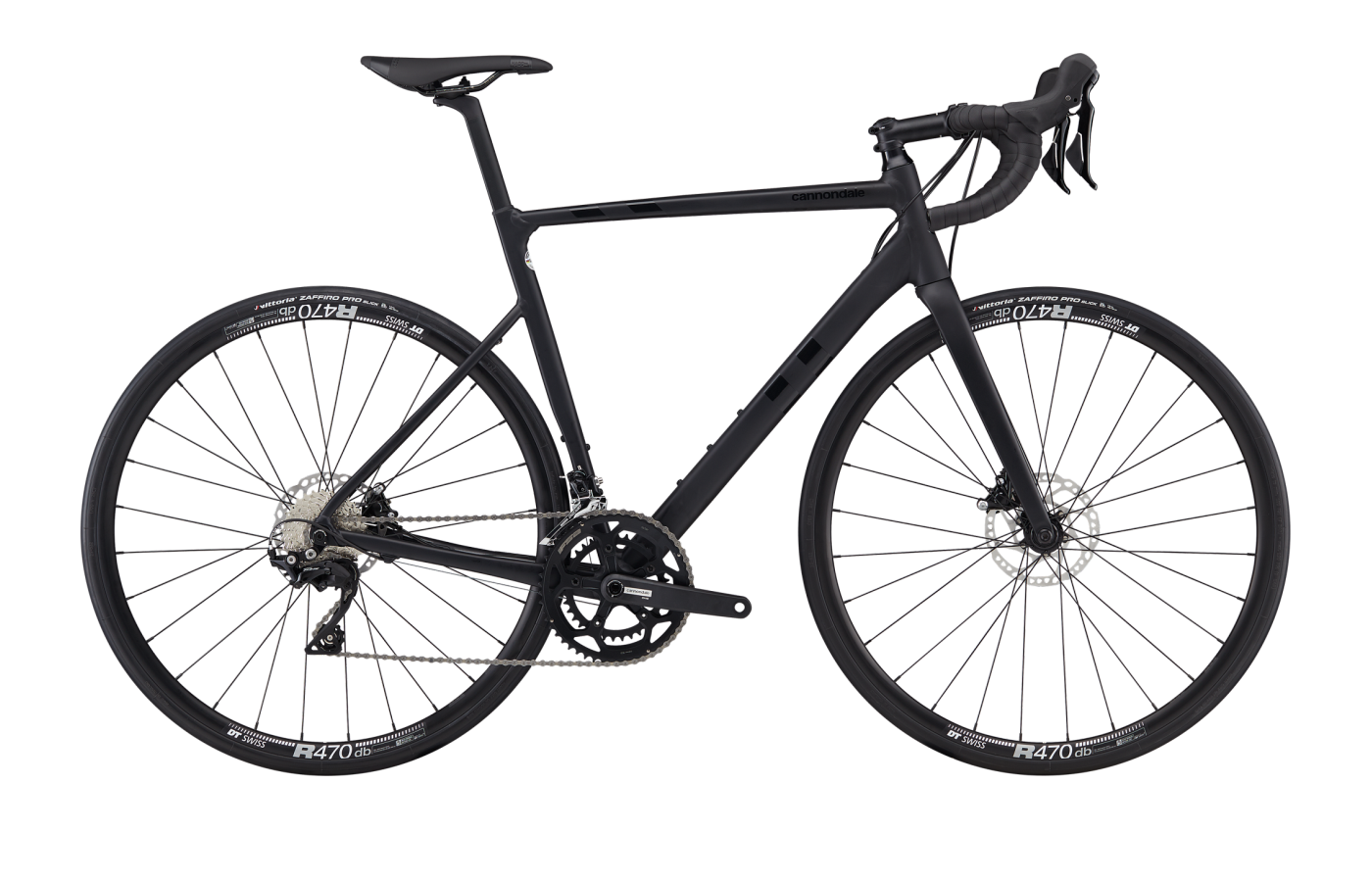
CAAD13
The natural step up from the CAAD Optimo — a more refined disc-brake alloy frame with aero-shaped tubes that keeps the sharp handling but adds modern brakes and tire clearance. If you love the Optimo's geometry and just want a better bike, this is it.
Compare →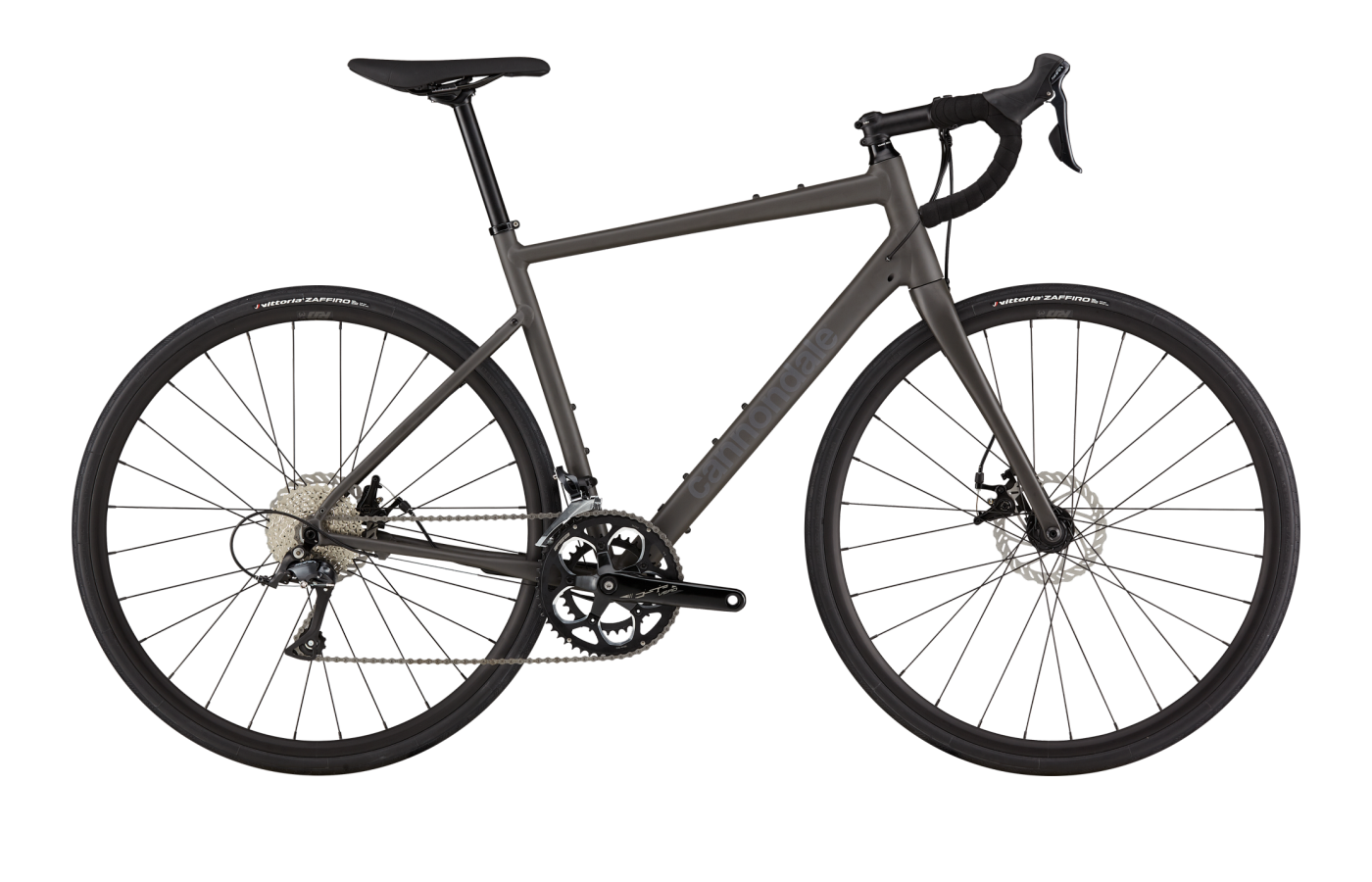
Synapse
A closer rival to the new Allez than the Optimo is — same endurance-focused fit, same 35 mm tire clearance, same year-round all-rounder pitch, but with Cannondale's compliance-focused frame design instead of Specialized's E5 alloy.
Compare →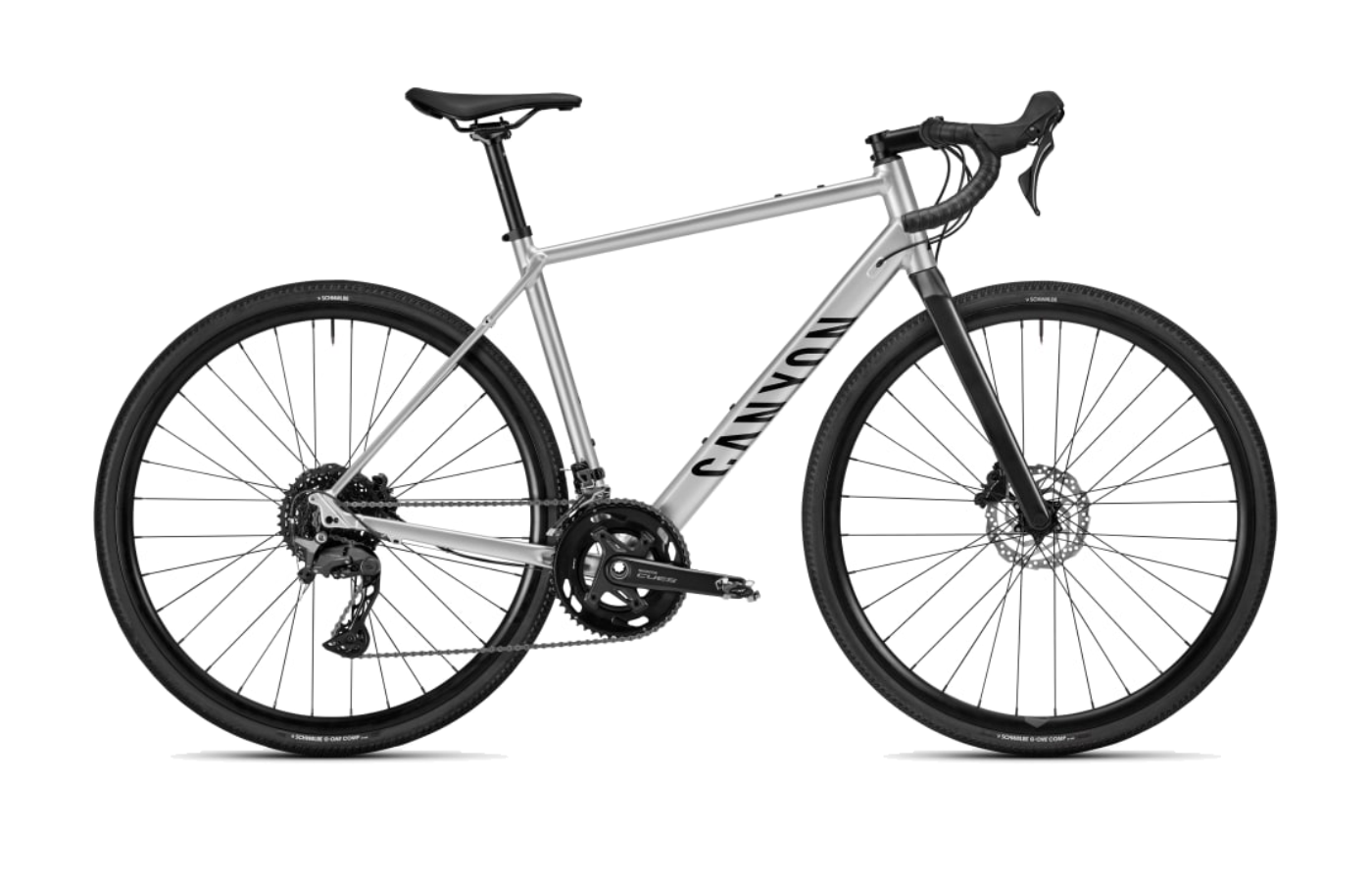
Endurace
Often beats both bikes on price-per-spec if you're comfortable buying direct-to-consumer. The Endurace runs disc brakes across every build and routinely shows up with 105 hydraulic at prices that undercut a comparable Allez or CAAD.
Compare →