Habit
vsHabit LT
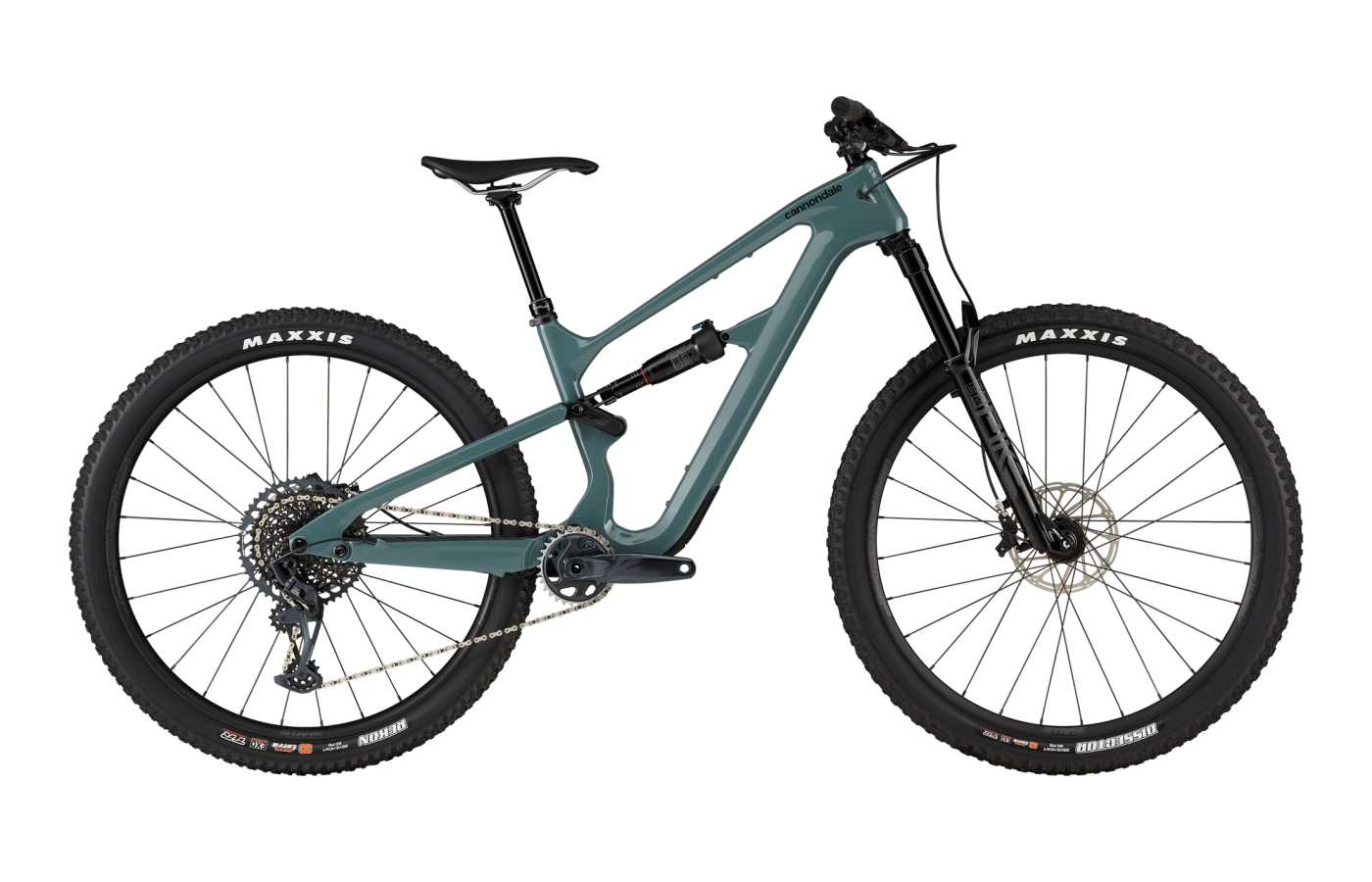

One frame, two personalities.
The Habit is the 130/140 mm trail all-rounder. The LT bumps to 140/150 mm and a piggyback shock — same chassis, more bite when terrain gets ugly.
Habit
- Lighter and peppier — BikeRadar called the Habit "quick to pick up speed," and the 130 mm rear feels lively under power.
- Wider build range — starts at $1,599 with the alloy Habit 26 and scales to a $6,799 X0 AXS LTD; six builds vs. three on the LT.
- More efficient on long miles — shorter travel and faster-rolling Maxxis Rekon rear tire carry speed cheaply on rolling terrain.
- Steeper 65.5-degree HTA gets nervous on properly steep, chunky descents.
- Stock fork on cheaper builds (Recon RL on the Habit 4) lacks damping finesse — reviewers flag it as the first upgrade.
Habit LT
- Slacker, more composed — 64.7-degree HTA and 140/150 mm travel handle steep, rough descents the standard Habit gets pinged on.
- Burlier rubber stock — Maxxis Minion DHF up front and Dissector in the rear, both EXO+ casing on the carbon builds.
- Still climbs well — same 77.1-degree effective seat tube angle keeps the rider centred; multiple reviewers note minimal pedal bob despite the longer travel.
- Only three builds, and the cheapest entry is $2,399 — no sub-$2k option like the Habit 26.
- Roughly 1 kg heavier than the equivalent Habit build, and the Lyrik Base damper on the LT 2 gets harsh on repeated hits.
Editor’s analysis
This isn't really a travel debate — it's a question of what kind of fun you want, fast and floaty or slack and rowdy.
Cannondale built the Habit and Habit LT around the same Proportional Response chassis, which means same kinematics-per-size logic, same threaded BSA, same UDH, same 55 mm chainline. The differences live entirely in shock stroke, fork travel, and head-tube angle — but those three knobs are enough to send the two bikes in noticeably different directions on the trail.
The Cannondale Habit runs 130 mm rear / 140 mm front and a 65.5-degree head tube angle. It's the lighter, peppier of the two — Tom Marvin at BikeRadar called the regular Habit "agile and fun," "quick to pick up speed," and most reviewers land on words like "floaty" and "flicky." Climbing position is upright and efficient, the Maxxis Rekon rear tire rolls fast, and the bike rewards riders who want one mid-travel ripper for forest loops, flow trails, and the occasional bike-park lap.
The Cannondale Habit LT slackens the head tube to 64.7 degrees, raises stack 3 mm at size MD, and drops in a Lyrik fork plus a piggyback Super Deluxe with a longer stroke for 140/150 mm. It also runs grippier Maxxis Minion DHF/Dissector rubber. MBR called it "lightweight, lively and nimble — a proper trail bike, not an overbuilt enduro rig," and that's exactly the pitch: the LT keeps the Habit's poppy character while picking up real composure on chunk. Tradeoff is roughly a kilo of extra weight depending on build and a slight drag penalty on long fire-road grinds.
Put another way: the Habit is the bike you buy for a 20-mile mixed-terrain forest loop. The LT is the bike you buy when your local trail centre has rock rolls and drops to flat and you want one bike that pedals back to the trailhead without complaint.
Where the builds differ.
Comparing our editor's-pick builds side-by-side. Winners highlighted row-by-row — lower price and weight, and the better-spec component, each mark a point.
Build variants & pricing
Habit spans $1,599 – $6,799 across six builds; the LT runs $2,399 – $5,799 across three. Editor's picks here are the matched-spec carbon mid-tier on each side.
Prices are current US MSRP. Both editor's picks are full-carbon frames running SRAM GX Eagle mechanical at the same $3,399 — the LT spends its budget on a Lyrik fork and Super Deluxe piggyback shock, the Habit spends it on a lighter Pike + inline Deluxe combo. That's the trade in component form.
How they fit, how they steer.
Both at size MD. The LT slackens the head tube nearly a full degree (64.7 vs 65.5) and raises stack 3 mm; reach is 5 mm shorter (450 vs 455), trail 3 mm longer, and the seat tube angle goes from 71 to a much steeper 77.1 — the LT is the modern climbing position.
Which size should I buy?
Size recommendations based on stack, reach, and effective top tube. The two bikes share size labels (XS through XL) and overlap closely in the middle of the range.
→These are starting points. Flexibility, riding style, and preferred position all shift the answer — if you’re between sizes, a professional fit beats a chart.
What the magazines said.
Published reviews from trusted cycling outlets. Click through for the full write-up.
Which one should you buy?
If you want one efficient mid-travel trail bike for everything from forest loops to occasional drops, get the Habit. If your trails have real chunk and you'd rather session jumps than chase Strava, get the LT.
Habit
If your week is mostly rolling singletrack, forest loops, and the occasional bike-park lap — and you want a bike that climbs efficiently and gets airborne when asked — the Habit is the sharper tool. Lighter, cheaper at the entry tier, and built for distance.
Habit LT
If your local trails have rock rolls, drops to flat, and chunky descents — and you want one bike that handles them without giving up the climb back — the LT is the right call. Slacker, taller, with a piggyback shock and grippier rubber stock.
Questions buyers actually ask.
Short answers to the things we get emailed about most often.
01How much travel does each one have?
Cannondale Habit: 130 mm rear / 140 mm front.
Cannondale Habit LT: 140 mm rear / 150 mm front.
The LT gets there with a longer-stroke piggyback Super Deluxe shock and a Lyrik fork in place of the Habit's Pike. Frame is otherwise identical — same Proportional Response chassis, same UDH, same threaded BSA bottom bracket.
02Which one climbs better?
The Habit, but the gap is smaller than the travel numbers suggest. Both run the same 77.1-degree effective seat tube angle and Cannondale's anti-squat tune is firm, so neither bobs much under power. The Habit wins on pure efficiency because it's a kilo or so lighter and runs a faster-rolling Maxxis Rekon rear tire. The LT gives up a bit of pace on long fire-road climbs but stays composed on technical, square-edged climbs where the extra travel and grippier Dissector rear actually help.
03Which is better for descending steep, technical trails?
The Habit LT, clearly. The 64.7-degree head tube angle (vs 65.5 on the Habit) and the longer 150 mm Lyrik fork give it noticeably more composure on steep, chunky descents. Reviewers consistently call out that the standard Habit can feel "out of shape on rougher terrain" (BikeRadar), where the LT "handles big impacts with a progressive ramp-up that avoids harsh bottom-outs." If your normal ride includes sustained steeps or rock gardens, the LT is the safer call.
04What's the editor's pick on each side, and why?
Habit Carbon 1 ($3,399) and Habit Carbon LT 1 ($3,399). Same price, same SRAM GX Eagle mechanical drivetrain, same full-carbon frame, both Maxxis 3C EXO casing rubber. That's the cleanest apples-to-apples comparison Cannondale's lineup offers — the LT's extra cost goes entirely into the suspension package (Lyrik Select+ + Super Deluxe Select+ piggyback) rather than into the rest of the build.
05Can I run a coil shock on either of these?
Both frames technically accept a metric trunnion coil, but neither is engineered around one — the kinematics are tuned for an air shock, particularly the LT's Super Deluxe piggyback. Most owners stick with air. If you really want a coil feel, the LT chassis is the more sensible base because it's already designed around the longer-stroke piggyback layout.
06What's the maximum tire clearance?
Cannondale lists up to 61 mm of clearance on both frames (S–XL run 29 x 2.4"; XS runs 27.5 x 2.4"). The 55 mm chainline gives both bikes flexibility to run larger rubber without rubbing. Stock tires on the Habit are 2.4" Maxxis Dissector / Rekon; the LT runs a 2.5" Minion DHF up front.
07Are the geometry numbers really that different?
At size MD: Habit 632 stack, 455 reach, 65.5 HTA, 435 chainstays, 1200 wheelbase, 71 seat tube angle. Habit LT 635 stack, 450 reach, 64.7 HTA, 435 chainstays, 1204 wheelbase, 77.1 seat tube angle.
The big visible deltas are the 0.8-degree slacker head angle on the LT and the much steeper effective seat tube angle. The seat tube number jump (71 to 77.1) reflects how the size-specific Proportional Response geometry rotates the rider forward over the cranks on the LT — important for keeping the front wheel planted on steep climbs once you've slackened the front end.
08What warranty do they come with?
Both Habit and Habit LT carbon and alloy frames come with Cannondale's lifetime frame warranty to the original owner against manufacturing defects. Bike-test specifically called out the long warranty as a buying-confidence factor on the Carbon LT 1. Crash-replacement pricing is available through Cannondale dealers.
Similar bikes
If your priorities don’t map cleanly onto either of these, one of these adjacent bikes probably fits better.
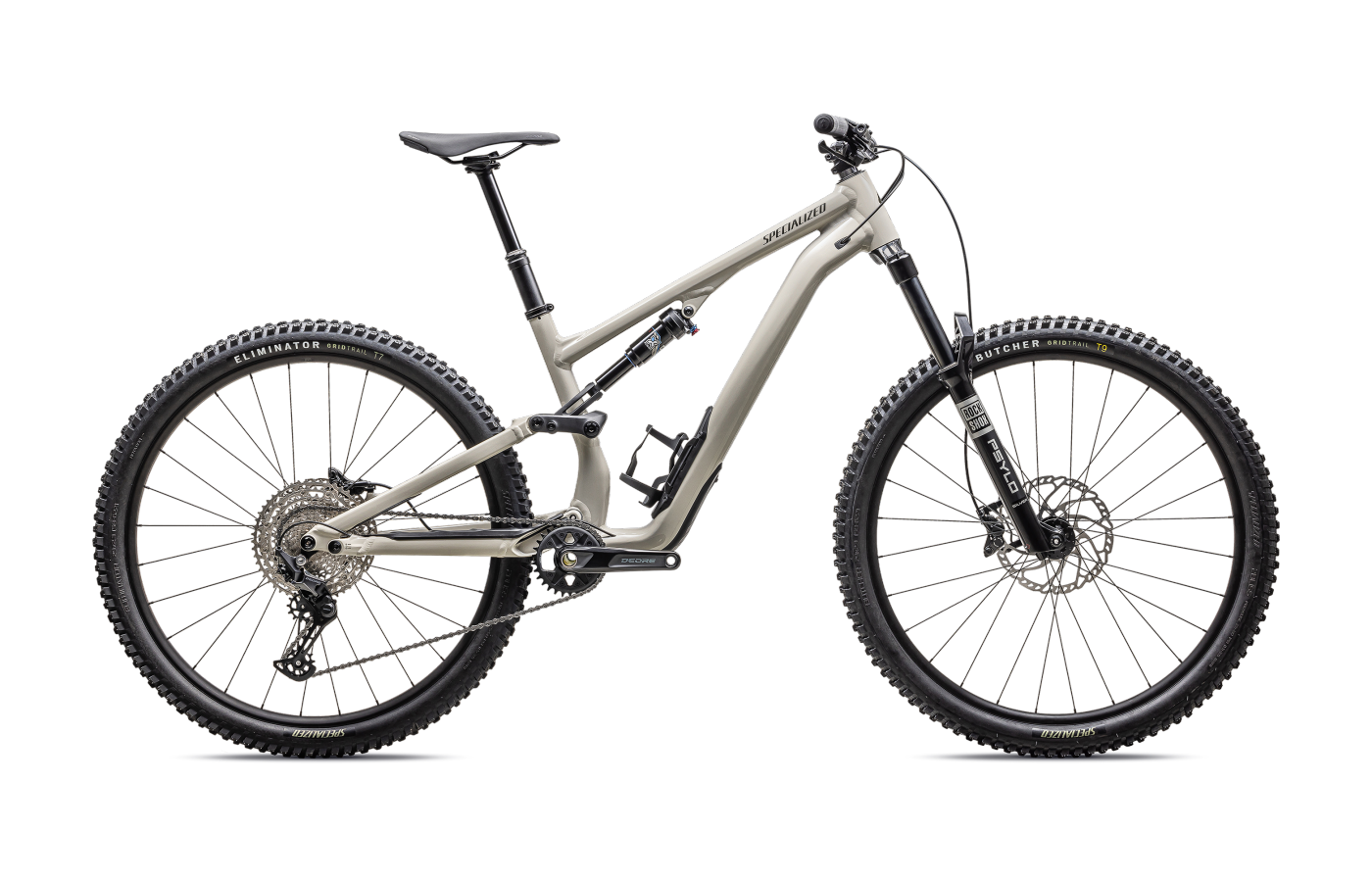
Stumpjumper
The benchmark mid-travel trail bike. Same 130 mm-ish travel bracket as the standard Habit, with the SWAT downtube storage door and a more refined chassis — but you pay for the polish.
Compare →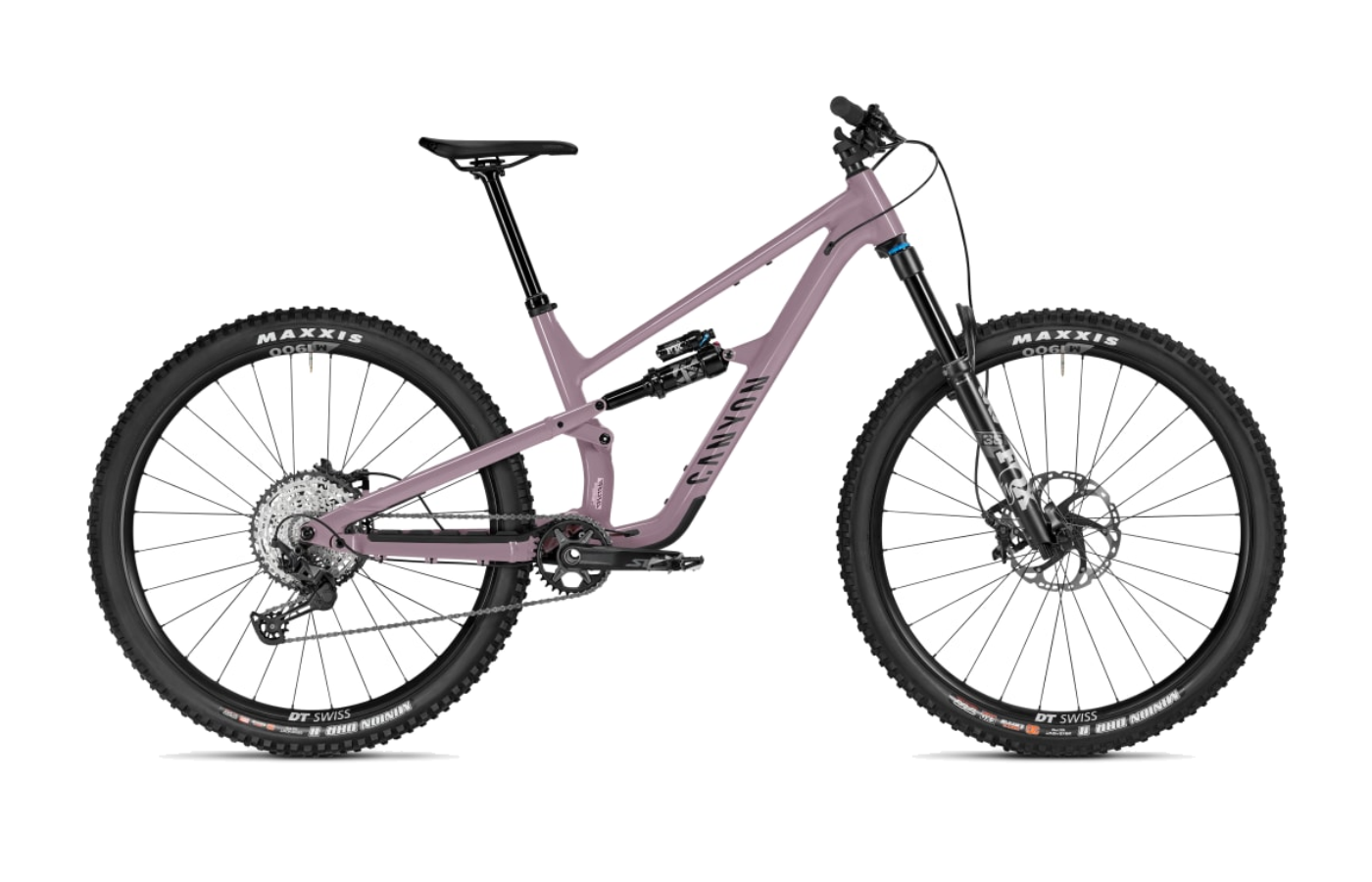
Spectral
Direct-to-consumer answer to the Habit LT — similar 150 mm travel, similar carbon-frame quality, often with Ultimate-level suspension at the same price. Catch is no local dealer support.
Compare →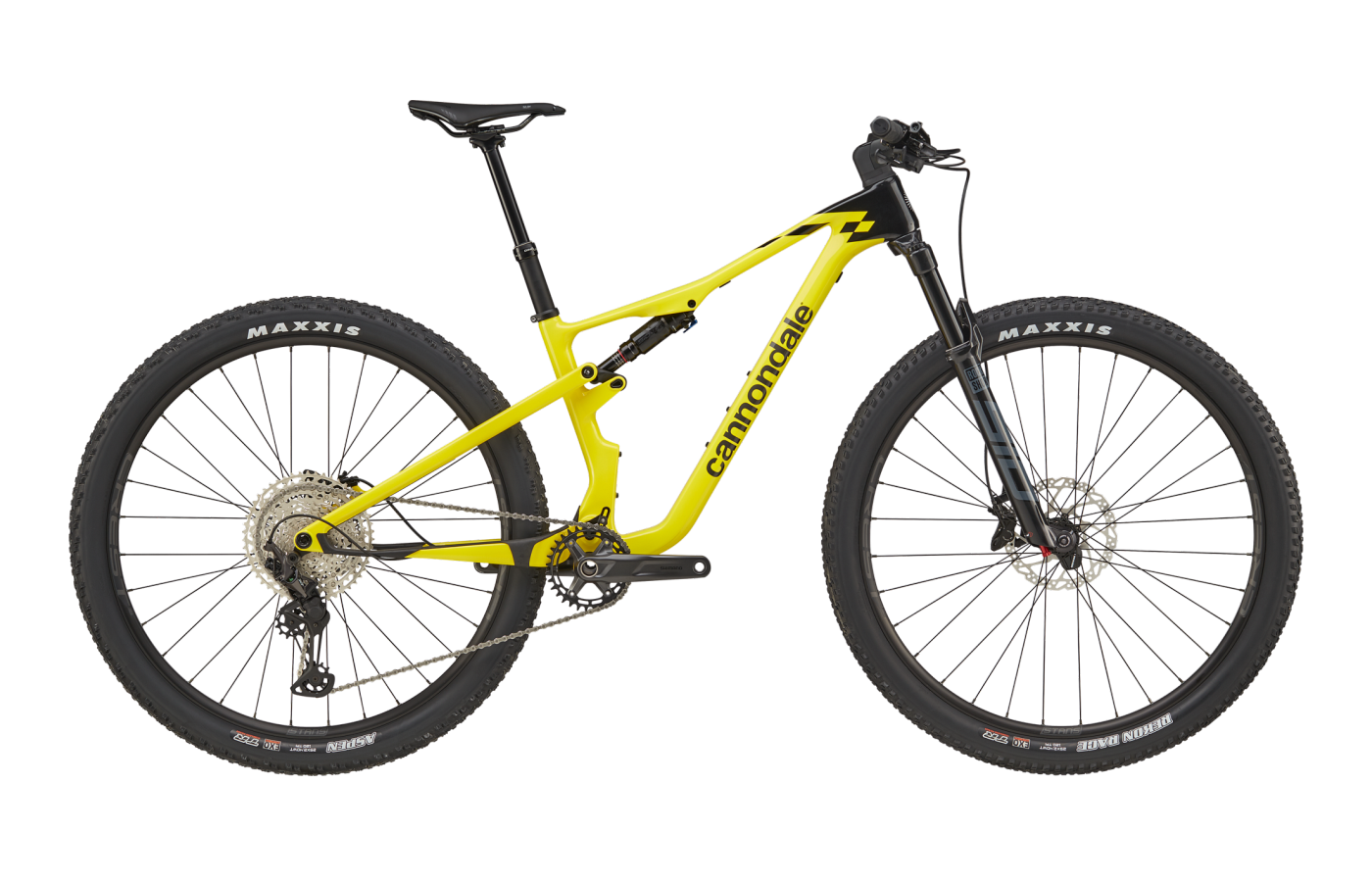
Scalpel
If the regular Habit feels too playful and not focused enough on speed, Cannondale's own Scalpel is the dedicated XC race bike — sharper, lighter, and built to climb with urgency.
Compare →