Habit
vsScalpel
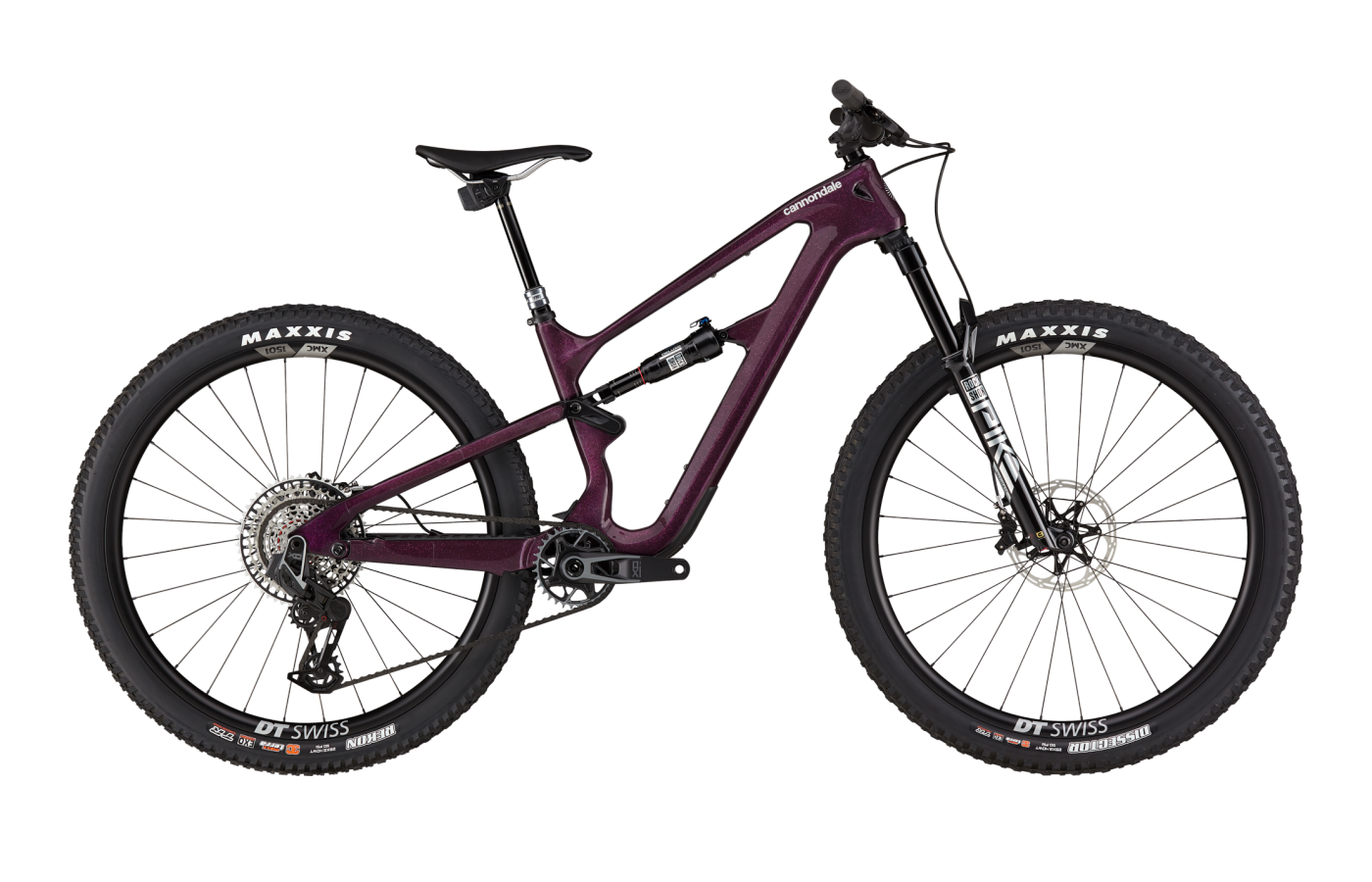
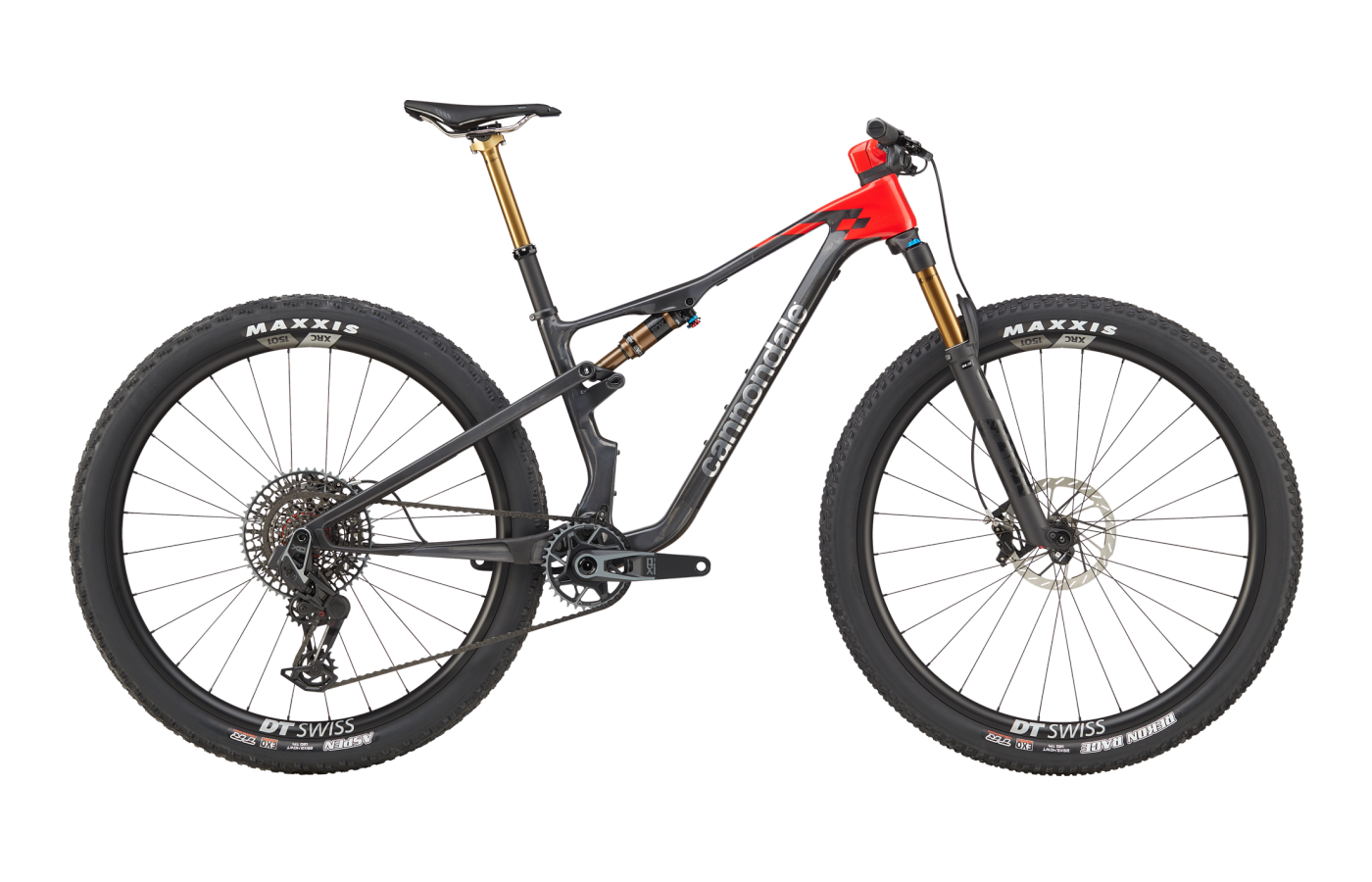
Same brand, two very different mountains.
The Habit is Cannondale's 130 mm Horst-link trail bike. The Scalpel is its 120 mm FlexPivot XC racer — longer, slacker, and a lot lighter.
Habit
- Budget entry point at $1,599 — the Habit 26 gets you on a full-suspension Cannondale trail bike for less than half the Scalpel's floor.
- More travel, tougher intent — 130 mm rear / 140 mm front with a true Horst-link four-bar made for repeated trail hits.
- Simpler service — standard cable ports at the headtube, no through-headset routing to fight with.
- Heavier chassis — the Carbon 1 weighs ~29.5 lb, several pounds over a Scalpel 2.
- Entry builds lag the frame; testers flagged the Recon RL fork and DB8 brakes on the Habit 4 as the first upgrades.
Scalpel
- XC-weapon efficiency — FlexPivot suspension and a 75.5-degree seat tube make it a 'rocket ship' on climbs.
- Race-proven descending — 66.6-degree HTA, size-specific chainstays, and a low BB make the Scalpel unusually capable for a 120 mm XC bike.
- World Cup pedigree — Alan Hatherly took the 2024 XCO world title and an Olympic bronze aboard it.
- Price floor more than 2x the Habit — no sub-$3k option exists.
- Through-headset cable routing on every build — Cannondale itself recommends bearing inspection every six months.
Editor’s analysis
One is built to stop at the jumps on the way down. The other is built to drop the group on the way up.
On paper, the gap between the Cannondale Habit and Cannondale Scalpel is only 10 mm of rear travel. On the trail, it's a different sport. The Habit runs 130 mm rear / 140 mm front with a true Horst-link four-bar, rolls on 2.4" Maxxis Dissector/Rekon rubber, and puts the rider in a modern trail stance — 65.5-degree head angle, 455 mm reach in size MD. The Scalpel runs 120 mm front and rear with Cannondale's FlexPivot carbon-flex chainstays, ships on faster-rolling Rekon Race/Aspen WT tires, and sits a full degree steeper at 66.6 degrees with a 450 mm reach in M. Reviewers across Pinkbike, BikeRadar, and Blister call the Scalpel a 'rocket ship' on climbs and a 'mini trail bike' on descents — but the Habit is still the one built to take repeated hits.
The Habit is the more forgiving platform top to bottom. A slacker 65.5-degree head angle plus a longer 1,200 mm wheelbase (size MD) and 127 mm of trail give it the kind of high-speed composure the Scalpel gives up for steering quickness. It's also the budget-friendlier lineup by a wide margin: the Habit 26 starts at $1,599 and the alloy Habit 4 lands at $2,300, while the cheapest Scalpel — a carbon Scalpel 4 with a Shimano Deore drivetrain and a RockShox SID — is $3,349. If you want a real trail bike under $3k, the Habit is the only one of the two that has you covered.
The Scalpel repays every gram. Reviewers consistently clock the Scalpel 2 at 25.6 lb (Blister) and the Scalpel 1 Lefty at 11.6 kg (BikeRadar) — well under the Habit's ~29.5-lb Carbon 1 measurement in the same size. The FlexPivot rear end, tuned to roughly 100% anti-squat near sag, pedals hard enough that multiple reviewers never bothered with the lockout. Add the Proportional Response kinematics (size-specific tuning and chainstay lengths from 434 to 446 mm) and you get a bike that accelerates out of corners and holds speed on rolling terrain in a way the Habit simply can't match.
Put another way: buy the Habit if your rides end at the parking lot beer cooler, and buy the Scalpel if they end at a results sheet. The Habit is also the answer when your 'trail network' has a 5-foot rock drop in it — the same drop that snapped the seat tube on one Scalpel tester at Theloamwolf. Both share threaded BSA bottom brackets and UDH hangers, so long-term parts availability is a wash. The Scalpel's one real pain point is the through-headset cable routing on every build, which reviewers uniformly call a mechanic's headache. The Habit avoids that entirely.
Where the builds differ.
Comparing our editor's-pick builds side-by-side. Winners highlighted row-by-row — lower price and weight, and the better-spec component, each mark a point.
Build variants & pricing
The Habit spans ~$5.2k from alloy entry to carbon flagship. The Scalpel skips the cheap end entirely — it's carbon-only, and it starts at $3,349.
Prices are current US MSRP. Cannondale does not offer an electronic drivetrain on the Habit below the LTD, so we match flagship-to-flagship for a true apples-to-apples spec comparison — both editor's picks run SRAM XO AXS T-Type, full-carbon frames, and DT Swiss 1501 carbon wheels.
How they fit, how they steer.
Habit MD vs Scalpel M — the fit-picked sizes for a 5'8" rider on each bike. The Habit is 1.1 degrees slacker (65.5 vs 66.6), 5 mm longer at the reach (455 vs 450 mm), and carries 15 mm more trail (127 vs 112) — more composure, less bite. The Scalpel sits 35 mm lower at the stack and runs a 4.5-degree steeper seat tube for a more forward climbing posture.
Which size should I buy?
Size recommendations are based on stack, reach, and effective top tube. The Habit's range runs XS–XL; the Scalpel drops the XS and spans S–XL.
→These are starting points. Flexibility, riding style, and preferred position all shift the answer — if you’re between sizes, a professional fit beats a chart.
What the magazines said.
Published reviews from trusted cycling outlets. Click through for the full write-up.
Which one should you buy?
If you ride trails for fun, get the Habit. If you ride to hit a lap time, get the Scalpel.
Habit
If your rides are about cornering, jumping, and the occasional 'hold my beer' line, the Habit is the better tool. More travel, slacker angles, and a full $1,000+ cheaper entry point give it a broader appeal for riders who care about the descent as much as the climb.
Scalpel
If your calendar has start lines on it and your training app logs Strava segments by the hour, the Scalpel is the faster platform — up, down, and across. Exceptional pedaling efficiency, a surprisingly capable descent character, and a frame that's taken an Olympic medal in the last 12 months.
Questions buyers actually ask.
Short answers to the things we get emailed about most often.
01Which one climbs better?
The Scalpel, decisively. It's roughly 4 lb lighter in comparable builds (Blister measured the Scalpel 2 at 25.6 lb versus a Carbon 1 Habit in the ~29.5-lb range), runs a 75.5-degree seat tube vs the Habit's 71–73 degrees across sizes, and the FlexPivot rear end has enough anti-squat near sag that most testers rode it with the shock wide open even on long fire-road climbs.
The Habit isn't a bad climber — the updated seat tube angle keeps you over the pedals — but the math of travel, weight, and tires means the Scalpel will drop it on every sustained ascent.
02Which one descends better?
The Habit — though the gap is smaller than you'd expect. The Habit has 10 mm more travel at both ends, a 1.1-degree slacker head tube (65.5 vs 66.6), and grippier 2.4" Maxxis Dissector/Rekon tires rather than the Scalpel's fast-rolling Rekon Race/Aspen WT.
That said, reviewers across Pinkbike, BikeRadar, and Blister are unanimous that the new Scalpel descends better than any XC bike has a right to — 'a mini trail bike at times,' per one review. For the chunkier end of things — bigger rock gardens, steeper drops, repeat laps at the bike park — the Habit is still the right call.
03Does the Scalpel really need that much travel for XC?
Depends on the course. The move to 120 mm front and rear — up from 100 mm on the previous Scalpel — tracks the modern XCO trend toward rockier, more technical courses. Alan Hatherly won the 2024 World Championship and Olympic bronze on the 120 mm platform, so it's plenty fast at the pointy end.
For smoother, old-school XC loops where every gram of rolling resistance matters, a 100 mm hardtail or flex-stay is still faster. The Scalpel's target rider is the XC racer who wants to stop losing time on descents — not a pure cardio bike.
04What's the deal with the Scalpel's cable routing?
Cannondale routes the brake hose, dropper cable, and rear derailleur housing through the headset on every Scalpel build, and through the integrated handlebar on the higher-end ones. Reviewers at Bicycling called it 'a pointless and annoying feature'; Bike Magazine and Escape Collective were similarly unimpressed.
The practical cost: Cannondale recommends professional headset bearing inspection every six months, and any stem/bar change on the higher builds becomes a multi-hour job. The Habit uses standard cable ports at the headtube — no such complication.
05Which frames share carbon platforms?
The Scalpel is carbon-only across the range — Scalpel 1, 2, 3, and 4 all share the same Series 1 carbon frame (the Lab71 flagship, a separate SKU not in this lineup, uses the lighter Series 0). That means you can buy a Scalpel 4 at $3,349 and upgrade components over time to approach the Scalpel 1's spec.
The Habit splits three ways: the LTD, Carbon 1, and Carbon 2 use the Full Carbon frame; the 3 and 4 use SmartForm C1 alloy; and the Habit 26 runs a different SmartForm C3 alloy frame with 120 mm of travel and 26" wheels aimed at smaller riders.
06Can I use either bike for bikepacking or long backcountry rides?
Both fit two water bottles in the main triangle, and both have 130 or 120 mm of plush travel — so either works. The Scalpel is lighter and more efficient over long distances, which testers explicitly called out as appealing to 'mile-munching trail riders.'
The Habit is the better choice if the route includes hike-a-bike or rough doubletrack — its tougher tires and more forgiving geometry are worth the weight penalty on remote terrain.
07Will either take a coil shock or beefier fork?
Neither is designed for it. The Habit's Horst-link kinematics are tuned around air shocks and a 140 mm fork; the longer-travel 'LT' variant at 140/150 mm is about as far as Cannondale pushes that platform.
The Scalpel is explicitly engineered as a 120 mm race bike. The documented frame failure at Theloamwolf came from a rider landing a 5-foot drop — 'much larger than the remit of a bike in the Scalpel's category.' Swapping in a longer fork or coil shock takes either platform out of its design envelope and almost certainly out of warranty.
08What warranty do they come with?
Both frames carry Cannondale's lifetime frame warranty to the original owner against manufacturing defects. Cannondale also offers crash-replacement pricing on damaged frames. Both are built around UDH hangers and threaded BSA bottom brackets — a big improvement over the older proprietary standards on previous Scalpel generations.
Similar bikes
If your priorities don’t map cleanly onto either of these, one of these adjacent bikes probably fits better.
Epic
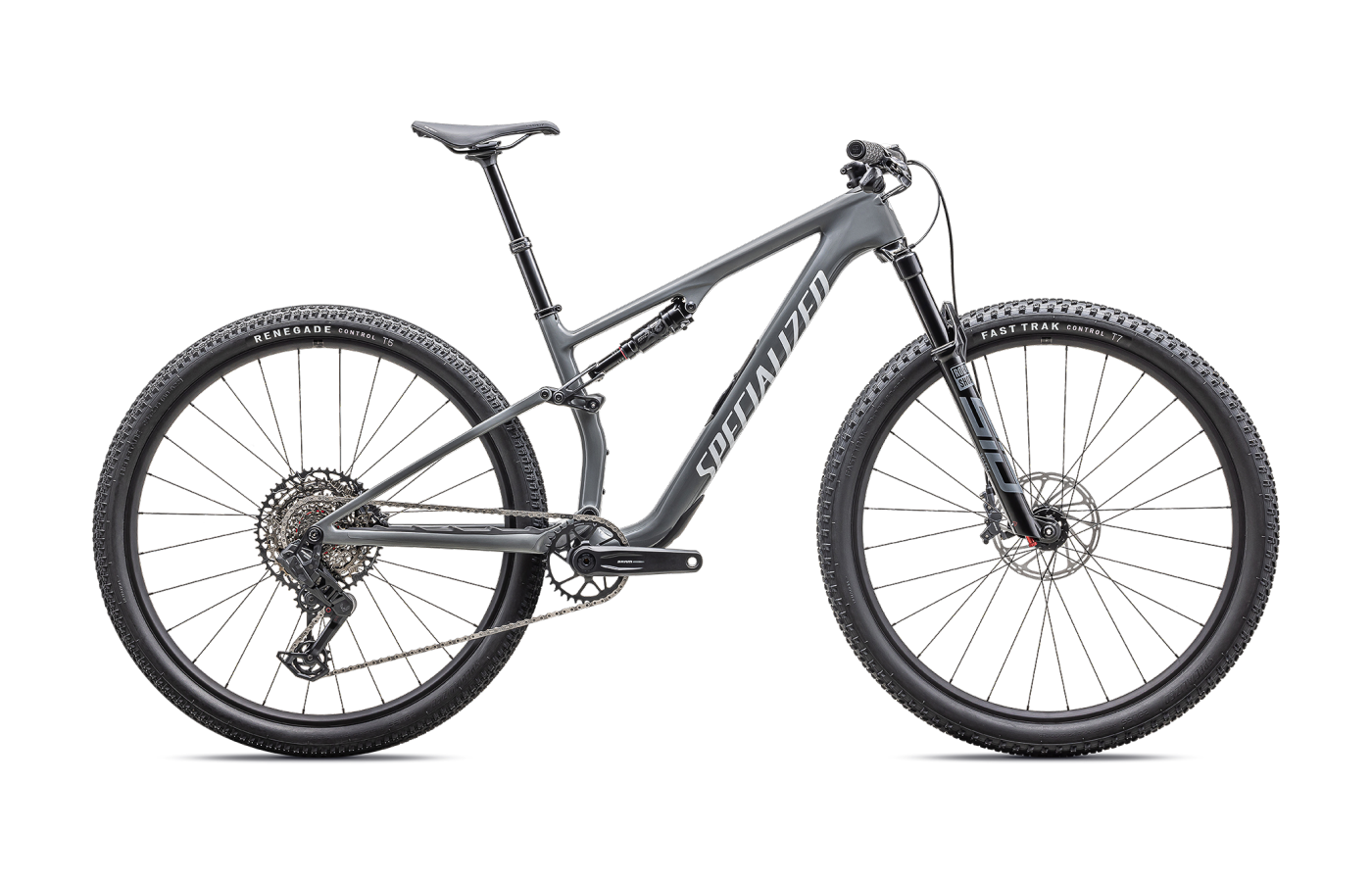
The Specialized Epic is the most direct Scalpel rival — a 120 mm XC platform with in-frame SWAT storage and conventional cable routing instead of Cannondale's through-headset setup.
Compare →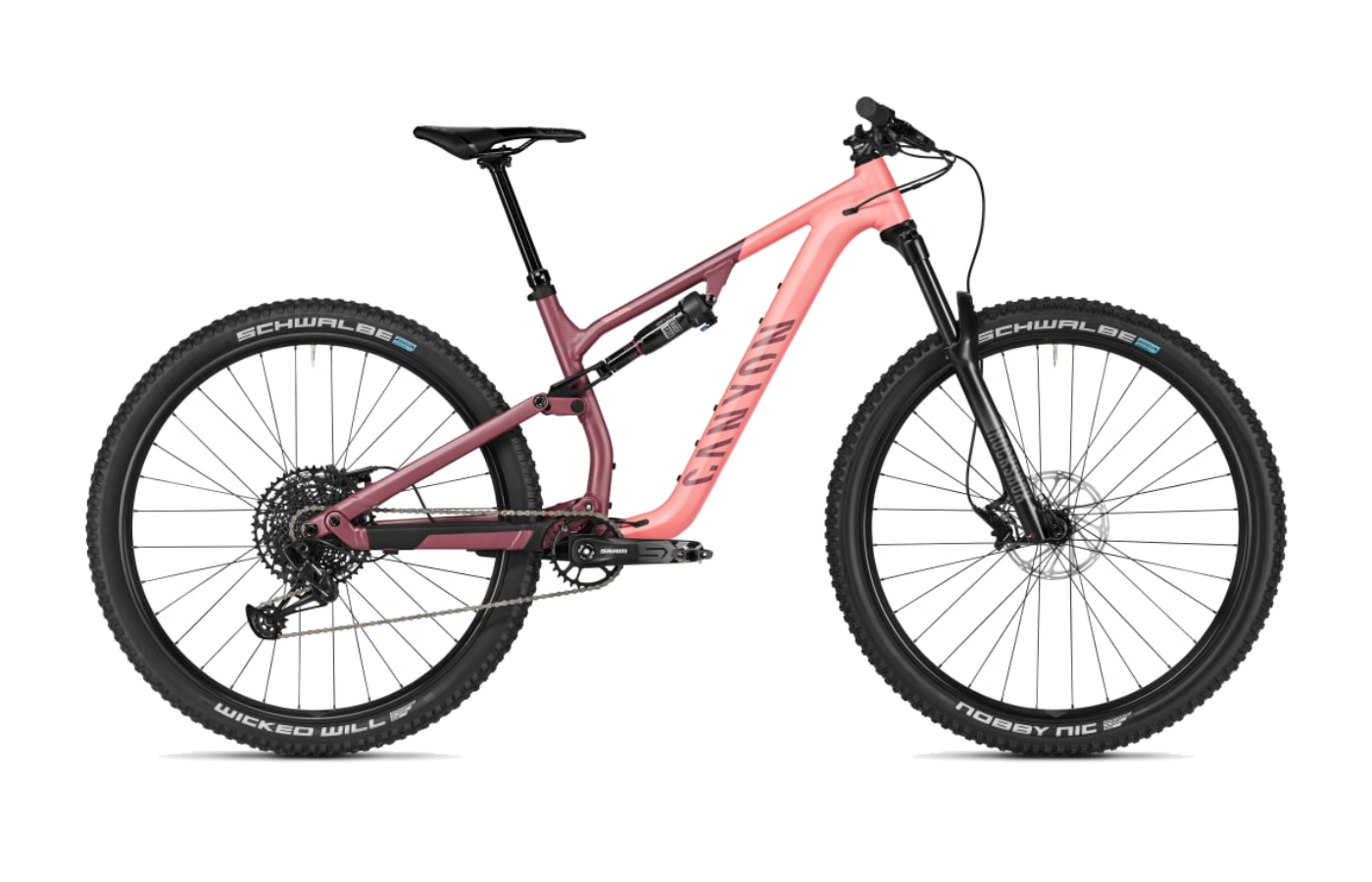
Neuron
The Canyon Neuron is the efficiency-minded alternative to the Habit — a 130 mm trail bike priced lower direct-to-consumer, tuned more for all-day pedaling than big-hit trail.
Compare →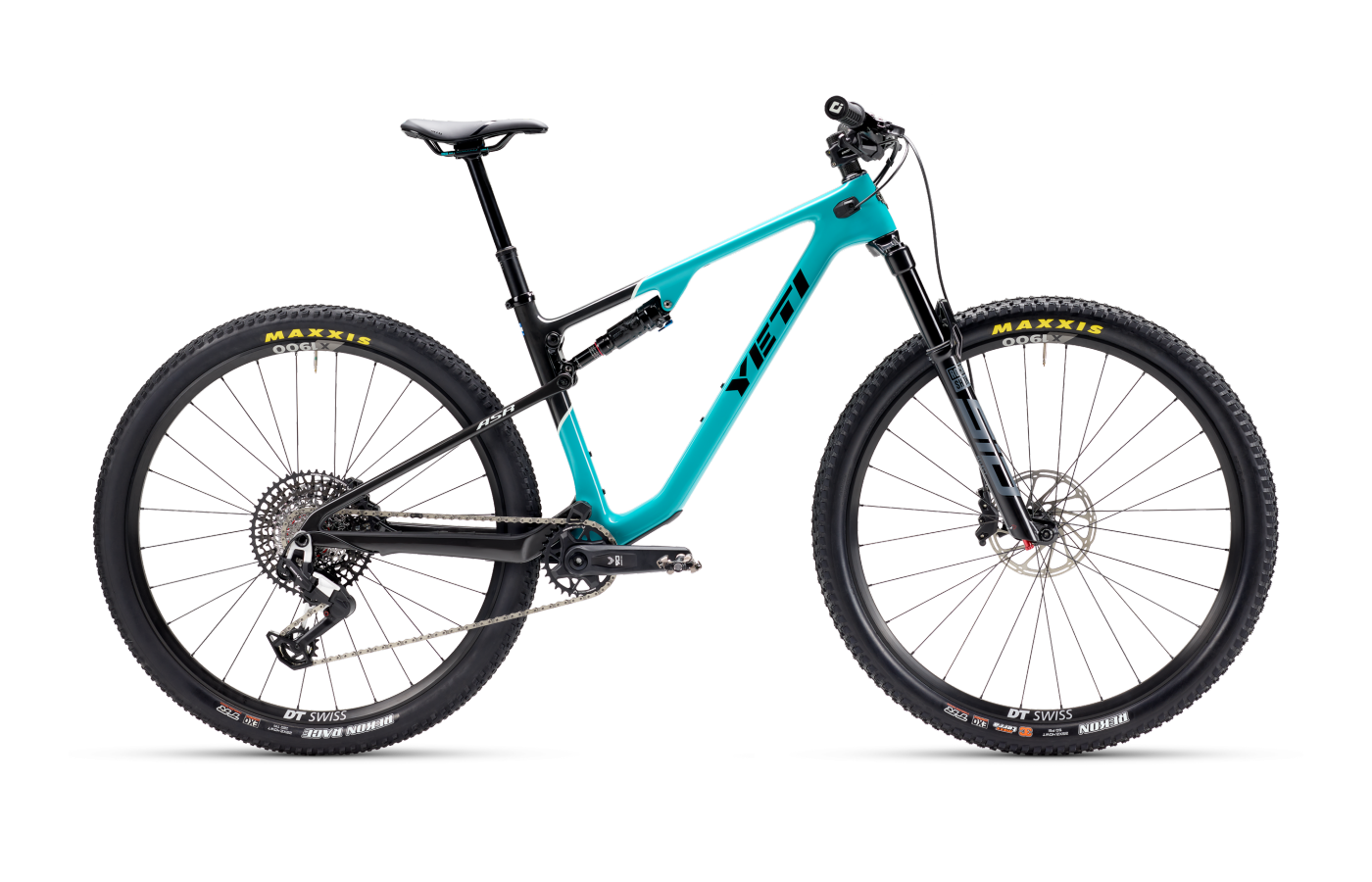
ASR
The Yeti ASR is the ultralight XC play for riders who find the Scalpel's character a touch 'business-like' and want the lightest climbing tool on the market.
Compare →