Scalpel
vsLux Trail
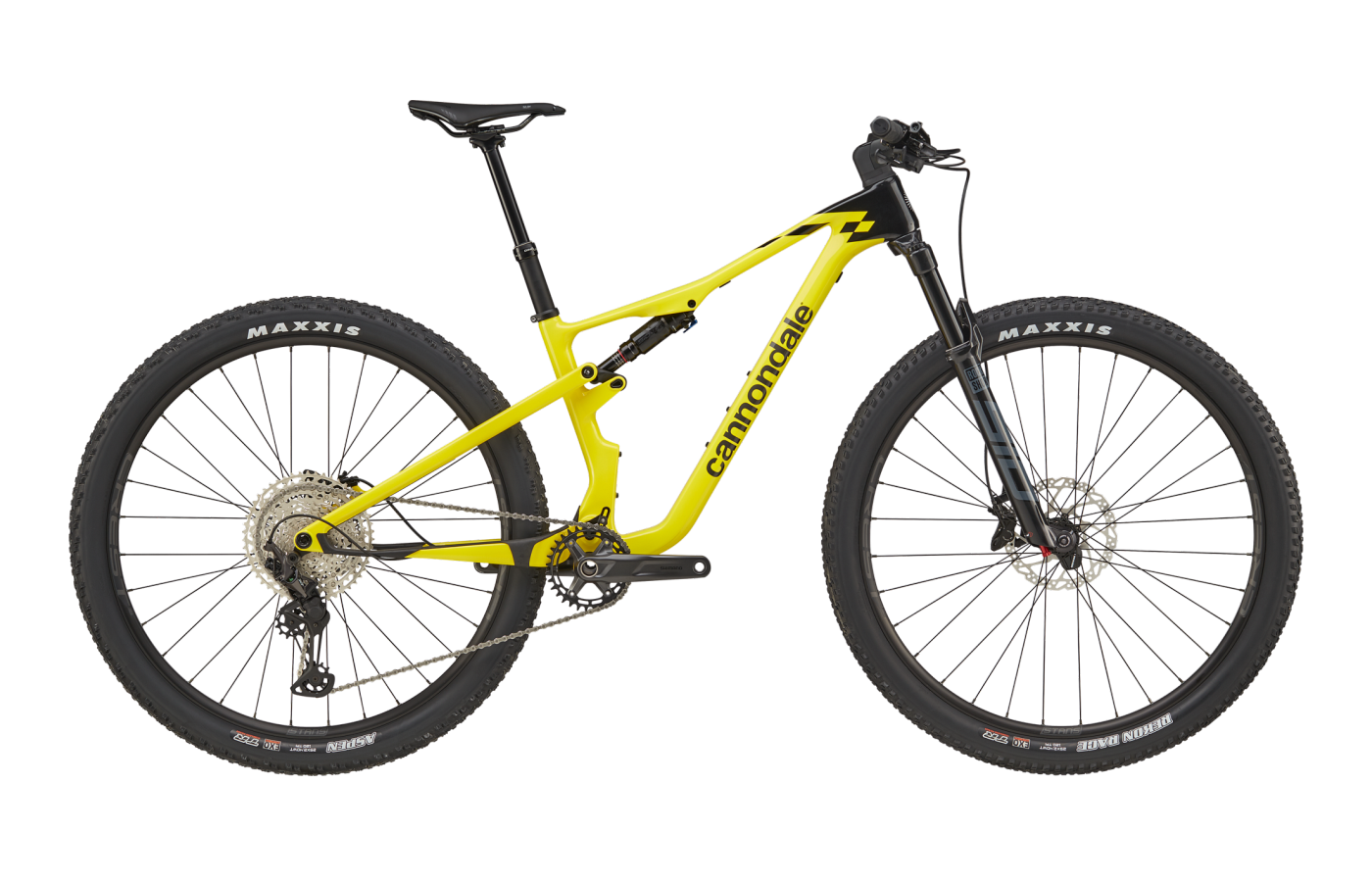
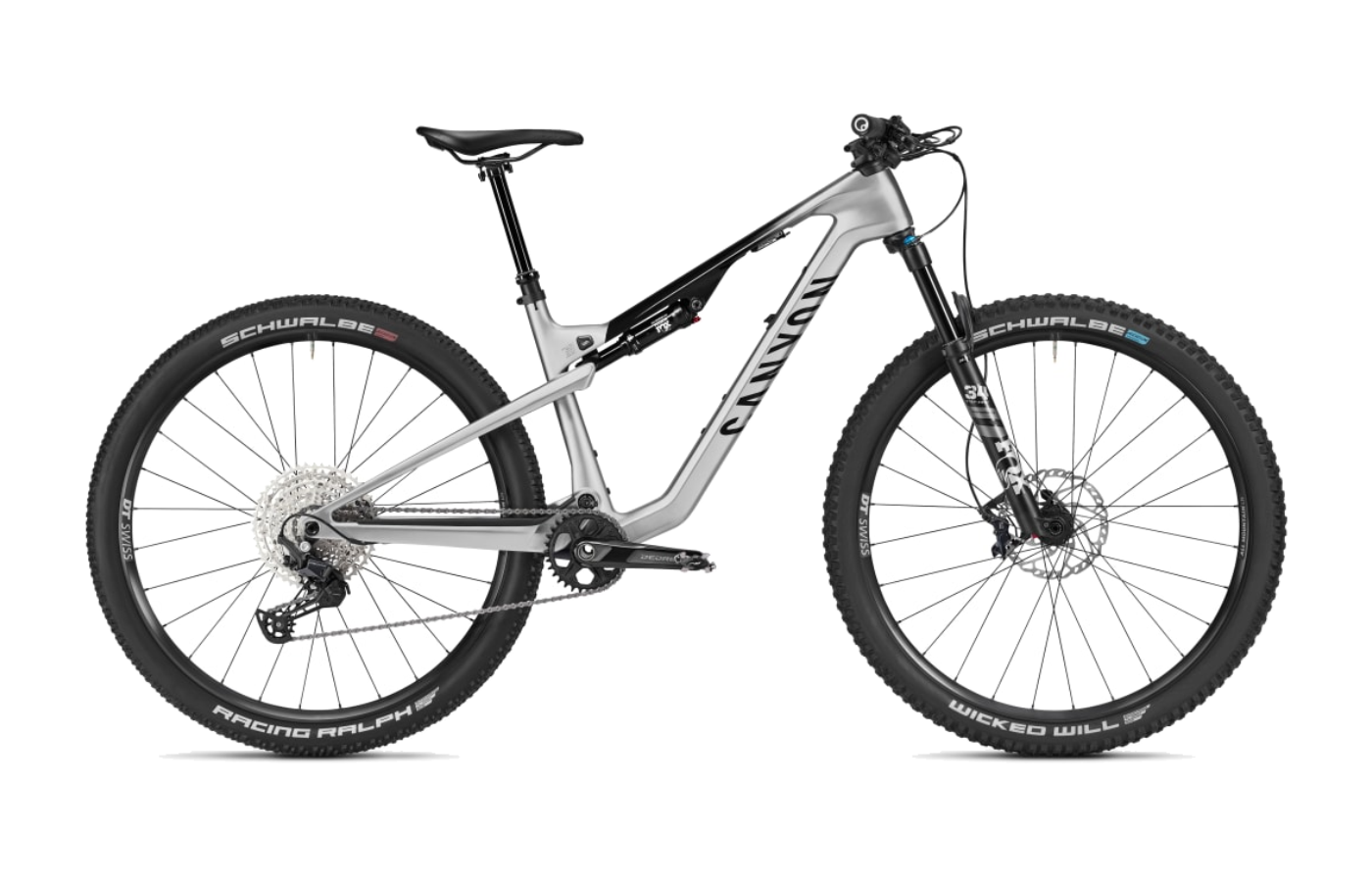
Two 120 mm short-travel rippers, two business models.
The Scalpel is a World Cup race weapon that scales from $3.3k to $8.5k. The Lux Trail is a downcountry tourer that wins on direct-to-consumer value and stops at $3.5k.
Scalpel
- Slacker, more capable descender — a 66.6° head angle and FlexPivot rear stay active under braking, earning it 'mini trail bike' descriptions in nearly every review.
- Size-specific chainstays (434 mm S, 438 mm M, 442 mm L, 446 mm XL) — the only bike here that actively keeps weight balance consistent across sizes.
- Wide build range from a $3,349 Deore build to an $8,499 XO AXS Transmission flagship — you can grow into the platform without changing frames.
- Through-headset cable routing is widely flagged as a mechanic's nightmare — expect higher labor on hose bleeds and bearing service.
- Stock SRAM Level 4-piston brakes split reviewers between 'powerful enough' and 'underpowered' — heavier riders may want an upgrade.
Lux Trail
- Direct-to-consumer value — a full-carbon frame with Fox 34 SC Performance and Fox Float SL Performance Elite for $3,499, undercutting comparably-equipped bikes by $1k+.
- Genuinely useful integration — internal downtube storage, two full-size bottle mounts on every frame size, and an integrated multitool under the top tube.
- Quicker, more flickable on tight singletrack — a 67° head angle, 50 mm stem, and stiff carbon front end give it the 'whippy' feel multiple reviewers called out.
- MBR's long-term test reported the in-frame storage door warping out of shape and letting water in — execution doesn't match the idea.
- Lineup tops out at $3,499 in the US — no upgrade path within the platform if you want carbon wheels or an electronic drivetrain.
Editor’s analysis
Same travel, same wheel size, same stock tires — and yet these two ride and price like different bikes entirely.
Both run 120 mm front and rear, both spec Maxxis Rekon Race / Aspen 29x2.4s on 30 mm internal carbon-or-alloy rims, and both lean on the now-standard threaded BSA bottom bracket and UDH hanger. On the spec sheet they look like siblings. On the trail and on the receipt, they're nothing alike.
The Cannondale Scalpel is the race bike grown teeth. A 66.6° head angle (slacker than some trail bikes from a decade ago), size-specific chainstays from 434 to 446 mm, and Cannondale's FlexPivot rear end — a flexed-carbon Horst-link without the pivot bearings. Reviewers across BikeRadar, Blister, and Pinkbike call it a 'rocket ship' that 'feels like a mini trail bike at times,' a frame that descends well above its travel class. Cannondale's range climbs from a $3,349 Deore build all the way to an $8,499 XO AXS Transmission flagship — buyers can pick how deep to go.
The Canyon Lux Trail is the marathon-tourer's downcountry bike, with the front end pulled half a degree steeper to 67° and a 460 mm reach (10 mm longer than the Scalpel at size M) paired to a stubby stem to keep the steering quick. The frame is its own chassis — not a stretched Lux race bike — with internal downtube storage, two full-size bottle mounts on every size, and a multitool tucked under the top tube. Canyon's direct-to-consumer pricing caps the line at $3,499. Past that, you'd have to go international or look elsewhere.
Put another way: the Cannondale Scalpel is what you buy when XC racing means descending as fast as your legs let you climb. The Canyon Lux Trail is what you buy when 'XC' means a six-hour day with your tools onboard — and you'd rather spend the savings on tires and travel.
Where the builds differ.
Comparing our editor's-pick builds side-by-side. Winners highlighted row-by-row — lower price and weight, and the better-spec component, each mark a point.
Build variants & pricing
We've matched the entry Scalpel ($3,349 Deore) against the Lux Trail CF 6 Deore ($3,499) — same drivetrain tier, same suspension travel, same wheel format, prices within $150.
The Scalpel scales much further: $3,349 entry to $8,499 for the XO AXS Transmission build with DT Swiss XRC carbon wheels and Fox Factory Kashima suspension. Canyon caps the US Lux Trail line at $3,499 — if you want carbon wheels or an electronic drivetrain on this platform, you'll have to look at international SKUs or the racier Lux World Cup.
How they fit, how they steer.
Both at size M. The Lux Trail is 10 mm longer in reach (460 vs 450 mm), stack is within a millimeter (598 vs 597 mm), and its head angle is 0.4° steeper (67° vs 66.6°). Chainstays differ by 3 mm (435 vs 438 mm), but the Scalpel changes its rear-center per size while the Lux Trail keeps 435 mm everywhere.
Which size should I buy?
Size recommendations based on stack, reach, and effective top tube. The Lux Trail offers an XS that the Scalpel doesn't, but otherwise the size ranges overlap almost exactly.
→These are starting points. Flexibility, riding style, and preferred position all shift the answer — if you’re between sizes, a professional fit beats a chart.
What the magazines said.
Published reviews from trusted cycling outlets. Click through for the full write-up.
Which one should you buy?
If you race XC and want one bike that descends like more bike, get the Scalpel. If you want a do-it-all marathon bike with onboard storage and Canyon's pricing, get the Lux Trail.
Scalpel
If your local loops have technical descents you want to attack rather than survive, the Scalpel's 66.6° head angle, size-specific chainstays, and FlexPivot rear end are the most capable expression of 120 mm of travel out there. It's also the only platform here with a real upgrade path — start at Deore for $3,349, end at XO AXS Transmission for $8,499 on the same frame.
Lux Trail
If most of your riding is six-hour days on rolling singletrack and you value tools onboard, two bottles in every frame, and direct-to-consumer pricing, the Lux Trail delivers a full-carbon, Fox-suspended bike for $3,499. The integration is the pitch — just go in eyes-open about the in-frame storage door's mixed long-term reviews.
Questions buyers actually ask.
Short answers to the things we get emailed about most often.
01Which descends better?
The Cannondale Scalpel, by a clear margin in reviewer consensus. Its 66.6° head angle is 0.4° slacker than the Lux Trail's 67°, its FlexPivot rear suspension stays active under braking, and reviewers from Pinkbike, Blister, and BikeRadar all describe it as feeling like a 'mini trail bike' on descents.
The Lux Trail isn't bad — Flow Mountain Bike praises its 'terrific stability at speed' — but Pinkbike's Dario DiGiulio calls its descending 'sharp and a bit squirrelly,' and MBR notes its head angle 'can tuck the front wheel under you' on truly steep terrain.
02Which is the better value?
The Canyon Lux Trail, in raw spec-per-dollar terms. The CF 6 Deore at $3,499 includes a full-carbon frame, Fox 34 SC Performance fork with 3-position remote, Fox Float SL Performance Elite Remote shock, and DT Swiss alloy wheels. The Cannondale Scalpel 4 at $3,349 matches it on drivetrain tier (both Deore M6100 12-speed) and undercuts on price by $150, but ships with a non-remote RockShox SID fork and SIDLuxe shock — a tier below the Lux Trail's Fox suspension.
Climb the Scalpel range and the value gap closes — the $5,799 Scalpel 2 with GX AXS Transmission and HollowGram carbon wheels has no Lux Trail equivalent in the US lineup.
03How much travel do they actually have?
Both are spec'd at 120 mm front, 120 mm rear — the now-standard XC race travel since the 2024 Olympic cycle.
One caveat: MBR measured the Lux Trail's rear travel at 105 mm rather than the claimed 115 mm in their long-term test. Cannondale's 120/120 figure has not been similarly questioned in published reviews.
04What about the headset cable routing?
Both route cables through the headset — it's the dominant industry trend, and both brands took it on. Reviewers across the board flag it as a mechanic's nightmare on both bikes: expect longer hose-bleed and bearing-service times, and budget more for shop labor.
If the routing is a dealbreaker, the Santa Cruz Blur (one of the alt picks below) keeps a more traditional, easier-to-service setup at a similar weight and travel.
05Does the Lux Trail's in-frame storage actually work?
Reviewer opinion is split. Flow Mountain Bike calls the storage solution 'clever' and a meaningful quality-of-life win for marathon riders. MBR's long-term test, however, reported the storage door 'warping out of shape and letting water in' over months of use — and noted the frame reinforcement to accommodate the cavity adds roughly half a kilogram.
If onboard storage is the reason you're considering the Lux Trail, it's worth talking to a Canyon owner with at least a season of riding on the platform.
06Which is easier to live with day-to-day?
Mechanically, the Scalpel at the local shop. Cannondale dropped its proprietary Ai wheel dishing and PF30 bottom bracket on this generation — both bikes now use threaded BSA and UDH, which means standard tools and parts.
For home-mechanic ownership, the Lux Trail is direct-to-consumer, so you'll be doing more of your own work without a dealer relationship. Both bikes' headset cable routing makes that work meaningfully harder than older-generation XC bikes.
07Can I get an electronic drivetrain on the Lux Trail in the US?
Not currently. The US Canyon Lux Trail lineup runs from the CF 6 Deore at $3,299 to the CF 7 SLX at $3,499 — three builds, all mechanical Shimano. International markets see higher-end CFR builds with SRAM XX AXS Transmission.
The Scalpel offers SRAM AXS Transmission at the $5,799 (GX) and $8,499 (XO) tiers in the US — if wireless electronic shifting matters to you, it's the only choice between these two.
08Are the stock tires good for technical trail?
Both ship with fast-rolling but grip-limited tires. The Scalpel runs Maxxis Rekon Race front / Aspen rear in 29x2.4 EXO — universally praised for low rolling resistance and universally noted as breaking loose under hard braking and cornering in loose conditions. The Lux Trail runs Schwalbe Wicked Will front / Racing Ralph rear in 29x2.4 / 2.35 — similar story, with reviewers explicitly recommending swaps for wet or loose terrain.
If you ride anywhere muddy or technical regularly, budget another $150 for trail-grade rubber on either bike.
Similar bikes
If your priorities don’t map cleanly onto either of these, one of these adjacent bikes probably fits better.
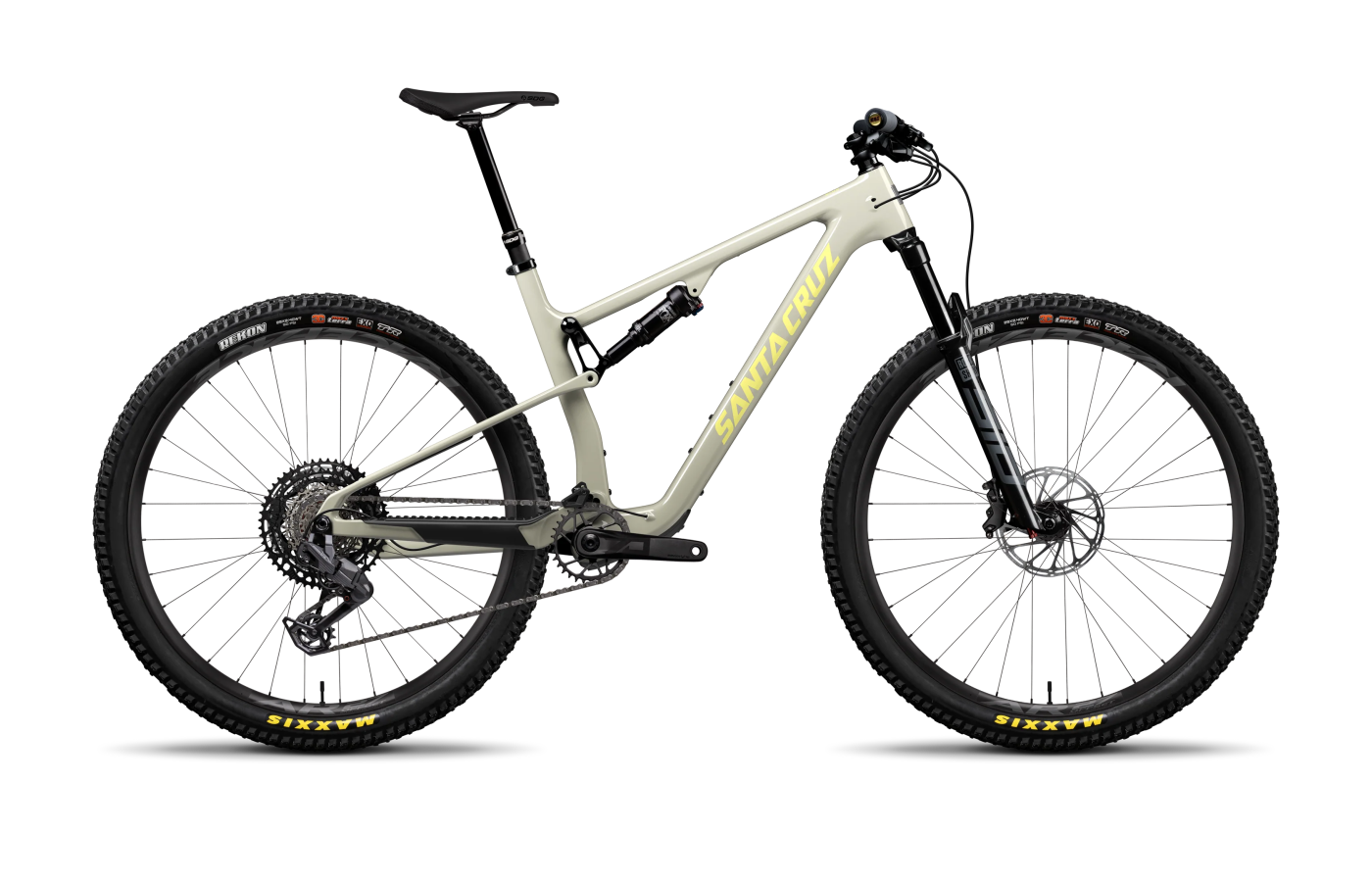
Blur
If the headset cable routing on both these bikes is a dealbreaker, the Santa Cruz Blur keeps a traditional, easier-to-service front end without giving up race-day speed.
Compare →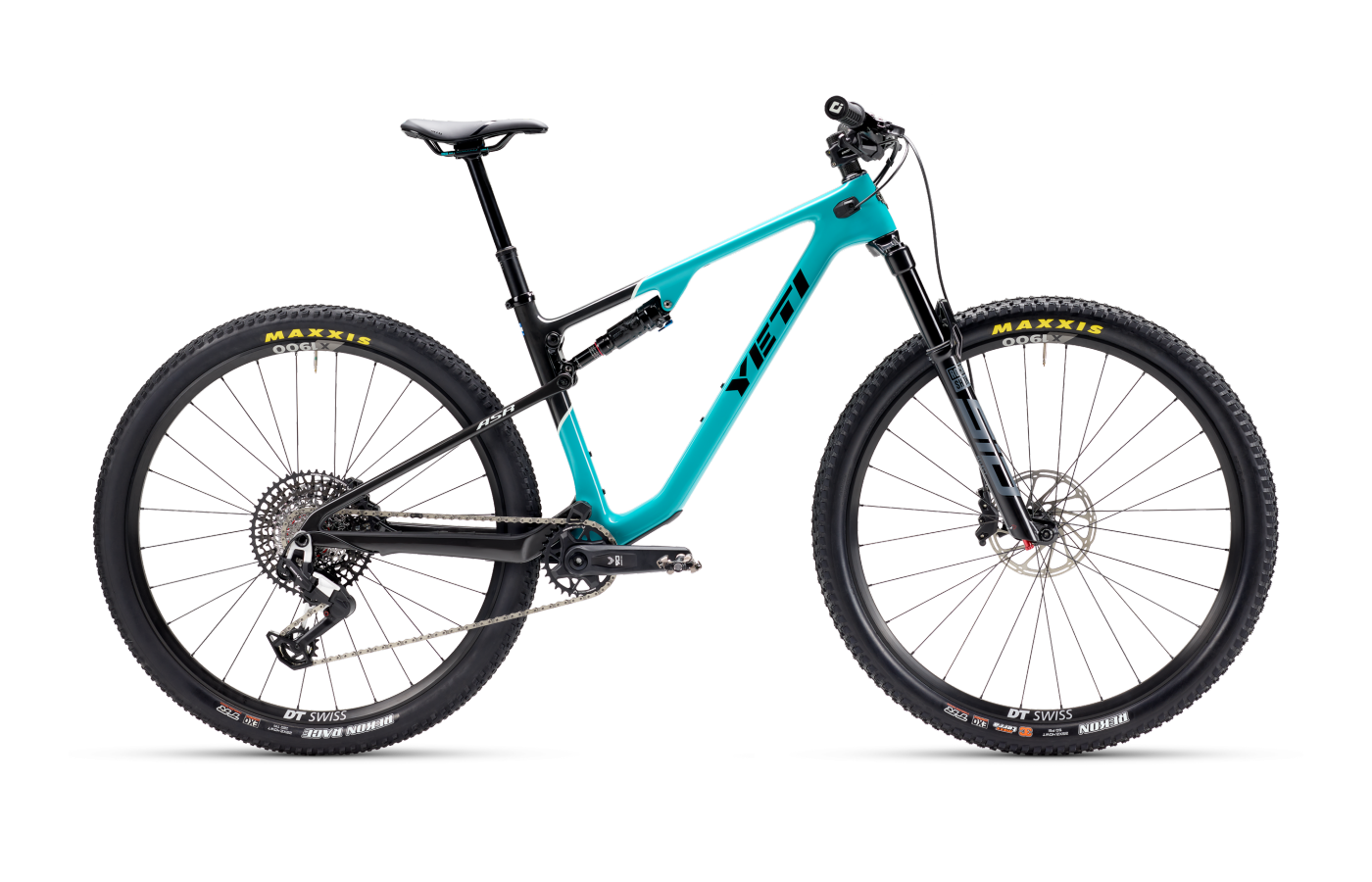
ASR
If grams are the metric you care about most, the Yeti ASR is significantly lighter than either bike — the tradeoff is the more conservative XC geometry that the Scalpel pointedly walked away from.
Compare →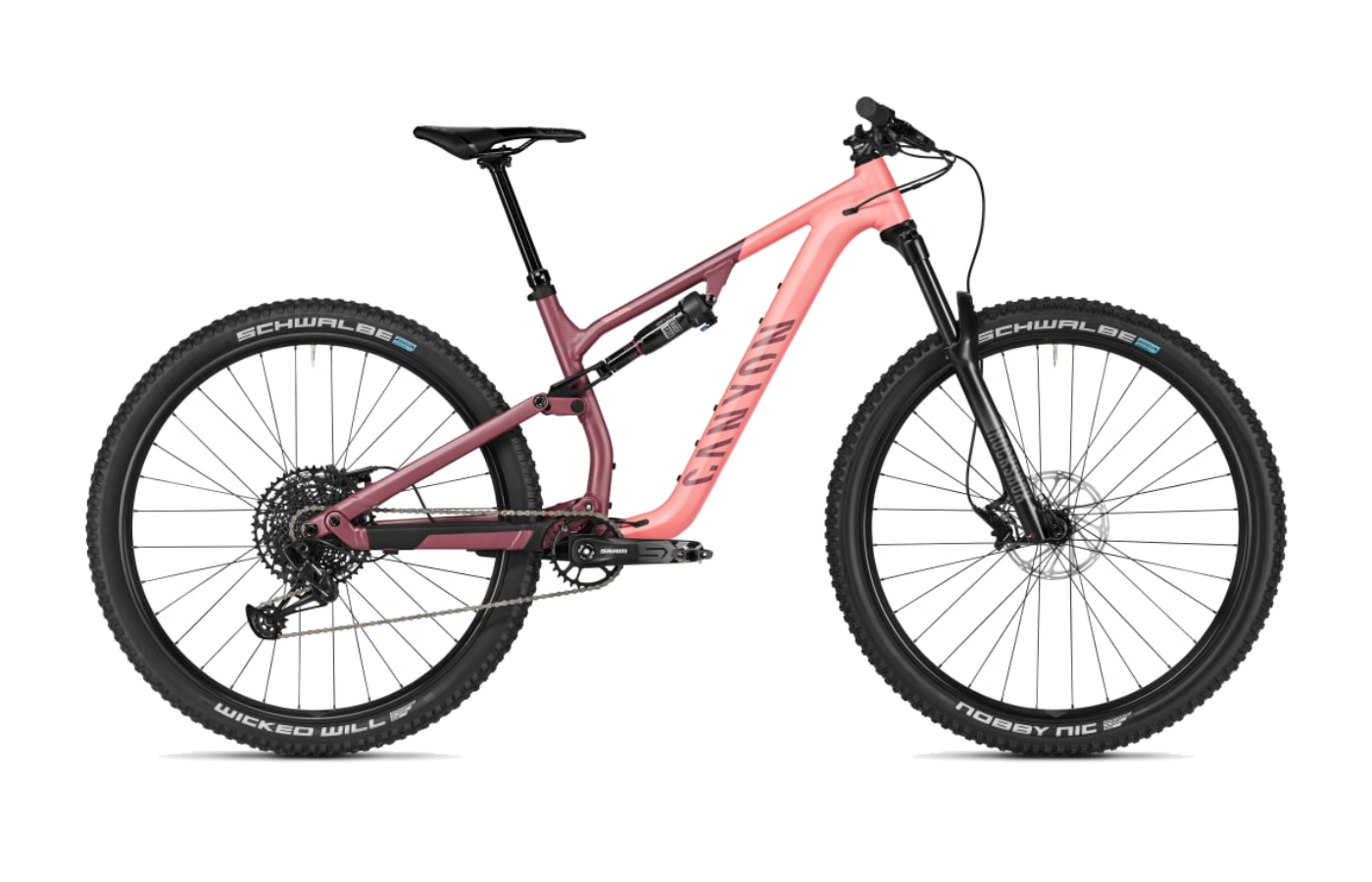
Neuron
If the Lux Trail's race-bred sharpness feels like too much, the Canyon Neuron adds 10 mm of travel and a more upright, casual-trail position — same direct-to-consumer pricing model.
Compare →