Synapse
vsRoubaix
Two endurance bikes, two answers to the same question.
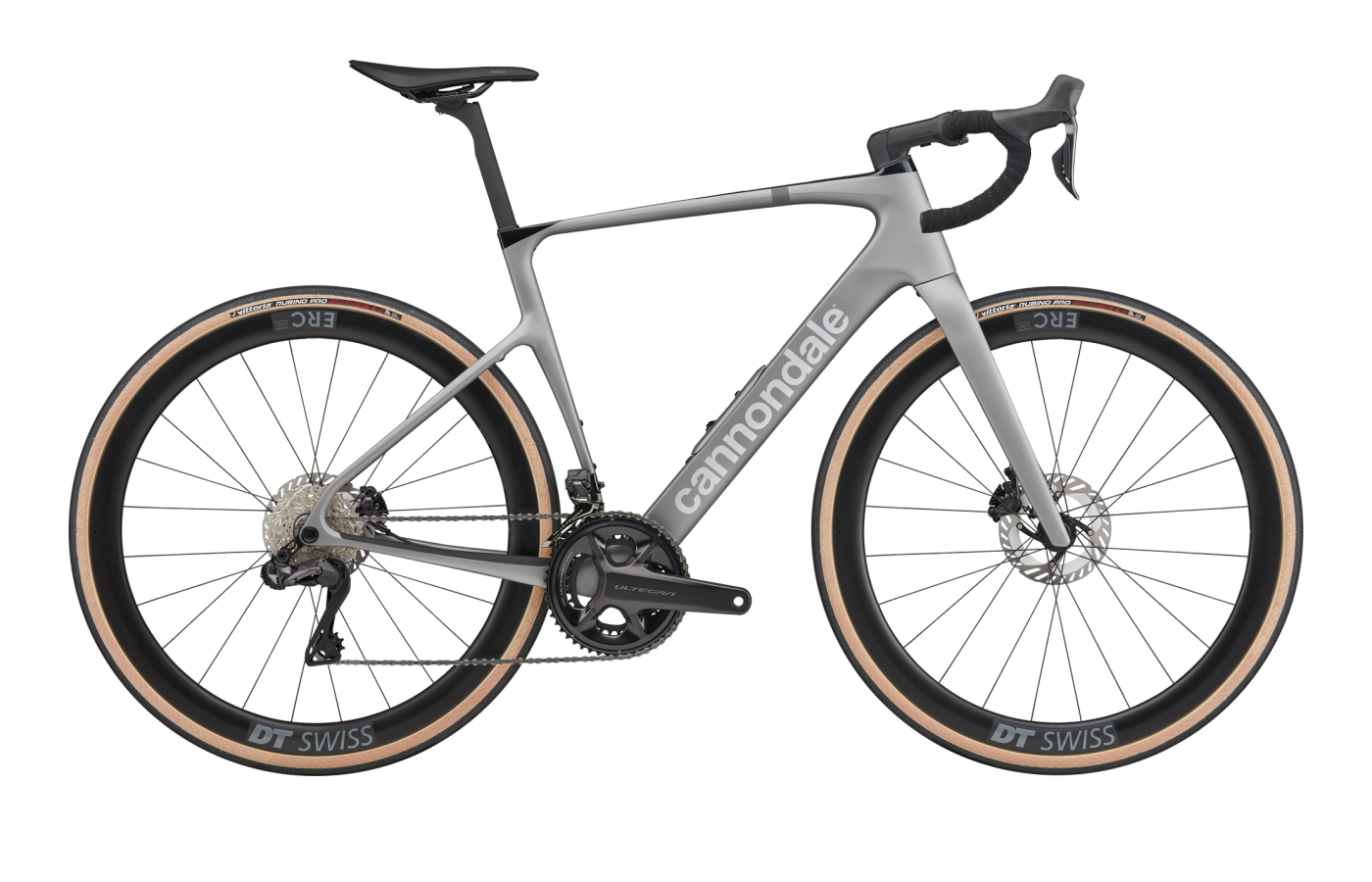
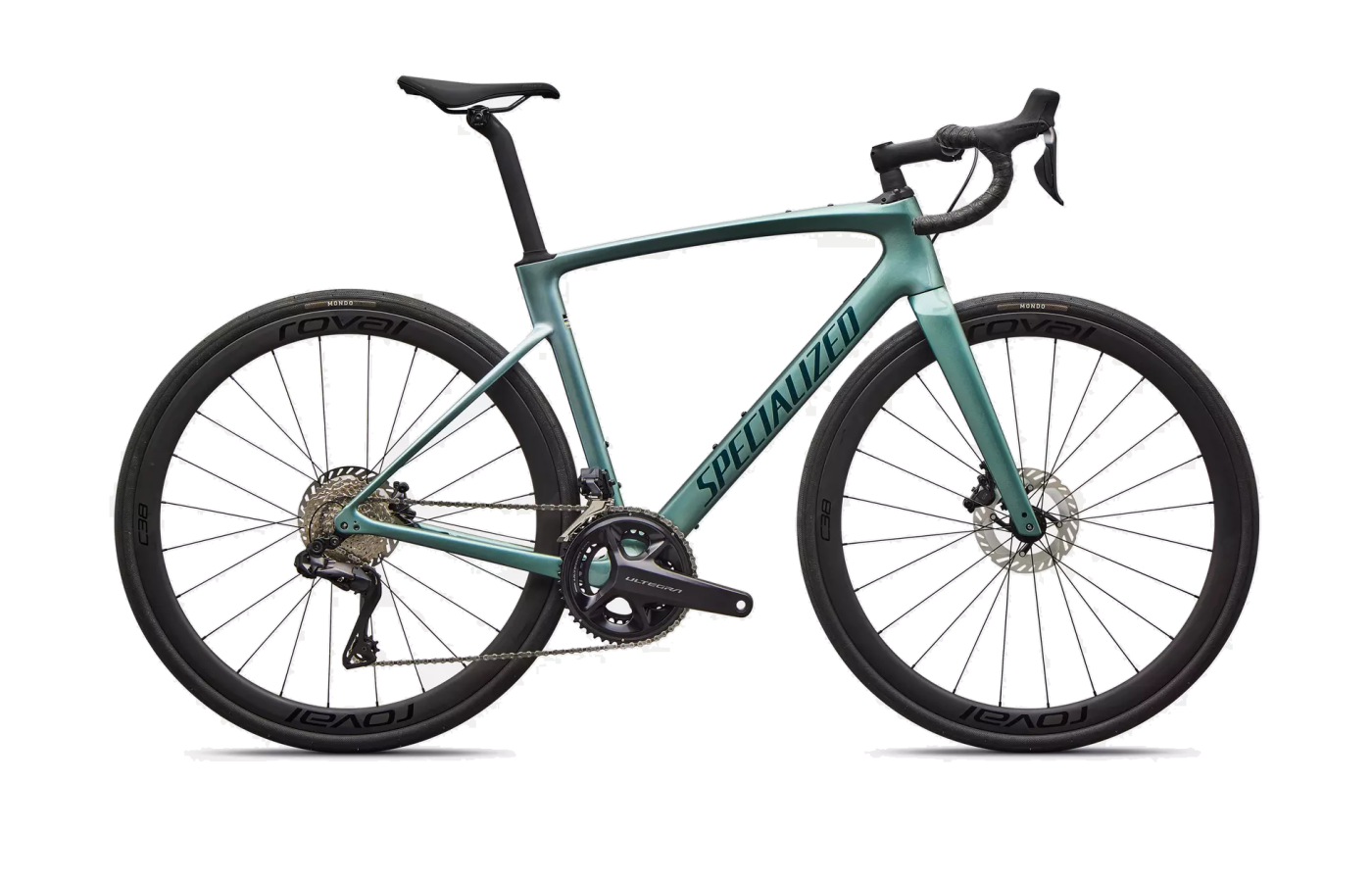
The Cannondale Synapse smooths the road with tire volume and a long wheelbase. The Specialized Roubaix does it with a spring under the stem.
Synapse
- 42 mm tire clearance — the widest in the endurance-road segment; frame takes 42 mm, fork takes 48 mm.
- SmartSense 2.0 integration — single down-tube battery powers lights, radar, and SRAM AXS shifting from one USB-C port.
- Downtube StashPort storage — hides tools and a spare tube out of the weather, rattle-free.
- Long wheelbase (1013 mm in size 51) can feel sedate to riders coming off a race bike.
- Mid-range builds ship with alloy cockpits and tube-type Vittoria Rubino tires that beg for an upgrade.
Roubaix
- Future Shock 3.2 front suspension — 20 mm of axial travel that genuinely flattens cracked tarmac and cobbles under the bars.
- Plush stock tires — S-Works Mondo 32 mm tubeless that measure closer to 34 mm on the wide Roval rims.
- Exceptional high-speed descending — the suspended front end stays planted where an unsuspended bike skips.
- Narrower tire clearance (38 mm) than the Synapse; not a gravel backup plan.
- Very tall front end — 585 mm stack in size 54 is 15 mm higher than the Synapse, and the Hover bar adds another 15 mm.
Editor’s analysis
Same category, opposite engineering philosophies — one bike solves rough roads with rubber and wheelbase, the other with mechanical suspension.
On paper, the Cannondale Synapse and Specialized Roubaix both chase the same rider: someone who rides long, rides often, and doesn't want to pick the line around every cracked chip-seal patch. Both run threaded bottom brackets, both take wide tires, both come in a carbon-frame range that tops out above $12,000. Start comparing the frames row by row and the philosophies pull apart fast.
Specialized's answer is the Future Shock — a spring cartridge under the stem with 20 mm of axial travel, backed up by the AfterShock Pavé seatpost and 38 mm of tire clearance. The whole package targets a single experience: front-wheel compliance that lets you drive into a corner without bracing, with a taller, more upright cockpit to match. It's deliberate and opinionated. It also adds roughly 200 g of hardware most riders will either love or ignore.
Cannondale's Synapse does the same job with volume and geometry. No moving parts — just a 20% more compliant frame, a D-shaped seatpost, and 42 mm of frame clearance (48 mm in the fork) that lets a stock 32 mm tire balloon to 35 mm on the wide Reserve rims. The Gen 6 also brings SmartSense 2.0 — a down-tube battery that powers both the integrated lights/radar and the SRAM AXS derailleurs from a single USB-C port. It's the only endurance bike doing that.
Put simply: the Cannondale Synapse is the practical, tech-forward choice — year-round utility, one battery to charge, and enough tire clearance to treat smooth gravel as a road surface. The Specialized Roubaix is the specialist — buy it if you genuinely love the Future Shock feel or your roads are rough enough that you need it.
Where the builds differ.
Comparing our editor's-pick builds side-by-side. Winners highlighted row-by-row — lower price and weight, and the better-spec component, each mark a point.
Build variants & pricing
Both ranges span roughly $1,300 to $16,500 for the Synapse, $2,800 to $12,500 for the Roubaix — the Synapse reaches lower on alloy and higher with the LAB71 halo.
Prices are current US MSRP. The editor's picks here are tier-matched on Ultegra Di2 and on standard-grade carbon (Synapse Carbon / FACT 10R), which puts them within $500 of each other. The Cannondale Hi-MOD carbon tier (Carbon 1, $8,499) and Specialized's FACT 12R tier (S-Works, $12,499+) sit above.
How they fit, how they steer.
The Roubaix sits 35 mm taller in stack and 5 mm longer in reach at its fit-picked size — a noticeably more upright cockpit. Trail is identical at 61 mm; the Synapse runs 5 mm longer chainstays for a steadier rear end.
Which size should I buy?
Synapse sizes run 44–61 in cm; Roubaix uses the same convention. Size labels map directly between the two ranges.
→These are starting points. Flexibility, riding style, and preferred position all shift the answer — if you’re between sizes, a professional fit beats a chart.
What the magazines said.
Published reviews from trusted cycling outlets. Click through for the full write-up.
Which one should you buy?
If you want one bike for year-round road riding with the occasional smooth-gravel side trip, get the Synapse. If your roads are genuinely broken and you love the Future Shock feel, get the Roubaix.
Synapse
If you want the widest tire clearance in the segment, SmartSense lights and radar baked into the frame, and a bike that shrugs off chip-seal without any moving parts — the Synapse is the more practical endurance platform in 2025. The SmartSense Gen 2.0 battery also powers SRAM AXS shifting, so there's one thing to charge instead of three.
Roubaix
If your regular routes include genuinely busted pavement, cobbles, or fast technical descents, the Future Shock's 20 mm of front travel is a measurable advantage. The Roubaix holds a line where other endurance bikes get deflected — that's the specific thing you're paying the complexity tax for.
Questions buyers actually ask.
Short answers to the things we get emailed about most often.
01Which is more comfortable on rough roads?
It depends on what kind of rough. On cracked tarmac, chip-seal, and cobbles, the Specialized Roubaix's Future Shock 3.2 is the more dramatic solution — 20 mm of axial travel at the stem genuinely isolates your hands from impacts the frame can't filter out. Escape Collective describes the front end as feeling 'vacuumed to the asphalt.'
The Cannondale Synapse takes a different route: a claimed 20% more frame compliance than Gen 5, a D-shaped seatpost, and 42 mm of tire clearance that lets a 32 mm tire balloon to 35 mm on wide Reserve rims. For sustained rough-road riding without extreme impacts, it's smooth enough that most reviewers compare it favorably to the Roubaix. For actual cobbles, the Roubaix's mechanical spring wins.
02What's the maximum tire clearance?
Cannondale Synapse: 42 mm in the rear triangle, 48 mm in the fork. That's the widest in the mainstream endurance-road segment and enough for most smooth-gravel routes.
Specialized Roubaix SL8: 38 mm officially (40 mm measured on-bike by multiple reviewers). The SL8 generation bumped this from 33 mm on the previous model, which was a notable upgrade — but it's still narrower than the Synapse. Neither is a replacement for a dedicated gravel bike on chunky terrain.
03How do the editor's-pick builds compare on price and spec?
We've picked the Synapse Carbon 2 ($6,499) and Roubaix SL8 Expert ($5,999) — both on Shimano Ultegra Di2 R8170 and both on the standard-grade carbon tier (Cannondale Synapse Carbon / Specialized FACT 10R). The Synapse Carbon 2 gets carbon wheels stock (DT Swiss ERC LOG 45), while the Roubaix Expert runs Roval C38 carbon. The Roubaix bundles Future Shock 3.2 into the price; the Synapse bundles the Stashport storage and SmartSense-compatible wiring. Call it a wash on value with different trade-offs.
04Which geometry is more upright?
The Roubaix, noticeably. In its fit-picked size (54) it posts a 585 mm stack. The Synapse in its fit-picked size (51) sits at 550 mm — 35 mm lower. Specialized also specs the Hover bar, which adds another 15 mm of rise on top. If you're chasing a low, aggressive position, the Roubaix actively resists it; the Synapse is closer to a conventional endurance fit.
Both bikes share an identical 61 mm trail figure at the fit-picked sizes, so the steering feel is more alike than the cockpit posture suggests.
05Is the SmartSense system worth it?
For year-round riders, most reviewers now say yes. The Gen 2.0 system hides the battery in the downtube, eliminates external mounts, and — on SRAM AXS builds — powers both the lights/Varia radar and the derailleurs from a single USB-C port. BikeRadar called it 'worth every penny' in their 5-star Carbon 2 review.
The catch: the system adds roughly 460 g, and you have to actually use the lights/radar to justify the weight. If you ride in daylight only and don't want radar, it's dead weight.
06How serviceable is the Future Shock?
Better than it used to be. Specialized re-sealed the 3.0 cartridge, improved the boot, and made spring swaps doable in minutes without pulling the stem. They also offer a separate two-year warranty on the cartridge and have committed to producing Future Shocks for five years after the last Future-Shock-equipped bike rolls off the line.
Open critiques remain: the headset preload procedure requires a proprietary tool, and some reviewers (Escape Collective) flagged a gap between the headset cover and bearing that 'invites contamination.' If you're the kind of owner who hates proprietary hardware, the Synapse's threaded BSA bottom bracket and UDH hanger are a deliberately universal counter-argument.
07Which climbs better?
Neither is a climbing specialist — both are endurance platforms in the high-7s to mid-9s kg depending on trim. The Synapse Carbon 2 with Ultegra Di2 lands in the 8.5–9.0 kg range; the Roubaix SL8 Expert is 8.17 kg in size 56 per Specialized's claimed spec.
Future Shock bob on out-of-saddle climbing is a legitimate criticism from heavier riders on the 3.2 cartridge (Cycling Weekly); the 3.3 on S-Works/Pro has a compression dial that mostly solves it. The Synapse has no such interaction — the frame is laterally stiff with no active suspension to blow through. For a climber who stands up a lot, the Synapse is the cleaner choice at the Ultegra tier.
08Can I run these as light gravel bikes?
The Synapse more convincingly. With 42 mm frame clearance and 48 mm fork clearance, it'll happily run a 40 mm gravel tire with some mud room. Multiple reviewers describe it as a legitimate all-road bike.
The Roubaix at 38 mm clearance can take a 35 mm or true 38 mm gravel tire, and Cycling Weekly called the increased clearance 'a game-changer' relative to the previous Roubaix. But it's still fundamentally a road bike with a suspension stem — use it for smooth gravel detours, not day-long gravel routes.
Similar bikes
If your priorities don’t map cleanly onto either of these, one of these adjacent bikes probably fits better.
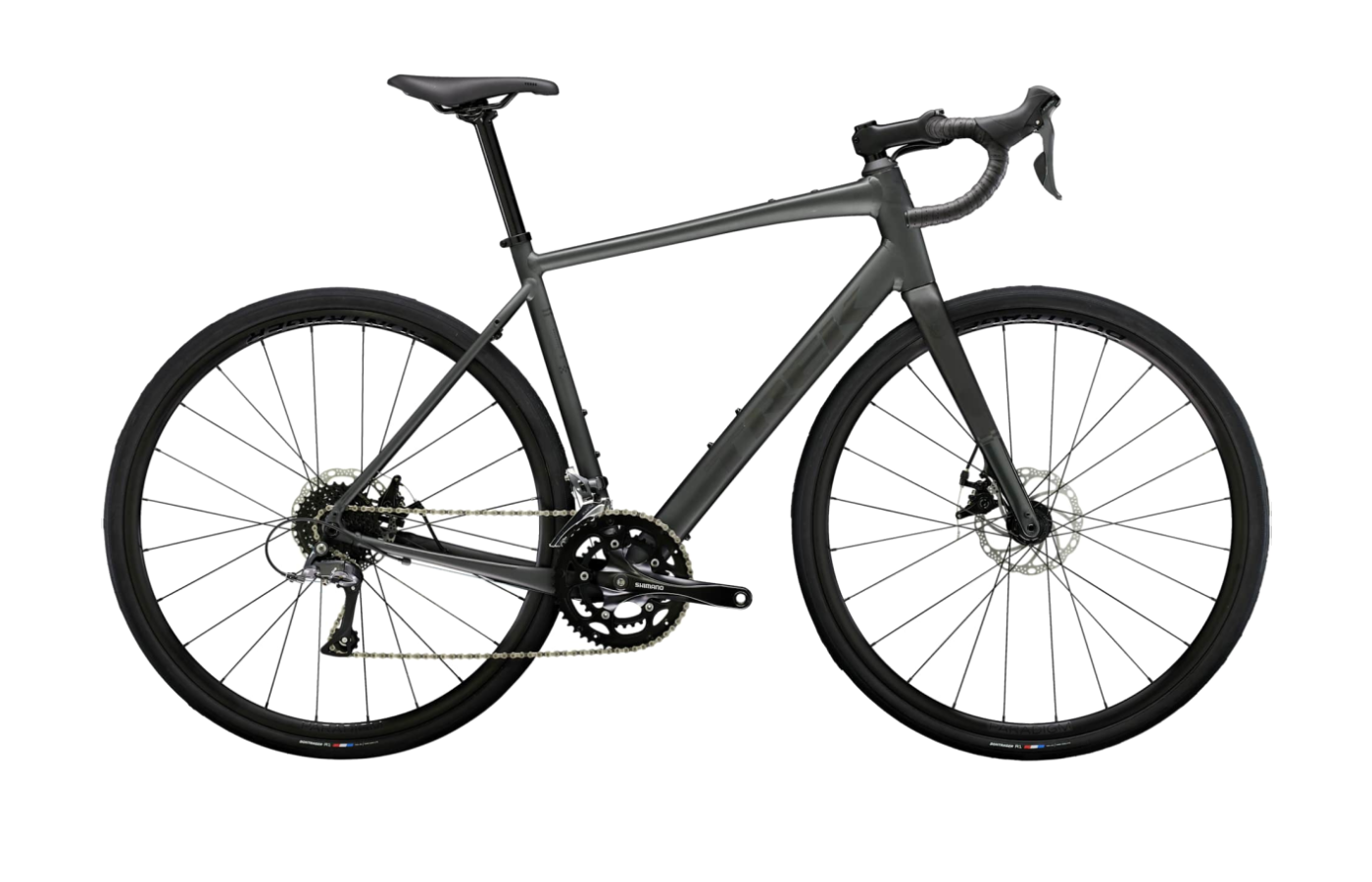
Domane
Trek's endurance flagship answers the Roubaix with IsoSpeed rear-end decoupling instead of a front-end spring — same compliance target, different mechanism. Tire clearance lands between the two, and the current generation is priced aggressively against the Roubaix Expert.
Compare →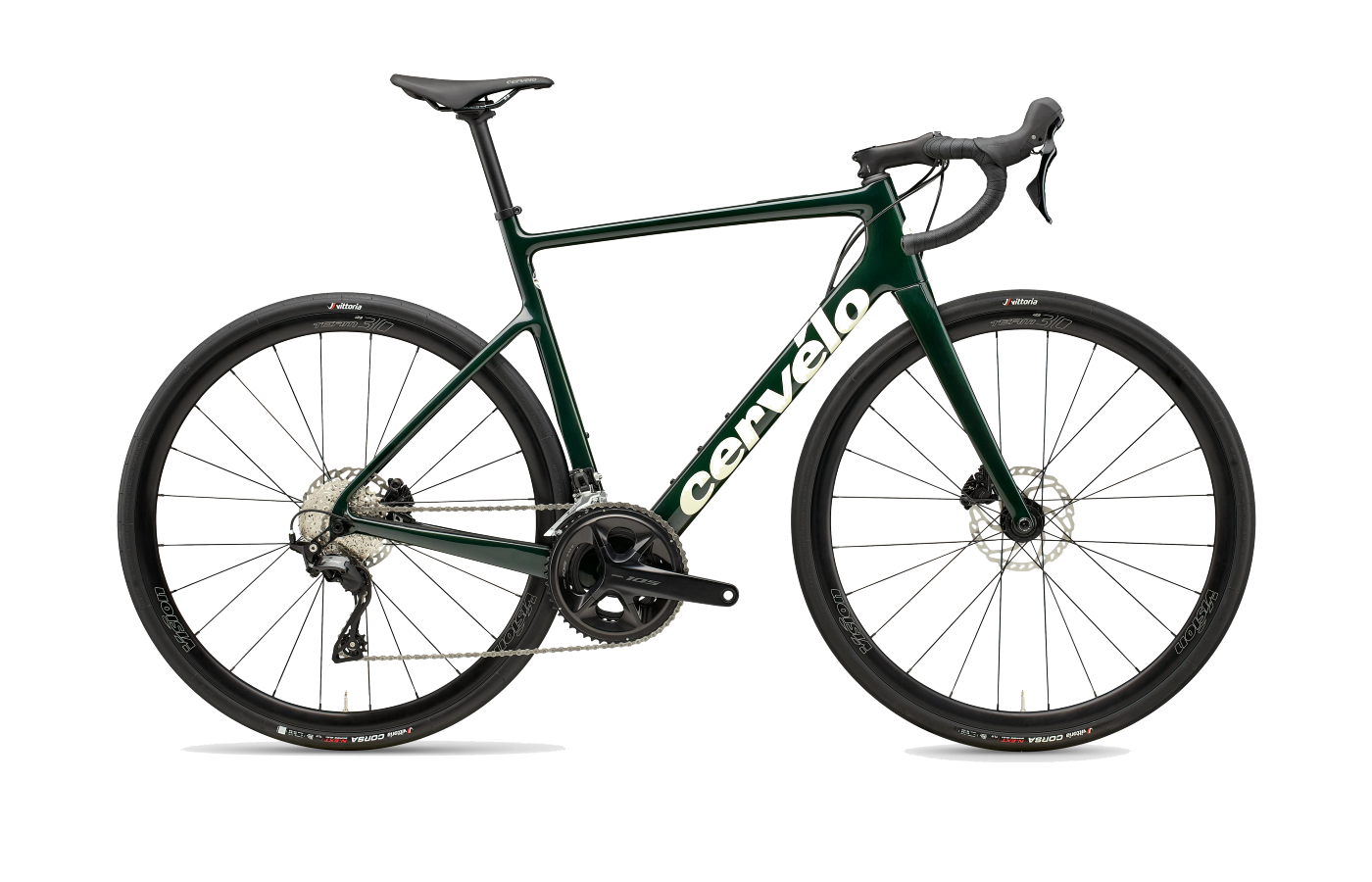
Caledonia
Cervélo's answer if you want endurance geometry without proprietary suspension or integrated tech — a clean, conventional carbon platform that rides closer to a race bike than either of these two. The honest middle path between the Synapse's long wheelbase and the Roubaix's Future Shock complexity.
Compare →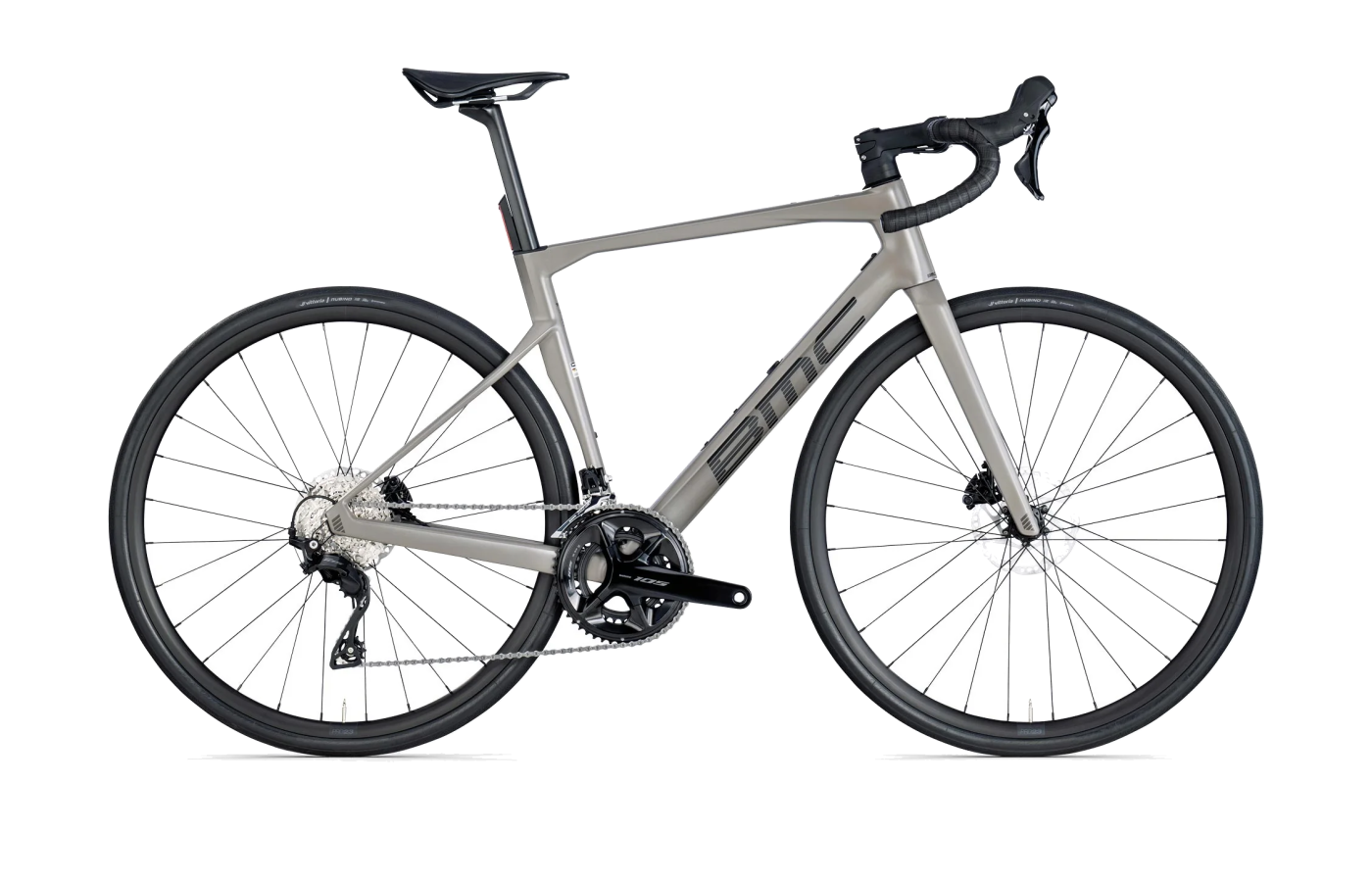
Roadmachine
BMC's Roadmachine hits the same distance-comfortable brief with downtube storage similar to the Synapse's StashPort and a tidier aesthetic than either. Worth a look if the Synapse's SmartSense battery feels like too much tech and the Roubaix's Future Shock feels like too much mechanism.
Compare →