Cannondale TrailvsRevel Ranger
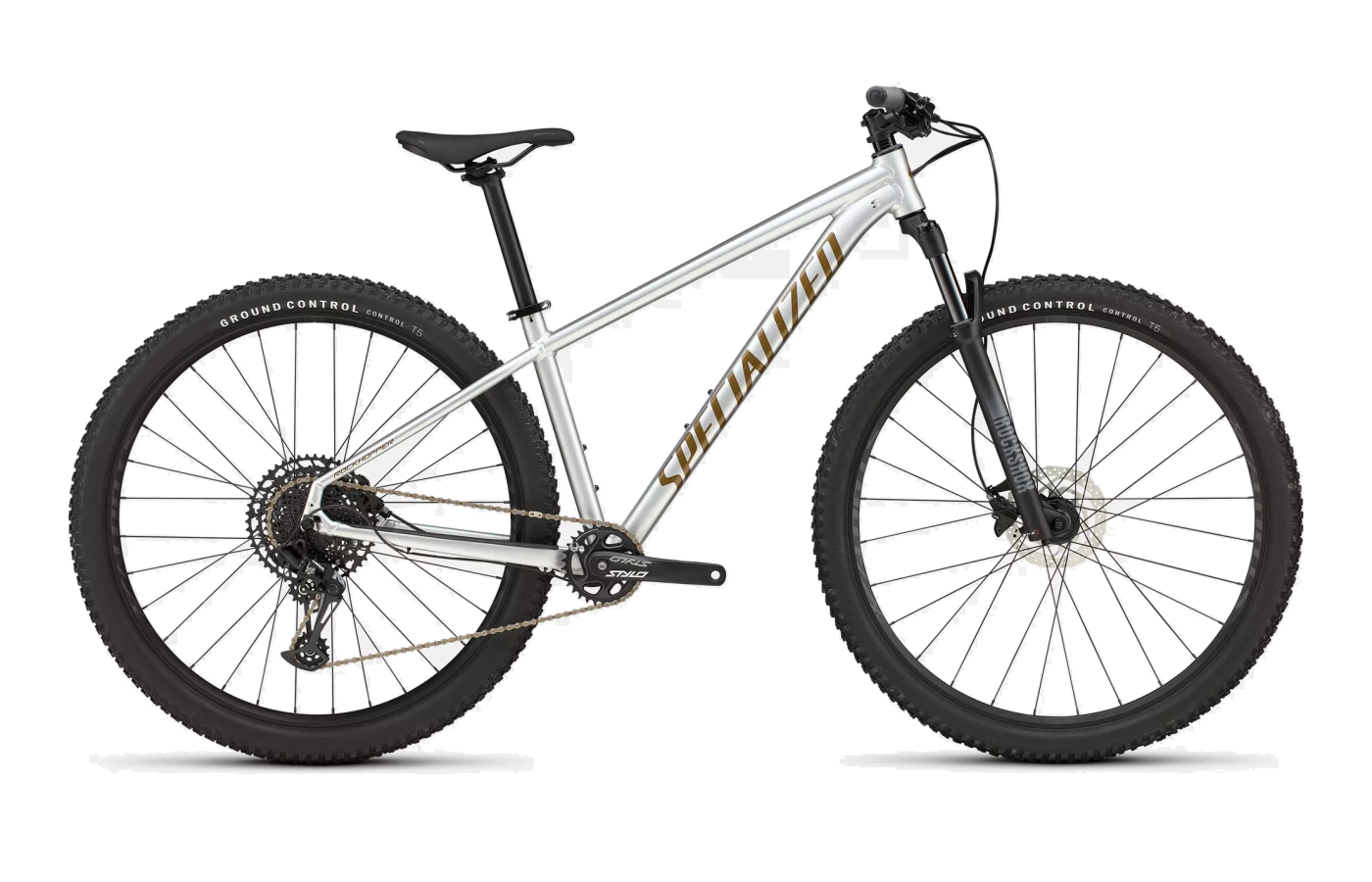
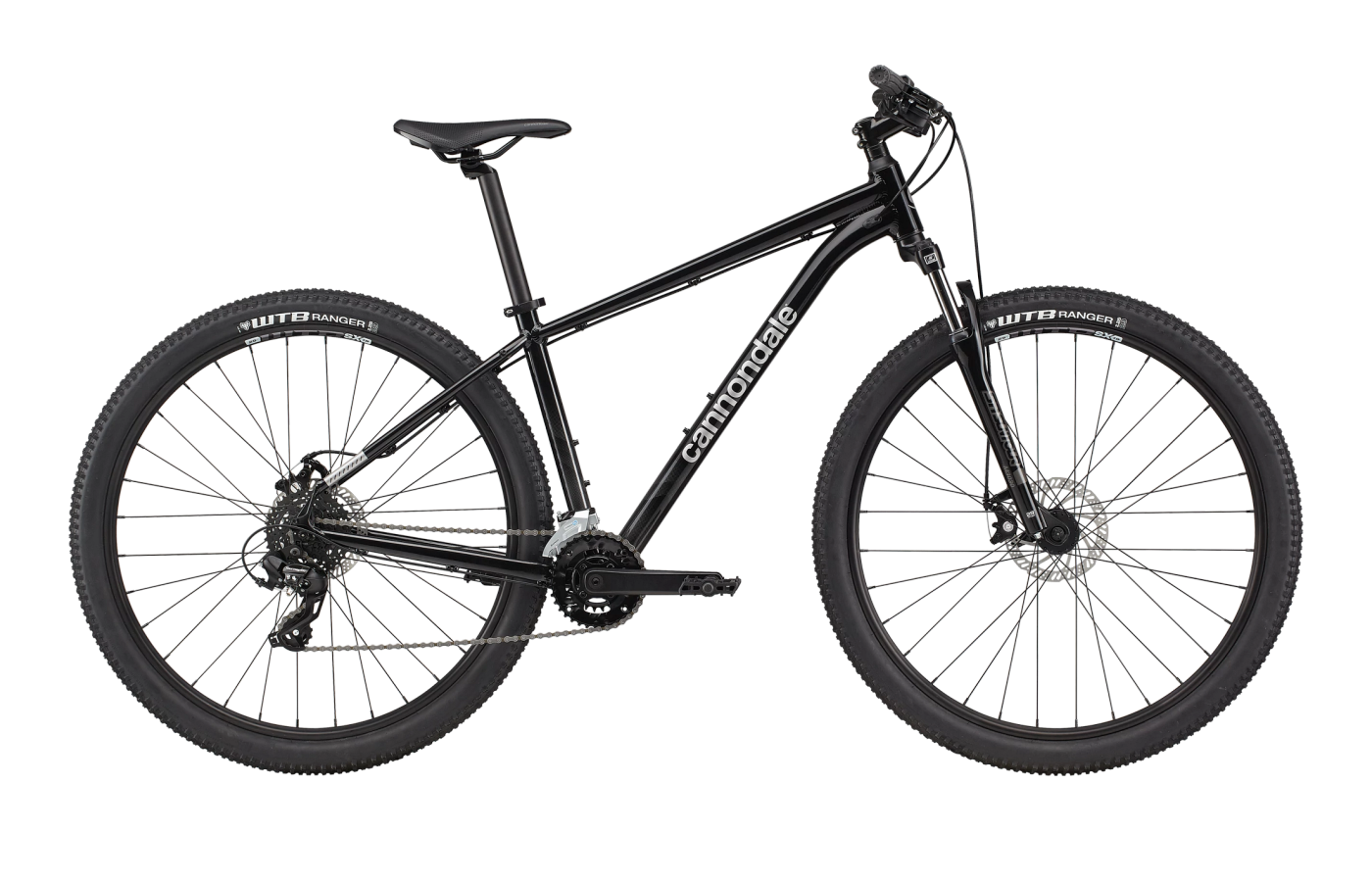
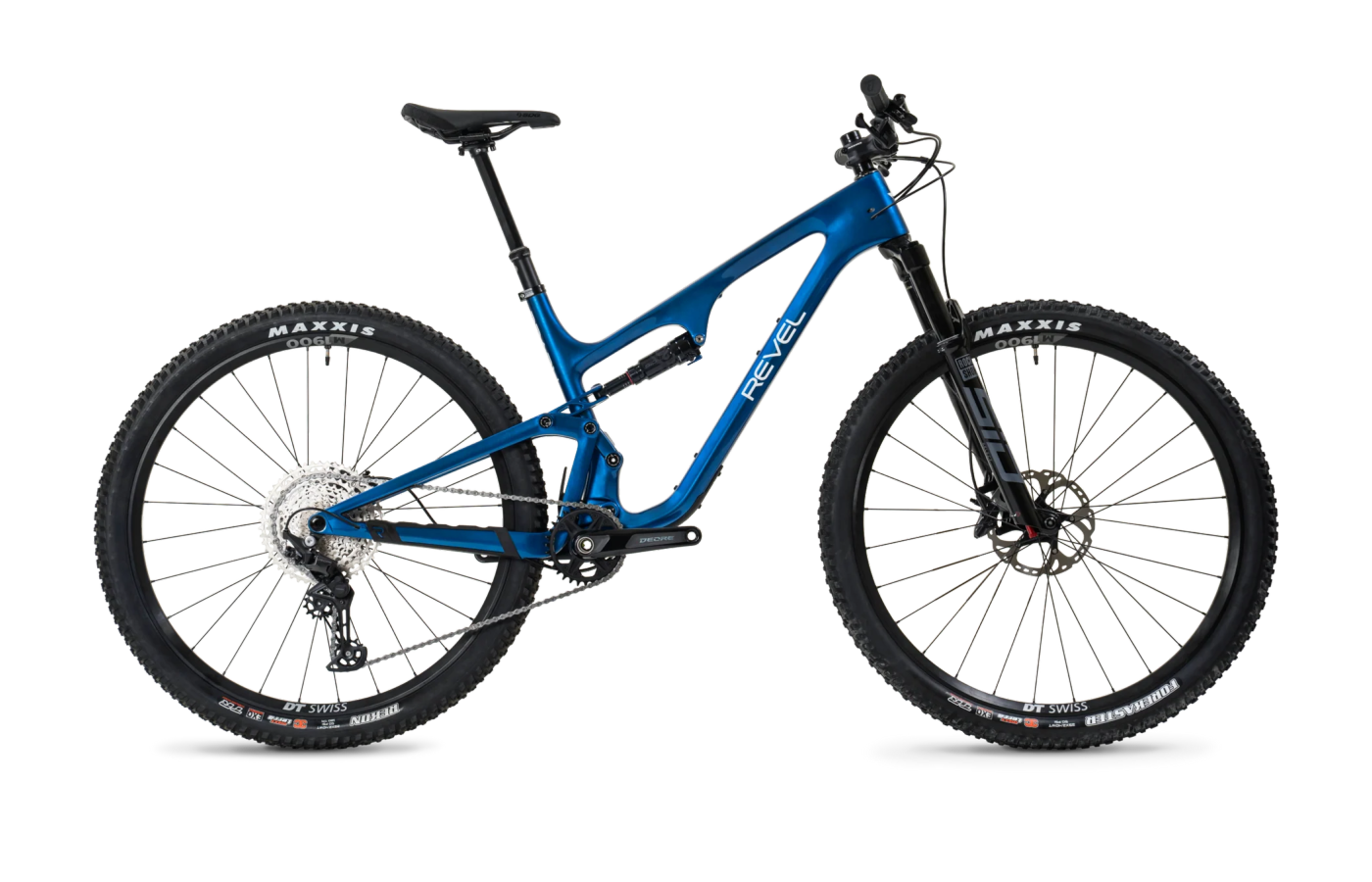
The Cannondale Trail starts as low as $485, offering a rugged aluminum gateway for beginners who want a brand-name bike without the sticker shock. On the other end of the spectrum, the Revel Ranger V2 is a $5,000+ carbon-fiber speed machine that uses a complex dual-link suspension to punch far above its 115mm of rear travel.
Overview
These bikes inhabit two different worlds of mountain biking. The Cannondale Trail is a hardtail ecosystem designed for versatility, serving as a reliable partner for anything from neighborhood commutes to light singletrack exploration. It relies on a simple, durable aluminum frame with Cannondale's SAVE technology, which uses engineered flex zones in the rear triangle to take the edge off vibrations. It’s a bike built for the person who needs a machine that is easy to own and works well on gravel paths or mellow forest roads. In contrast, the Revel Ranger V2 is what reviewers call a "stoic instrument of speed." It is a high-performance downcountry rig that uses the Canfield Balance Formula (CBF) suspension to achieve a level of pedaling efficiency that hardtail riders might actually envy. While the Cannondale is an entry-level platform that feels "heavy" to experienced riders, the Ranger is a lightweight carbon tool meant for covering vast distances in technical terrain. One is a straightforward hardtail for learning the ropes; the other is a sophisticated full-suspension weapon that maintains momentum through rock gardens that would stall a lesser bike.
Ride and handling
Riding the Cannondale Trail is an exercise in stability. Its 68-degree head tube angle creates a predictable front end that doesn't feel twitchy, which is a boon for novices developing their skills. However, the experience varies wildly by build; lower-tier versions with coil-sprung forks can feel "clunky" and harsh on choppy terrain, while the higher-end SE models with 120mm air forks handle rougher tracks with much more composure. The rear end is stiff, and even with the SAVE flex zones, you’ll feel the "harsh backend vibrations" on true mountain bike trails. The Revel Ranger V2 offers a completely different sensation, described by many as having "extra propulsion" during pedaling. The CBF suspension keeps the rear wheel glued to the ground on technical climbs, providing a level of traction that the Cannondale's bouncing rear end simply cannot match. On descents, the Ranger tracks "beautifully through washboard sections," absorbing square-edge hits with a "nearly bottomless" feel that belies its 115mm of travel. It isn't an "eager puppy" that wants to jump off every root, but it is incredibly precise, ending up exactly where you point it. Responsiveness is where the divide is most felt. The Ranger V2 is "laser-focused," with a stiff carbon rear triangle that provides a noticeable "snap" when you mash the pedals out of a corner. The Cannondale Trail is more of a cruiser; it handles well-centered and confident for a beginner, but it lacks the urgency and damping of the Ranger. Where the Cannondale might suffer from "pedal strikes" due to its low bottom bracket on the Trail 8 build, the Ranger stays active and high in its stroke, allowing you to pedal through chunder without clipping rocks.
Specifications
The spec gap is massive. The Cannondale Trail 8 relies on a 2x7 drivetrain and mechanical disc brakes—parts that reviewers warn "won't cut it" for serious trail abuse and require frequent tuning. Moving up to the Trail 1 or the SE models introduces 1x12 SRAM SX or Shimano Deore groupsets and hydraulic brakes, which finally bring the bike into the realm of real trail capability. However, most Cannondale builds still use square-taper bottom brackets and heavy coil forks that limit their performance on technical terrain. The Ranger V2 starts with high-end components and only goes up from there. Even the "base" Deore build is paired with 4-piston brakes and RockShox SID Ultimate suspension. The Ranger’s inclusion of a SRAM Universal Derailleur Hanger (UDH) means it can run the latest T-Type Transmissions, allowing for flawless shifting under full power—a technological leap that makes the Cannondale's traditional shifting feel antiquated. Wheels and tires further highlight the Ranger's premium positioning. While the Cannondale uses heavy WTB SX19 rims and often lacks tubeless compatibility on its cheapest builds, the Ranger comes with Industry Nine 1/1 hubs or optional $2,200 RW30 thermoplastic carbon rims. The Ranger's frame also features clever touches like a "debris guard" to keep pebbles out of the links and fully guided internal cable routing, whereas the Cannondale offers simpler semi-internal routing and basic plastic guards.
| Trail | Ranger | |
|---|---|---|
| FRAMESET | ||
| Frame | SmartForm C3 Alloy, SAVE, 1-1/8" headtube, post mount disc, StraightShot internal cable routing, dropper post compatible, BSA-73 | Ranger Carbon |
| Fork | SR Suntour M3030, 75mm, coil, 42mm offset (27.5") / 46mm offset (29") | RockShox SID Select 3P 120mm |
| Rear shock | — | RockShox SID SEL+; 115mm 190x45 |
| GROUPSET | ||
| Shift levers | microSHIFT, 7-speed | Shimano Deore M6100 |
| Front derailleur | microSHIFT Dual Pull Compact, Band Clamp | — |
| Rear derailleur | microSHIFT M26L | Shimano Deore M6100 SGS |
| Cassette | Sunrace, 11-34, 7-speed | Shimano Deore M6100 10-51t |
| Chain | KMC Z7, 7-speed | Shimano Deore M6100 |
| Crankset | Prowheel, 36/22 | Shimano Deore M6100 170mm 32t |
| Bottom bracket | Sealed cartridge bearing, square taper | Shimano BB MT501 73mm Threaded |
| Front brake | Tektro mechanical disc | Shimano Deore M6120 4-Piston |
| Rear brake | Tektro mechanical disc | Shimano Deore M6120 4-Piston |
| WHEELSET | ||
| Front wheel | WTB SX19, 32h; Formula, QR; Stainless Steel, 14g | Novatec Diablo XL |
| Rear wheel | WTB SX19, 32h; Formula, QR; Stainless Steel, 14g | Novatec Diablo XL |
| Front tire | WTB Ranger Comp, 29x2.25" (27.5x2.25" - XS, SM), DNA Compound | Maxxis Forekaster 29″ x 2.4″ 3C EXO Front |
| Rear tire | WTB Ranger Comp, 29x2.25" (27.5x2.25" - XS, SM), DNA Compound | Maxxis Rekon 3C EXO 29"x 2.4 Rear |
| COCKPIT | ||
| Stem | 6061 Alloy, 31.8, 8° | RaceFace Aeffect 35x50mm |
| Handlebars | 6061 Alloy Riser, 31.8mm, 25mm rise, 700mm | RaceFace Aeffect 35x760 20mm Alloy (SM/MD); RaceFace Aeffect 35x780 20mm Alloy (LG/XL) |
| Saddle | Cannondale Stage 3 | SDG Bel-Air 3 LUX |
| Seatpost | Cannondale 3, 6061 Alloy, 31.6x350mm (XS - SM), 400mm (MD-XL) | Crank Bros Highline 7; SM: 125mm; MD: 150mm; LG: 170mm; XL: 200mm |
| Grips/Tape | Cannondale Dual-Density | RaceFace Chester |
Geometry and fit comparison
The Revel Ranger V2 features a 67.5-degree head tube angle and a 473mm reach on the Large frame, creating a "conservative" downcountry geometry that favors speed and agility over raw aggression. Its 75.3-degree seat tube angle is relatively steep, helping keep the front wheel weighted during steep climbs. This setup feels stable at high speeds but remains nimble enough to "snake through extra-tight switchbacks" that longer enduro bikes might struggle with. Cannondale's geometry is designed for an "upright and balanced" fit, which is less taxing on the back for new riders. The head tube angle is surprisingly slack at 68 degrees, which prevents the bike from feeling too "darty" on fast descents. A key difference is the "Right-Sized Wheels" approach: Cannondale uses 27.5-inch wheels on XS and Small frames to keep the handling manageable for shorter riders, while larger sizes move to 29-inch wheels for better rollover. One persistent complaint with the Cannondale Trail is its low bottom bracket on certain builds, which can lead to frustrating pedal strikes. The Ranger’s 338mm bottom bracket height and active suspension avoid this pitfall. Furthermore, the Ranger's straight seat tube allows for long-travel dropper posts (up to 200mm on XL), whereas many Cannondale Trail frames are limited by shorter insertion depths or don't include droppers at all on the lower-priced models.
| FIT GEO | Trail | Ranger | |
|---|---|---|---|
| Stack | 632 | 619 | -13 |
| Reach | 447 | 473 | +26 |
| Top tube | 634 | 639 | +5 |
| Headtube length | 115 | 116 | +1 |
| Standover height | 795 | — | — |
| Seat tube length | 470 | 439 | -31 |
| HANDLING | Trail | Ranger | |
|---|---|---|---|
| Headtube angle | 68 | 67.5 | -0.5 |
| Seat tube angle | 73.5 | 75.3 | +1.8 |
| BB height | 307 | 338 | +31 |
| BB drop | 65 | 38 | -27 |
| Trail | 101 | 108 | +7 |
| Offset | 46 | 44 | -2 |
| Front center | 728 | — | — |
| Wheelbase | 1166 | 1194 | +28 |
| Chainstay length | 445 | 436 | -9 |
Who each one is for
Cannondale Trail
If your typical ride involves a mix of paved bike paths, gravel rail-trails, and the occasional dusty singletrack loop at the local park, the Cannondale Trail is the practical choice. It suits the person who wants a brand-name bike that can double as a weekday commuter—thanks to its rack and fender mounts—without spending thousands on technology they might not fully exploit. It is for the budget-conscious rider who wants a stable, predictable hardtail to learn the basics of mountain biking.
Revel Ranger
The Revel Ranger V2 is for the endurance rider who measures their weekends in thousands of feet of climbing. It is a tool for the person who finds hardtails too punishing but doesn't want the weight or "squish" of a long-travel trail bike. If you participate in technical XC races or multi-day bikepacking trips where "ruthless efficiency" and momentum are your highest priorities, the Ranger's CBF suspension makes it one of the most effective ground-coverers on the market.