Endurace
vsWarroad
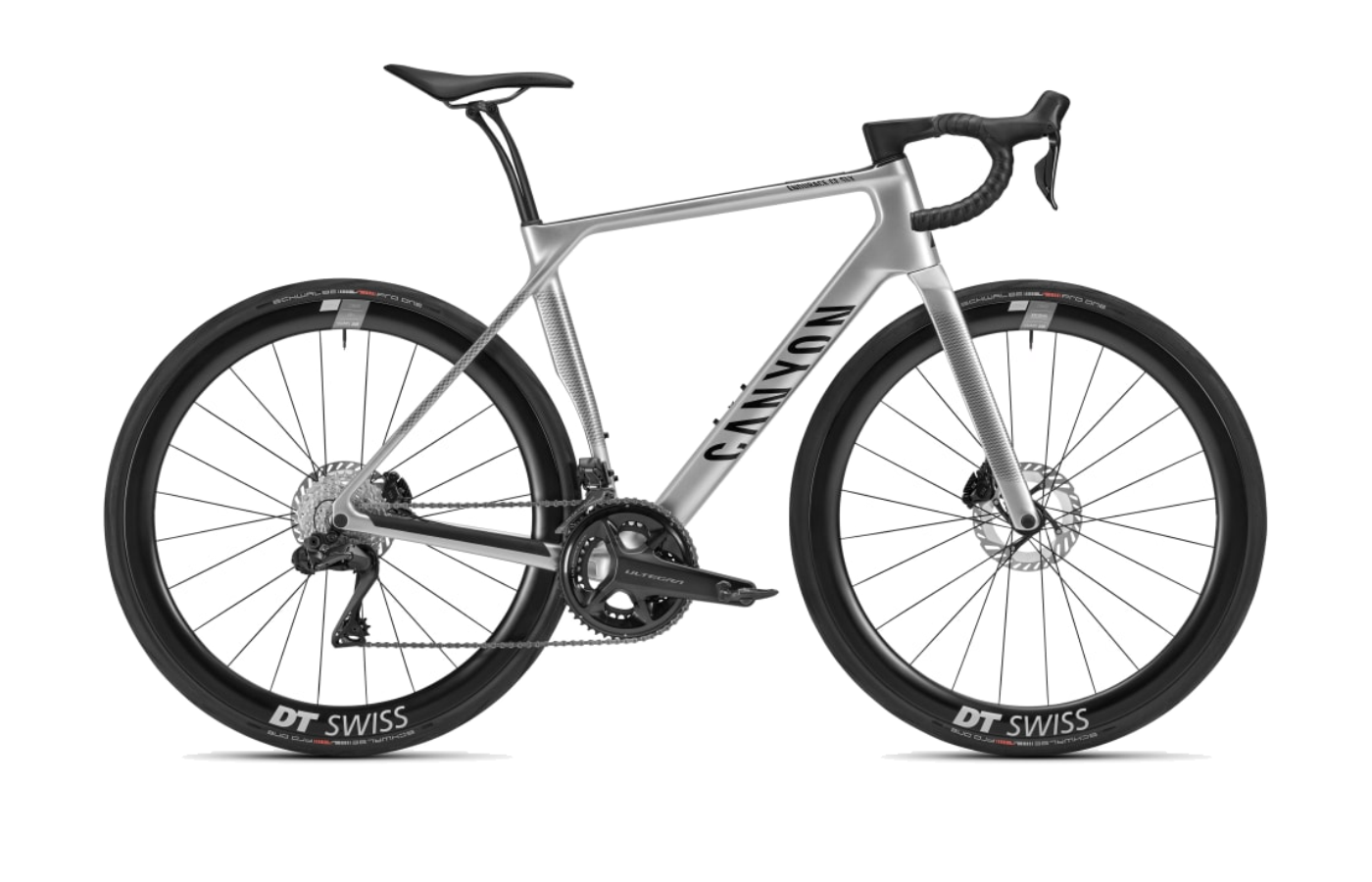
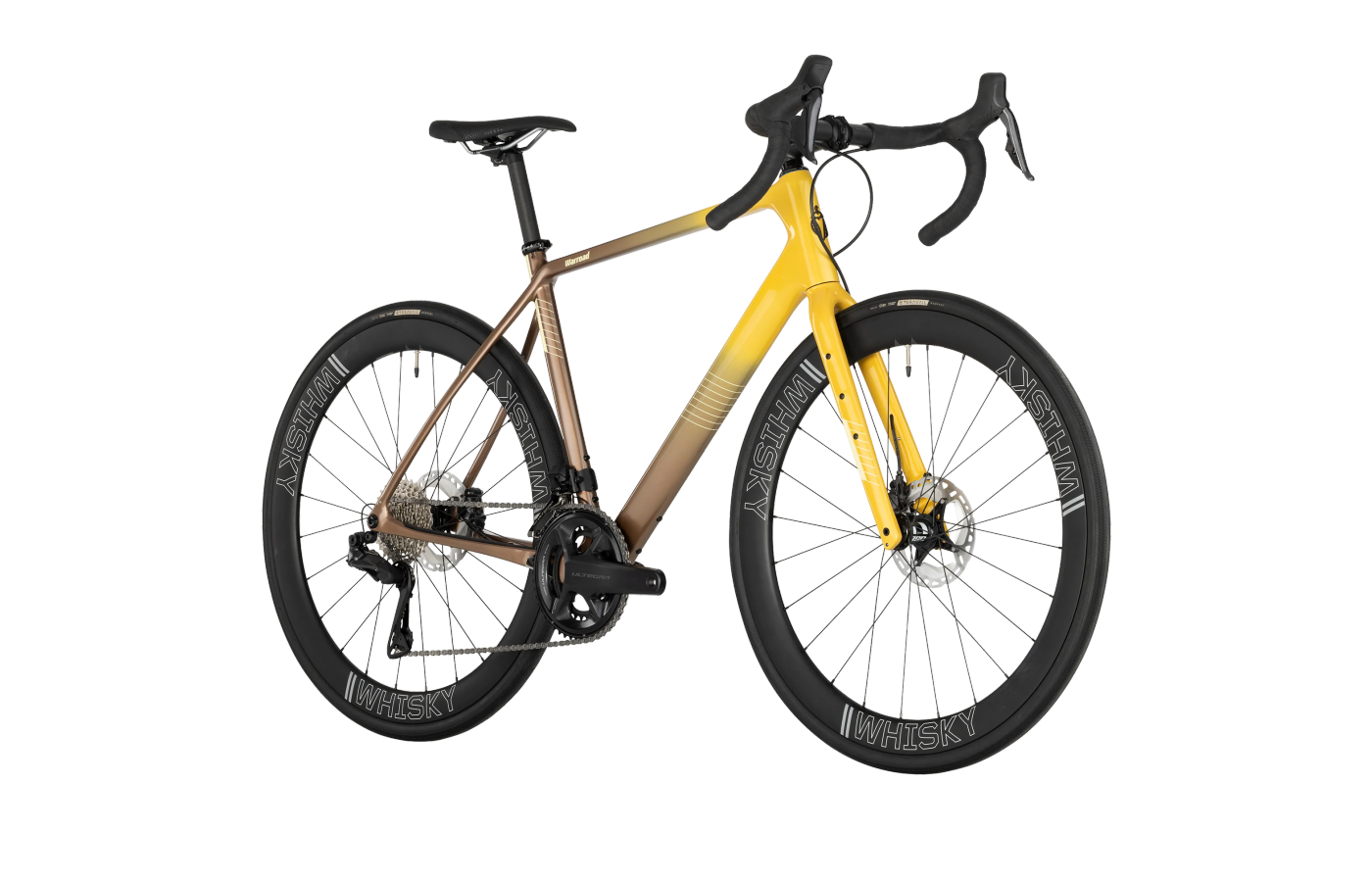
Two endurance bikes, two definitions of all-day.
The Canyon Endurace is a clinical, integrated road tool with a power meter on every Di2 build. The Salsa Warroad is a versatile carbon all-rounder built to bolt on bags and swap wheelsets.
Endurace
- Power meter on every Di2 build — Canyon ships 4iiii, SRAM, or Shimano PMs stock from $3,399 up.
- Wider build range — $1,499 CUES alloy entry to a $9,099 Dura-Ace CFR flagship; eight options total.
- Integrated aero cockpit with 50 mm width and 20 mm height adjustment — clean and tunable without a re-cable.
- Heavier than the previous Endurace generation — the new aero and storage features add grams.
- Proprietary CP0048 cockpit means you can't swap stem length without buying another unit.
Warroad
- True dual-wheel platform — 35 mm on 700c, 47 mm on 650b. Two bikes' worth of personality in one frame.
- Mounts everywhere — 3-4 bottle bosses, top-tube bag, fork anything-cages, mudguard and rack ready.
- Class 5 VRS seatstays deliver real vertical compliance without the integration tax of a leaf-spring post.
- No power meter on any stock build — add $400-700 yourself.
- Tops out at Ultegra Di2 ($4,619); no Dura-Ace or Red AXS option exists.
Editor’s analysis
Same category, same 35 mm tire ceiling on 700c — but the philosophies barely overlap.
Both the Canyon Endurace and Salsa Warroad land in the endurance-road bracket, with 415 mm chainstays, 35 mm tire clearance, and carbon frames designed for long days rather than crit-podium attacks. From there they diverge fast. The Endurace is Canyon's bread-and-butter platform, redesigned in 2023 with aero-flagship features borrowed from the Aeroad — internal top-tube storage, a one-piece integrated cockpit, deep wheels, and a stock power meter on every Di2 build. The Warroad has barely changed since 2019 and isn't trying to.
The Canyon Endurace is the more polished, higher-tech bike. CF SLX or CFR carbon, eight builds spanning $1,499 to $9,099, and a Sport Geometry that sits 27 mm taller than Canyon's race Ultimate while keeping head-tube angles up around 72-73 degrees in the larger sizes. Reviewers describe the ride as "clinical" — eerily silent, stiff through the bottom bracket, with a leaf-spring VCLS seatpost smoothing chip-seal. Cyclist Magazine called the handling "racier than you'd expect for a bike of this type." It's an endurance bike that wants to feel fast.
The Salsa Warroad is the more versatile, more characterful bike. Class 5 VRS seatstays flex outward to take vibration off the rear; the frame carries 3-4 bottle mounts, top-tube bag bosses, fork mounts for anything-cages, and full mudguard compatibility. Officially the 700c clearance is 35 mm, but the Warroad is also 650b-compatible up to 47 mm — a wheel swap that, per Bicycling and Advntr, transforms it into "a nimble, playful, go-anywhere SUV" for light gravel. The lineup tops out at one Ultegra Di2 build with carbon Whisky wheels; there is no Dura-Ace tier.
Put another way: the Canyon Endurace is what you buy when you want a fast endurance road bike with race-bike DNA and a power meter included. The Salsa Warroad is what you buy when "endurance" means bikepacking, mixed surfaces, and a second wheelset in the basement. They're both good. They're not solving the same problem.
Where the builds differ.
Comparing our editor's-pick builds side-by-side. Winners highlighted row-by-row — lower price and weight, and the better-spec component, each mark a point.
Build variants & pricing
Canyon spans $7,600 across eight builds; Salsa offers four carbon builds in a tighter $1,999-$4,619 window. The Warroad's ceiling is the Endurace's middle.
Prices are current US MSRP. The Salsa Warroad's flagship is Ultegra Di2 — there is no Dura-Ace or SRAM Red build, so apples-to-apples we've matched it against the Canyon CF SLX 8 Di2 ($5,499). Buyers wanting Dura-Ace, Red AXS, or a sub-$2k aluminum option will only find them on the Endurace side.
How they fit, how they steer.
Different sizing conventions, same fit-picked target. Canyon XS gives 548 mm stack / 370 mm reach with a 70.8° head angle; Salsa 56 cm runs 584 mm stack / 381 mm reach at 71°. Chainstays are identical at 415 mm; the Salsa's wheelbase is 29 mm longer.
Which size should I buy?
Canyon's range is broader (3XS to 2XL, eight sizes); Salsa runs six sizes from 49 to 61 cm with no XS or XXS-equivalent.
→These are starting points. Flexibility, riding style, and preferred position all shift the answer — if you’re between sizes, a professional fit beats a chart.
What the magazines said.
Published reviews from trusted cycling outlets. Click through for the full write-up.
Which one should you buy?
If you want a fast, integrated endurance bike with a power meter included, get the Endurace. If you want one carbon frame that handles road, light gravel, and bikepacking with a wheel swap, get the Warroad.
Endurace
If your endurance riding is paved centuries, fast group rides, and the occasional brevet — and you want race-bike polish without the race-bike fit — the Endurace is the more refined tool. The included power meter, integrated cockpit, and broader build range make it the easier purchase for a road-only rider.
Warroad
If your idea of endurance is mixed surfaces, multi-day routes, or commuting with bags — and you'd rather have one frame that does many jobs than a one-trick aero machine — the Warroad's mounts, 650b compatibility, and Class 5 VRS compliance make it the rare frame that genuinely earns the "all-road" label.
Questions buyers actually ask.
Short answers to the things we get emailed about most often.
01Which has more tire clearance?
Both clear 35 mm tires on 700c wheels — identical on paper. The difference is what's underneath that ceiling.
The Canyon Endurace is 700c-only, with stock tires running 30-32 mm depending on build. The Salsa Warroad is also 650b-compatible, opening up to 47 mm tires on the smaller wheel size. That's the dividing line: if you want one bike that can occasionally swap into mid-volume gravel rubber, only the Warroad does that without buying another frame.
02Which is faster on pavement?
The Canyon Endurace, on most days. Its CF SLX frame borrows aero tube shapes from the Aeroad, the integrated CP0048 cockpit reduces frontal area, and stock builds spec deeper carbon wheels at most price points (45 mm DT Swiss ERC on Di2 builds).
Reviewers consistently call the Endurace "racier than you'd expect for a bike of this type" (Cyclist Magazine), with quick steering and a stiff bottom bracket for sprints. The Warroad is no slouch on tarmac — the Whisky No.9 50D carbon wheels on the Ultegra Di2 build are properly fast — but the frame is tuned for compliance and versatility first; reviewers note it lacks the "snap" of a pure road race bike.
03What about geometry — which fits more like a race bike?
Neither is racy, but they get to comfortable in different ways.
The Canyon Endurace uses what it calls Sport Geometry: a size M sits 27 mm taller in stack and 15 mm shorter in reach than Canyon's race Ultimate. Head-tube angles are sporty for an endurance bike (around 72-73° in mid-to-large sizes), but the position is upright.
The Salsa Warroad runs a slacker 71° head angle across most sizes and a slightly more stretched cockpit. In a 56 cm it's 584 mm stack / 381 mm reach — actually a touch longer and lower than the comparable Canyon. If you have a longer torso and want a flatter back, the Warroad's geometry may feel more natural.
04Do either come with a power meter stock?
Canyon: yes, on most builds. Every Endurace Di2 build from the $3,399 CF 7 Di2 up through the $9,099 CFR Dura-Ace ships with a stock power meter — 4iiii Precision 3+ on Shimano builds, SRAM Force AXS Powermeter on the AXS build, Dura-Ace dual-sided on the flagship.
Salsa: no. None of the four Warroad builds include a power meter. Adding a single-sided 4iiii or Stages costs another $400-450; spider-based options run $700-1,000.
05Can I tour or bikepack on either?
Both can be loaded, but the Salsa Warroad is purpose-built for it.
The Warroad has 3-4 bottle mounts inside the main triangle (downtube top, downtube bottom, seat tube), top-tube bag bosses, fork mounts for anything-cages, full mudguard mounts, and rear-rack mounts (with an optional clamp). Reviewers ran it loaded "to the hilt" on a Wales bikepacking trip with no issues (Advntr).
The Canyon Endurace has internal top-tube storage and standard bottle mounts but no fork cargo mounts and no rack provisions. It'll take a saddle bag and a frame bag — fine for a credit-card overnight, not built for proper touring.
06How serviceable are the cockpits?
The Canyon Endurace ships with the one-piece CP0048 carbon cockpit on all Di2 builds. It offers 50 mm of width adjustment and 20 mm of height adjustment — better than most integrated systems — but changing stem length means buying a new unit. Hose bleeds require partial disassembly.
The Salsa Warroad uses a conventional alloy bar and stem (Salsa Guide bar with a Zoom or Salsa alloy stem). Swap stem length, raise or lower stack, or replace after a crash with any standard part. It's the much cheaper bike to fit and live with long-term.
07How do they handle on rough roads?
Both are well-regarded, with different mechanisms.
The Canyon Endurace uses a VCLS leaf-spring carbon seatpost that delivers measurable rear-end flex. Combined with 30-32 mm stock tires it's described as "clinical" — very effective at high-frequency vibration but with a relatively stiff front end thanks to the aero cockpit.
The Salsa Warroad uses Class 5 VRS seatstays — exaggerated bow shapes that flex outward under load. Reviewers call the rear end "plusher than many carbon bikes." With 650b wheels and 47 mm tires it transforms into a true light-gravel platform; with 700c/32 mm it sits closer to the Endurace's road feel.
08Which holds up better as a one-bike-quiver?
It depends on what your quiver needs to do.
If the bike has to be fast on pavement and look the part on group rides, the Canyon Endurace wins. It's the more refined road bike, with a higher drivetrain ceiling, deeper carbon wheels at most price points, and a stock power meter for training.
If the bike has to double as a light-gravel rig, a bikepacking platform, or a commuter with mudguards and racks, the Salsa Warroad wins. Two wheelsets and a few bolt-on bags turn it into something the Endurace can't replicate without buying a second frame.
Similar bikes
If your priorities don’t map cleanly onto either of these, one of these adjacent bikes probably fits better.
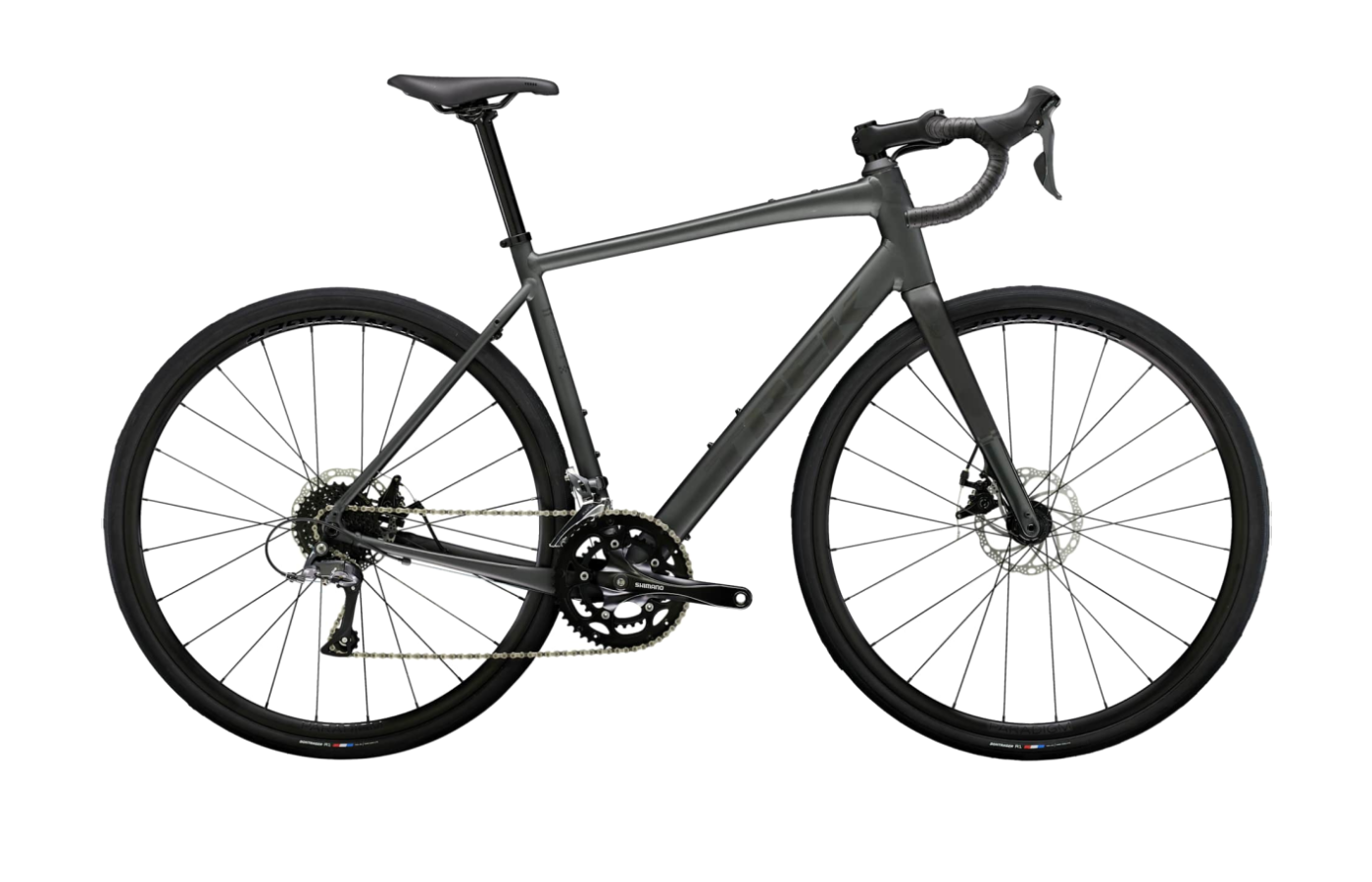
Domane
The closest US-dealer alternative to the Endurace — IsoSpeed decoupler for compliance, internal downtube storage, and Project One paint customization. Nicer ownership experience than Canyon's direct-to-consumer model if you want a shop relationship; usually pricier for the same component tier.
Compare →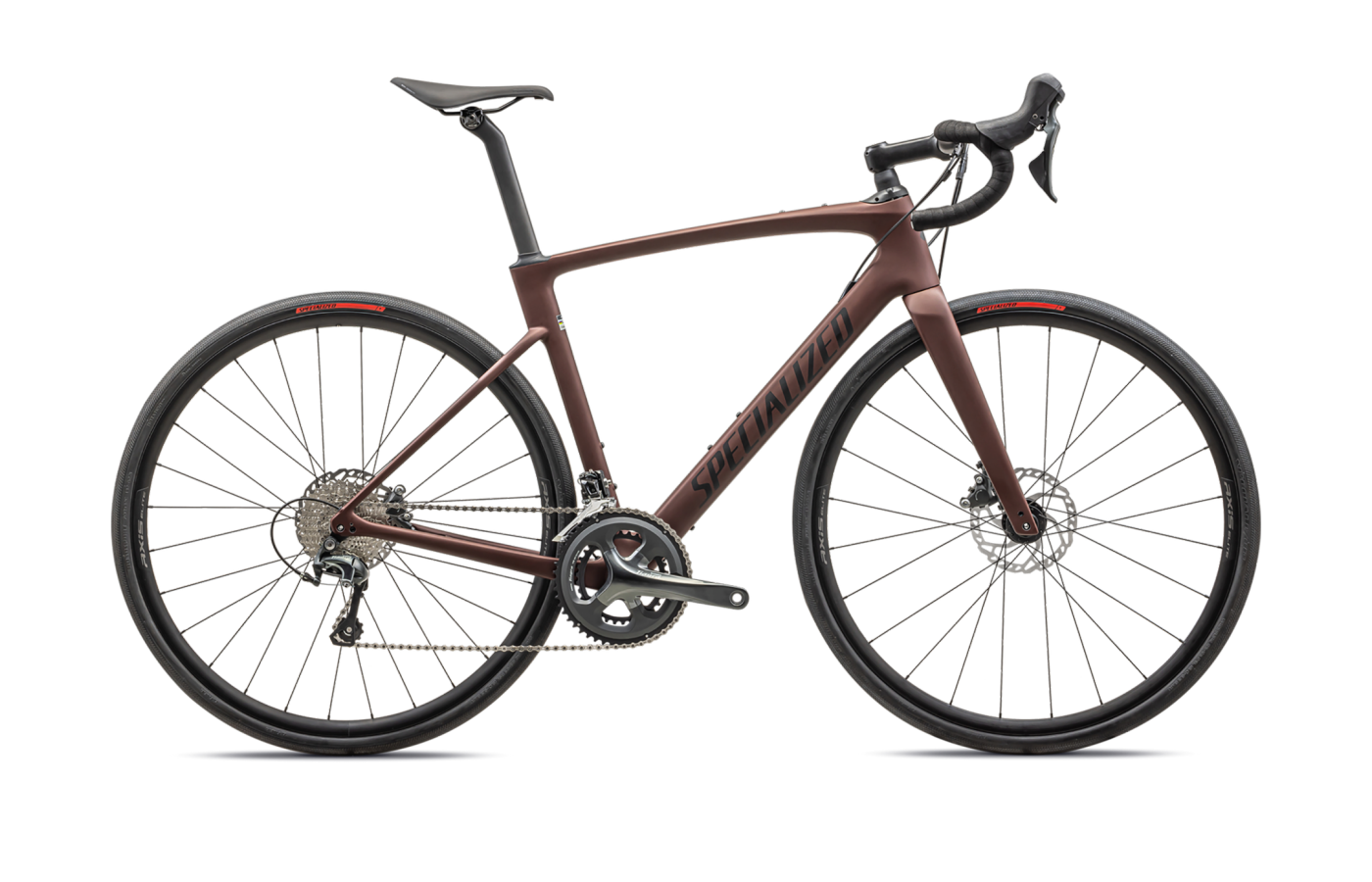
Roubaix
Specialized's endurance flagship — solves comfort with a sprung Future Shock at the headset rather than a flexy seatpost. Roomier 40 mm tire clearance than either bike here, and a more upright fit than the Endurace; the right pick if front-end harshness is your primary concern.
Compare →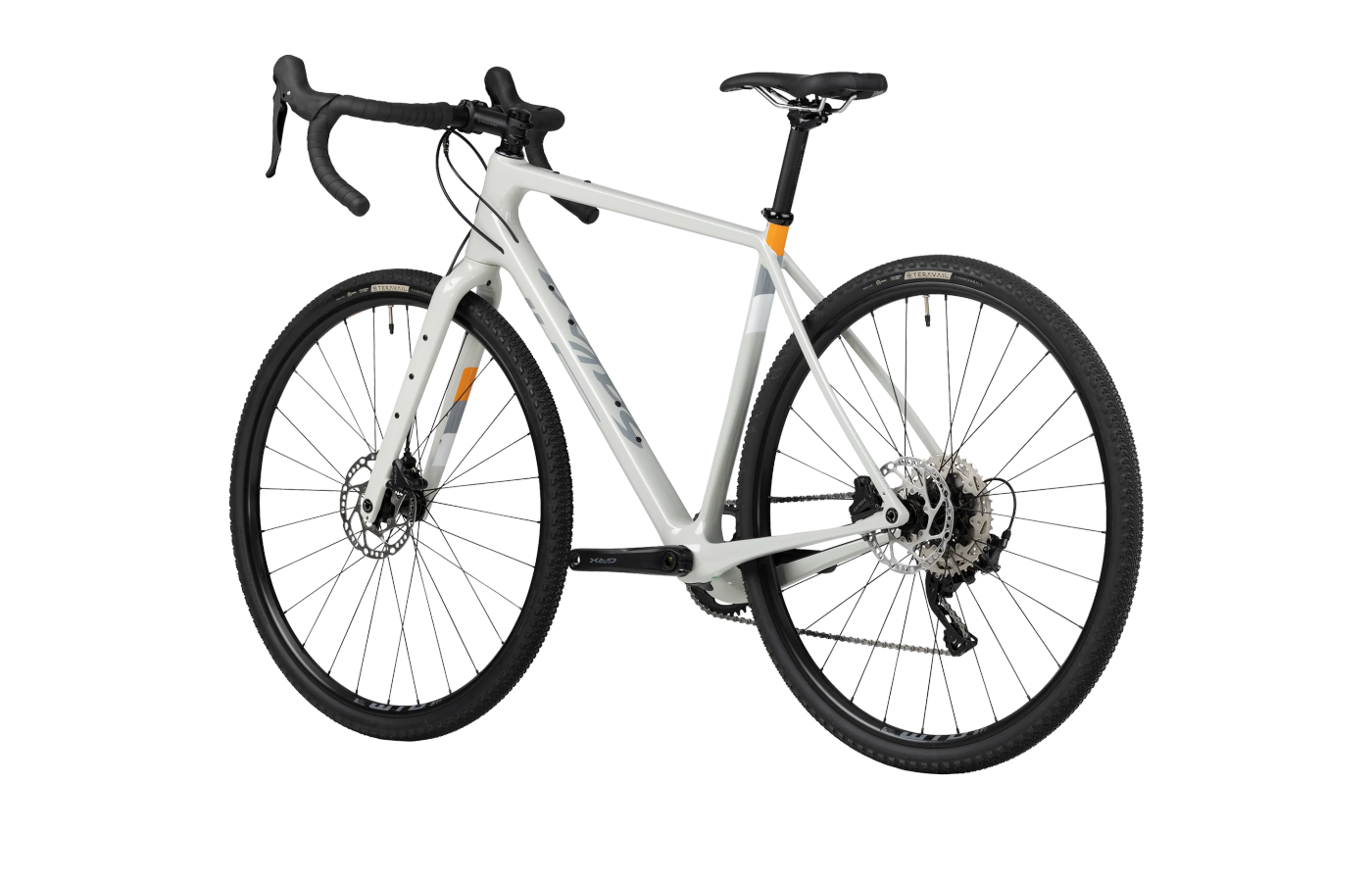
Warbird
Salsa's purpose-built gravel race bike, and the natural step up from the Warroad if you ride more dirt than pavement. Longer wheelbase, slacker front end, and bigger 700c clearance — the stable, composed counterpoint to the Warroad's quicker, road-leaning geometry.
Compare →