Endurace
vsRoubaix
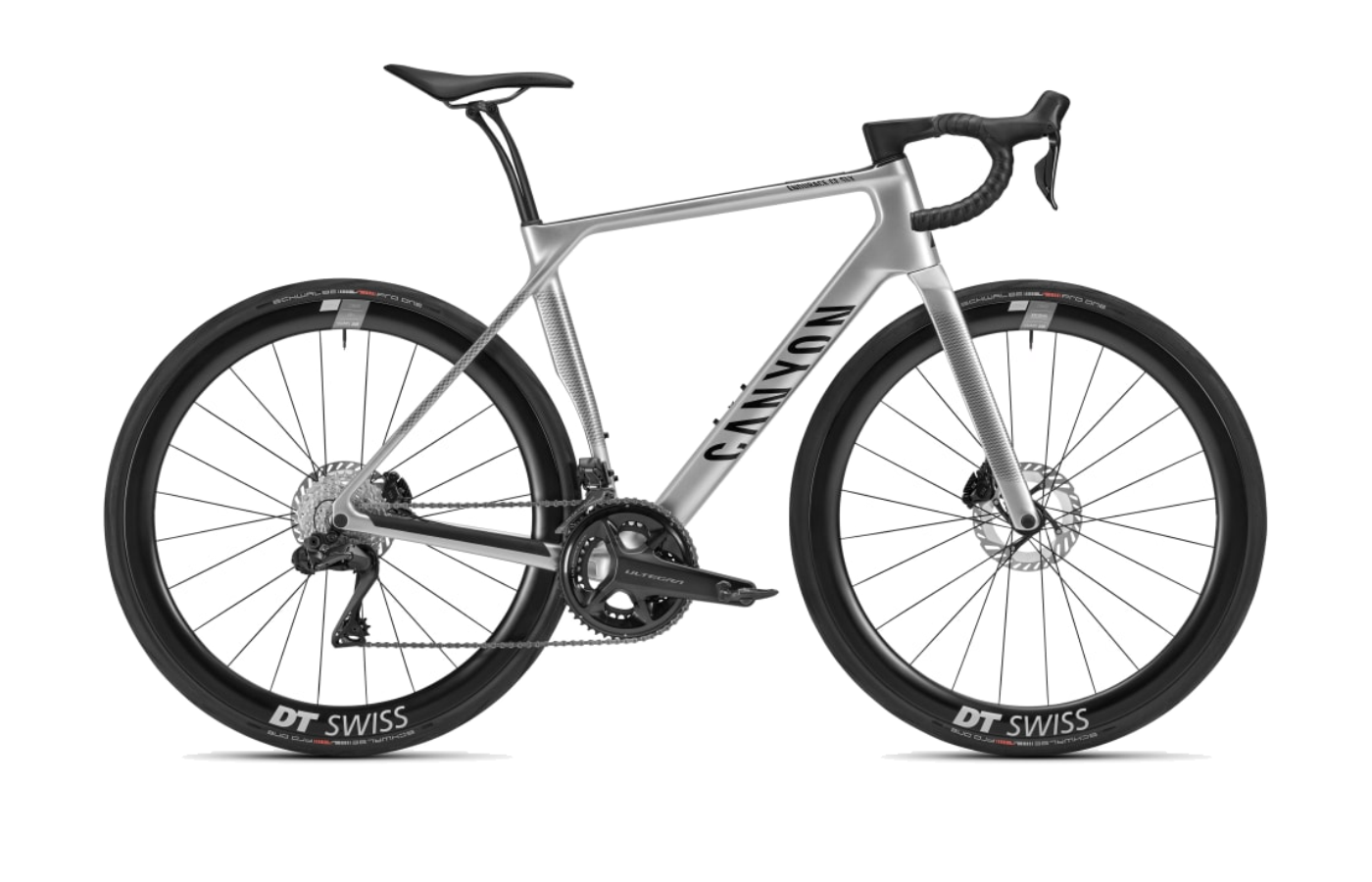
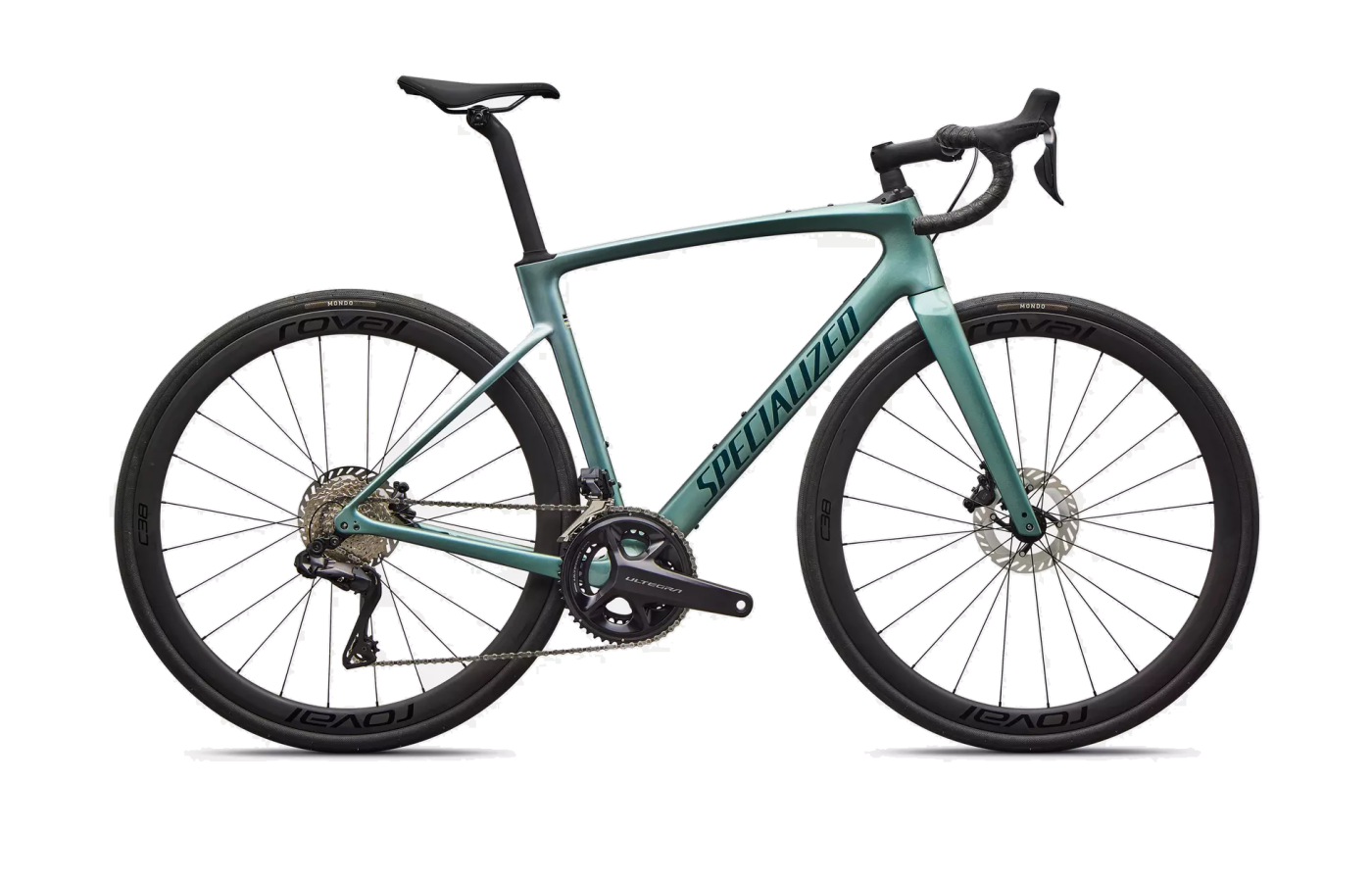
Two endurance bikes, two definitions of comfort.
The Canyon Endurace solves comfort with passive carbon, fat tires, and direct-to-consumer pricing. The Roubaix solves it with active suspension and 38 mm of clearance.
Endurace
- Direct-to-consumer pricing — Ultegra Di2 with a power meter and DT Swiss carbon wheels at $5,499 undercuts every traditional brand at this spec.
- Lighter, racier feel — stiff CF SLX frame, integrated aero cockpit, no suspension hardware to add grams or maintenance.
- Power meter on every Di2 build — even mid-tier Endurace builds ship with a 4iiii or SRAM-spider power meter as stock.
- Tops out at 35 mm tire clearance — fine for chip-seal, tight if you want true light gravel.
- Integrated CP0048 cockpit is width-adjustable but stem length is fixed; some reviewers note the front end feels stiffer than the very plush rear.
Roubaix
- Future Shock 3.0 actually works — 20 mm of front-end travel that erases potholes and chip-seal in a way no passive frame can match.
- 38 mm tire clearance and full mudguard mounts make it a genuine year-round and light-gravel bike.
- Threaded BSA bottom bracket — a small detail that pays off across years of ownership versus press-fit alternatives.
- Premium pricing — the Ultegra Di2 build is $500 more than the equivalent Canyon and the wheelset is alloy, not carbon.
- Future Shock raises the effective stack and limits how low you can drop the front end — not the bike for an aggressive position.
Editor’s analysis
Same category on paper, completely different engineering bets — passive compliance versus a spring under your stem.
On the spec sheet, the Canyon Endurace and the Specialized Roubaix look like they're chasing the same rider: someone who wants race-bike pace without race-bike pain. Both run modern aero tube shapes, both ship with 32 mm tires as standard, both span from sub-$3,000 carbon to flagship Dura-Ace builds. But the philosophy under the paint diverges almost immediately.
The Canyon Endurace gets its smoothness the old-fashioned way — a flex-tuned carbon frame, a long-proven VCLS leaf-spring seatpost, generous tire volume up to 35 mm, and a more upright Sport Geometry. There's nothing moving on the bike that isn't moving on a regular road bike. Reviewers call the result 'fast yet forgiving' — the integrated cockpit keeps the front end direct and racy, while the rear floats. It's also the cheaper platform: the entry alloy CUES build starts at $1,499, and the carbon range tops out at $9,099.
The Specialized Roubaix bets on hardware. The Future Shock 3.0 sits between the head tube and stem and gives you 20 mm of axial travel — Specialized's pitch is that the road feels smoother because the road is, in fact, being mechanically smoothed. Pair that with the Pavé seatpost, a 38 mm tire clearance, and a longer, more stable wheelbase, and the Roubaix is doing things on chip-seal and broken pavement that the Endurace cannot match. That capability has a price floor: $2,799 for Tiagra-spec, $5,999 for the Ultegra Di2 build most buyers actually consider, and $12,499 at S-Works.
Put another way: the Canyon Endurace is the endurance bike for someone who wants a fast road bike that's nice on long days. The Specialized Roubaix is the endurance bike for someone who wants their road bike to handle the roads they actually have.
Where the builds differ.
Comparing our editor's-pick builds side-by-side. Winners highlighted row-by-row — lower price and weight, and the better-spec component, each mark a point.
Build variants & pricing
Canyon's range starts at $1,499 (alloy CUES) and tops out at $9,099. The Roubaix runs $2,799 to $12,499 — no alloy entry, but a deeper top end with the FACT 12R S-Works frame.
Prices are current US MSRP. The Canyon CF SLX 8 Di2 at $5,499 includes a 4iiii power meter and DT Swiss ERC 1400 carbon wheels, where the Roubaix SL8 Expert at $5,999 ships with alloy Roval C38 carbon wheels and no stock power meter — the gap reflects the cost of the Future Shock system and dealer-channel pricing.
How they fit, how they steer.
Different size labels — same fit-picked rider. The Canyon's Sport Geometry runs upright and short, so the algorithm picks XS (548 stack / 370 reach). The Roubaix sizes more conventionally and lands at 54 (585 stack / 381 reach). The Roubaix's longer wheelbase (1012 mm vs 991 mm) and 5 mm longer chainstays bias toward stability; the Future Shock then adds another ~20 mm of effective stack on top.
Which size should I buy?
The Endurace runs eight sizes from 3XS to 2XL with shorter reach across the board; the Roubaix runs seven sizes (44–61) with conventional road geometry. Compare both ranges before assuming a number translates.
→These are starting points. Flexibility, riding style, and preferred position all shift the answer — if you’re between sizes, a professional fit beats a chart.
What the magazines said.
Published reviews from trusted cycling outlets. Click through for the full write-up.
Which one should you buy?
If you want fast, light, and value-loaded for long road days, get the Endurace. If your roads are broken and you want a single bike that handles them comfortably, get the Roubaix.
Endurace
The Endurace is the bike for someone whose 'comfort' problem is solved by good tires, a relaxed reach, and a flexy seatpost — not active suspension. You get Ultegra Di2, carbon wheels, and a power meter at $5,499, plus a stiff frame that climbs and sprints like a real road bike. Long club rides and Sunday centuries on decent tarmac.
Roubaix
The Roubaix is the bike for someone whose roads are genuinely rough — frost-heaved, chip-sealed, gravel-shoulder-after-a-detour rough. Future Shock plus 38 mm clearance turns those surfaces into a smooth ride in a way no amount of carbon flex can. Also the right call if you want one bike for road, light gravel, fenders, and bikepacking.
Questions buyers actually ask.
Short answers to the things we get emailed about most often.
01Which is more comfortable on rough roads?
The Specialized Roubaix, by a clear margin. The Future Shock 3.0 gives you 20 mm of axial travel at the bars and the Pavé seatpost flexes a claimed 18 mm at the back — together they 'erase' impacts that the Endurace can only damp passively through frame flex and tire pressure.
The Canyon Endurace is genuinely smooth for a passive bike (its VCLS seatpost and 32 mm stock tires do real work), but on chip-seal, broken pavement, or light gravel the Roubaix is in a different category.
02Which climbs better?
The Canyon Endurace. It's lighter, stiffer at the bottom bracket, and lacks the ~200 g of Future Shock hardware at the front end. Reviewers describe it as a 'superb climbing companion' that 'surges forward with no flex' when sprinting out of the saddle.
The Roubaix climbs respectably — the frame is stiff and Specialized's geometry isn't slack — but heavier riders have reported some Future Shock 'bob' on out-of-saddle efforts with the softer spring. The S-Works Future Shock 3.3 has on-the-fly damping adjustment to mitigate this; the Expert and Comp use the fixed-damping 3.2.
03What's the maximum tire clearance?
Canyon Endurace: 35 mm officially, with the alloy CUES build going up to 40 mm.
Specialized Roubaix: 38 mm officially, with reviewers measuring closer to 40 mm on the Roval Terra C wheels' 25 mm internal width. With full mudguards installed, the Roubaix drops to 35 mm.
If maximum tire volume matters to you, the Roubaix wins — and it's the only one of the two with mudguard mounts.
04Why does the comparison use Canyon size XS but Specialized size 54?
The two brands size their endurance frames differently. Canyon's Sport Geometry runs short and tall — a Canyon size M has a 378 mm reach, where most road brands at 'medium' run 380–390 mm. The fit algorithm picks XS for a 5'8" / 173 cm rider on the Endurace because the reach lands in the right zone; on the Roubaix the same rider sizes into a conventional 54.
The size labels look very different but the saddle-to-bar fit is roughly equivalent — 548 mm stack / 370 mm reach (Endurace XS) vs 585 mm stack / 381 mm reach (Roubaix 54), with the Future Shock adding effective height to the Roubaix front end.
05Does the Future Shock require special maintenance?
Yes, but less than it used to. Specialized redesigned the cartridge for the SL8 generation with improved seals on both the boot and the cartridge itself, specifically to keep grit and water out. Spring swaps (the Expert and Comp ship with three coil options — soft, medium, firm) take a few minutes with the unit on the bike.
The cartridge carries a separate two-year warranty, and Specialized has committed to producing replacement Future Shocks for five years after the platform's last production year. Some reviewers still find the headset preload procedure 'goofy' and note a contamination gap at the top of the headset cover.
06Which integrated cockpit is more adjustable?
The Canyon CP0048 on the CF SLX builds offers 50 mm of width adjustment and 20 mm of height adjustment from a single one-piece carbon unit — but stem length is fixed per size. Width adjustability is genuinely useful for travel and dialing in shoulder width.
The Roubaix uses a separate stem and bar (Future Stem + Hover alloy bar on the Expert), so swapping stem length or bar width is a normal $50–$150 part change rather than a $400+ cockpit replacement. For riders who like to adjust their fit over time, the Roubaix's two-piece setup is friendlier; for riders who want the cleanest aero-integrated front end out of the box, the Canyon wins.
07Can I fit fenders on either bike?
Roubaix: yes — full mudguard mounts on the frame and fork, with 35 mm clearance retained when fenders are installed. This is part of the SL8's 'all-season' pitch and a real differentiator.
Endurace: no — Canyon deliberately omits mudguard mounts on the carbon Endurace. Riders who need year-round wet-weather fenders will need clip-on solutions or the alloy AllRoad CUES build (which has wider clearance and accepts fenders).
08Which is the better value at the $5,500–$6,000 price point?
On spec-for-dollar, the Canyon Endurace CF SLX 8 Di2 ($5,499) wins decisively — Shimano Ultegra Di2, DT Swiss ERC 1400 carbon wheels, and a 4iiii power meter, all in one package.
The Specialized Roubaix SL8 Expert ($5,999) ships with the same Ultegra Di2 drivetrain but pairs it with alloy Roval C38 carbon wheels and no stock power meter. You're paying $500 more for the Future Shock system, the threaded BB, the wider tire clearance, and Specialized's dealer network.
Which is 'better value' depends on whether you'll use the Future Shock often enough to justify the gap. On smooth roads — probably not. On the kind of roads the Roubaix was designed for — easily.
Similar bikes
If your priorities don’t map cleanly onto either of these, one of these adjacent bikes probably fits better.
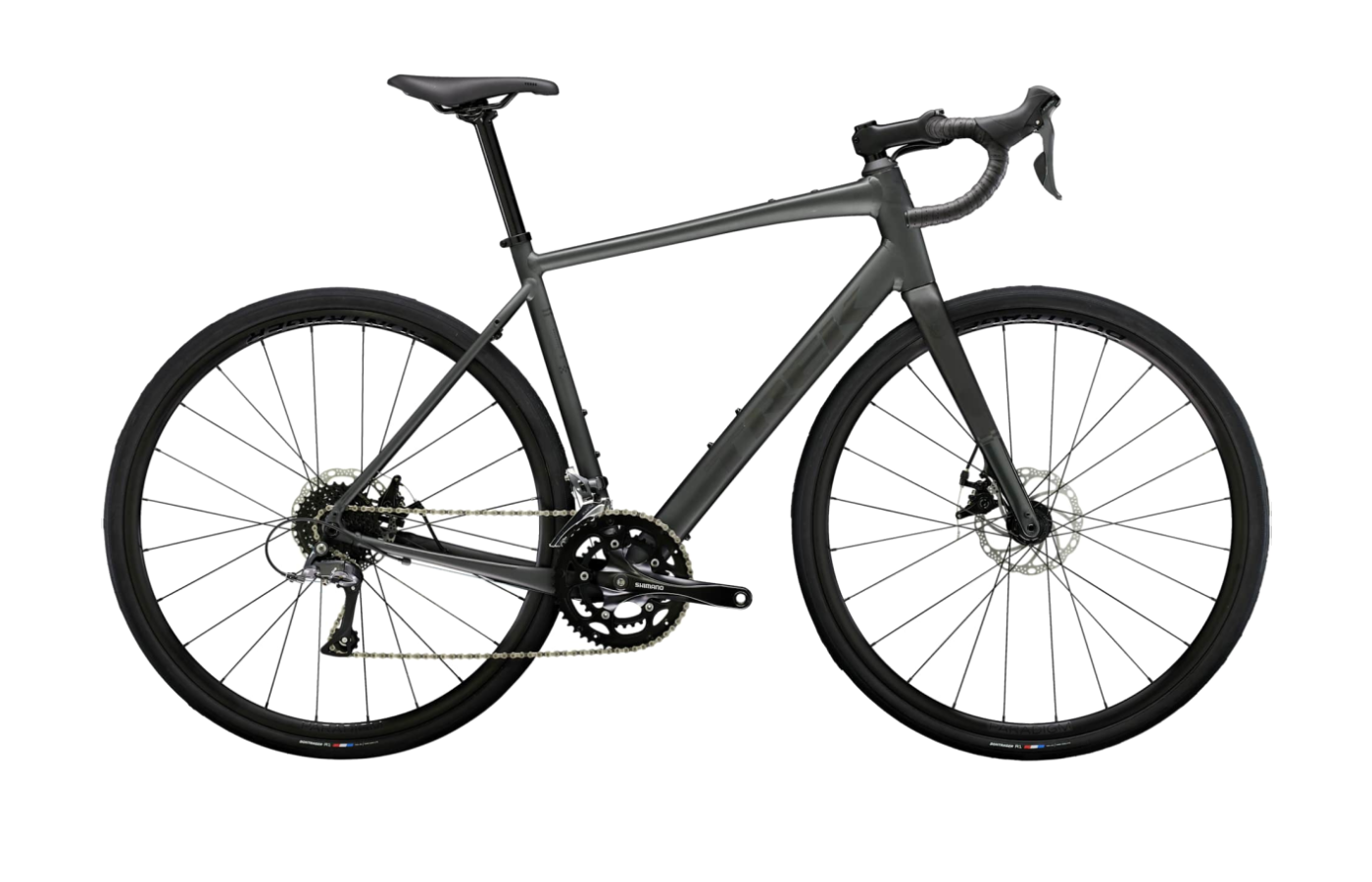
Domane
Trek's endurance flagship, with the IsoSpeed decoupler at the rear and downtube storage. A different mechanical answer to the same comfort problem — passive flex, but engineered into the frame rather than under the bars.
Compare →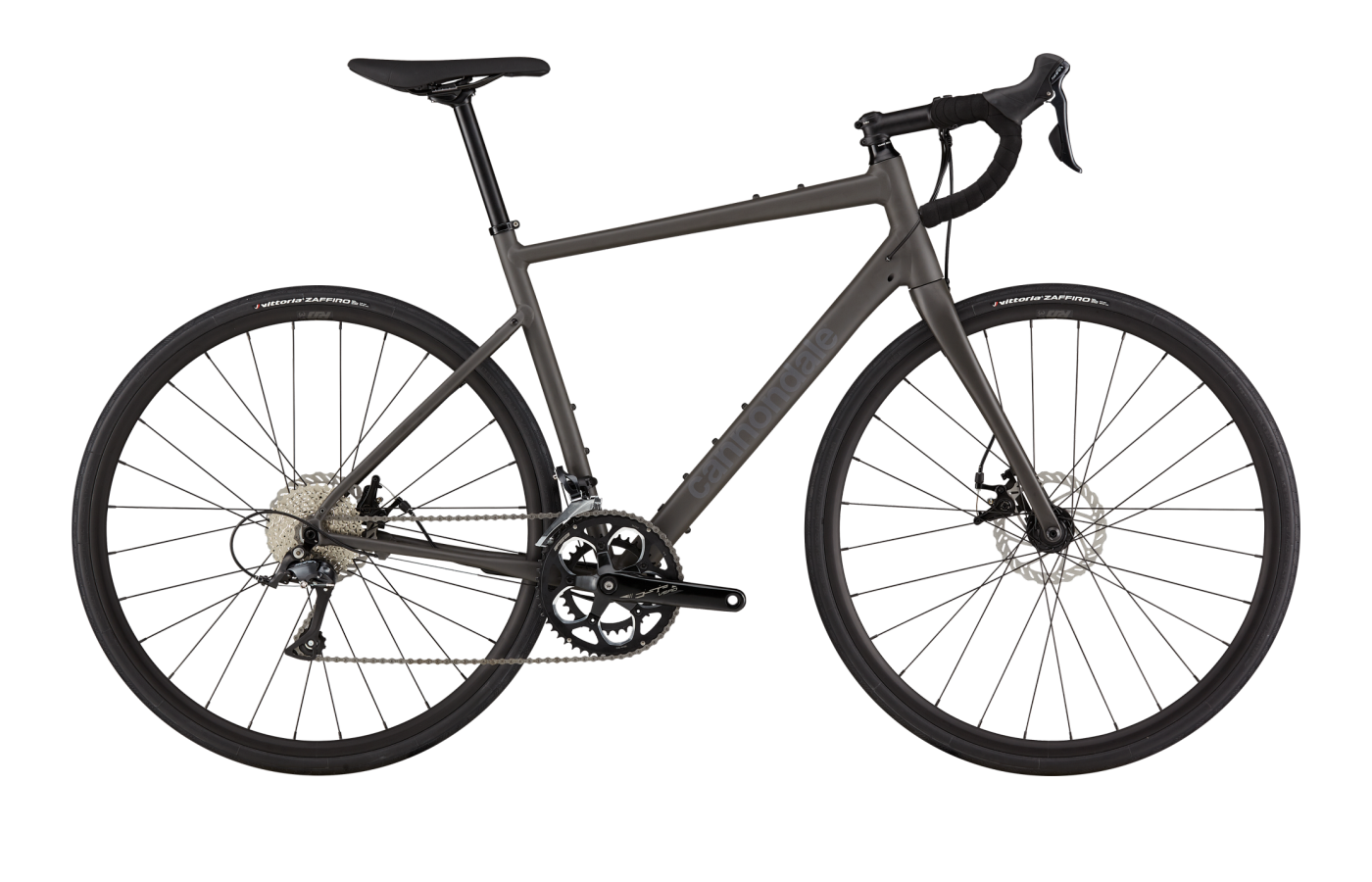
Synapse
Cannondale's long-running endurance platform, balanced and unfussy. SmartSense lighting on some builds is unique in the category, and the geometry threads the needle between the racy Canyon and the suspension-heavy Roubaix.
Compare →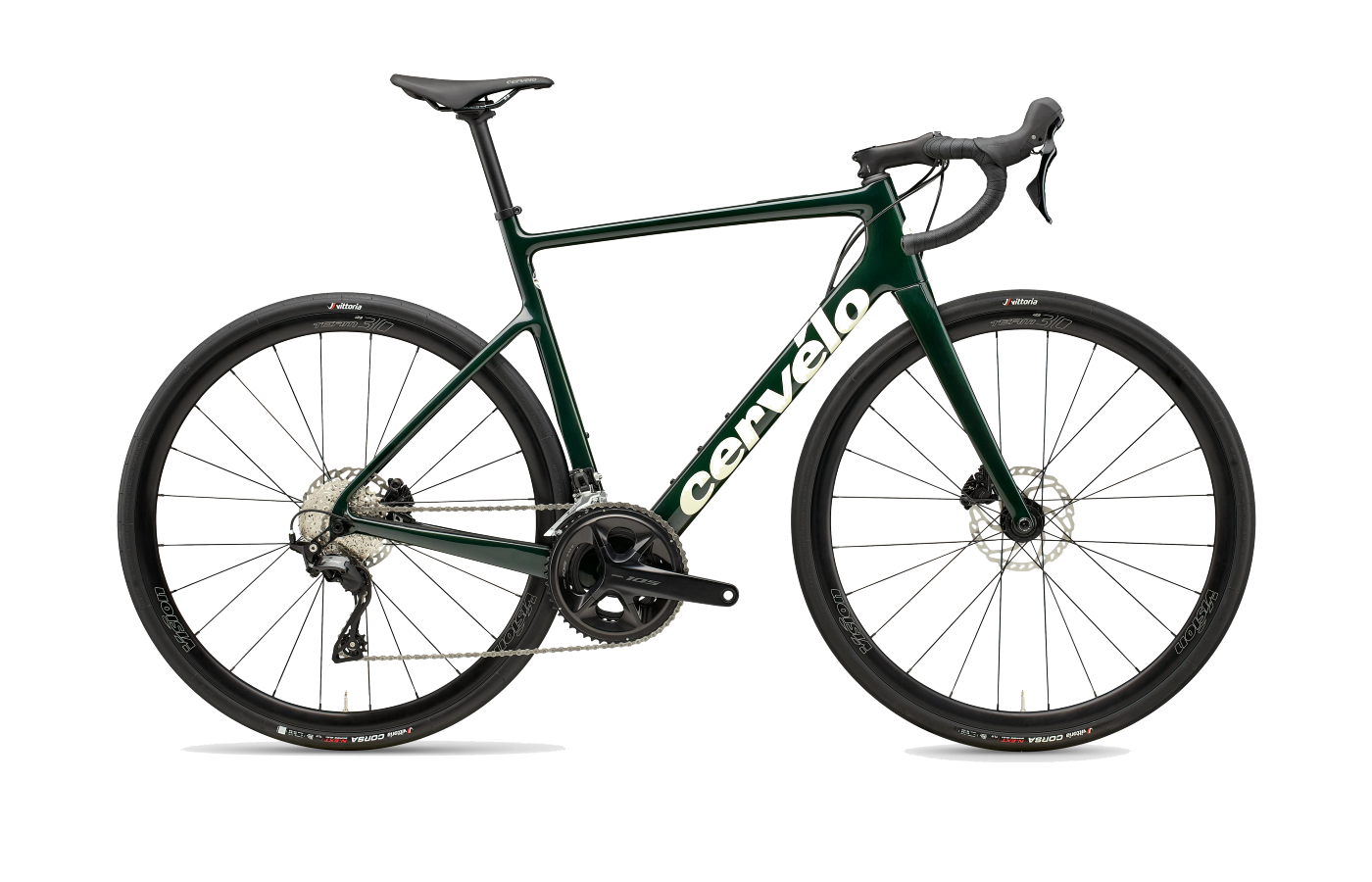
Caledonia
Cervelo's all-road bike, biased more toward race-bike speed than either of these. Generous tire clearance and a sharper geometry — the right call if 'endurance' for you means long fast group rides rather than rough pavement.
Compare →