Aspero
vsWarroad
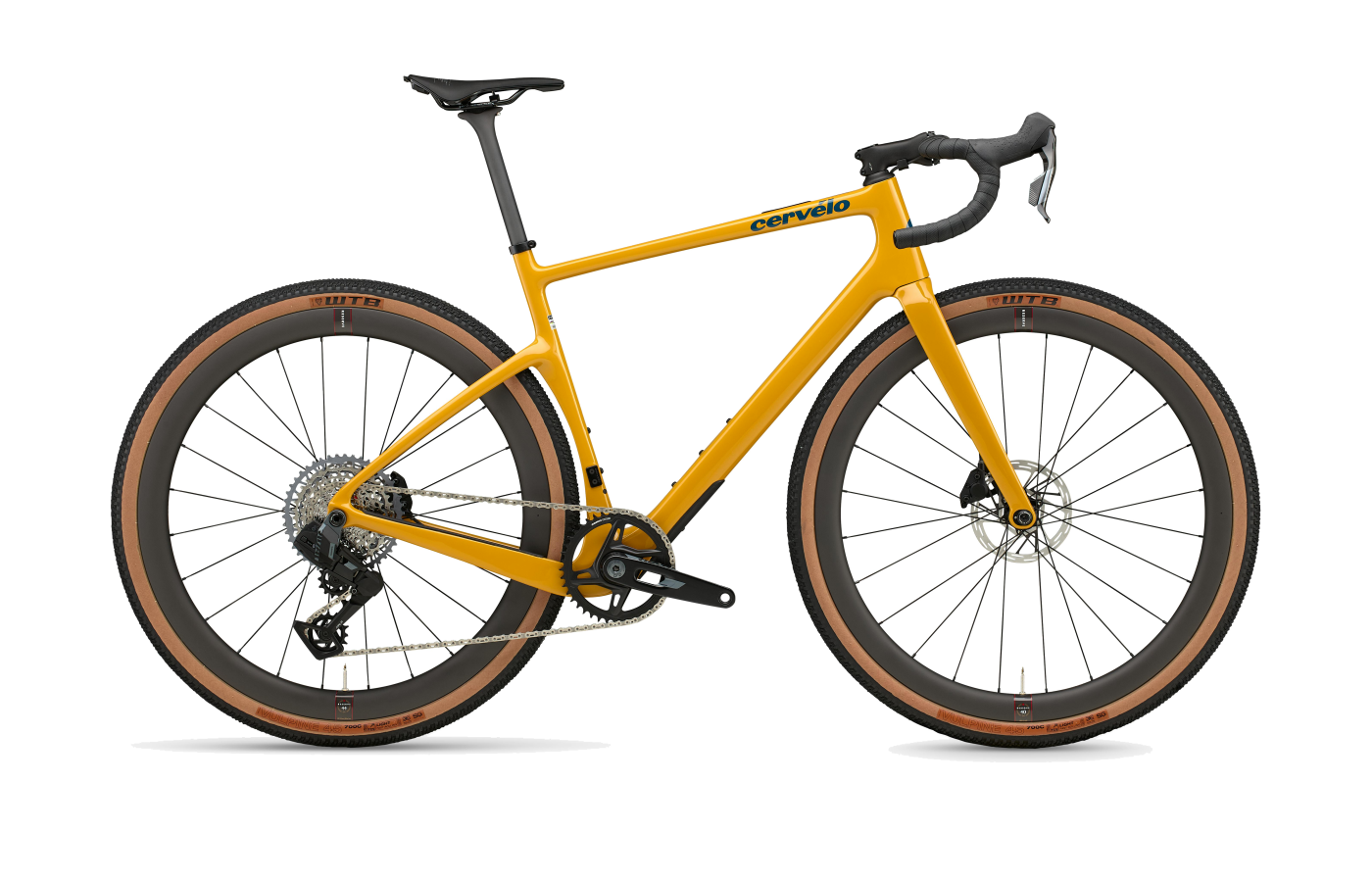
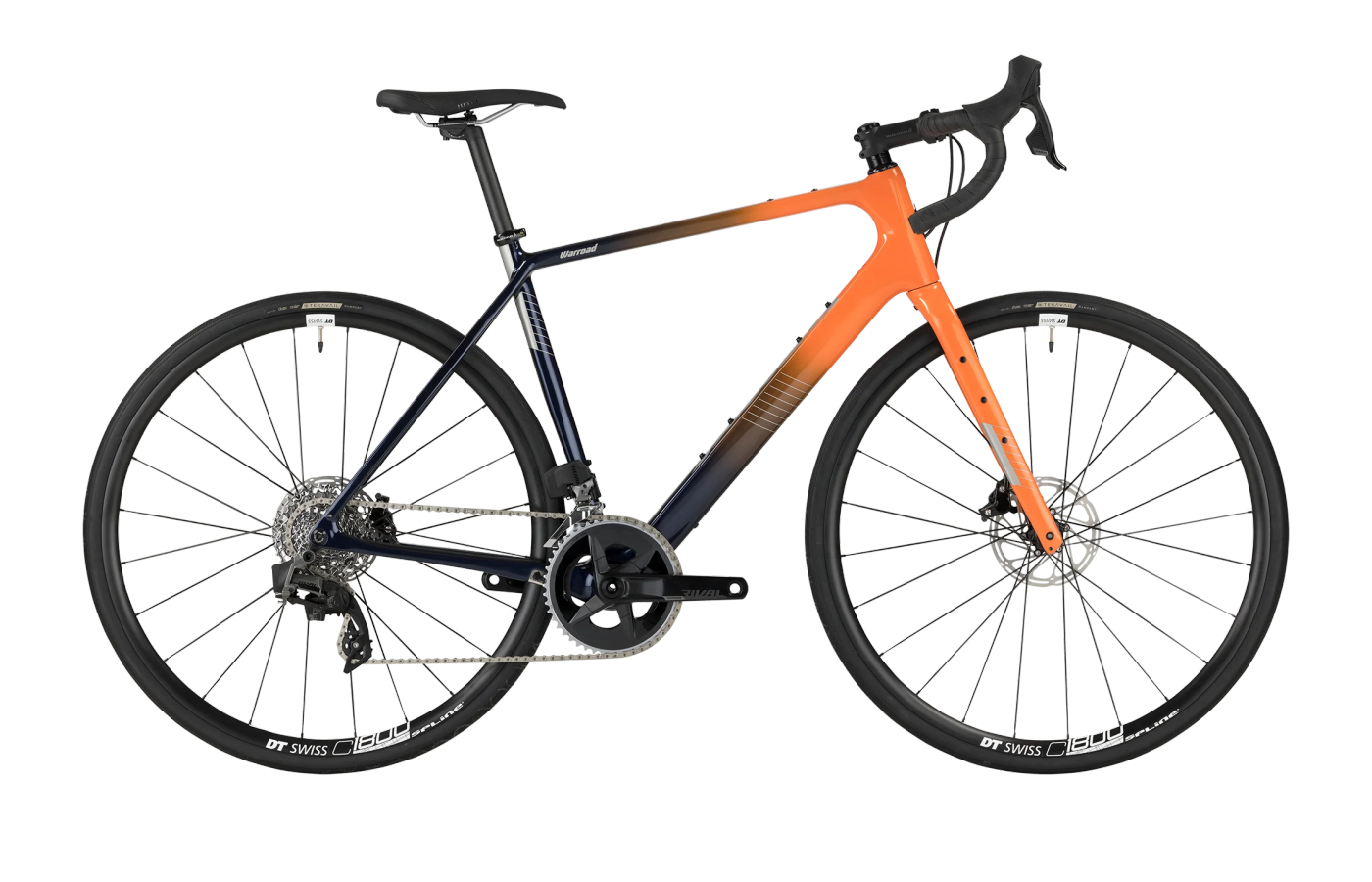
Two drop bars, two different jobs.
The Aspero is a gravel race bike that hauls ass on dirt. The Warroad is an endurance road bike that happens to take wider tires.
Aspero
- 45 mm tire clearance — enough for true gravel race tires, with 6 mm of mud clearance to spare.
- Threaded T47 BB and UDH hanger — reviewers single both out as serious longevity wins over the previous generation.
- Race-day cockpit out of the box — Cervélo's AB09 carbon bar with 16-degree flare ships on every build above the entry GRX.
- No fender mounts and minimal bikepacking provisions — this is a race bike, not a tourer.
- Aggressive 555 mm stack at size 54 makes it a stretch for riders who prefer an upright position.
Warroad
- Endurance geometry done right — 584 mm stack at size 56cm and a Class 5 VRS rear triangle reviewers call "plusher than many carbon bikes."
- Mounts for everything — three to four bottle cages, fender eyelets, top-tube bag, fork low-riders, dropper-post routing.
- 650b-compatible for 47 mm tires — a real second-wheelset trick few road bikes pull off.
- 35 mm max clearance on 700c lags every modern gravel bike — this is the limiter for serious dirt.
- No clutched derailleur on the Ultegra/Rival road builds; reviewers note audible chain slap on rough ground.
Editor’s analysis
One was built to win gravel races. The other was built to ride forever — and quietly tag along when the pavement runs out.
On paper these look like neighbors — both carbon, both drop-bar, both pitched at the road-rider who wants to leave town. Spend any time with the geometry and the spec sheets and the overlap collapses. Cervelo built the Aspero to chase Unbound podiums; Salsa built the Warroad to outlast you on a 200 km mixed-surface day. Same handlebar shape, very different mission.
The Aspero is the sharper tool on dirt by every measurable spec. It clears 45 mm tires (vs 35 mm on the Warroad), bolts on a SRAM UDH derailleur hanger and a threaded T47 bottom bracket for race-week serviceability, and ships with WTB Vulpine 45c tires that are ready for the start line out of the box. Its 72-degree head angle and 388 mm reach in our compared size 54 put you forward and low — Cervelo's stated goal of "a fast road-bike position" applied to gravel.
The Warroad goes the other way: 35 mm max clearance on 700c, a Class 5 VRS rear triangle that flexes for comfort, mounts for racks and three-to-four bottle cages, and a stack that sits 29 mm taller (584 mm vs 555 mm) at the fit-equivalent size. Salsa's pitch is a single bike for fast Sunday road rides, light gravel detours, and the occasional bikepacking trip. With 650b wheels swapped in, it accepts 47 mm tires and reviewers describe it transforming into a "playful go-anywhere SUV."
Put another way: the Aspero is the bike you buy when gravel is the point and pavement is the commute. The Warroad is the bike you buy when pavement is the point and gravel is the bonus.
Where the builds differ.
Comparing our editor's-pick builds side-by-side. Winners highlighted row-by-row — lower price and weight, and the better-spec component, each mark a point.
Build variants & pricing
The Aspero spans $3,550–$7,050 and skews carbon-wheel from the mid-tier up. The Warroad spans $1,999–$4,619 and stays alloy-wheeled at every price point.
Prices are current US MSRP. Editor's picks here are matched on drivetrain tier — both are SRAM Rival electronic (XPLR/eTap) — to keep the spec table apples-to-apples. The Aspero pick costs $1,200 more, mostly because of the carbon Reserve wheels.
How they fit, how they steer.
Aspero 54 vs Warroad 56cm — the fit-picked sizes for the same rider on each bike. The Warroad sits 29 mm taller in stack and 7 mm shorter in reach, runs a 1-degree slacker head tube, and has 10 mm shorter chainstays — endurance road geometry against gravel race geometry, distilled.
Which size should I buy?
Size suggestions based on stack, reach, and effective top tube. The Warroad's range starts smaller (49 cm) and tops out larger (61 cm) than the Aspero's six-size grid.
→These are starting points. Flexibility, riding style, and preferred position all shift the answer — if you’re between sizes, a professional fit beats a chart.
What the magazines said.
Published reviews from trusted cycling outlets. Click through for the full write-up.
Which one should you buy?
If gravel races and fast dirt loops are the goal, get the Aspero. If long mixed-surface days with the option to bolt on a rack are the goal, get the Warroad.
Aspero
If your calendar has start lines on it — Unbound, BWR, your local gravel series — the Aspero is the right tool. Race-day clearance, race-day geometry, race-day componentry. Just don't expect to mount a bikepacking setup on it.
Warroad
If your week is mostly tarmac with a few dirt detours and the occasional overnight, the Warroad does the job no dedicated road or gravel bike does on its own. Two wheelsets and it becomes two different bikes.
Questions buyers actually ask.
Short answers to the things we get emailed about most often.
01Which one actually handles gravel?
Both can ride gravel; only the Cervelo Aspero is built for it. The Aspero clears 45 mm 700c tires officially (with 6 mm of mud clearance), uses a threaded T47 bottom bracket and SRAM UDH hanger for off-road serviceability, and ships with WTB Vulpine 45c gravel tires.
The Salsa Warroad maxes out at 35 mm on 700c — fine for hardpack and chip-seal, marginal for chunkier surfaces. It can run 650b wheels with 47 mm tires for more dirt capability, but that's a separate wheelset purchase.
02Which is faster on pavement?
Closer than you'd guess. The Aspero is genuinely fast on tarmac — Cervélo claims roughly 4 watts of aero gain over the previous generation, the position is aggressive (388 mm reach, 555 mm stack at size 54), and the stiff bottom bracket transfers power directly. Reviewers consistently say it "rolls surprisingly fast on tarmac."
The Warroad is the more comfortable road ride, with a 29 mm taller stack and a Class 5 VRS rear triangle that filters chatter, but with stock 32 mm Teravail tires it doesn't feel as urgent as a pure road bike. For all-day pavement comfort it wins; for fast group-ride speed, the Aspero edges ahead.
03Can the Warroad keep up at a gravel race?
Light gravel, yes — chip-seal, hardpack, well-maintained dirt roads. The 71-degree head angle and short 415 mm chainstays make it agile, and reviewers found it "composed and responsive" on tame surfaces.
For anything chunkier, the 35 mm tire ceiling on 700c is the hard limit. Reviewers explicitly described it as "more suitable for moderate gravel use" and noted it "gets nervous easily" when surfaces deteriorate. You'd be giving up real time to riders on the Aspero or any modern 45-50 mm gravel bike.
04What are the best builds on each?
Our picks for an apples-to-apples comparison:
- Cervelo Aspero Rival XPLR AXS — $5,800. Wireless SRAM Rival, Reserve 40|44 TA GR carbon wheels, AB09 carbon bar. The carbon wheels are the upgrade reviewers single out as a value standout.
- Salsa Warroad C Rival eTap AXS — $4,599. Same wireless Rival electronic groupset, DT Swiss C 1800 alloy wheels, Salsa Guide bar. $1,200 cheaper, and the savings show up at the wheels.
If your budget tops out lower, the Warroad's $1,999 105 build is the cheapest carbon endurance road frame from a major brand. The Aspero starts at $3,550 with mechanical GRX RX610.
05What about bikepacking and touring?
Warroad, comfortably. Reviewers describe "mount points littered across the frame" — three to four bottle cages inside the main triangle, top-tube bag mounts, full fender eyelets, fork mounts for anything-cages or low-rider racks, and rear rack provisions (with an optional clamp). It's also internally routed for a dropper post.
The Aspero is explicit about its racing focus and intentionally omits fender mounts and rear-rack provisions. It has three bottle mounts and ships with a top-tube bag, but that's the limit. Reviewers consistently flag the lack of mounts as a deliberate Cervélo choice, not an oversight.
06How does the geometry feel different on the road?
At our compared sizes (Aspero 54, Warroad 56cm), the Warroad sits 29 mm taller in stack (584 mm vs 555 mm) and 7 mm shorter in reach — a much more upright position. It also runs a 1-degree slacker head tube angle (71° vs 72°).
The practical translation: the Aspero puts you in a forward, aggressive racing posture that rewards aero efficiency and quick steering. The Warroad puts you in an endurance position that lets you ride for six hours without your back complaining. Same rider, very different cockpit feel.
07Are the components serviceable long-term?
Both score well, with the Aspero a notch ahead. Cervélo went out of its way on the new Aspero: threaded T47 bottom bracket (no more press-fit creak), SRAM UDH derailleur hanger (universally available), and a 27.2 mm round seatpost (any aftermarket dropper fits). Reviewers explicitly call it "easier to live with" than the prior generation.
The Warroad uses a Pressfit BB86 bottom bracket — modern, reliable, but historically more finicky than threaded over many years. Sleeved internal cable routing makes shop work easier. Both frames carry mainstream groupsets (Shimano Ultegra/105, SRAM Rival/Apex AXS), so spares are easy worldwide.
08Which holds value better used?
Hard to say definitively — neither commands the secondhand premium of a flagship Specialized or Cervélo road model. Both Cervélo and Salsa sit in the upper-middle of brand recognition; the Aspero's race-bike pedigree probably keeps demand stronger in the gravel-specific market, while the Warroad's longer time on the market (since 2019) means more comparables and more depreciation already absorbed.
If resale matters a lot, both brands offer crash-replacement programs, and Cervélo's branding will read more aspirationally to second-hand buyers — but expect 30–40% off original MSRP for a three-year-old example of either.
Similar bikes
If your priorities don’t map cleanly onto either of these, one of these adjacent bikes probably fits better.

Grail
Canyon's gravel race bike with the same speed-focused brief as the Aspero, at direct-to-consumer pricing. The catch is the missing local dealer — best if you already know your fit.
Compare →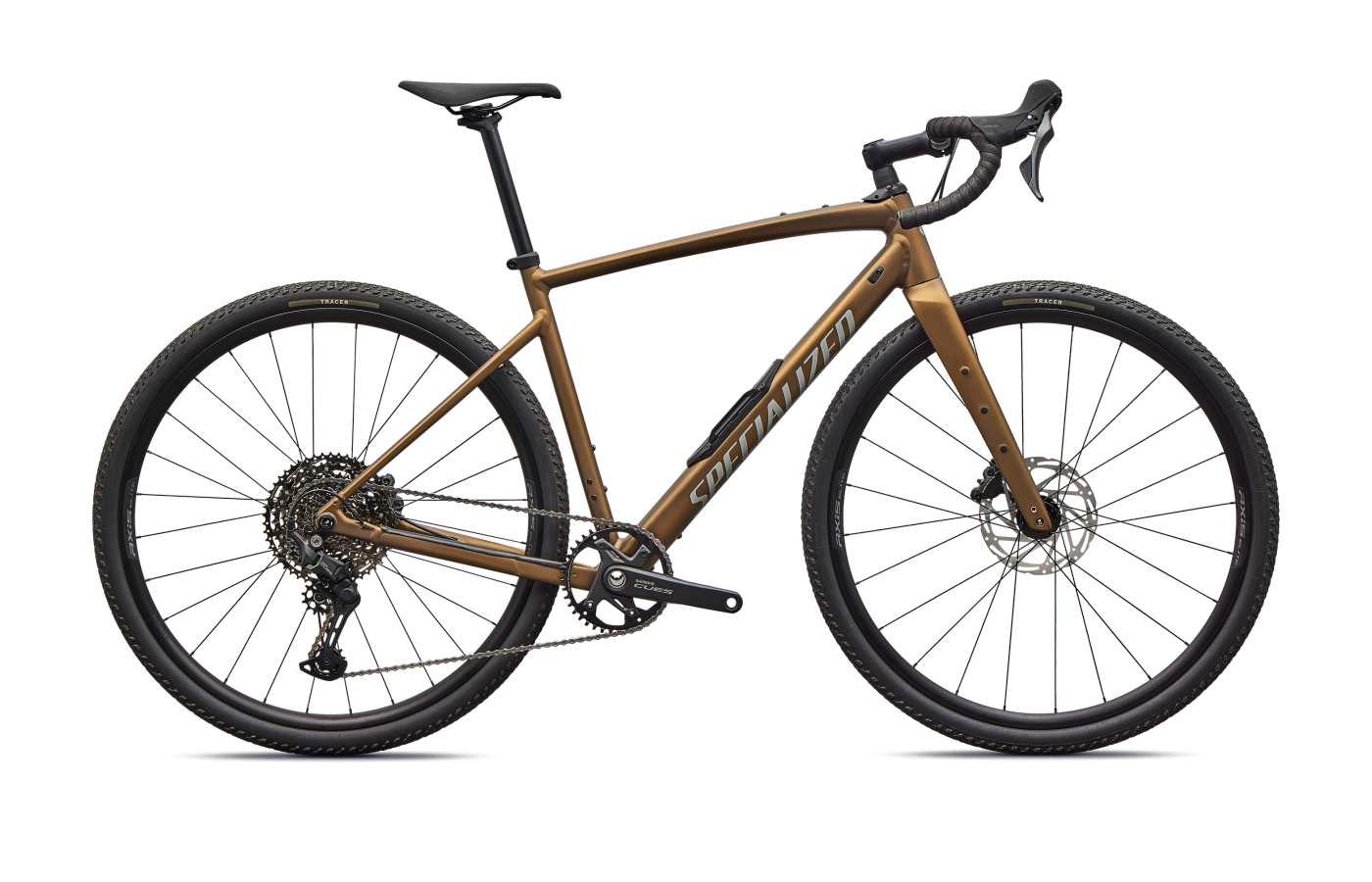
Diverge
If the Warroad's all-road versatility appeals but you want more real gravel capability, the Diverge clears 47 mm tires and adds Specialized's Future Shock head-tube damper. The most adventure-ready of the three.
Compare →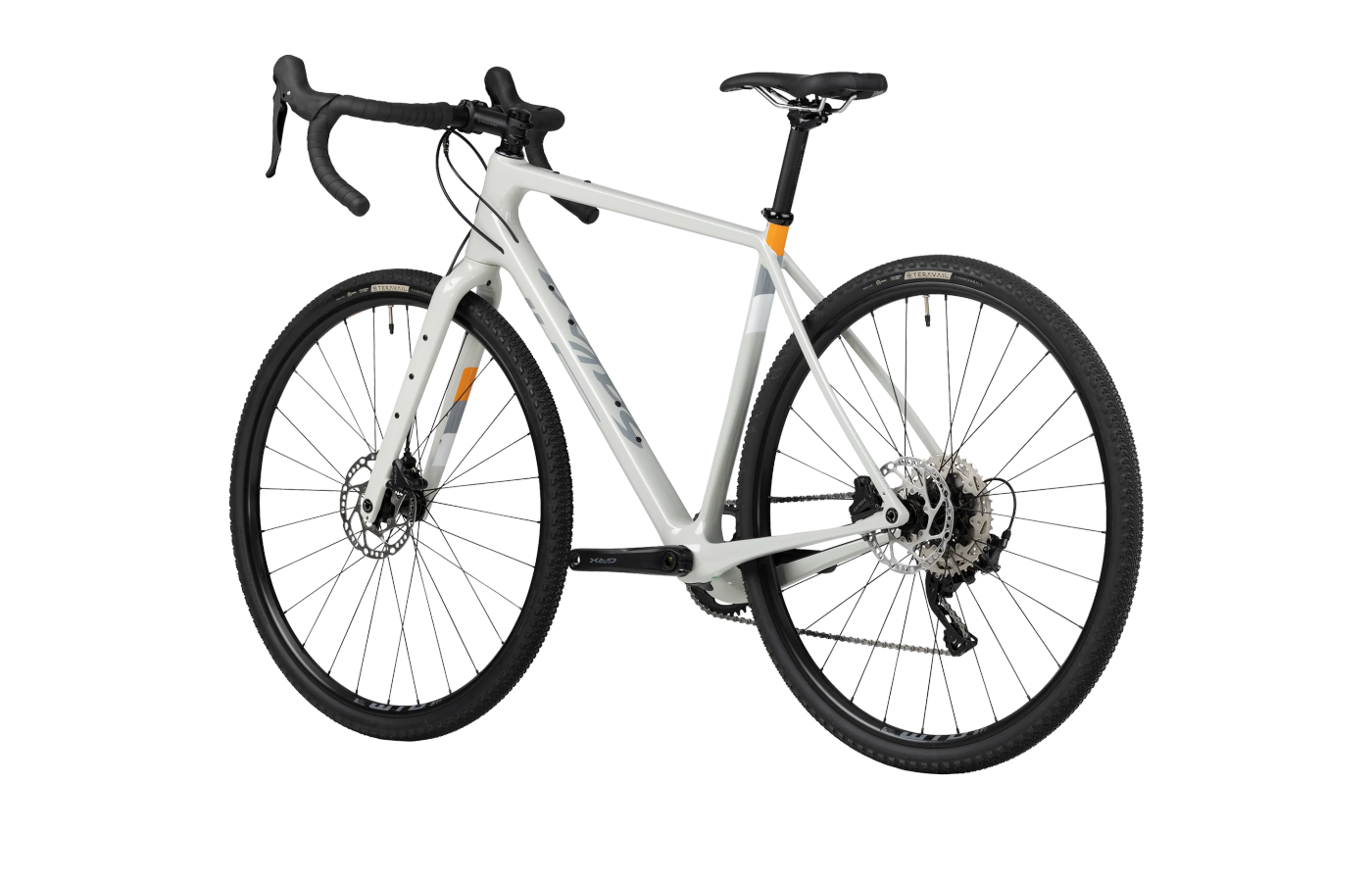
Warbird
Salsa's dedicated gravel racer — longer wheelbase, more relaxed geometry, more clearance than the Warroad. The pick if you wanted a Warroad but the gravel keeps getting rougher.
Compare →