Insurgent
vsPatrol
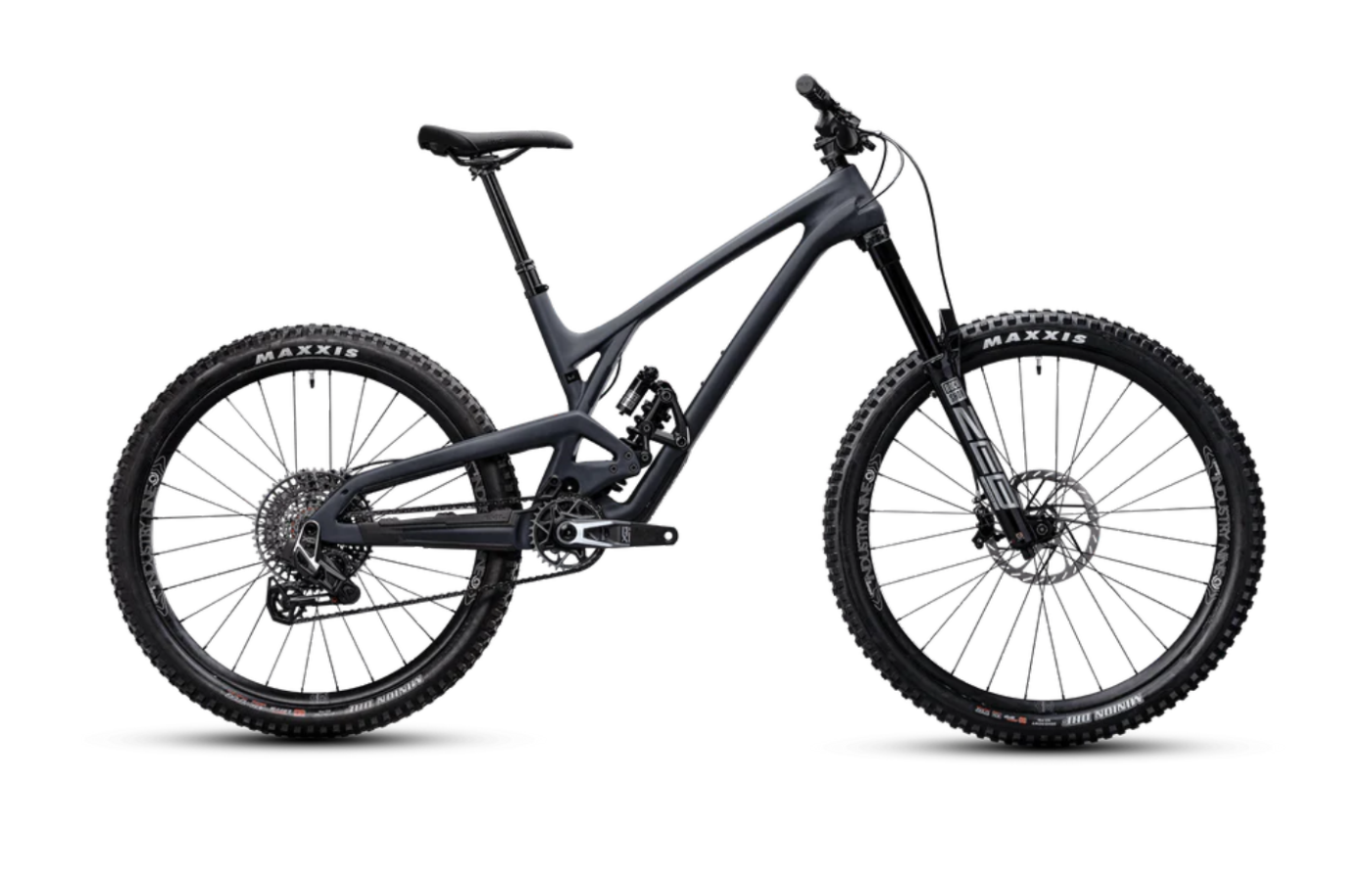
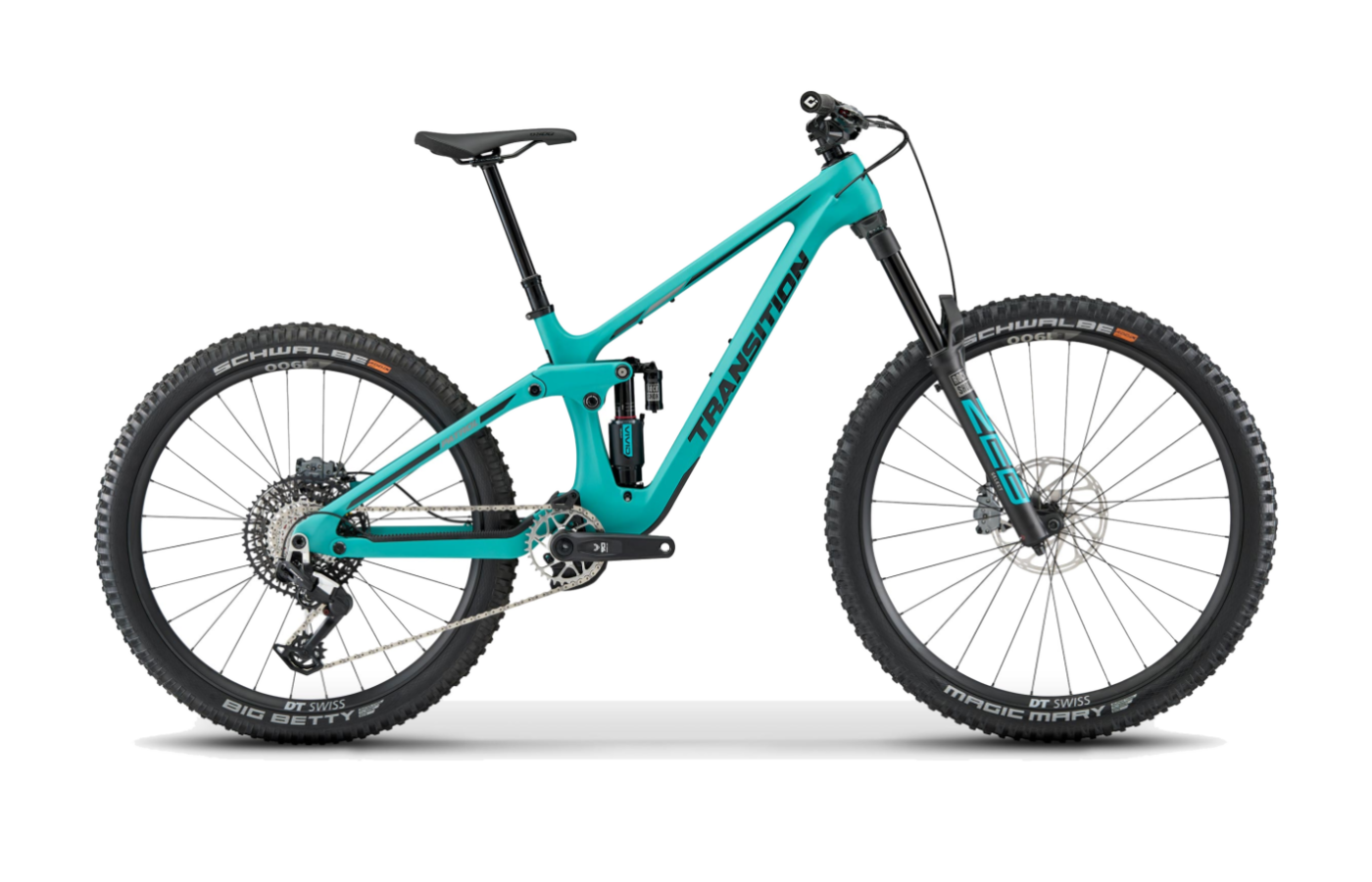
Two mullets, two personalities.
The Evil Insurgent is the plush hover bike with a coil shock standard. The Transition Patrol is the poppy party machine that wants you to ride it, not float on it.
Insurgent
- Coil shock standard across the entire build range — bottomless feel without paying for the upgrade.
- Surprising climber — reviewers consistently flag the anti-squat as 'that good' for a 168 mm bike.
- All-carbon lineup with Industry Nine wheels at the top and a deeply composed Delta suspension feel throughout.
- Starts at $4,699 — $700 more than the cheapest Patrol, with no alloy option.
- Super Boost 157 mm rear spacing limits future wheel-swap compatibility.
Patrol
- Lowest entry point at $3,999 for the alloy Eagle 70 — the cheapest way into a modern mullet enduro platform.
- Freakishly poppy — GiddyUp kinematics and a steep 78 deg seat tube angle reward an active rider.
- Stroke-out compatible to 170 mm rear with a 65 mm stroke shock, plus dual-crown fork compatibility for park duty.
- Very low BB causes frequent crank strikes — most riders default to the high geometry setting.
- Air shock spec, even on the top builds, where the Insurgent ships coil throughout.
Editor’s analysis
Both run a 29 up front and a 27.5 out back. That's where the agreement ends — one bike wants to absorb the trail, the other wants you to use it.
On paper these two share more than they don't. Both are mixed-wheel enduro bikes with carbon mainframes, ZEB Ultimate forks, ~160-170 mm of rear travel, and slack head angles in the low 64s to low 63s. Pinkbike, Freehub, Vital, and a half dozen YouTube reviewers have basically the same shortlist when shopping this segment, and the Insurgent and Patrol both make every cut.
The Evil Insurgent is the plusher, more composed bike. Its Delta linkage gets a coil shock as the stock spec — RockShox Super Deluxe Coil Ultimate across all four builds — and reviewers reach for words like 'hover bike,' 'velvet cushions,' and 'tremendously composed through the chunk.' Anti-squat is high enough that climbing barely suffers despite 168 mm of rear travel. It's the bike that smooths everything, including your wrists at the bottom of a long descent.
The Transition Patrol takes the opposite stance. Its GiddyUp suspension pairs an air shock (RockShox Vivid Ultimate on the GX AXS Carbon) with a 24 percent progression curve, and reviewers consistently call it a 'pilot, not passenger' bike. It's freakishly poppy, easy to manual, easy to send — and slower in a straight line. Pinkbike's Matt Beer logged the slowest lap time of the field test on a Patrol that 'felt' fastest. The slack 63.5 deg HTA and very low BB add stability but generate frequent crank strikes; testers default to the high setting for non-park days.
Pick by what you want from the trail. If you want the bike to do most of the absorbing — long descents, chunder, big-mountain enduro days — the Insurgent. If you want a bike that begs to be jumped, jibbed, and tossed sideways, and you don't mind feeling the trail, the Patrol. Both are great. They just answer different questions.
Where the builds differ.
Comparing our editor's-pick builds side-by-side. Winners highlighted row-by-row — lower price and weight, and the better-spec component, each mark a point.
Build variants & pricing
The Patrol spans a wider price range — alloy entry at $3,999 up to a $6,999 carbon GX AXS — while the Insurgent stays carbon-only from $4,699 to $8,499.
Prices are current US MSRP. The Patrol is the only side with an alloy option; if your budget tops out below $5k, the Insurgent isn't really in the conversation. Both bikes ship coil-compatible — the Insurgent comes that way stock; the Patrol can be stroked to 170 mm with a 65 mm shock.
How they fit, how they steer.
Different sizing conventions, same fit-picked rider. The Insurgent SMALL has a 443 mm reach in the low setting; the Patrol MD has a 455 mm reach. Head angles are nearly identical (64.2 vs 63.5 deg), but the Patrol runs longer 434 mm chainstays vs the Insurgent's 430 mm — slightly more planted, slightly less flickable.
Which size should I buy?
The Insurgent runs through SMALL/MEDIUM/LARGE/X-LARGE; the Patrol through SM/MD/LG/XL. Both overlap closely in fit at the middle sizes — the differences are in geometry character, not who they fit.
→These are starting points. Flexibility, riding style, and preferred position all shift the answer — if you’re between sizes, a professional fit beats a chart.
What the magazines said.
Published reviews from trusted cycling outlets. Click through for the full write-up.
Which one should you buy?
If you want the bike to absorb the trail, get the Insurgent. If you want to play with the trail, get the Patrol.
Insurgent
If your weekends involve long climbs to long, chunky descents — and you'd rather finish them with fresh wrists than sore ones — the Insurgent is the more composed tool. The coil shock and Delta linkage do the work so you can keep pushing.
Patrol
If you're the rider who'd rather pop off every lip than smooth out every rock — and you ride steep, jumpy, Bellingham-style trails — the Patrol is the more engaging bike. The alloy build also makes it the only realistic sub-$4k option here.
Questions buyers actually ask.
Short answers to the things we get emailed about most often.
01Which is plusher on chunky descents?
The Evil Insurgent, by a clear margin. The Insurgent ships with a RockShox Super Deluxe Coil Ultimate on every build, paired with Evil's Delta suspension — reviewers describe the result as 'floating on a carpet of velvet cushions' (UPHILLPHILL) and 'the ultimate smooth-operating hover bike' (Freehub). The Patrol uses an air shock (RockShox Vivid on the carbon builds) and a more progressive 24% leverage curve that's deliberately tuned for support and pop, not absorption.
If you want the Patrol to feel similar, you can swap to a 65 mm stroke shock and run a coil — many testers do exactly that — but it's an aftermarket project, not the stock experience.
02Which climbs better?
Both climb surprisingly well for their travel, but for different reasons. The Insurgent has high enough anti-squat that Freehub said it 'feels just about the same climbing with your butt in the saddle as it does during extended standing efforts.' The 76.9 deg effective seat tube angle is on the slacker side for a modern enduro bike.
The Patrol leans on a steeper 78.1 deg effective seat tube angle to keep weight over the cranks, but the slacker 63.5 deg head angle introduces front-wheel flop on technical low-speed climbs. Net: the Insurgent is the easier climber on long fire roads; the Patrol is more efficient on smooth grades but needs more rider input on steep technical bits.
03What about pedal strikes and bottom bracket height?
This is one of the most consistent Patrol complaints. The Patrol's BB is so low that multiple long-term reviewers reported 'smacking cranks all day long' even with the stock 165 mm short cranks — most ended up running the bike in the high geometry setting for general trail riding and only flipping to low for park days.
The Insurgent runs 430 mm chainstays and a less aggressive BB drop; reviewers didn't flag pedal strikes as a recurring issue. If you ride rocky terrain and don't want to think about crank position constantly, the Insurgent is the lower-friction choice.
04How do the build kits compare at similar price points?
We picked the Insurgent X0 ($7,499) and Patrol GX AXS Carbon ($6,999) for the spec table — both are carbon, both run SRAM AXS Transmission (one tier below flagship), both ship a ZEB Ultimate fork. The Insurgent runs Race Face Turbine-R cockpit + Evil Boomstick carbon bar with a coil shock; the Patrol runs ANVL cockpit and an air Vivid Ultimate.
At the budget end the Patrol pulls away — its Alloy Eagle 70 lands at $3,999, and there's no Insurgent answer below the $4,699 GX. At the top end the Insurgent stretches further, capping at $8,499 with an XX AXS / Industry Nine DH S Hydra build.
05Can I run a dual-crown fork on either?
Patrol: yes, explicitly. Transition built it with a 1.5-inch straight head tube and dual-crown certification — this is part of the stated freeride and bike-park use case.
Insurgent: not officially supported. The frame is rated around its 170 mm single-crown spec; dropping a dual-crown into it isn't sanctioned and would void the warranty.
06Is Super Boost (157 mm) a problem on the Insurgent?
It depends how often you swap wheels. The wider rear spacing genuinely does stiffen the rear triangle (Freehub: 'flex on your riding partners instead of your bike'), so the engineering case is real. But NIC ADV flagged the practical downside: replacement and aftermarket wheels are harder to source, and a Super Boost wheelset typically can't migrate to your next bike if it's standard 148 mm Boost.
The Patrol uses standard 148 mm Boost, which is the catch-the-rest-of-the-industry choice.
07Which holds up better long-term?
Both have lifetime frame warranties to the original owner. The Insurgent's UD carbon frame and threaded BB earn no specific reliability complaints in reviews; the main long-term gripe is the stock SRAM G2 brakes on lower builds, which several reviewers wanted to upgrade.
The Patrol carries two long-running ownership gripes: the paint is fragile (Transition sells touch-up paint directly, which tells you something) and pivot bearings need more frequent replacement than competitors that use external rubber seals. The frame itself is dual-crown rated and built to take abuse — the issues are cosmetic and consumable, not structural.
08Which is the better all-day enduro rig?
The Insurgent, fairly clearly. Reviewers consistently called out how fresh it leaves your hands and arms after long descents — Freehub: 'even after miles of descending my wrists always remained fresh and ready for more' — and the climb is efficient enough that big-mountain days don't get punished.
The Patrol rewards engagement, which is great for a 90-minute jump session and tiring on a 5-hour epic. Pinkbike noted it posted the slowest lap time in their field test despite feeling fastest — fun isn't the same as fast on the clock.
Similar bikes
If your priorities don’t map cleanly onto either of these, one of these adjacent bikes probably fits better.
Spire
Transition's full-29er enduro big sister. Same Bellingham DNA as the Patrol with more rollover and 170 mm of travel — the choice if you want Transition's geometry on a race-oriented platform that doesn't give up speed on rough straights.
Compare →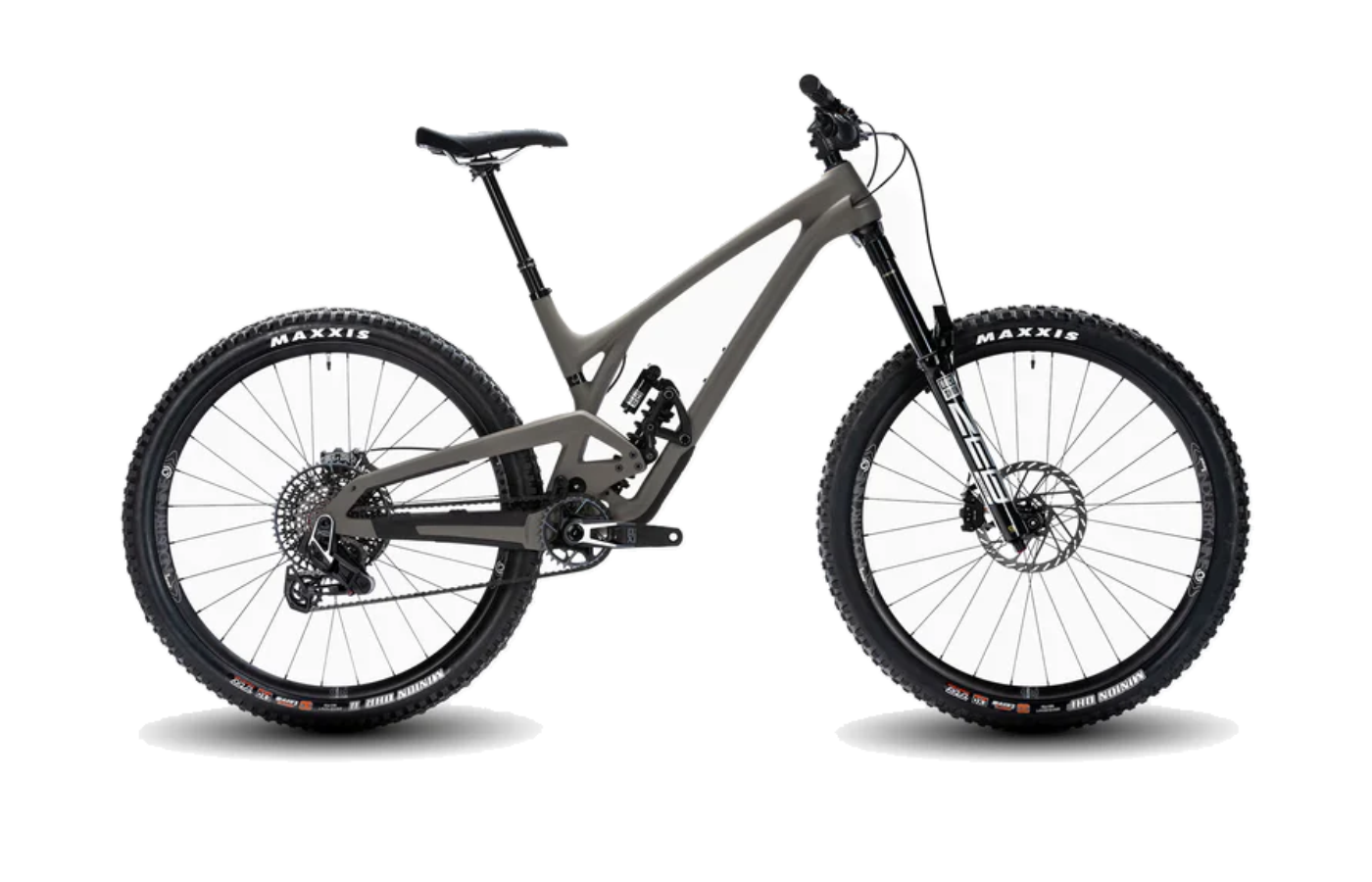
Wreckoning
Evil's full-29er plow bike — same Delta suspension and brand ethos as the Insurgent but on big wheels and 170 mm travel. Pick this if you love the Insurgent's hover-bike feel but want more straight-line stability and aren't sold on the mullet.
Compare →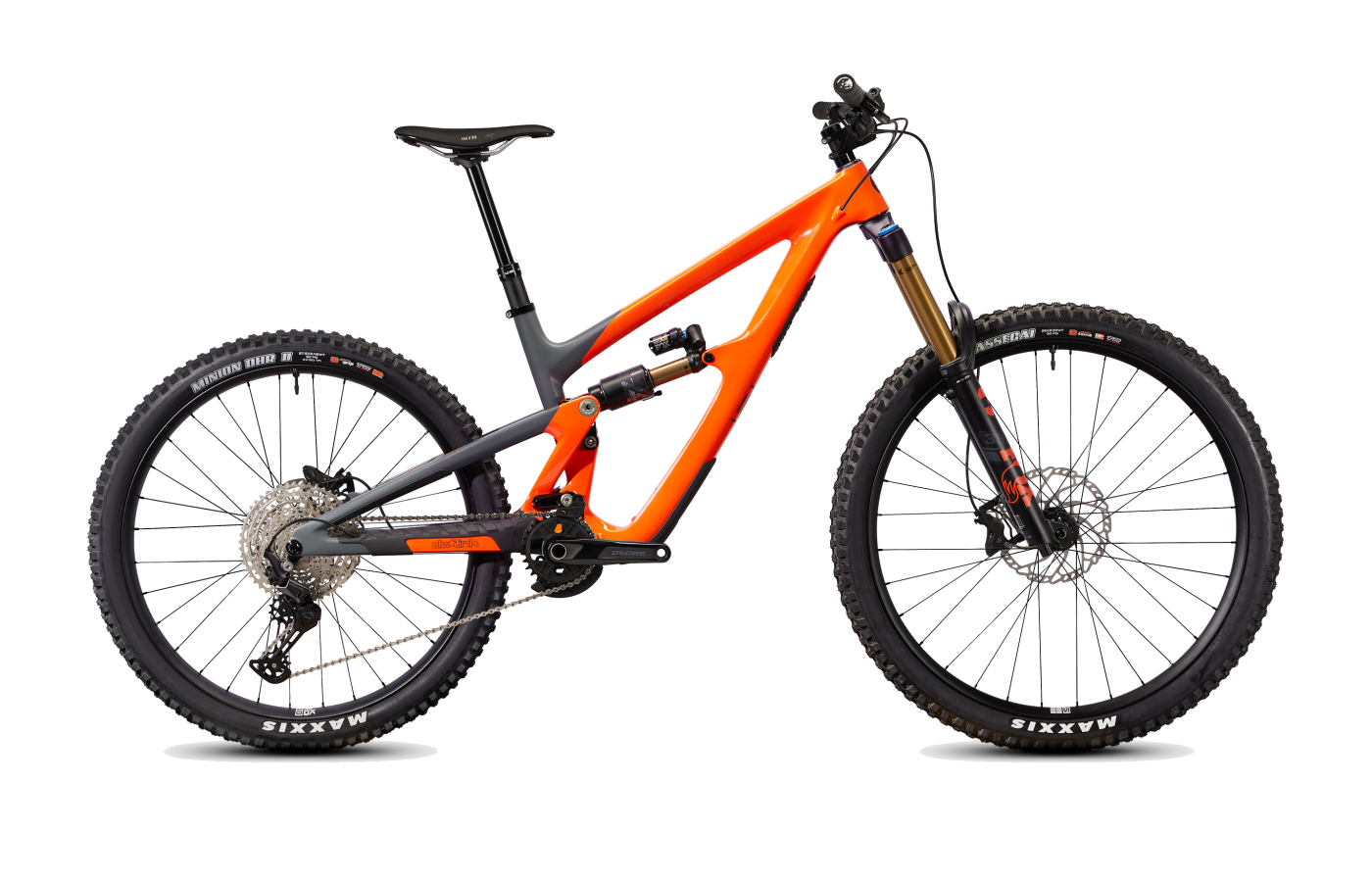
HD6
Ibis's mixed-wheel enduro contender — known for a balanced ride and notably efficient pedaling kinematics. The middle ground between the Insurgent's plushness and the Patrol's pop, with its own loyal following.
Compare →