AR
vsVR
Same brand, opposite jobs.
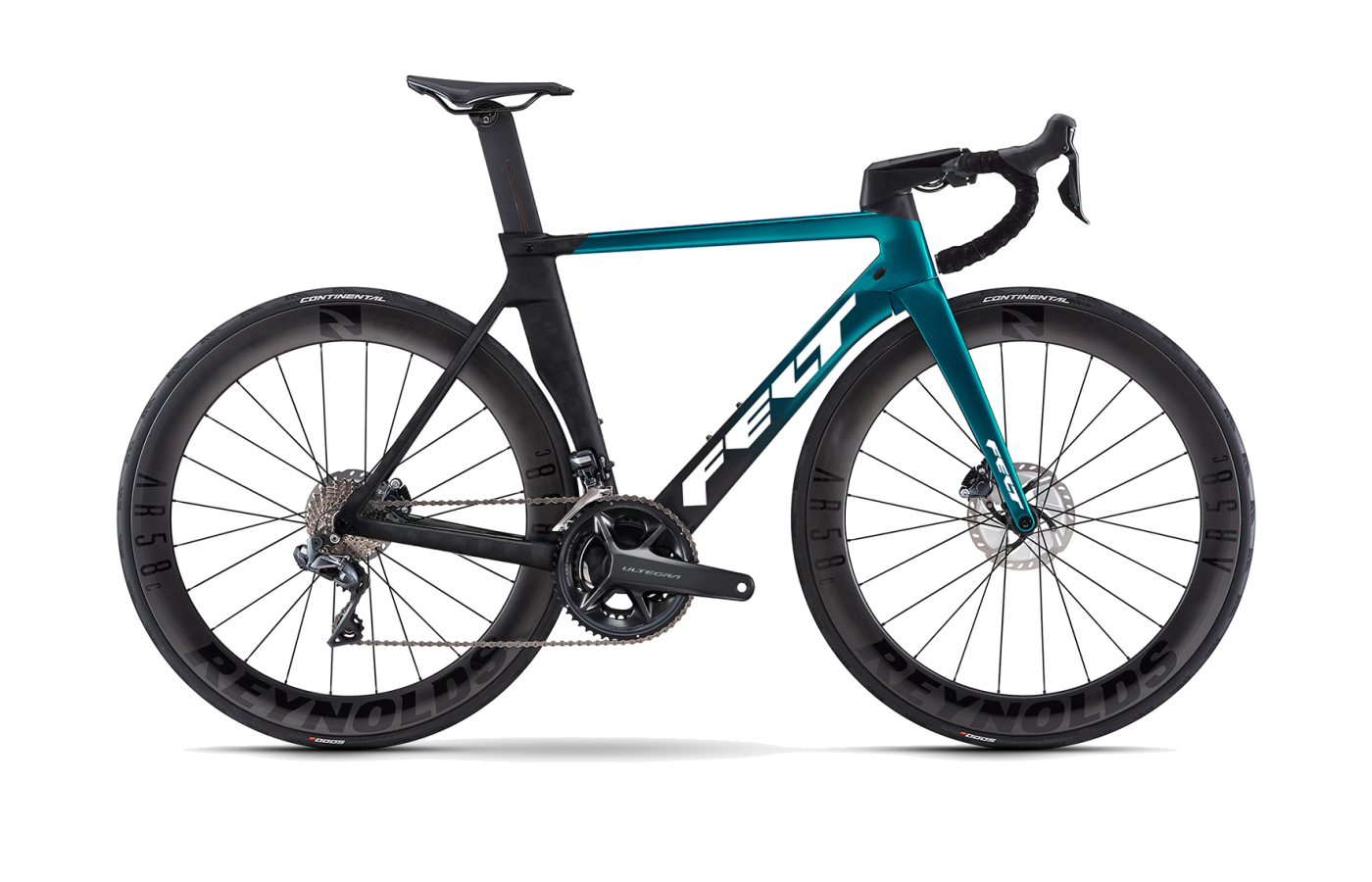
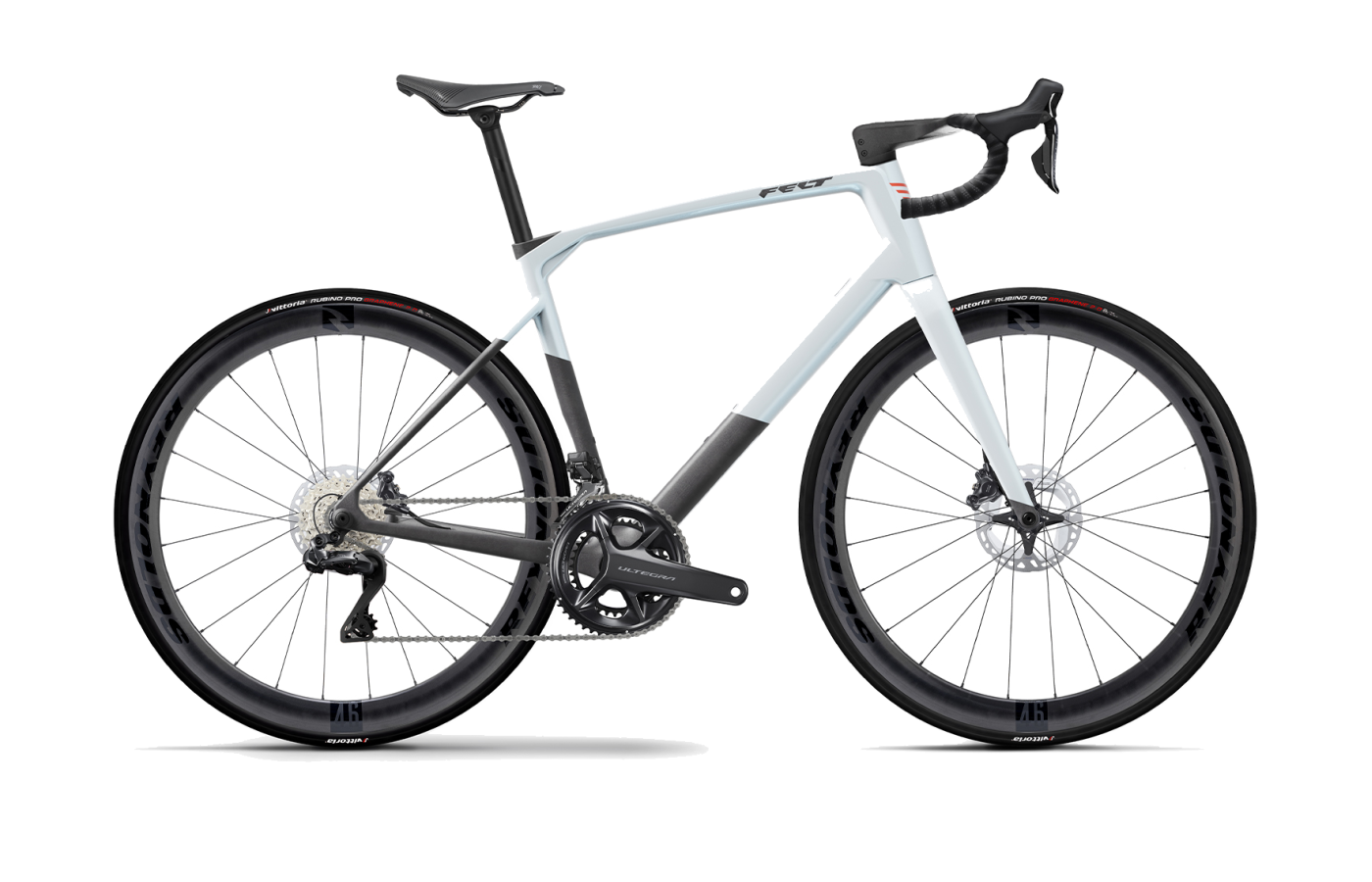
The AR is Felt's wind-cheating aero race bike. The VR is the all-day endurance machine that quietly hangs with it.
AR
- Genuine aero gains — 9.4% drag drop at 0° yaw, ~10 W at 48 km/h vs. the prior AR.
- Stiff, race-ready chassis — 14% more BB stiffness; reviewers call it "taut, responsive and exciting."
- Serviceable cockpit — stem and bars swap without recabling, rare among integrated aero bikes.
- Heavier than climbing-focused rivals (8.3–8.6 kg in mid-builds) — noticeable on steep, sustained climbs.
- Tire clearance caps at 30 mm; not built for anything rougher than chip-seal.
VR
- Long-ride comfort — dropped chainstays plus split seatpost let you stay strong three to four hours in.
- Wide tire window — claimed 38 mm clearance opens the door to broken pavement and light gravel.
- Stable, confidence-inspiring handling — longer wheelbase and slacker front end stay calm at descent and group-ride speeds.
- Roughly 4–6 W slower than the AR at 48 km/h — real if small.
- Real-world rear clearance with knobby 38 mm tires is tight on smaller frames; check before committing.
Editor’s analysis
Two Felts that share a paint shop and almost nothing else — one is a missile, the other is a magic carpet that happens to be fast.
On paper the Felt AR and Felt VR are both carbon road bikes from the same brand wearing similar silhouettes. Spend any time with the geometry sheet and they pull apart immediately. The AR runs a 73° head tube angle, 30 mm tire clearance, and a low-and-long aero fit. The VR slackens to 72°, opens up to 38 mm rubber, and stacks the front end roughly 16 mm taller in equivalent fit-picked sizes. They're solving different problems with shared DNA.
The Felt AR is the company's truncated-airfoil race weapon. Felt claims a 9.4% drag reduction over the previous AR at 0° yaw — about 10 watts saved at 48 km/h — and reviewers from Velo to BikeRadar consistently describe the bike as "holding speed for fun" once you get above 25 mph. Frame stiffness numbers are aero-bike serious: 14% more pedaling stiffness, 11% more head-tube lateral, 21% more fork lateral. The trade-off is weight (8.3–8.6 kg as tested in mid-builds) and a chassis that reviewers note is on the firmer side over rough chip-seal.
The Felt VR flips the priority list. Dropped chainstays, a vibration-dampening sleeve in the seatpost, and a fork that pushes farther forward for a longer wheelbase all conspire toward what one long-term reviewer called a "super stable" ride that lets you keep pushing watts three and four hours in. The VR concedes roughly 4–6 watts at 48 km/h to the AR — a real but small tax — and pays it back with comfort that doesn't bleed your legs over a long day. Tire clearance jumps to a claimed 38 mm, opening the door to genuinely scruffy pavement and light gravel.
Put plainly: the Felt AR is the bike you grab for crits, fast group rides, and segment hunts on flat roads. The Felt VR is the bike you grab for the 5-hour Sunday loop that ends with a dirt-road shortcut. Same brand, same dealer, completely different ride.
Where the builds differ.
Comparing our editor's-pick builds side-by-side. Winners highlighted row-by-row — lower price and weight, and the better-spec component, each mark a point.
Build variants & pricing
Both lineups span Shimano 105 mechanical up to electronic Ultegra Di2; the AR continues higher into Dura-Ace Di2 and Red AXS halo builds.
Prices are current US MSRP. The AR climbs to $12,999 in FRD Ultimate trim; the VR tops out at $6,599. None of the AR builds — even the Red AXS halo — ship with a power meter, an oversight reviewers consistently flag at this price.
How they fit, how they steer.
Fit-picked sizes for a 5'8" rider land on AR 54 and VR 51 — the smaller VR number is just sizing convention. The VR sits 16 mm taller in stack, 13 mm shorter in reach, and runs a 1° slacker head tube with 3 mm more fork offset. The AR is the racier fit by a clear margin.
Which size should I buy?
Size recommendations use stack, reach, and effective top tube. Note the labels run on different scales — Felt size 51 on the VR maps closely to a size 54 on the AR for most riders.
→These are starting points. Flexibility, riding style, and preferred position all shift the answer — if you’re between sizes, a professional fit beats a chart.
What the magazines said.
Published reviews from trusted cycling outlets. Click through for the full write-up.
Which one should you buy?
If you want to go fast on flat roads in a paceline, get the AR. If you want to stay strong over five hours on mixed pavement, get the VR.
AR
If your riding centers on group hammers, criteriums, and flat-to-rolling segment hunts, the AR is the sharper tool. The chassis rewards wattage, the wheels carry speed, and you'll feel the aero gains every time the pace lifts above 35 km/h. Just don't expect it to be your gravel-shortcut bike.
VR
If your weekends look like 4–6 hour rides on imperfect pavement with the occasional dirt detour, the VR is built for exactly that life. The comfort isn't a sales pitch — it lets you put down power late in rides where the AR would already be beating you up. Light gravel works too, with a sane tire choice.
Questions buyers actually ask.
Short answers to the things we get emailed about most often.
01Which is faster on flat roads?
The Felt AR, but by a smaller margin than the marketing suggests. Felt's own data, echoed by a long-term VR rider who's spent time on both, puts the gap at roughly 4–6 watts at 48 km/h in favor of the AR — about a 9.4% drag reduction over the previous-generation AR at 0° yaw, or ~10 W saved versus that older bike.
Under 40 km/h that gap is essentially imperceptible. Above 35 km/h in a paceline, with deep wheels matched, the AR's truncated-airfoil tubing and tighter front-end integration start to show up on the average-speed line.
02Can I really ride gravel on the Felt VR?
Light gravel and broken pavement, yes. Technical singletrack, no. Felt rates the VR for tires up to 38 mm, and the geometry — slacker 72° head tube, longer wheelbase, dropped chainstays — handles unpaved surfaces calmly.
The caveat: a long-term reviewer running a 51 cm frame found that a 38 mm knobby tire rubbed the front derailleur on Di2 builds. Slicks at 32–35 mm fit cleanly; aggressive 38 mm knobbies on the smaller frames don't. If you want a true mixed-surface bike with no asterisks, look at Felt's dedicated Breed gravel platform instead.
03What's the maximum tire clearance on each?
Felt AR: 30 mm officially. Stock builds ship 25 mm Continental GP5000s; most riders run 28–30 mm comfortably.
Felt VR: 38 mm officially, with stock 32 mm Vittoria Rubino Pro IVs. As above, real-world rear clearance is tighter on smaller frames once you put knobs on the tire.
The headline is the gap itself — 8 mm of additional rubber is the difference between "smooth tarmac only" and "smooth tarmac plus the dirt connector you've been eyeballing."
04How do the editor's-pick builds compare?
We picked the AR Advanced Ultegra Di2 ($6,499) and the VR Pro Ultegra Di2 ($6,599) to keep the comparison apples-to-apples — same drivetrain tier, same UHC Advanced carbon frame grade, $100 apart in price.
The AR pairs the Ultegra Di2 group with deeper Reynolds AR58 carbon wheels and 25 mm tires. The VR runs shallower Reynolds AR46 wheels with 32 mm tires and an integrated carbon cockpit. The frame and component philosophy is what's actually being compared at this build level — wheel depth, tire width, and cockpit style follow the bike's intent.
05Does either come with a power meter?
No, on either bike, at any build. This is one of the AR's most-flagged shortcomings — even the $12,999 FRD Ultimate Red eTap AXS ships without a power meter, despite Cycling News pointing out that "I can't see too many people wanting the AR who aren't interested in going faster."
The VR doesn't ship one either, but it's a smaller deal there given the bike's endurance positioning. Either way, factor in $400–800 for a Quarq, 4iiii, or pedal-based meter if you want power data.
06Which is more comfortable?
The Felt VR, clearly and by design. The dropped chainstays, vibration-dampening sleeve inside the seatpost, longer wheelbase, and 32 mm stock tires all stack up to a ride a long-term reviewer described as "super stable" with the rider "always feeling good later into the ride."
That said, the AR is genuinely more comfortable than aero bikes have a right to be — Felt's split seatpost flexes like a leaf spring, and reviewers describe the ride as "smooth and planted" rather than punishing. But it's a 25 mm-tire aero bike, and on rough pavement that ceiling is real.
07Same brand, same dealer — can I demo both at one shop?
Almost always, yes. Felt sells through a traditional dealer network rather than direct-to-consumer, and both the AR and VR are core road models, so any decent Felt dealer should have at least one of each on the floor or in a near-fit demo size.
The upside of the dealer model: bikes arrive professionally assembled, fit support is local, and warranty service is in person. The downside is pricing rarely moves much. If you're cross-shopping against a Canyon Aeroad or similar DTC bike, factor that into the math.
08Which has better long-term resale?
Neither holds value as well as Specialized, Trek, or Cervélo flagships — Felt is a smaller brand and trades at a discount on the used market. Expect roughly 40–50% depreciation over three years on either bike, somewhat steeper on the AR's halo FRD builds because the buyer pool for a $12k aero bike from a non-WorldTour brand is small.
The upside of that for a buyer: a 1–2 year-old AR Advanced or VR Pro on the used market is one of the better value plays in carbon road right now.
Similar bikes
If your priorities don’t map cleanly onto either of these, one of these adjacent bikes probably fits better.
Aeroad
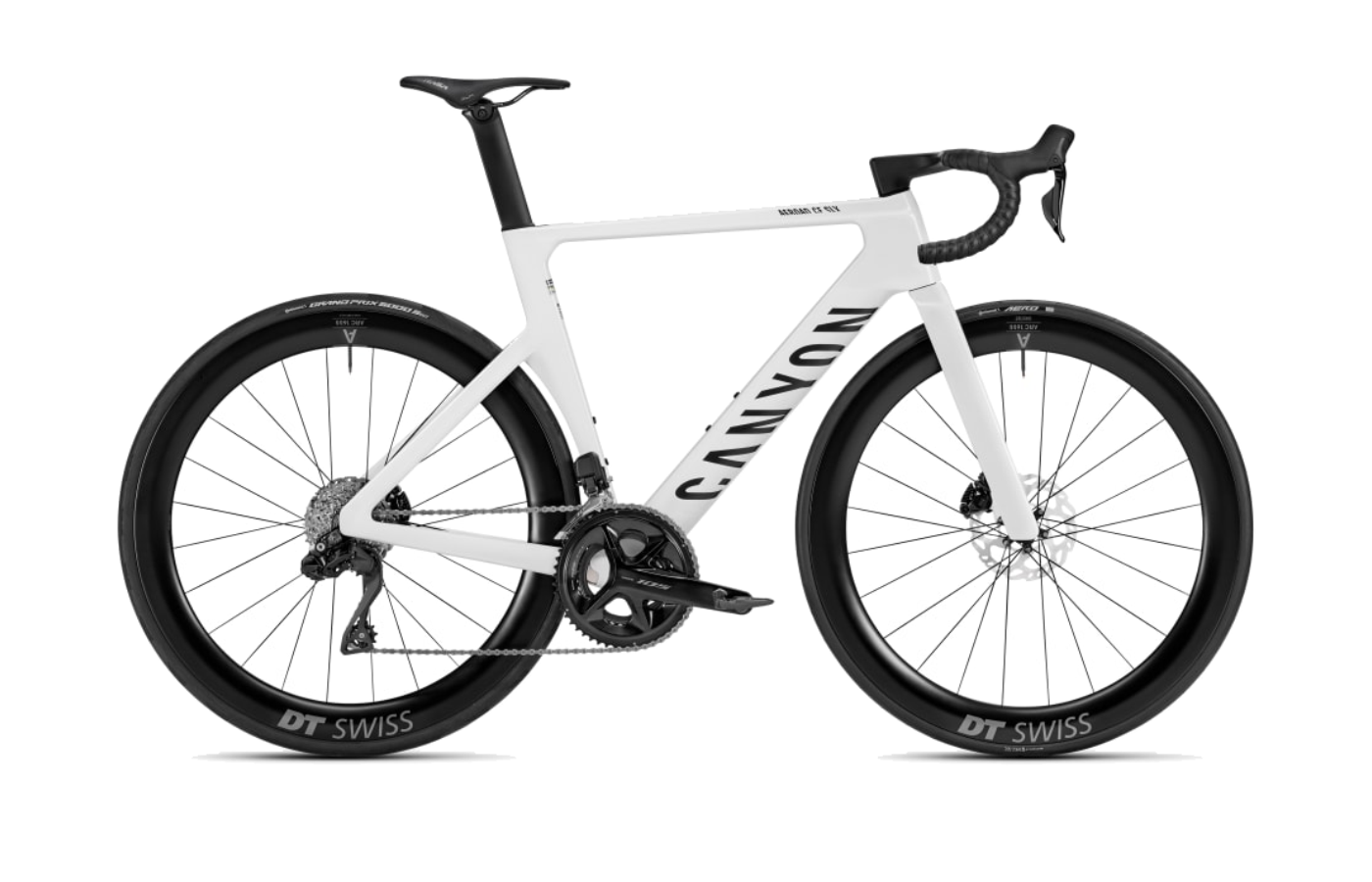
The direct-to-consumer aero alternative to the Felt AR — similar wind-tunnel ambitions, often at meaningfully lower prices, with the catch that there's no local dealer when something needs adjusting.
Compare →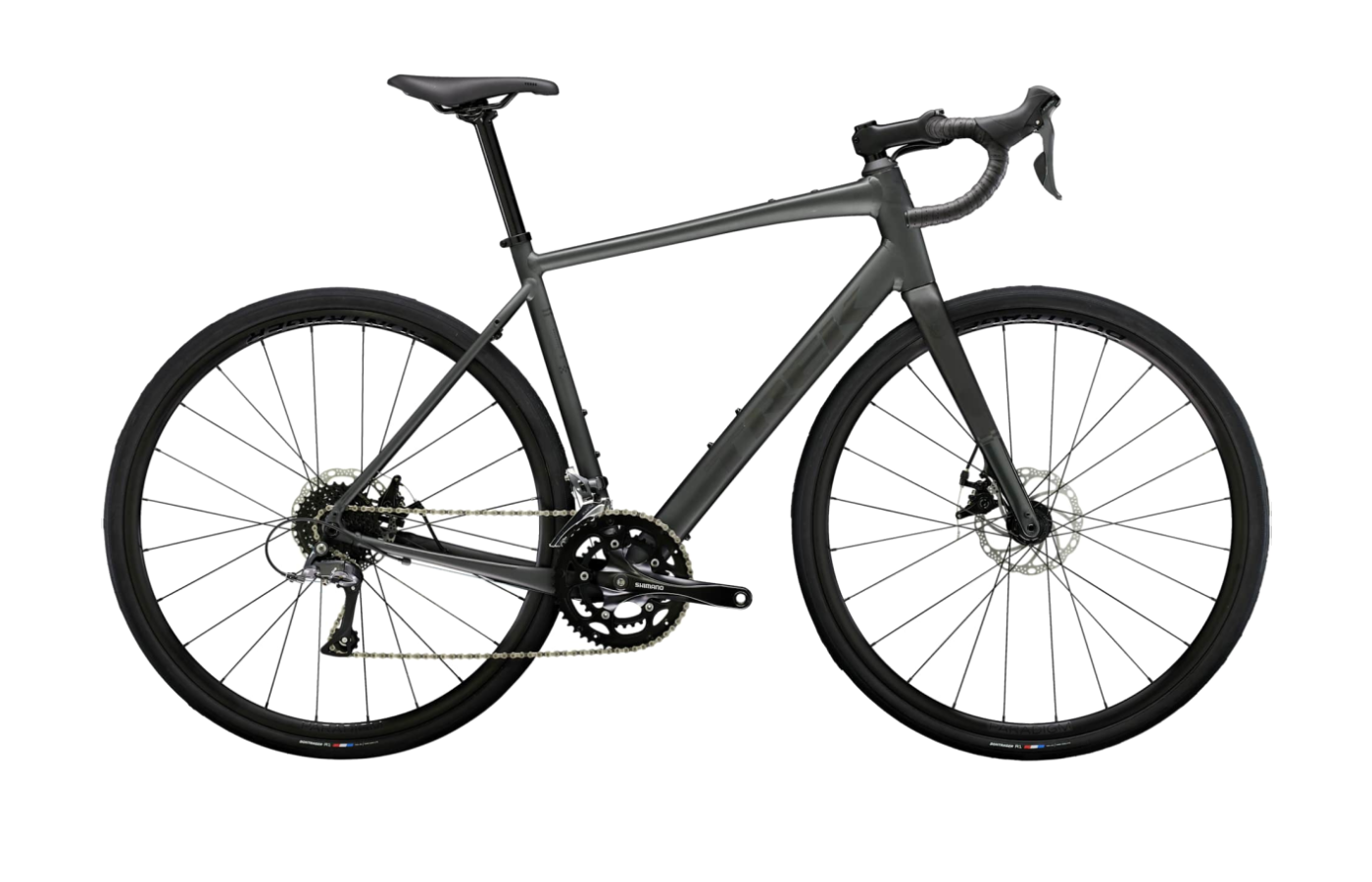
Domane
Trek's endurance benchmark and the most direct cross-shop for the Felt VR. The IsoSpeed decoupler tackles compliance from a different angle than Felt's split seatpost — same goal, different mechanism.
Compare →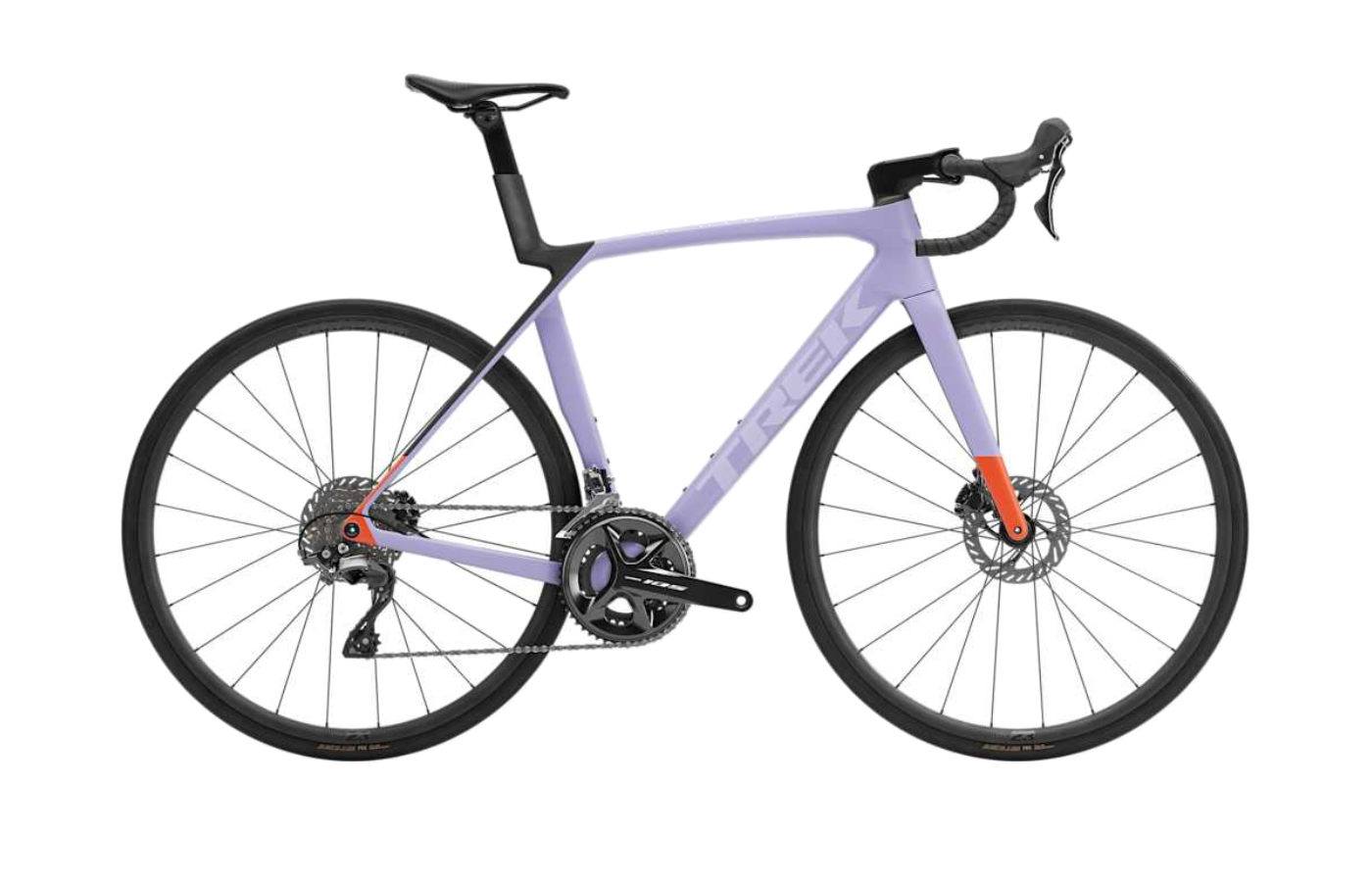
Madone
Trek's aero flagship, with the IsoFlow decoupler offering a touch more compliance than the Felt AR. Pick the Madone if you want the AR's straight-line speed but expect rougher roads on race day.
Compare →