Hakka MX
vsCrux
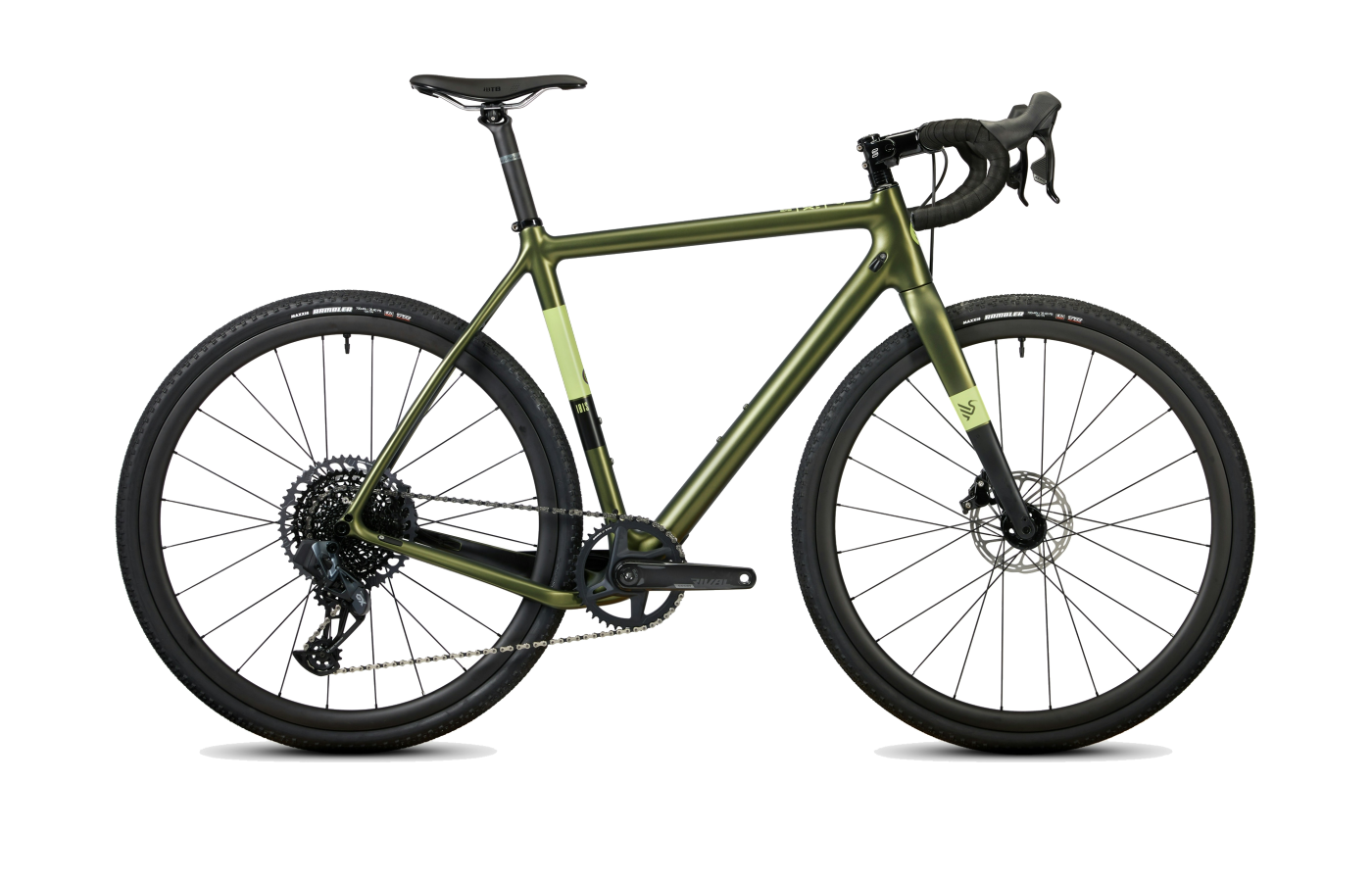
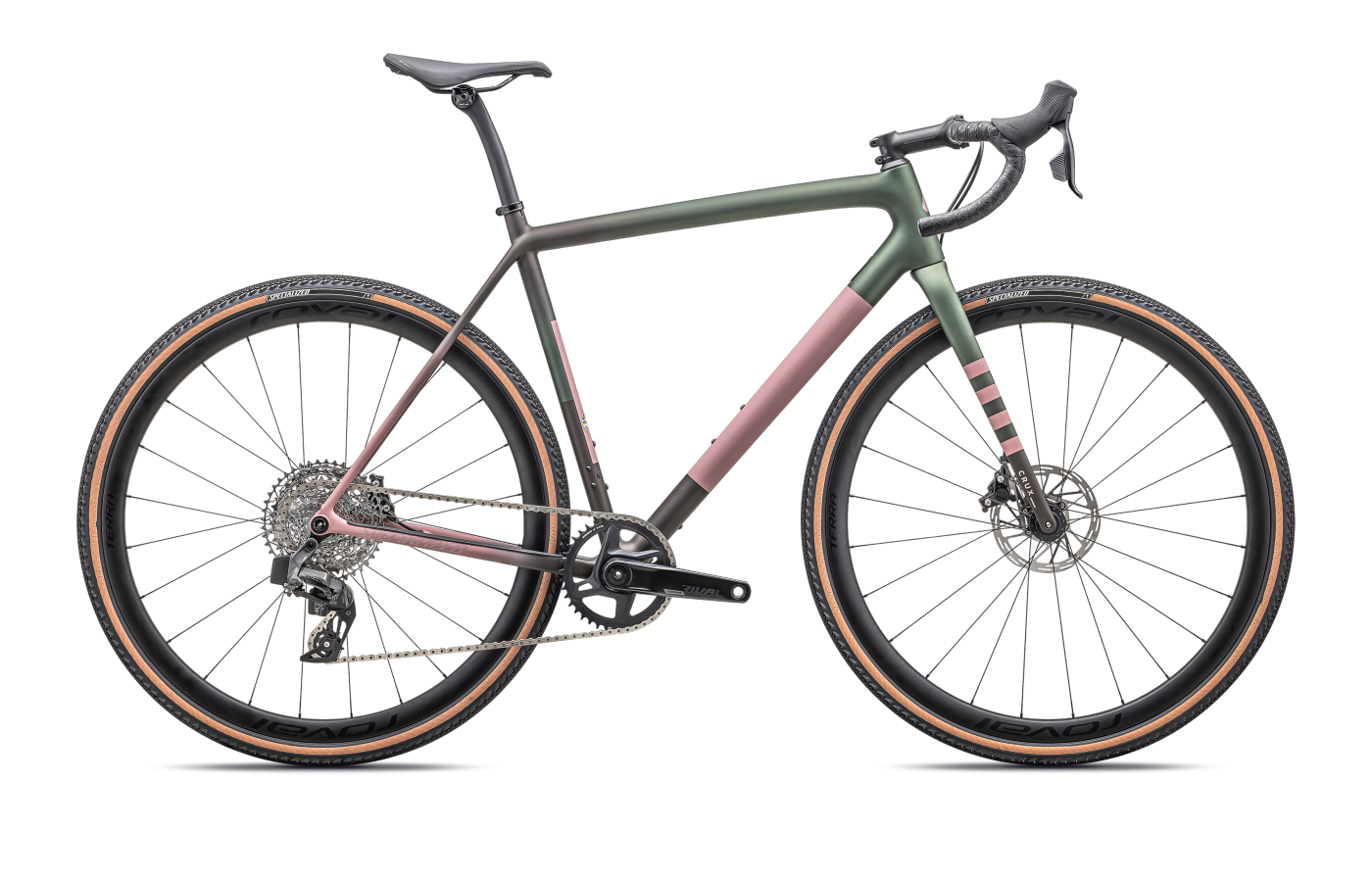
Two cyclocross-bred gravel bikes, two very different missions.
The Ibis Hakka MX is the Swiss-Army-knife quiver-killer with a 650b trick up its sleeve. The Specialized Crux is an ultralight race weapon built around a 725 g frame.
Hakka MX
- 650b and 700c compatible — clear a 2.1" tire on 27.5" wheels or run a 40 mm 700c for road/CX speed. One frame, two bikes.
- T47 threaded bottom bracket — reviewers repeatedly credit it with killing the BB30 creak, a real win in wet and muddy conditions.
- 7-year frame warranty — notably longer than the industry norm; Ibis backs the layup for the long haul.
- Narrower 40 mm 700c tire clearance vs. the Crux's 47 mm.
- Stiff layup feels harsh on rough 700c setups — tire choice and pressure become critical.
Crux
- Featherweight frame — S-Works at 725 g claimed, the FACT 10r Expert/Pro/Comp frames at around 825 g. Among the lightest in the class.
- 47 mm tire clearance — 7 mm more than the Hakka on 700c; genuine space for big mixed-terrain rubber.
- Non-proprietary cockpit + 27.2 mm seatpost — round tubes, standard parts, easy upgrades and maintenance.
- Minimal mounts — not a bikepacking or fender bike out of the box.
- No mechanical 2x option (cable routing doesn't support a front derailleur).
Editor’s analysis
Both bikes grew out of cyclocross pedigrees — but one kept the versatility dial at 11, and the other chased the scales until the frame weighed less than most seatposts.
On paper the Ibis Hakka MX and Specialized Crux live in the same neighborhood: carbon, threaded bottom bracket, drop bar, raced on Sundays. Spend an afternoon with the spec sheets and the divergence is obvious. The Crux's S-Works frame is a claimed 725 g — roughly 275 g lighter than the Hakka's 1000 g carbon layup — and that deficit colors every ride decision Specialized made after.
The Ibis Hakka MX is explicitly designed to be two bikes at once. It clears a 40 mm 700c tire, and if you drop a 650b wheelset in, it swallows a 2.1" Thunder Burt and turns into something closer to a drop-bar XC rig. Reviewers at Bikepacking and Outdoorgearlab talked about 38 km/h averages on loose gravel and "floating" over chunk. That's the quiver-killer thesis, executed on a stiff, race-flavored chassis that'll still hold its own at a cross race on Sunday morning.
The Specialized Crux picked a lane: go fast, stay light, don't apologize. Clearance jumps to 47 mm, the frame leans on Aethos-derived round tubes and a skinny 27.2 mm seatpost for compliance, and the geometry runs longer — 388 mm reach vs. the Hakka's 377 mm at fit-matched sizes. Cyclingnews called it "lighter than many road bikes," and that's the point. The price of that commitment shows up in a thinner feature set: minimal mounts, no mechanical 2x option, and reviewers calling it "under-biked" the moment terrain gets genuinely rough.
Put plainly: the Hakka MX is the bike you buy when you want one drop-bar frame that'll handle road, CX, gravel, and bikepacking without flinching. The Crux is the bike you buy when you already own a road bike and want your gravel rig to race, not ramble.
Where the builds differ.
Comparing our editor's-pick builds side-by-side. Winners highlighted row-by-row — lower price and weight, and the better-spec component, each mark a point.
Build variants & pricing
Ibis offers two AXS builds. Specialized fields nine, spanning alloy DSW at $2,799 up to S-Works at $11,999.
Prices are current US MSRP. The Hakka MX's tightly curated lineup is a frameset-buyer's bike at heart — Ibis also sells the frame standalone for riders who want to spec it themselves. The Crux lineup is deeper and cheaper at entry thanks to the alloy DSW Comp, but the real value lives in the carbon frame from the Comp on up.
How they fit, how they steer.
Hakka at 53, Crux at 54 — the fit-picked sizes for a 5'8" rider on each bike. Stacks are within a millimeter (561 vs. 560), but the Crux has 11 mm more reach, a half-degree slacker head angle, and 5 mm shorter chainstays — longer cockpit, quicker rear end.
Which size should I buy?
Size recommendations use stack, reach, and effective top tube. The Crux's range runs a bit longer and lower at each label, so the Hakka's 53 sits roughly where the Crux's 54 does.
→These are starting points. Flexibility, riding style, and preferred position all shift the answer — if you’re between sizes, a professional fit beats a chart.
What the magazines said.
Published reviews from trusted cycling outlets. Click through for the full write-up.
Which one should you buy?
If you want one bike for road, CX, gravel, and bikepacking — with a 650b plan-B — get the Hakka MX. If you want the lightest thing with drop bars that still calls itself a gravel bike, get the Crux.
Hakka MX
If your riding spans road days, cross races, gravel weekends, and the occasional overnight, the Hakka MX is built to flex across all of it. Swap to 650b x 2.1" and it turns into something close to a drop-bar hardtail; stay on 700c x 40 and it keeps up with fast group rides.
Crux
If your weekends are start lines, KOMs, and technical climbs where every gram matters, the Crux is the sharper tool. It climbs like a mountain goat, accelerates out of corners like a road bike, and runs a 47 mm tire when you need traction.
Questions buyers actually ask.
Short answers to the things we get emailed about most often.
01Which bike is lighter?
The Specialized Crux, by a clear margin. The S-Works frame is a claimed 725 g; the FACT 10r frame used on the Pro, Expert, and Comp is around 825 g. The Ibis Hakka MX carbon frame is a claimed 1000 g.
Complete-bike weights from reviews: Crux S-Works around 7.25 kg, Crux Expert around 8.0 kg, Crux Comp around 8.5 kg. Hakka MX complete builds land around 8.3–8.5 kg. At comparable price points, the Crux is roughly 300–500 g lighter.
02Can either bike run 650b wheels and a 2.1" tire?
Both can. The Hakka MX accepts 700c up to 40 mm or 27.5" (650b) up to 2.1" — reviewers at Outdoorgearlab and Bikepacking specifically tested 2.1" Schwalbe Thunder Burts and called it transformative for rough gravel and light singletrack.
The Crux goes further on 700c — up to 47 mm — and matches the Hakka on 650b at 2.1". Practically, both 650b setups give you similar real-world trail capability; the Crux just has more room for larger 700c rubber if that's your preferred wheel size.
03Which is better for bikepacking?
The Hakka MX, narrowly. Neither is a bikepacking-first bike, but the Hakka's updated ENVE fork now ships with mudguard eyelets, and the frame carries standard bottle mounts (though some early reviews noted the missing third downtube mount).
The Crux is pointedly minimal on mounts — no fork mounts, limited bosses beyond the bottle cages. Reviewers across Velo, Bicycling, and BikeRadar flag this as the single biggest limitation for anyone planning to carry load. Neither bike is a Diverge or a Cutthroat; if loaded touring is the priority, both are compromises.
04Which climbs better?
The Specialized Crux. The weight gap — around 300–700 g between comparable builds — is worth roughly 1% of system weight for a 70 kg rider, which adds up to real seconds on sustained climbs. Reviewers at BikeRadar and Cyclist repeatedly called the Crux "effortless" and "mountain-goat-like" on steep grades.
The Hakka MX is no slouch — Outdoorgearlab rated it 9/10 on climbing and praised its direct power transfer — but you're fighting extra frame weight against a lighter platform. On flat gravel the difference compresses; above 5% gradient it opens up.
05How do the geometries compare for a 5'8" rider?
At the fit-picked sizes (Hakka 53, Crux 54), stacks are nearly identical — 561 mm on the Hakka vs. 560 mm on the Crux. The meaningful deltas are elsewhere:
Reach: Crux 388 mm vs. Hakka 377 mm — 11 mm longer on the Crux.
Head angle: Crux 71.5° vs. Hakka 72° — the Crux is a half-degree slacker, but its trail (67 mm) still keeps the steering lively.
Chainstays: Crux 425 mm vs. Hakka 430 mm — the Crux's rear end is 5 mm tighter, contributing to its sharper, more snappable feel.
06What's the maximum tire clearance?
Hakka MX: 40 mm on 700c, 2.1" on 650b — per Ibis and confirmed across reviews.
Crux: 47 mm on 700c, 2.1" on 650b — per Specialized and confirmed across reviews.
The practical gap is on 700c: if you run 700c year-round and want a genuine 45 mm-class mixed-terrain tire, the Crux is the one that fits it. If you're happy to swap wheelsets seasonally, the Hakka's 650b window is effectively equivalent.
07Can I run a 2x drivetrain on either?
Hakka MX: yes — the frame supports 2x with cable routing for a front derailleur.
Crux: only with electronic (AXS/Di2) — the frame lacks routing for a mechanical front derailleur. Every stock build is 1x, and that's the design intent. If you want a mechanical 2x gravel bike, the Crux is off the table.
08Warranty — how do they compare?
Ibis: 7-year frame warranty to the original owner, covering the frame, rims, and handlebar (paint is 1-year). Multiple review outlets flag this as a standout in the segment.
Specialized: lifetime frame warranty to the original owner against manufacturing defects, plus crash-replacement pricing on a new frame.
Both brands honor their warranties in the wild. Specialized's dealer network makes claims faster to process in person; Ibis is a smaller operation, but reviewers with multi-year ownership consistently report no frame issues.
Similar bikes
If your priorities don’t map cleanly onto either of these, one of these adjacent bikes probably fits better.
Stigmata
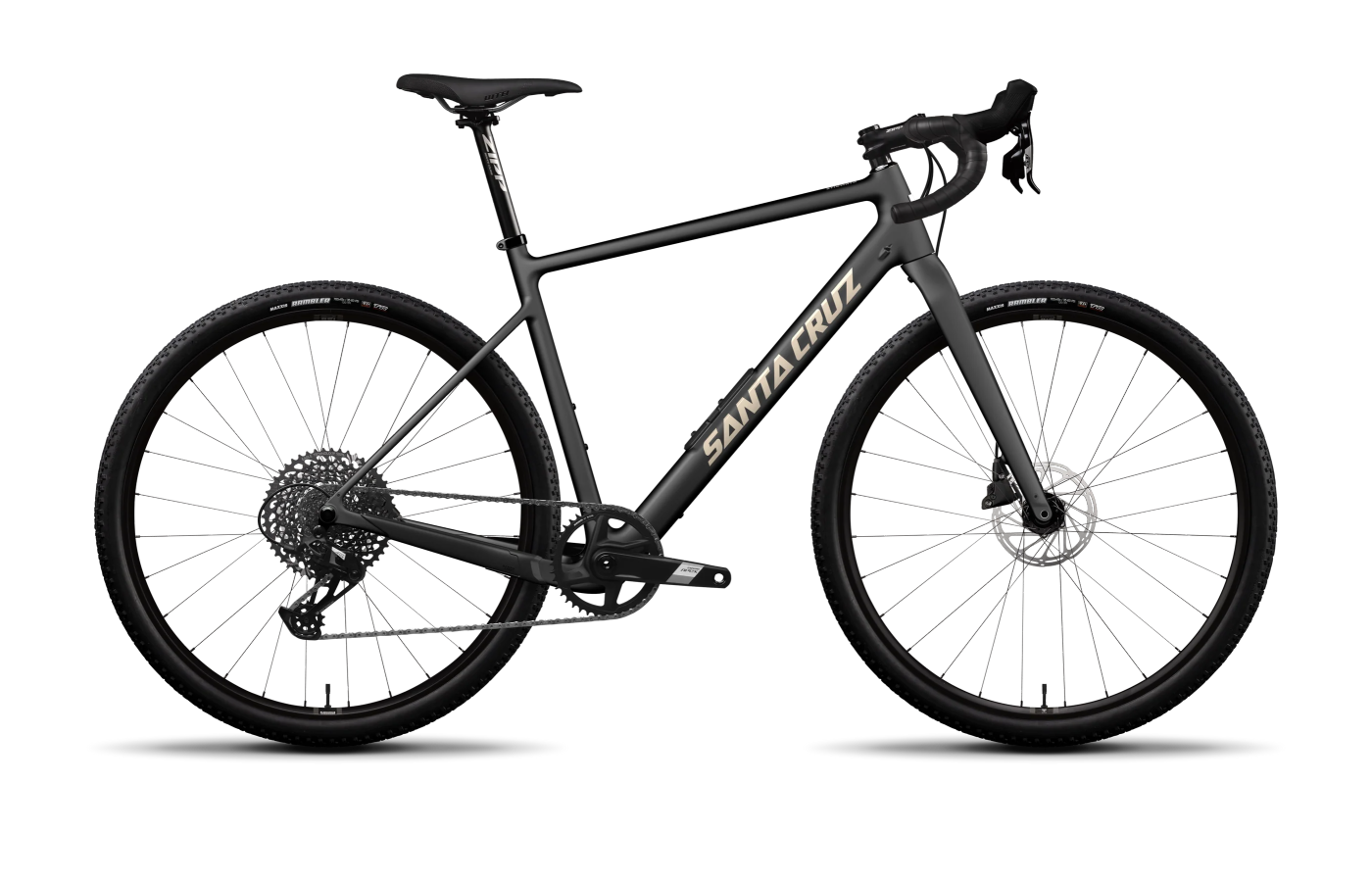
The Santa Cruz Stigmata is the Hakka MX's most direct rival — another carbon CX-heritage gravel bike, but with shorter chainstays and a slightly plusher ride. Head-to-head tests put the Ibis ahead for tracking stability and the Stigmata ahead for comfort.
Compare →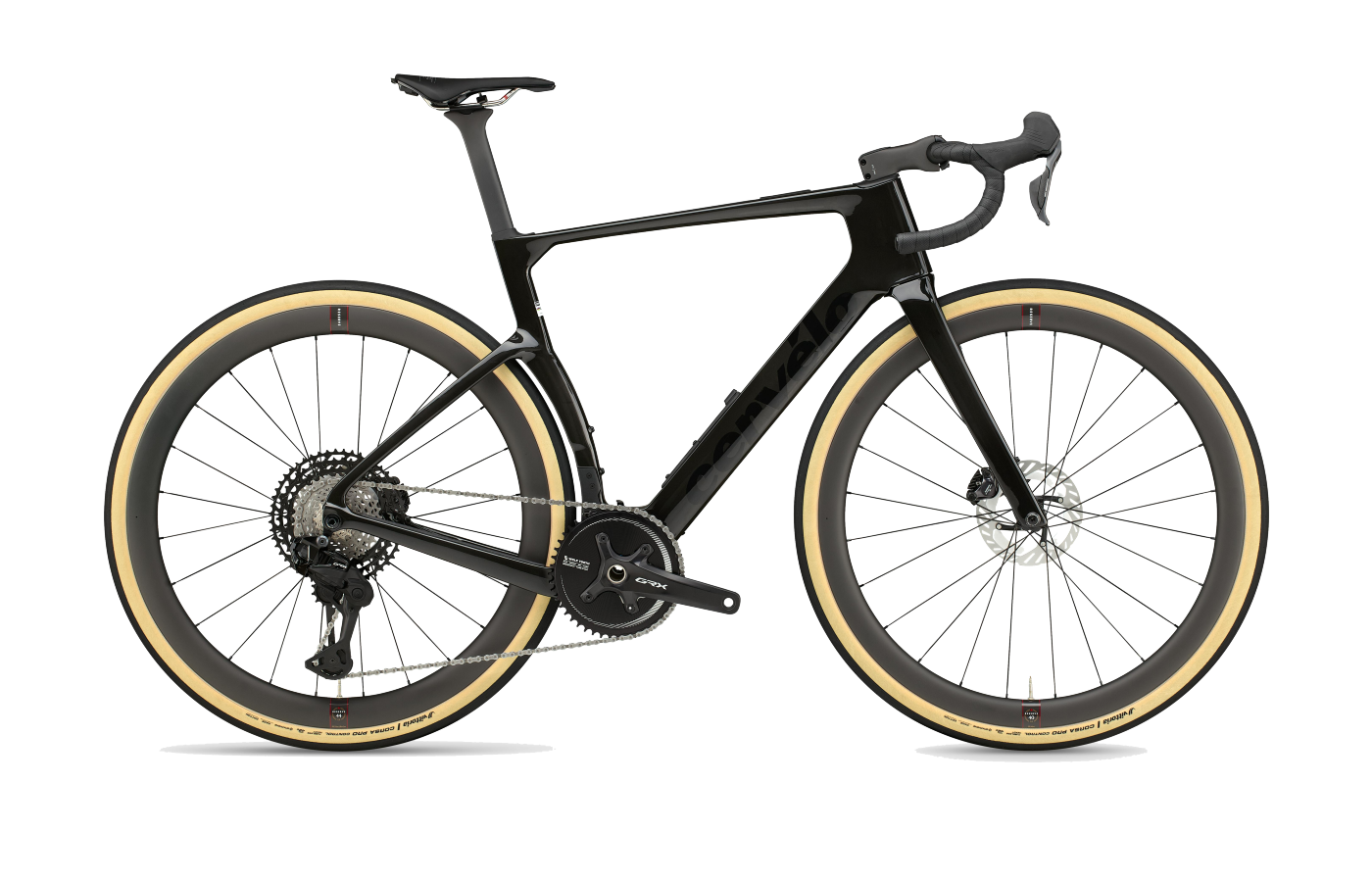
Aspero-5
The Cervelo Aspero-5 is the aero-gravel specialist — deep tube shapes, dedicated race geometry, heavier than the Crux but measurably faster on open, flowing courses. If the Crux's race focus appeals but you want actual aero, this is it.
Compare →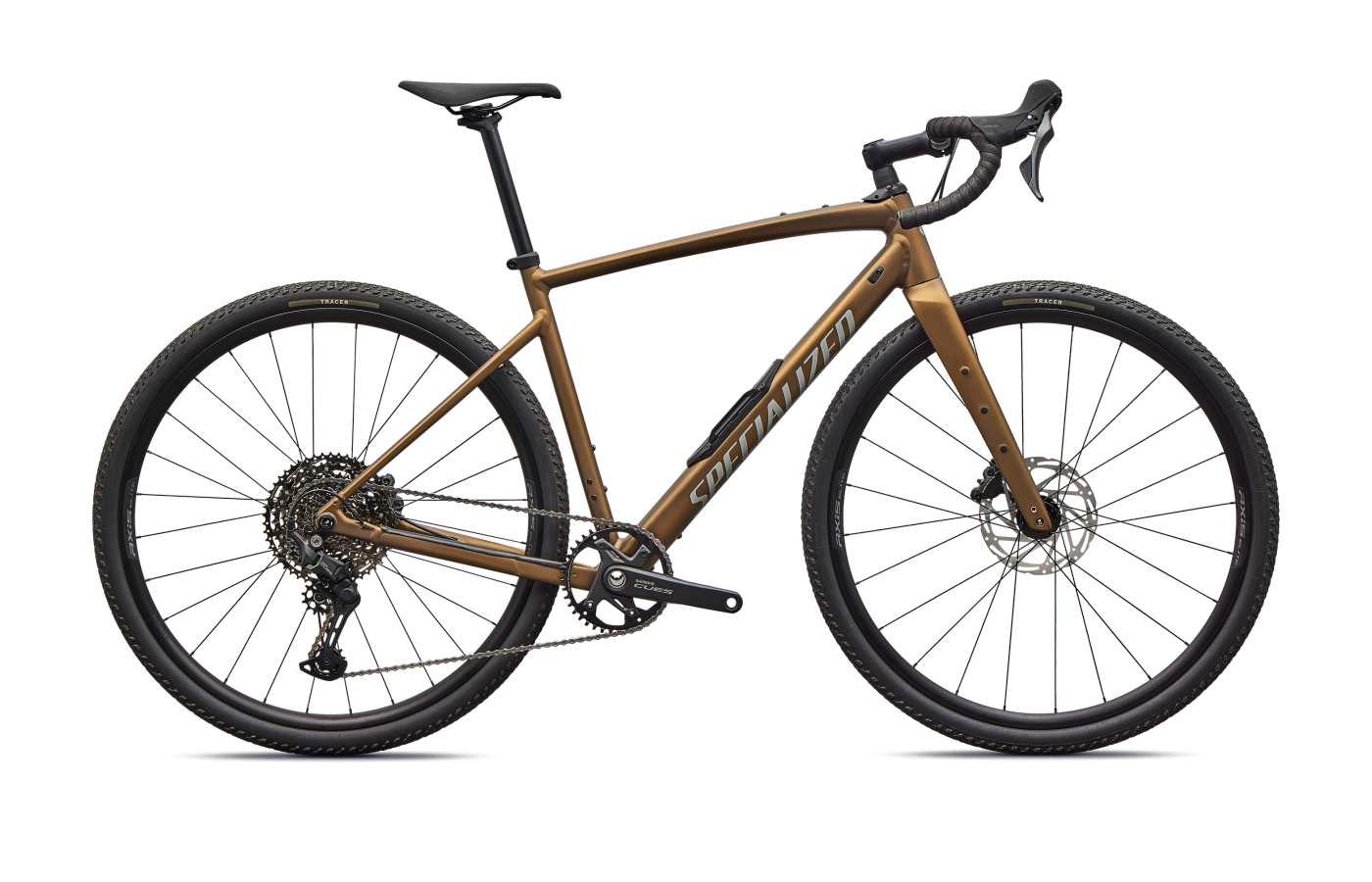
Diverge
The Specialized Diverge is the Crux's adventure-minded sibling — Future Shock at the cockpit, full bikepacking mounts, and a longer wheelbase. Slower than the Crux, far more comfortable, and the one to get if "do it all" matters more than lap times.
Compare →