HD6
vsRipmo
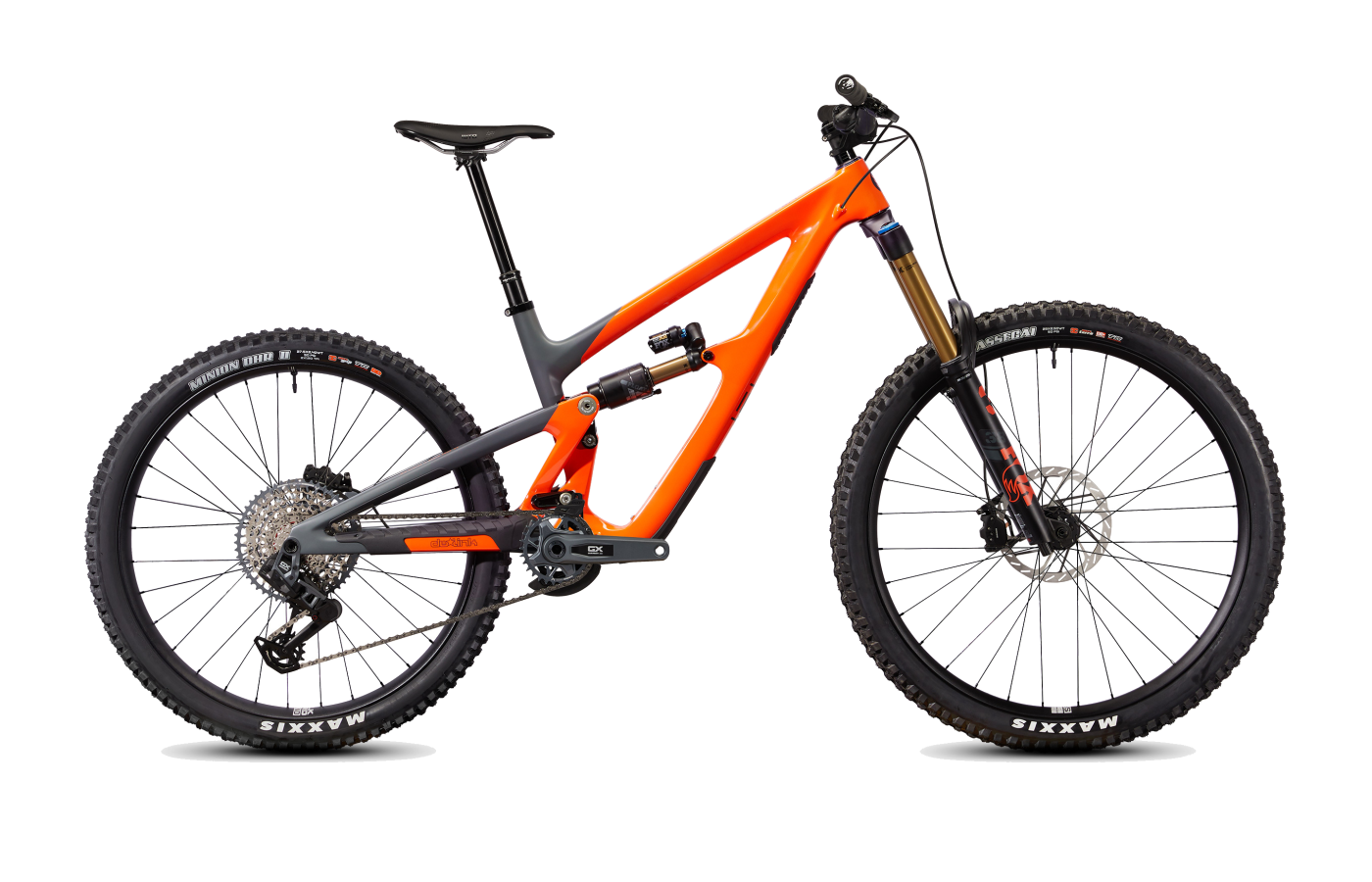
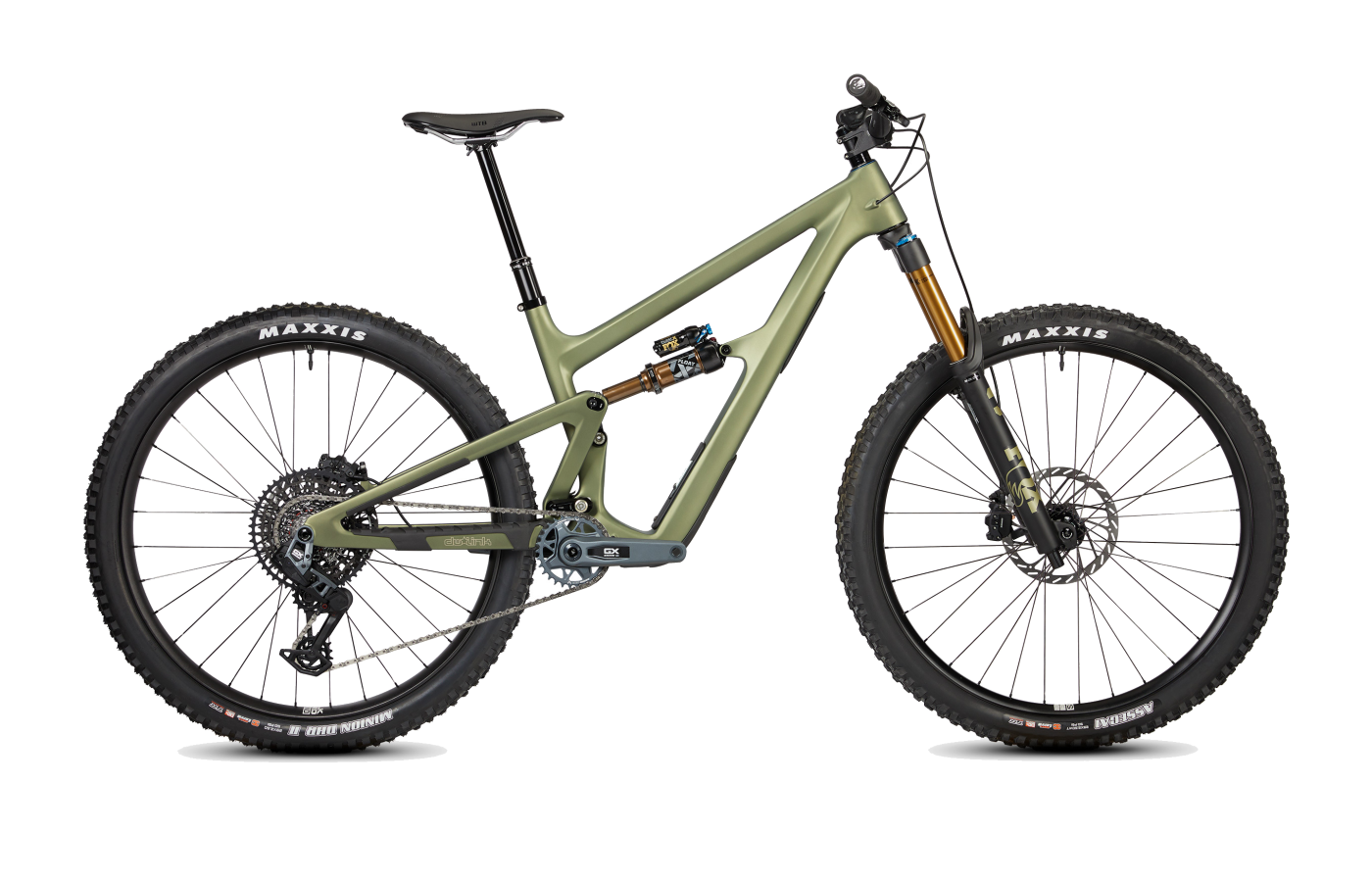
Same suspension DNA, two different mountains.
The HD6 is Ibis's enduro race weapon. The Ripmo V3 is the do-everything trail bike that sits one notch below it.
HD6
- 165 mm + 180 mm Fox 38 — enduro-race travel and a fork that reviewers call "invincible" through heavy impacts.
- Float X2 rear shock on every build — Ibis specs the high-adjustability damper on the entry-level Deore too, not just the flagship.
- Surprisingly snappy climber — DW-Link with high anti-squat and ~33 lb (size M) make a 165 mm bike pedal like a trail bike.
- Mixed-wheel only — no full 29 option, no flip chip, no geo adjust.
- Short head tube + 180 mm fork can feel "low" up front for taller riders on steep terrain.
Ripmo
- Best one-bike-quiver — 150 mm rear / 160 mm front hits the modern trail-bike sweet spot for big rides and varied terrain.
- Flip chip + size-specific everything — full 29 or mullet, plus per-size chainstays, BB heights, seat angles and shock tunes.
- Internal frame storage with Cotopaxi pouches — something the HD6 still does not have.
- Stock Fox 36 GRIP X fork drew complaints from Pinkbike and NSMB at high speed — the frame welcomes a damper upgrade.
- Stock 180 mm rear rotor is undersized for steep alpine descents per multiple reviews.
Editor’s analysis
These bikes share a name on the badge, a suspension platform, and a parking-lot stance — but the moment the trail tilts down hard, they reveal who they were built for.
The Ibis HD6 and Ibis Ripmo V3 both run DW-Link suspension and both wear the same straight-tube, angular look Ibis introduced with the HD6 in 2023. From there, they split. The HD6 puts down 165 mm of rear travel under a 180 mm Fox 38, sticks to a 64-degree head tube angle, and runs a dedicated mixed-wheel setup with no flip chip. The Ripmo V3 lives one bracket lighter: 150 mm rear, 160 mm Fox 36, 64.5-degree head angle, and a flip chip that swaps between full 29 and mullet.
On paper that's a 15 mm rear / 20 mm fork gap — small numbers, big personality difference. The HD6 was designed in tandem with Ibis's Enduro World Cup team and reviewers consistently call it a "Goldilocks enduro bike": calm and composed in chunk, but light enough (~33 lb on the M) to climb better than its travel suggests. The Ripmo V3 is the bike most reviewers would still hand a stranger who walked in asking for one mountain bike — Theradavist's pitch is literally "if I couldn't ask anything about you, I'd tell you to buy a Ripmo."
Geometry-wise the Ripmo is ~2 mm longer in reach and ~3 mm taller in stack at the size we compared (M vs MD), and runs a half-degree steeper head angle. None of that is the story. The story is travel, fork stoutness, and the rear-shock spec — Float X2 on the HD6, the simpler Float X on the Ripmo. The HD6 is built to be over-driven into rough terrain; the Ripmo is built to be ridden hard but not punished. The HD6 also has the option to fit fatter rubber — 61 mm clearance vs 63.5 mm clearance is close, but only the Ripmo offers a true 29er rear (S-M frames keep 27.5 in back).
Put another way: the HD6 is the bike you buy when your weekly ride includes a chairlift or a steep tech descent that punishes wishy-washy travel. The Ripmo is the bike you buy when one ride is a 4,000-ft climb and the next is a bike-park lap, and you don't want to compromise the climb.
Where the builds differ.
Comparing our editor's-pick builds side-by-side. Winners highlighted row-by-row — lower price and weight, and the better-spec component, each mark a point.
Build variants & pricing
Both lineups go from a Deore base to an XTR Di2 flagship, with SRAM Transmission and Shimano XT mid-tiers in between.
Prices are current US MSRP. Every HD6 build ships with a Fox 38 Factory fork and Float X2 Factory shock; every Ripmo V3 ships with a Fox 36 Factory fork and Float X Factory shock — Ibis does not skimp on dampers across the range. The Ripmo's flip chip lets you reconfigure 29 / MX without swapping parts; the HD6 is mixed-wheel only.
How they fit, how they steer.
HD6 size M vs Ripmo V3 MD — the fit-picked pair for a 5'8" rider. The Ripmo runs ~2 mm more reach, ~3 mm more stack, and a half-degree steeper head angle (64.5° vs 64°). Chainstays are dead even at 435 mm, but the Ripmo's higher BB and steeper seat angle bias it toward longer-day comfort.
Which size should I buy?
Ibis names HD6 sizes S/M/XM/L/XL and Ripmo V3 sizes SM/MD/XM/LG/XL. Both ranges line up rider-by-rider — pick by reach and stack, not by letter.
→These are starting points. Flexibility, riding style, and preferred position all shift the answer — if you’re between sizes, a professional fit beats a chart.
What the magazines said.
Published reviews from trusted cycling outlets. Click through for the full write-up.
Which one should you buy?
If your weekly ride drops more than it climbs, get the HD6. If it climbs as much as it descends, get the Ripmo V3.
HD6
If you ride steep, technical descents, take regular bike-park laps, and want a bike that stays calm at speed and through chunk, the HD6 is the sharper tool. The 180 mm Fox 38 and Float X2 give you headroom most trail bikes run out of, and DW-Link still pedals well enough that the climb back up isn't a tax.
Ripmo
If you want one bike that can climb a real mountain on Saturday and rip a flow trail on Sunday, the Ripmo V3 is still the benchmark answer. Lighter, livelier, with internal storage, a flip chip, and size-specific geometry — it's the harder bike to outgrow.
Questions buyers actually ask.
Short answers to the things we get emailed about most often.
01Which bike climbs better?
The Ripmo V3, in most conditions. It's lighter, runs a steeper effective seat angle on most sizes (76.5–77.5°), and has 15 mm less rear travel to manage on the way up. Reviewers consistently put it in the conversation for "best climbing bike in its travel class."
The HD6 is unusually good for a 165 mm enduro sled — DW-Link's high anti-squat means it pedals far better than its travel suggests, and at ~33 lb in size M it's not a heavy bike. But on a 4,000-ft climb you'll feel the extra travel and the slacker front end.
02Which is more capable on steep, rough descents?
The HD6, by a clear margin. The 180 mm Fox 38 fork gives you headroom the Ripmo's 160 mm Fox 36 doesn't have, and the Float X2 rear shock has more adjustability and consistency in long descents than the simpler Float X on the Ripmo.
The Ripmo V3 is the most capable Ripmo to date, but it was tuned to be the all-mountain bike one tier below the HD6, not to replace it. Pinkbike's Field Test specifically called the Ripmo "more timid" than longer-travel enduro bikes on rough descents.
03Can I run the Ripmo V3 as a mullet like the HD6?
Yes. The Ripmo V3 has a flip chip that lets you swap between full 29-inch wheels and a 29/27.5 mullet setup. On size SM and MD it actually ships mullet from the factory; XM and larger ship 29er but flip to mullet without buying a new shock or link.
The HD6 is mullet-only on every size. There's no flip chip and no full-29 option — Ibis built it around the mixed-wheel geometry and didn't engineer a swap.
04What's the difference in tire clearance?
HD6: 61 mm officially. Ripmo V3: 63.5 mm officially. Both ship with Maxxis Assegai 2.5 front and Maxxis Minion DHR II 2.4–2.5 rear — there's headroom on both for a slightly fatter rear in muddy or loose conditions.
Neither will swallow plus-size 2.8 rubber, but at 2.5 you have meaningful sidewall protection room on either bike.
05Does either bike have internal frame storage?
Only the Ripmo V3. It has a downtube hatch with two Cotopaxi-designed pouches, and reviewers consistently call it one of the best-executed in the segment.
The HD6 does not have in-frame storage — Ibis offers an external "Pork Chop" top-tube bag instead. For a $7k+ enduro bike in 2024, several reviewers flagged this omission as a miss.
06How does suspension reliability compare?
Both bikes ship with Fox Factory dampers throughout the range, which is unusual — most brands save Factory-tier suspension for the top builds. The HD6 uses the Float X2 (the high-adjustability damper); the Ripmo V3 uses the simpler Float X.
The Float X2 had a spotty reliability reputation in earlier generations, but the 2024-spec X2 (with revised seal head, damper body materials, and valving) has been reported as flawless by reviewers who've put the HD6 through long-term testing. The Float X on the Ripmo is the simpler, more stable damper historically.
07Which holds up better long-term?
Both share the same Ibis durability story: full carbon front and rear triangles, threaded BB, UDH dropout, generous molded frame protection, and a lifetime warranty on the carbon frame plus a lifetime replacement policy on the lower-link bushings.
No significant frame failures have surfaced in long-term reviews of either bike. The Ripmo V3 also moved to a 34.9 mm seat tube, supporting longer-travel dropper posts — a small win for serviceability the HD6 also shares.
08Which build represents the best value?
On both bikes, the GX AXS Transmission and XT Di2 mid-builds are the value sweet spot. They get you the same Fox Factory suspension as the flagship, alloy Blackbird Send wheels (tough and easy to true), and a current-tier electronic drivetrain — without paying for carbon wheels and an XTR Di2 cassette.
HD6 GX Transmission lands at $7,299; Ripmo V3 GX Transmission at $7,799. Above that you're paying for carbon hoops and slightly nicer derailleurs; below that (Eagle 90 / Deore) you keep the same suspension but lose AXS shifting.
Similar bikes
If your priorities don’t map cleanly onto either of these, one of these adjacent bikes probably fits better.
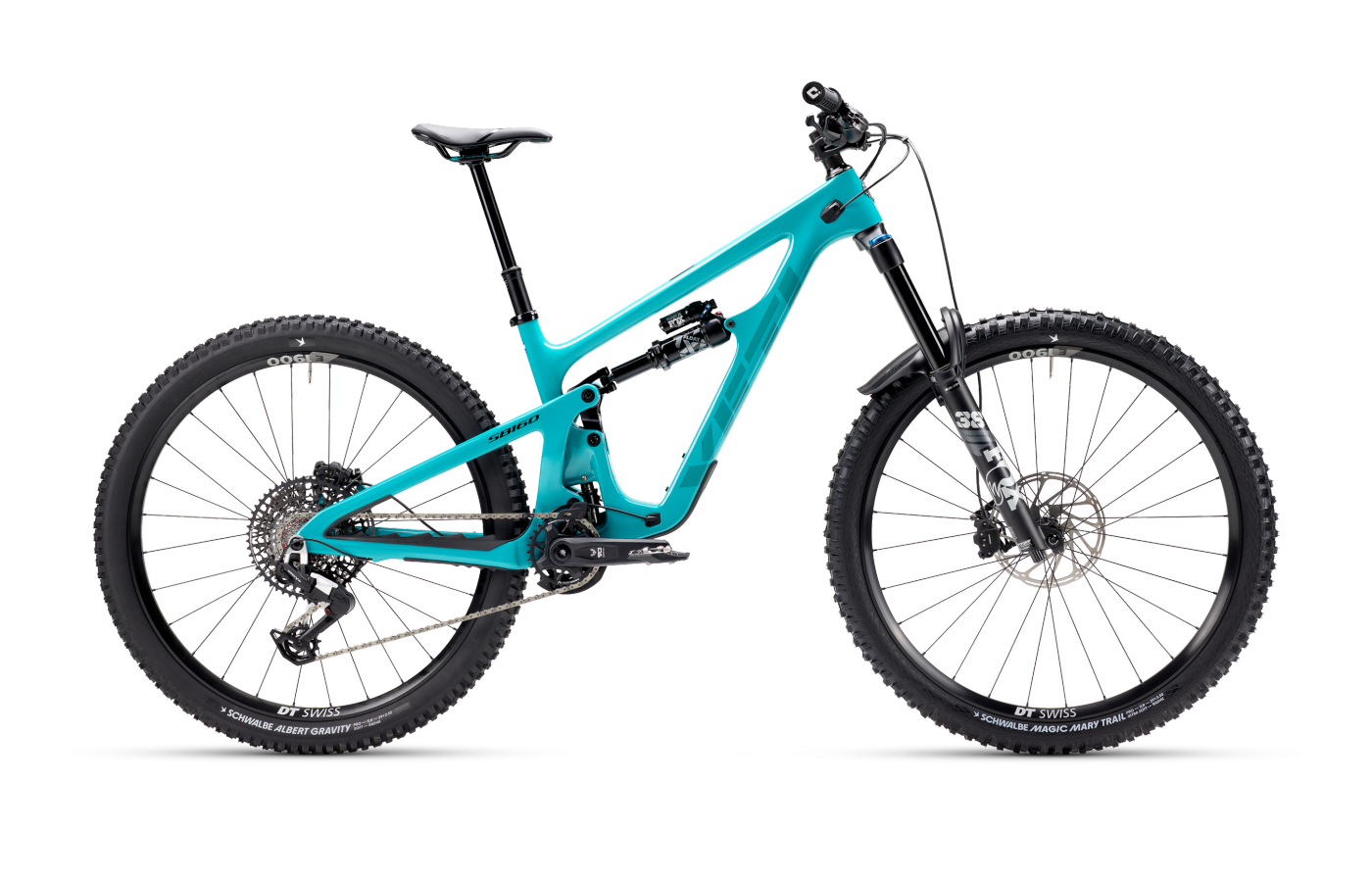
SB160
The Yeti SB160 is the dedicated enduro race-day rival to the HD6 — Switch Infinity suspension, 170/160 mm travel, and a reputation as one of the most composed bikes in chunk. If the HD6's playfulness sounds great but you'd rather have plow-bike calm at speed, this is the cross-shop.
Compare →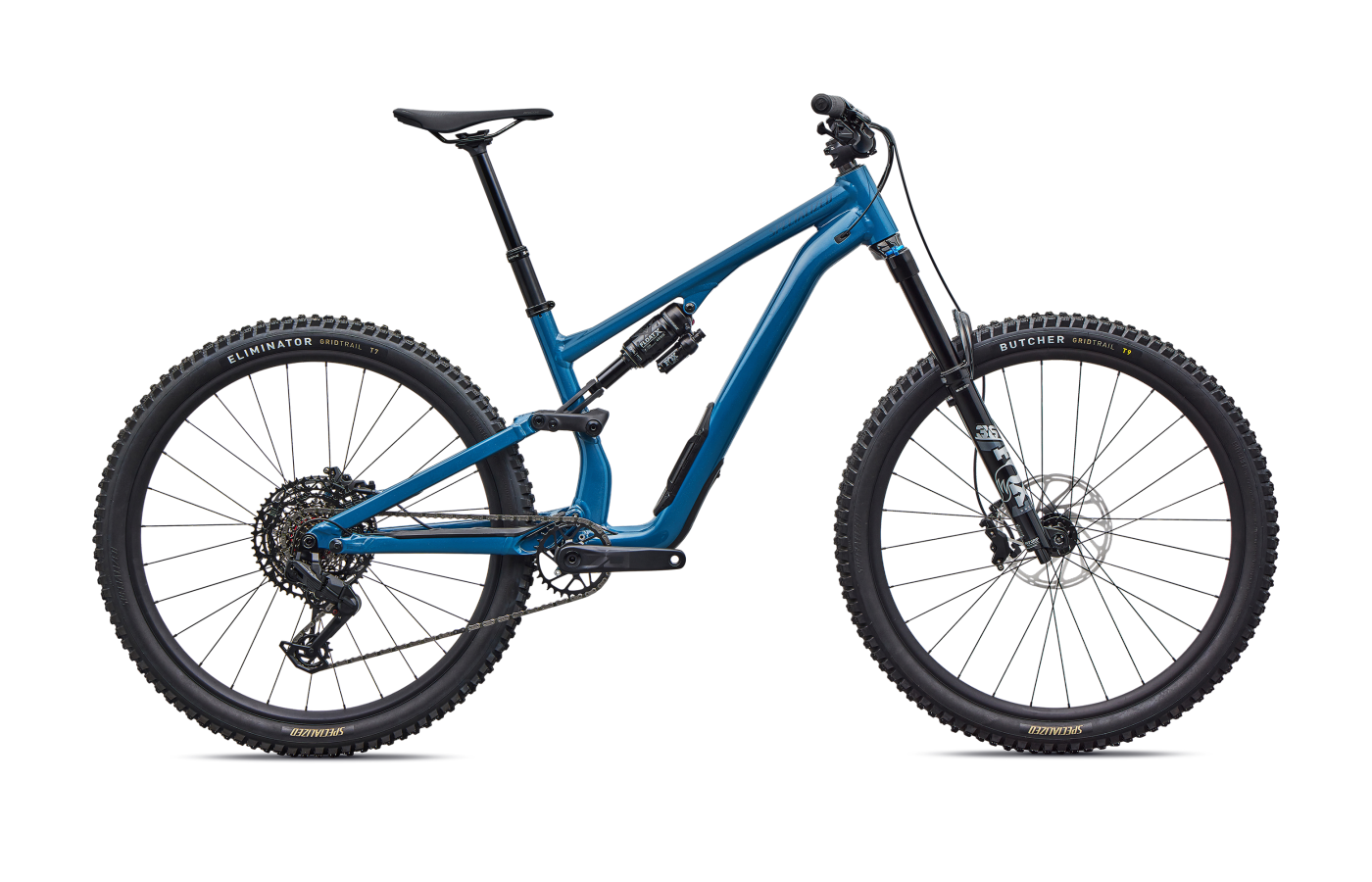
Stumpjumper Evo
The Specialized Stumpjumper Evo flexes geometry the way the Ripmo flexes wheel size — six-position flip-chip head angle and BB drop, plus per-size adjustability. The bike that can be configured to land between the Ripmo V3 and HD6 in the same ride.
Compare →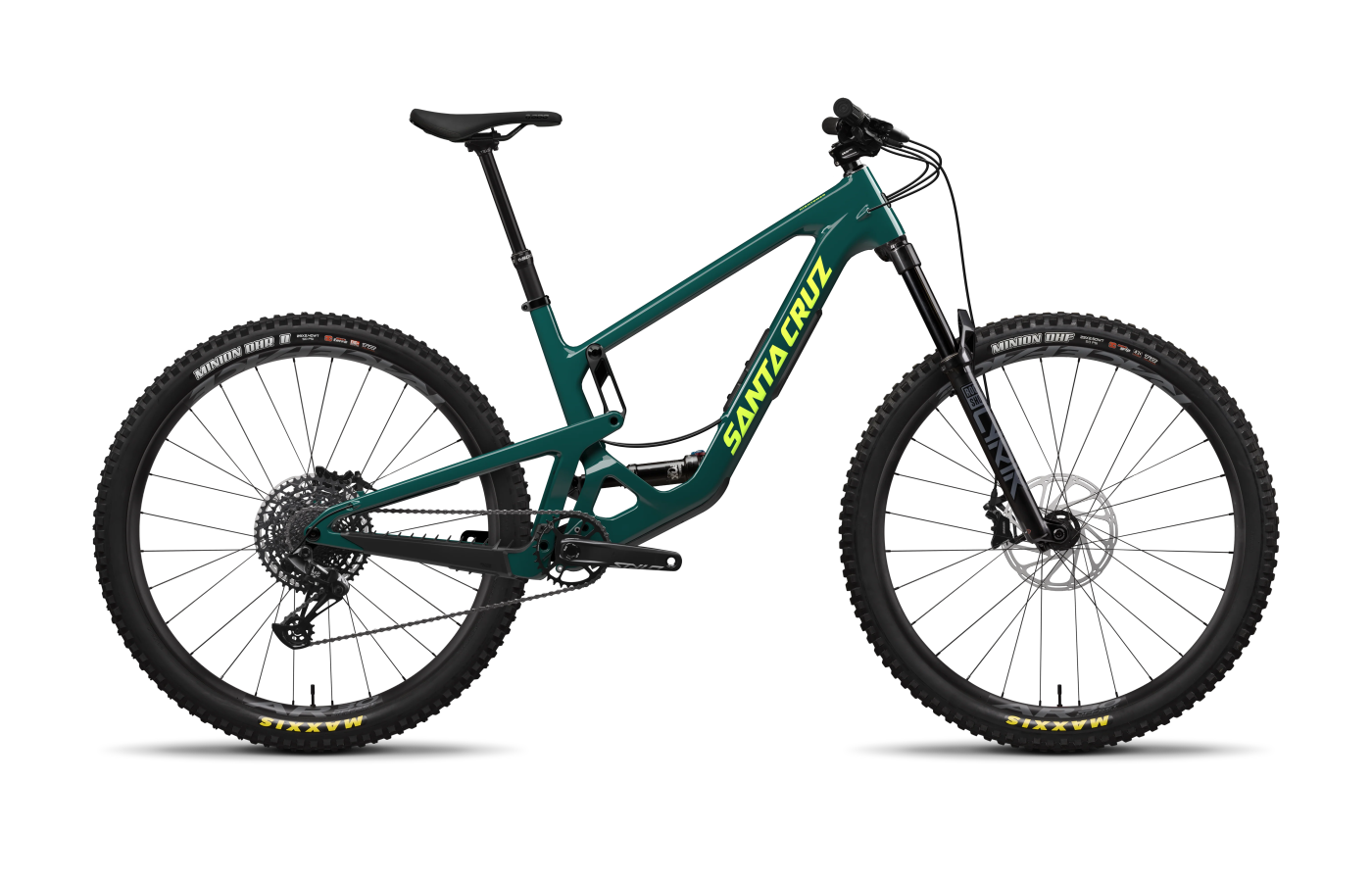
Hightower
The Santa Cruz Hightower is the most direct Ripmo V3 cross-shop — 150 mm rear, 29er or mullet, VPP suspension instead of DW-Link. Pick it if you prefer Santa Cruz's lifetime bearing program and don't need internal storage.
Compare →