Ripley
vsRascal
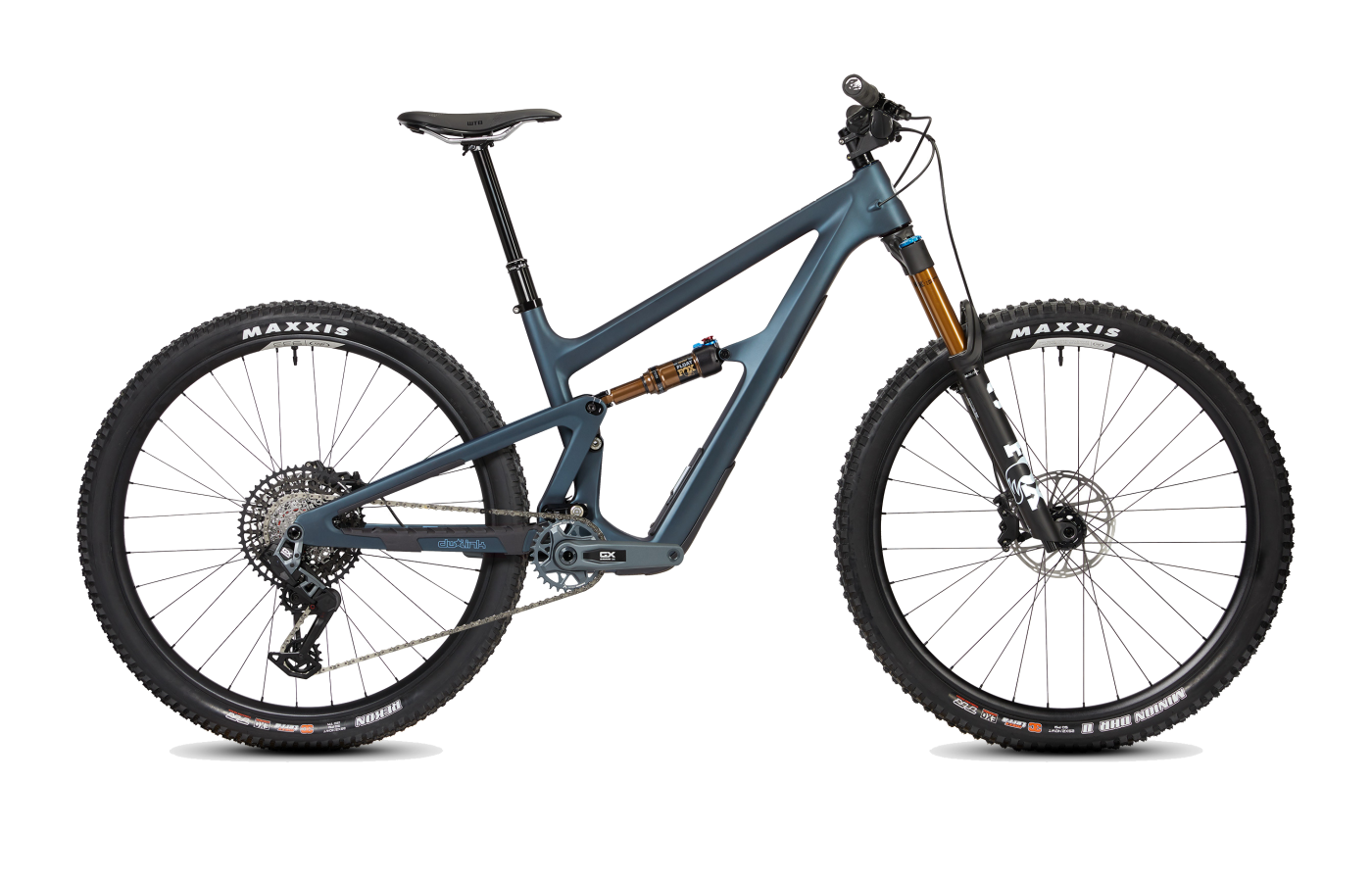
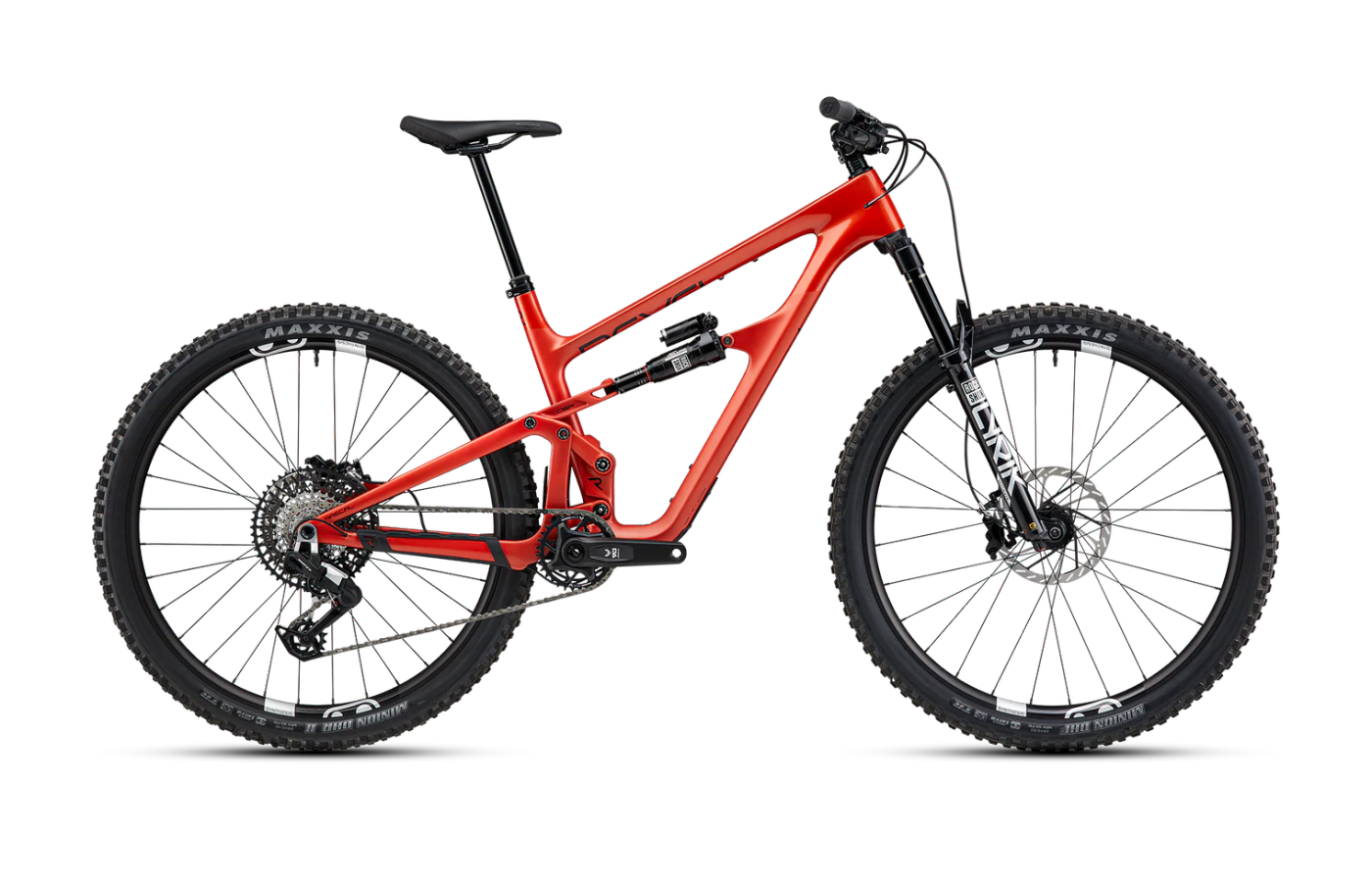
Two 130/140 trail bikes, two very different trajectories.
The Ibis Ripley V5 is the latest evolution of a short-travel classic — slacker, burlier, now sharing a frame with the Ripmo. The Revel Rascal V2 is the last of its kind, praised as a live-wire trail bike just as the brand ceased operations.
Ripley
- More descending composure — the 64.9-degree HTA, longer wheelbase, and Ripmo-shared chassis make it the calmer bike when the trail gets steep and fast.
- STOW internal storage — rattle-free, glove-friendly downtube compartment with Cotopaxi bags; universally praised by reviewers.
- Size-specific chainstays (436 mm on MD, up to 442 mm on XL) keep handling consistent across the size range.
- Fox 34 fork on most builds can flex for bigger or more aggressive riders — several reviewers wanted a 36 or Pike.
- Tier-equivalent editor's-pick build costs roughly $2,000 more than the Rascal.
Rascal
- Best-in-class pedaling — CBF anti-squat sits around 120–140% and stays high through the travel; reviewers routinely leave the climb switch open and never miss it.
- Playful, engaged handling — steeper head angle and shorter wheelbase reward pumping, popping, and line-picking over plowing.
- RockShox Lyrik Ultimate across the range — even mid-tier builds get a burlier fork than the Fox 34 on comparable Ibis builds.
- Revel Bikes has ceased operations — warranty, frame hardware, and long-term support are now uncertain.
- Constant 436 mm chainstays across all sizes can feel unbalanced for taller riders on XL/XXL.
Editor’s analysis
Same travel numbers, same wheels, same ballpark intent — and almost opposite ride characters.
On paper these two overlap in every column that matters. Both run 130 mm rear and 140 mm front, both roll on 29-inch wheels, both use a dual-link carbon chassis (DW-link on the Ibis, CBF on the Revel), both clear 2.4-inch rubber. If you're shopping short-travel trail carbon in 2025, this is the direct comparison.
The Ibis Ripley has grown up. The V5 shares its front triangle and swingarm with the longer-travel Ripmo, runs a 64.9-degree head angle, uses size-specific chainstays from 436 to 442 mm, and adds a new STOW internal downtube storage system. Reviewers repeatedly describe it as "bigger, beefier," and "surprisingly stiff for a short-travel bike" — the kind of bike that used to be called downcountry but now gets ridden on bike-park lift days. It's the Ripley for people who wanted the old Ripmo.
The Revel Rascal stayed truer to the short-travel whippet formula. 65.5-degree head angle, 436 mm chainstays across every size, no internal storage, a 20% stiffer rear triangle than V1 but no travel or reach inflation. The CBF suspension — high anti-squat, minimal bob — is the best pedaling platform in this comparison and one of the best in the segment. Reviewers flag the Rascal's sporty, slightly twitchy handling as a feature, not a bug: it pumps, pops, and rewards an active rider. At plow speeds, it's less composed than the Ripley.
The elephant in the room: Revel Bikes has ceased operations. The Rascal V2 is still one of the most engaging trail bikes you can buy, but the warranty and spares situation is now uncertain — a structural risk that didn't exist when the bike launched. The Ibis Ripley carries a lifetime frame warranty from a brand that's very much still here.
Where the builds differ.
Comparing our editor's-pick builds side-by-side. Winners highlighted row-by-row — lower price and weight, and the better-spec component, each mark a point.
Build variants & pricing
Both come in carbon only. The Ripley spans $4,999 to $9,999 across five builds; the Rascal sits in a tighter $4,999 to $5,199 window across four.
Tier-matched pick: Ripley GX Transmission ($7,249) vs Rascal X0 Transmission Kit ($5,199) — both one-down SRAM wireless builds on carbon frames, but Revel's pricing undercuts Ibis by roughly $2,000 at this tier. Factor Revel's uncertain post-sale support into that gap.
How they fit, how they steer.
At their fit-picked sizes, the Ripley MD runs a 460 mm reach and 619 mm stack vs 451/610 on the Rascal Medium — close on paper, but the Ripley's 64.9-degree HTA (vs 65.5) and 1,211 mm wheelbase (vs 1,198) bias it toward stability. Seat tube angles are nearly identical (76.9 vs 76).
Which size should I buy?
Both brands offer five sizes; the Rascal adds an XXL for riders up to 6'8", the Ripley tops out at XL.
→These are starting points. Flexibility, riding style, and preferred position all shift the answer — if you’re between sizes, a professional fit beats a chart.
What the magazines said.
Published reviews from trusted cycling outlets. Click through for the full write-up.
Which one should you buy?
If you want a short-travel bike that can hang on bigger trails and come from a brand that'll be there tomorrow, get the Ripley. If you want the sharpest, most efficient pedaler in the segment and can accept the support risk, the Rascal is still that bike.
Ripley
If your trails mix long grinding climbs with genuinely rough descents and you want one bike that can handle both without feeling overwhelmed on the way down, the Ripley V5 is the safer pick. You also get internal storage, size-specific chainstays, and the option to convert it into a Ripmo later with a shock, fork, and linkage swap.
Rascal
If you ride rolling, flowy, or technical-but-not-terrifying terrain and want a bike that generates speed from every pump, every backside, every line choice — the Rascal is exceptional. Just go in with eyes open: Revel has stopped operating, so you're buying a bike the way you'd buy a great used one.
Questions buyers actually ask.
Short answers to the things we get emailed about most often.
01Which bike climbs better?
The Rascal, most days. CBF suspension sits at roughly 120–140% anti-squat and stays high through the travel, so the rear end barely moves under pedaling power — reviewers consistently report leaving the climb switch open and not missing it. The Ripley's DW-link is also excellent and earns near-universal praise for efficiency, but with the V5's added travel and slacker geometry it's a touch softer under pedaling than the Rascal.
The Ripley has an edge on technical steep climbs thanks to its 76.9-degree seat tube angle (vs 76 on the Rascal Medium), which keeps the front wheel planted on steep ledges.
02Which is more capable going down?
The Ripley, clearly. The V5 got 10 mm more travel than the V4, a 1.5-degree slacker head angle, a longer wheelbase, and a chassis shared with the Ripmo. Reviewers describe it as "planted" and "composed" on terrain usually reserved for longer-travel bikes.
The Rascal is lively and precise but explicitly not a plow bike. Multiple testers called its steering "twitchy" at speed on steep, chunky terrain and recommended a longer stem and taller bar to calm it. It rewards picking lines; it punishes brute force.
03What's the deal with Revel shutting down?
Multiple reviews published in 2025 confirm Revel Bikes has ceased operations. The bike itself is unchanged — still a carbon frame, still a Bike Yoke dropper, still the same CBF suspension — but the manufacturer behind the warranty and the source of proprietary spares (carbon links, specific pivot hardware, frame protectors) is gone.
Some reviewers have speculated that Canfield or another party may step in to support existing owners; as of publication, nothing official has been announced. Treat it like buying a discontinued boutique frame: strong up-front value, meaningful uncertainty long-term.
04How does the STOW storage compare?
The Ripley has it; the Rascal doesn't. Ibis spent over a year developing STOW, and reviewers universally praise it — large quick-release lever, multiple seals, rattle-free operation thanks to included Cotopaxi storage bags made from fabric remnants. It fits a tube, tool, and snack without drama.
Revel opted not to add downtube storage on the V2. If you habitually ride without a pack, it's a real tiebreaker.
05Can I convert the Ripley into a Ripmo?
Effectively, yes. The V5 Ripley and current Ripmo share the same front triangle and swingarm — swap the shock, fork, and rocker linkage and you have a Ripmo. Reviewers at Duffy Rides and 99 Spokes flagged this as one of the Ripley's biggest long-term value props: buy one bike, get two as your preferences evolve.
The Rascal does not offer a comparable conversion path.
06Are the stock tires any good?
Ibis specs a Maxxis Minion DHR II (or Forekaster) up front and Rekon in the rear — a fast-rolling combo that most reviewers liked, though a few wanted a beefier rear tire to match the V5's added capability.
Revel specs Maxxis Dissector front and rear on the X0 Kit (the Deore build gets Continental Kryptotal/Xynotal in the Endurance compound). The Dissectors are well regarded; the Continentals drew heavy criticism from Pacific Northwest reviewers who found the Endurance compound sketchy on wet rocks and roots. If you're buying the Deore, budget for a tire swap.
07Can I run a mullet setup?
The Ripley V5 has a flip chip in the rear triangle that corrects geometry for a 27.5 rear wheel without altering suspension kinematics. Accessing the bolts requires removing the shock, so it's not a trailside swap — but the option is there.
The Rascal V2 is full 29 only. No flip chip, no mullet provision.
08Which one is lighter?
It's close and depends on build, but the Rascal tends to come in slightly lighter in equivalent-tier SRAM Transmission trim. Revel's published weight for the X0 Transmission Kit at size Large is 29.8 lb / 13.5 kg. Reviewers of the Ripley V5 consistently weighed mediums and larges at 29–31 lb, with the V5 gaining a bit over the V4.
Practically, the difference between tier-equivalent builds lands around half a pound to a pound — less than a full water bottle.
Similar bikes
If your priorities don’t map cleanly onto either of these, one of these adjacent bikes probably fits better.
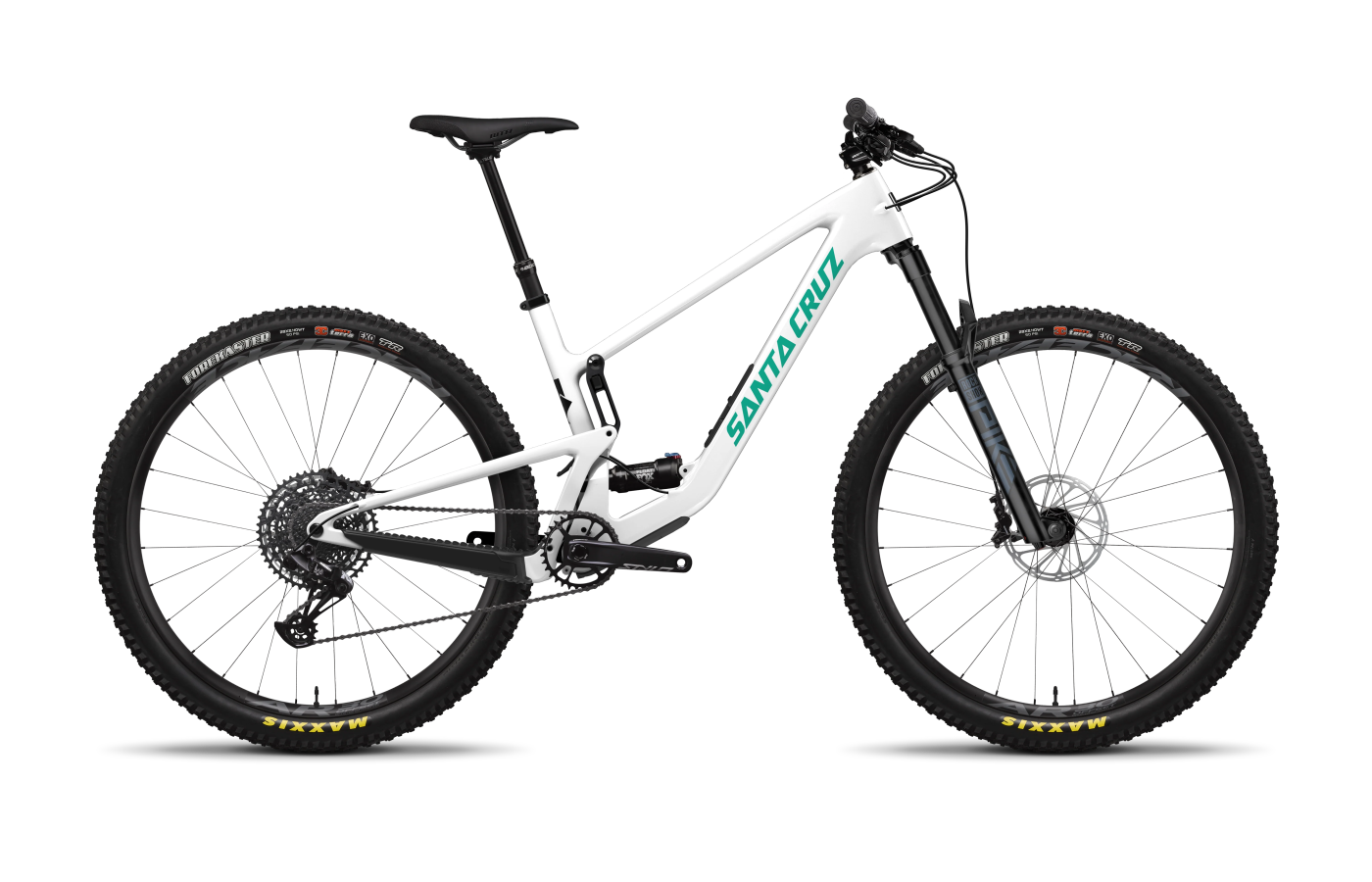
Tallboy
The Santa Cruz Tallboy is the stylistic sibling to both — 120/130 mm, 29er, dual-link VPP suspension, carbon frame, big-brand support network. Splits the difference between the Ripley's composure and the Rascal's poppy character.
Compare →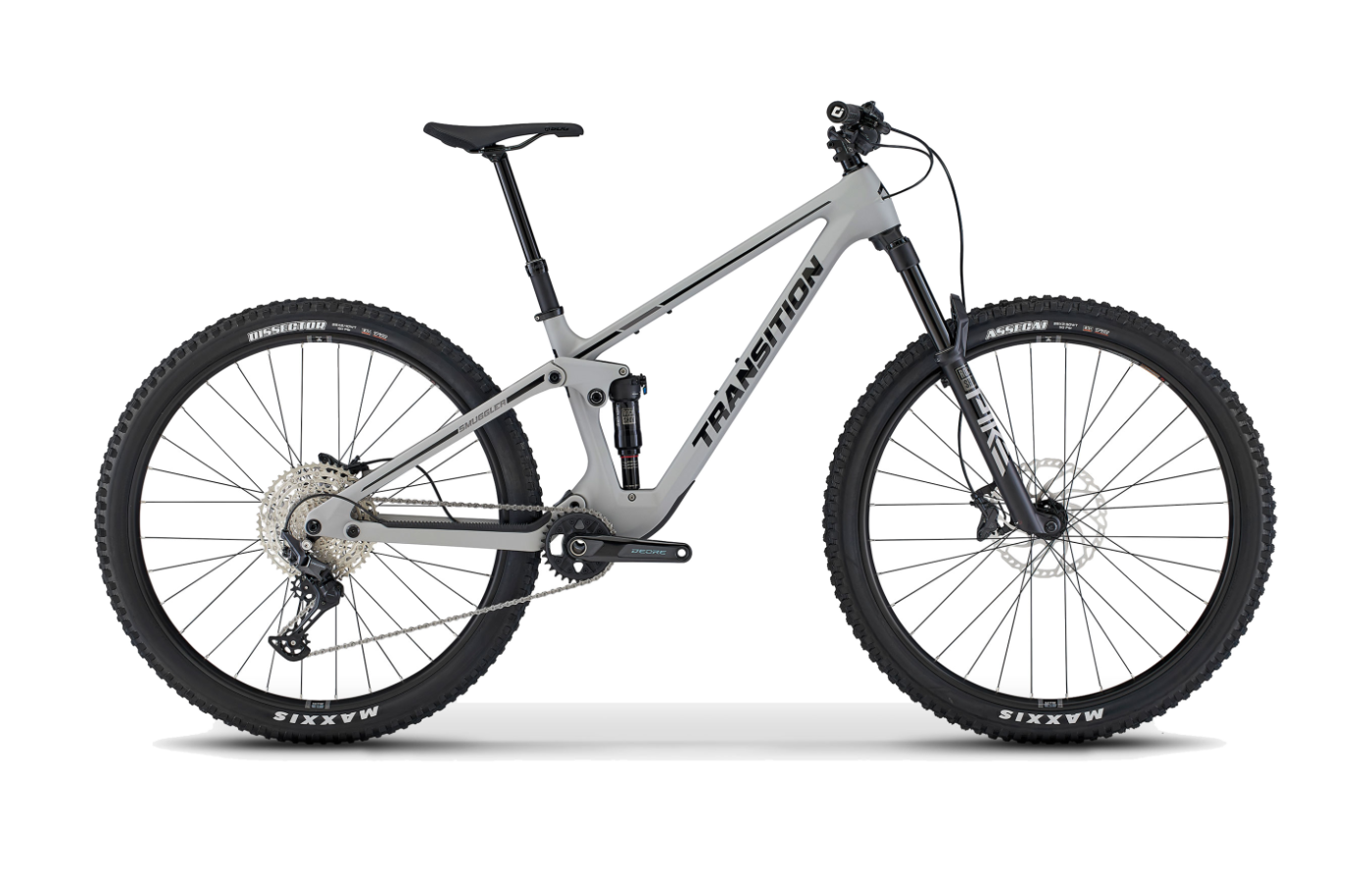
Smuggler
The Transition Smuggler runs the same 130/140 numbers with more of a mini-enduro bias — slacker, more planted, closer in spirit to the Ripley V5 than the Rascal. Worth a look if the Ripley's appeal is mostly its descending chops.
Compare →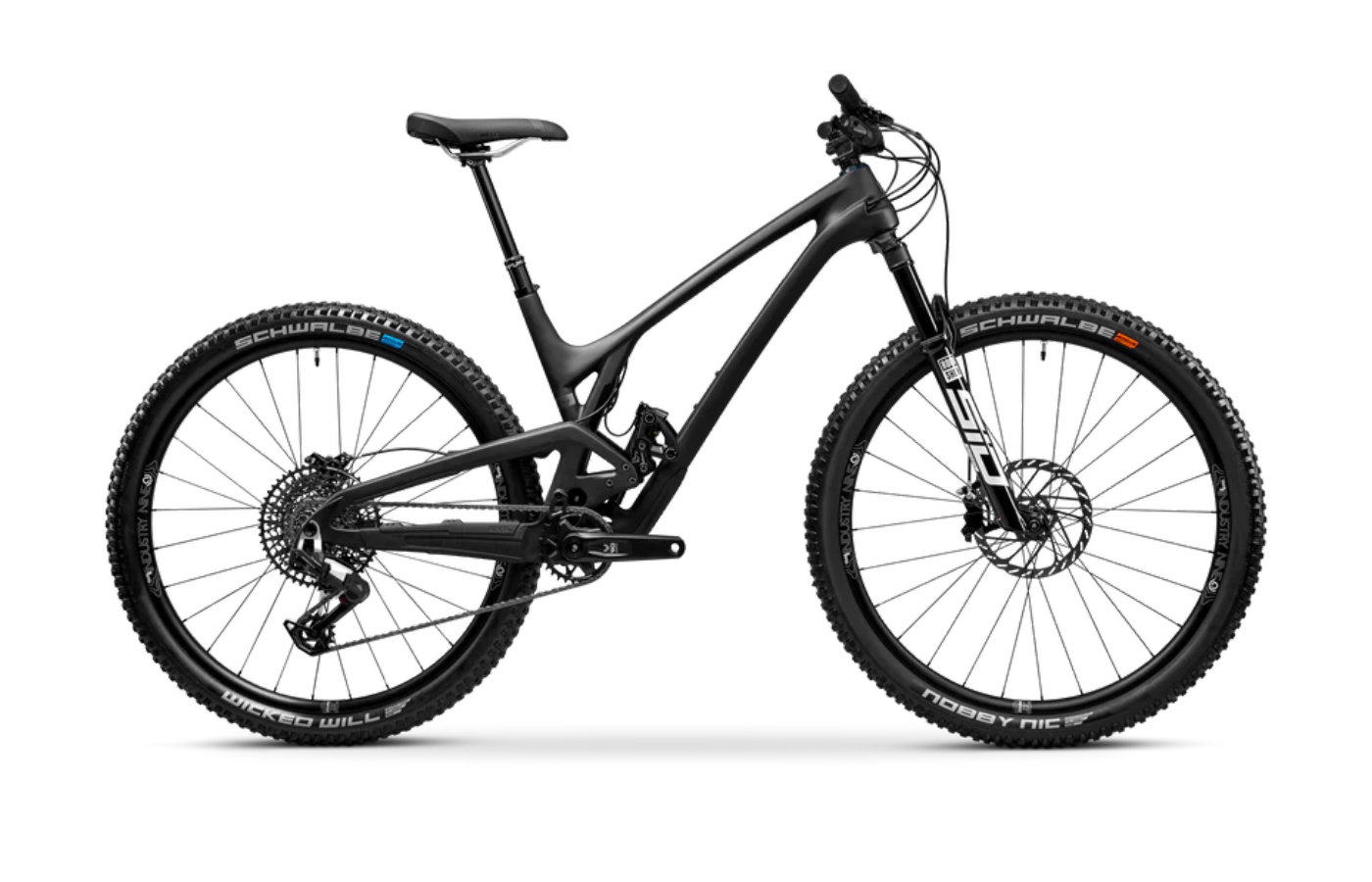
Following
The Evil Following punches well above its 120 mm rear travel — an aggressive, dynamic short-travel 29er that, like the Rascal, rewards an active rider rather than a passive plower.
Compare →