Ripmo
vsSwitchblade
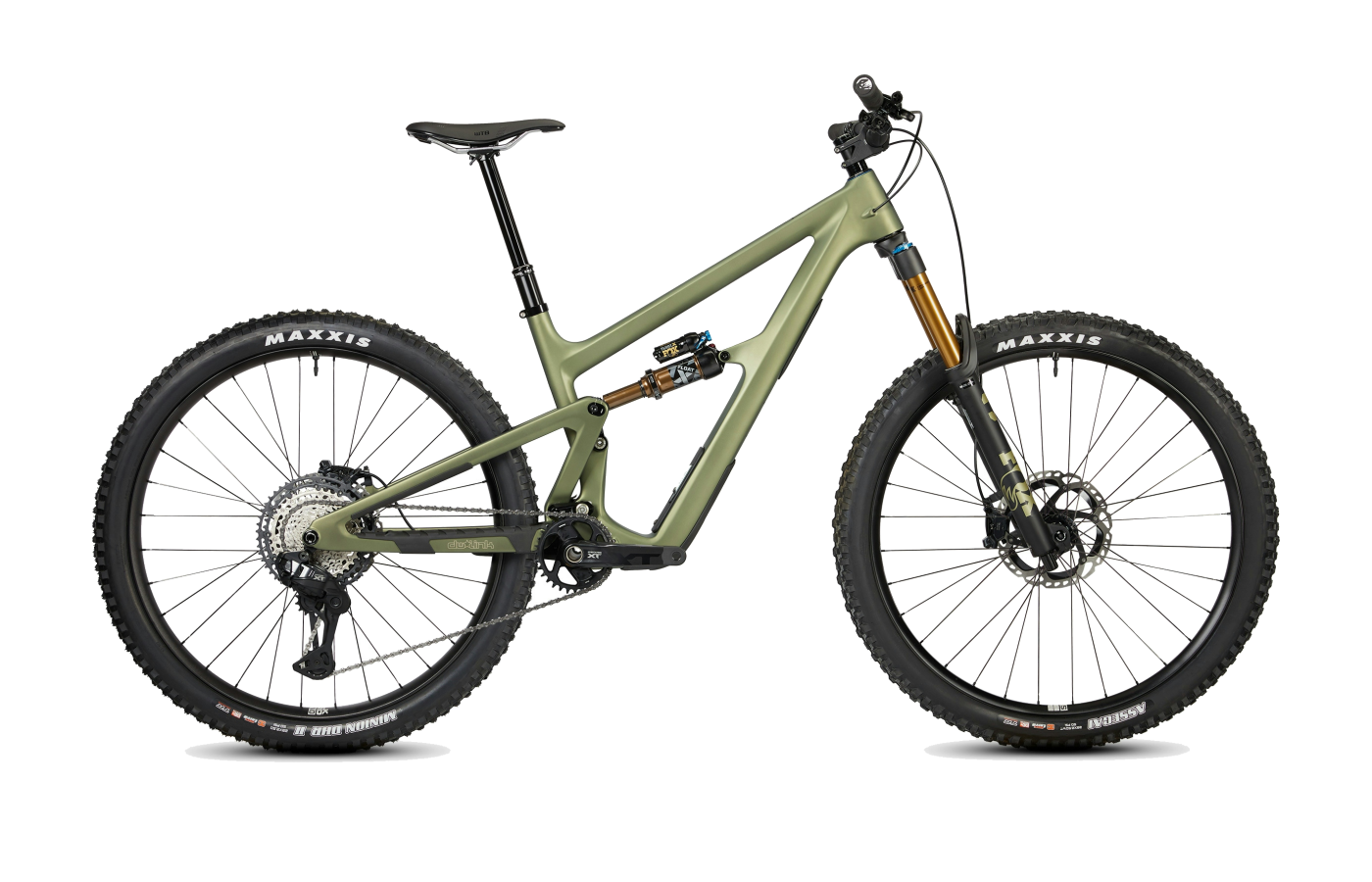
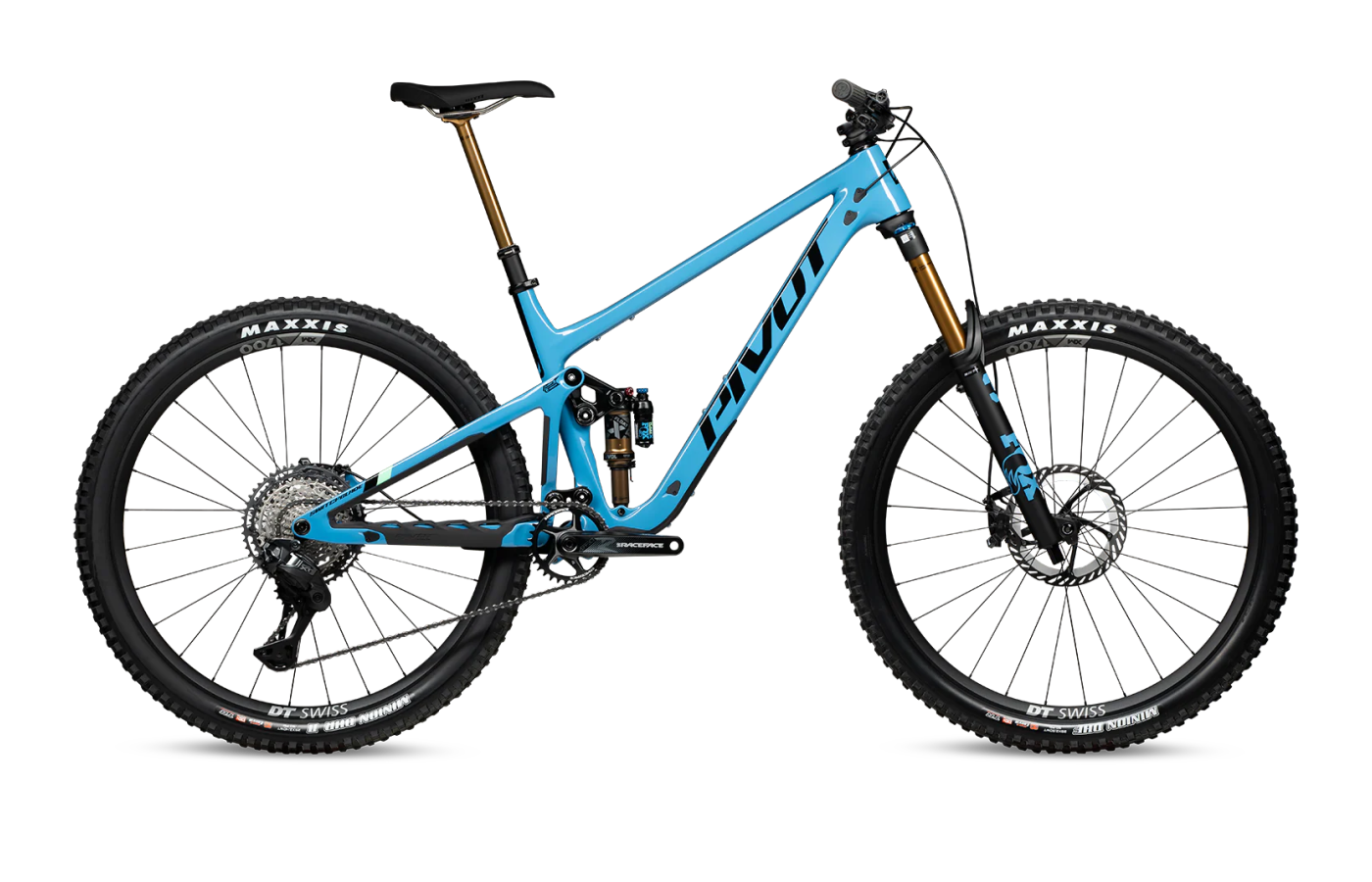
Two DW-Link trail bikes, two personalities.
The Ripmo V3 is the lively, poppy all-rounder with 150 mm rear and a threaded BB. The Switchblade V3 is the planted, point-and-shoot trail bike on SuperBoost.
Ripmo
- More travel and slacker geometry — 150 mm rear, 64.5° HTA, longer wheelbase per size class than the Switchblade.
- Standard Boost 148 + threaded BB — easier wheel swaps, less press-fit creak risk, broader aftermarket compatibility.
- Integrated frame storage with custom Cotopaxi bags — rare in this travel bracket and praised across nearly every review.
- Stock Fox 36 GRIP X damper drew criticism from Pinkbike for feeling "nervous" on rough descents — heavy/aggressive riders may want the X2.
- Frame stiffness is debated; one long-term reviewer flagged torsional flex versus the outgoing V2S.
Switchblade
- Composure at speed — the longer lower link and rearward axle path make the rear wheel track square edges better than the Ripmo.
- Premium frame execution with cold-forged 7000-series links, torque-spec labels, and a 10-year warranty.
- Mullet-friendly via flip chip — two-position geo adjustment and 27.5 rear compatibility for steep, tight terrain.
- SuperBoost+ 157 rear spacing limits aftermarket wheel/hub options versus Boost 148.
- Press-fit bottom bracket drew creak reports in multiple reviews; serviceability is harder than threaded.
Editor’s analysis
Same suspension philosophy, same fork travel, same target rider — and yet they ride almost nothing alike.
Both the Ibis Ripmo and Pivot Switchblade are 160 mm-fork, DW-Link, all-mountain 29ers from boutique American brands. Both got ground-up V3 redesigns in 2024. Both are aimed at the rider who wants one bike for everything from techy climbs to bike-park laps. The frame numbers, on paper, look almost interchangeable.
But the Ripmo runs 150 mm rear travel and a 64.5° head angle, with size-specific bottom-bracket heights that get taller as the frame grows. The Switchblade runs 142 mm rear and a slightly less-slack 65.2° head angle, with chainstays that barely grow at all (431 mm on XS through M, 432 on L, 436 on XL). The Ripmo is the longer, slacker, lower-BB platform — built to feel composed when the trail goes vertical. The Switchblade is the more upright, more compact-rear-end platform — built to feel playful and direct.
On the trail, that translates to genuinely different personalities. Reviewers consistently call the Ripmo "poppy," "lively," and "hoverbike"-like through chunky climbs — its DW-Link feels active off the top and rewards a rider who pumps and unweights. The Switchblade gets called "planted," "point-and-shoot," and "calmer at high speed" — its longer lower link drives a more rearward axle path that glues the rear wheel to square edges. Both pop. Both climb well. But the Ripmo wants you to ride it actively; the Switchblade wants you to commit and let the chassis work.
The other split is platform philosophy. Ibis runs standard Boost 148 spacing, a threaded BSA bottom bracket, and integrated downtube storage with Cotopaxi bags. Pivot runs SuperBoost+ 157 spacing, a press-fit BB, and external accessory mounts. The Pivot's choices give measurable stiffness and chainline benefits — and they make wheel swaps, freehub spares, and long-term BB serviceability noticeably more annoying. If shop-friendliness and aftermarket flexibility matter to you, that's a real factor.
Where the builds differ.
Comparing our editor's-pick builds side-by-side. Winners highlighted row-by-row — lower price and weight, and the better-spec component, each mark a point.
Build variants & pricing
Both lineups go from mid-tier alloy-wheel builds up to wireless-electronic flagships. Pivot starts higher and tops out higher; Ibis is consistently $1k-$2k less at every drivetrain tier.
Prices are current US MSRP. The editor's-pick comparison here is XT Di2 vs XT Di2 — Ibis at $7,799, Pivot at $8,999 — to keep drivetrain, fork tier, and shifting actuation matched. Pivot's $1,200 premium at this tier is consistent across the lineup.
How they fit, how they steer.
The Ripmo MD and Switchblade SM are the fit-picked sizes for a 5'8" rider on each bike. The Ripmo runs 16 mm more reach (456 vs 440), 4 mm more chainstay (435 vs 431), and a slacker 64.5° HTA versus the Switchblade's 65.2° — longer and more descent-biased on paper.
Which size should I buy?
Both bikes use letter sizing (S/M/L). Ibis adds an "XM" between M and L; Pivot's range starts smaller with an XS.
→These are starting points. Flexibility, riding style, and preferred position all shift the answer — if you’re between sizes, a professional fit beats a chart.
What the magazines said.
Published reviews from trusted cycling outlets. Click through for the full write-up.
Which one should you buy?
If you ride actively and want a poppy, threaded-BB platform that's easy to live with, get the Ripmo. If you commit to lines and want a chassis that tracks square edges at speed, get the Switchblade.
Ripmo
If your rides are long, your climbs are technical, and you like a bike that rewards pumping and unweighting, the Ripmo is the easier bike to enjoy. The threaded BB, Boost 148 hubs, and integrated storage make it the lower-friction long-term ownership story too.
Switchblade
If you ride fast, push the front end, and want a chassis that feels glued through square-edge chatter, the Switchblade rewards commitment. Accept the SuperBoost and press-fit caveats — they're real, but so is the descending composure.
Questions buyers actually ask.
Short answers to the things we get emailed about most often.
01Which has more travel?
The Ripmo V3 has 150 mm of rear travel; the Switchblade V3 has 142 mm. Both run a 160 mm fork. That 8 mm gap is small but real — combined with the Ripmo's slacker 64.5° head angle (vs 65.2° on the Switchblade), it nudges the Ibis a touch further toward the enduro end of the all-mountain bracket.
In practice neither is a bike-park sled, and neither is a short-travel rocket. Both sit in the same use-case envelope; the Ripmo just gives a little more room when you're in over your head.
02Which climbs better?
Both are excellent climbers — DW-Link, steep effective seat angles (76.5° on the Ripmo MD, 76° on the Switchblade SM), and reasonable weight for the travel bracket. The character differs.
The Ripmo is described across reviews as "poppy," with an active initial stroke that delivers traction on technical climbs — Theradavist called it "hoverbike"-like through chunk. The Switchblade is more planted, with a longer lower link that helps the rear wheel track over square edges on rough climbs. If your climbs are long fire roads, both feel fast. If your climbs are technical and you like unweighting over obstacles, the Ripmo's livelier feel will probably win you over.
03Boost 148 vs SuperBoost+ 157 — does it matter?
Yes, especially at resale and for wheel upgrades. The Ripmo uses standard Boost 148 mm rear spacing — the dominant standard, with the widest hub and wheel selection.
The Switchblade uses SuperBoost+ 157 mm. Pivot argues it improves chainline and frame stiffness on a short-chainstay bike, and that's defensible. The downside is real: fewer aftermarket wheelsets, fewer hub options, and harder to swap wheels between bikes you own. If you're brand-loyal to one bike for years it's a non-issue. If you cycle through wheelsets or buy used, it's friction.
04How does the bottom-bracket standard affect serviceability?
The Ripmo uses a threaded BSA bottom bracket — universally easier to service, no creak risk from poor frame tolerances, and cheap to replace.
The Switchblade uses a press-fit BB. Multiple reviewers (Blister, Flow) reported creaks during testing that needed shop attention. Pivot's QC is good and most owners don't have problems, but threaded is the lower-friction choice for at-home maintenance.
05Can I run a mullet (29F/27.5R) setup?
Both. The Ripmo is mullet-compatible via a flip chip; size S and M actually ship with a 27.5" rear wheel as stock and the larger sizes are full 29ers convertible to mixed.
The Switchblade is also mullet-compatible via flip chip but doesn't ship as a mullet from the factory — you'd need to source the rear 27.5 wheel separately. Both bikes run shorter cranks (165-170 mm) on smaller sizes to mitigate pedal strikes when the BB drops with a smaller rear wheel.
06What's the right editor's pick build to compare?
We picked the XT Di2 build on each side — Ibis at $7,799, Pivot Pro XT Di2 at $8,999 — because they share groupset, fork tier (Fox Factory 36 GRIP X2), shock tier (Float X Factory), and shifting actuation (Shimano electronic). That isolates the platform difference from component-tier noise.
The Pivot is $1,200 more at this tier; the Ibis advantage is consistent across the lineup. If you'd rather compare SRAM AXS, the Ibis GX Transmission ($7,799) maps closest to the Pivot Ride GX Eagle Transmission ($7,399) — the Pivot Ride builds drop to Fox Performance suspension, so it's not a perfect spec match.
07Which has better frame storage?
Only the Ripmo has integrated downtube storage — the door is praised across nearly every review for clean execution, and it ships with two custom Cotopaxi storage pouches.
The Switchblade has no internal storage; instead it has external accessory mounts (Pivot Dock, Topeak-compatible) on the underside of the top tube. Both work. Most riders prefer in-frame storage if they have the option.
08What's the warranty?
Ibis offers a lifetime warranty on the lower-link bushings (the IGUS bushings specifically) and a standard frame warranty against manufacturing defects. Pivot publishes a 10-year frame warranty — long for the industry but not lifetime.
Both brands have strong reputations for crash-replacement programs and dealer-level support.
Similar bikes
If your priorities don’t map cleanly onto either of these, one of these adjacent bikes probably fits better.
Offering
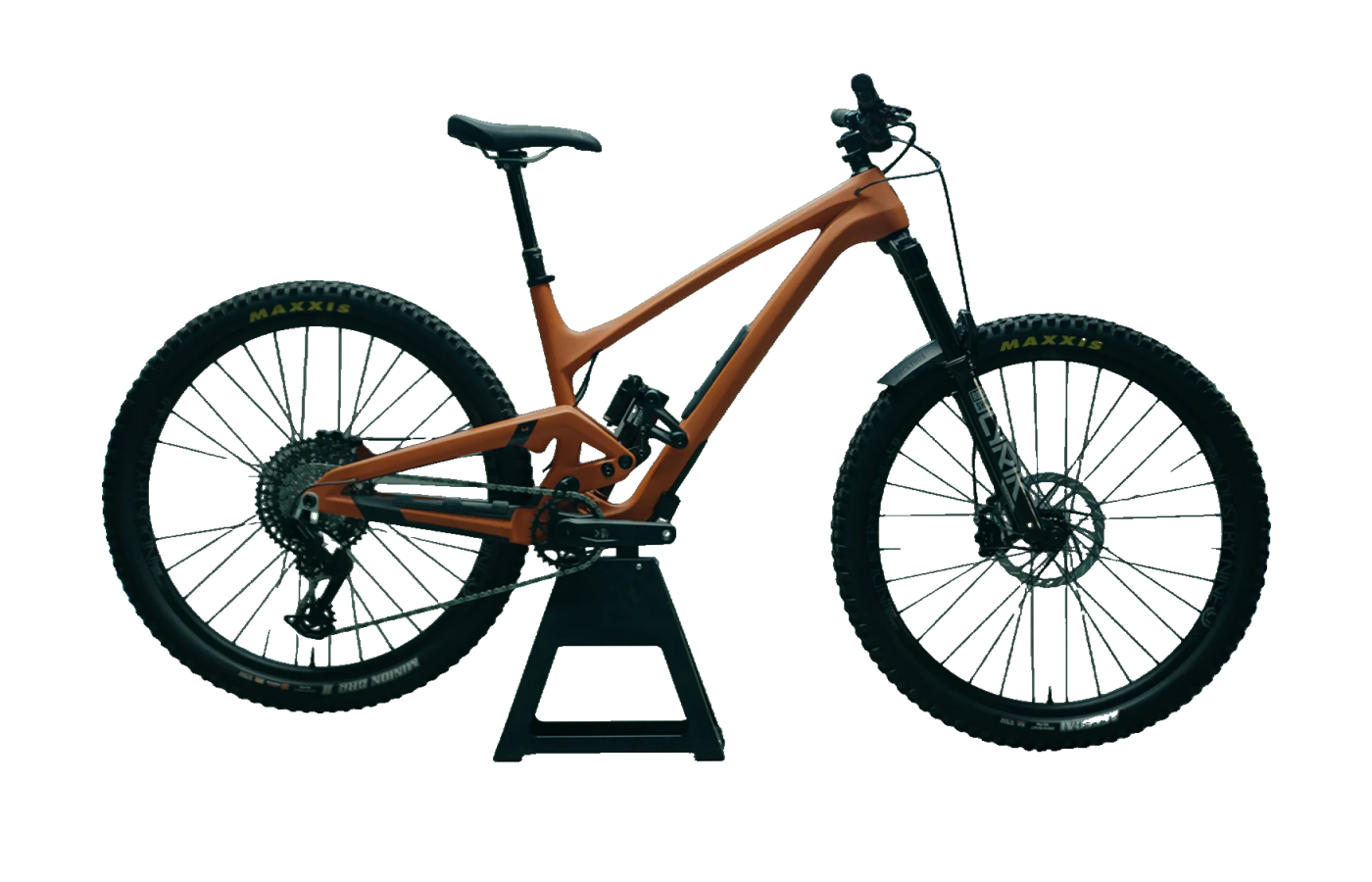
Another Dave Weagle suspension design with a similar travel bracket and a famously playful character. Worth a look if the Ripmo's poppiness appeals but you want a different chassis personality.
Compare →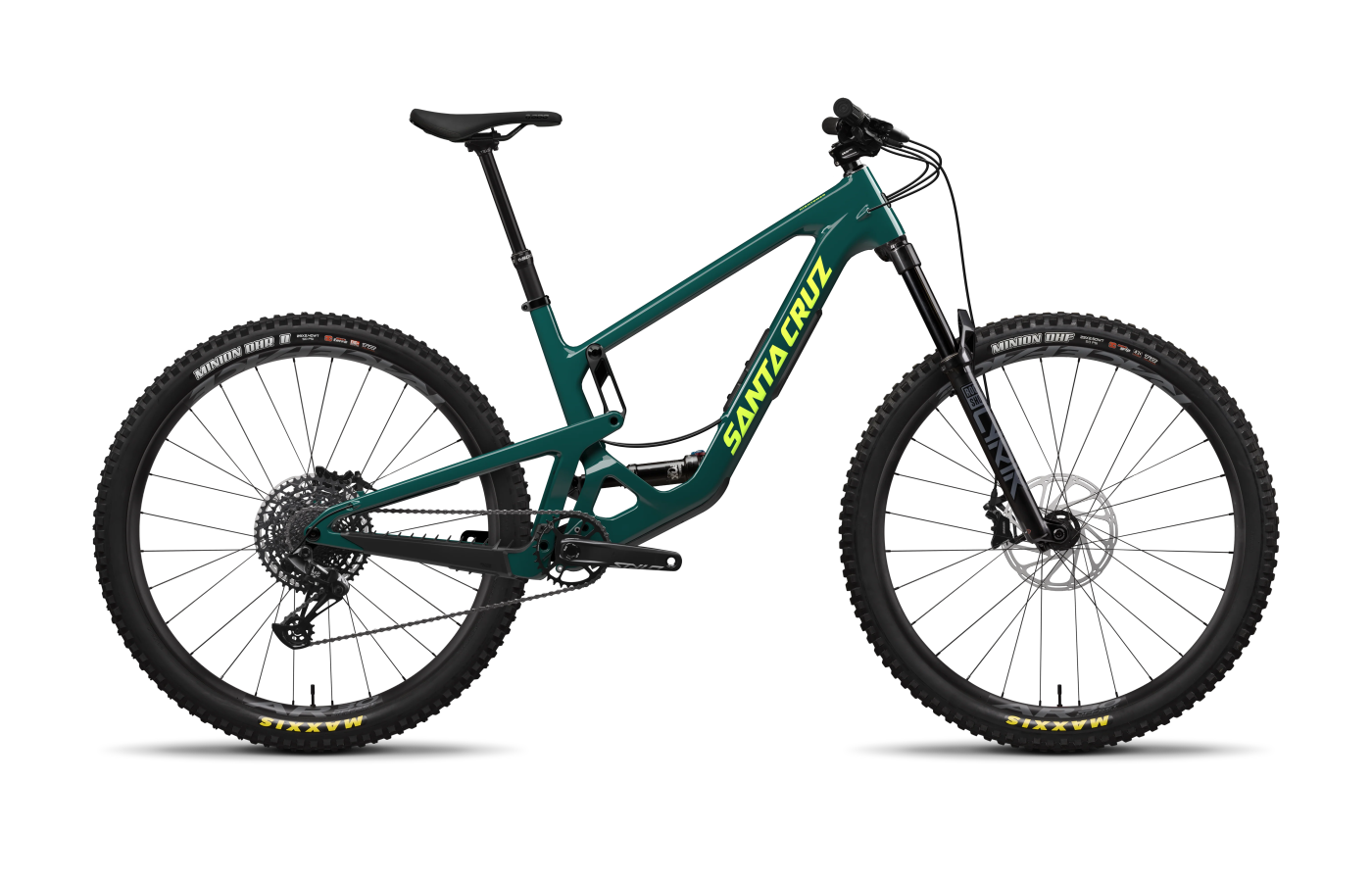
Hightower
Santa Cruz's mid-travel 29er trail bike — a more ground-hugging take on the same use case, with VPP suspension and the Santa Cruz dealer network. The grown-up alternative if the Ripmo and Switchblade both feel too lively.
Compare →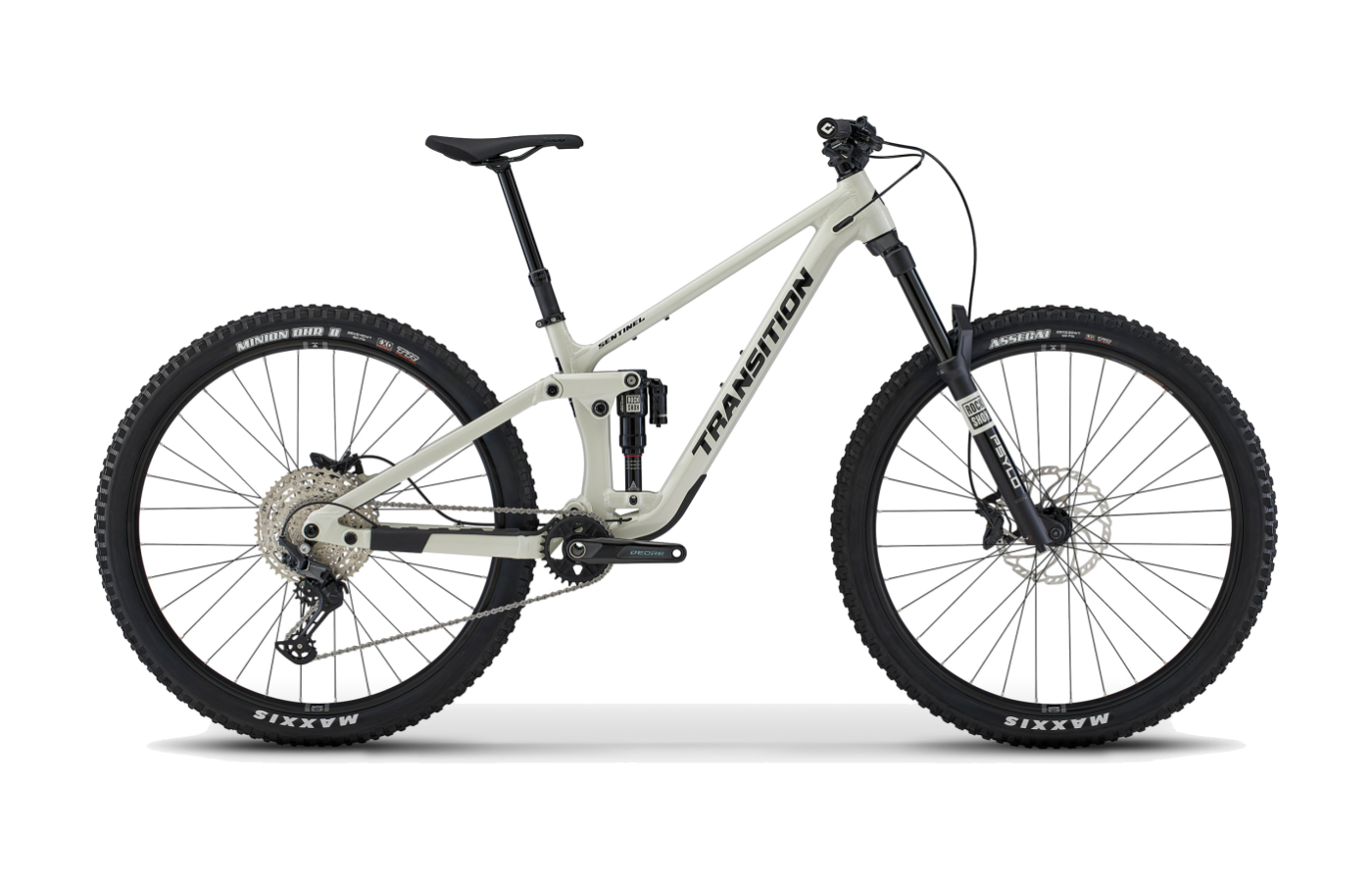
Sentinel
Slacker, more gravity-oriented, and noticeably cheaper — the Sentinel is the pick if your trails skew steep and chunky and you want more high-speed stability than either of these can offer.
Compare →