Ripmo
vsAltitude
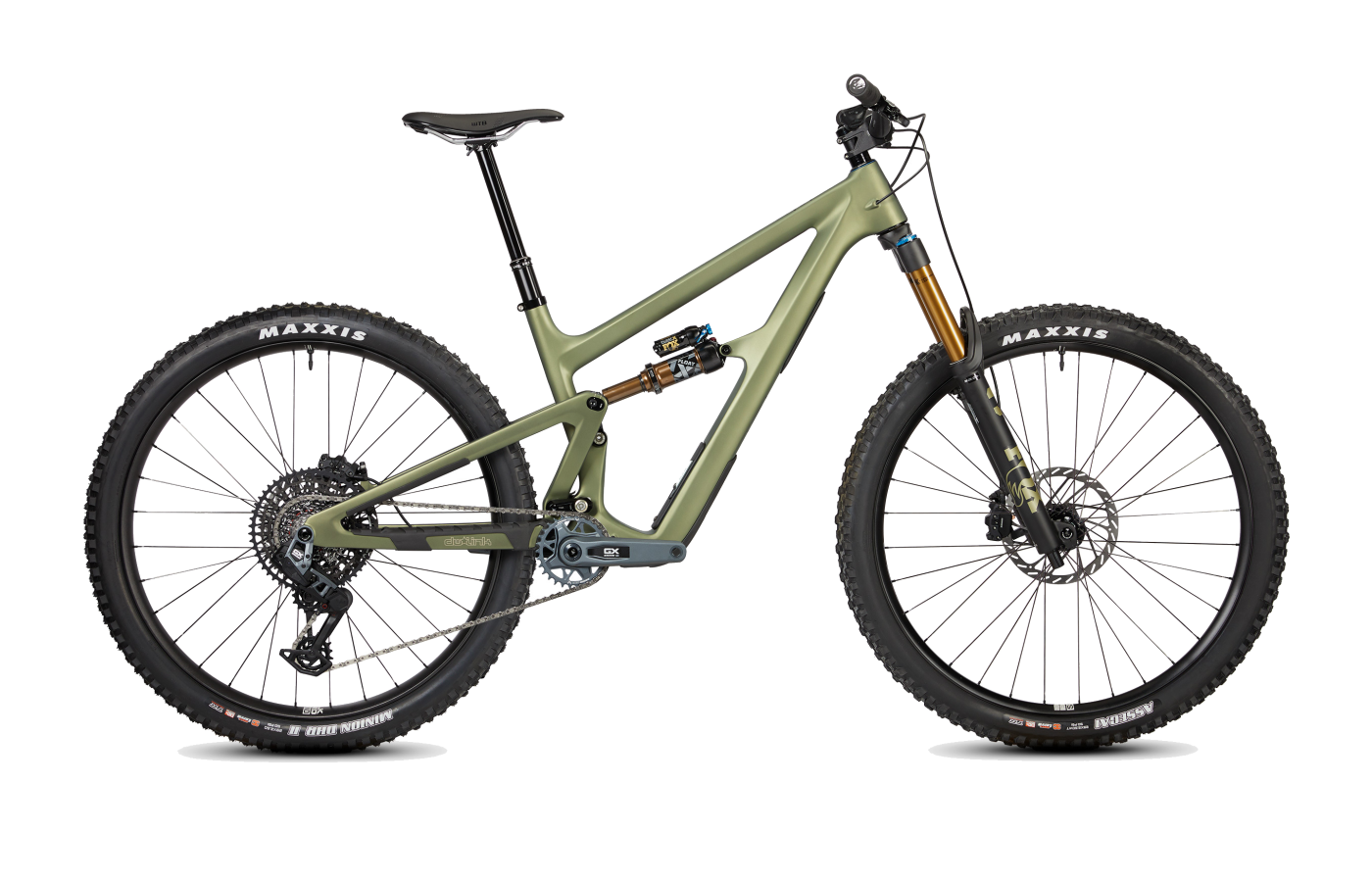
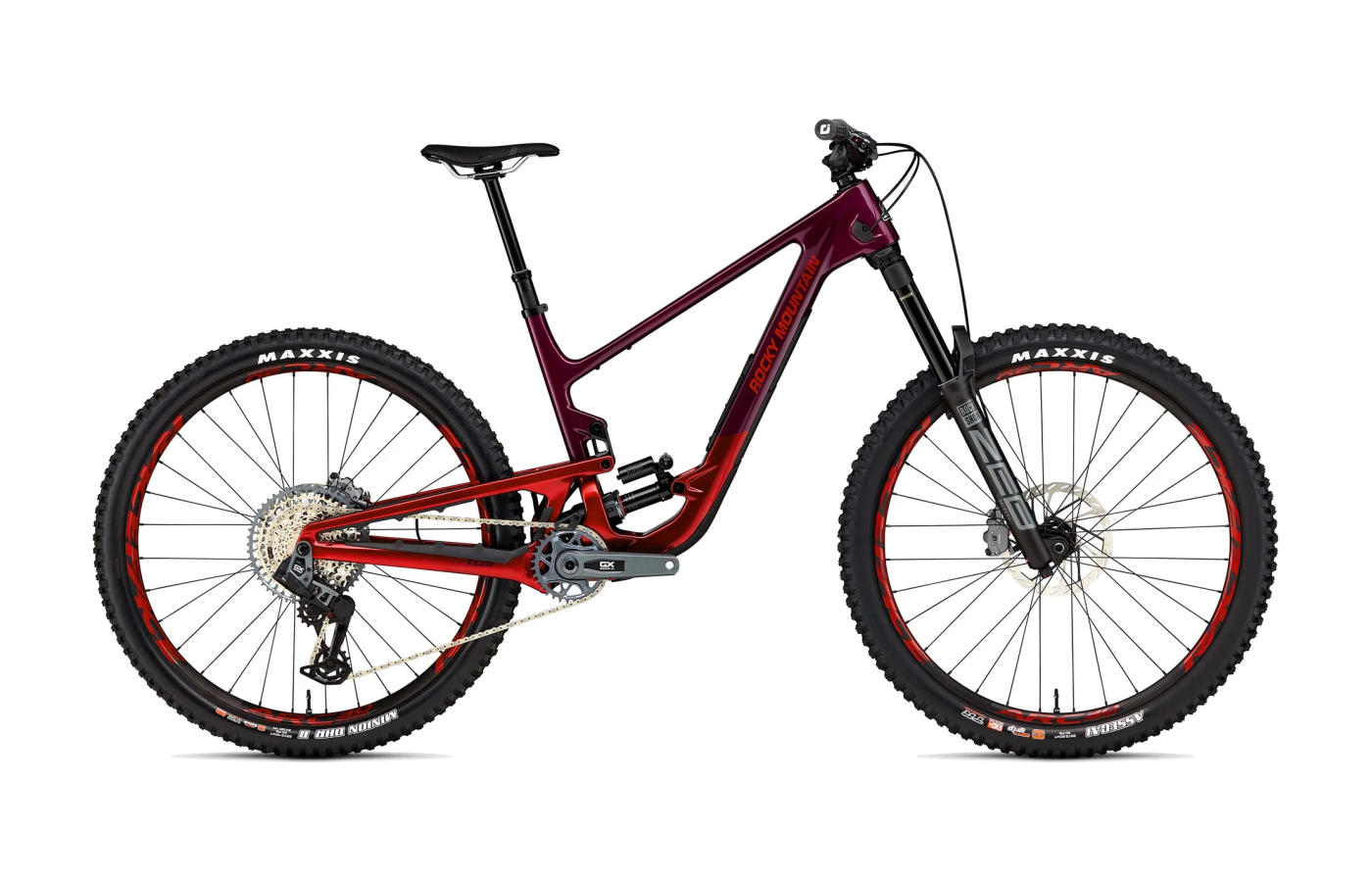
Two 160 mm bikes, two very different missions.
The Ibis Ripmo is the playful all-mountain do-it-all. The Rocky Mountain Altitude is a full-on enduro race weapon.
Ripmo
- DW-Link climbs — efficient enough to leave open on most ascents and still get to the top with energy left.
- Playful, poppy character — short chainstays and a supportive mid-stroke reward active riding.
- Better climbing geometry — steeper 64.5 deg HTA and shorter wheelbase make tight switchbacks far easier.
- Less composed than the Altitude on the steepest, fastest descents.
- Pinkbike's testers found the stock Fox 36 Grip X damper "fluttery" on rough chop.
Altitude
- Magic-eraser descending — low CG, slack 62.9 deg HTA, and 1,243 mm wheelbase in md make rough terrain disappear.
- Race-ready out of the box — factory CushCore inserts, MaxxGrip front tire, DoubleDown rear save several hundred dollars in setup.
- Deep adjustability — Ride-4 flip chip plus +/- 5 mm reach-adjust headset gives 24 usable geometry combinations.
- Heavy and ponderous — slow to accelerate, reluctant in tight, technical terrain.
- Early-production main-pivot bolt loosening required Loctite and a special tool to fix.
Editor’s analysis
Same travel, same wheels, same Maxxis rubber — and two completely different ideas of what a big-travel 29er should feel like.
On paper these bikes look like neighbors. Both run a 160 mm fork, both pair it with a roughly 150–160 mm rear end, both ship with Maxxis Assegai/DHR II combos, both let you flip-chip into a mullet. Spend ten seconds on the geometry charts and the family resemblance vanishes.
The Ibis Ripmo is the lighter, livelier, more pedal-friendly bike. Its 64.5 deg head tube angle, 622 mm stack and 456 mm reach in MD sit it firmly in trail-bike territory, with size-specific chainstays kept short (435 mm in MD) for a flickable rear end. The DW-Link suspension is the part everyone writes home about — efficient enough to climb out of the saddle without bobbing, supportive enough to pump and pop, and 3 mm shorter at the back than the Altitude's 160 mm. Reviewers from Enduro MTB to The Radavist describe it as a "hoverbike" on chunky climbs and a "total fun machine" on the way down.
The Rocky Mountain Altitude picks one job and welds itself to it. A 62.9 deg head tube angle (1.6 deg slacker than the Ibis Ripmo), 450 mm chainstays in lg, and a 1,243 mm wheelbase in md make it longer, slacker, and more planted at every speed. The new LC2R dual-link suspension tucks the shock low in the frame for a low center of gravity, and reviewers consistently use words like "magic eraser" and "racecar" to describe what happens when you point it down a fast, rough line. The flip side: it's heavy (Blister measured 15.5 kg / 34.3 lb on a Carbon 90 large), reluctant in tight switchbacks, and the kind of bike Pinkbike called "too much bike for intermediate blue trails."
Put another way: the Ibis Ripmo is the bike you buy when you want one mountain bike for everything from XC laps to bike-park Sundays. The Rocky Mountain Altitude is the bike you buy when you already own a trail bike and you want a second one for race weekends and shuttle days.
Where the builds differ.
Comparing our editor's-pick builds side-by-side. Winners highlighted row-by-row — lower price and weight, and the better-spec component, each mark a point.
Build variants & pricing
Both lineups span roughly $2,000–$5,000 of range. The Ibis Ripmo runs $5,199–$9,999; the Rocky Mountain Altitude runs $3,999–$5,799 — and Rocky has no flagship-tier carbon equivalent to Ibis's $9,999 XTR build.
Editor's picks are tier-matched on SRAM GX Eagle Transmission and full-carbon frames. The $2,000 price gap is real — Ibis's GX Transmission is $7,799 and Rocky's Carbon 70 (their top spec) is $5,799. Some of that closes when you factor in Rocky's stock CushCore inserts and DoubleDown rear tire.
How they fit, how they steer.
Both at the size each bike's fit algorithm picks for a 5'8" rider. The Altitude sits 8 mm taller in stack, 6 mm shorter in reach, and 1.6 deg slacker at the head tube — the geometric signature of a longer-travel, more gravity-biased bike.
Which size should I buy?
Size recommendations based on stack, reach, and effective top tube. The Ripmo offers an extra "XM" size between MD and LG; the Altitude jumps straight from md to lg.
→These are starting points. Flexibility, riding style, and preferred position all shift the answer — if you’re between sizes, a professional fit beats a chart.
What the magazines said.
Published reviews from trusted cycling outlets. Click through for the full write-up.
Which one should you buy?
If you want one bike for everything, get the Ibis Ripmo. If you live for the descent and earn it on the climb, get the Rocky Mountain Altitude.
Ripmo
If your week is half climbing, half descending, and you'd rather have a bike that's fun on a rolling trail than one that's a missile down a steep one — this is the call. The DW-Link climbs almost anything and the geometry stays playful instead of plowing.
Altitude
If your local rides are shuttle laps, bike-park days, and the steepest lines you can find — and you're willing to suffer up the climb to get there — the Altitude is the sharper tool. Race-ready out of the box, supremely planted at speed, and tunable across 24 usable geometry combinations.
Questions buyers actually ask.
Short answers to the things we get emailed about most often.
01Which one descends harder?
The Rocky Mountain Altitude, by a clear margin. The 62.9 deg head tube angle (vs 64.5 on the Ripmo), 1,243 mm md wheelbase, and low-slung LC2R suspension make it the more composed bike when the trail gets fast and rough. Multiple reviewers call it a "magic eraser" that flattens chunder you'd be picking apart on a shorter-travel bike.
The Ripmo descends very capably — Ibis added a slacker HTA and more progression to the V3 specifically for this — but it stays more engaging and less plow-y, which some riders prefer and others don't.
02Which one climbs better?
The Ibis Ripmo, no contest. Its DW-Link suspension is one of the most efficient pedaling platforms in the 150 mm category — most reviewers ride it with the shock fully open and never reach for the climb switch. The Ripmo also has a shorter wheelbase and steeper head tube angle, which makes tight switchbacks easier.
The Altitude climbs better than its weight suggests (Blister logged 15.5 kg / 34.3 lb on a carbon large), and it has astonishing traction on technical climbs thanks to the active LC2R rear end. But it's still a heavy enduro race bike — most riders flip the climb switch on smoother fire roads.
03Can I run both as a mullet?
Yes. Both bikes have a flip chip that allows a 27.5" rear wheel with the stock 29" front, preserving correct geometry. On the Ripmo the smaller (S/M) sizes actually ship as mullets stock; XM/L/XL ship full 29 and can be flipped. On the Altitude, sizes M–XL are mullet-convertible and the size S ships 27.5 front and rear. Reviewers note the mullet setup makes the Altitude noticeably snappier in tight terrain.
04Which has better stock components for the money?
Apples-to-apples on our editor's picks: the Rocky Mountain Altitude Carbon 70 ($5,799) vs the Ibis Ripmo GX Transmission ($7,799). Both run SRAM GX Eagle Transmission and full-carbon frames.
Rocky's $2,000 advantage is real, and it includes factory-installed CushCore Trail inserts, MaxxGrip front rubber, and a DoubleDown rear casing — touches that would cost several hundred dollars to add. Ibis counters with Fox Factory-series suspension (vs RockShox Select+ on the Altitude C70) and the Blackbird Send wheelset. Net: the Altitude is the better value if you ride aggressively; the Ripmo is the more refined platform if you want top-shelf damping.
05What about durability and known issues?
Both frames have threaded bottom brackets, UDH rear ends, and ample chainstay protection. The Ripmo has a lifetime warranty on the lower-link IGUS bushings and a generous downtube TPU plate; reviewers report a quiet, well-protected frame.
The Altitude has had two recurring early-production complaints: the main pivot bolt loosening (fixable with Loctite, but requires removing the drive-side crank with a Rocky-supplied tool) and a rattling dropper post that Rocky has handled as a warranty issue. Both are addressable, but worth knowing.
06Is the Altitude really too much bike for most riders?
It can be. Pinkbike explicitly called it "too much bike for intermediate blue trails" — its long wheelbase and slack head angle reward speed and committed riding, and feel cumbersome at lower speeds in tight terrain. If most of your local trails are flowy intermediate singletrack with rolling climbs, the Ripmo will be more fun more of the time.
If you ride steep, fast, technical lines — or you race enduro — the Altitude's stability is the whole point and you'll feel undergunned on the Ripmo on the gnarliest descents.
07How does the suspension feel different on each?
The Ibis Ripmo's DW-Link is firm, efficient, and active in its initial stroke — riders consistently describe it as poppy and supportive, the kind of suspension that translates pumping into forward motion. It uses 150 mm of rear travel and is coil-compatible.
The Altitude's LC2R dual-link sits the shock low in the frame for a low center of gravity. It runs 160 mm of rear travel and is described as plusher and more sensitive on small bumps, with a noticeably more planted feel — at the cost of being less lively when you're trying to manual or pump.
08Do both come with a warranty?
Yes. Ibis offers a 7-year frame warranty on the carbon front and rear triangles, plus a lifetime warranty on the lower-link IGUS bushings — a nice signal of confidence. Rocky Mountain provides a 5-year transferable frame warranty, which carries over to a second owner — useful if you ever sell the bike on the used market.
Similar bikes
If your priorities don’t map cleanly onto either of these, one of these adjacent bikes probably fits better.
Hightower
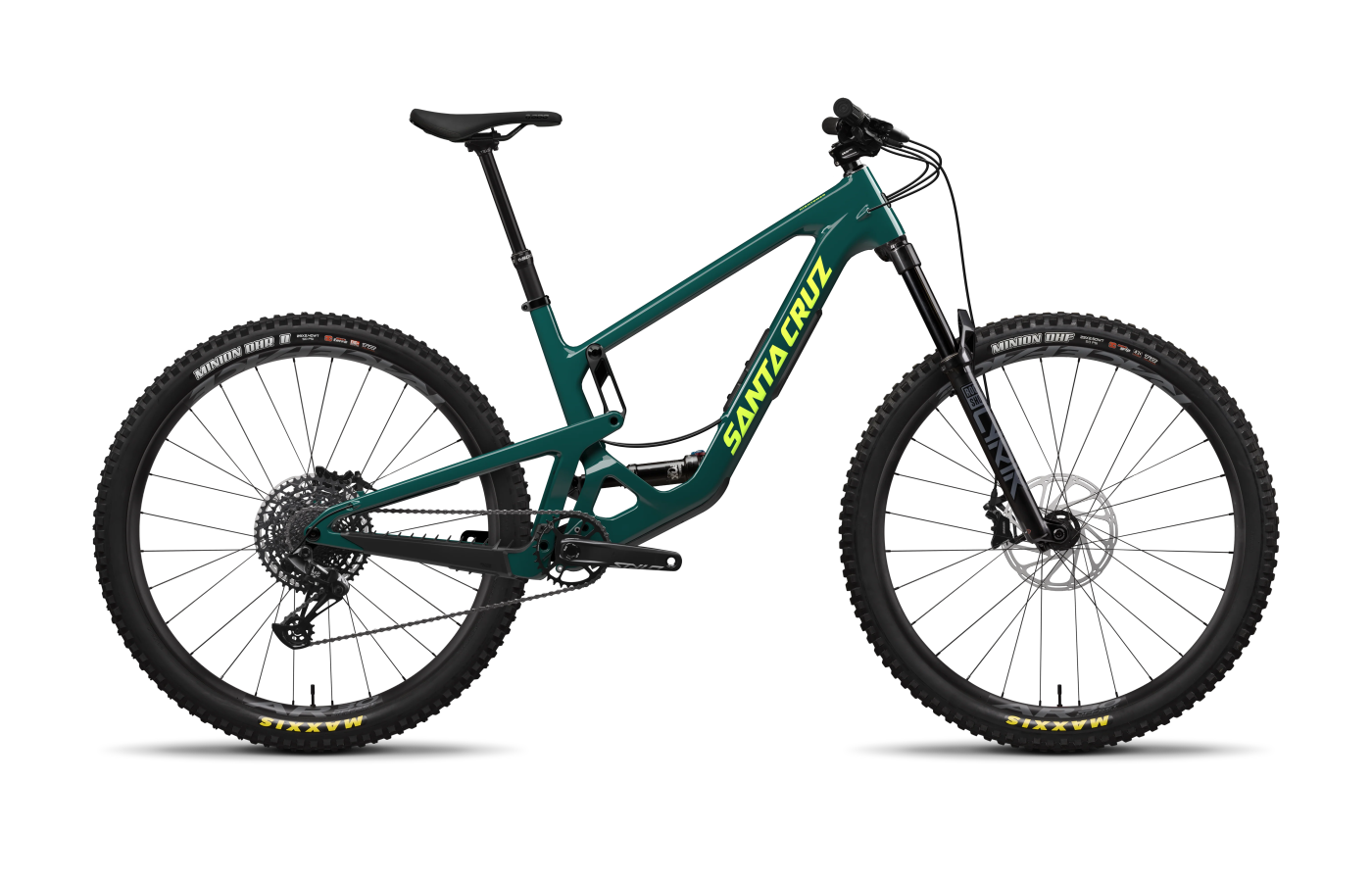
The Santa Cruz Hightower is a similar-travel all-mountain 29er with VPP suspension that feels more planted and ground-hugging than the Ripmo. Pick it if you want the Ibis's versatility but with less of the poppy, lively character.
Compare →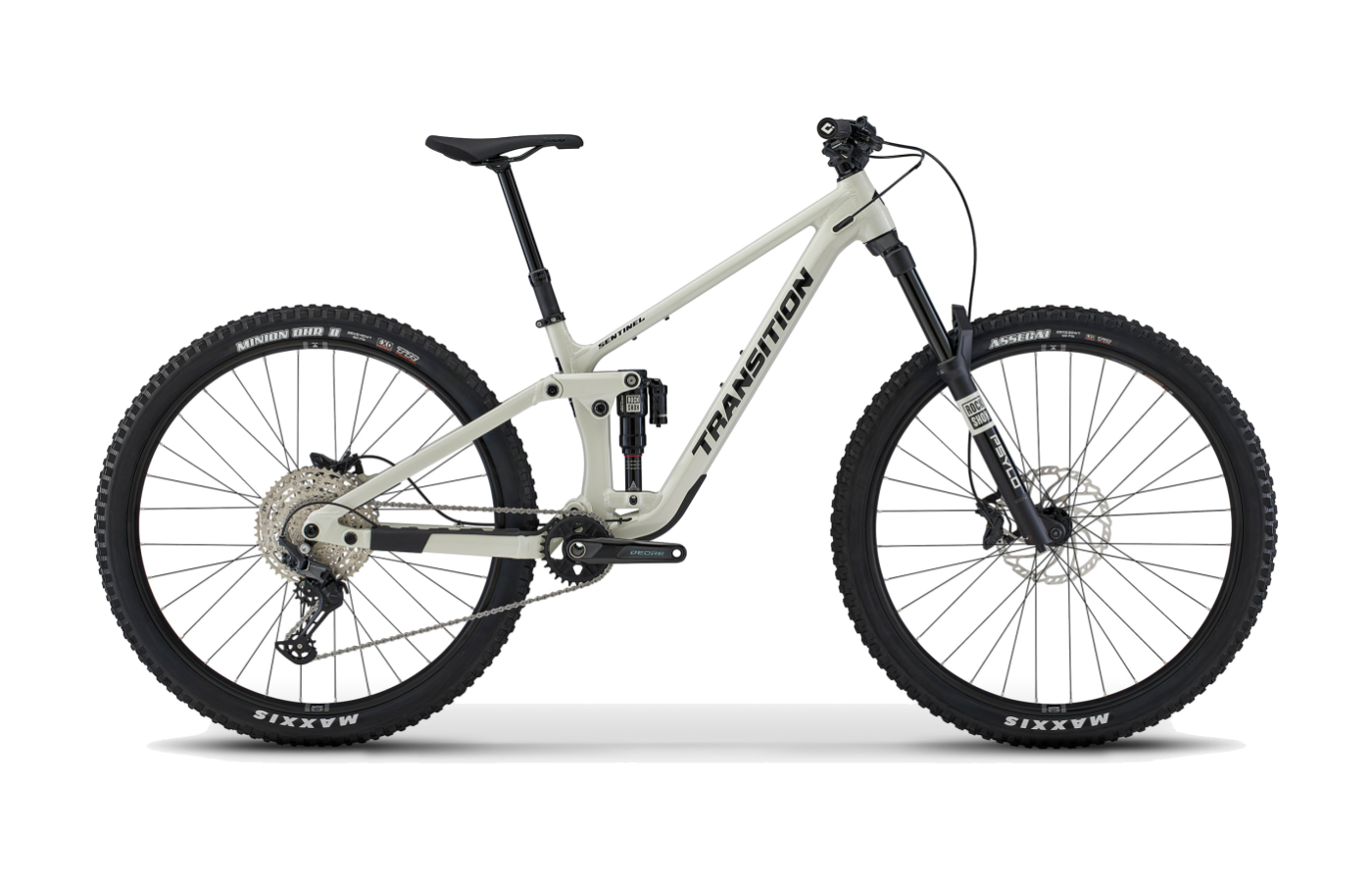
Sentinel
The Transition Sentinel splits the middle — more composed and stable in rough terrain than the Ripmo, more pedal-friendly than the Altitude. A solid pick if neither extreme is quite right.
Compare →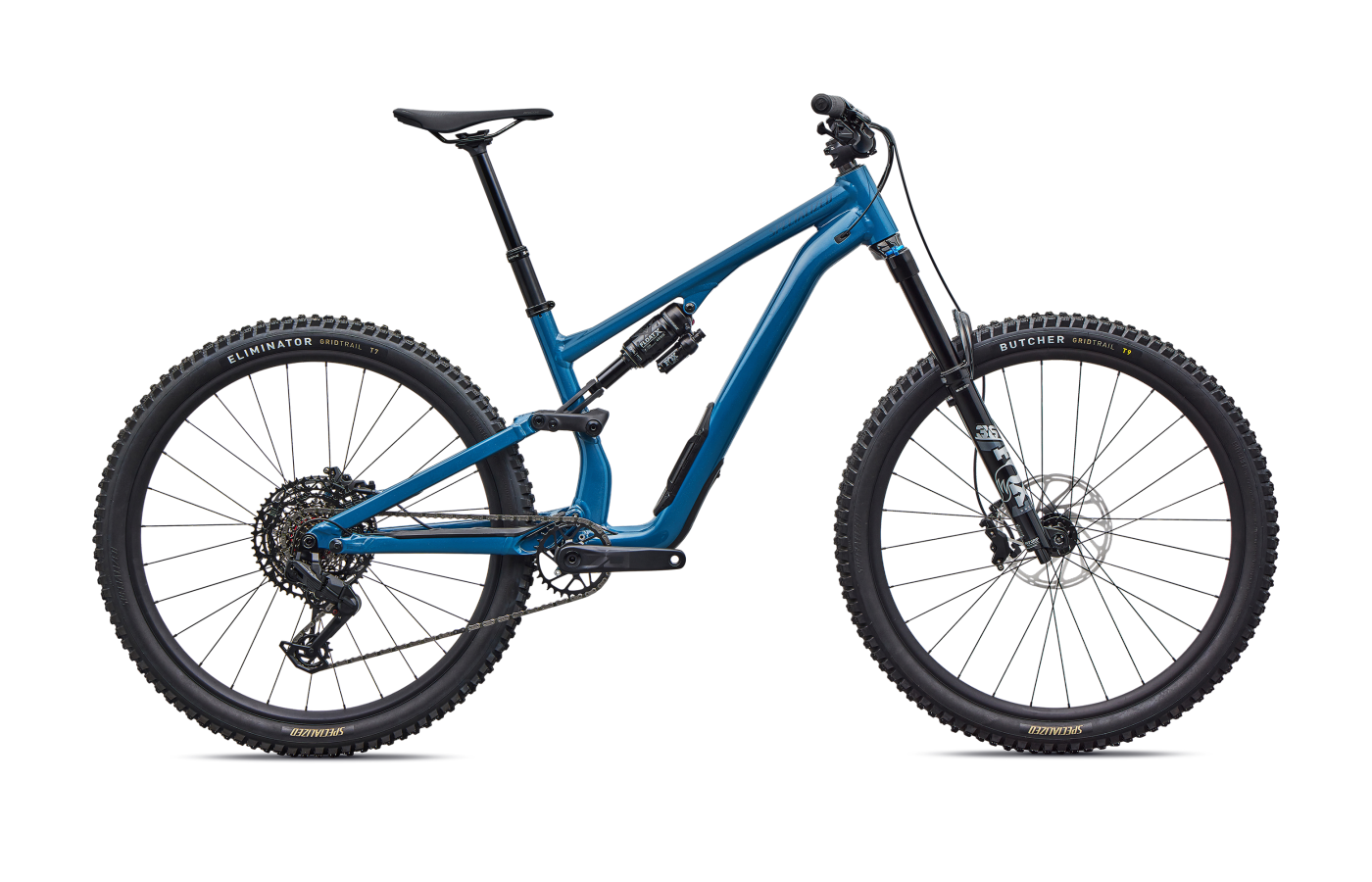
Stumpjumper Evo
The Specialized Stumpjumper Evo offers Altitude-level adjustability (six geometry settings via a flip chip and adjustable headset) but in a more nimble, playful package. Closer in personality to the Ripmo, but with the dial-it-in tunability of the Rocky.
Compare →