Ripmo
vsInstinct
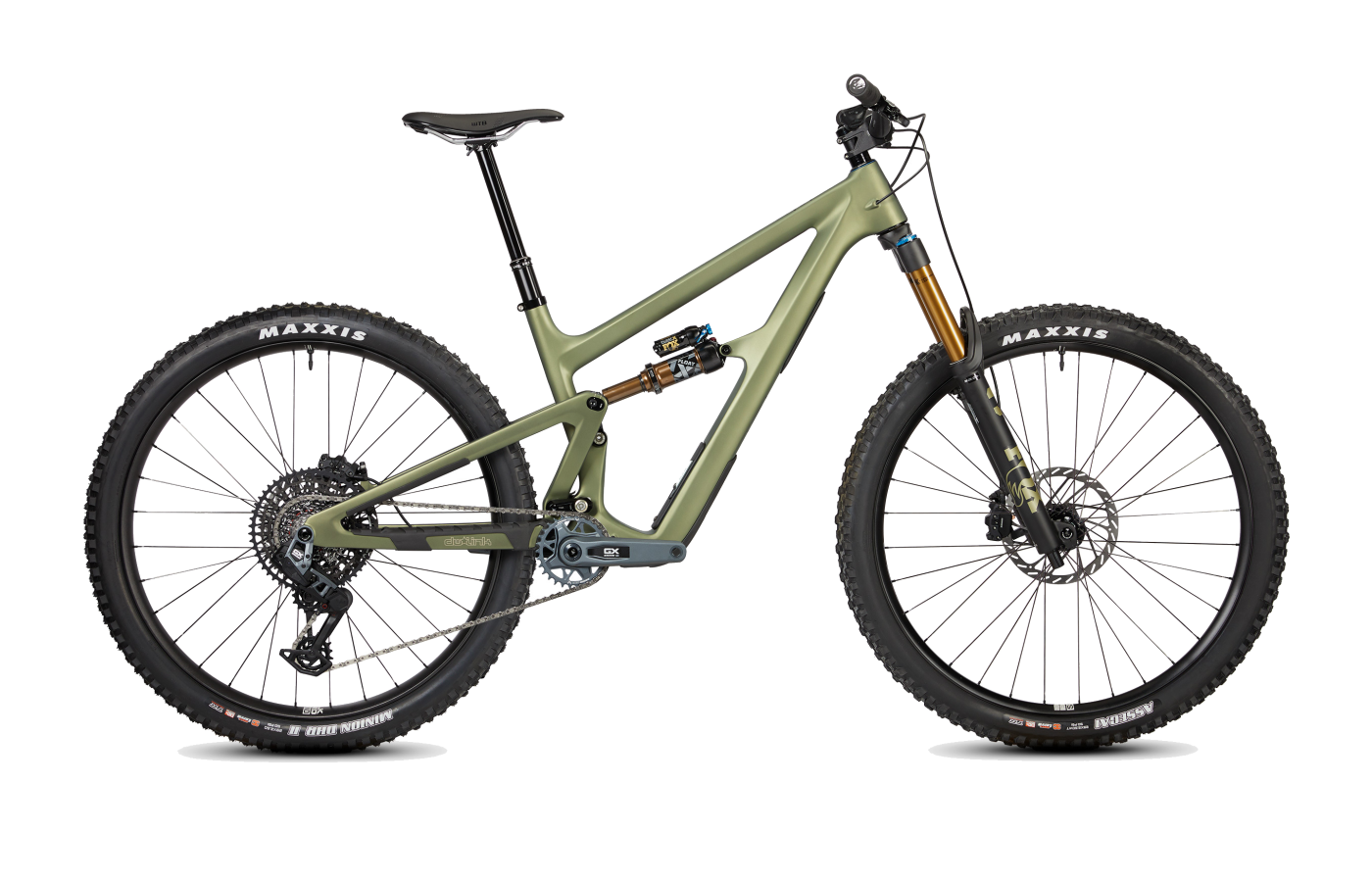
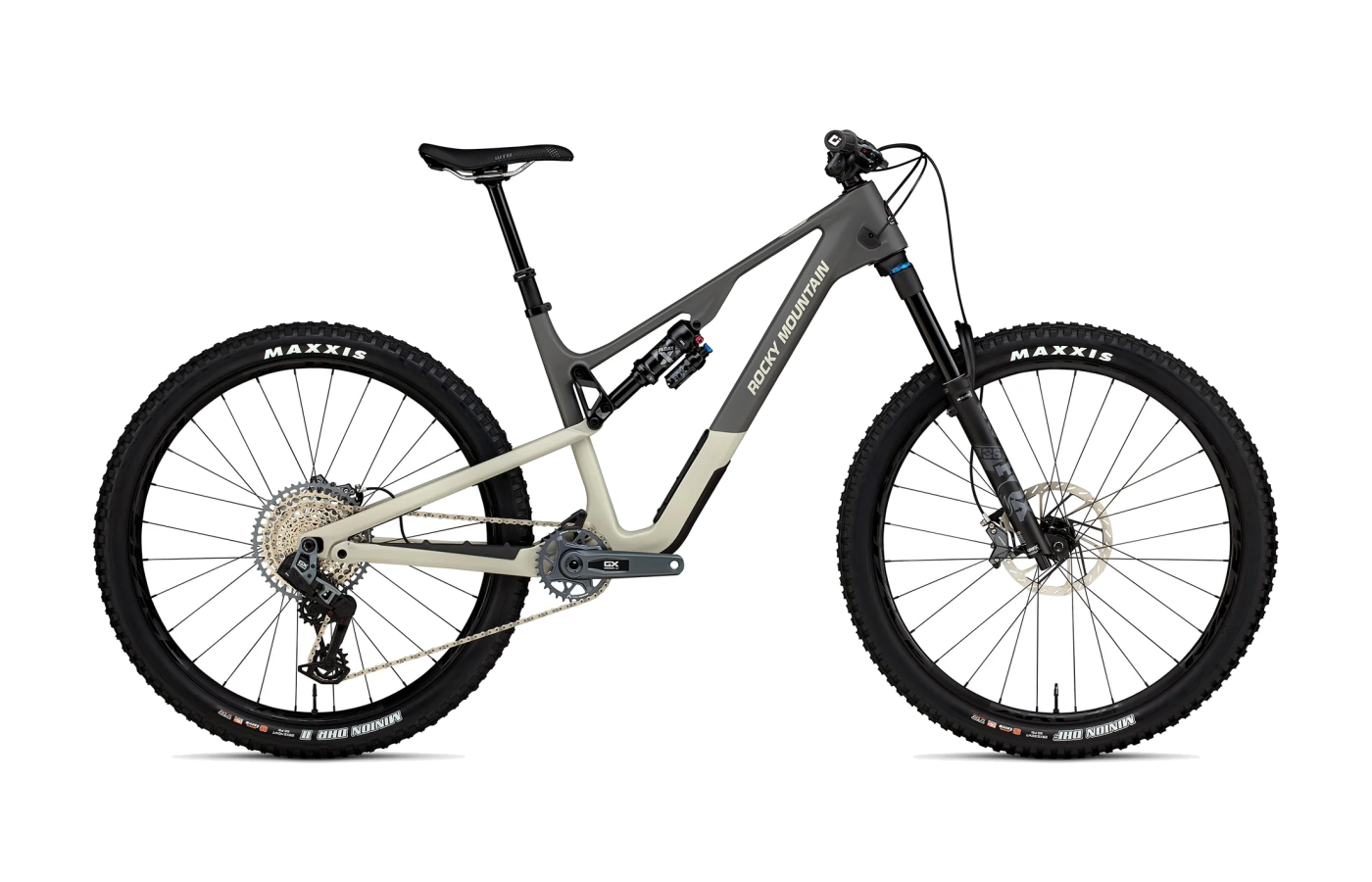
Two trail bikes, two design philosophies.
The Ripmo is the proven do-it-all platform, set up and ready. The Instinct is a tinkerer's chassis with 48 ways to dial it in.
Ripmo
- More travel for the same job — 160/150 mm vs 150/140, with mid-stroke support reviewers consistently call class-leading.
- Reference-grade DW-Link climber — efficient under power, traction-rich on chunk, reviewers liken it to a 'hoverbike' on rough ascents.
- Higher BB (30 mm drop) for fewer pedal strikes on technical climbs and rocky lines.
- Steeper head angle (64.5°) gives up some high-speed composure to more enduro-leaning bikes.
- Mid-tier builds start at $5,699 — there's no sub-$5k option in the carbon lineup.
Instinct
- Full geometry workshop — RIDE-4 flip chip, reach-adjust headset, and chainstay flip chip combine for 48 possible setups.
- Slacker 63.5° head angle and 44 mm BB drop mean a more planted, descent-biased default than the Ripmo.
- Genuine value range — complete builds start at $3,399 (alloy) and $5,499 (carbon), undercutting the Ripmo across the board.
- Less travel (140 mm rear / 150 mm front) caps how far you can push it before it asks for upgrades.
- Multiple reviewers flag the stock Fox Float X tune as underdamped on harder-charging C70/C50 builds.
Editor’s analysis
Both target the same long-day trail rider — but one ships the answer, and the other ships the workshop.
On paper, the Ibis Ripmo and Rocky Mountain Instinct compete for the same garage space: 140-150 mm of rear travel, a 150-160 mm fork, in-frame storage, modern carbon trail-bike geometry. Spend any time with the actual numbers and the philosophies diverge fast — Ibis builds a bike with the answers baked in, while Rocky Mountain hands you a chassis with 48 geometry combinations and expects you to do the dialing.
The Ripmo runs more travel — 160 front / 150 rear vs the Instinct's 150 / 140 — but pairs it with a steeper 64.5° head angle and a tall 30 mm bottom-bracket drop. The result is a poppy, eager-to-climb, do-everything trail bike that the consensus calls one of the best climbers in its travel class. DW-Link suspension stays composed under power, the upright seated position keeps the front planted, and downhill it rewards active riders who like to whip and gap rather than plow.
The Rocky Mountain Instinct is a fundamentally different proposition. Less travel, but a full degree slacker at 63.5°, a 44 mm BB drop (much lower), and every geometry knob you'd ever ask for: RIDE-4 four-position flip chip at the shock, +/- 5 mm reach-adjust headset cups, and a chainstay flip chip that swings the rear from 437 to 447 mm. Reviewers describe its carbon frame as having a deliberate lateral flex that helps it carve corners — a feature, not a bug, that no Ripmo reviewer mentions.
Put another way: the Ibis Ripmo is the bike you buy when you want to ride. The Rocky Mountain Instinct is the bike you buy when you want to ride and tune. Both finish in the same place — a fast, capable trail bike for big days — but the journey there is very different.
Where the builds differ.
Comparing our editor's-pick builds side-by-side. Winners highlighted row-by-row — lower price and weight, and the better-spec component, each mark a point.
Build variants & pricing
The Ripmo runs $5,199 to $9,999 — all carbon. The Instinct spans $3,399 to $9,449 with both alloy and carbon frames.
Prices are current US MSRP. The Ripmo lineup is carbon-only and starts higher; the Instinct's alloy 30 ($3,399) and alloy 50 ($4,599) are the only true budget options between the two platforms.
How they fit, how they steer.
Both sized MD for a 5'8" rider. The Instinct sits 23 mm lower at the stack and 7 mm shorter in reach, runs a degree slacker at the head tube, and has a 14 mm lower bottom bracket — a more planted, descent-biased default. The Ripmo is taller and steeper, biased toward climbs and active riding.
Which size should I buy?
Both ranges are five sizes deep. The Ripmo adds an Extra Medium (XM) between MD and LG; the Instinct lets you tune fit further with reach-adjust headset cups.
→These are starting points. Flexibility, riding style, and preferred position all shift the answer — if you’re between sizes, a professional fit beats a chart.
What the magazines said.
Published reviews from trusted cycling outlets. Click through for the full write-up.
Which one should you buy?
If you want a proven trail bike that's set up and ready, get the Ripmo. If you want a chassis you can sculpt — and you'll save money doing it — get the Instinct.
Ripmo
If you want one bike for everything from long technical climbs to playful descents and don't want to spend the first month adjusting it, the Ripmo is the benchmark. More travel, more pedigree, and a DW-Link platform that climbs like a shorter-travel bike and descends like a longer one.
Instinct
If you love dialing fit and handling to precise specifications — or your trails change enough that one geometry doesn't cut it — the Instinct's 48 geometry combinations and lower entry price make it the more flexible long-term platform. Just budget for a re-valve or coil shock if you ride hard.
Questions buyers actually ask.
Short answers to the things we get emailed about most often.
01Which one climbs better?
The Ibis Ripmo, by clear consensus. The DW-Link suspension stays composed under power without needing the climb switch, the upright seated position keeps the front wheel planted on steep ascents, and the higher 30 mm bottom-bracket drop reduces pedal strikes on technical climbs.
The Instinct climbs competently for a 140 mm trail bike and gets help from its steep 76.5° seat tube angle, but multiple reviewers (Pinkbike, the Pinkbike Field Test) call its stock shock tune 'wallowy' on smoother sustained climbs — most found themselves reaching for the climb switch.
02Which is better on technical descents?
It's closer than the travel numbers suggest. The Ripmo has 10 mm more travel front and rear (160/150 vs 150/140) and is the more capable bike on rough, sustained chunk straight out of the box.
But the Instinct is a full degree slacker (63.5° vs 64.5°) and sits 14 mm lower at the BB, so set up in its slackest RIDE-4 position with the long chainstay, it's surprisingly planted at speed. Pinkbike and Bebikes specifically called the Instinct 'punching above its weight' as a descender. The catch: the stock Fox Float X tune on the C70 may need a re-valve or a coil swap to fully exploit the geometry.
03How much geometry adjustment does each bike actually offer?
Ripmo: a single mullet flip chip (29" full vs MX). Geometry is otherwise fixed — Ibis's 'size-specific everything' philosophy means each frame size has its own chainstay, BB height, and seat tube angle from the factory.
Instinct: four-position RIDE-4 flip chip (changes head angle 63.5°-64.3°, plus kinematics), +/- 5 mm reach-adjust headset cups, and a two-position chainstay flip chip (437-447 mm). Reviewers count 48 possible geometry combinations. If you like to tinker, this is one of the most adjustable trail bikes on the market.
04What about the Instinct's stock shock tune — is it really a problem?
It depends on your weight and how hard you ride. Pinkbike's Henry Quinney was unequivocal that the C70's Fox Float X Performance Elite is 'underdamped' and 'too progressive,' undermining the geometry at speed.
But Jeff Kendall-Weed and Bebikes — also testing C70-class builds — found it 'fine once dialed in' for moderate trail use. GearJunkie's C70 AXS shipped with a RockShox Super Deluxe Ultimate (different shock entirely) and praised its 'planted' feel. The fix: aggressive riders should budget for a re-valve, a firmer compression tune, or a coil shock. Casual trail riders may never notice.
05How does the in-frame storage compare?
Both bikes have it and both execute it well. The Ripmo ships with two custom Cotopaxi storage pouches and a quiet, secure latch — Enduro-MTB called it 'one of the best solutions we've come across so far.'
The Instinct's Penalty Box 2.0 is one of the largest compartments out there, with a custom tool wrap and even a concealed AirTag/Tile slot for theft tracking. Both are excellent; the Instinct is bigger, the Ripmo's pouches feel more polished.
06Which one is better for a 5'8" rider?
Both fit, but at different sizes within their ranges. Our fit algorithm puts a 5'8" (173 cm) rider on the Ripmo MD (456 mm reach, 622 mm stack) and the Instinct md (449 mm reach, 599 mm stack).
The Ripmo MD is taller and slightly longer — it'll feel more upright and spacious. The Instinct md is more compact and lower-slung. If you want even more dial-in, the Instinct's reach-adjust headset cups give you +/- 5 mm without changing size.
07What's the price difference for comparable builds?
Tier-for-tier, the Instinct is meaningfully cheaper. Our editor's-pick comparison: Ripmo GX Transmission at $7,799 vs Instinct Carbon 70 at $5,499 — both SRAM GX Eagle Transmission AXS, both Fox 36 forks, both carbon frames. That's a $2,300 spread for similar drivetrain and suspension.
The Ripmo's premium goes to Fox Factory-grade suspension, Ibis BLKBRD carbon cockpit, and the brand's storied DW-Link platform. Whether that's worth $2,300 to you is the real question.
08Can either bike be set up as a mullet (29"/27.5")?
Yes, both. The Ripmo uses a flip chip for full-29 or mixed-wheel setups. The smaller sizes (S/M) ship as mullet from the factory; XM/L/XL ship as full 29 with the option to convert.
The Instinct also offers MX compatibility via its 2-position axle on the carbon models. Either bike will accommodate the wheel size you prefer without a geometry penalty.
Similar bikes
If your priorities don’t map cleanly onto either of these, one of these adjacent bikes probably fits better.
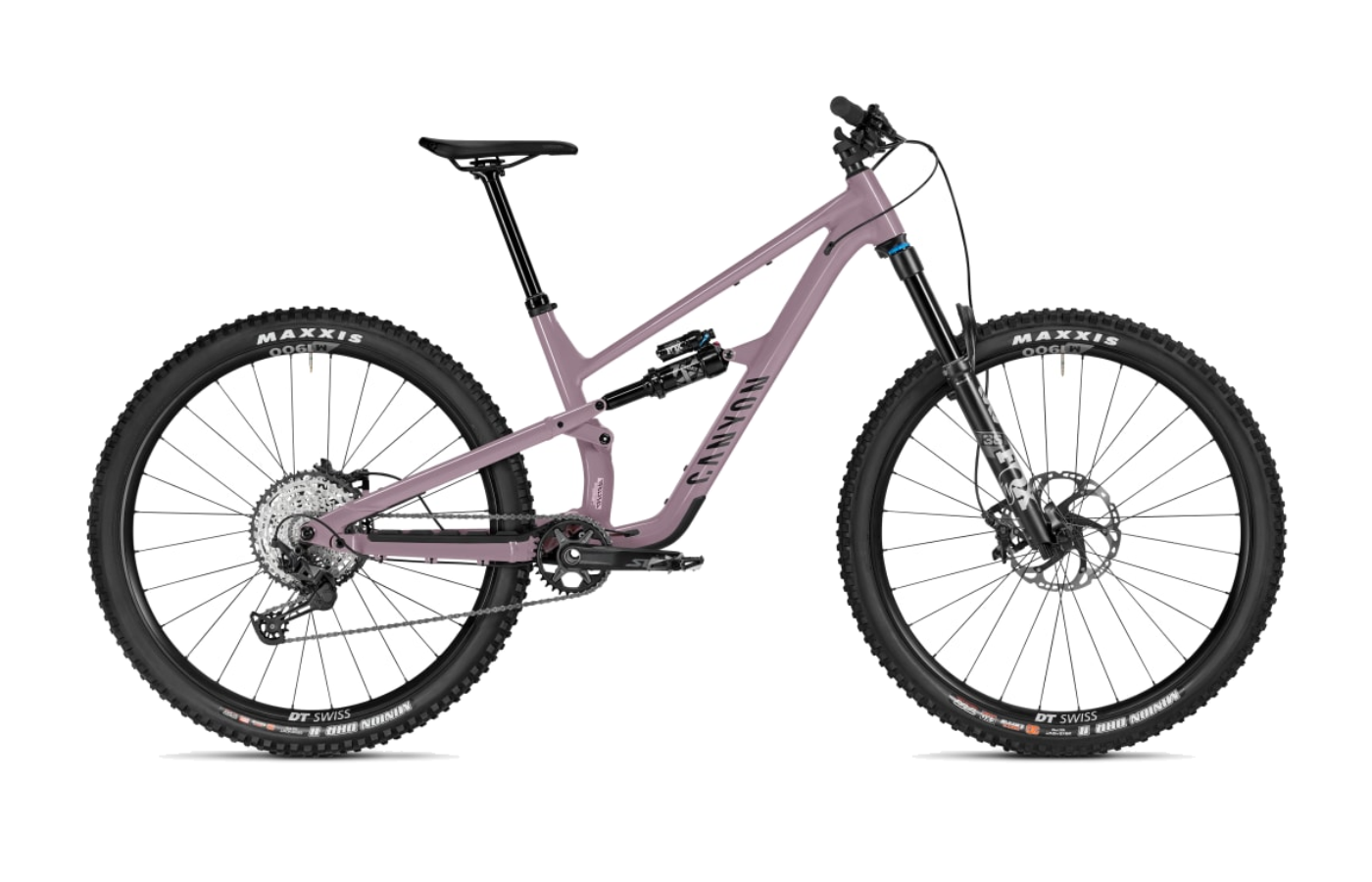
Spectral
Canyon's 150/150 mm direct-to-consumer trail bike, often cross-shopped with the Ripmo for its similar travel and reputation for fun, capable handling. Pinkbike actually rated it more confidence-inspiring than the Ripmo on rough descents — and the DTC pricing typically beats both bikes here.
Compare →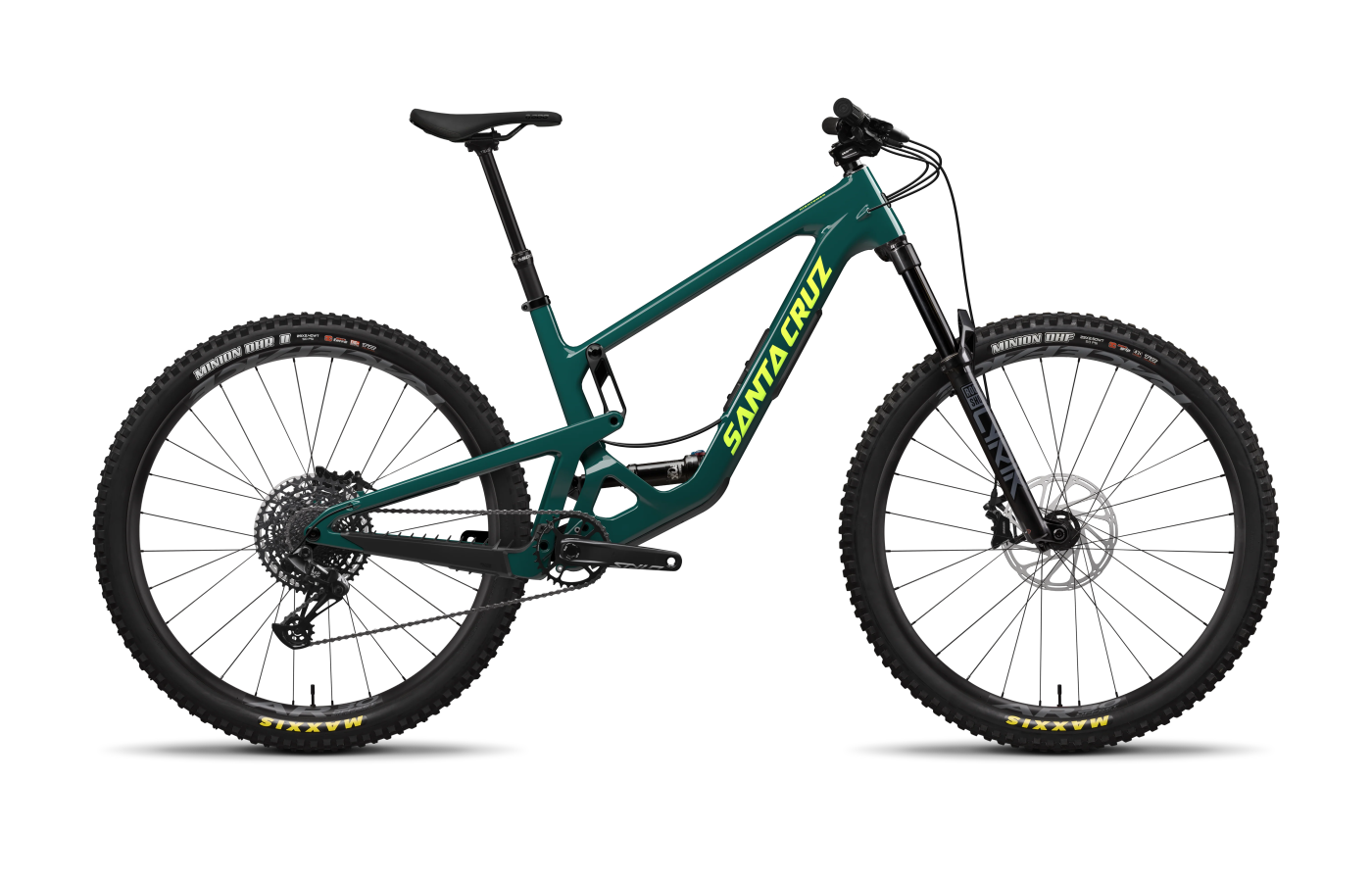
Hightower
Santa Cruz's 150 mm trail bike with VPP suspension and famously composed handling — the more 'planted, do-it-all' alternative if you find the Ripmo too poppy and the Instinct too fiddly. A safe, dealer-supported pick.
Compare →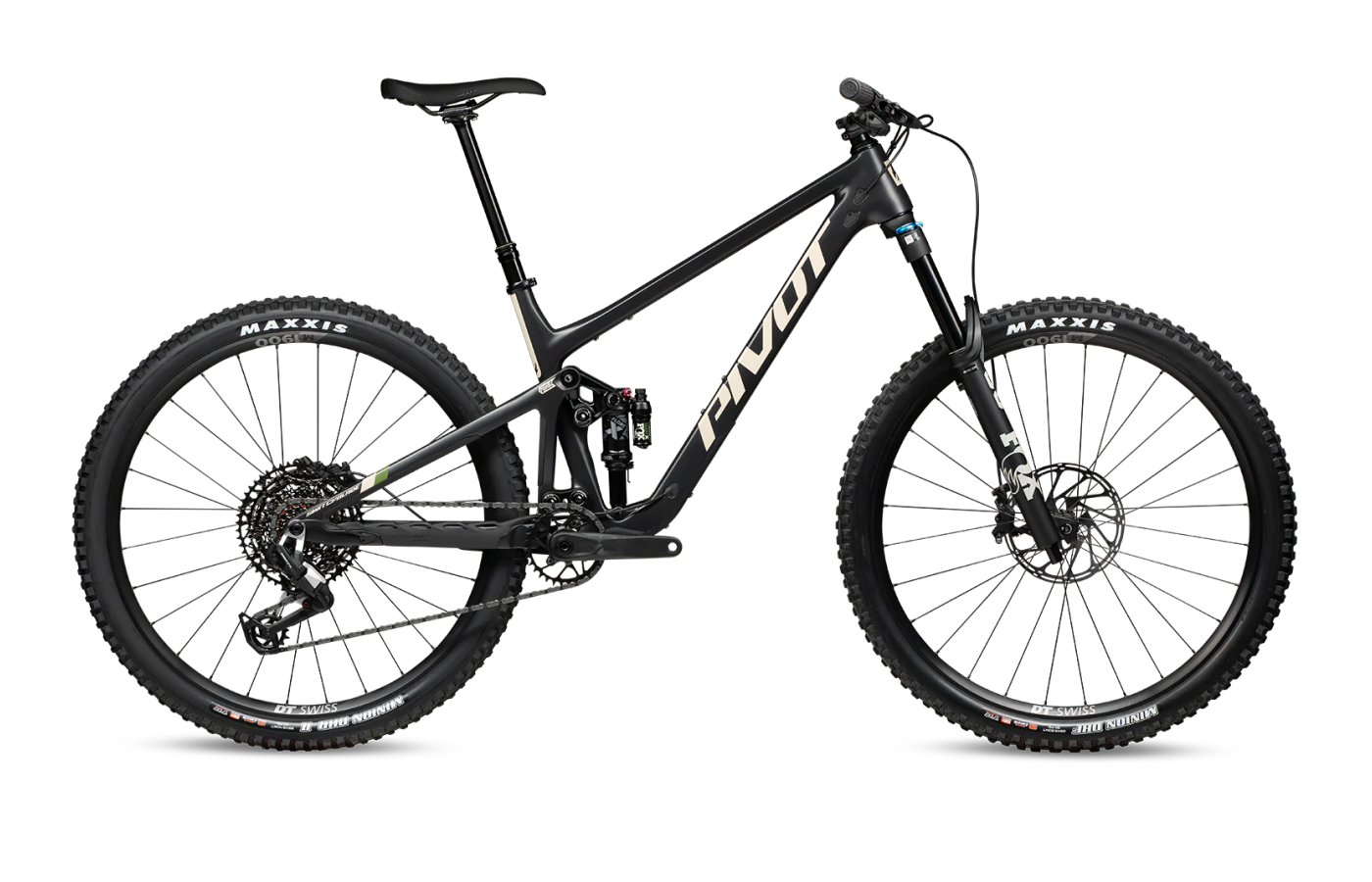
Switchblade
Pivot's 160/142 mm DW-Link trail bike — same suspension family as the Ripmo, but with a stiffer frame and a more aggressive suspension tune. The pick for jumpers and chargers who want the DW-Link feel turned up a notch.
Compare →